
Translated material
Bloomberg: The United States proposed resuming the work of the Russia-NATO Council
The Alliance Secretary General previously spoke about a possible Russian attack
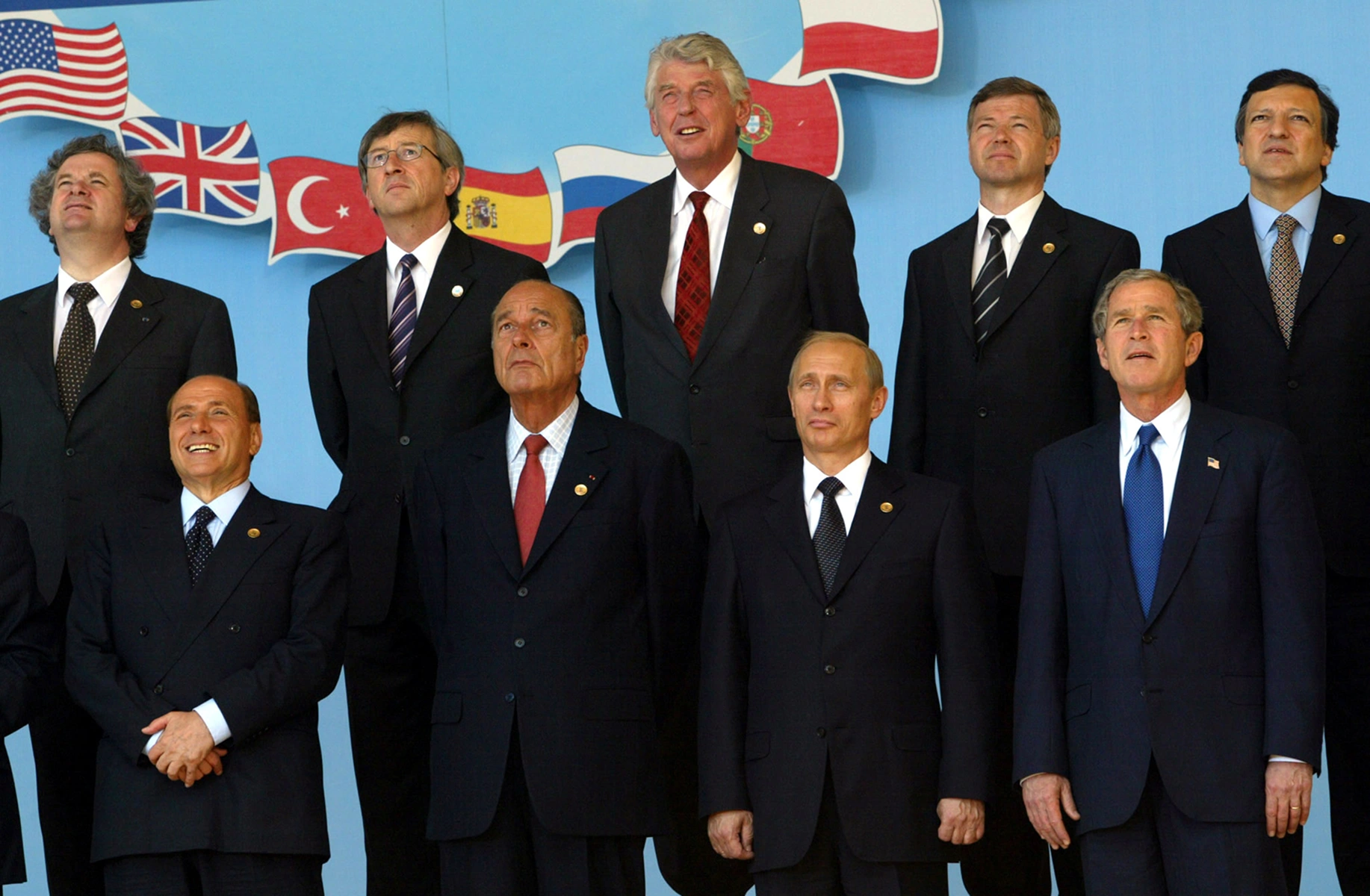
The administration of US President Donald Trump has proposed resuming the work of the Russia-NATO Council, Bloomberg writes, citing a source. The association actually ceased to exist in 2022, after the start of Russia’s full-scale invasion of Ukraine.
In order not to miss new texts from “Layout”, subscribe to our telegram channel
The US proposal is an addition to its plan to end the war
This proposal, according to Bloomberg, was an addition to the plan to end the war in Ukraine, which the United States had previously presented. It includes, among other things, legal recognition by Washington of Russia’s control over Crimea, Lugansk and parts of the Zaporozhye, Donetsk and Kherson regions, as well as the lifting of sanctions imposed since 2014.
Ukraine, according to the US plan, will not seek to join NATO, but may seek membership in the European Union. It will also receive “reliable security guarantees”, regain territory in the Kharkov region and control over the Kakhovka hydroelectric power station and the Zaporozhye nuclear power plant. The latter is planned to be operated by the United States, with electricity distributed to both sides.
Representatives of Ukraine and European countries prepared their own version of the plan in response to this. It does not say that it is abandoning its NATO aspirations, but it does say that "Ukraine receives strong security guarantees, including from the United States, despite the lack of consensus among allies on Ukraine's NATO membership." Ukraine also proposes to resolve territorial issues after a complete and unconditional ceasefire.
Military cooperation within the Russia-NATO Council actually ceased back in 2014
The NATO-Russia Council (NRC) was created in 2002 as a platform for equal dialogue and cooperation between Russia and NATO countries. It replaced the Permanent Joint Council, which had been in force since 1997. The purpose of the NRC was to build confidence, discuss security issues, jointly fight terrorism, control arms and conduct joint exercises.
The Rome Declaration on the creation of the NRC assumed an equal partnership for Russia and NATO member countries. For six years, until the summer of 2008, the NRC met twice a year at the level of defense ministers, foreign ministers and chiefs of general staff. In 2014, due to the outbreak of war in eastern Ukraine and the Russian annexation of Crimea, military cooperation within the NRC was curtailed, but contacts at the diplomatic level were periodically maintained. In 2022, after the outbreak of a full-scale war in Ukraine, relations effectively ceased. The last meeting of the NRC took place on January 12, 2022 in Brussels.
“Layout” wrote about how Vladimir Putin’s attitude towards NATO changed over time. In 2000, in a pre-election interview with the BBC, when asked about Russia's possible entry into the alliance, he replied: “Why not? I do not exclude this possibility." 24 years later, already during a full-scale war against Ukraine, Putin called NATO an “anachronism” that, in order to exist, “needs to scare the world” and to do this provoke conflicts in Europe.
The NATO Secretary General and Dutch intelligence previously spoke about a possible Russian attack on the alliance countries
Earlier, the head of the Dutch military intelligence agency MIVD, Vice Admiral Peter Reesink, admitted that Russia could attack NATO countries within a year after the end of the war with Ukraine. He believes that the most serious threat from Russia is its continued buildup of military power in anticipation of a possible future war. According to Risink, Moscow is producing significantly more artillery than is needed for the conflict with Ukraine.
“The Netherlands, like other NATO countries, is now in a phase of increased readiness to be prepared in the event of such a development,” he said.
NATO Secretary General Mark Rutte spoke about the same thing back in December 2024. He said that at the moment the alliance countries are not in direct military danger, but they should prepare for a possible war in the future. In response to this, the first deputy chairman of the State Duma Committee on Defense, Alexey Zhuravlev, said that Russia should prepare the male population for a possible large-scale confrontation with the collective West.
Photo: NATO leaders and Russian President Vladimir Putin after the signing of the Rome Declaration and the creation of the Russia-NATO Council in Practica di Mare near Rome, May 28, 2002. REUTERS/Wolfgang Rattay
Support “Vestka” - it’s important and safe →