
Translated material
Life in occupation
Three years ago, Russia captured Mariupol. A brief overview of life in the city - from unemployment to real estate scandals
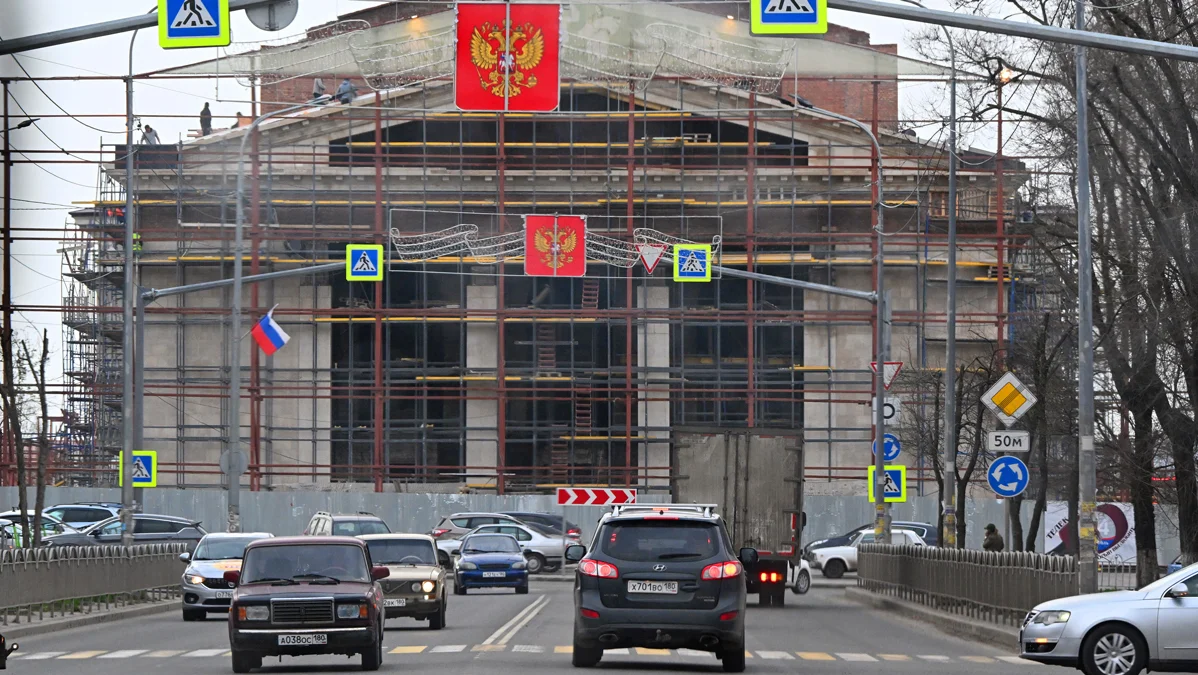
The theater building in Mariupol, April 2, 2025. Photo: Anatoly Zhdanov / Kommersant / Sipa USA / Vida Press
Three years ago, in the spring of 2022, Mariupol was under a long siege, and then under the Russian occupation. Many residents were killed, wounded or forced to leave at home. The Azovstal plant, like most urban infrastructure, became ruins. Mariupol lost not only buildings, but also his former life.
Now here is another reality. The Russian “administration” declares restoration, introduces its own rules, opens schools and shops. But behind the facade of "peaceful life" - everyday life under the occupation. Novye Europe briefly tells what the life of Mariupoltsev looks like in 2025: what is happening with housing, transport, healthcare and those who remained or returned to the destroyed city.
Citizenship
The issuance of Russian passports to residents of the occupied Mariupol began at the end of May 2022, after the completion of active hostilities and the full capture of the city by Russian troops.
According to the adviser to the mayor of Mariupol Peter Andryushchenko, on May 25, 2022, Mariupol residents were invited to obtain Russian citizenship without the need to issue passports of a self -proclaimed DPR. However, at that time, the issuance of passports in Mariupol itself has not yet begun; To draw up documents, residents had to contact neighboring settlements.
By May 31, 2022, the process of registering Russian passports for Mariupols entered the active phase. Residents needed to first receive a certificate of registration in Donetsk, and then submit documents for a passport in Novoazovsk, to the so -called DPR migration service.
At the beginning of 2025, Vladimir Putin announced the almost complete completion of the passportization of the population in the occupied territories of the Donetsk, Lugansk, Kherson and Zaporizhzhya regions of Ukraine. According to Human Rights Watch, by March, the Russian authorities issued about 3.5 million passports to residents of the occupied territories in eastern Ukraine.
For many, receiving a Russian passport has become a matter of survival, since without it was limited to access to medical care, social payments and other basic services.
On March 20, Putin signed a decree obliging Ukrainian citizens living in the occupied territories of the Zaporizhzhya, Kherson, Donetsk and Lugansk regions, until September 10, either receive Russian passports or leave these territories. Otherwise, they will be considered “foreign citizens” and will be restricted, including the maximum stay of 90 days, a mandatory medical examination and restrictions on labor activity.
Real estate
After the capture of Mariupol by the Russian troops, thousands of residents of the city lost not only housing because of hostilities, but also ownership of the surviving real estate.
Since the spring of 2024, the practice of massive housing recognition "ownerless" has acquired a systemic character. In that March, the so-called “DPR” adopted Law No. 66-RZ, according to which local administrations can officially withdraw private property if it is not possible to confirm Russian right to it. By May, about 6.5 thousand apartments and houseswere included in the list of such objects. According to the Prime Minister of the "DPR" Evgeny Solntsev, the total number of ownerless objects in Mariupol is estimated from 20 to 30 thousand.
Real estate falls under the "rash" if:
For more than a year, utilities are not paid;
There is no registration in the Russian Rosreestr;
There are no documents confirming ownership in accordance with Russian law;
Housing is a danger to others.
However, even houses with registered residents and current accounts fall into such lists. Owners who left the city are not able to come personally - what is now for a mandatory. The transfer of powers by proxy is no longer accepted.
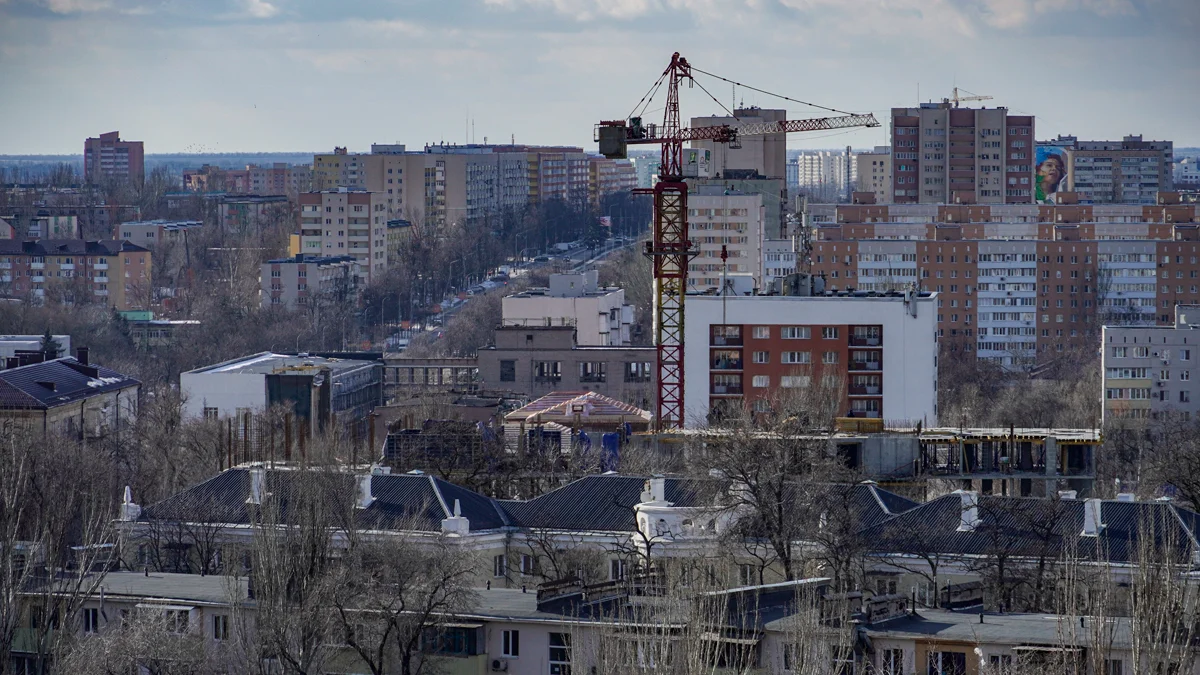
To save the apartment, you need to personally appear in the administration and present a Russian passport and originals of documents. Those who do not have time to do this within 30 days after entering the list are losing housing - it goes into municipal property and can be sold, rented or allocated to other residents.
New tenants - often visitors from Russia - are settled in such apartments for orders from the administration. The city authorities publicly stated that they could use the ownerless fund to resettle those in need.
Since 2025, the "ownerless" apartments have become an official alternative to new buildings. Against the backdrop of the dushing timing of the restoration of destroyed housing and the lack of new buildings, the Mariupol residents began to massively offer apartments from among the alienated fund. At the same time, compensation for lost real estate remain minimal - 45 thousand rubles per square meter, while the cost of apartments in new buildings reaches 146 thousand.
Residents whose houses were demolished often do not receive housing in the same areas. Instead, they are offered apartments on the outskirts or "impressions." The central plots are given for commercial development, as in the case of the Leningrad quarter, built on the site of private houses. The apartments there are put up for sale at a market price and are inaccessible to the previous owners.
Medicine
After the destruction of 82 out of 106 medical facilities in Mariupol in 2022, the city actually lost critical medical infrastructure - including children's hospitals, maternity hospitals and outpatient clinics. One of the most famous examples was the Russian airline at the Maternity House No. 3 in Mariupol. The hospital was destroyed.
After the occupation, the Russian authorities began the restoration and construction of medical institutions in Mariupol. Among them is the multidisciplinary medical center of the Federal Medical and Biological Agency (FMBA). The main load here lies in St. Petersburg-its Russian authorities back in 2022 were appointed “twin” of the captured Ukrainian city.
“We are working together on the restoration of the city, we establish a peaceful life in the Donbass. Two clinics have opened today. The work is being completed on the construction of two corps of the hospital - surgical and oncological, ” said Alexander Beglov, Governor of St. Petersburg.
At the same time, as of this May, not a single child medical institution has been restored in Mariupol. So,
The former children's hospital No. 3 is still in ruins. According to Astra, local "authorities" have not begun to restore the children's hospital and are not going to do this,
Motivating with severe damage to the building during Russian bombing.
It was also not possible to avoid an acute lack of personnel and equipment. Access to help is complicated : many residents complain about corruption, a deficiency of drugs and limited services, especially without a Russian passport. Doctors admit that assistance is largely provided with humanitarian supplies, and not systemic support.
Prices and salaries
After three years of Russian occupation, Mariupol continues to face a decrease in the purchasing power of the local population. According to local media, in 2024 prices rose sharply: chicken eggs began to cost 115-120 rubles per ten, increasing by 60–80%, and peas from 37 to 62 rubles. Sausage and cheese of normal quality cost from 600 to 1000 rubles per kilogram, and milk - from 100 to 140 rubles per 800 ml.
Prices for non -food products are also high. Local residents note that the cost of products, clothes and other goods is focused on a salary of at least 30 thousand rubles, but not all people receive so much. In the field of salary services can be 15–20 thousand rubles. According to official figures of the occupation authorities, the average salary in Mariupol is about 59,125 rubles. At the same time, high unemployment remains among the locals in the city.
Education
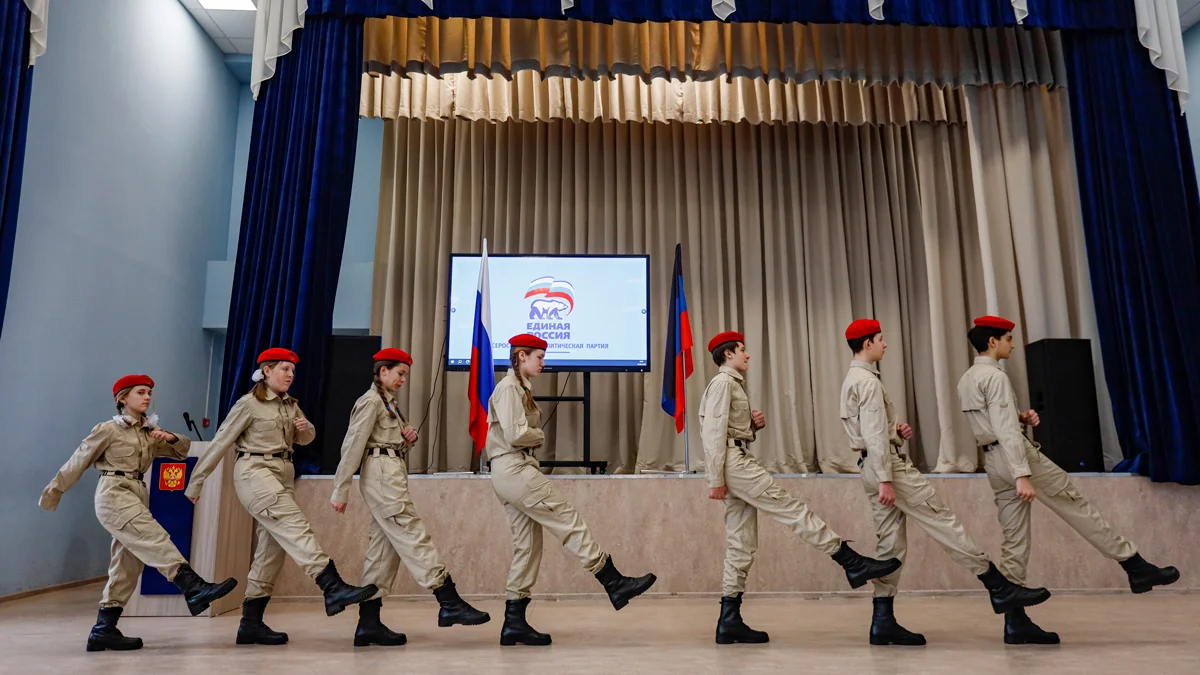
After the occupation of Mariupol, the Russian authorities completely rebuilt the education system to the standards of the Russian Federation. Training is conducted according to Russian programs, the Ukrainian language and history from the educational process are excluded. Instead, in schools they actively introduce patriotic education and events aimed at the formation of Russian identity in children. According to the city council, the number of schools in Mariupol has been declining three times - now they are working 22, including 2 distance ones. The number of students decreased from the pre -war 40 thousand to less than 15 thousand, of which about 3,600 were immigrants from Russia.
According to Human Rights Watch, the Russian authorities plant anti -Ukrainian propaganda, militarize schools, use textbooks justifying the invasion, and persecute teachers who refuse to cooperate.
Parents whose children continue to study remotely according to the Ukrainian system, threaten fines and deprivation of parental rights.
There is a lack of teachers, especially in specialized subjects: history, mathematics, English. A branch of the Nakhimovsky Naval School was opened in the city, where about 240 adolescents are already studying, and the plan is to bring the number of cadets to 500. In addition, the Mariupol State University continues to work-according to Russian media, about 4,500 students are studying, including from Moscow, St. Petersburg and the regions of the Russian Federation.
Transport
In 2025, Russia completed the construction of the railway line connecting Rostov-on-Don, Mariupol and Donetsk. This line is used to transport military equipment and goods. In addition, a ring road around the Sea of Azov, connecting Crimea, Mariupol and other occupied regions, is being built. This allows Russia to integrate the captured territories into its transport system and strengthen logistics ties.
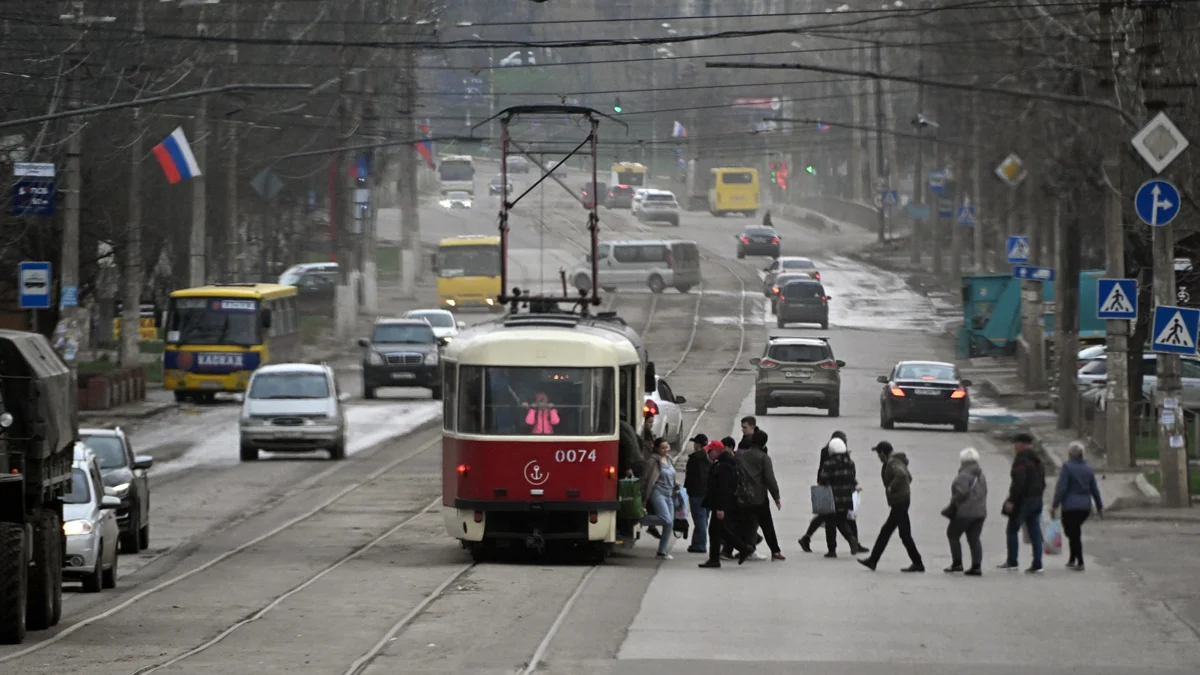
In Mariupol itself, the work of urban public transport was partially restored: buses and minibuses run. The tram message was destroyed in 2022, but by 2023 it was partially restored by St. Petersburg builders. Many bus routes were changed or reduced due to destruction and lack of drivers. In addition, according to the resistance movement of “Zhovta Stychka”, public transport is regularly removed from lines for use for military purposes, which exacerbates the situation.