
Translated material
Forced experiment
Migrants in Moscow and the Moscow Region will monitor geolocation through a special mobile application. Novyevropa is versed in the details of the law
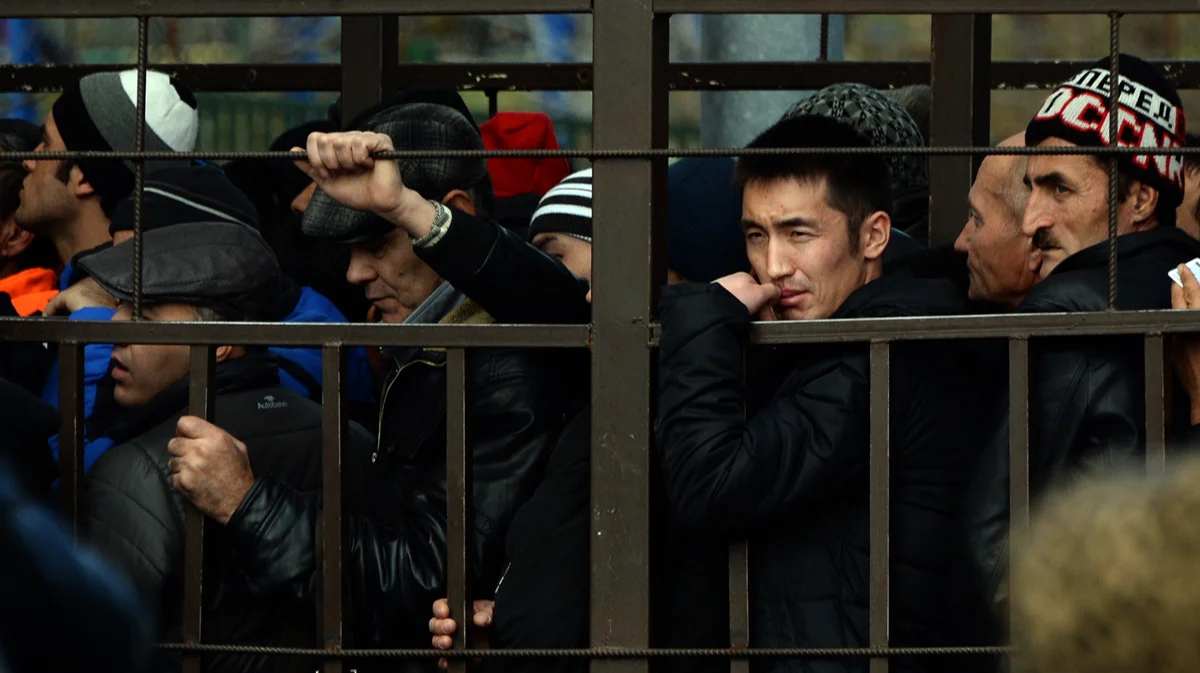
Photo: Vasily Maximov / AFP / Scanpix / Leta
From September, Moscow and the Moscow Region will conduct an experiment on the registration of migrants through a special mobile application. Such an initiative was approved by the State Duma: according to the bill, foreigners will be obliged to notify their location on geolocation.
Experts surveyed by Novo-Europe notes: coercion to the experiment, as well as the inability to refuse to transfer personal data illegal. In addition, migrants may face a large number of technical problems. However, the amendments also have a positive side, the human rights activist Valentin Chupik believes: the application will allow migrants to register at a new address and report the location of the actual location. Novyevropa is versed in the details of the bill and that can go wrong.
What is spelled out in the adopted law?
In Moscow and the Moscow Region, an experiment will conduct an experiment on the registration of migrants through a special mobile application. According to the bill adopted by the State Duma, foreigners will be monitored by geolocation. The document is published in the Duma online basket.
The experiment will begin on September 1, 2025 and will last four years, until September 1, 2029. The law will affect all migrants temporarily staying in the Russian Federation. The experiment does not apply to minors, diplomats and members of their families, as well as citizens of Belarus.
According to the document, migrants in Moscow and the Moscow Region should register in a special mobile application, consent to the processing of personal data (including geolocation of the device) and send a message to the territorial bodies of the Ministry of Internal Affairs about their actual location.
If the place of stay has changed, then it will be necessary to report this through the application within three business days. Exceptions are provided for cases if a foreigner is in a hotel, sanatorium, hospital, colony or prison.
If the migrant does not transmit data on the geolocation of its device within three days from the moment of the last monitoring, it can be removed from the register and enter controlled persons to the register - that is, to the database of foreigners who are illegally in Russia, which will greatly limit it in rights.
What is a register of controlled persons?
The Register of Controlled Persons earned in Russia in early February 2025. The Ministry of Internal Affairs brings foreigners who are in the country without legal grounds. For legal entities that provide services or employ such migrants, fines are provided.
Application to the register limits a person in rights: they are forbidden to change their place of residence, marry, register real estate and individual entrepreneurs, drive a car, and the migrant also loses access to his money and risks losing work. At the same time, you can get to the register not only because of violations, but also by mistake: in the first days of work, foreigners massively complained that they were illegally included in the list, because of which they were blocked.
The migrant will also be removed with participation in the experiment, if he was concerned about migration records in other regions, left Russia or died.
In addition, migrants in Moscow and Moscow Region will be obliged to take fingerprints, register at the place of stay and take a biometric photograph.
Initially, the ideas of the experiment in the document were not
The bill was submitted to the State Duma on March 10, but initially it did not contain proposals on the experiment. The document developed by the Ministry of Finance, in the original version, proposed only to allow labor migrants to work in one patent in two regions at once. In this form, the deputies adopted amendments in the first reading on May 14. In the final version, these changes have been preserved.
The first mention of the experiment appeared recently - in the version of the bill published by the second reading, which was held on March 18. The author of the initiative is the chairman of the Duma Committee on Education Irina Belykh. The document was approved with all amendments immediately in the second and third readings on May 20. Now he was sent to the Federation Council, and after he will go on signature to Vladimir Putin.
“If the experiment shows its success, it can be extended to other regions,” wrote the chairman of the lower house of parliament Vyacheslav Volodin in his telegram channel.
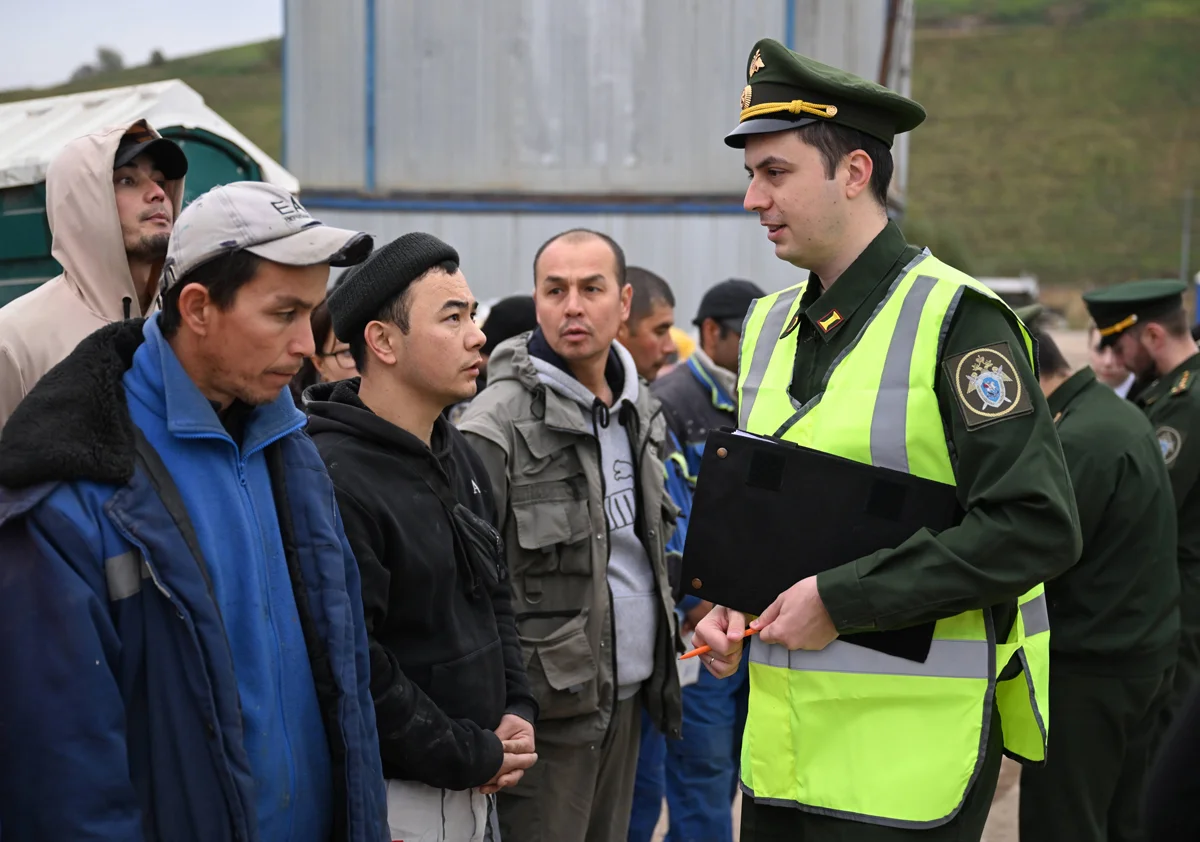
Another lever of pressure on migrants: expert analysis
The bill violates the human rights to the confidentiality of personal data , notes Alisher Ilkhamov, director of the Central Asia Diligence analytical center, in a conversation with the Novo-European Center. As the expert draws attention, the document violates the principles of international law, in particular, the Declaration on Human Rights (Article 12) and the International Pact on Civil and Political Rights (article 17).
In addition, as Ilkhamov emphasizes, the amendments violate the Constitution of the Russian Federation: Article 24 states that the collection, storage, use and dissemination of information about the private life of a person without his consent is not allowed. Thus, the bill conflicts with the already prescribed Russian norms, the interlocutor of the New-Europe notes.
“The fact that migrants will be monitored by geolocation indicates that the Russian authorities are taking another step towards strengthening the police state, twisting of nuts and spreading total surveillance,” Ilhamov said.
Amendments also create high risks of personal data leaks , he added: merged information can illegally use both state structures (police and other law enforcement agencies) and scammers and extortionists.
- Given the corruption of law enforcement agencies, this creates the ground for abuse. Also, the data storage system itself can be subjected to hacker attacks, since the Ministry of Internal Affairs system is not as well protected as the banking system. Surely there will be grooves used by criminal structures, ”Ilkhamov emphasizes.
At the same time, any errors when working with the application can be used for additional pressure on migrants , the interlocutor of Novo-Europe notes. For example, if there is a loss of communication, a phone shutdown or any other situation that will make it difficult to use the application, the migrant will still be recorded in the register of controlled persons.
“Most likely, this is another lever of pressure on migrants, including then to force them to sign contracts,” Ilhamov draws attention.
The day before, the chairman of the Investigative Committee said that the security forces caught and sent 20 thousand migrants to the war.
- We caught 80 thousand, put on military records. And already 20 thousand “young” citizens of Russia, who for some reason do not like to live in Uzbekistan, Tajikistan, Kyrgyzstan, are at the forefront, ”Bastrykin said, speaking at the XLLL of the St. Petersburg International Law Forum.
The bill also has a positive side: the opinion of the human rights activist
Despite the fact that the initiative will limit the freedom of disposal of personal data and lead to new forms of corruption, the bill also has a positive side, the human rights activist Valentin Chupik said in a conversation with the New Evrop: the migrant will have the opportunity to register at the new address and report the place of their actual location .
Now migrants themselves cannot themselves be on migration records - they are completely dependent on the owner of the housing, because it is he who must provide the data of his passport, as well as documents confirming the ownership.
- In many cases, homeowners do not want to register a migrant because they are hiding from taxes. This means that a foreigner is forced to buy fictitious registrations at the address where he does not live. And the application described in the bill can get rid of the need to buy documents, ”says Chupik.
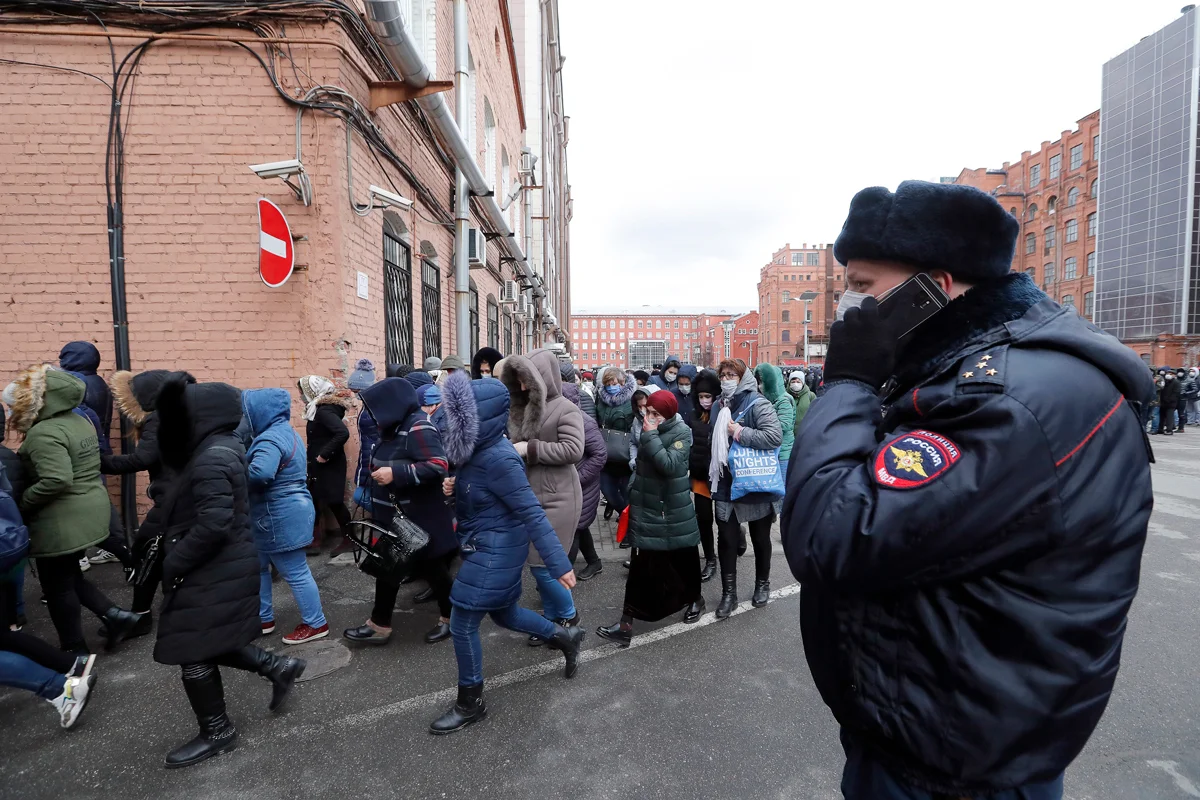
At the same time, the law notes that it is not necessary to be registered if the migrant is in a hotel, a sanatorium, a vacation house, a boarding house, a camp, a campsite, and also in a hospital. According to the interlocutor of Novo-Europe, this creates the risks of the spread of corruption, since it can be easily traded there.
- This means that the prices for registration in these “bad” places will increase, and also raids will be regularly carried out in these places. But I hope that the economic method of excommunication from the purchase of documents will finally work because repressive measures are ineffective, ”says Chupik.
However, the human rights activist emphasizes: coercion to such an experiment is “outrageous”.
What problems can arise in practice?
The bill does not spell out the details of how foreigners have to use the application, therefore, from the very beginning of the experiment, technical issues and discrepancies may arise. So, as the director of the Analytical Center of the Central Asia Diligence Ilhamov argues, the question arises: is it possible to have two mobile phones and one of them to use for an experiment, and the second for life?
- Or will foreigners have to register all phones? Or will they then ban two devices (by the way, this ban will also be illegal)? How will the authorities control it? These problems complicate the experiment purely technically and, like a snowball, entail one violation of migrant rights after another, ”the expert notes.
In addition, as the human rights activist Valentin Chupik draws attention, migrants may face a lot of other technical problems:
- Suppose you are a builder, travel on construction sites. A very common profession among migrants is a concrete monitor. It works at each facility for four to five days. It turns out that in this case, a person will have to re-register in the application every four to five days. This is nonsense, ”says the interlocutor of Novy-Europe.
Another problem is associated with endless illegal inspections by law enforcement agencies, she adds: the police will be able to detain foreigners, check their phones, and also, it is quite possible to consciously select communications.
- Because the police in Russia are interested in the persons of the "non -Slavic appearance" who can be robbed. And the application will give her the opportunity to substitute migrants and extort money from them, ”the Chupik summed up.