
Translated material
After the Second World War, many refugees from the USSR and Eastern Europe did not want to return home, fearing repression
How did Western countries manage to solve this problem? And why can't they cope now? The advisor Schile Fitzpatrick answers
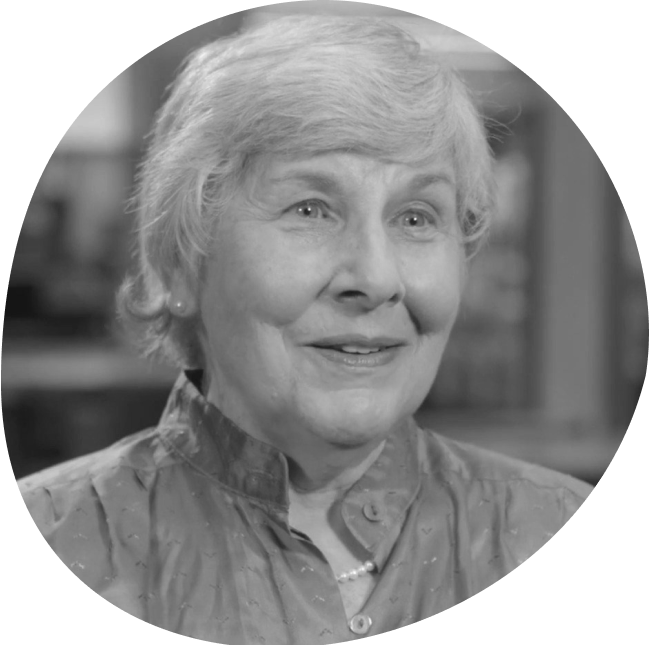
Sheila Fitzpatrick is one of the leading world research researchers, who has been studying Stalinism for more than 60 years, as well as the history of the Soviet Union and Eastern Europe. Most of her works are devoted to everyday life, the nature of the authorities and repression in the USSR. At the end of last year, Fitzpatrick published a new book “Lost Souls: Soviet Available Faces and the Birth of a Cold War”. In it, the historian described how, after World War II, refugees from the USSR and the countries of the former Russian Empire managed to find a new house in Western countries. Fitzpatrick studied hundreds of archival documents to understand how life was arranged in camps for displaced persons - and how their fate was formed after emigration. Medusa talked with the researcher about her new book, about how Western countries discriminated against refugees - and what role did the Cold War play in resolving the post -war crisis.
Who are "displaced faces"?
The displaced person is a person who is forced to leave his place of residence due to an armed conflict, human rights violations, difficult humanitarian conditions or natural disasters. Distributed persons are those who move both within their country and crossing the international border.
After the end of World War II in Europe, international organizations relocated more than a million displaced persons. Fitzpatrick considers this figure underestimation. A total number of post -war refugees is estimated at 10 million .
Among the refugees were post-revolutionary emigrants- Apatriads and residents of the USSR, including the annexed Baltic, Western Ukraine and Belarus. Many of them did not want to return home due to the rejection of the Soviet regime, the occupation and threats of political repression.
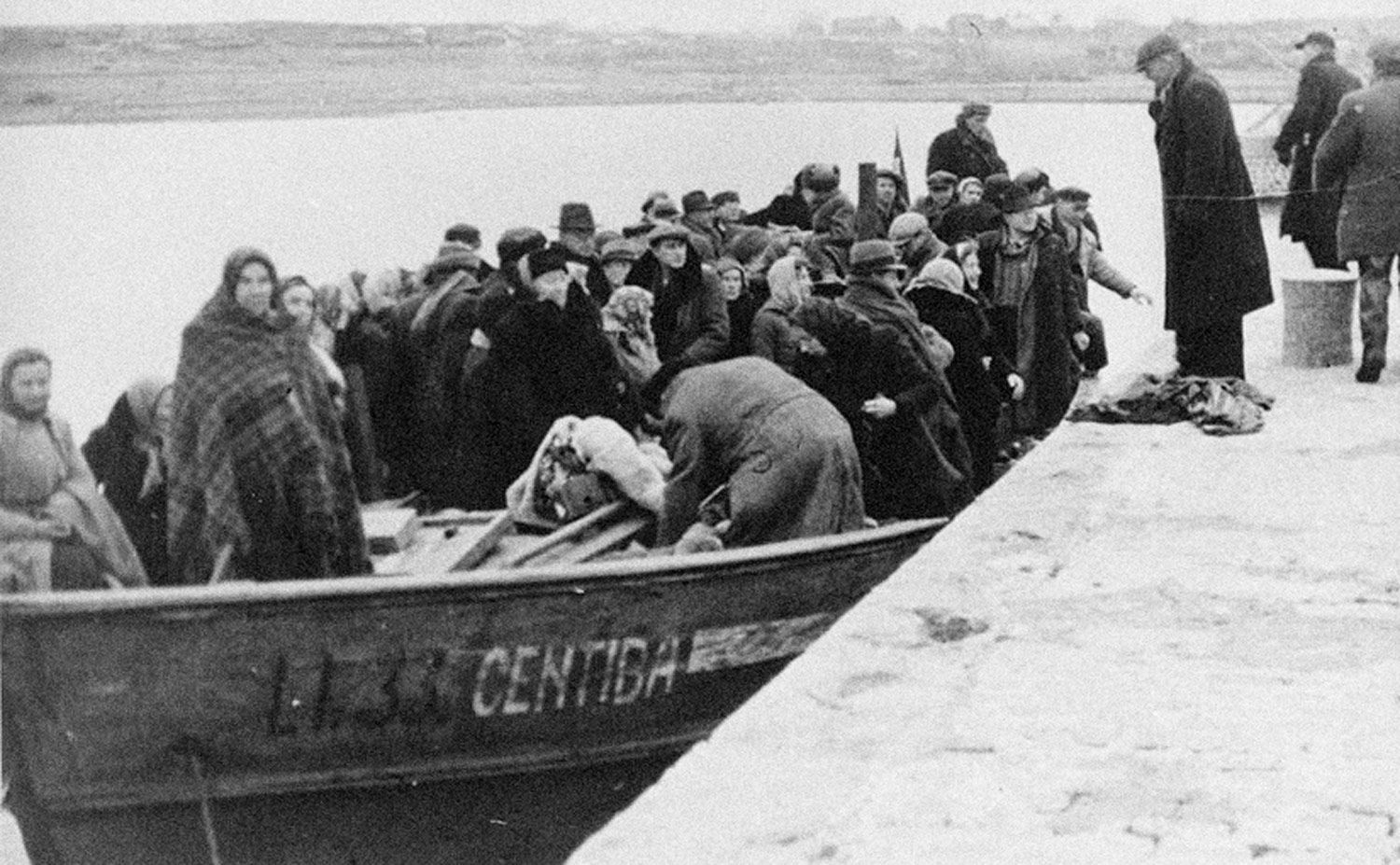
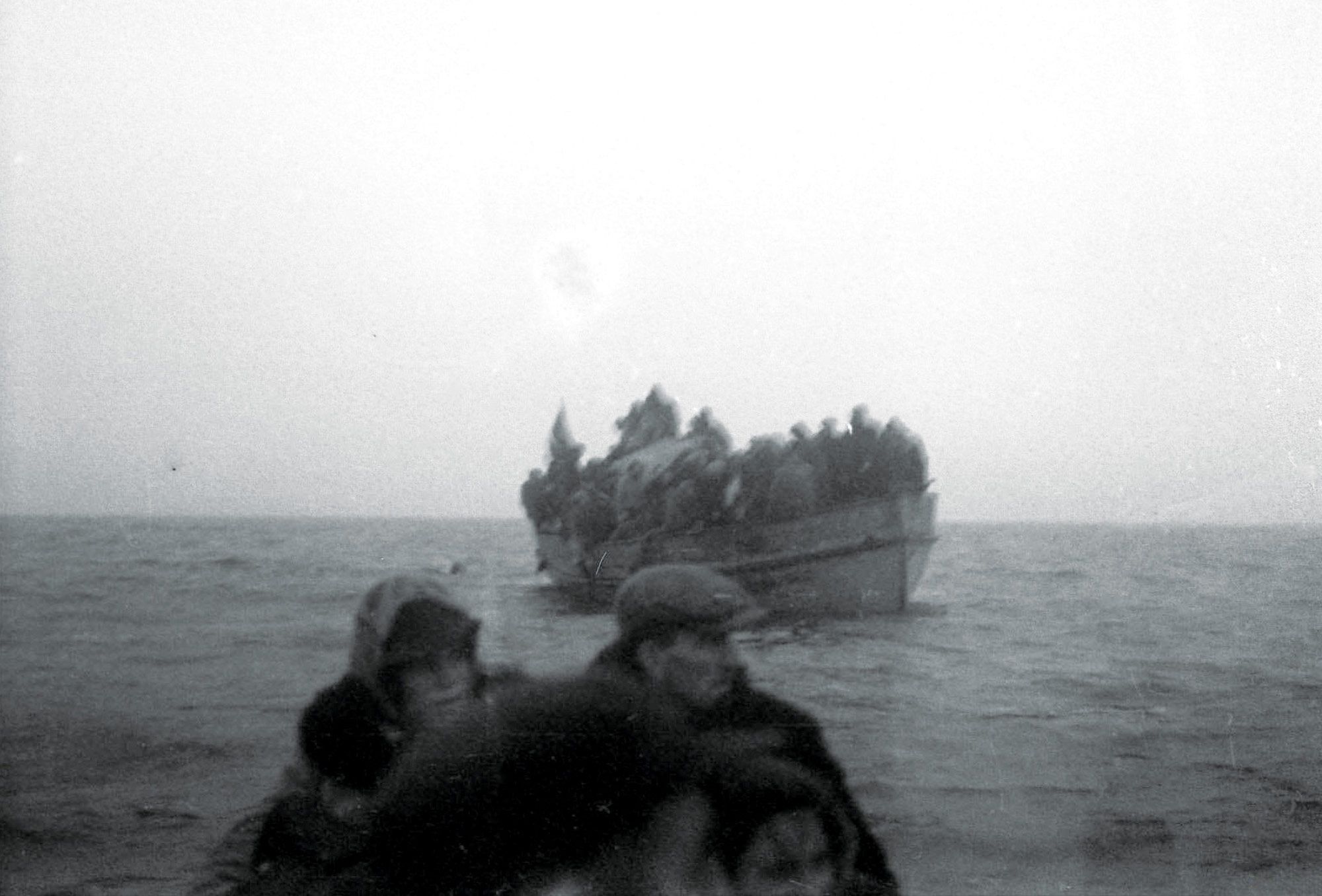
Initially, the Western powers were ready to return the USSR of these people - and by 1947 they conducted the operation “Kilhol” - and issued former subjects of the Russian Empire, Soviet prisoners of war and collaborators to the Soviet Union. However, after the start of the Cold War, they changed their position.
- Your husband is a refugee from Riga. In the book you say that you read his correspondence with his mother, where they discussed their goals and plans [further emigration]. How much was his story like others?
“ I think he was more fortunate than many others.” Although this does not mean at all that his path was easy. To survive forced relocation is an injury for any person. He studied in Riga, but forced to interrupt his studies due to the [Second World War. When he became a displaced person and registered in Unrra - an organization that was engaged in such people - he was able to return to the university. He was young and healthy, spoke well in German-and therefore was able to end his engineering education in Hanover. And then defend the doctoral dissertation in Heidelberg. This is a great achievement in itself.
When he graduated from graduate school, and this was at the end of 1951, the international organization for refugees helped him move to the United States. His mother went there a little earlier - a year before him. She also knew German. They did not have many connections in Germany, but they were Europeans with a wide cultural baggage - knowledge of languages and cultures. Many displaced persons did not have this.
- How was a typical camp for displaced persons in Europe arranged? You wrote that the conditions were good. How do they differ from modern refugees camps in Germany and other countries?
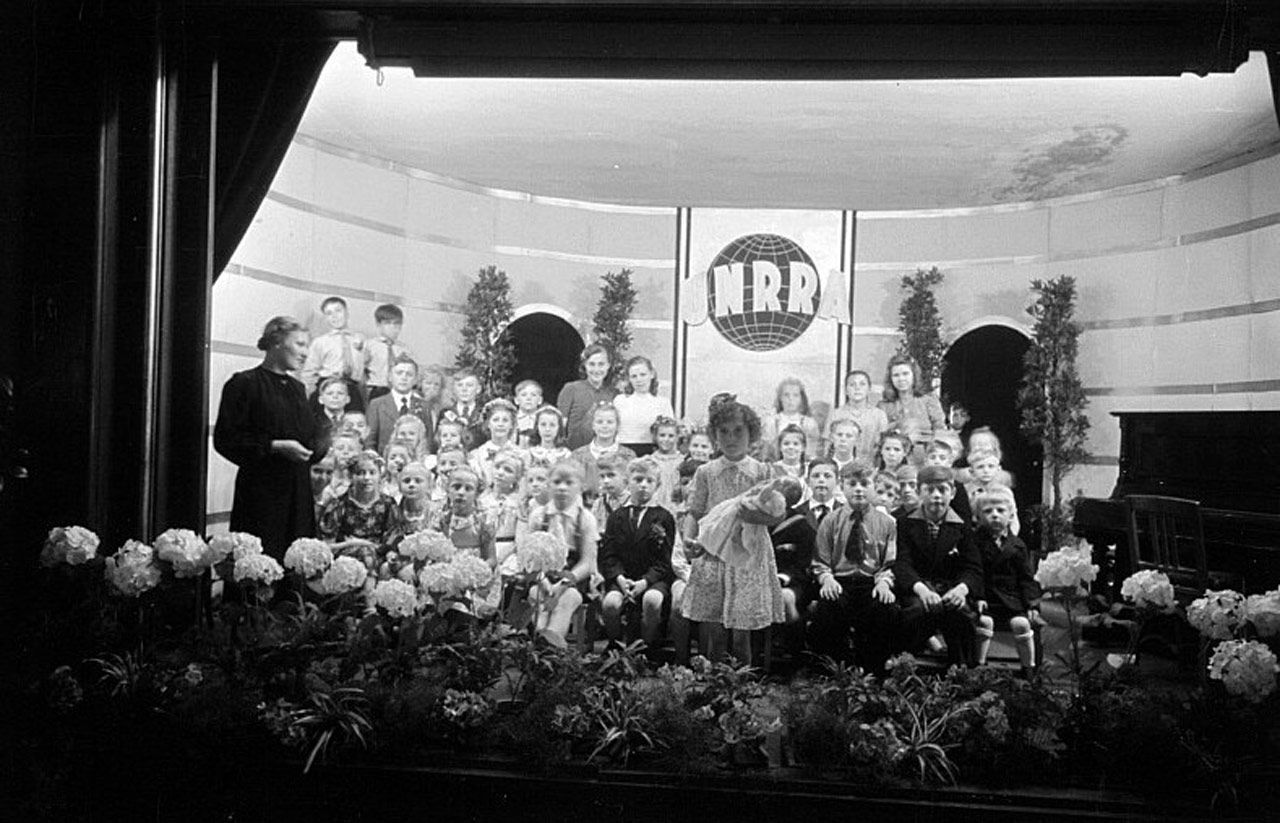
- In the first months after the end of the war, some displaced persons in Europe really found themselves in difficult conditions. Sometimes even in former concentration camps for barbed wire. It was a temporary measure - when Unrra took up the problem, the situation for people registered by the agency as displaced persons has changed for the better.
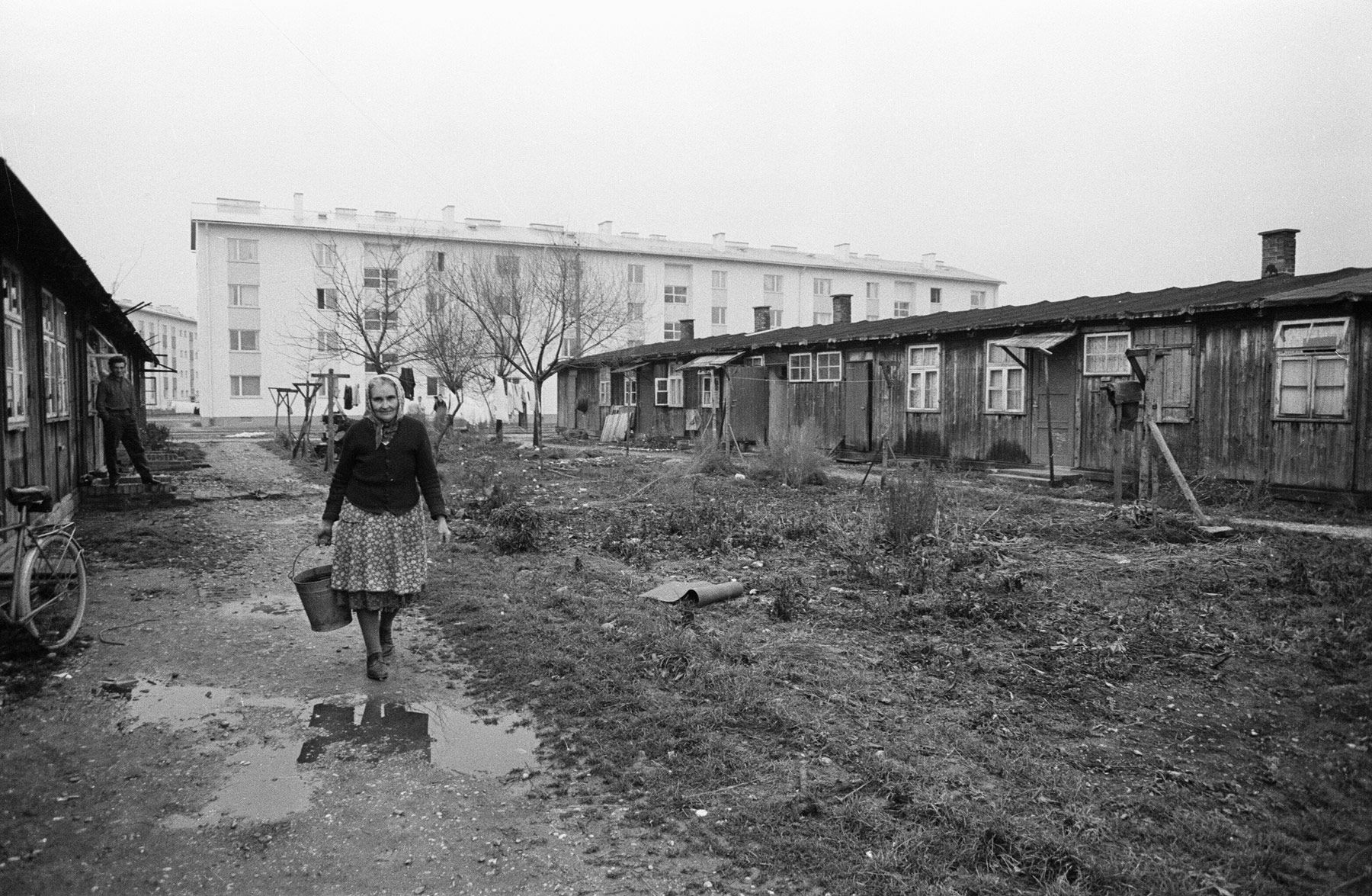
The post -war refugees lived in barracks, schools, churches, and sometimes even in private houses seized from the Germans. These, of course, are not luxurious hotels, but the conditions can be called quite tolerable, with heating and water supply. Refugees were fed and dressed. They were provided not only by basic needs, but also given a little more.
For example, displaced persons could work, not necessarily inside the camp. It was paid employment in international organizations (the same Unrra) or in the occupation administrations of the Allies. Some worked in the black market, which they preferred not to talk about.
Refugees received medical care, especially single mothers, who were really a lot among displaced persons. Schools worked at the camps, more adult children could go to ordinary German schools. They could attend circles and various events.
Sometimes when reading memoirs you wonder how well they spent time. It seems that the life of many displaced persons in the camp was much lighter and more comfortable than the life that expected them after relocation or further emigration. You go to a wage worker under a mandatory contract to a strange place, for example, to Australia. And they should engage in hard manual labor for two years. And in the camp you could play in a volleyball team, participate in performances, sing in the choir, build a small church and so on.
There was a self -government system in the camps. They were often shared by citizenship or nationality. Scout movements in camps for displaced persons, for example, often were patriotic and nationalist.
- Did the status of victims from communism, and not Nazism helped the post -war refugees in Europe?
-They were definitely lucky because of the Cold War. Initially, the international community considered the reasons for their forced movement the war and Nazism, and the aggressor - Germany.
But it soon turned out that many of the displaced people did not want to return to their countries after the end of the hostilities, because many states of Eastern Europe either became communist or became such. They did not like the political regime in their native countries - and therefore many refugees began to define themselves as victims of communism.
Here the Cold War comes into business. In order not to send all these people back, you must first find where they can live. And those who will pay for it. Money and territory for refugee resettlement were provided to the United States. They also financed Unrra - an organization that relocated people to other countries. The American Congress provided all [budget] money for this, since the conflict between the United States and the USSR became a propaganda competition. From their point of view, refugees and defectors symbolized the advantage of Western freedom over totalitarian communist regimes.
It is important to say that the Soviet Union really did not like the status of "displaced persons." Soviet leaders saw this attempt by the capitalists to get cheap labor. And they accused the Western countries of theft of their citizens. The problem of post -war refugees really became one of the factors that contributed to a sharp deterioration in relations between former allies.
- In the book, you say that in the camps for refugees and ships on which they sailed to new countries, denunciations were widespread. You call it "negative agency." And how common was the mutual assistance and solidarity?
- Probably the largest manifestation of the general collective action was the refusal to return to the territory controlled by the USSR. Although initially the allied countries wanted to repatriate refugees-and their mass refusals to return home became a strong shock for Western countries.
I think we can talk about mutual assistance and solidarity only on the basis of national identity. But some other universal solidarity among all “displaced persons”, most likely, was not. Among them were a variety of people: Eastern and Western Slavs, Baltic, Jews and so on.
Say, Jewish refugees sympathized with the Poles or Ukrainians, as they saw in them people who did well with them . Anti -Semitism was also widespread among a variety of national groups in camps for displaced persons.
However, I would be careful in grades. International organizations, based on the documents of which we can recreate history, avoided this topic. They did not want to go into details of national hostility, anti -Semitism and other prejudices.
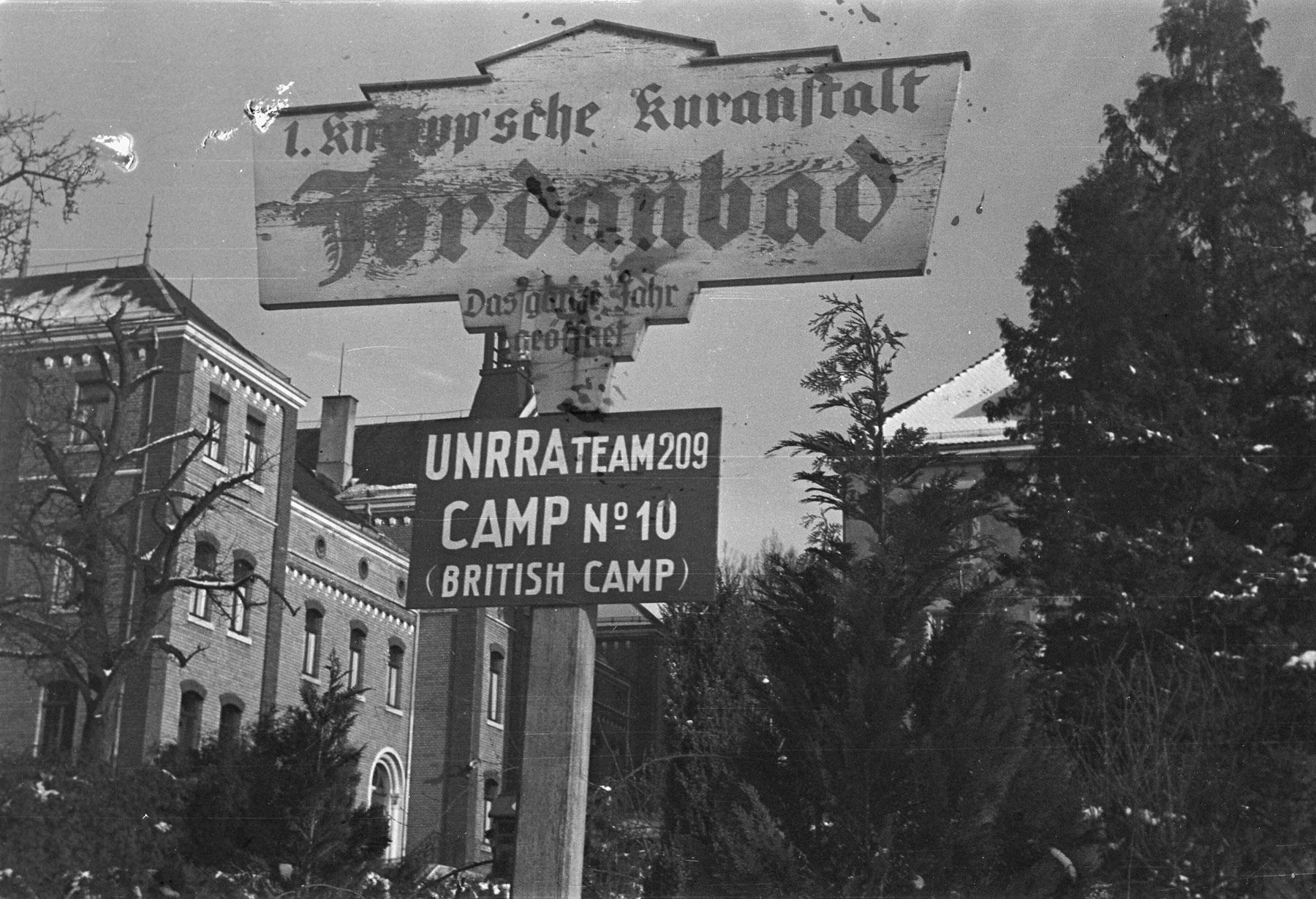
- Accepting countries gave priority to refugees who could work with their hands, so the intelligentsia often pretended to be workers to get permission to enter. Did such people manage to master new professions?
- I will try to explain this by the example of Australia, which I know best. From the very beginning, Australia emphasized that she was waiting only for workers. Even when UNRRA and the International Organization for Refugees were offered to accept doctors and engineers, the country's authorities refused. They needed people who could work on railways and construction.
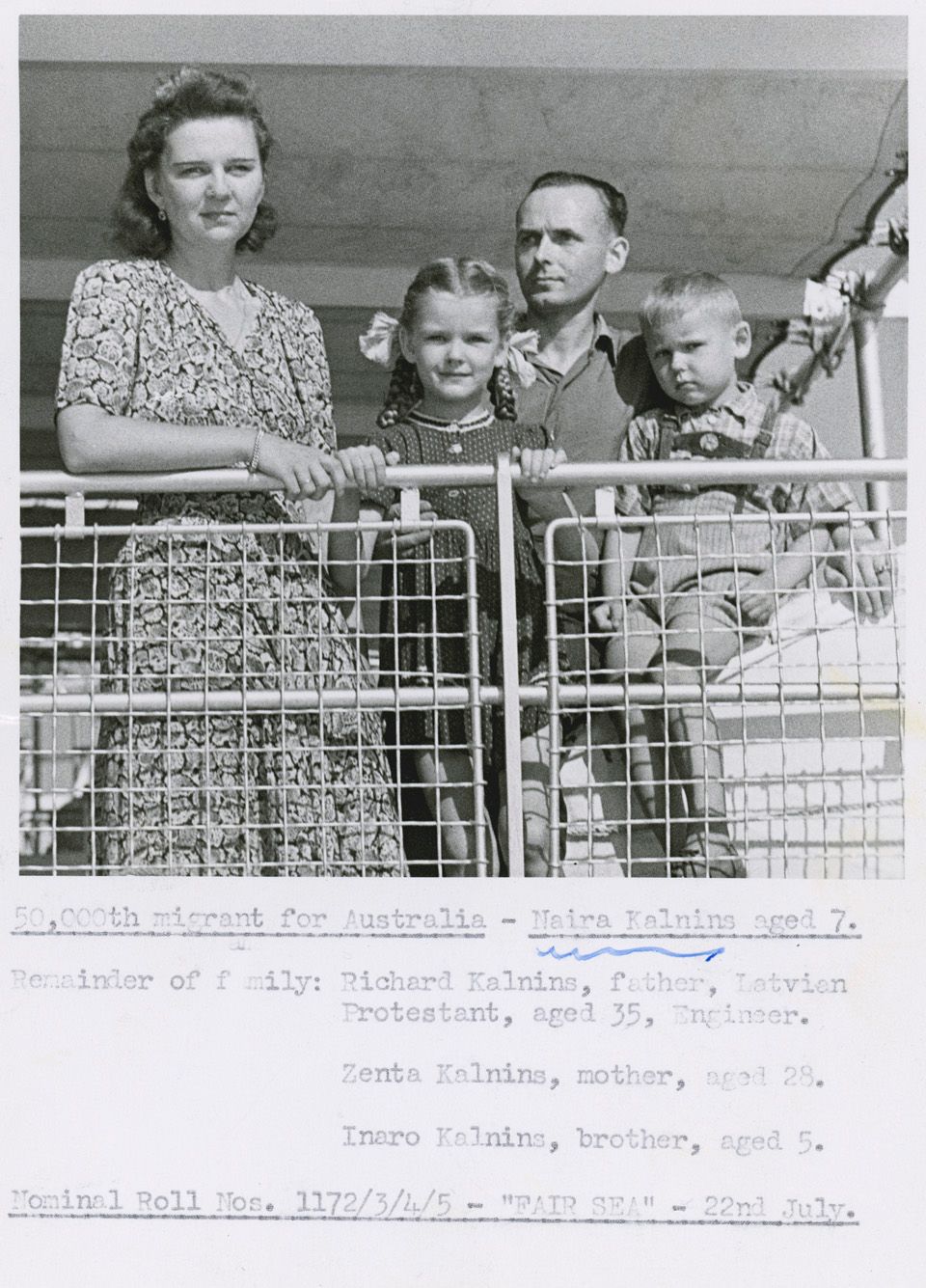
The first ship with displaced faces that sailed to the shores of Australia brought refugees from the Baltic countries. Most men called themselves agricultural and construction workers, and women - a householder. In fact, on this ship were professors of theology, former journalists and children of diplomats. In a word, the intelligentsia, which indicated incorrect information to be allowed into the country.
Suppose a person honestly indicated that he is an opera singer. Did this mean that such a refugee could find an easy way to continue his career in Australia? The answer is not. Australia authorities demanded that the arrived European refugees work for two years in the place where the government sent them. So during this time it was necessary to forget about work in the opera.
Australian professional organizations were very worried about competition-and did everything possible to prevent newcomers. This concerned not only musicians, but doctors. Of course, many wanted to regain the standard of living that they lost because of the war. But this succeeded in the next generation: the children of refugees entered universities and restored the [material and social] position of the families. Parents did not succeed - they usually retained the work of low status, not necessarily heavy and physical.
- From your book it follows that the United States adopted the largest number of refugees from the territories of the USSR - and even adopted a special law in the congress. Is something like this in the USA in 2025? And in other countries?
- We do not see that today the United States was in a hurry to adopt the law in order to let the Palestinians or Sudanists into the country. It seems to me that this would be impossible today. One of the things that I point out in the book is the United Nations. Then it was still a new organization that had to face two large refugee problems. The first is about a million displaced persons in Europe (they were distributed to Western countries by 1951). The second is Palestinians in the Middle East. As we know, the situation with Palestine is not allowed to date, despite the efforts of the UN .
-Representatives of many peoples encountered problems in relocation due to discriminatory policy of other countries. Australia, the United States and other states wanted to accept only those people whom they considered "white." Therefore, the Mongol and Turkic peoples had to prove that they were Europeans. How exactly did the skin shade and the perception of individual people “not white” influenced the attitude to migrants?
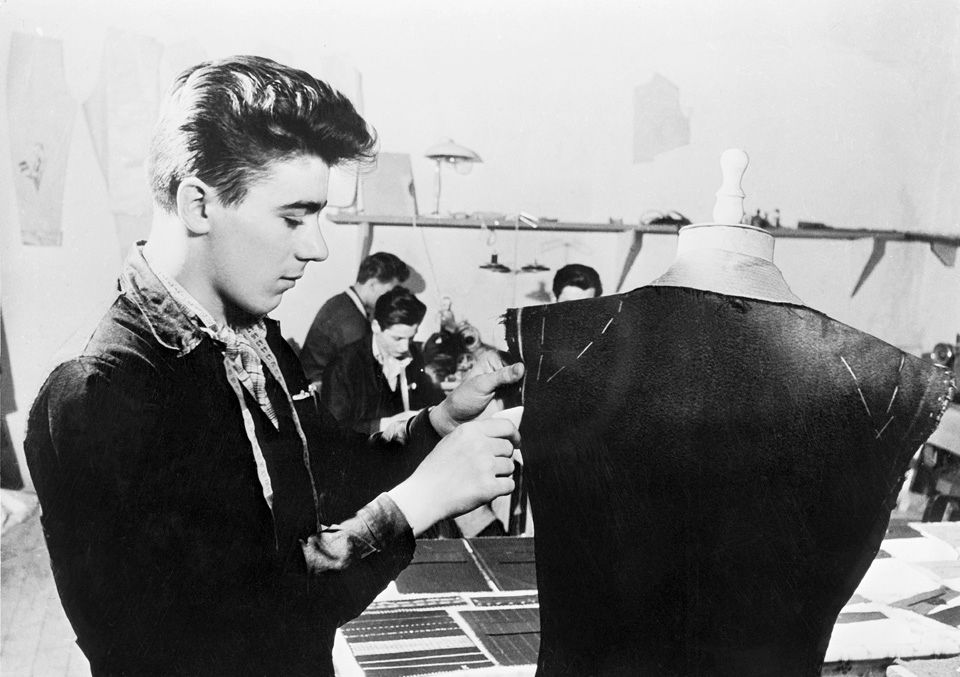
- Soviet refugees of non -Slavic origin really had problems - the Buryats, Bashkirs, Kalmyks and others. The Western countries were seriously thinking whether such displaced persons are permissible as entry, since they were externally different from the local, pre -emptive white population.
In addition to the United States, Australia adopted most post -war refugees - and the original ignorance of the authorities about the Soviet Union was very large. Many believed that the inhabitants of the territories that were under the control of the USSR, European origin, that is, white. Therefore, Australia accepted few displaced persons of Turkic and Mongol origin - their statements were often rejected after a personal interview. Immigration officials later admitted that they looked at such people and thought that they were not particularly similar to Europeans.
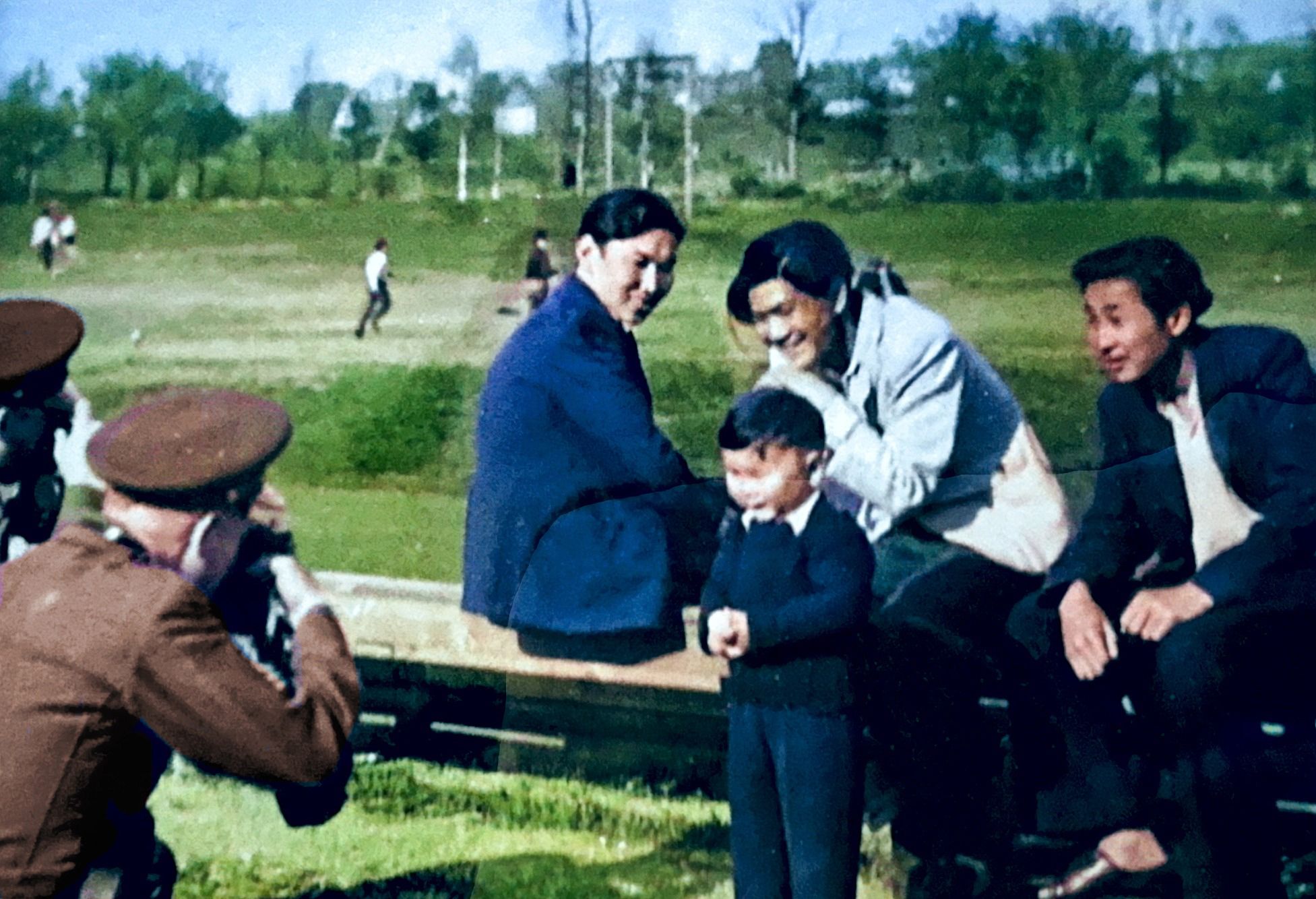
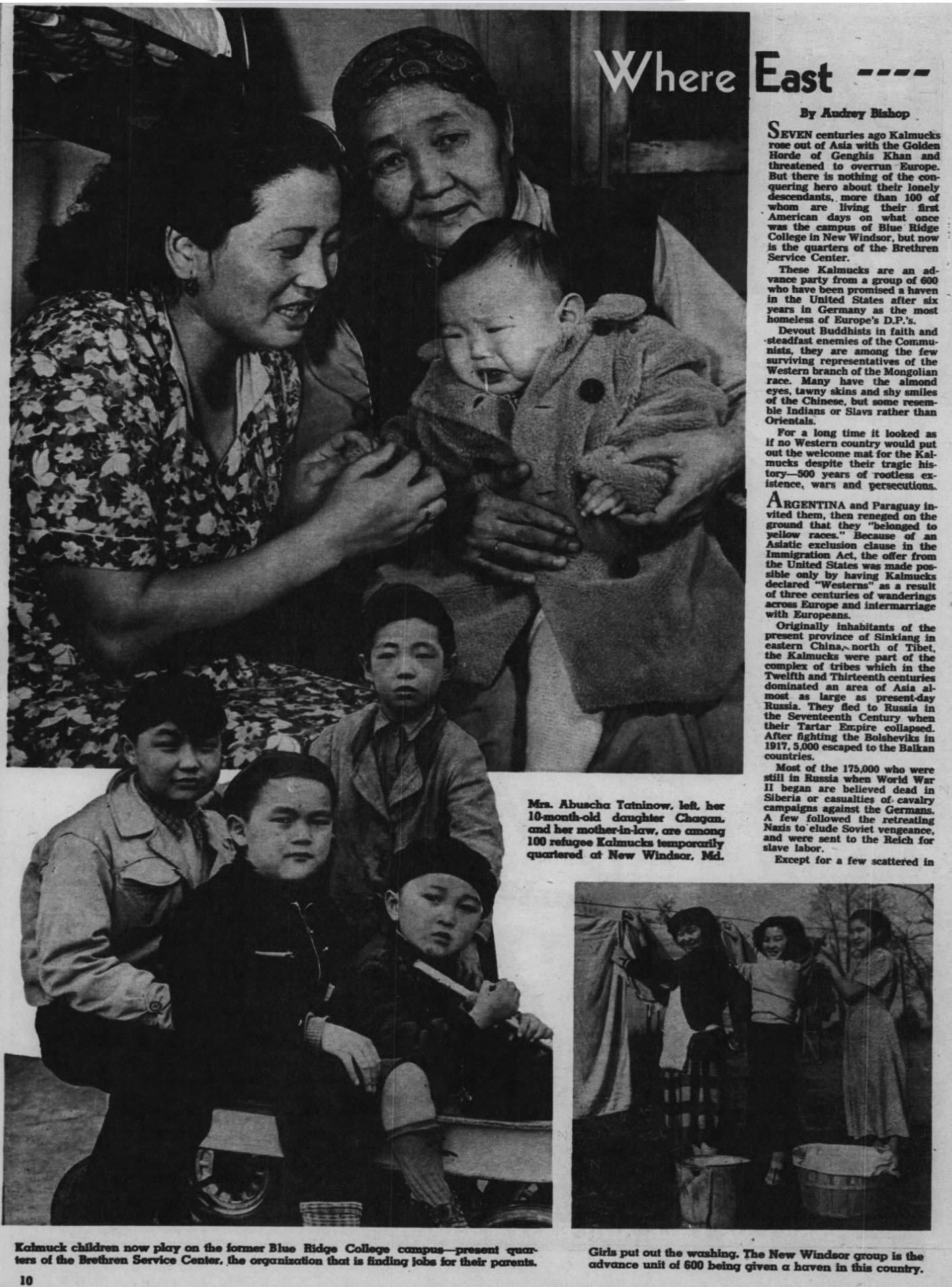
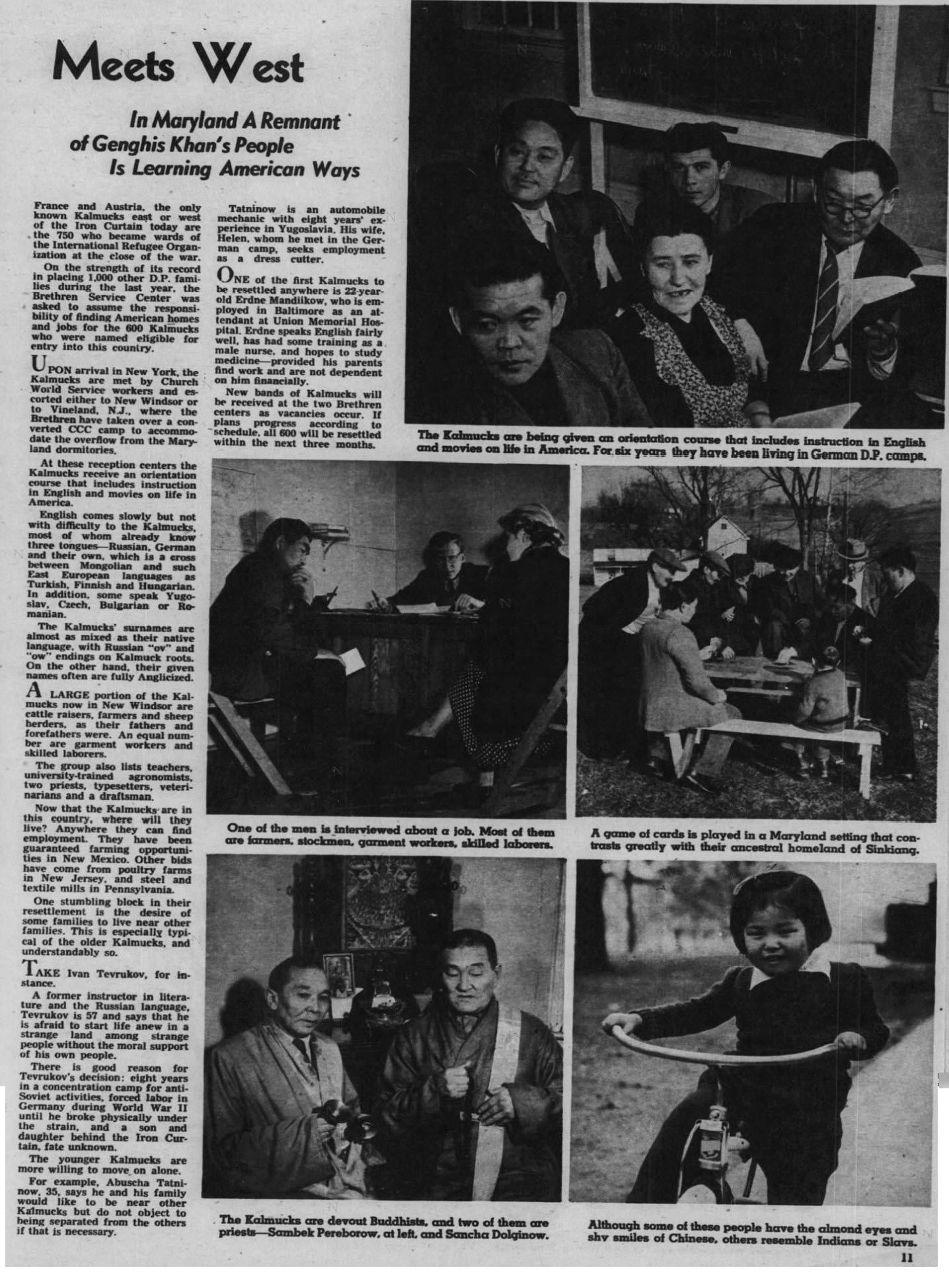
It so happened that the Kalmyks were more fortunate than others when they were in the USA. They managed to enlist the support (including financial) of many Christian organizations. Initially, officials also had a lot of doubt whether to allow the Kalmyks to enter the country, because according to most definitions they were considered a non -European people. Therefore, some Kalmyks claimed that they have two Russian grandfathers and because of this it is worth letting them in the United States. But then the Kalmyks chose another, incredible argument. They were able to convince the American authorities, including the courts that the Kalmyks are historically and culturally predisposed to democracy, which means that they can be considered Europeans.
- After World War II, influential human rights groups worked in the United States, which fought with anti -Semitism and helped Jews settle in the country. Were there such organizations in other countries?
- Jewish history is separate and complex. Western countries expressed their preferences on the nationalities that they were ready to accept. And for many governments, Jews were at the bottom of such lists. But thanks to the efforts of international organizations, the resettlement of Jews outside Palestine as a whole took place in proportion to their share among refugees.
American organizations "Joint" and Hias created a European office that worked very efficiently. He was well equipped, employees knew languages, and they had ties with international refugee organizations. Most of their efforts to help Jewish displaced persons can be called successful.
I would also like to note that the post -war refugees did not deal with human rights activists - then they did not yet become an important part of civil society. Their interests were rather represented by different groups that dealt with migration issues and negotiations with governments in their countries. In the United States, the most noticeable were Jewish, Latvian and Polish lobbying structures that advocated the predominant access of their people to the immigration program of displaced persons. Ukrainians and Russians were engaged in somewhat similar, but they failed to achieve great influence.
If we talk about Australia, before the Second World War there were no noticeable Baltic or Slavic diasporas that could accept people and help them with integration. Although it was Jewish. In the USA and Canada, the Catholic Church was very involved in the adoption of Catholic refugees (primarily Poles). But in Australia in the Catholic Church, the Irish dominated, who focused on conflict with the British . The Catholic Church of Australia, it seemed, did not understand for a long time that among the displaced persons there were Catholics.
- You write that Latvians, Estonians and Lithuanians enjoyed a special attitude. They were considered "pure, cultural and assimilated." At the same time, refugees of Slavic origin were treated differently. How did the Poles, Ukrainians, Russians and others reflect this experience?
- The preference of the Baltic was universal. I cannot recall a single country that would not give preference to Latvians, Estonians or Lithuanians. The rhetoric was really like this: “They are educated, clean, well -organized, disciplined, they will not create problems, they will be easy to assimilate” and so on.
It is difficult not to consider the “racial” hierarchy, which is not much different from the Nazi, right? According to the ideology of National Socialism, the Baltic, although not Aryans , but just one step lower in this hierarchy. In the post -war years, Australia emphasized that they had blue eyes and blond hair. It sounds very in Aryan. Балтийцы, в свою очередь, быстро поняли, что могут использовать этот аргумент в свою пользу, — и активно им пользовались. Они создали довольно эффективные общественные организации.
Как правило, в списках предпочтений славяне были ниже балтийцев и выше евреев. Иерархия существовала и среди славянских народов — и отличалась от стране к стране. Так, австралийские власти охотнее хотели приглашать в страну словенцев, но критически относились к польским беженцам. С русскими было немного сложнее — их не выделяли в отдельный народ, а считали другой общностью — «советскими людьми».
— Но ведь у многих послевоенных беженцев было несколько идентичностей. Как к этому относились принимающие страны? Они понимали, почему, например, жители Западной Украины не считали себя советскими гражданами?
— Это по-настоящему сложная тема. Потому что вопросы идентичности многих перемещенных лиц почти не поддаются проверке. Мы видим множество примеров переходов между русской и украинской идентичностями среди послевоенных беженцев. И даже внутри украинской. Дело в том, что западноукраинское происхождение укрепляло антисоветскую репутацию человека, а значит, давало больше шансов на эмиграцию. Люди указывали, что они родом из Западной Украины, хотя на самом деле провели всю жизнь в других частях страны.
Среди послевоенных беженцев было немало семей и супружеских пар русско-украинского происхождения, которые не думали об этих идентичностях как взаимоисключающих (хотя есть и обратные примеры). В некоторых обстоятельствах они делали осознанный выбор в пользу одной идентичности. Я изучала биографии некоторых семей, которые публично идентифицировали себя как украинцы, но в частной жизни их понимание себя и своего происхождения было несколько сложнее. Кстати, у некоторых евреев тоже было несколько идентичностей.
Не думаю, что много русских или украинцев выдавали себя за евреев, ведь это вряд ли помогло их переселению из лагерей для перемещенных лиц. Только если они хотели уехать именно в Израиль, что маловероятно.
В книге я рассказываю о примере моего мужа Миши. В 1945 году он зарегистрировался как латыш в лагере, который находился в британской зоне оккупации в Германии. Он никогда не рассказывал мне об этом, но я нашла его вторую регистрацию в еврейском лагере в американской зоне, где Миша указал себя евреем. Он мог сделать это с точки зрения своего фактического происхождения, хотя он никогда не идентифицировал себя как еврей. И вряд ли он сделал это, потому что решил перейти в другую идентичность. Он мог знать кого-то в обоих лагерях и хотел быть зарегистрированным и в британском, и в американском секторе. Университеты могли открываться в одной зоне оккупации быстрее, чем в другой. И поскольку мой муж был сосредоточен на возвращении в университет, мне понятна его мотивация.
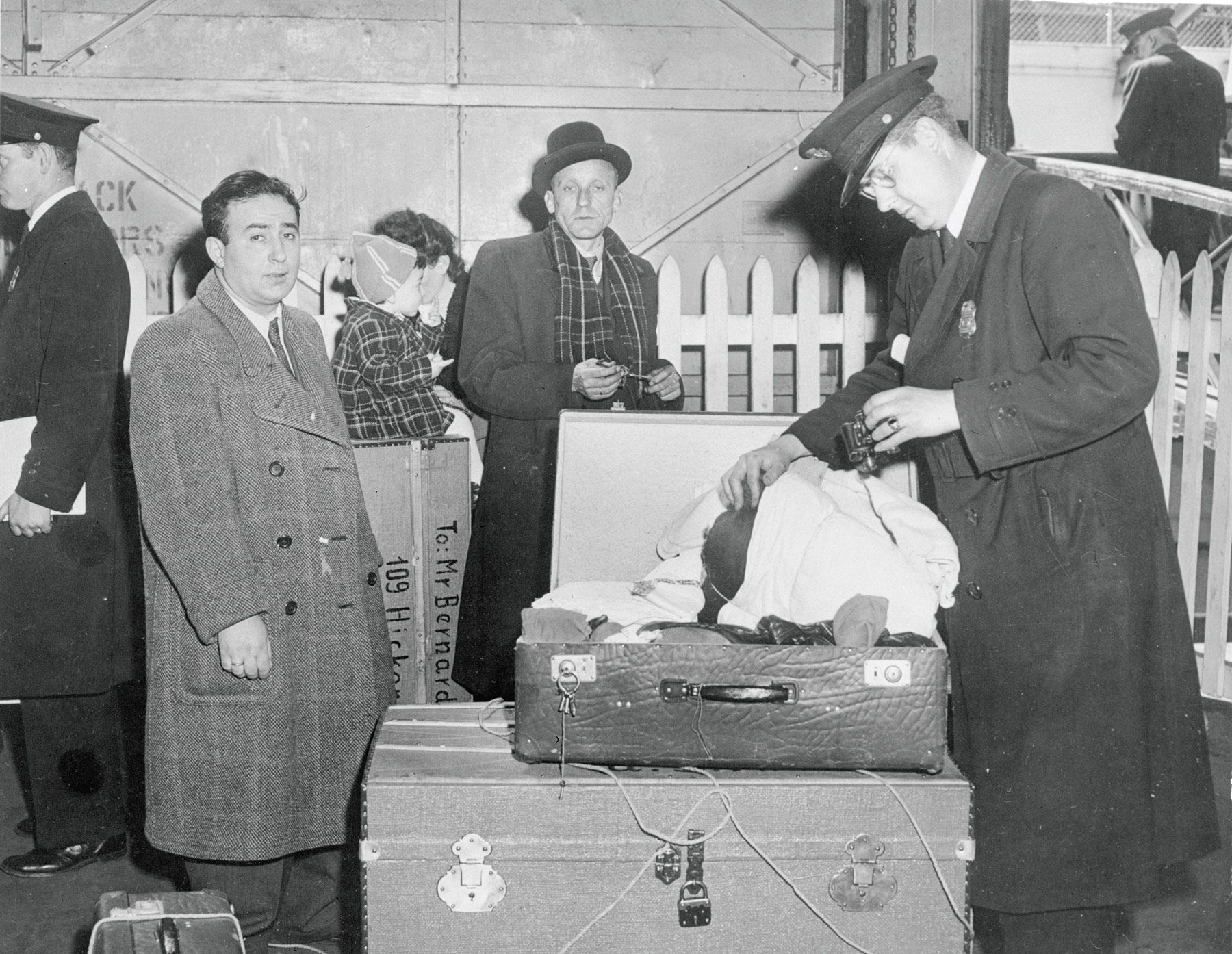
— Вы уже упомянули, что жизнь после лагеря для перемещенных лиц для многих беженцев оказалась сложнее. Насколько они вообще смогли адаптироваться к жизни в новых странах? Где именно они чувствовали себя как дома, а где им пришлось столкнуться с наибольшими трудностями?
— Еще один вопрос, на который сложно ответить. Думаю, что по косвенным признакам послевоенные беженцы чувствовали себя наиболее комфортно в тех странах, где уже существовали диаспоры их стран. Разумеется, при условии, что такая диаспора не была настроена враждебно по отношению к ним.
Довольно показателен пример украинской диаспоры в Канаде . Живущие в стране украинцы имели преимущественно социалистические и левые взгляды. Большая часть украинской диаспоры в Канаде не очень симпатизировала антисоветскому настрою послевоенных беженцев.
— В финале вашей книги вы рассуждаете, что ситуация с перемещенными лицами в послевоенной Европе — это один из немногих успешно разрешенных кризисов. Неужели это правда исключение — и других успешных примеров в истории больше не было?
— Когда я работала над книгой, я пыталась найти другие примеры, но так и не смогла. После Второй мировой войны произошло необычное стечение обстоятельств, которое помогло разрешить кризис.
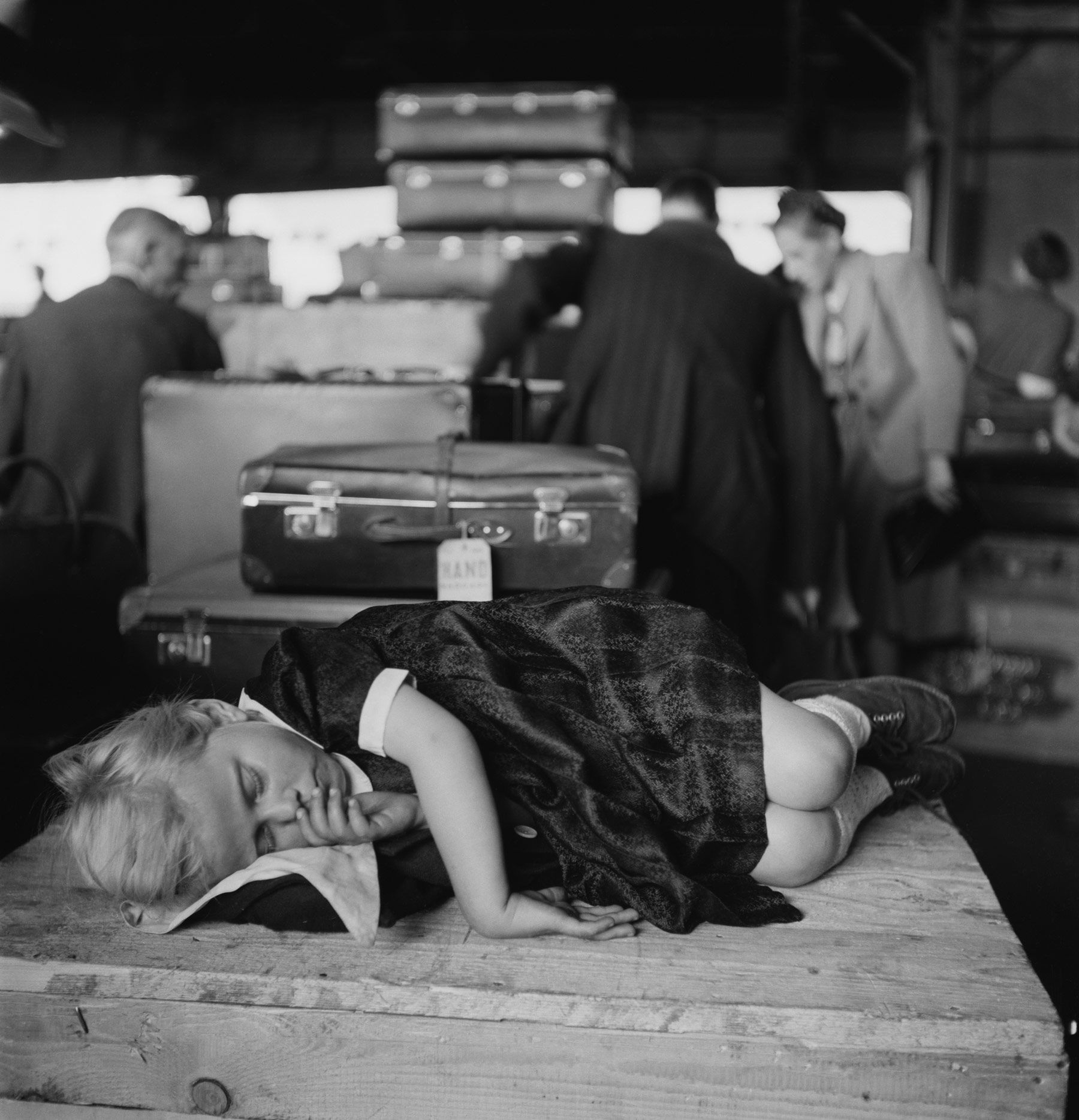
Смотрите, когда в мире появляется большая группа беженцев, для эффективной помощи им нужна страна, у которой есть веская политическая причина, чтобы взять на себя расходы по их переселению и интеграции. Сегодня мы видим, как по-разному относятся к беженцам из Газы, Судана и Украины.
Украинцев, пострадавших от полномасштабного российского вторжения, приняли с гораздо большей теплотой, чем обычно принимают беженцев. США, Канада, Великобритания, Австралия и другие западные страны довольно четко классифицируют украинцев как белых европейцев. К ним активно не применяется дегуманизирующая риторика. А фотографии, которые сопровождают новости об их жизни в принимающих странах, часто показывают хорошо одетых людей среднего класса. Конечно, это связано с политическими причинами: из-за оппозиции к российской агрессии и симпатии к украинскому сопротивлению.
Я не вижу сейчас похожих условий, которые хотя бы отдаленно напоминали ситуацию после Второй мировой войны. Западные страны приветствовали перемещенных лиц как людей, сделавших выбор в пользу свободы, а не коммунизма. Вдобавок ко всему, они в большинстве своем считались достаточно белыми. Принимающие общества связывали это с образованием, культурой и легкостью ассимиляции. Сегодня Запад, за редкими исключениями, навешивает на беженцев скорее негативные ярлыки, якобы они не готовы к интеграции, не идентифицируют себя с демократией и так далее.
Нет ни одной международной организации или страны, у которых было бы достаточно денег и политической воли, чтобы помочь перемещенным лицам и беженцам, как это случилось в послевоенной Европе. Это очень удручающая ситуация, потому что в будущем мы продолжим видеть ужасные сцены гуманитарных катастроф, войн и разрушений. И если продолжать чувствовать себя подавленными и расстроенными, не делая ничего для поддержки беженцев, ни один из кризисов так и не разрешится сам по себе.
"Jellyfish"