
Translated material
"Those who proposed renaming Tsaritsyn to Stalingrad were shot"
As Volgograd residents whose families affected repression, relate to Stalin's return
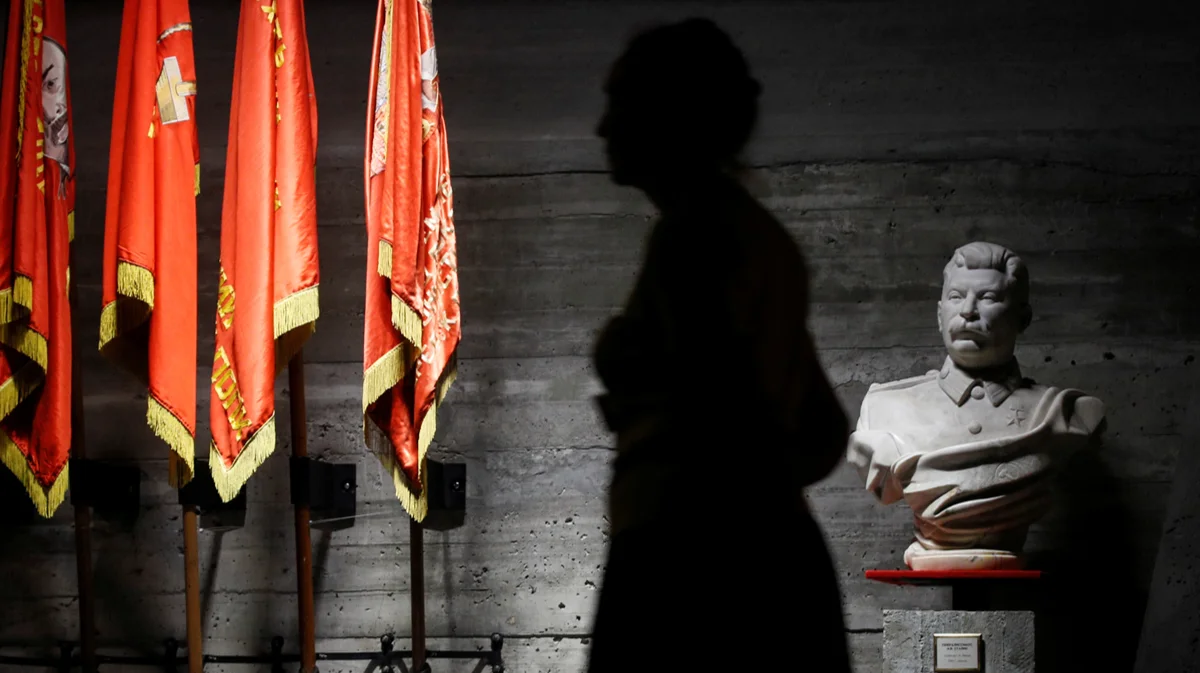
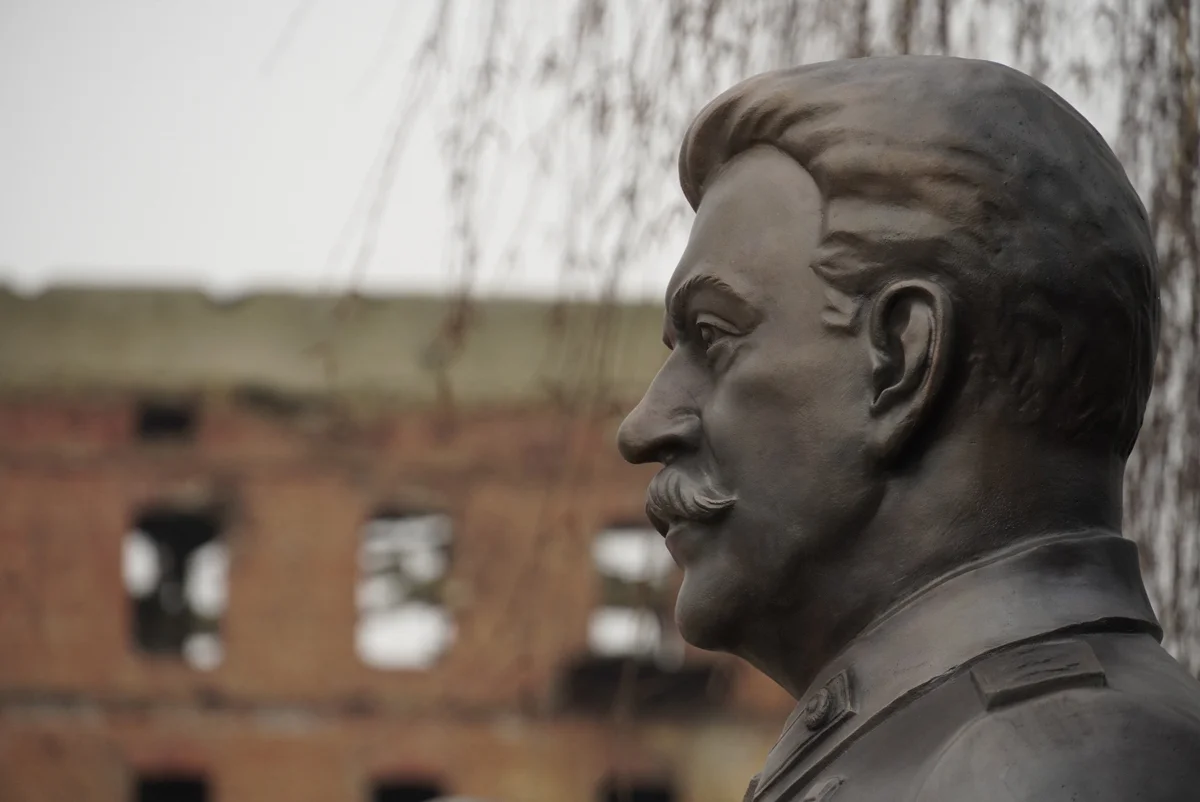
The woman passes past the Bust of Stalin in the Museum Complex "Battle of Stalingrad", Volgograd, August 22, 2017. Photo: Maxim Shemetov / Reuters / Scanpix / Leta
Volgograd turned out to be the most not protected from the new policy of the authorities to sacred Stalin - the winner in the war. Ironically, it was in this city that Stalin first tested his main tyranny tools: hunger and political repression.
The text was first published in the Novaya Gazeta Kazakhstan.
“The participants of the action took place to the monument [Stalin] alternately. One of the organizers led the process of laying flowers, avoiding a mess. Military personnel and veterans were honored to the Bust of Stalin. An elderly woman kissed a granite pedestal and was baptized. The citizens who came called the opening of the bust of Joseph Stalin "an act of historical and humanitarian justice." <...> The housekeeper Valentine said that mass repressions were justified, because during the reign of Stalin “it was impossible to“ differently ”,“ the country was surrounded by enemies. ” If his brutal collectivization were not, there would be no industrialization. And without industry, Hitler would have turned us into slaves. ”
This is a quote from a report from the opening in Volgograd in 2023 of the monument to Stalin. Today, this millionaire city unconditionally leads among the rest of the Russian regions drawn into a competition called "Constitutionalization of the image of Stalin." The authorities of the authorities on the leader-triumph who won the Great War, the Volgograd administration has been fulfilling one hundred percent since February 2022. The pace is impressive. While Moscow is modestly (and only in the third year of the war) returns the figure of Stalin to the metropolitan subway (not mentioning that more than 750 builders and subway employees were repressed), in Belgorod, a joint image of Stalin and Putin appears in a small cafe - in Volgograd, Gestalt was almost closed to the return of Joseph Vissarionovich. After the start of the full -scale invasion of Russia in Ukraine, Stalin in Volgograd, a monument was erected a hundred meters from the monument to the victims of repressions, restored its portraits and bas -reliefs on the buildings of the medical university (former higher party school) and the regional administration, hung billboards with words from the orders of the leader of the military leaders “not a step back” Technopark in the floodplain of the Tsarin River is the name "Stalingrad", similarly for several days in May renamed the city. Without Stalin, as local authorities suddenly began to consider after the outbreak of war in Ukraine, today it is impossible - after all, after all
He "played an important role in the defeat of the Wehrmacht and satellites of fascist Germany during the battle." The fact that Stalin prohibited the evacuation from the city of the civilian population, which led to great victims, did not confuse anyone.
In a word, the appearance of Stalin in political and historical discourse for Volgograd has already become a routine. Today, Z-patriots are intensely discussing the idea of returning the city of Stalin itself. After all, it was “no coincidence” that Stalin in 1918 tested the main instruments of terror on local, arranging repression and hunger.
What role in the life of Volgograd was played by Joseph Stalin and how the inhabitants, whose relatives suffered from repression, relate to the return of his name to the city of his name - the new newspaper Kazakhstan found out.
Terror in the future Stalingrad
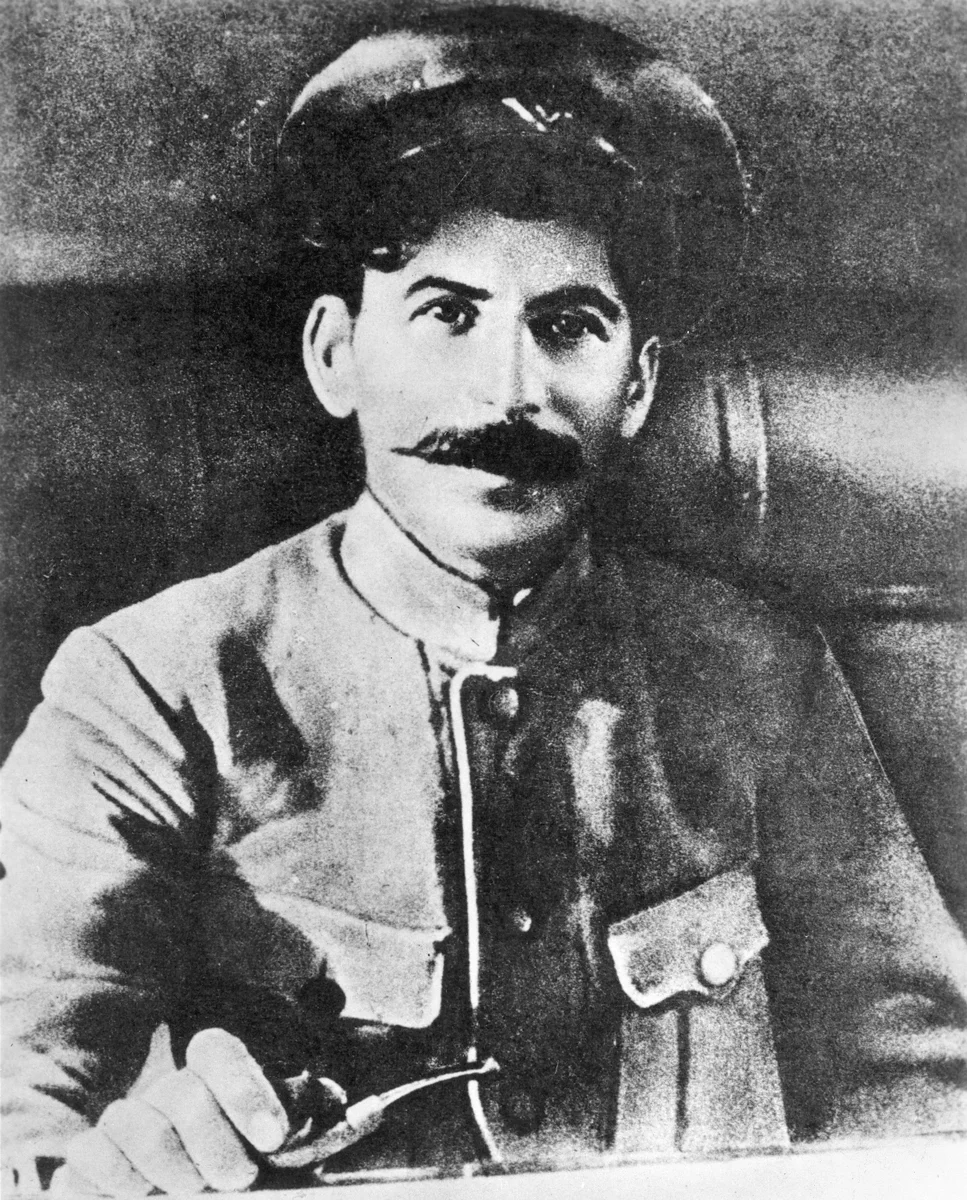
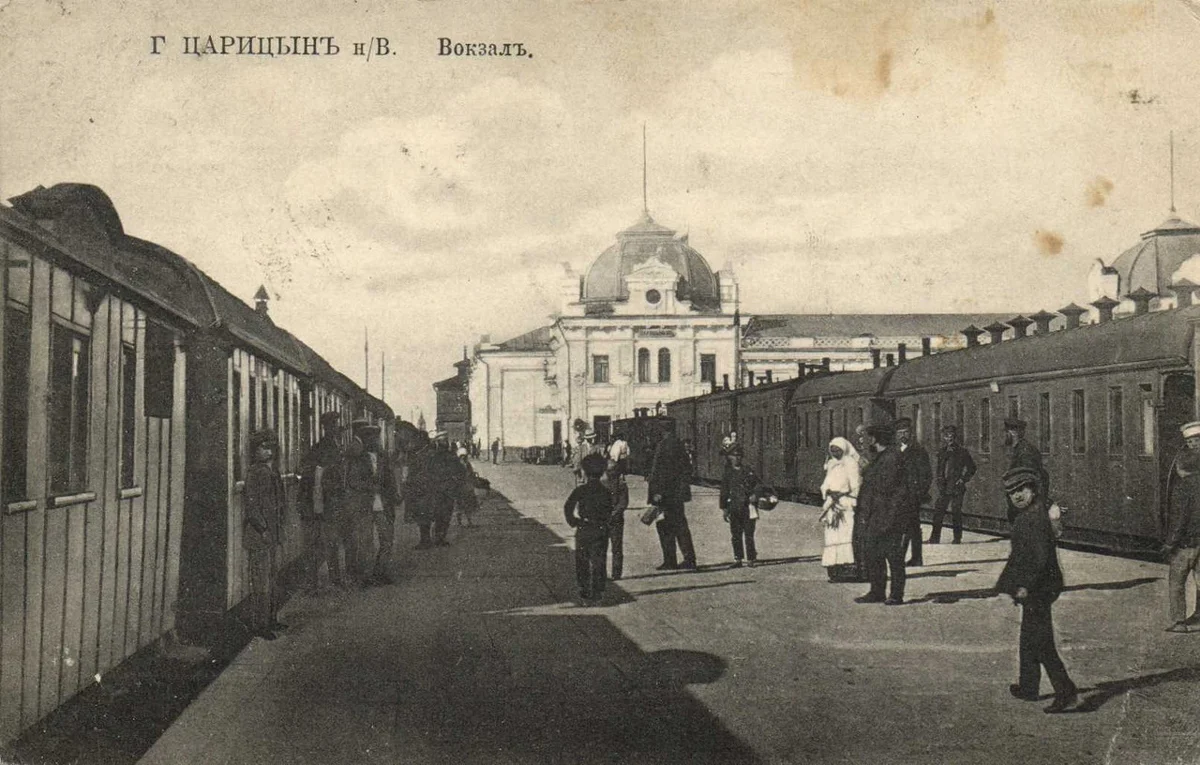
June 1918. Lenin sent Tsaritsyn to the industrial Volga city (named after the XVI century in honor of the young Stalin that flowed into the Volga) to resolve issues of food supply to Moscow and the central province. Former Extraordinary Commissioner Sergo Ordzhonikidze failed in the city, did not like the local Bolshevik elite, who did not have much desire to devast the bins of Tsaritsyn: there was nothing to feed the townspeople, including military, workers and peasants. All railway tracks in the city at that time were clogged with food with food. On the marinas, ships accumulated. But all these vehicles did not move anywhere. For a fundamental solution to the issue with “rebels”, Lenin sent to the city of Joseph Stalin as an extraordinary commissar for food.
The fact of what Stalin did in Tsaritsyn in a matter of months is described in detail in the book of the Volgograd historian-local historian Vyacheslav Yashchenko “Tsaritsyn in the siege: terror of red, white, green”. For many years he studied the Soviet terror in the region. Based on its materials, the team of the local society Memorial made an audio guide “Stalinist terror in Tsaritsyn: Start and finish”. Here are a few excerpts.
“Upon arrival in Tsaritsyn in the summer of 1918, Stalin gathered local communists in the buildings of the House of Science and Arts and the former Public Assembly, declared a bread monopoly, set up the local Cheka to combat speculation and sabotage on railway and river transport. The process of food supplies to the center lay down with a heavy burden on the shoulders of the local communist leadership, which threatened the execution for failure to fulfill the order. ”
“Over the seven months of his work in Tsaritsyn, Stalin has moved more than five thousand food wagons not only in the central provinces, but also in Red Turkestan and Baku. Lenin was pleased with his successes. The Soviet center was saved from hunger! ”
The results of the "anti -crisis" work of Stalin in Tsaritsin: in 1918, almost all of the stocks of bread on the territories of the south of Russia controlled by the Bolsheviks were exhausted. In early 1919, after Stalin’s departure to Moscow, the Tsaritsyn province was covered with a wave of hunger and epidemics.
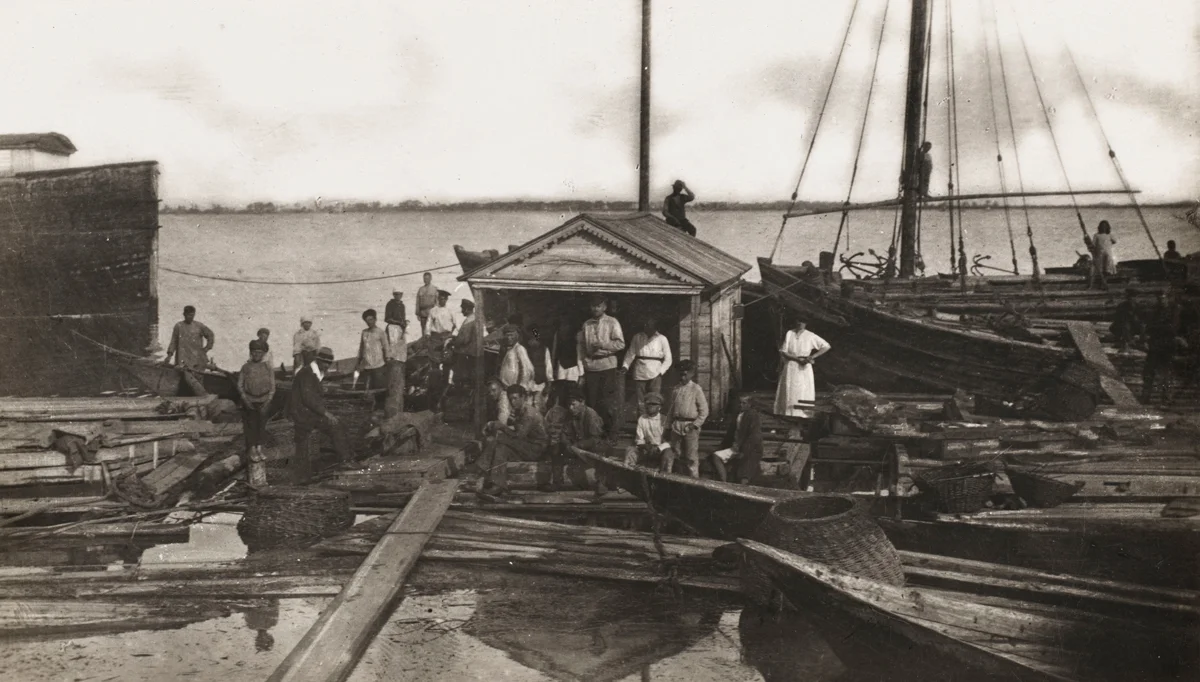
In addition to hunger, Stalin used in Tsaritsyn a method that later became a skate - political repression.
According to the Memorial, from late July to September 1918, Stalin performed a number of punitive operations in Tsaritsyn. On his assignment, the headquarters of the North Caucasus Military District was defeated. Almost the entire artillery department of the headquarters died in the holds of the barge, which stood at the house of the district Cheka. Yes, the holds served as prisons, in them the prisoners died of hunger and illness. The usual prisons of the city at that time were already crowded.
Among others, members of the Expedition of the People's Commissariat of Railways were arrested. They had to go to Grozny for oil. Together with the entire expedition, representatives of the former bourgeoisie and the intelligentsia, the leaders of the local Socialist -Revolutionary Party, Serbian prisoners of war were subjected to torture and executions. The French consul Sharbo was also placed in the holds of barges-tulle. The American and Serbian consuls from Tsaritsyn managed to flee.
“Witnesses of repressions said that the cameras were so full that sometimes the prisoners could neither lie nor even sit down. In the cells and holds, the barge reigned with unsanitary conditions. Due to the fact that the toilet was extremely rare, the prisoners often defecated for themselves. They fed prisoners very badly. If the prisoner was not helped by relatives from the will, then the person was dying of exhaustion and illness. The Chekists also used sophisticated torture and raped women. ”
“Employees of the Cheka constantly came up with new ways of execution. In some places of burials of the killed there were ravines on the outskirts of the city and cemetery, often the bodies were simply dropped into the Volga. According to the calculations of investigators of the Special Commission, at least 1,700 people died at the hands of the Chekists in Tsaritsyn. But there was a reservation that there could be several times more victims, since often punishers killed prisoners hopelessly and secretly. ”
“No less tragic place was the headquarters of the 10th Red Army, who was located in the Sipt, CHC. Since the 18th century, the colony of Saxon Missionaries-Hernguters, whom Ekaterina the Second, invited Saxon missionaries-chamber have been located here. The German colonists heroically mastered the desert lands south of Tsaritsyn, were friends with the nomadic Kalmyks, created strong religious families, developed industry and agriculture.
The destruction of paradise of the colonists occurred in August 1918. Under the strict leadership of Stalin, the headquarters of the formation of the 10th Red Army, with the help of his Cheka, carried out terror.
< ...> The first to suffer refugees from the Black Yar. The headquarters of the formation robbed the Chernoyarsky Sovdep, took all the property and food, which was located in the hold of the Chernoyarsk barges. Several leaders of the Chernoyarsk Council of Department were shot, the rest were arrested. The local committee of the poor was the next victims of the headquarters repressions, its Chekists also robbed. The Bolsheviks and mass arrests and executions of hostages from the local bourgeoisie were carried out. Including repression were also subjected to many champion colonists. In the courtyard of the Pastor house and in the next cemetery, white and green prisoners of war were massively shot. Green, by the way, at that time called the detachments of deserters of both armies. These were peasants who did not want to shed blood for the idea. "
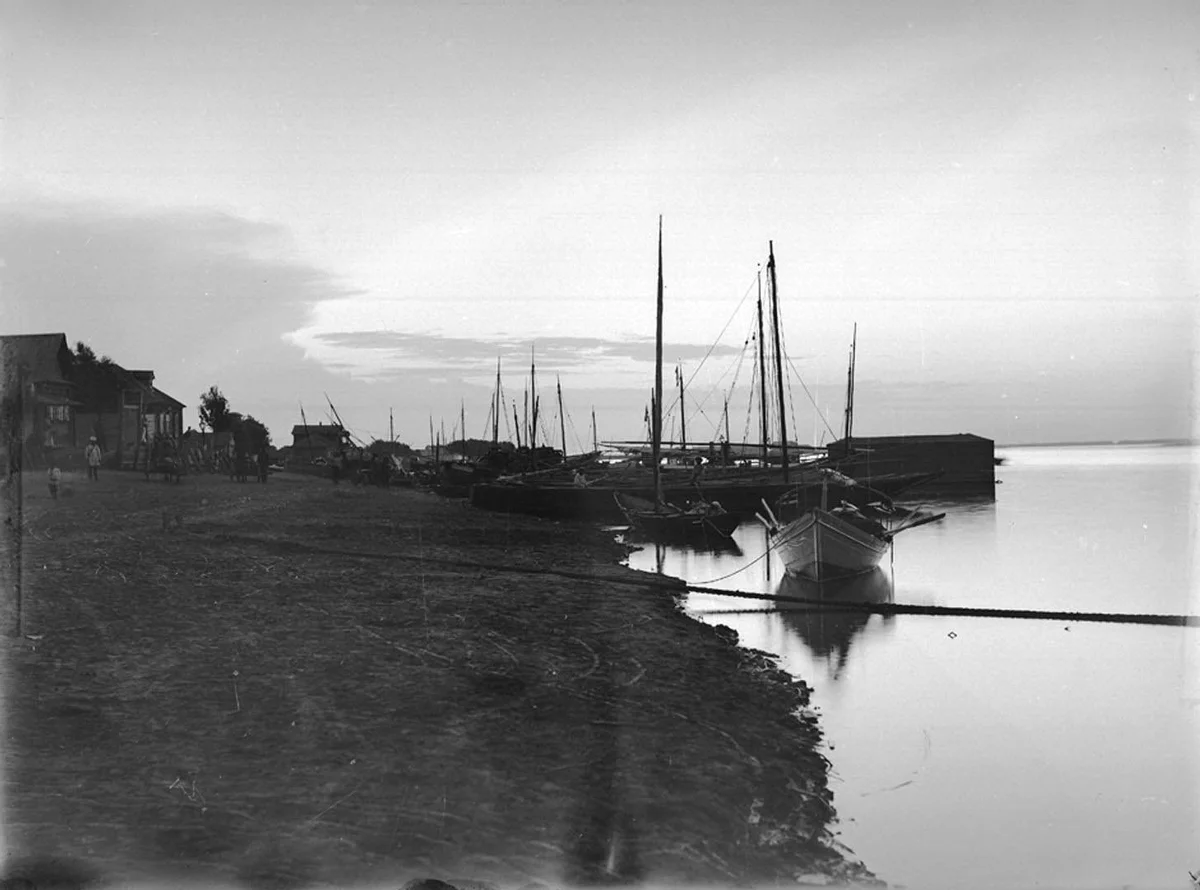
“The headquarters of forming, led by Stalin's friends, Vchadenko’s brothers used red terror in neighboring regions - in the Volga villages and in Kalmykia. There, during mobilizations, requisitions and the fight against counter -revolution, the headquarters were terrorized by the local population: they carried out mass executions, robberies, and raped women. ”
In a conversation with the New Gazeta Kazakhstan, historian Vyacheslav Yashchenko says that the figure of executed residents for seven months of Stalin’s location in Tsaritsyn is approximate. “No one then conducted statistics, it is difficult to talk about the scale of repression, but they were large enough. It was on Tsaritsyn that Stalin first tested his instruments of terror. In October 1918, he left for other positions in Moscow. In Tsaritsyn, he showed himself the next time in 1925, then the city was renamed to Stalingrad. Nobody liked the consonance of the cities with the king. At first they thought to rename to Minings, in honor of the local Bolshevik. But when Stalin appeared in the city, of course, he crushed the whole local leadership under himself. So Tsaritsyn became Stalingrad. True, the initiative group, which advocated for renaming, later ended up in dungeons and was shot. ”
Repressions of 1930-1940
The city, owed to Stalin with its new name, like other Soviet regions, experienced the era of great terror. According to the Memorial, hundreds of thousands of residents of the city and region suffered, all social groups: Jews and Germans of the Volga region, priests and convinced communists, peasants and leaders of the region, intelligentsia and military leaders.
“I saw documents on specific settlements - the Volga region, the Don districts ... Almost a third of the population of each region was recognized as fists,” says historian Vyacheslav Yashchenko. - People were sent first to concentration camps not far from their place of residence (they almost lived in the steppe in the winters in the winter). And then they were already referred to Siberia and Kazakhstan. And few people returned from there. Many just died in exile. Then, already in the 1930s, the local intelligentsia began to rot in the region. And during the Great Patriotic War, entire nations suffered from deportations - the Germans of the Volga region, Kalmyks, and Caucasians.
As for the repressions of the Stalingrad intelligentsia, among others in 1935-1936, the composition of the city society of local historians was almost fully arrested. According to the authorities, historians, local historians and museums continued to work "in the old fashioned way." The team of the Stalingrad Museum of Local Lore underwent real defeat. In 1935, the former director of the Lavrentiev Museum, who worked at that time as a teacher of the art college, then a group of museum workers, were arrested and convicted in the “Case of Local Mansions”. About 20 local historians were accused of sabotage of the policy of the All -Union Communist Party of Bolsheviks (b) for the ideological education of the population, of creating an underground fascist organization and convicted in the spring of 1936 at different periods of imprisonment. In 1937, the current director of the museum material was shot for improper submission of museum material and his employees Lucy, Gorodilov and Trofimov. As a result of the persecution, the local history traffic in Stalingrad was actually defeated, and the museum of local lore was closed for reconstruction.
The defenders of Tsaritsyn during the Civil War were also sentenced to execution by the Stalinist triples: Epifan Kovtyukh, Andrei Snesarev, Alexander Egorov and other major military ranks.
In the 90s, a campaign was held in the Volgograd region to rehabilitate the victims of repression. Volgograd historian, local historian and expert in the history of Stalinist repressions Andrei Kudinov said to the Novaya Gazeta Kazakhstan:
- Many descendants of the repressed, who achieved the rehabilitation of their relatives, were then able to work in the archives. But then, when this campaign was over, archival affairs on the same dispossessed police began to simply destroy - there were rumors that they were simply thrown into the trash.
Activists of the Volgograd Regional Association of victims of political repression restored the names of 250 thousand repressed countrymen. However, the figure, historians say far from complete.
“There is a big gap in the data on the repressed residents of Stalingrad in the 30-40s,” explains Vyacheslav Yashchenko. - Today, documents in the archives of the Volgograd region are not available. These documents can be found in the Archives of the FSB. But there you also need to know the specifics: you must be either a relative of the repressed or a researcher who knows the specific names and numbers of affairs. It is not so easy to get there and get information. In Volgograd today there is no publicly available catalog of repressed, as in ordinary archives. Our region was not lucky in this regard, because we did not have such a powerful initiative group in the 90s, which could create something like a book of memory, as in the Voronezh or Kaluga regions. We only have a book of memory of the victims of the Battle of Stalingrad (defenders and victims). And there are no books of the repressed, concentrated collection in the Volgograd region. Therefore, we, not having complete statistical information, can only assume the scale of repression, looking back at what we managed to find in the archives earlier and get from living witnesses. Based on this, we can conclude that still the repressions were large-scale.
Historian Andrei Kudinov , one of the descendants of the repressed kulaks, agreed to tell about his loved ones:
-Before the revolution, the families of my parents lived in the modern Mikhailovsky district of the Volgograd region, at that time it is the Ust-Medvedi District of the Donskoy troops. The families were Cossack, wealthy, but given the fact that they were large (12 people have 12 people, in their mother’s great -grandfather - 9, this is not counting the elderly who also lived with them), then this prosperity was conditional. When the civil war began, most of our Cossacks supported the military foreman Philip Mironov, who created the first red detachments in the district. Three of my ancestors exactly served him. One even made a career as a regimental commander. But in 1921 they opposed the Soviet regime as part of the rebel army of Vakulin - Popov. After its defeat, they were forgiven and released. Another ancestor served in the whites. But after the defeat of Denikin, he joined the first horse army of Budyonny and fought in Poland, where he died. When collectivization began, both families were dispossessed. The two Cossacks from our family, who lived to that time, recalled the participation in Vakulin rebellion - they were sent to the Gulag concentration camps, where they disappeared, and their families in Siberia. There, adults worked in a timber industry.
At first, children were not allowed into school for two years as kulakov, but then they began to study. Many entered technical schools. Some of the children in Siberia died of hunger and disease. So, the grandfather for the father in the family had seven children. Only one lived until the 1980s.
There were eight children - three children survived. Our men began to be taken to the front only in 1944. Before that, it seems that there was no confidence in the Cossacks-kulaki. One of my relatives died in Czechoslovakia, three returned home with medals “For Courage”. Both families returned to the Volgograd region only in the 1960s. Someone worked on the collective farm, some at the tractor factory.
On the example of my family, it is clear that the repressions in the region were not only straight - arrests, concentration camps, executions - but also indirect ones: depriving people of means of existence and roof over their heads, bringing them to exhaustion on the verge of survival. These repressions were arranged artificially - in fact, based on the far -fetched class and class hatred. How many lives destroyed in vain, how many fates are broken, how many humiliations ... What numerous my family would be if not for these repressions. It's a shame. Кто-то придумал утопию, затем кто-то заставил народ в нее поверить и ее реализовывать. И всё это на крови и страданиях .
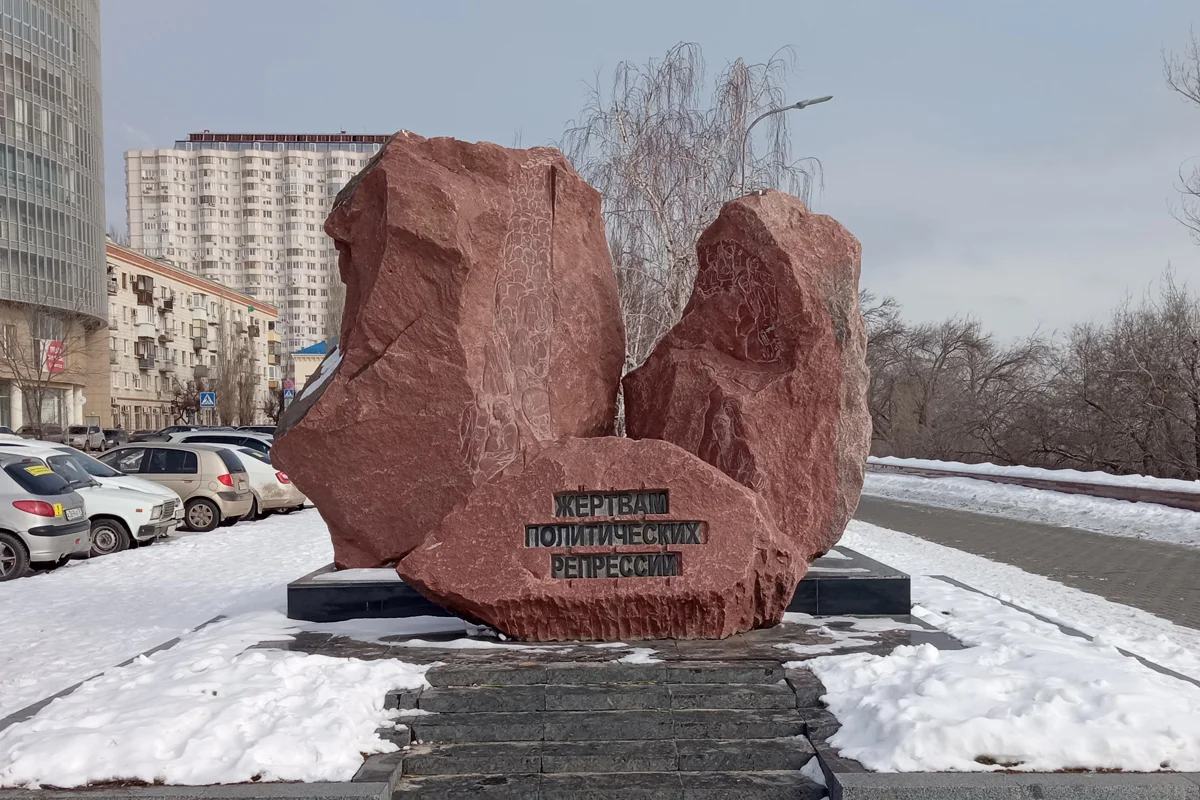
Кудинов настаивает: необходим государственный заказ на выяснение масштабов репрессий на территории современной Волгоградской области.
Еще один волгоградец — Владимир Бобровников — с начала 90-х и по 2010-е годы занимал должность зампредседателя Волгоградской областной Ассоциации жертв политических репрессий, которая проводила работу по реабилитации. Сегодня он настроен гораздо пессимистичнее коллег. В разговоре с «Новой газетой Казахстан» Владимир Бобровников сказал:
— Я считаю, нет смысла об этом говорить. Мне неприятна эта тема [процесс сталинизации российского общества]. How? (вздыхает) …Больная страна. При Николае II на 70 миллионов население увеличилось, а при Сталине — на 62 миллиона уменьшилось, не считая [потерь] войны. Ну о чем еще говорить? Что сравнивать? Человеческая жизнь важнее, а не экономика и финансы. That's all. Что еще сказать? Какой смысл ворошить всё это? Главное, мы это осознаем и разгребаем эти последствия. Знаете, история начинается через 40–50 лет, как говорил Ключевский. И поэтому, пока не отложился материал, оценки здесь преждевременны.
— Да, но если мы говорим об эпохе больших репрессий, то прошло уже более 70 лет.
— Еще ничего не ясно. Еще не всё понятно. Я был зампредседателя Ассоциации жертв репрессий 19 лет. И мы не подавали в московскую базу данных о репрессированных нашей области.
- Why?
— Потому что не всё исследовано. Не все имена известны. Говорят, война заканчивается тогда, когда из земли поднят последний солдат. Здесь, увы, непочатый край. Большинство информации закрыто. По Волгограду ничего не подсчитано. Только время и открытые архивы покажут масштаб репрессий. Но главное не масштаб. А человеческие жизни. По ним надо мерить, а не по масштабам .
Снова Сталинград?
В ноябре 2022 года в музее-панораме «Сталинградская битва» прошло заседание совета по переименованию Волгограда в Сталинград, в ходе которого губернатор области Андрей Бочаров, депутаты регионального парламента и Волгоградской думы, а также провластные общественники выступили за переименование города. Участники совета заявили тогда, что более половины волгоградцев поддерживают возвращение имени Сталина городу. Это заявление не соответствовало действительности: по результатам опроса даже прогосударственного ВЦИОМ 67% горожан не поддерживали переименование Волгограда, и только четверть выступали «за». С тех пор к дискуссии, которая в 2025 году разгорелась с новой силой, подключились все кому не лень: от ярой почитательницы Сталина актрисы Марии Шукшиной до организации «Ветераны России». Пообещал рассмотреть вопрос о переименовании Волгограда в Сталинград и президент Путин. Но заметил, что этот вопрос должны решать жители города.
К слову, жители в соцсетях и в комментариях под каждой статьей СМИ чаще выступают против переименования. И главный посыл волгоградцев — в городе и области и так полно проблем, которые ждут не дождутся своего разрешения. Закрытие предприятий и заводов, низкий уровень жизни, вымирание деревень, закрытие школ, нехватка учителей, отсутствие дорог.
КОММЕНТАРИИ ЖИТЕЛЕЙ ВОЛГОГРАДА В СОЦСЕТЯХ
(орфография и пунктуация сохранены)
Волгоградец
«Задрали уже с этим переименованием… Всякие московские деятели, герои всего и всея, живущие в других городах и регионах… Решать только нам, ВОЛГОГРАДЦАМ, и опросы надо проводить только среди местных жителей. А всем «патриотам» из других городов — приезжайте и восстановите Тракторный, Красный Октябрь и многое другое — там такие бои шли во время Сталинградской битвы… Где теперь эти объекты трудовой и боевой доблести?! Вот восстановите, тогда и поговорим о героическом Сталинграде и переименовании…» ( источник )
Пенсионеры Ворошиловского района Волгограда
«Замучили уже своим искусственным и принудительным переименованием. Голосуют не только жители Волгограда, которые в большинстве против, но и те, кто никакого отношения к нему не имеет. Насильно навязывают переименование, прикрываясь притянутыми «за уши» опросами и липовыми группами-однодневками с громкими названиями». ( source )
Guest
«А почему бы не поднять промышленность города, восстановить порушенные заводы, дать людям работу, доступное жильё, медицину бесплатную, образование достойное, отремонтировать дороги в городе, а то идешь и боишься ноги переломать, много еще разных дел — вот что нужно делать и куда направлять денежные средства, а не заниматься переименованиями и прочей ерундой». ( source )
Guest
«Чинушам заняться больше нечем. И сто лет, и теперь. Через Волгу стоит половина моста, новые трамваи разбиваются на кривых рельсах, канализация раскопанная в центре города больше года находится, но главная проблема оказывается у нас НАЗВАНИЕ».
Guest
«Сколько будет стоить изменить все документы ???!!! лучьше постройте новые дороги !!!»
Guest
«Дорогие депутаты, получали бы вы такие деньги как простые люди — по 15–20 тысяч — вы бы не голосовали за переименование города. Стыдно в поликлиники заходить и на почту. Для начала приведите хотя бы это в порядок».
Гостья
«А нельзя разве сделать наш город городом федерального значения без переименования? Смысл всего этого? Зарплаты не вырастут, город чище не станет, как воровали, так и будут воровать!» ( source )
Irina Anatolyevna
«У меня бабушка Анастасия, вдова с двумя детьми за несколько горстей зерна для умирающих с голода детей, была осуждена при Сталине. За что мне его превозносить, увековечивая в названии города?А войну выиграл не он, а солдаты на поле боя. Именно солдаты и командиры, участвующие в боях, свои жизни отдавали. Весь советский народ воевал и проливал кровь, защищая страну, Сталинград защищало куча солдат и приписывать победу только Сталину, я считаю неприемлимым. А за репрессии после войны пострадало много Невиновного населения. Волгоград и только». ( source )
Alexander
«Раздайте деньги Волгоградцам, которые вы собираетесь потратить на переименование города, со всеми вытекающими, и все будут счастливы, а переименовывайте свои города, мы как нибудь с прекрасным названием Волгоград проживëм». ( source )
Кунг-Фу4
«Давайте уже и Россию в Русь тогда переименуем 🤦♂️». ( source )
Anton
«Всеобщее помешательство. Что эти люди вообще знают о Сталинграде? Давайте Путина переименуем в Сталина? Тоже нормальная идея. Только Волгоград!» ( source )
Dmitry
«Я вот думаю что если Волгоград переменуют в Сталинград, то точно можно ничего не делать, дороги пусть будут разбиты, улицы завалины мусором. Как будто вчера закончилась война. Я против переименования». ( source )
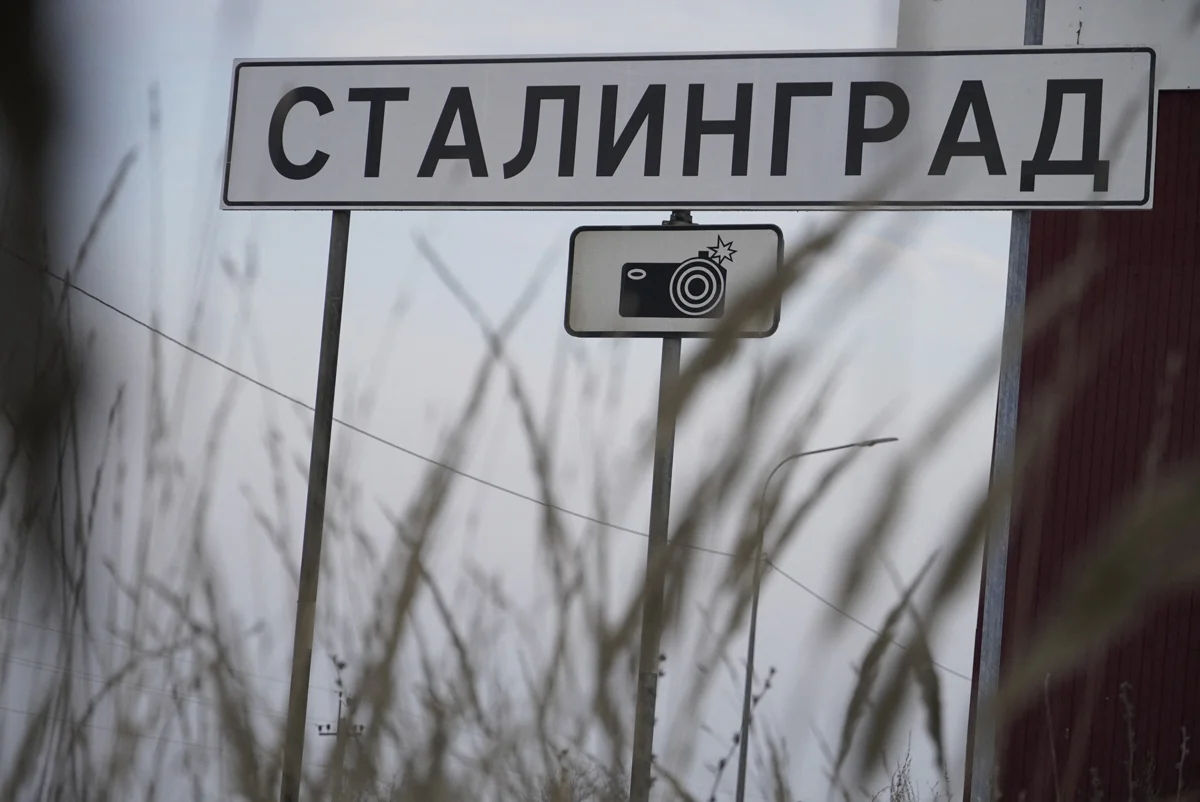
— Лично я горячо выступаю за возвращение нашему городу исконного названия Царицын , — говорит «Новой газете Казахстан» историк-краевед Андрей Кудинов . — Но это произойдет не скоро, не в этой жизни. Сейчас вся государственная пропаганда с идеей возвращения городу имени Сталина ложится на благодатную почву: постепенно, подспудно людей приучают к мысли о том, что город рано или поздно будет переименован. Пока большинство волгоградцев действительно выступает против переименования. Люди три поколения прожили в Волгограде. Привыкли к этому названию, сроднились с ним. При этом имя Сталина для большей части горожан не имеет сейчас отрицательного смысла, так как эпоха сталинизма для них превратилась в историческую байку, она лично их не затрагивала. А то, что им старики рассказывали, — то семейные предания, а не душевная боль. На мероприятия памяти жертв политических репрессий в Волгограде приходит мало людей, буквально десятки. Это те, чьи семьи трагедия коснулась лично. В основном старики.
— Я тоже категорически против переименования нашего города , — говорит историк и журналист Вячеслав Ященко. — Если они так уж хотят переименовать и считают, что для этого существуют все экономические и психологические условия, то давайте вернем городу исконное название — Царицын-на-Волге.
На мой взгляд, Волгограду нельзя возвращать имя Сталина, и вот почему: именно из-за него вермахт дошел до берегов Волги. До 60% высшего командного состава было Сталиным истреблено незадолго до начала войны.
Этим объясняются поражения Красной армии в 1941–1942 годах, которые, собственно, и привели гитлеровцев к Волге. От тех, кто руководил войсковыми соединениями, не исходило инициативы. Они действовали всё время с оглядкой на Сталина, боясь репрессий. Да, Сталинградская битва стала поворотным моментом в войне, но самый главный виновник того, что она вообще произошла, — это Сталин .
Единственная организация в Волгограде, которая сегодня еще поднимает речь о сталинских репрессиях и хранит память о жертвах, — неофициальная. Это местная инициативная группа «Мемориал». В нее входят немногочисленные гражданские активисты и энтузиасты. Еще два года назад волгоградские мемориальцы обратились к властям с заявлением о недопустимости возвращения Волгограду имени Сталина
«Мы считаем, что политика ресталинизации, начатая в 2022 году властью Волгоградской области, не только оскорбительна для горожан, чьи предки пострадали от репрессий или были вынуждены попросту жить в гнетущей атмосфере страха, но опасна для города и страны в целом! Запугивание несогласных, подавление гражданских свобод, репрессии за политические убеждения — эти инструменты российская власть уже использует. Возвращение имени Сталина нашему городу <…> для всего мира будет означать возврат России на 70 лет назад, к сталинскому беззаконию» .
Мемориальцев, конечно же, не услышали.
Автор: Мира Ливадина