
Translated material
If you love me, don't let me go
The Russian authorities have figured out how to ensure that Western business definitely does not return to the country
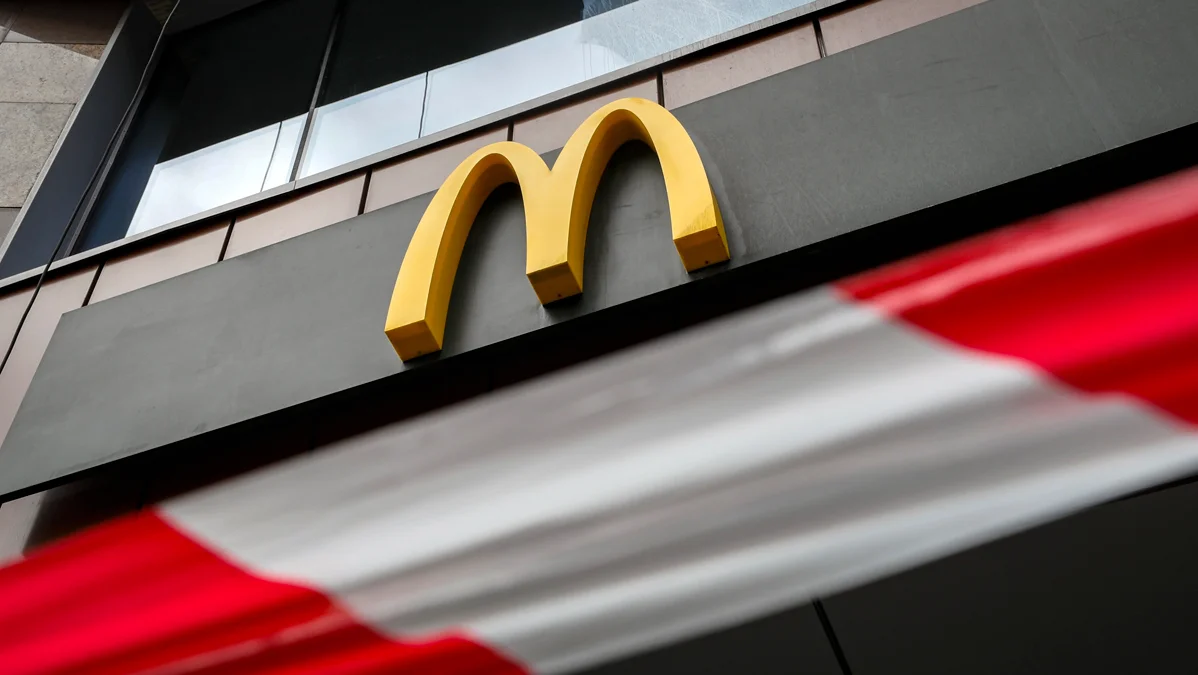
Closed McDonald's restaurant in Moscow, May 19, 2022. Photo: Yuri Kochetkov / EPA
Hyundai, Renault, Mercedes-Benz, McDonald's, L'Occitane, British American Tobacco - the chances of these companies returning to Russia are becoming increasingly elusive. Although Russians dream of the return of brands, the Kremlin does not want this. The new law will actually prohibit “unfriendly” investors from buying the business back. But it will protect Chinese investments in Russia.
Two months ago, Vladimir Putin ordered to figure out how to make it as difficult as possible for foreign investors who left Russia and now decided to return to buy back their business. This happened when, after the inauguration of Donald Trump, negotiations began between Moscow and Washington and the return of investors was discussed both in Russia and in the West. A study by New Europe showed that Russians miss foreign brands and dream of seeing them again in Russia - this was reported in the media on average five times more often in the spring of 2025 than immediately after the start of the war.
The State Duma dutifully carried out Putin’s instructions and figured out how not to give the business to its former owners. The authorities have written a bill (it is awaiting its second reading) on how Russian buyers of foreign assets can legally refuse to exercise repurchase options. This mechanism was part of the conditions under which investors left Russia in 2022-2024: they booked a “return ticket” in advance to return when the war ended (New-Europe wrote about this in detail here ). A repurchase option agreement typically guarantees that the seller will regain control of its assets.
But according to the bill, the new Russian owner, who bought a foreign business under the terms of an option, will be able to refuse to fulfill it. This will be possible if the foreign investor represents an “unfriendly” country - “this is a response to the unfriendly actions of foreign states,” a sanctions lawyer told New-Europe (he asked not to be named). It will be possible to legally refuse to exercise the option if the former owner sold the business in Russia from February 24, 2022 to March 1, 2025 below the market price. And also if two years have passed since such a transaction and if there are no claims from employees and creditors against the Russian shareholder. Moreover, all these conditions must be met at once.
At the same time, according to the bill
The Russian owner may not wait for the former owner’s demands for redemption, but proactively declare in advance that he will not exercise any option. And if he does not want to refuse, the Russian authorities can prohibit the exercise of the option
— the same law gives them this right.
And this is a very important tool introduced by the bill - it allows the state to prevent the return of foreigners even in cases where they have given the asset away, maintaining good relations with Russian buyers, which will allow the business to return after waiting for better times, notes a lawyer who specializes in mergers and acquisitions. In this case, officials, against the will of the owners, simply will not allow such agreements (which could not necessarily be recorded only on paper) to turn into a buyback and will leave the enterprise in Russia, he told New-Europe. True, the pill was sweetened for the former foreign owners, leaving them the right to demand compensation from the Russians in case of refusal.
The purpose of this mechanism is to prevent potential disputes in the future and protect the interests of new asset owners from claims from foreigners, a sanctions lawyer told New Europe. And besides, according to him, the law is aimed at “protecting the interests of the state as a whole, as it seeks to prevent the return of control over assets, which may, among other things, be of strategic importance for the country’s economy.”
Anything for China
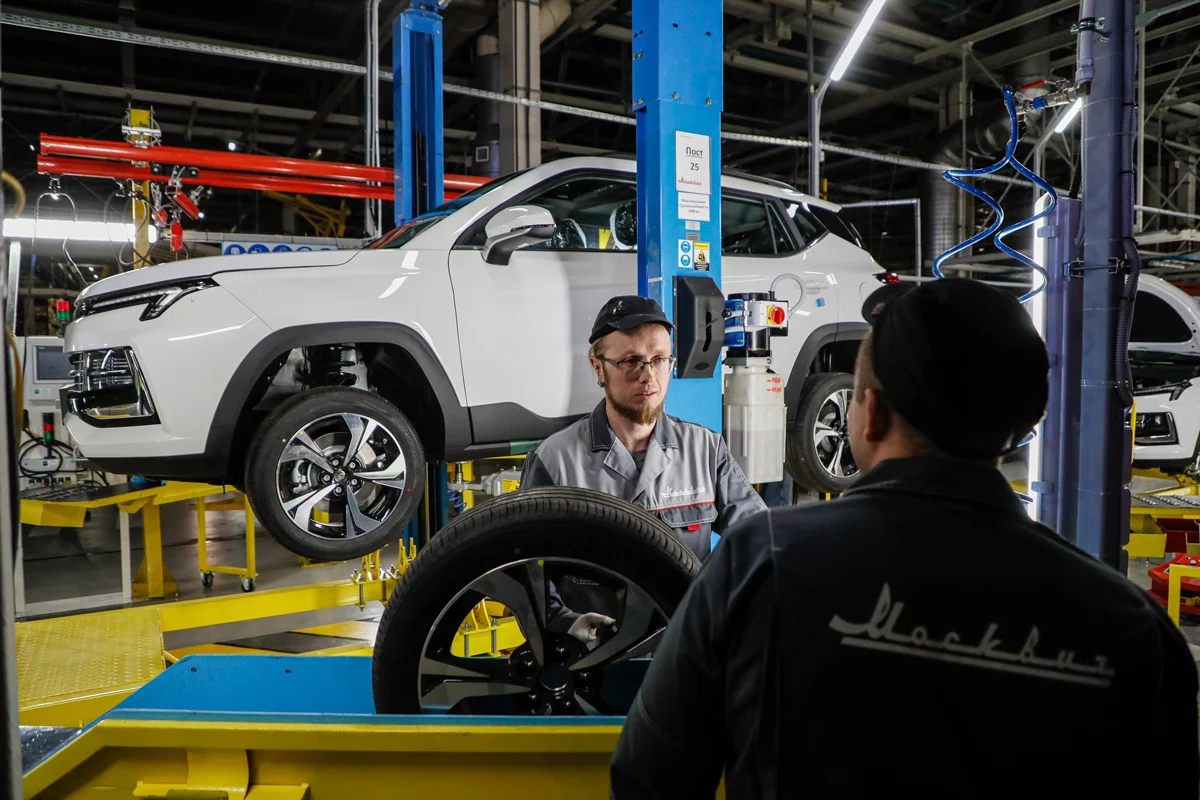
Of the 100 largest companies that left Russia, only 18 provided conditions for the repurchase of assets, a study by the Vedomosti newspaper showed . Among them are several leading automobile brands.
When the project becomes law (and Putin’s call to “strangle” foreign companies leaves little doubt about this), the AGR group may not give back the Hyundai plant in St. Petersburg to the South Koreans (Kia cars were also assembled here). The Moscow City Hall will retain Renault , and the Avtodom dealer will continue to own the Mercedes-Benz assembly plant in the Moscow region. French auto components manufacturer Valeo also left under the terms of a ten-year option.
Of course, Russian officials now, and without any law, can take away or not return any plant at the request of the “former” ones, argues an automotive market expert (he asked not to be named). This is proven by the property seizure campaign that has unfolded in Russia since the beginning of the war, during which the Prosecutor General’s Office seized assets worth 2.6 trillion rubles, and some of them have already been given to new owners (“New Europe” wrote about this in detail). “But our government is largely a crook, and if there are references to the norms of the law, the government feels much more calm, so as not to look like a completely lawless person in the world community,” says the interlocutor.
At the same time, it is important for new owners that their status as a “bona fide purchaser” is protected both when working outside of Russia and if they decide to do business in partnership with companies from “friendly” countries. The fact is, our interlocutor explains, that the new Russian owners of car factories are trying with all their might to conclude technological and shareholder alliances with companies from China (“New Europe” wrote about this in detail here ).
So far, all efforts to make Chinese automakers equity or technology partners have not been successful (with the exception of the Haval plant launched before the war near Tula).
Russian companies invest independently and “resolve issues” with the state, and the contribution of companies from China is limited to the sale of components, and even then very cautiously and limitedly - for fear of secondary sanctions.
“Therefore, they need such a “factual piece of paper,” as Bulgakov wrote , that no matter what options there are, the previous owners will not return and Chinese investments are protected in this way in Russia,” the expert believes. Therefore, in his opinion, as early as 2025 we will see other laws aimed at guaranteeing Chinese business. And the “Act Banning Options” is just the first sign.
"Cowards pay debts"
In addition to automobile brands, there are several other investors who, leaving Russia, entered into options, mainly from the consumer market sector.
First of all, this is McDonald's, which back in 2022 sold the asset to Kuzbass entrepreneur Alexander Govor, reserving for itself a “return ticket” valid for 15 years. This week it became clear that the global fast food chain is no longer in business in Russia, after Putin said about the possibility of a buyback of the business: “Only cowards pay debts.”
And besides, this is such a giant as British American Tobacco, bought by Russian management with the right to continue producing Kent, Rothmans and Lucky Strike cigarettes at factories in Russia. The option is valid until next year, but the global tobacco company itself has already stated that it considers a buyback unlikely.
And also - a network of cosmetic stores L'Occitane ( option until 2030).
The option agreement concluded in 2022 will not help another investor, the owner of the Raven warehouses, writes lawyer Mikhail Chugunov: at first this document was challenged by the Prosecutor General’s Office, and this winter it completely achieved the transfer of real estate to the Federal Property Management Agency.