Translated material
Unsinkable Mason
The head of the region reacted late to the terrible flood, lied about his actions on the day of the disaster, but still remains in power. This is not about Russia, but about Spanish Valencia. How is all this possible in an EU country?
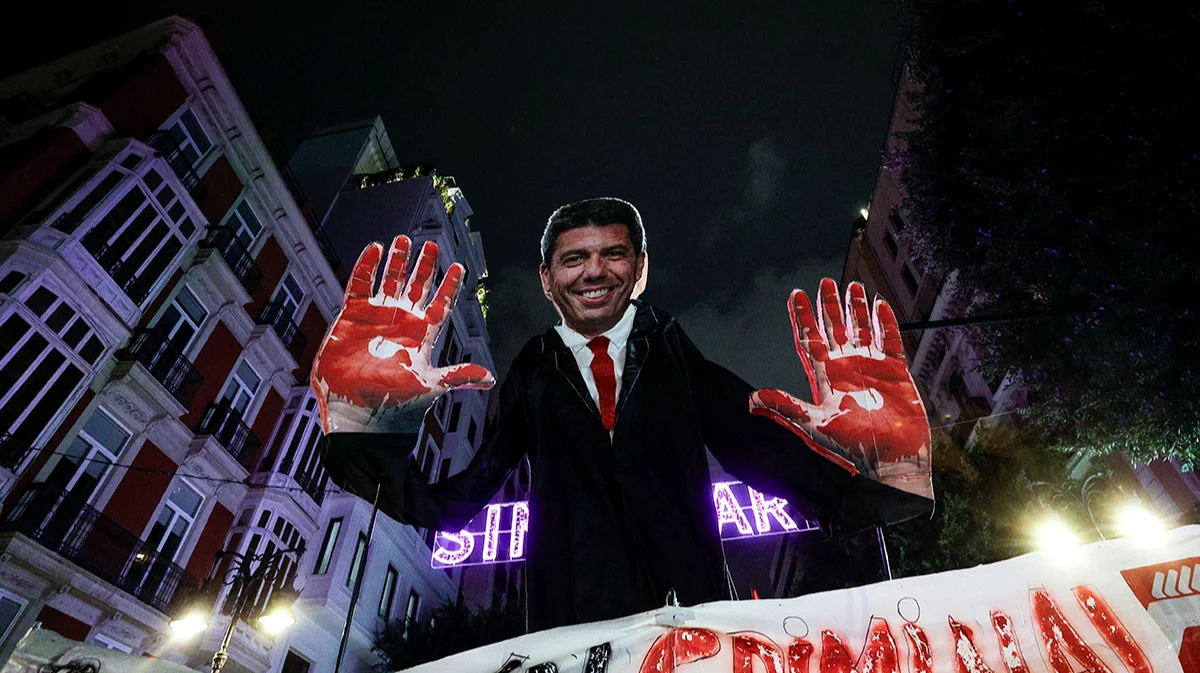
A rally demanding the resignation of Carlos Mason in Valencia, Spain, March 1, 2025. Photo: Manuel Bruque/EPA-EFE
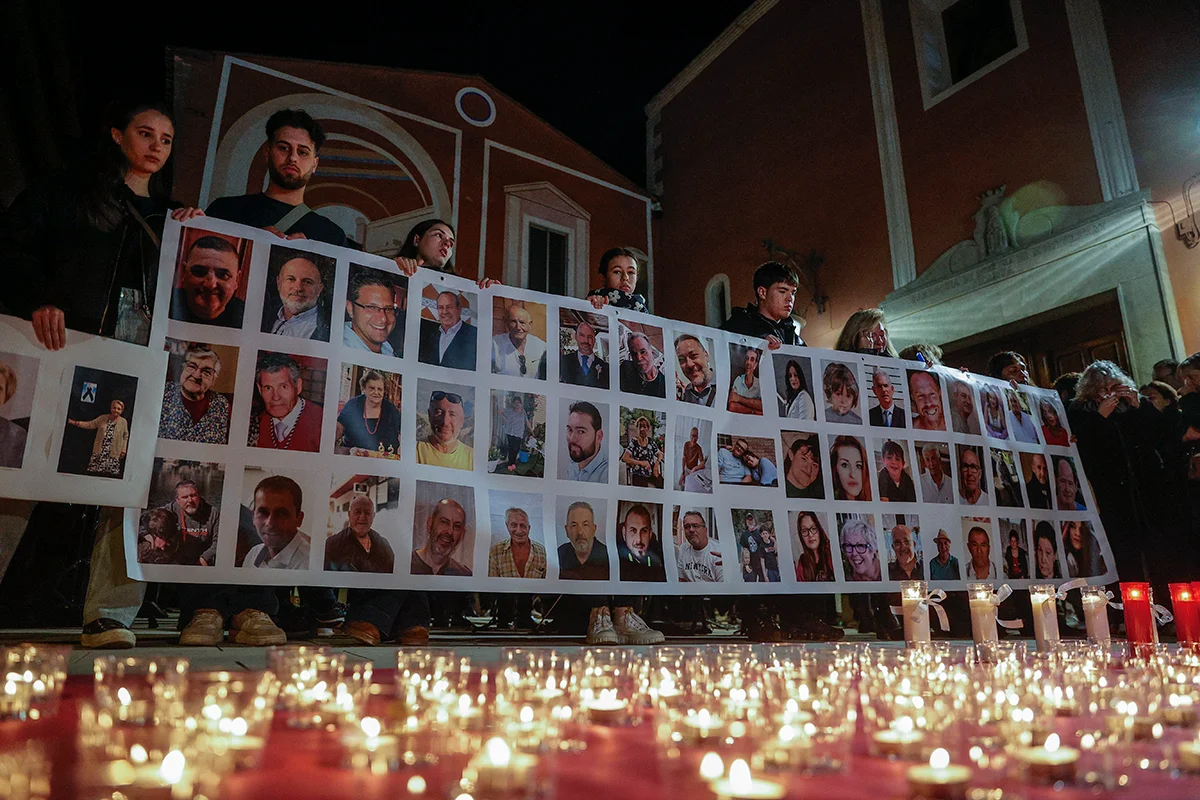
At the end of May, a strike and demonstration took place in Valencia under the slogans of the resignation of the head of the Generalitat (regional government), Carlos Mason. Such demonstrations are held on the 29th of every month in memory of the terrible flood in this area in Spain, which claimed the lives of 228 people.
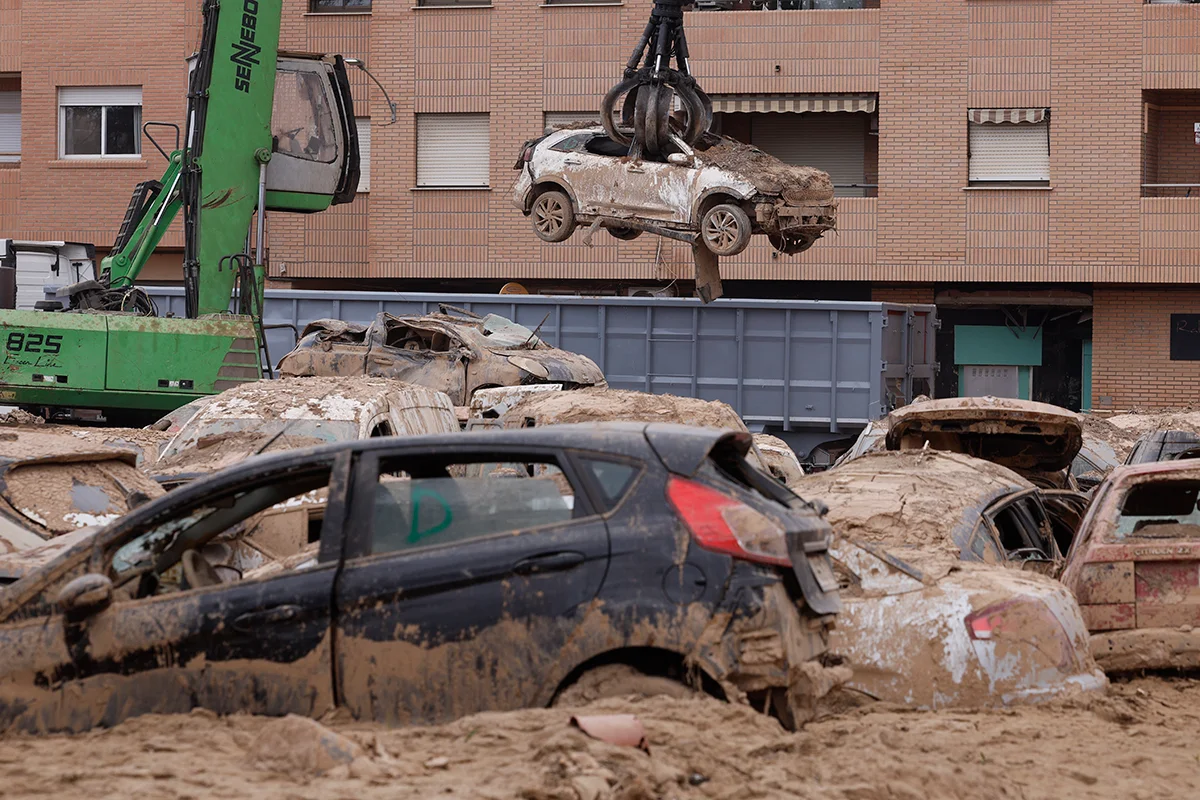
Of course, the disaster itself was unprecedented, but the huge number of victims, the scale of destruction and the slow pace of restoration work were determined not only by its scale, but also by the inadequate actions of the regional administration. In Russia, where they can spend almost a billion rubles on the construction of a dam in Orsk, and then claim that it could not contain the flood because rats gnawed through it, such carelessness can hardly surprise anyone. However, the example of Valencia shows that in Spain, officials can demonstrate incompetence and still remain in power. Political scientist and Europeanist Alexander Dunaev, specially for New-Europe, figured out how it happened that seven months after the tragedy, the autonomous community of Valencia is still led by Carlos Mason, although he repeatedly lied about his actions during the flood and did not show much effectiveness in combating its consequences.
Mason's excuses
The Spanish State Meteorological Service (AEMET) began warning about heavy rainfall in Valencia on October 24th. On the 28th, it declared an orange alert, and at 7:36 a.m. the next day raised it to red, which means the disaster could cause “severe or catastrophic consequences.” Meteorologists urged residents in the region to be extremely vigilant and stay away from areas that may be flooded.
The chairman of the Generalitat, Carlos Mason, began his working day on October 29 at nine o'clock with a government meeting, after which he attended two official events and one meeting. At the same time, he shared his thoughts on the upcoming rains on the X network: “We hope that by approximately 18:00 the intensity of precipitation will decrease throughout the entire autonomous community, except for one municipality,” the tweet was later deleted .
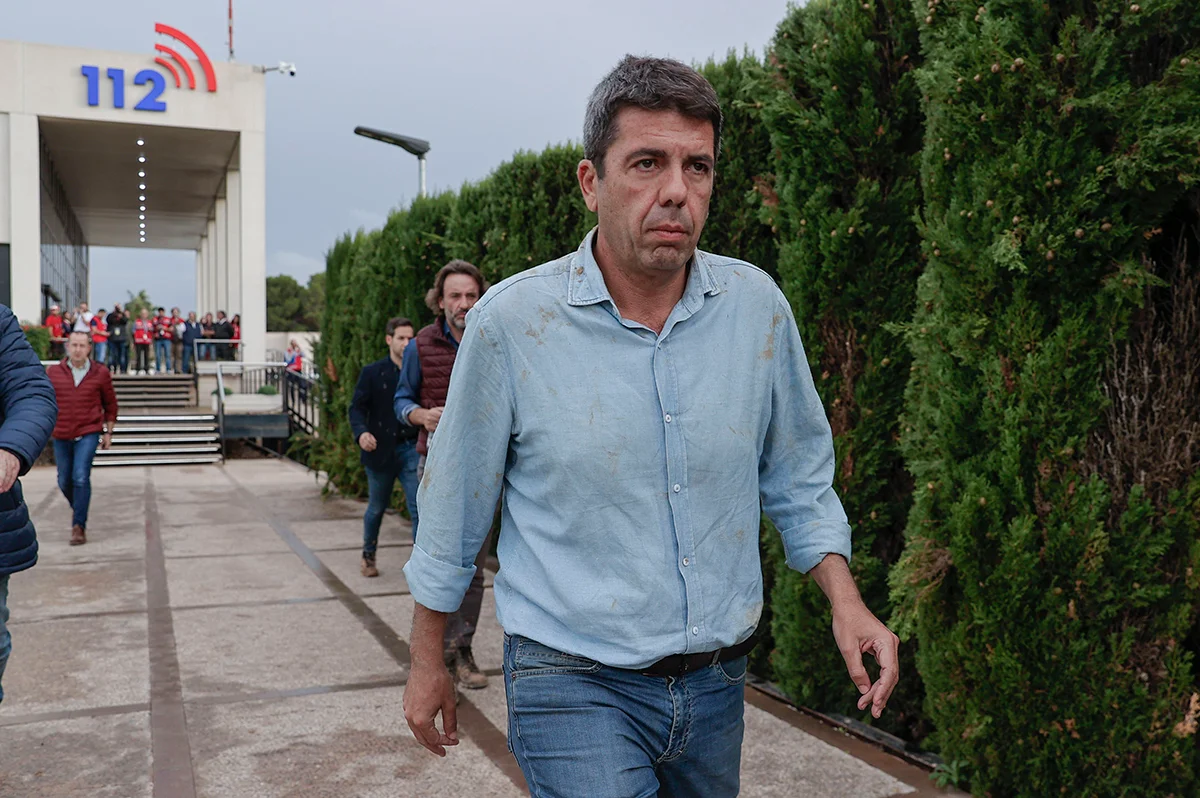
At 15:00 Mason went to the Valencian restaurant El Ventorro to have lunch with journalist Maribel Vilaplana. During their three hours of leisurely communication, the local government managed to request help from the military, and the Emergency Coordination Center (Cecopi) began an emergency meeting. The Mason arrived at it only at half past eight in the evening, when huge streams of water were already rushing through the streets of the suburbs of Valencia. Throughout the day, he never made a phone call to the heads of the municipalities that were most affected by the flood.
Mason's behavior on the day of the disaster left much to be desired. Of course, he did not want to admit this and, trying to present himself in a more favorable light, he resorted to two methods.
First, he began to shift responsibility onto others. According to him, the actions of the meteorological service, which allegedly did not notify the population in a timely manner about the impending disaster, can only be described as a “ deafening failure ”, the Spanish Prime Minister Pedro Sanchez shamelessly lied and did not admit his mistakes, and the country’s authorities did not allocate “a single euro” for the restoration of the affected municipalities.
Secondly, the head of the Generalitat began to lie about his actions during and immediately after the tragedy. Thus, he stated that he requested help from the Ministry of Defense at 15:00 on October 29, although an entry about this appeared in his account on the X network only two days later. He claimed that he constantly held meetings with the victims, but the associations of victims of the tragedy knew nothing about this.
In February 2025, Mason distributed an audio recording through the X network, from which it followed that the Spanish authorities had not properly warned the Valencian government about the scale of the impending disaster, but then it turned out that the recording was fake, and the prosecutor’s office became interested in the case.
At a hearing in the local parliament, Mason explained his absence on the evening of October 29 due to the congestion of the road due to the elements: “The path was not easy.” According to media reports , there were actually no traffic jams and it was possible to get there in 25 minutes. And in April of this year, it turned out that the Valencian government destroyed recordings from CCTV cameras, which could be used to track what time Mason left for the meeting. When the head of the region was asked to present a receipt from the restaurant, which could show what time he left there, he stated that he would do this only at the request of the Accounts Chamber.
Failures before and after the tragedy
However, the public raised questions not only about how Mason behaved on October 29, but also about the actions taken by him and his office before the tragedy.
For example, the decision to dissolve the Emergency Management Agency, taken in November 2023, has been much discussed. The then-ruling coalition of the right-wing People's Party and the far-right Vox in Valencia (the coalition collapsed in the summer of 2024) motivated him by the fact that the management did not in any way improve the existing system for dealing with emergencies, which means that the costs for it were not justified.
In an effort to cut regional budget expenses, the Valencian authorities made a significant reduction in funds allocated for environmental purposes and, in particular, to combat the effects of climate change, which, according to experts, was one of the main causes of the October 29 flood. The budget for 2024 allocated 148 million euros for these purposes, which is 38% less than a year earlier.
Another factor that could have aggravated the consequences of the disaster was the failure to implement plans to combat possible flooding in the suburbs of Valencia. Thus, back in 2007, a plan was developed to prevent floods between the Turia and Hukar rivers worth 250 million, but it was never implemented; In fairness, it is worth noting that not only the Mason, but also his predecessors gave up on implementing the plan.
However, even after the tragedy, the Valencian government and its head did not show greater effectiveness in combating its consequences.
The Spanish government allocated 16.6 billion euros to help victims and restore damage caused by the flood, which was 20 times higher than the amount provided by the Valencian authorities (806 million). However, affected municipalities have complained that tenders for reconstruction work have been plagued by delays and staff shortages within the municipalities themselves. Because of this, construction work may drag on for more than two years.
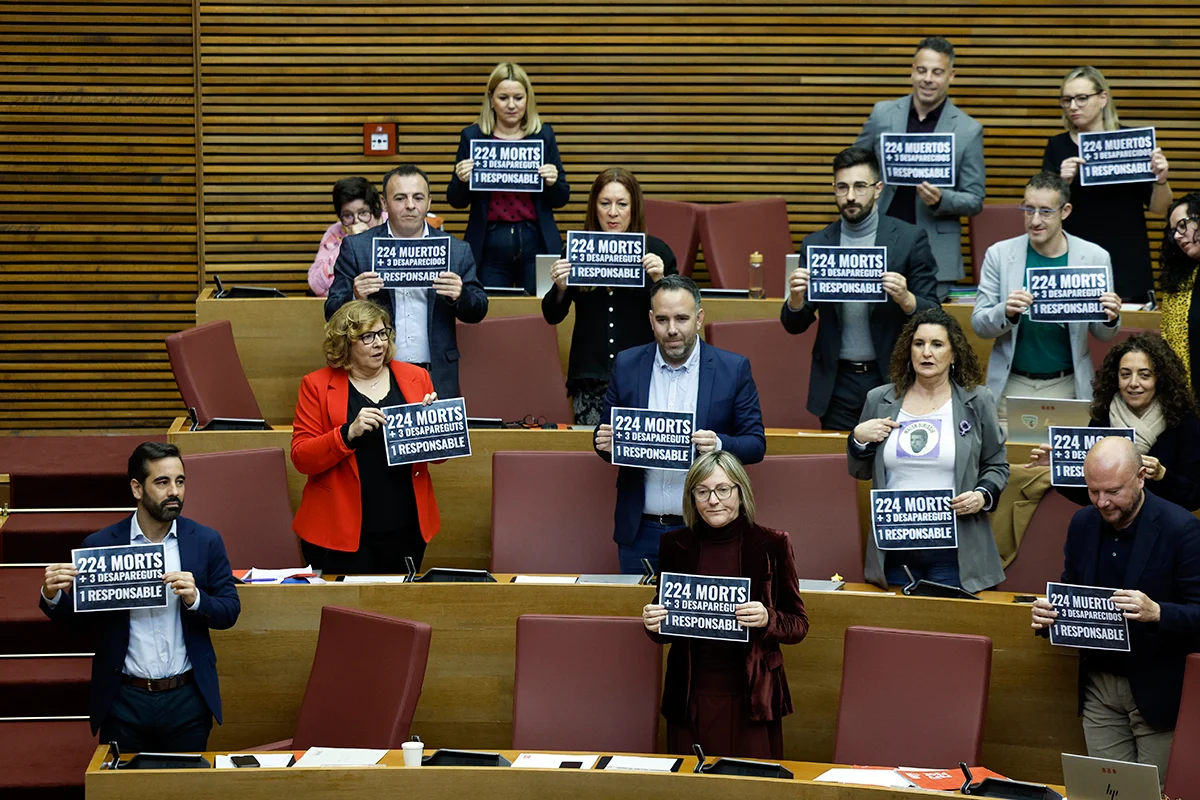
In the regional parliament, an investigation into the reasons why the flood caused such destruction is hampered by opposition from the People's Party and Vox. Thus, according to reports in the Valencian press, the two parties are in every possible way delaying the start of the testimony of the victims before the commission entrusted with the investigation.
The decision to resign the regional Minister of Justice and Internal Affairs, Salome Pradas, also looked strange. Mason fired her on November 20, 2024, under public pressure, but noted Pradas' "political generosity" and "vision". At the same time, the head of the region did not explain how these qualities related to her actions during and after the disaster. In particular, she claimed that she had not received an offer of assistance from the military on October 29, although this was later revealed to be false, and stated that she did not know about the existence of a system that sent emergency alerts to citizens' mobile phones.
Local authorities were also in no hurry to establish communication with associations of victims of the tragedy: Mason approached them with a proposal for a meeting only after their representatives visited Brussels, where they were received by the head of the European Commission Ursula von der Leyen and the President of the European Parliament Roberta Metsola.
Intercession of the right
It would seem that in such conditions the chair under the head of the Valencian government, Carlos Mason, should be shaky, but seven months have passed since the tragedy, and he is still in office. How is this possible?
In addition to his insistence on shifting responsibility to others, a combination of political and legal factors contributed to his remarkable survival.
First of all, Mason, who heads not only the regional government, but also the local branch of the right-wing People's Party, relies on support in the local parliament. According to the results of local elections held on May 28, 2023, his party won 40 seats there, another 13 went to the far-right Vox, which provided them with a majority of 99 parliamentary seats.
In the summer of 2023, the People's Party and Vox formed a ruling coalition, but it lasted only a year. Last July, Vox announced its withdrawal from all regional governments in which it was in coalition with the People's Party and, as a result, Mason dismissed three Vox representatives who held posts in the Valencian cabinet.
This did not prevent the two parties from continuing pragmatic cooperation in the local parliament: just the other day, Vox voted for the budget proposed by the regional authorities for 2025. The ultra-right successfully takes advantage of its role as a situational ally of the People's Party in parliament, and Mason's candidacy suits them quite well: he is much closer to them than the leaders of the left parties.
The central leadership of the People's Party also supported the head of the Generalitat.
Back in November 2024, party leader Alberto Nunez Feijoo said that Mason “took responsibility from the very beginning” and “was the only one who came forward with self-criticism,” and that the true culprit for the scale of the tragedy was the Spanish authorities. And the head of the People's Party faction in the lower house of the Spanish parliament, Miguel Teilado, emphasized that Mason was “working to get Valencia out of a difficult situation,” and, as expected, placed all the blame for the tragedy on the government of Pedro Sanchez. The position of the “populists” is clear: admitting Mason’s responsibility will cast a shadow on the entire party, therefore, politically, it is much more convenient to continue blaming the central authorities for everything.
Left disunity
The political survival of Mason is also facilitated by the disunity of other political forces in the Valencian parliament. The opposition to the rule of the conservatives and the far right in the region is represented by two parties - the Socialists (PSOE-PSPV) and the coalition of left parties Compromís, which have 31 and 15 seats, respectively. Both political forces criticized the actions of the local government, but failed to coordinate at key moments.
Thus, in November 2024, Compromís proposed a vote of no confidence in Mason, but in order to put the initiative to a vote, at least 20 deputies had to support it. Considering that by that time Vox had already left the coalition with the People's Party, it could be assumed that the far right could also join it. But the key to success was the support of the socialists, who, however, preferred to seek the Mason’s resignation not within the walls of parliament, but through pressure on the leadership of the People’s Party, which is why the vote of no confidence was never put to a vote.
In turn, PSOE-PSPV unilaterally, without agreement with Compromís, demanded early elections in the region, but the current alignment of political forces allows the Mason cabinet to calmly ignore such statements.
Another example of inconsistency in the actions of left-wing parties was their position on the issue of municipal budgets for 2025. Both the Socialists and the Compromís criticized the documents proposed by the local authorities, considering the funds allocated to help the victims insufficient, but they acted separately and did not develop a unified strategy; as a result, the budgets were adopted.
Finally, the position of the judicial system also plays into Mason’s hands. The Valencian prosecutor's office decided to open an investigation to identify those responsible for the catastrophic consequences of the flood, and the High Court agreed to join seven lawsuits filed personally against Mason. However, judicial departments emphasized that it will be possible to bring him to justice only when obvious evidence of his guilt is established. So far, the data presented in the lawsuits seems insufficient to the judges.
As a result, the Mason remains in power and so far nothing threatens his position. The experience of Valencia shows that even in Western European countries, incompetence is not so bad for senior officials if they have strong political support behind them and their opponents are not able to form a united front against them.