
Translated material
Civil hostages are captured. Whom Ukraine fails to return from Russia
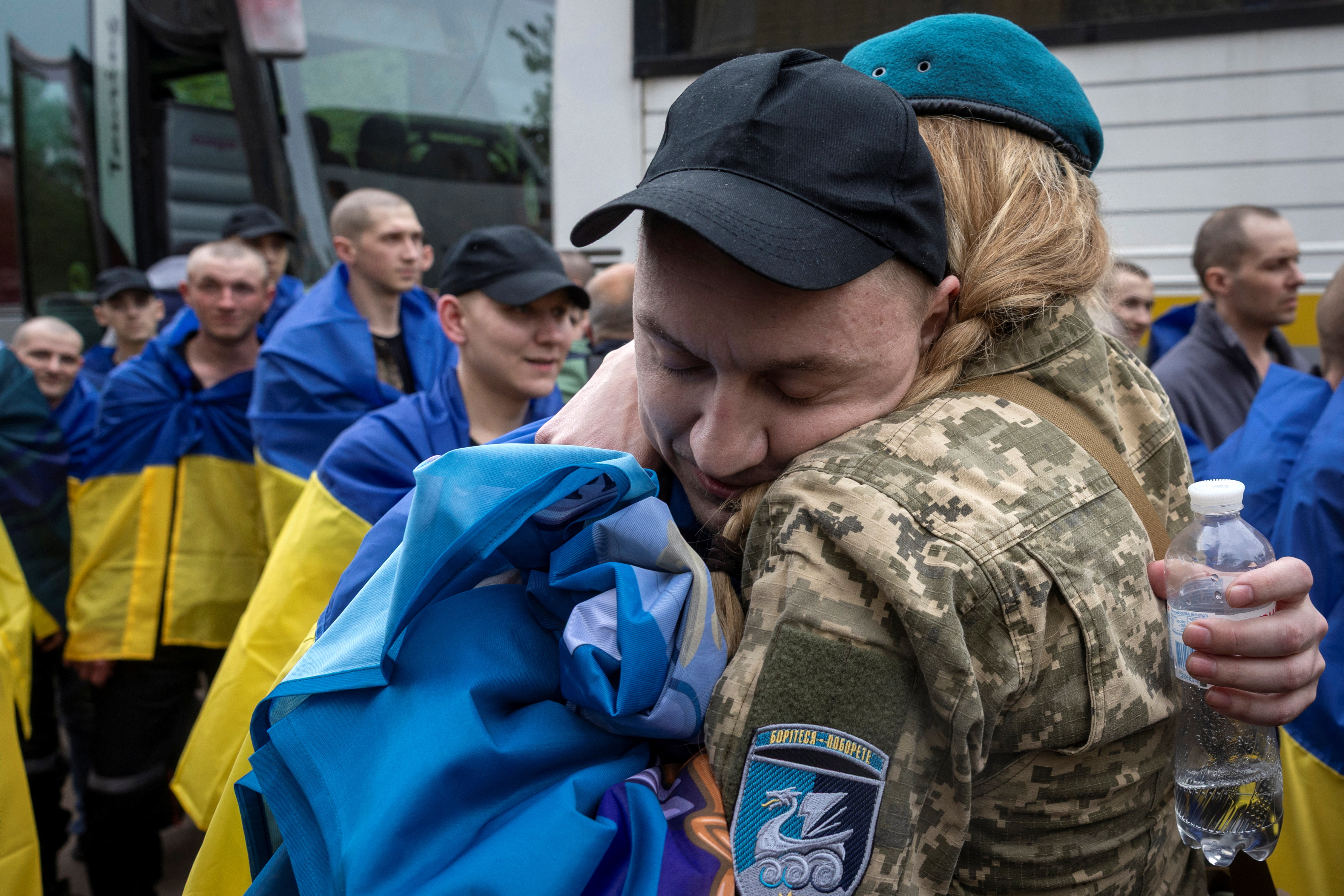
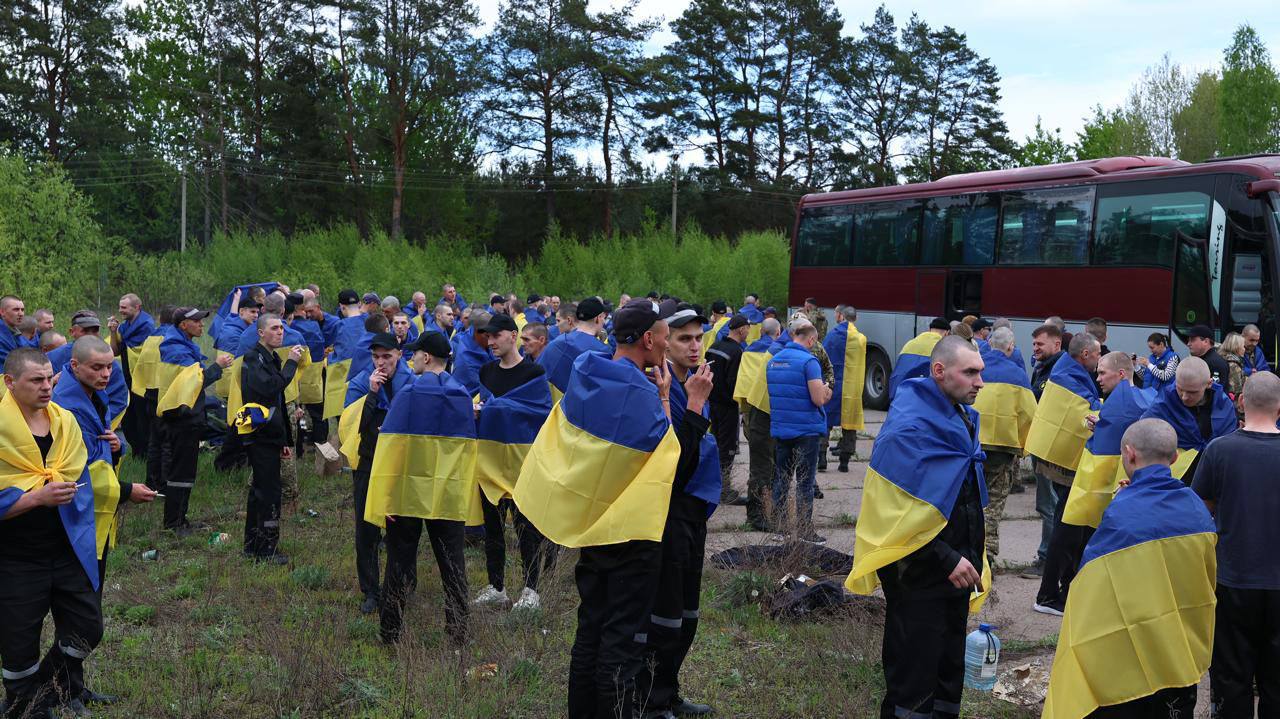
Ukraine and Russia from May 23 to 25 held a large -scale exchange of prisoners - "1000 per 1000". In particular, 880 prisoners of war and 120 civil hostages returned to Ukraine. This exchange was accompanied by criticism from a number of former prisoners, military and public organizations in Ukraine. In particular, among exchanged civilians there was no one who remains in Russia since 2014. Also, people from the list, which constitute the unification of political prisoners of the Kremlin, did not go free. Among the liberated there were not a single Crimean Tatar. The project of the Ukrainian service of Radio Liberty "News of the Azovya" talks about those civil hostages that remain in Russia and were arrested or stolen in the southern territories of Ukraine occupied after February 24, 2022. During the last exchange, they were not released.
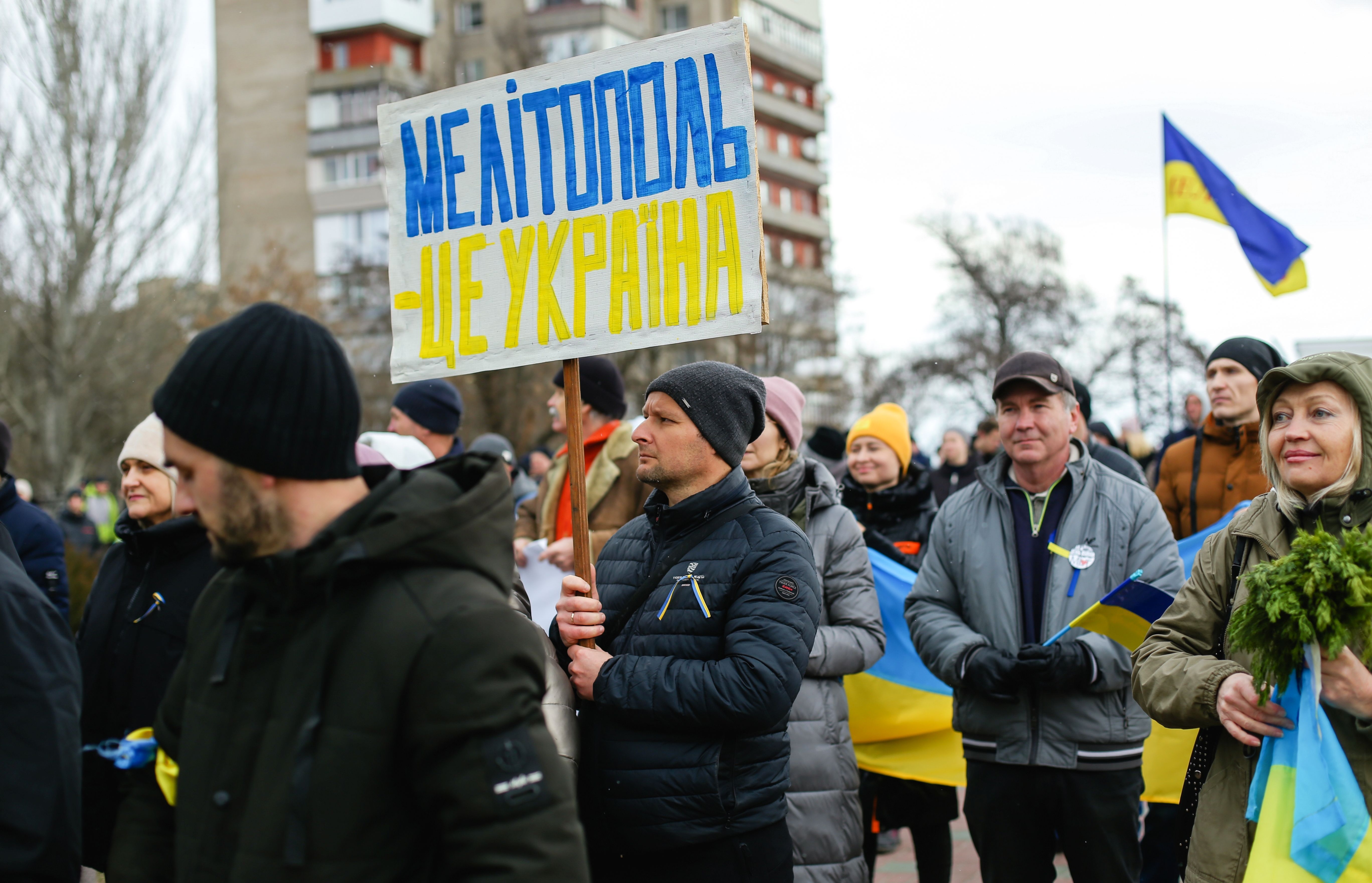
Melitopol
Maxim Dolzhenko, a resident of Melitopol, who, before a full -scale invasion, participated in the Euromaidan, entered the protest, supported pro -Ukrainian initiatives. In December 2022, Russian media controlled by the state distributed a video from Dolzeno in Ukrainian military uniforms. For health reasons, he was not a military service and never served in the army. When the video was published, Dolzenok was in captivity for six months, his mother Tatyana said: “On May 2, 2022 they came home, pulled out into the street, undressed, everything, as they did. And then, when they brought it out, a package on their heads and their practice. As soon as it was taken, they kept it in the former local police department. It was transported to the so -called garage. This is the usual garage. This is the usual garage. The garage, cooperative, metal.
Tatyana says that her son stopped saying: “He was taken for three or four days, then they were thrown to the floor. And he was lying, he didn’t move. What did they do with him? I didn’t even want to represent it. He didn’t talk, he was taught to talk again, who were with him [in conclusion],” says Tatyana Dolzhenko .
Now she collects information about her son by bit. She knows that back in 2022, Russian occupation troops took him out of Melitopol - according to unverified information, to Krasnodar. In Russia, Maxim, Duma is accused of "aiding with terrorism." All three years, while he is captured, his mother sends appeals to Ukrainian and international organizations. “In the early days of his captivity, I turned to the SBU,” she says. “Although it was almost impossible, there was no connection - I was in Melitopol. I wrote a statement through the Internet. They transferred all these data to the coordination headquarters. That is, since 2022 I communicate with the coordination headquarters and security service. When I moved to Zaporozhye in 2024, I even wrote a statement, I wrote a statement there. I wrote a statement and sent to the UN.
From May 23 to 25, Ukraine and Russia held a large -scale exchange of prisoners, about which the delegations of the two countries agreed in negotiations in Istanbul. Among the 1000 people who were released by each of the parties, 120 civilians left for freedom. Maxim Dolzhenko was not among the liberated.
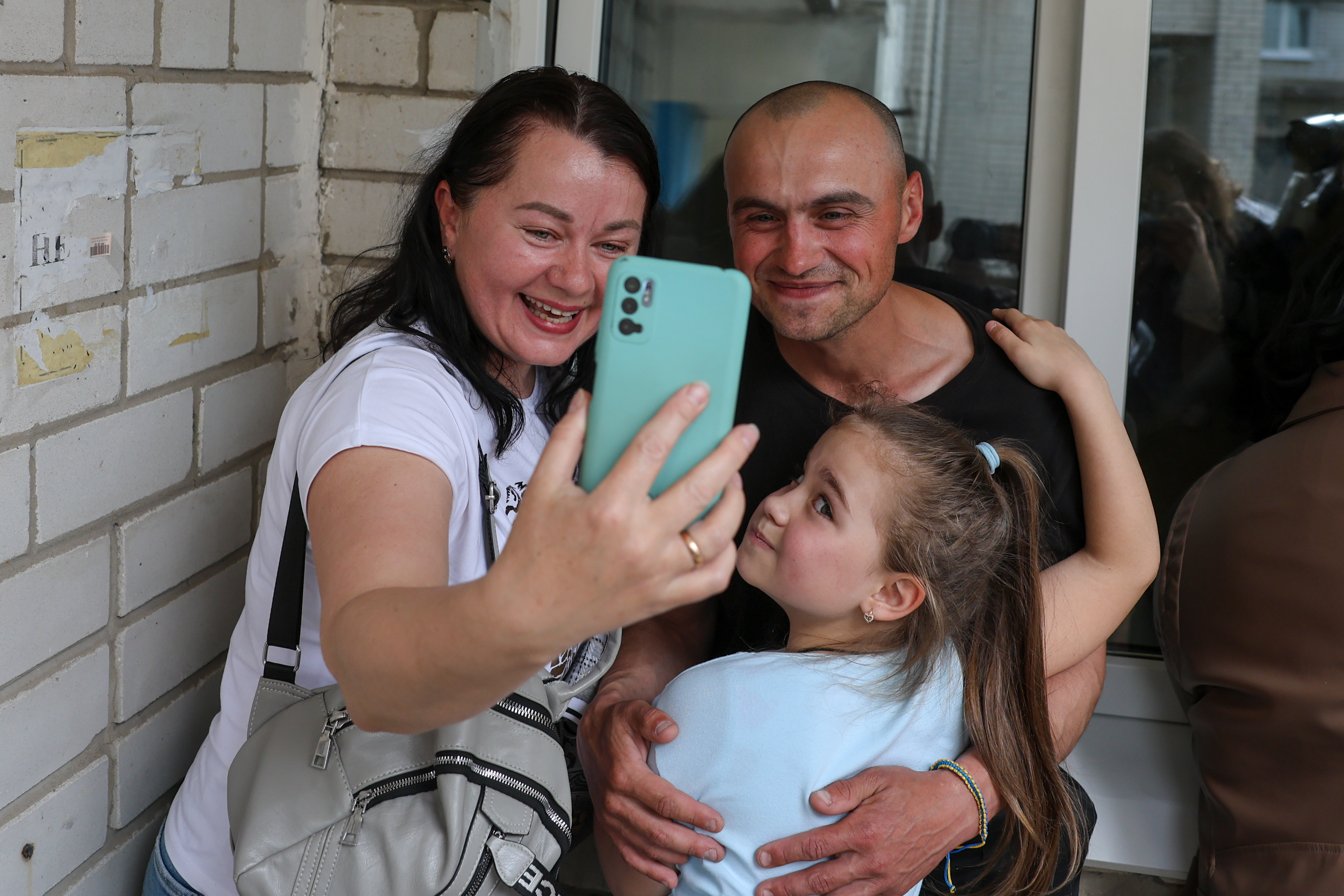
Messages about murders, torture and cruelty to Ukrainian prisoners of war are regularly received. This is also stated in the report of the Office of the Supreme Commissioner of the UN Human Rights, published in October last year. Ukrainian prisoners are subjected to violence at all stages of imprisonment. The authorities appointed by Russia in the occupied territories apply torture in relation to Ukrainian military and civilians, and in the territories of the liberated, who were under Russian control for some time, this happened in the past.
The Geneva Conventions oblige the warring parties to ensure worthy content to prisoners, prohibit abuse, there is an obligation to provide the opportunity to contact relatives and contact international humanitarian organizations.
The fate of the mayor of Kherson: "Rushed deep into Russia"
During the last major exchange, Igor Kolykhaev, mayor of Kherson, was not released. He remained in the occupied city in the first months of a full -scale Russian invasion in Ukraine, and on June 28, 2022, Advisor to Kolykhaeva Galina Lyashevskaya reported that the mayor of Kherson took the Russian occupation forces. His son Svyatoslav said that he knew about his father’s fate in the conclusion: “After Jongar, he was in Taganrog. The last thing is known, he was taken deep into Russia. People from New Year's exchanges came out: in December, in February. They talked about him that they saw him there. He was in critical condition. He had problems with his foot, he had some kind of illness, associated with his, related to him, associated with his foot. Skin .
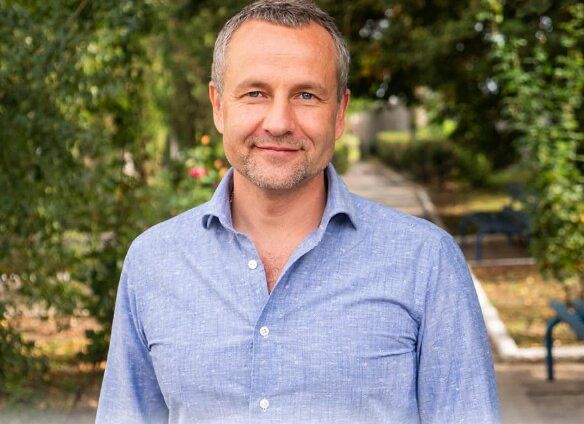
The son of the mayor of Kherson says that he sends letters to officials responsible for the negotiation process and the release of prisoners, but so far Kolykhaev Jr. has not received any specific information to these appeals. “I continue to write letters to the coordination headquarters and receive the same formal answers. I feel, frankly, despair, indifference. I can’t understand this attitude. I don’t understand and I don’t want to understand why they treat it like that. Why is there such an open indifference to his situation? Why don’t they want to communicate with me? Why don't they give a break in the wings of this situation?” He noted.
The purposeful policy of Russia
The unification of relatives of the political prisoners of the Kremlin after exchanging prisoners drew attention to the fact that they did not exchange a single civilian hostage from the list of human rights activists. Also, there is not a single Crimean Tatar among the liberated, said the wife of the Kremlin captive Tophy Abdulgazieva Aliya Kurtametova .
The Executive Director of the Medium Human Rights Initiative Tatyana Katrichenko says that the absence of political prisoners among the released in exchange is a consequence of the targeted policy of Russia: “It imposes on those citizens who are not in the focus of attention when it comes to their return. But if Ukraine refuses to pick up these citizens, Russia will continue to manipulate it, it will say that Ukraine refused its citizens. Certain interviews will appear on Russian television channels, and propaganda would work not only in Russia, but also in the territories of third countries, ”said Katrichenko.
On May 25, when the third part of the major exchange of prisoners of war between Russia and Ukraine ended in “1000 per 1000” format, some military and journalists in Ukraine criticized the result, which was achieved following the results of negotiations in Istanbul. In particular, Denis Prokopenko wrote on Facebook special forces commander on Azov that, as part of an exchange to Ukraine, not a single defender of Mariupol was returned. Prokopenko emphasized that this should be a paramount task for the authorities, since the military surrendered not of their own free will, but because of the order received from the highest command. The exchange was also criticized by the journalist and writer Stanislav Aseev previously released from captivity. According to him, he handed over to the authorities a list of civil hostages contained mainly in the Makeevsky colony, and not a single person was released within the framework of the exchange. The list of Aseeva is mainly about citizens of Ukraine arrested or convicted after the start of Russian aggression in the Donbass in 2014.
On May 25, the coordinating headquarters on the issues of dealing with prisoners of war told why the Azov teams and prisoners contained in the territories occupied by Russia not only in the Donbass, but also in the south, did not get into the exchange lists. According to the deputy chairman of the coordination headquarters on the treatment of prisoners of war Andrei Yusov , Ukraine and Russia formed "mutual lists", which became the basis for exchange. It was Russia, as Yusov said, determined who was ready to transfer to Ukraine. The representative of the coordination headquarters said this in an interview with the Ukrainian publication "Supilna".
“They [Russians] say that“ this is not a prisoner of war and it cannot be returned as part of an exchange. ”That is, there are many failures, but the fact remains. This is a violation of international humanitarian law, these are the next crimes against people. And everyone should return home,” Yusov said. He also said that Russia ignores requests for the exchange of Ukrainians who have been captured since 2014, or refuses to release them. According to Yusov, "Ukraine is fighting for each of its citizen and works very in difficult conditions of a full -scale invasion, and the Mariupol garrison is a priority when it comes to the return of prisoners."
After exchange, the human rights activist, the Nobel Prize, Dmitry Muratov , paid attention to the situation with civil hostages after exchange at the end of May. He called on Vladimir Putin and Vladimir Zelensky to exchange civilians.
"Gentlemen Presidents! Your negotiations will go, negotiations of your delegations will go. Please give to each other civilians. Supporters of the" Russian world "sitting in Ukraine in exchange for opponents of war sitting in Russian prisons and camps. There was no mutual practice of exchanging or releasing civilians for civilians. But you have to start it, as long as they are alive! Well, begin with adolescents, women, patients, those who have children, who have children, who have children. They are sitting, ”Muratov said in a video message. "I really hope that mutual release, amnesting, pardon, exchange - call it as you want - Grading faces will also bring the long -awaited world bring closer."
Secret lists
The authorities of Ukraine do not disclose the names of 120 civilians who were released during the exchange of 1000 by 1000. The only surname that is known to journalists is a public activist and paintball coach from Kakhovka Pavel Zozulyak. Information about the release of Zozulyak to the publication "Supriklne Kherson" was confirmed by his sister Natalya Lukashenko. The Russian military for the first time detained him in October 2022 for 12 days, and then seized again in the summer of 2023. Russian investigators charged him with participating in the Right Sector organization.
According to Tatyana Katrichenko, the Kakhovsky activist was held in imprisonment, then the court formed by Russia in the occupation sentenced him to two years in prison. “He was serving a sentence in the territory of the Russian Federation. In February 2025, the term of this punishment ended. Pavel Zozulyak was released from the colony, but he was not allowed to leave for the territory of third countries or Ukraine. He was in special centers for migrants in the Russian Federation,” Katrichenko said. “Since he did not have Russian passport, and he did not fundamentally formalize these documents. Despite the fact that there was a Russian decision on its deportation.
Since the beginning of the war, more than 200 Ukrainian prisoners of war have died in prison
Over the past three years, at least 206 Ukrainian prisoners of war have died in prison. This was reported in May by Assosiated Press, referring to the data of the Ukrainian Prosecutor General’s Office. According to representatives of human rights groups, the UN, the Ukrainian Government and a forensic expert, cruelty in Russian prisons was probably one of the factors of many of these deaths.
The interlocutors of the agency said that it is not always possible to establish the cause of death, since in some cases the dead have no internal organs, and in some cases, bruises and injuries are hidden. The representative of the Ukrainian Coordinating headquarters on the treatment of prisoners of war, Petr Yatsenko, said that Russia "holds the bodies of [dead prisoners] until they reach a state when nothing could be determined." Ukrainian officials believe that in this way Russia is trying to hide the true causes of death of captured citizens of Ukraine.
Last year’s report says that 95% of the liberated Ukrainian prisoners of war were concluded in conclusion to "systematic" torture. They talked about beatings, the use of electric shock, strangulation, sexual violence, imitation of executions and deprivation of sleep.
The Russian authorities did not respond to a request from the commentary agency. Earlier, Russia accused Ukraine of cruelty to prisoners of war - the UN partially supported these accusations, although it stated that violations from Ukraine are much less common and serious than those who accuse Russia.
Take all Ukrainians
The representative of the Coordinating headquarters on the treatment of prisoners of war, Peter Yatsenko, says that now Ukrainian officials identify those 120 civilians whom Russia transferred to Ukraine as part of the exchange. “These are different categories. As soon as we complete our analytical work, we will be able to provide some certificates or tell you more about these people. Now the work is ongoing. In any case, these are Ukrainians, most of them are in the Russian conclusion, and not captured, that is, they were illegally detained in the temporarily occupied territory and were illegally in conclusion, not having the opportunity of free movement,” Yatsenko said. According to Yatsenko, the Russian side handed over the lists literally on the eve of the exchange. Many expected that famous activists and journalists would be released, but this did not happen, he said.
"Each exchange is unique, its preparation is very different. This exchange was unique in that the preparation and return of such a large number of people took place for a very short time. Ukraine did not negotiate with respect to those who are returning, because it would be unrealistic to carry out in such a short time. That is, the Russian side transferred the lists on the eve of the exchange. Ukraine took all those who were transmitted by the Russian side. That we must pick them up, we must save them, ”the representative of the coordination headquarters emphasized on the treatment of prisoners of war.
According to Yatsenko, Ukraine initiated the project " I want to ". Within its framework, citizens of Ukraine, who were convicted under the articles “collaboration” or “state treason” or for the fact that they helped the Russian army, can apply and be included in the lists for exchange. The coordination headquarters on the issues of dealing with prisoners of war releases these people, transferring to Russia, and in return Russia liberates citizens of Ukraine detained or convicted in temporarily occupied territories. Yatsenko says that he hopes to return to Ukraine more civilians in Russian prisons than before.
According to the project "I want to be mine", out of 120 people who have expressed the desire to be included in the lists for exchange, 70 have already been transferred to Ukraine of Russia. Basically we are talking about people convicted in Ukraine under the article "Collaboration". The Russian Red Cross claims that during the last exchange, Ukraine handed over to Russia 20 residents of the Kursk region.
Tatyana Katrichenko says that Russia is trying to manipulate the exchange process. As an example, it gives Ukraine the transfer of people who in conclusion participated in the torture of Ukrainian prisoners or prisoners of civilians - citizens of Ukraine. In the framework of exchange, Russia also transfers people to Ukraine convicted, for example, in Donetsk for robbery or murder not related to military operations.
Since the beginning of the full -scale invasion of Russia to Ukraine, 295 civilians - Ukrainian citizens who were in the Russian imprisonment managed. We are talking about 249 men and 46 women. According to approximate estimates of human rights activists, Russia continues to withhold about 2000 civil hostages - Ukrainians.