
Translated material
The second round of the presidential election takes place in Poland
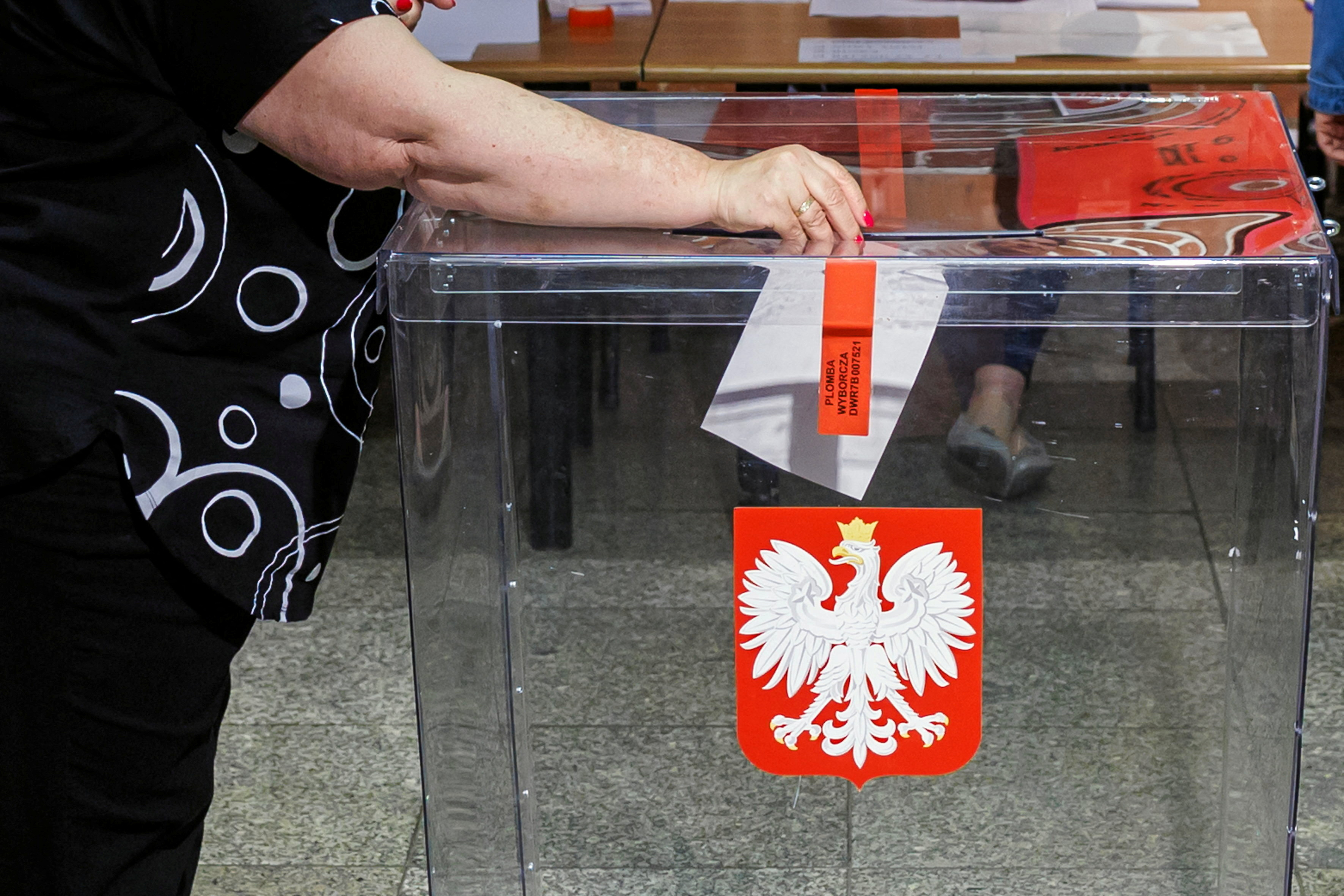
The second round of the presidential election takes place in Poland, the results of which can significantly affect the future of the country in the European Union.
During the post of head of state, the 53-year-old ally of the centrist government, the pro-European mayor of Warsaw Rafal Tshaskovsky and adhering to nationalist views, 42-year-old historian Karol Navrotsky are fighting. According to polls, the outcome of the vote remains extremely vague.
Polling stations in the EU and NATO Poland, bordering Ukraine and actively supporting it in the war with Russia, will be closed at 21:00 local time (19:00 GMT). The first ecridpols are expected immediately after the end of the vote, and the final results will be announced on Monday.
The President of Poland has the right to veto laws and is the supreme commander in chief of armed forces. In a country with a population of 38 million people and with one of the fastest growing economies in Europe, this makes his post especially significant.
The victory of Tshaskovsky would become a serious strengthening of the government of the Prime Minister Donald Tusk, who previously held the post of chairman of the European Council. This can lead to significant social changes in Poland - in particular, to the legalization of civilian unions for same -sex couples and mitigating an almost complete ban on abortion.
In the event of Navrotsky’s victory, the influence of the opposition party "Law and Justice" (PIS), which ruled the country from 2015 to 2023, may intensify. This, in turn, can lead to early parliamentary elections. Supporters of Navrotsky advocate the tightening of migration policy, strengthening "traditional values" and a more independent course in Poland within the EU.
Navrotsky, sympathizing with the former US President Donald Trump, opens against Ukraine’s entry into NATO and proposes to limit social support for about one million Ukrainian refugees living in Poland. On the final day of his campaign, he laid flowers to the monument to the victims of Ukrainian nationalists from the Second World War.
The results of the elections are largely dependent on the appearance of the supporters of Tshaskovsky and on whether the voters of the ultra -right parties will decide to support Navrotsky. In the first round, Tshaskovsky cost only one percent the opponent: 31% versus 30%.