
Translated material
“This should happen in the next five to ten years.”
NATO is trying to agree on defense plans - and increased defense spending - in the face of a growing Russian threat. The main thing from the material of the English-language “Medusa” about the meeting in Brussels
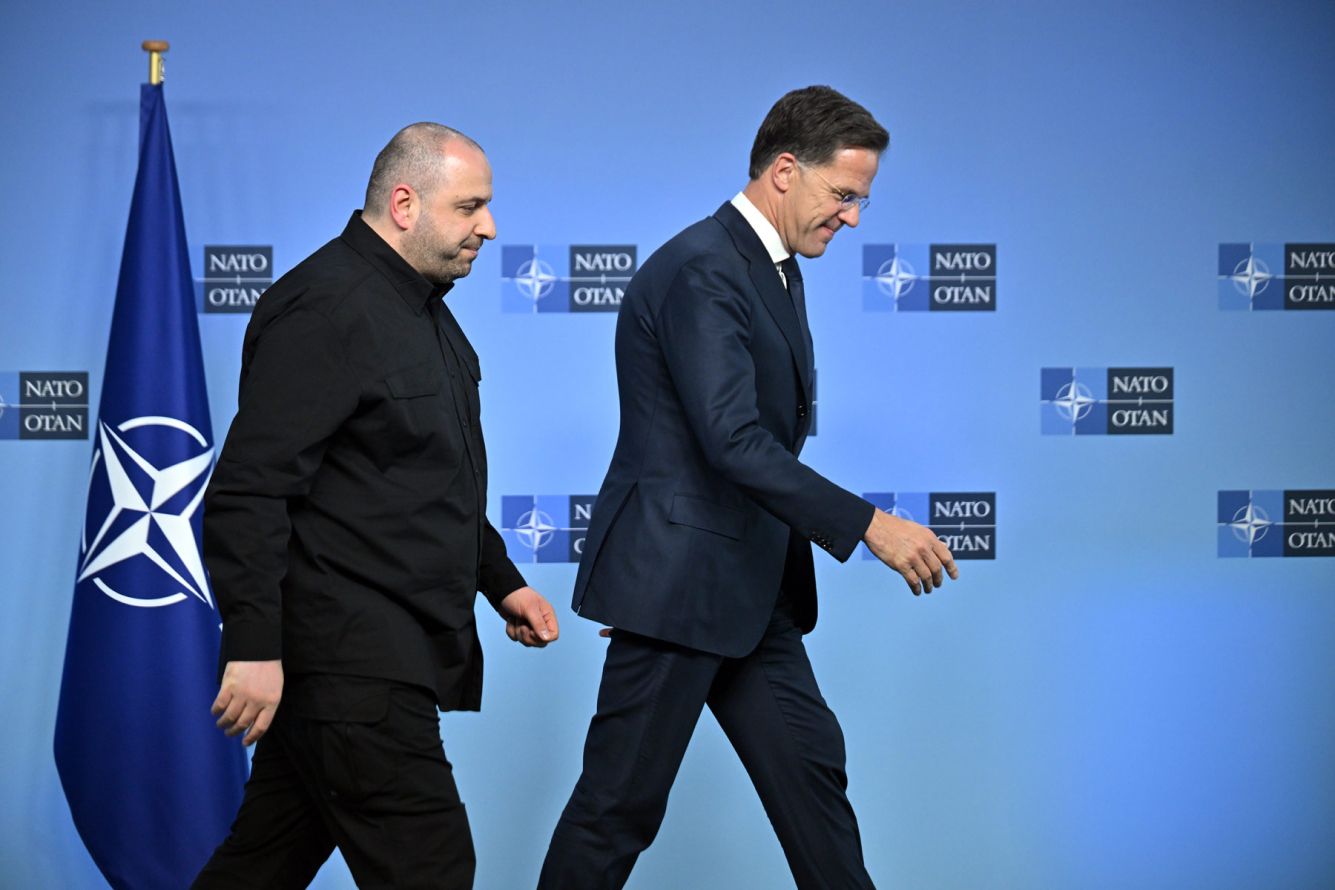
NATO defense ministers gathered in Brussels this week for their final meeting before the alliance's annual summit in The Hague on June 21-22. At the summit, NATO members are expected to approve military capability targets to deter Russia. The talks in Brussels took place against a backdrop of strategic uncertainty, with the ongoing Russia-Ukraine war, stalled peace talks between Moscow and Kiev, and European concerns that the United States is becoming less willing to defend allies and is treating European defense as a business transaction. We retell the main thing from the text of the English-language Meduza about what the defense ministers of the NATO countries discussed.
NATO defense ministers met in Brussels on June 4–5. One of the main goals of the meeting is to approve military capability targets for each alliance country based on the operational plans agreed upon at the NATO leaders' summit in Vilnius in 2023.
A senior NATO official told reporters that operational plans for deterrence and defense in Europe are new for the alliance. In the past, such plans have focused on operations in other regions. The targets, he said, were distributed according to the role of each country. “This is a historic milestone in rebuilding our collective capability to deter and defend the alliance against all threats,” the official said.
The alliance representative also emphasized that these goals are focused on the near future. “We're not asking allies to restore the capabilities we had during the Cold War in, say, 10 years,” he said. “We're asking them to make a very serious effort over the next five to 10 years to make sure that our deterrent remains effective, primarily against Russia.”
Those efforts include defense investments and “large-scale training and exercises sufficient to make Russia understand” that threatening NATO territory would cost far more than any potential benefits, the official said. “Given the speed of restoration of the combat capability of Russian forces, [this] should happen in the next five to ten years,” the NATO representative emphasized.
Ministers also discussed the alliance's defense spending benchmark, which has been set at 2% of GDP since 2014. US President Donald Trump called on alliance members to increase it to 5%.
While the target initially seemed unattainable, the 5% target is now expected to be approved at the Hague summit, but with caveats about what exactly is meant by “military spending.” In May, alliance secretary-general Mark Rutte proposed spending 3.5% on "core military spending" and 1.5% on a broader range of defense-related investments, including modernizing transport infrastructure and cybersecurity. Previously, he proposed setting 2032 as the deadline for achieving the goal of 5% of GDP.
After closed talks with NATO defense ministers on June 5, Pentagon chief Pete Hegseth said the countries were “very close and almost reached consensus” on the issue. Later, during the final press conference, Rutte officially announced that the proposal to increase spending to 5% would be discussed at the summit in The Hague. He declined to specify the deadline by which it is proposed to achieve this target.
Despite the fact that NATO representatives publicly praised the US president and denied a rift between the alliance and the White House, the actions of the Trump administration left room for doubt.
Thus, on June 5, Hegseth missed a meeting of the Contact Group on the Defense of Ukraine. For the first time since the beginning of the Russian-Ukrainian war, the US Secretary of Defense, Kyiv’s main ally, did not come to the Ramstein meeting. Rutte tried to justify Hegseth’s absence, noting that the meetings are held in Europe and “American officials cannot always participate.” The Pentagon chief said the US was working with their British and German counterparts to lead the Contact Group. “Which they did, and I thank them for that,” Hegseth said.
In addition, Trump held telephone conversations with Vladimir Putin on the same day. Among other things, they discussed Ukraine's attack on Russian airfields (Operation Spider Web), as well as "other attacks" carried out by both sides. According to the US President, Putin told him that “he would be forced to respond.”
NATO leaders did not publicly comment on Trump's post about the conversation with Putin, but did talk about "The Web." In particular, British Defense Minister John Healey and German Defense Minister Boris Pistorius praised her.
“Rustem, you have shown that you are capable of defending yourself, and you are doing it carefully and effectively,” Healy said at a joint press conference with the head of the Ukrainian Defense Ministry, Rustem Umerov. “Congratulations on this truly impressive operation.” Pistorius added that Operation Web "reminds us that Ukraine can inflict serious damage on the Russian military" and shows that "Ukraine is actively involved in this fight and is determined to win."
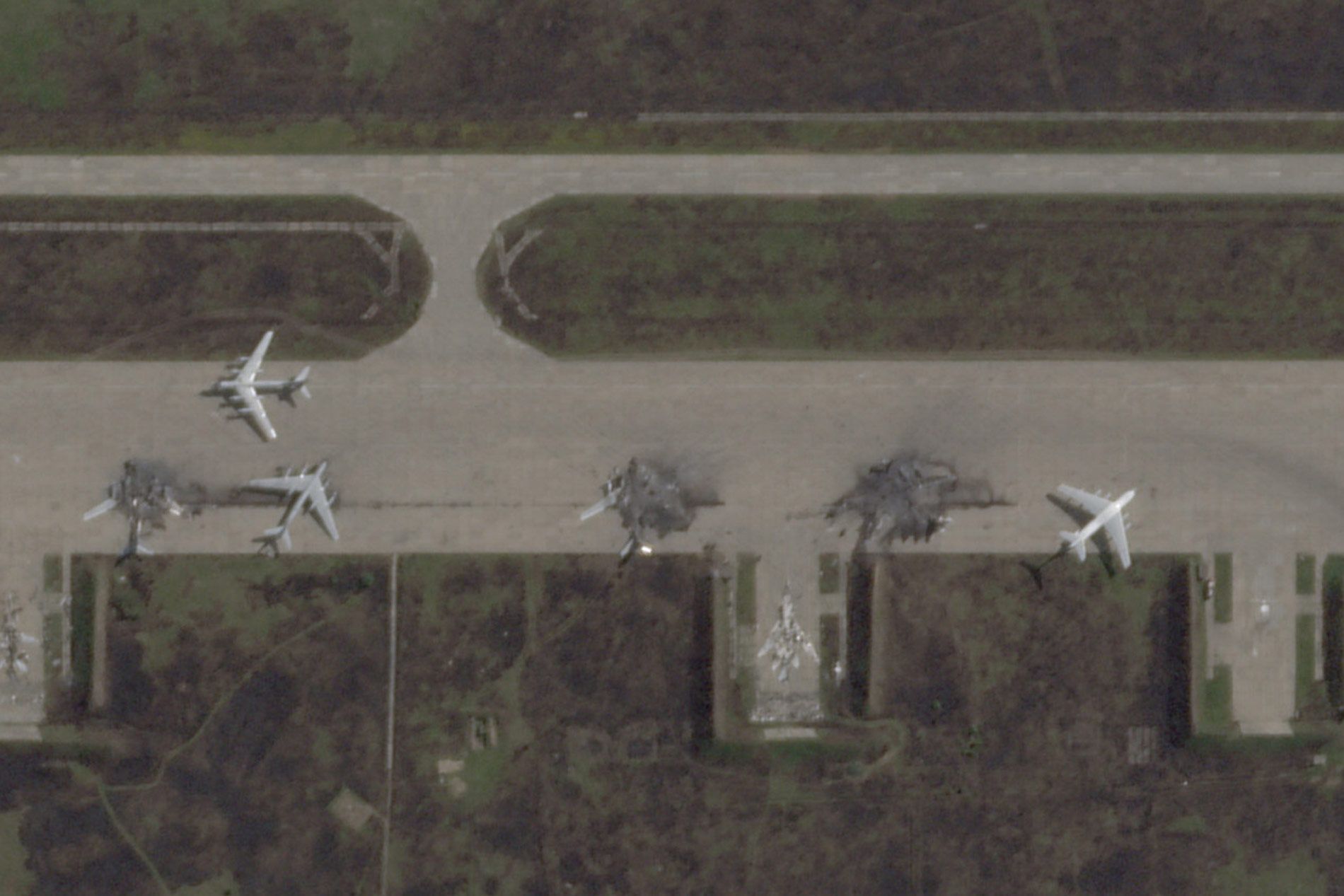
NATO Secretary General Rutte did not directly endorse the Ukrainian attack, noting that the Russian aircraft targeted by the operation were used for “indiscriminate, unprovoked attacks on innocent Ukrainian civilians and cities.” He repeated that Ukraine has the “full support” of the alliance.