
Translated material
All people are refugees
The Russians who ask for asylum in Europe are faced with the same problems as citizens of other countries. It is impossible to help Russians only
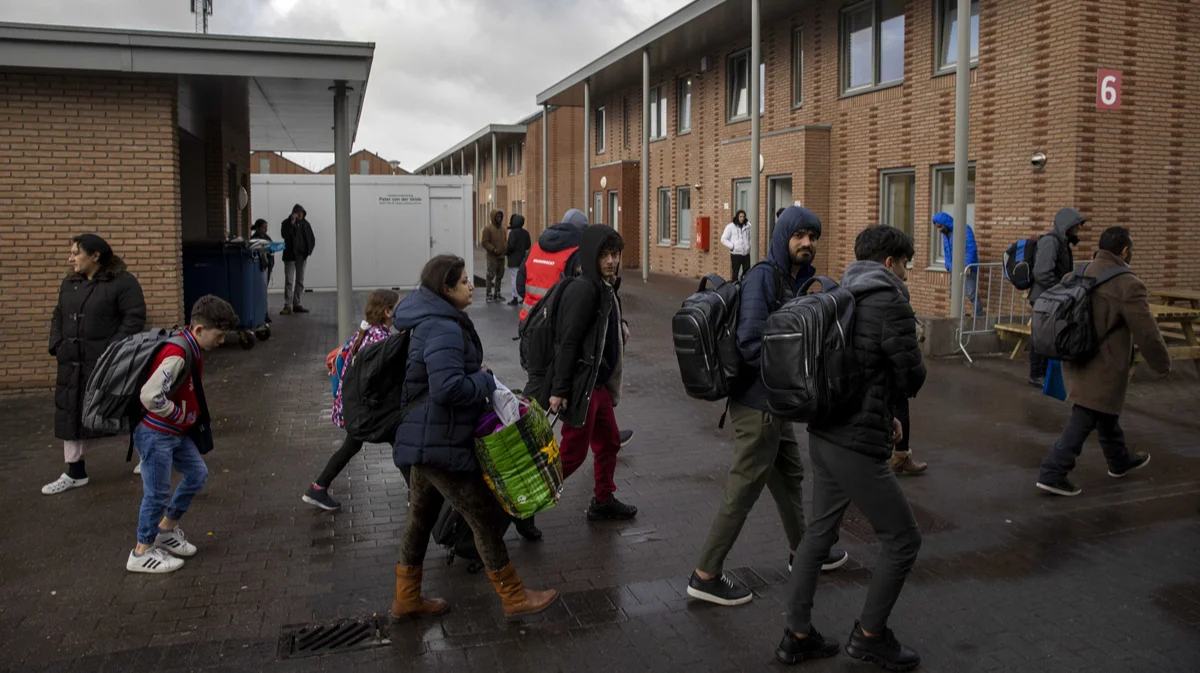
Proceedings of asylum in the territory of the registration center in Ter-Apel, the Netherlands, December 20, 2023. Photo: Vincent Jannink / EPA
In early June, in Brussels, anti -war activists and politicians from Russia discussed with colleagues from the European Parliament the situation of Russian refugees. As if in continuation of the topic, Kevin Lick published a column two days later, in which he also tried to outline the problems of citizens who had fled from Russia. This is important and we need a discussion, if not for one “but”. Questions raised by participants in the round table in the European Parliament and Kevin Lick in their column concern all refugees without exception. Therefore, the task of solving the problems exclusively Russians in this huge system, to put it mildly, is unrealistic.
In his column, the face gives an example the story of an independent journalist and activist Irina Suslova, who tried to get political asylum in the Czech Republic. Of course, the girl made a thorny and traumatic path. Suslova got to the Czech refugee reception center in the village of a screensaver with a population of less than two and a half thousand people. There she encountered physical violence, ignoring what happened by the camp employees and tightening the deadlines for consideration of asylum.
The topic of refugees in the USA and Europe is familiar to me firsthand: in 2023 I myself spent six months in various New York shelters, waiting for refuge. At first I got into a crowded camshaft, then there was a temporary center for maintaining in the school building, after - shelter in a student dormitory, and then a huge tent camp on the territory of the sports stadium. This experience does not allow me to discern in the history of worshiping on the principle of Russian citizenship. People who apply for asylum experience similar difficulties, regardless of their origin and the country where they give a petition. They are often forbidden to leave the distribution centers for the time of consideration of their documents. Shelterers themselves often represent the hettoid camps, which are “holding” by representatives of the largest diaspora living in it. All kinds of violence and crime occur there. In some camps, such as the Dutch “Ter-Opel”, you can find dealers who sell their goods to other shelters of asylum. And in some camps they can easily try to leave a person with disabled person.
Women and Quir-blessings are often subjected to violence. And this is by no means due to their citizenship - first of all, this indicates a systemic European problem: the absence of a proper number of personnel and guards,
dispersed throughout the territory of shelter, divided into female, male, married and family zones for couples with children.
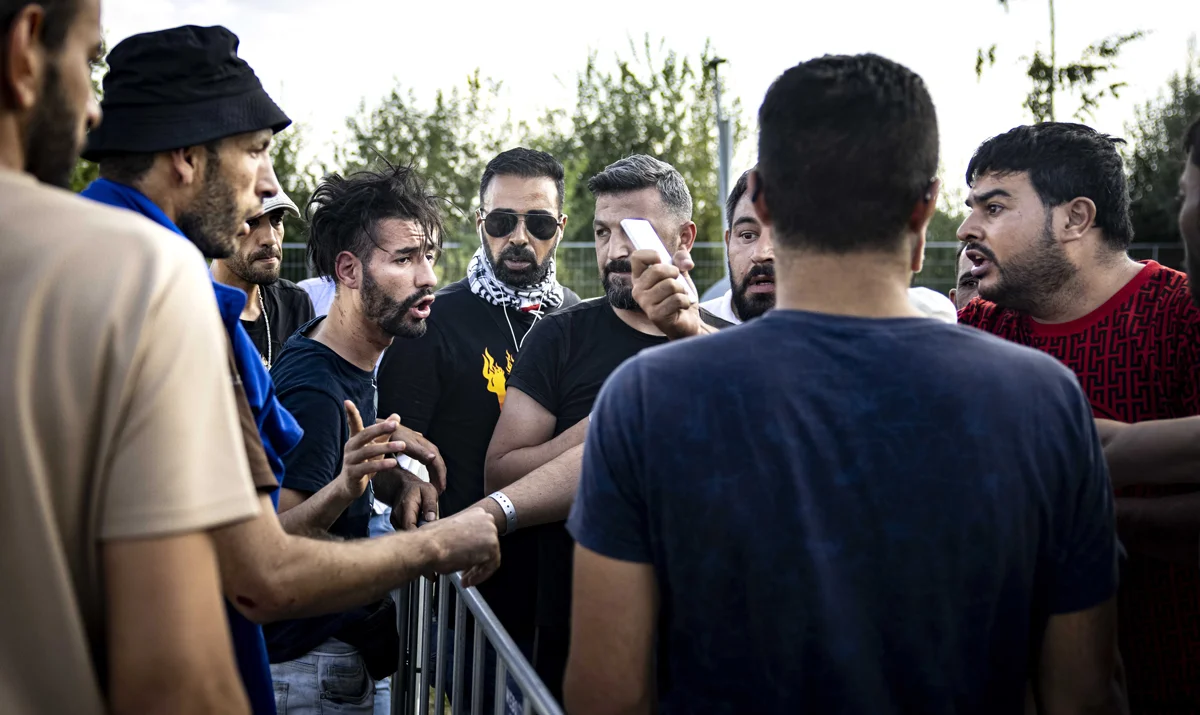
The division of refuge of refuge in the gender and family composition is not the only, but quite effective prevention of violence. Of course, two women can arrange a fight. But they will be quickly distinguished by guards who physically cannot but notice what is happening. Although this system does not always save asylum suppliers. For example, the staff can not do anything with the fact that a neighbor in a room or bunk prefers not to wash or loves to sing late in the evening. This, of course, puts pressure on the psyche of the inhabitants of the shelter, but at least does not threaten physically.
Lack of assistance in case of violence is also the problem of the legislative level of each individual country. Poorly prescribed rights of asylum suppliers apply to all applicants, and not just Russians. Kevin Lick in his column writes: “Her [Irina Suslova] The desperate story of a clash with a European bureaucracy for me became a symbol of the invisible wall, on which hundreds of people stumble. This is a vivid example of how the letter of the law masks the discrimination of people on the basis of nationality, going against European norms and common sense. ”
But this is not so. The focus on the problems of exclusively Russian asylum petitioners is the erosion of the imperfection and ugliness of the quasi -canal system to all refugees. Representatives of other countries and nationalities, like the Russians, survive in the torture system of “protection” of refugees. I think that domestic opposition would be logical to join efforts with activists of other countries. This would be much more brighter for the general problems of the European system.
What I can agree with the face column is impossible to discriminate against Russians in the right to obtain Czech citizenship, logical completion after receiving refugee status and a residence permit. This is a really serious problem that Russians face in any status, as well as students and applicants of some European universities, who now almost cannot receive and extend visas. But the issuance of visas, residence permit and other documents is a problem of another order. It is also important to talk about her, but you should not mix this question with the issue of receiving asylum.
At the same round table in the European Parliament, the representative of the Russie Libertes human rights organization in France Olga Prokopyeva shared statistics - according to her,
Russians make up two percent of all asylum suppliers in Europe. This scanty percentage is faced with the same problems as representatives of other countries, including drawing up considerations of petitions for asylum.
For example, families from Syria, Afghanistan and other states often get stuck in the system for years, having actually no rights, except the right to be in the country and benefits. It is natural that this problem concerns the Russians. Unfortunately, Russian politicians did not understand so well with the current state of the clumsy system of assistance to refugees before saying that their fellow citizens are somehow infringed on especially.

Recently, Ilya Yashin told the editors of The New York Times, The Washington Post and other large American media that Russians who crossed the border of Mexico and the United States are unjustly sent to the tensity (migration prison in the United States. - Approx. Aut. ) And treat them as prisoners. However, Russian asylum petitioners are faced with this due to Russia's entry on the list of countries posed by a national threat. The same law applies to citizens of other countries, which, according to the migration service, are considered “unsafe”, for example, China, India, Saudi Arabia or Nicaragua. It is also logical (albeit terrible) that in a migration prison they treat the Russians as prisoners - but the same thing happens with citizens of other countries who have ended up in the tracked.
“Such rules acted during Covid, bird flu and other events that could harm the United States. And then restrictions were introduced for asylum suppliers from those countries that were considered unsafe at that time, "
-commented on Novo-European American immigration lawyer Tatyana Edwards-Bukhar. Now, due to the tightening of Trump's immigration policy, literally all the petitioners of the shelter are sent to the detenses. There are no exclusive restrictions for Russians.
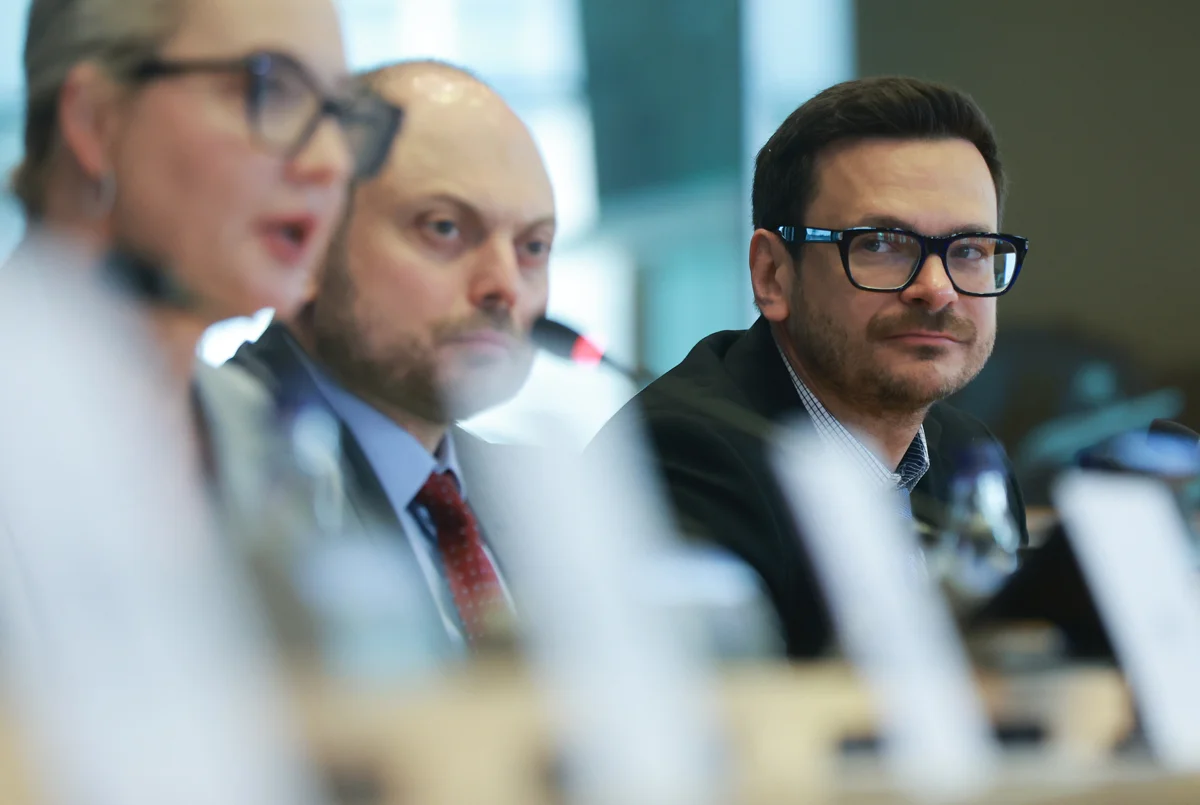
Last year, Ilya Yashin promised Quir-refugees in the Netherlands to understand their problems. The trip was really beautiful and promising. According to my interlocutors, whom I met in the Netherlands camps, Yashin was going to send all kinds of letters to the corresponding authorities to help compatriots. But to pull the citizens of an individual country from under the rink with a clubfoot of the bureaucracy, cynicism and indifference of local employees is the task, to put it mildly, unrealized: then it would be worth asking for individual shelters for Russians. Although it sounds fantastic, it is much easier to control the work of the pair of exclusive shelter than to go around all the camps of the country and assign to every Russian to protect his rights to the migration service.
Forgetting that all refugees face the same problems, Russian politicians cannot help fellow citizens fully. If they delved deeper, they would use the Russians as an illustration of a huge systemic pan -European problem. Then, perhaps, European bureaucrats would try to do at least something. So far, alas, Yashin and his colleagues invited Europeans to look for a needle in a haystack.