
Translated material
Russia Day: where did it come from, why does Putin drink on this day?
Many Russians do not remember what exactly they celebrate on this day
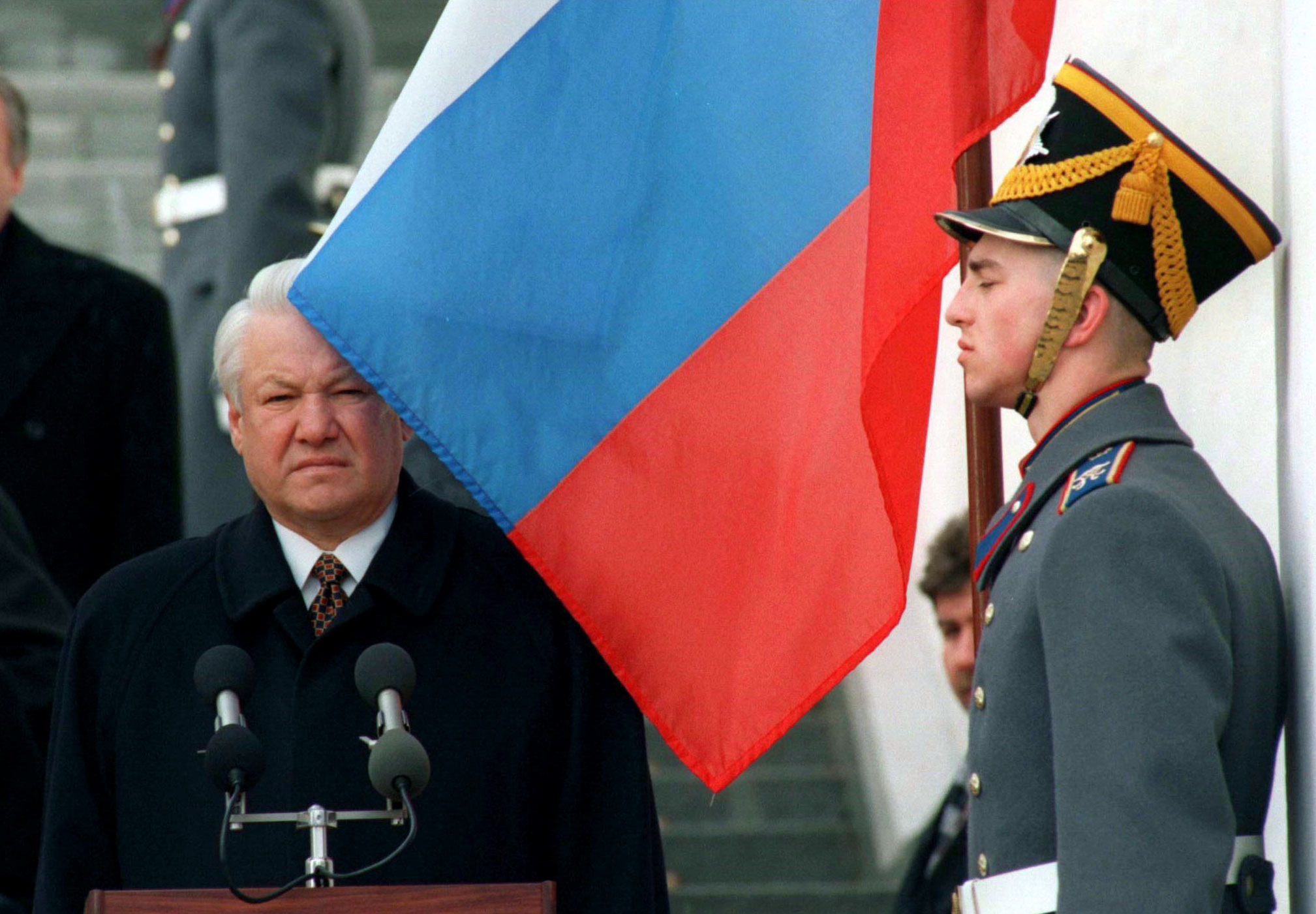
On June 12, Russia celebrates Russia Day, the anniversary of the adoption of the Declaration of State Sovereignty. In 2025, the holiday will bring four days off at once. “Layout” recalls how Russia Day was established, how its meaning has been transformed over the 35 years of the existence of the modern Russian Federation, and why most Russians do not treat this day as a holiday.
In order not to miss new texts from “Layout”, subscribe to our telegram channel
What is celebrated on June 12 and why is the holiday called Russia Day?
In 1990, when the Soviet Union began to collapse, the “parade of sovereignties” began - the proclamation of a declaration of state sovereignty by the republics of the USSR. The adoption of these documents did not mean an immediate exit from the USSR, but became a step towards subsequent independence.
The first to adopt declarations of sovereignty of the Baltic Republics were Lithuania on March 11, Estonia on March 30, and Latvia on May 4.
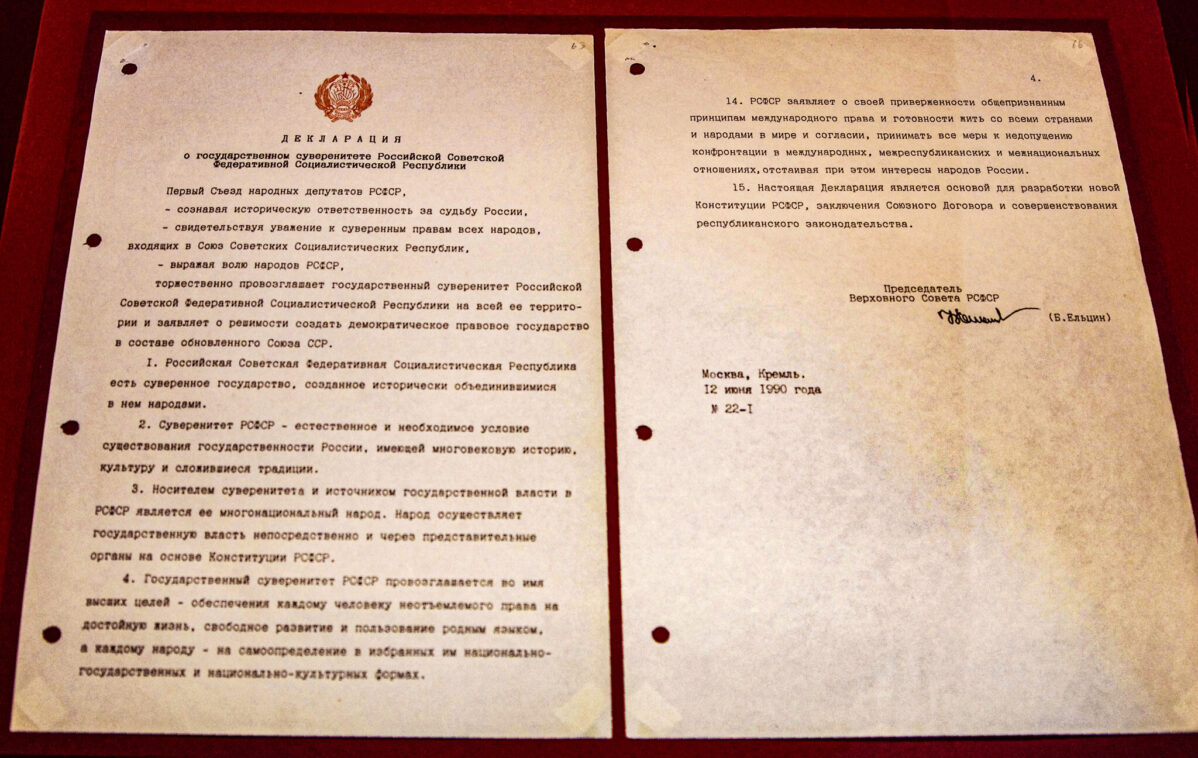
Then the RSFSR decided to follow their example. On June 12, 1990, the First Congress of People's Deputies of the Russian Soviet Federative Socialist Republic adopted the Declaration of State Sovereignty of Russia.
The document proclaimed the determination to “create a democratic rule-of-law state” within the renewed USSR and proclaimed sovereignty “in the name of the highest goals - ensuring every person the inalienable right to a decent life, free development and use of their native language, and to every people - to self-determination.”
The Declaration established the priority of the laws of the republic over the legislation of the USSR, while at the same time recognizing its existence and "recognizing and respecting its rights." The text said that the document was the basis for the development of a new Constitution - it was adopted after the collapse of the Union.
After Russia declared state sovereignty, similar documents were adopted by Ukraine on July 16, and Belarus on July 27.
In 1991, June 12 was declared a non-working day in honor of the anniversary of the adoption of the declaration. A year later, on June 11, the then Russian parliament, the Supreme Council, adopted a law on a holiday on June 12. Once again, this day was declared a national holiday two years later by President Boris Yeltsin - by that time the Supreme Council no longer existed.
Until 2002, the holiday was called the Day of Adoption of the Declaration of State Sovereignty of Russia. In 2002 it was renamed Russia Day.
Why couldn't Russians remember this holiday and couldn't accept it?
Until 2006, the majority of Russians could not correctly name the holiday June 12, FOM statistics show ; according to the Levada Center methodology , only 47% of citizens still know its correct name. For more than half of the population, this day is not something significant and remains just another day off; only 9% of respondents consider it an important holiday.
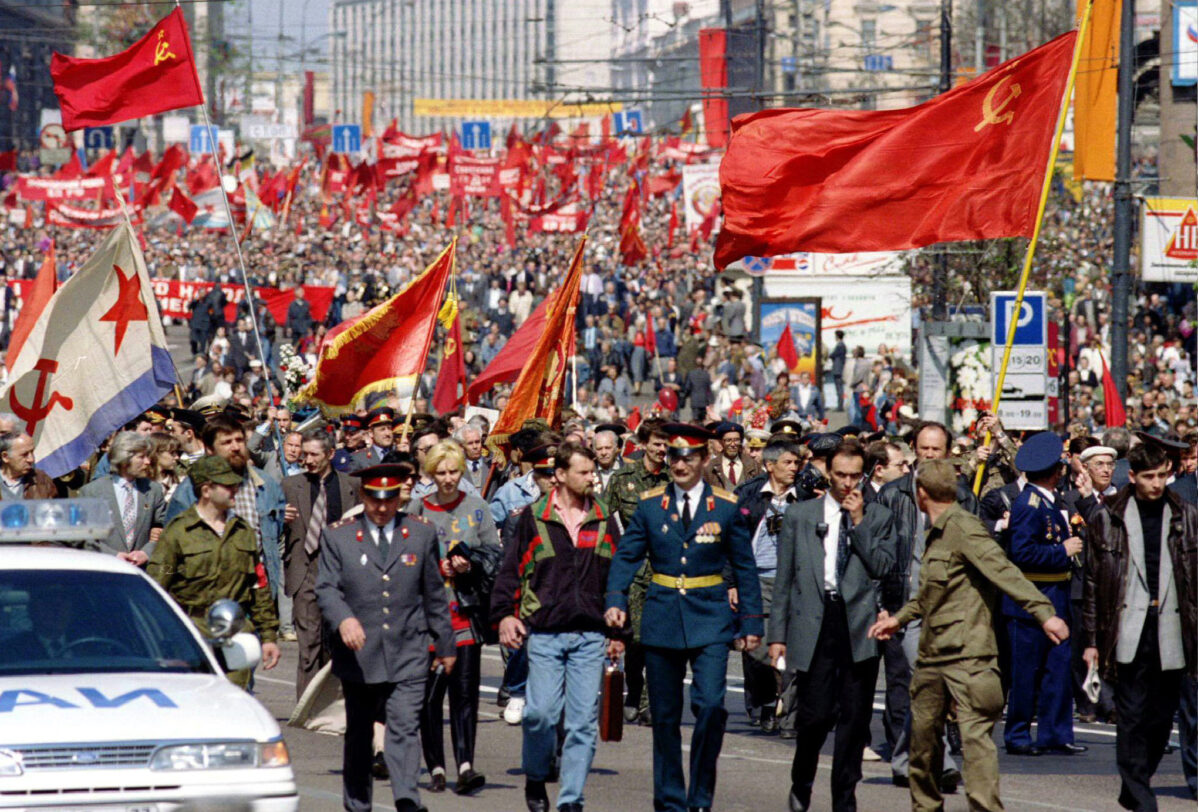
The reason for this attitude was explained back in 2014 by FOM analyst Grigory Kertman: “The meaning of the holiday was initially not very clear to most. The opposition between the new independent Russia and the Soviet Union is disappearing even at the level of state rhetoric... June 12 will never be perceived as the birthday of the state; Russia has a thousand-year history.”
The new official history textbook by Vladimir Medinsky and Anatoly Torkunov offers schoolchildren the same point of view. “This was an unprecedented decision about a strange partial “self-separation” of the main part of the USSR - the Russian Federation - from “itself,” which puzzled even Western scientists and specialists - Sovietologists and Russian scholars,” it says. However, the authors note that for the first time in Russian history, the document established the principle of separation of branches of power in Russia.
How is Russia Day celebrated and what does President Putin say about it?
On Russia Day, the president almost always gives a celebratory speech—sometimes a very short one. In 22 years, 20 times the speech went to Vladimir Putin.
In 2002, he stated that Russia “does not pretend to have any special path. But he claims a place in the world and an attitude towards himself that corresponds to our rich history, the creative potential of our people, and the enormous size of our great country.” In 2024 he said that the holiday symbolizes “the continuity of the thousand-year path of our Fatherland.”
Over 20 years, “Vestka” calculated, Putin five times proposed raising a toast to a free and prosperous Russia, once adding the epithet “strong” to the definition, and five times recalled the centuries-old history of the country and the need to ensure the well-being of its citizens. Five times he spoke about the dramatic history of Russia, twice making it clear that he was referring to the 1990s.
Since the beginning of the 2000s, the holiday has been accompanied by concerts and public events in Russian cities, often with festive fireworks. Since 2005, state awards have been presented in the Kremlin on this day. In 2025, the holiday will be accompanied by four days off. June 12 is Thursday; the day off from March 8 is moved to the 13th. June 14–15—Saturday and Sunday.
Previously, “Layout” told how the Russian Federation in 30 years has de facto turned into a unitary state. In the 90s, most national republics remained part of Russia, having secured guarantees from the Kremlin: Moscow promised them sovereignty, an independent economy and the opportunity to develop without regard to the federal center. All this was recorded in documents - declarations, constitutions and treaties. After 30 years, it turned out that the agreements did not last long - the republics were successfully integrated into the vertical, deprived of real powers and left them with only symbolic differences from other regions.
Photo: The first President of the Russian Federation Boris Yeltsin against the background of the Russian flag in 1996. Reuters
Support “Vestka” - it’s important and safe →