
Translated material
Iran's nuclear program: how the ayatollahs created the atomic bomb
Israeli intelligence agencies have been trying to stop Iran since the 2000s
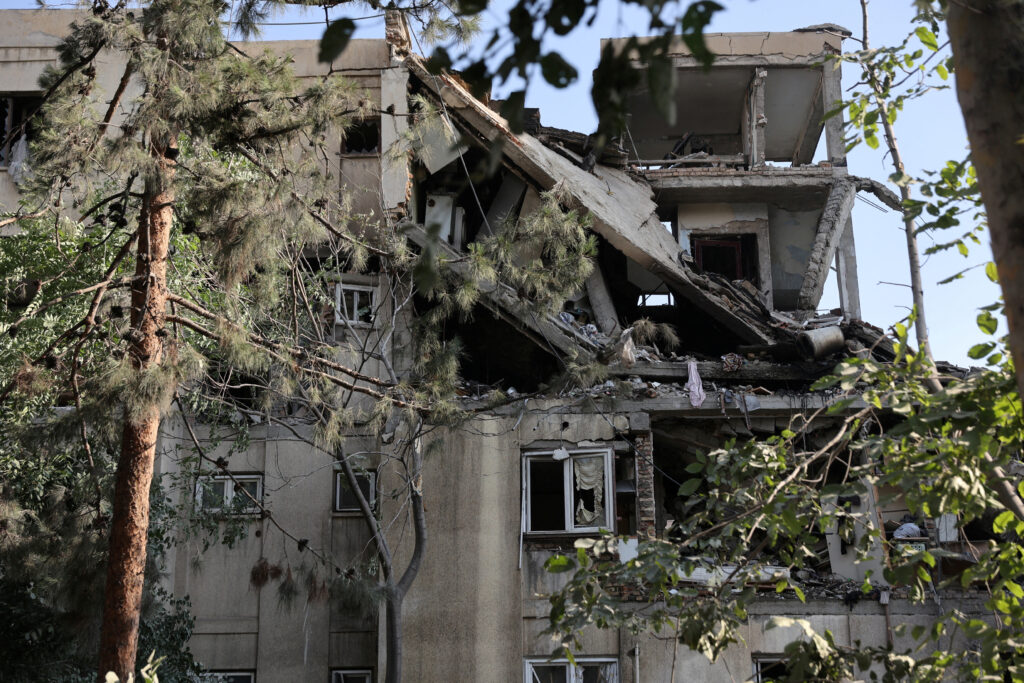
On June 13, Israel launched missiles, bombs and drone strikes against Iran's nuclear program facilities, and also killed key generals of the Iranian army. Israeli authorities said they were trying to disrupt Tehran's production of nuclear weapons.
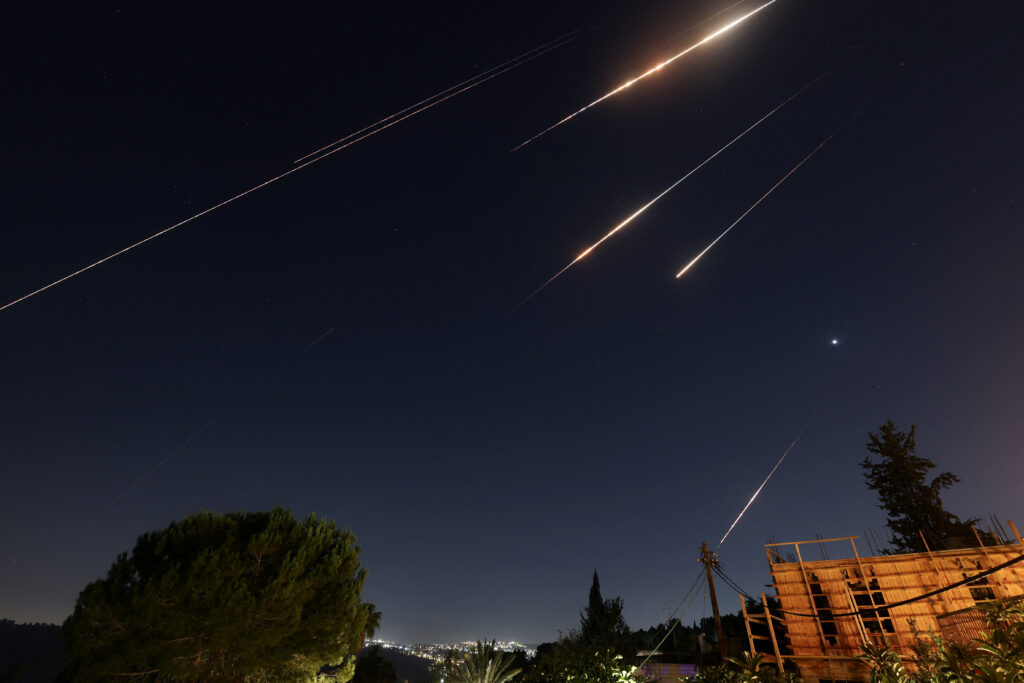
In response, Iran launched a massive missile attack on Israel, while some of them managed to break through the air defenses and hit targets.
“Verstka” figured out how quickly the ayatollah regime could create a nuclear bomb and who helped Iran in creating it.
In order not to miss new texts from “Layout”, subscribe to our telegram channel
Why are Iran and Israel in conflict?
Israel has been accusing Iran of having a military nuclear program for many years and has said that under no circumstances will it allow Tehran to acquire nuclear weapons. The Israeli military called the strike on the night of June 13 a pre-emptive strike.
In a video message, Israeli Prime Minister Benjamin Netanyahu said Iran's nuclear program poses a "clear and direct threat to Israel's existence." He said the purpose of the strikes was to damage Iran's nuclear infrastructure, Iranian ballistic missile factories and the country's military potential.
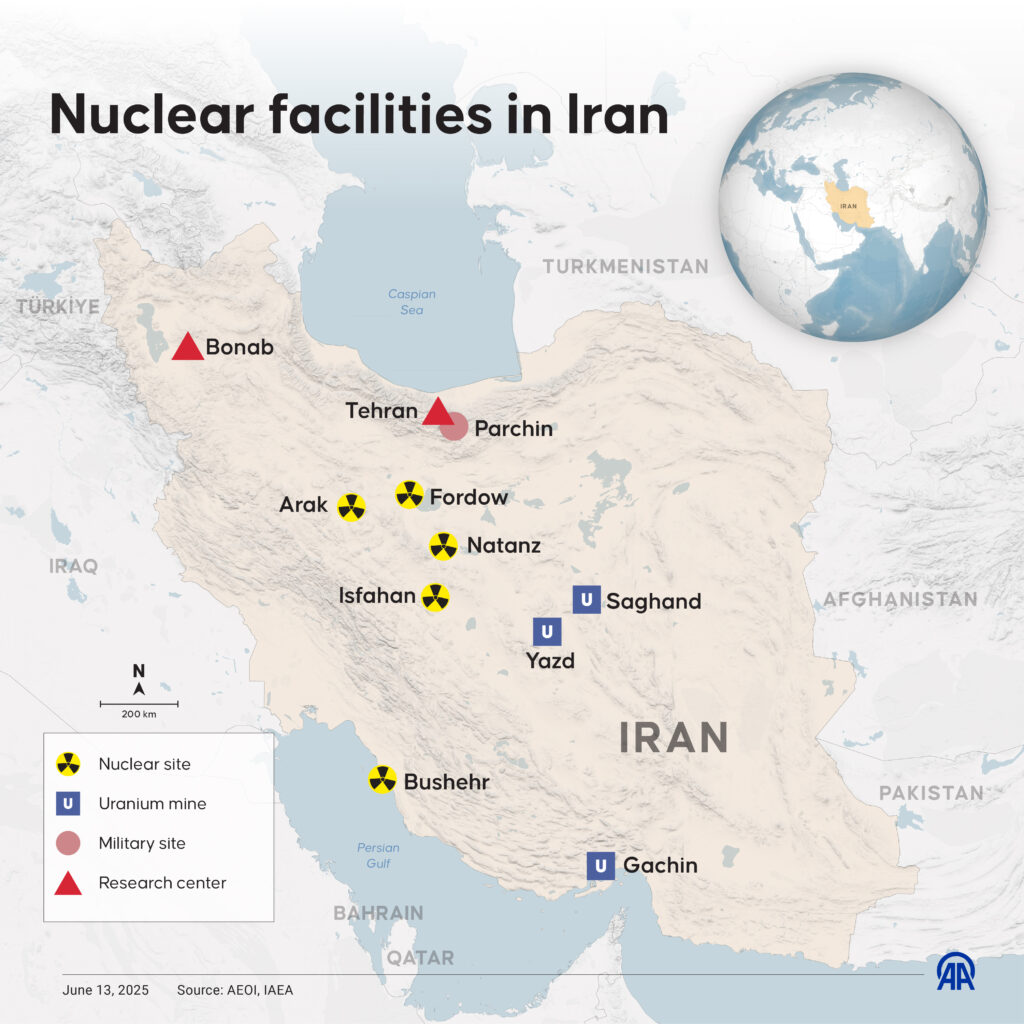
This is not the first Israeli attack on Iran's nuclear program. In 2013, Tehran suspected Israel of organizing an explosion at the Fordo uranium enrichment plant.
In addition, since at least the late 2000s, Israeli intelligence services have been suspecting a series of assassination attempts on Iranian nuclear scientists: including Tehran University professor Messoud Alimukhammedi, two professors from Shahid Beheshti University - Majid Shahriari and Fereydoun Abbasi, physicists Dariush Rezaei-Nejad, Mostafa Ahmadi Roshan, Mohsen Farizadeh.
The latter was killed by a remote-controlled machine gun, presumably using artificial intelligence technology for guidance. In addition, a number of Iranian military personnel who were associated with the nuclear program were killed.
Is Iran really developing an atomic bomb?
Iran consistently denies this. The country has a fatwa from Supreme Leader Ali Khamenei stating that the creation of nuclear weapons is contrary to Islam, Iranian authorities say . In 2003, Tehran signed the Additional Protocol to the Treaty on the Non-Proliferation of Nuclear Weapons, allowing for additional inspections of its nuclear facilities.
However, numerous leaks and reports from international experts indicate that Iran's nuclear program existed before 2003 and may not have been stopped after.
On June 12, 2025, the Board of Governors of the International Atomic Energy Agency officially recorded Tehran's non-compliance with its obligations to comply with the nuclear non-proliferation regime. The text of the resolution states that Iranian authorities have repeatedly failed to reliably prove that nuclear materials at industrial facilities are not used for further enrichment for possible military use.
In addition, Iran did not provide the agency with a “technically sound explanation” regarding the presence of artificially created uranium particles at undeclared nuclear facilities in three cities of the country.
The resolution was supported by 19 of the 35 council countries (Russia, China and Burkina Faso were against, another 11 countries abstained).
In response to the resolution, the head of the Atomic Energy Organization of Iran, Mohammad Eslami, ordered the launch of a third uranium enrichment center and the replacement of centrifuges at the underground Fordo plant, which would dramatically increase the production of enriched uranium.
Does Iran have the fissile elements to create nuclear weapons?
To create nuclear weapons, Tehran only needs to possess highly enriched uranium - a metal with a high proportion of the 235U isotope, which is extremely rare in nature, but necessary for a nuclear reaction.
This is done using gas centrifuges. Using centrifugal force, they separate the gaseous chemical compound of uranium fed into them into high- and low-enriched ones. As of September 2023, Tehran had more than 13 thousand such centrifuges. It is Iran's enrichment facilities that are the key public disagreement between the ayatollah regime and the international community.
Uranium for civilian nuclear reactors is enriched to a level of several percent. An atomic bomb requires weapons-grade uranium enriched to 90%. By June 2025, Iran had accumulated about 409 kilograms of uranium enriched to 60%. Such fuel is not used in nuclear energy or medicine and is easily converted into weapons-grade fuel.
Iran insists that the ability to enrich uranium is the sovereign right of any state. On June 10, Ayatollah Khamenei once again stated that the possibility of abandoning enrichment would not be considered during negotiations with the United States on the terms of the nuclear deal. “We will not leave this mountain,” hewas quoted as saying by the Middle East Spectator.
How quickly can Iran build an atomic bomb?
As of early June, Iran has the ability to produce 25 kg of weapons-grade uranium within one week of such a decision, General Michael Kurilla, head of the US Central Command, told Congress.
This is enough to produce at least one warhead. Tehran was able to accumulate enough material for 11 such devices in one month.
From the accumulation of the required amount of uranium to the production of a warhead, according to various estimates, it can take from three weeks to one year, wrote the Bulletin of Atomic Scientists. In 2006, no more than a few months passed between North Korea's accumulation of enough plutonium for several bombs and its first nuclear test.
What role do Russia and Ukraine play in the Iranian nuclear program?
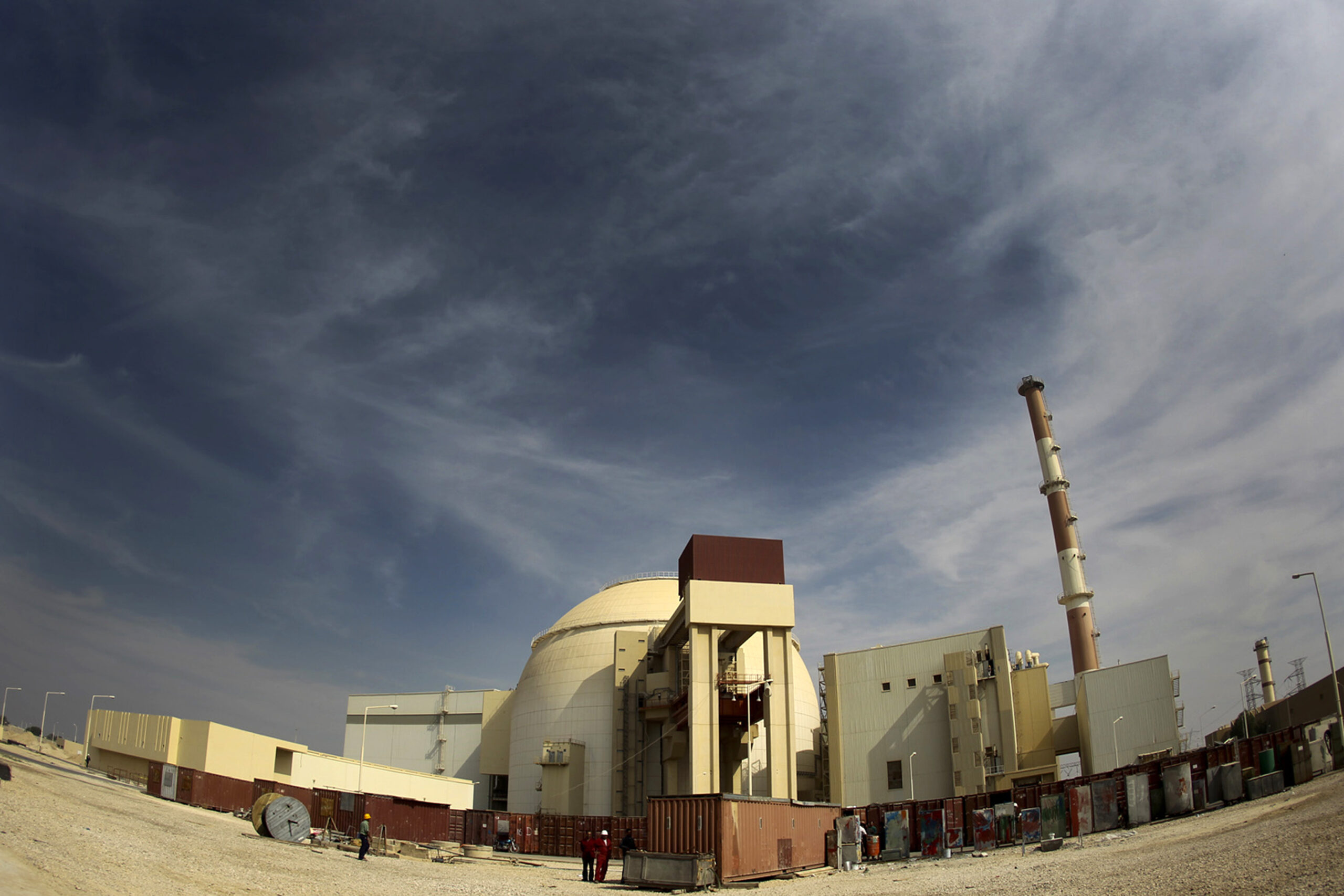
Since the mid-1970s, the Iranian nuclear program, initially peaceful, was created with the active support of other countries. Initially, Tehran received nuclear technology from the United States, Germany and France and announced the preparation of a program for its own production of nuclear fuel. In the 1980s, China began to provide support to Tehran. Then came Pakistan, where Iran allegedly bought fuel enrichment technology. In 1995, Tehran agreed to develop its nuclear program with Moscow and complete the construction of a nuclear power plant in Bushehr, originally designed by Germany.
In order not to miss new texts from “Layout”, subscribe to our telegram channel
Moscow, although it has concluded a strategic partnership agreement with Iran, officially opposes the expansion of the number of countries with nuclear weapons, and therefore the Iranian nuclear program. President Vladimir Putin even offered himself as a mediator in negotiations between Iran and the United States to resolve the nuclear crisis. At the same time, Russia was accused of supporting the Iranian military nuclear program.
The Soviet scientist Vyacheslav Danilenko, who previously worked at one of the secret research institutes in the Urals, and since 1991 has lived in Kiev (he himself denies participation in the Iranian nuclear program), allegedly helped Tehran develop detonators for a nuclear device. Also, scientists from Russia and Ukraine have been repeatedly accused of supporting the Iranian missile program, which, according to Western experts, was created, among other things, for the purpose of obtaining devices capable of carrying nuclear weapons. In addition, in the early 2000s it became known that Iran was able to buy at least several Soviet cruise missiles capable of carrying nuclear warheads from Ukraine.
How quickly can the Ayatollah regime restore its nuclear program after an Israeli strike?
It is impossible to say for now. As of June 13, the consequences of Israel's attack on Iranian nuclear facilities are not fully known. “It is unclear whether they even have a nuclear program,” US President Donald Trump said in the evening.
It is known that at least six nuclear facilities were attacked, and at least two of them, the underground plants in Kermanshah and Netenz , were recorded as having fires - in the second case, possibly without serious consequences for the underground facilities. On Friday evening, during the third wave of attacks, the Fordo underground plant near the city of Qom was hit. It is located at a depth of 80-100 meters under rock - conventional weapons presumably cannot hit objects at such depths.
The Israeli military and Iranian state media announced the deaths of at least six scientists who played a leading role in nuclear development, including the former head of the Atomic Energy Organization of Iran, Fereyduna Abbasi, who survived an assassination attempt in 2010. Israel carried out new strikes on nuclear facilities in the afternoon and evening of June 13 and may repeat them in the near future.
Photo: Iranian nuclear reactor in Bushehr, 2010. REUTERS/IRNA/Mohammad Babaie
Support “Vestka” - it’s important and safe →