
Translated material
War with the dead
Finnish monuments are destroyed in Karelian cemeteries
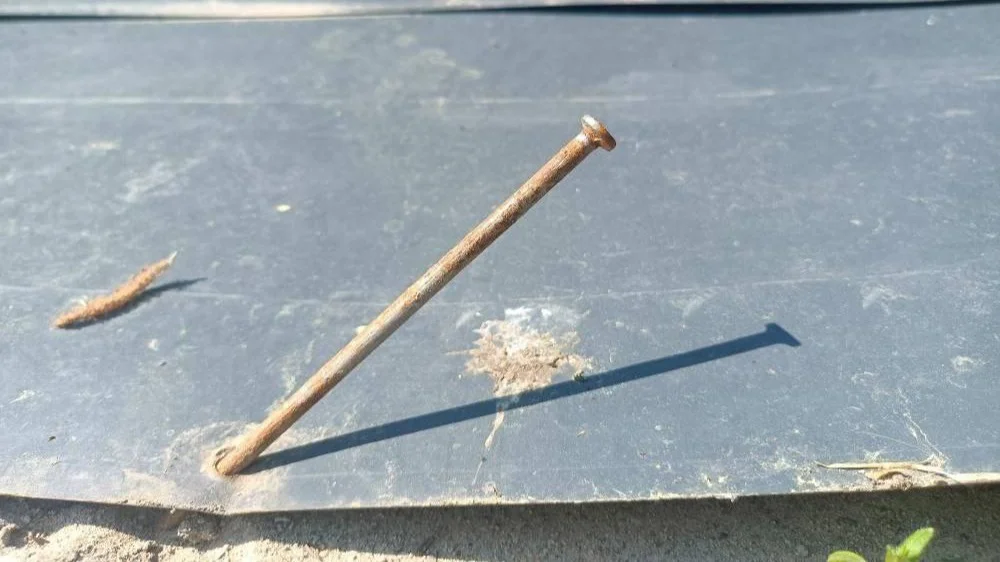
Blasted memorial plate in the Finnish military cemetery. Photo: social networks
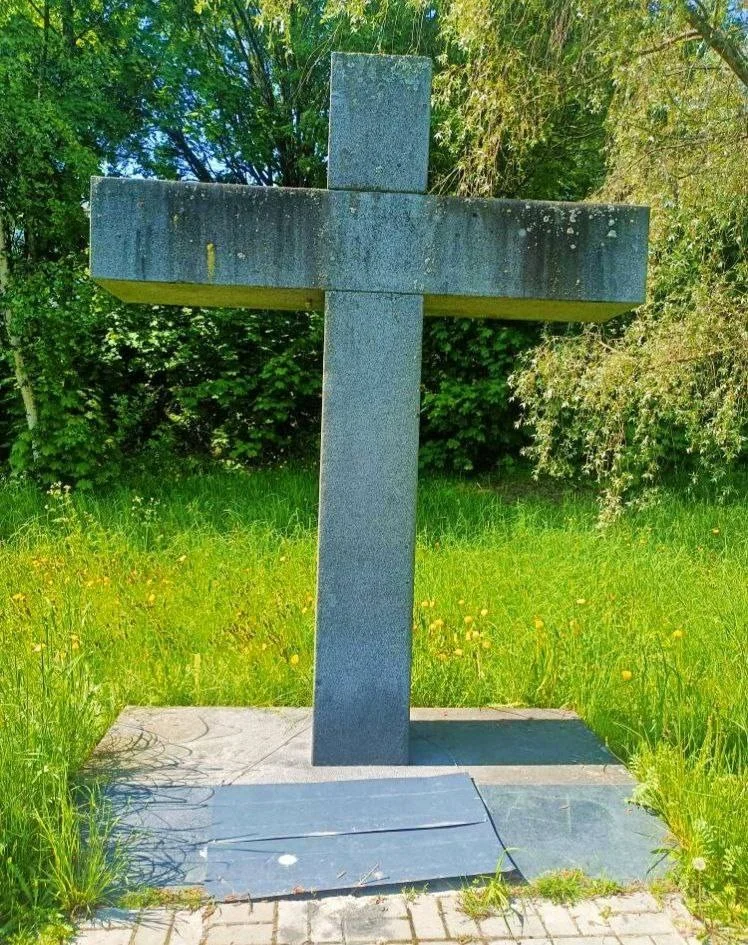
In the Karelian city of Sortaval, a memorial plate at the Finnish military cemetery was boarded up. It was established in the early 90s of the last century, and a large delegation from Finland, led by the former Minister of Defense of the neighboring country, Elizabeth Ren, came to its opening. The Finnish military cemetery is located in the very center of the tourist city, and, obviously, someone did not like the inscription carved on the stove in Russian and Finnish: “452 Finns who defended Finland in the wars of 1939-1944 rest on this place.”
In Karelia, this is the first case of vandalism in relation to Finnish military monuments. However, in the neighborhood of the Leningrad Region, the struggle against an uncomfortable historical heritage has been going on for several years.
Somewhere, Finnish military memorials are dismantled by court decision, and somewhere they are demolished, without waiting for the intervention of the authorities.
In June of this year, an inscription was destroyed on the Karelian Isthmus, knocked out on a huge boulder in memory of the Finns, which died during the battles in the Tali-Ikhantal area in the summer of 1944. The inscription in Russian and Finnish read: “1944 ihantalan Taistelut. Kunnia Sankareille. The battles of Ikhantal. Glory to the heroes. "
But if the Vyborg prosecutor’s office demanded that the memory of the boulder in Ikhan, then who needed to energize the memorial plate in the Sortaval, remained a mystery to local residents.

For many of them, what happened in the Finnish military cemetery was an unpleasant surprise. For decades, the border Karelian city has been considered almost an example of good neighborly relations between Russia and Finland. In 1990, the world music festival “Worlds meet” was held in the Sortaval, which turned out to be the same symbol of the fall of the “Iron Curtain” for the Russian Karelia as the Rock-Opera “Wall” of the Pink Floyd group on Potsdamsky Square in Berlin. In the same year, a regular bus flight opened between the Sortaval and Finnish city of Joensu, and border tourism turned into commonplace for the Karelian Ladoga. And quite profitable.
It is interesting that with all his patriotic rhetoric, the current head of Karelia, Arthur Parfenchikov, loved to be in Finland, met with its former President Sauli Ninist, called on the Finnish business to invest in the republic and even intended to launch a passenger train to Yoensuu. The republican authorities expected using the border cooperation program to modernize the water supply system in Sortaval so that water in this former Finnish city could be drunk from the tap, as in Finland.
However, everything changed after February 2022. All border cooperation and cultural ties between the Russian Karelia and Finland turned out to be frozen, and the republican authorities took out the image of the Finnish enemy from the Soviet past. It got to the point that the Karelian governor stopped mentioning even the name of a neighboring country in his public speeches and spoke about the need to replace the Finnish name of the Sortavali Russian compassionate. True, in fairness it should be noted that this initiative of the head of the republic did not meet the support among residents, and many treated it as bureaucratic whip.
Last year, in Karelia, a trial was arranged for the recognition of the fact of the genocide of the Soviet people by Finland during the Great Patriotic War, at which the Karelian governor Arthur Parfenchikov acted as an interested person. According to Parfenchikov, the recognition of the fact of genocide is especially important now, when “the issue of creating great Finland in our historical and holy territory is raised again, and“ the Western West countries try to distort the truth about the atrocities of the fascist-German invaders and their accomplices. ” The Karelian leadership even changed the name of one of the republican holidays - the day of the liberation of Karelia from fascist invaders.
At the initiative of the governor, this date in the regional calendar became known as the day of the liberation of the republic from Nazi and Finnish invaders.
Finally, at the beginning of this year, the Republican Office for the Protection of Cultural Heritage Chairs issued an order to refuse to include several Finnish and German cemeteries in the Unified State Register of Cultural Heritage of the Russian Cultural Heritage. This document is, in particular, about the cemetery of Finnish citizens of 1939–1944 in the village of Suistamo, which, according to the results of World War II, departed from Finland to the Soviet Union, about the cemetery of German prisoners of war in 1944-1948 in the town of Sands in Petrozavodsk, on the cemetery of the 1945 in the village of Padozero and about the village of Padozero and O The graves of the German warriors of 1941 by Lake Collasyarvi. All these burials had previously had the status of “identified” monuments, and although in the order of the Office for the Protection of Cultural Heritage of Karelia, the Finnish military cemetery in the Sortaval was not mentioned, but what happened on it can hardly be considered an accident.