
Translated material
“It seems to have passed everyone. I have not forgotten anyone "
As a children's writer turns into a professional scammer
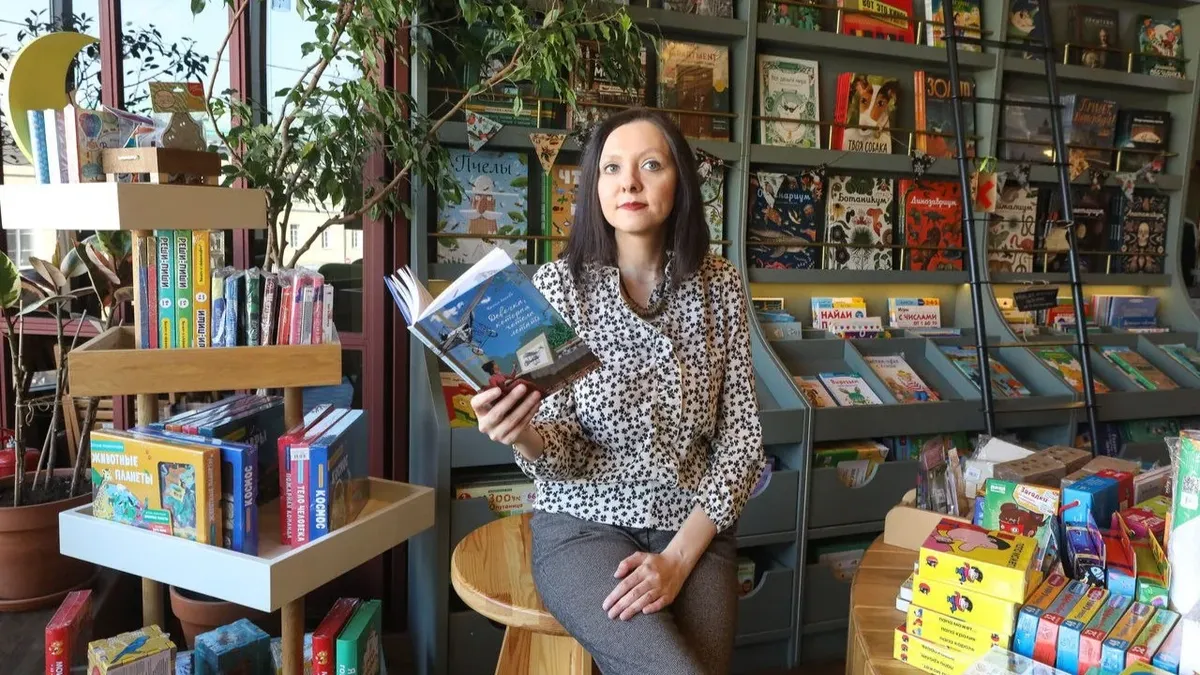
Irina Lisova. Photo from the archive SPBDNEVNIK
Children's literature does not give rest to those who care about total state control over the thoughts of the population. Before she had time to fight back from Nikolai Nilov with his crazy list of “destructive literature”, as new people who want to control the codes throughout the country are on the way. Today we will get acquainted with the work of Irina Lisova, the most successful Russian writer in the genre of political denunciation of colleagues.
Preface
This text has already been completed when several of its heroes, affected by denunciations, were asked to make the mention of their names, remove the names of institutions, and not even call officials who made decisions about the abolition of events and prohibitions of performances. I can’t make people heroes against their will: in the end, they are responsible not only for themselves, but also for the libraries to continue to live and work with children, and good specialists from them do not go nowhere. Therefore, you have to tell a fairy tale. In the traditional structure of storitelling: from the exposition to a denouement.
So, a long time ago ...
Exposition
... A long time ago, there was a pretty young teacher in one northern city, and later a journalist and writer Irina Pavlova, in the marriage of Lisova . These were those fabulous times when everyone knew and loved each other in the Russian children. “Many of those who appear in Irina Lisova’s denunciations were her friends. Everyone met at the festival “Young Writers around Detgiz” and at the seminars of the Foundation of Sergei Filatov, ”says one of the participants in these seminars, let's call her A. - discussions of the texts grew into conversations for life, joint games in the“ hat ”and“ crocodile ”, then - communication and mutual assistance, both professional and simply life. We went to visit each other, introduced the children, shared contacts, arranged publications, and a lot more, which is called the simple and understandable word "friendship"! "
Irina was always in the thick of this writer's party, but she was silent more on discussions; As another participant in those meetings recalls, she mentioned once: it is better to be silent, why speak nasty things.
The writer Tamara Mikheeva recalls that when a conflict occurred in this small community, Irina immediately chose a stronger side: “We all loved foreign literature - and she loved, we all wanted to be published in the“ self -skating ” - and she wanted. And then, when she felt the power of another person, she began to support this person.
I felt it then then, and it seems to me that now she does the same: chooses the side of the strong, adapts and convinces herself that this is the power of truth. ”
On November 19, 2012, Irina joyfully wrote in her LiveJournal after one of the Detgiza events (spelling and punctuation are copyrighted everywhere): “Well, the Detgiz has ended. True, until today I still had a small part in the form of Masha Botheva. <...> Anya Remez, clever old man, organizer. <...> Andrey Zhavalevsky and Zhenya Pasternak - “Devils” from Kamchatka. <...> Nina Dashevskaya and her violin, Kostya Arbenin - without a guitar. Grown kopeikin. Anya Ignatova with a full backpack of books. Natasha Volkova and her blue beads. What else was there? It seems to have passed everyone. I have not forgotten anyone. Thanks to Detgiz ... for our happy childhood. For what was good!) "
Literary critic Ksenia Moldavskaya, editor of Irina Lisova’s book “The girl who wanted to fly” about the first Russian pilot Lydia Zvereva (the book this year became the finalist of the Daniil Granin prize), says: “When Irina Lisova appeared at the seminars of Detgiz, I did not like her“ sewing head ”. There, besides this expression, there was nothing good, original and interesting. But with the "girl" is different: this is a solid research work. We removed the excessive artistry from there: it was disharmonious. The text was half rewritten. Irina agreed with edits, saw that the text was getting better. I added pieces at my request, added important details. I am satisfied with this book, although the art author is clearly given worse than documentary. But now I have already asked the publisher to take my name from her book. ”
In addition to the “sewing head” and “Girls who wanted to fly” , Irina Lisova’s Peru also belongs to the children's book “When I grow up, I will serve in the police” (here the place is successfully joked about the fulfillment of a children's dream). And recently, the comics of her authorship (together with the artist Mikhail Vasilievnna) “Glory to Sambo” came out. Their main character became a superhero, diligently engaged in sambo, and now restores justice, pounding the bully and protecting the weak: "School!" .
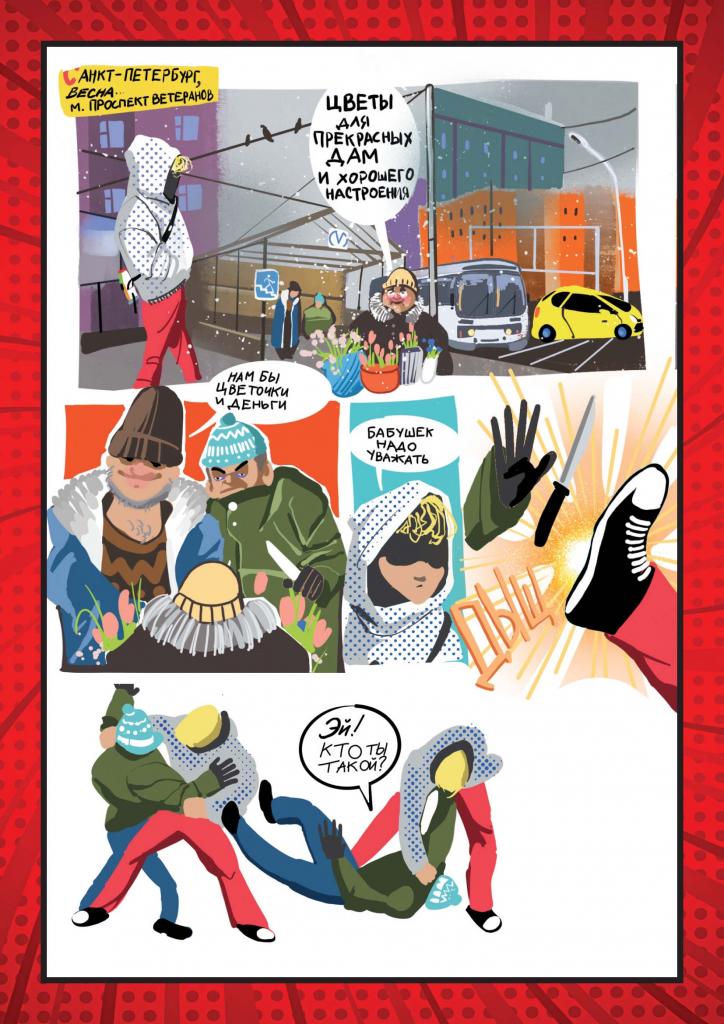
These comics are a joint project of the official publication of the Government of St. Petersburg “St. Petersburg Diary”, where Irina Lisova works as a chef, and V.A. Soloviev , who was created by the deputy of the Legislative Assembly of St. Petersburg Anton Solovyov. The fund, as indicated on its website, supports children's sports, provides targeted support to the families of mobilized, etc. “The St. Petersburg branch of“ United Russia ”on its website calls the glory of Sambo“ New National Superhero ”and distributes these comics to cancer patients.
In addition, Irina sincerely loves the writer Vitaly Bianchi, is seriously working on a biographical study and for many years is trying to restore the sculpture on his grave: this is the figure of a girl on the shoulder of which a chipper sat; Burundika had long broken off vandals, and Irina collects money to restore it.
On the basis of love for Bianchi, we once met her, albeit in absentia. Acquaintance, however, was short-lived: apparently, already in February 2022, Irina silently won me. Like many former friends and acquaintances.
Ton
At this time, Irina Lisova continued to work in the St. Petersburg Diary, regularly published on the Rara Avis portal and was the editor -in -chief of the Buki -News Literature News (both stopped working in early 2023). She led the Buki channel in Telegram, where she announced publications on her website. Then the channel had no more than 40 subscribers; There are no likes or comments under the old posts.
Everything changed wonderful in December 2024 - as if our heroine ate a piece of a magic snake and spoke in a snake language.
Irina Lisova renamed her telegram channel into the “Book Fox” (by this time in Telegram there was a successful channel of Olesya Skopinskaya with the name “Book Fox” , now he had under 50 thousand subscribers) and dramatically changed the content and style of her publications. She immediately picked up the theme of “destructive children's books”, raised by Nikolai Nilov, and covered in detail the performance dedicated to them by the deputy chairman of the Duma Committee on Enlightenment of Yana Lantratova at a meeting of the State Council.
On February 17, 2025, Irina Lisova scored for the first time in the bells : the guard, representatives of the IBBY - the International Council for Books for Youth will participate in a children's conference in one of the St. Petersburg children's libraries. Since 1953, this authoritative international organization has been uniting professionals involved in a children's book in 80 countries. In the USSR, the IBBY section was opened in 1968 by the efforts of Sergei Mikhalkov and Agnia Barto. Every two years, Ibby has been publishing an “honorary list” - almost “children's nobe” in front of its Congress. From Russia, this list at different years included the poet Mikhail Yasnov, writers Andrei Usachev, Nina Dashevskaya, Eduard Verkin, Maria Botheva, translators Asya Petrova, Olga Warsaver, Olga Drobot, Ksenia Kovalenko, authors of books in national languages, artists ... It seems that all this is a reason for pride.
But for the IBBY fox is an enemy: “Remember about“ destructive children's books ”that have made noise. So, including in our country, they fall thanks to this program. And then in the track of whom we see, the RGDB [Russian State Children's Library]. Amazing nearby, right? ”
But she especially does not like her participation in the library conference of Nina Dashevskaya - one of the best Russian children's writers. Why? And Dashevskaya’s ideological position is wrong: on Facebook* she writes not that.
Then Irina Lisova expresses dissatisfaction with the program of the St. Petersburg Book Festival “Lantern”: there will be the books “Polyandria” (one was included in the list of destructive ones) and the performance of the representative of the Samokat publishing house (also with “destructive” books). It doesn’t even matter that the “Polyandria” once published Lisov herself.
Now she has found her main topic: to look for enemies in children's literature and demand to excommunicate them from libraries, bonuses, book festivals if they are financed by the state. The logic is as follows: if you do not support the state policy, you have no right to receive money from it. And those who receive money, but the state does not support, are subject to severe moral condemnation. Therefore, Irina Lisova calls them “the Order of Figi in the Pocket”, demands “either to put on panties, or take off the cross”, asked the libraries sternly: “He doesn’t press you?” - And endlessly asks the question "at whose account a banquet?"
Now she carefully monitors: has any library in the remote region of an ideological enemy. Have you paid for the way and accommodation? Have you fed him with sandwiches, did not pay him a fee? Did you include in the list for children's summer reading?

The ideological enemies of Irina Lisova were primarily those writers who signed an open letter in February 2022 - then this did not fall under articles about fakes and discredit, which appeared in the legislation a few days later. Lisova carefully retained a link to him and as soon as she sees somewhere in the poster of the children's festival or a meeting in the library the name of the signator-he immediately pulls out the cherished reference: do not call the enemy. Former friends, colleagues, and Frads got into the enemies - after all, the world of children's literature is small. Maybe that's why the shock from the first small masterpieces of the gifted writer was so great. “What is happening is perceived very painfully,” says A., a former friend of the writer. - And for him, in my opinion, there are two simple and understandable words: “meanness”, about which we often read in children's books and were indignant at it. Or the "madness" that we read about in adults and were afraid of it. "
Then Irina Lisova found out that the wrong writers are nominated for international prizes and presented domestic ones, they call them to book festivals (their names cannot be called in this fairy tale). They - about horror - come out books! And there are presentations! They are published abroad. They participate in the Non/Fiction fair. In one regional children's library (I will not say which, otherwise they will be cooked), 2024 was declared the year of the wrong writer. Dissatisfaction is also caused by the fact that the remarkable list of Patriotic literature compiled by the RGDB was a wonderful book by Alexandra Litvin “Trans -Siberian. The train leaves ”, where one place says about the repressed grandfather. Each item of my fluent retelling of Lisov’s denunciations can be confirmed by a link to the post, but I will not do this, so as not to carry them further.
Reading these little masterpieces is hard work.
As if the feeling of a word changed the writer - everything is written in a snake language: in all ways - liberals, a liberal swamp, a reduced liberoid, and even “our favorites”, and for libraries there are “questions”, “questions”. As if the throat took up the pen and scribbles complaints about the vile hobbits.
However, when Lisova reposts ideological associates, you can’t get anything into the thicker of the ALLOOSP: “... Novopian schizophrenics in your repertoire”, “Sabbath of Merda -Houses” (this is a discussion of children's cultural events, if that).
I don’t know whether it is worth proud of it, but Irina Lisova and me did not ignore: the collection of children's fantastic stories I collected twice recommended at non -state venues twice. Then I directly doubted: what if the children really read the story about the first love on an alien planet and go to overthrow the authorities? Well, or am I too gaining a public expense?
“And nowhere does it press? No one checks who is supported by both information, so to speak, financially state institutions? ” - Irina Lisova is bitterly indignant.
Since no one checks - she is selflessly ready to help. And her vigilant subscribers. “Subscribers sent”-this is directly “ the letter called on the road ”. Just one of the subscribers writes: "To many questions have accumulated - maybe to the regional Ministry of Culture?"
And what is an idea. Since no one reads her telegram channel (on June 8-218 subscribers, but they arrive all the time), since no one goes to Irina Lisova to assess the reliability of children's writers, she herself will go to libraries and regional ministries.
We must pay tribute to regional ministries: some of them were not scared. The Ministry of Culture of the Vladimir Region, where Irina Lisova complained about the choice of books for an adult reader club, replied that books with age -related restrictions are discussed with adults, and books for discussing Tabia thirty -two and Nadia Alekseeva “are not extremist materials, the authors are not included in the register of foreign agents, they live in Russia, they are living in Russia, and they take part in Russia. In literary events in the cities of Russia. ” However, "the leadership of the library is instructed to carefully approach the selection of books for discussion in a book club." “Let's see,” Lisova comments . “We have a regular reader there.” Tremew, Vladimir, you are under the cap.
About the same calmly responded to the Lisa, indignant invitation to Buryatia, publisher Alexander Lazarev, the Ministry of Culture of the Republic. However, right on the day of the meeting, it was canceled-apparently, under pressure from above, not only because of Lisov’s denunciations, but also because of the noise raised by the Z-coat. “It turns out that it was not for nothing that they were noisy and asked. There is justice in the world)), ”Lisova wrote in her telegram channel.
Climax
And here I was asked not to call either names or institutions, which is why all my climax turned into a pumpkin. But I will try to tell this terrible fairy tale.
The next victim of Irina Lisova was one beautiful summer festival, invented by one good library in one picturesque village. There, writers were going to read poems with children, compose fairy tales with them, talk about love, explore the nature of jokes and laughter, study the power of the word: create images, draw in words, write prose ... But the writers indicated on the poster seemed to be a fox insufficiently trustworthy, and she complained to the governor of the Leningrad region.
And the governor has re -election on the nose, and he does not need any scandals at all.
Therefore, the complaint was lowered to the Committee on Culture and Tourism of the region.
And the Committee has just resigned the chairman, and the day of receipt of a complaint is the first day in the new position of his former deputy. And scandals are not needed.
Therefore, the complaint was lowered to the library. Then there was a small local apocalypse, and shreds of nooks flew in: nervous breakdowns, dismissal, blocking of the program, refusal to summer camps in the arrival of the festival, because there will simply be nothing to occupy children.
When the poster of the festival disappeared from the library website, which will not be called, otherwise it will be turned into stone, Irina Lisova delightedly published a screenshot of an empty page with a malicious comment “Oh, what happened?”.
Pumping happened, Irina Alexandrovna. Ordinary lead.
And my text from the story about the scammer turned into a story about fear. Outside the atmosphere of fear, no denunciations of social activists will make people engage in self -censor, create black lists of unwanted guests (I have repeatedly heard about the existence of such lists in Moscow libraries, but I can’t confirm: it’s scary to show them), hide books not prohibited from readers, cancel films at film festivals, even censorship of negative heroes in the most loyal texts of the most convinced Zubtors, as it recently happened to the writer Vyacheslav Rybakov.
The entire budgetary sphere of culture is struck by a total fear, and in this poisonous suffocation, unprecedented forms of life formed. Or - forms of death.
“It seems to me that we aroused some new beast to reality,” says the man who has become one of the targets of Irina Lisova’s denunciations and asked not to name his name (let B. be). - Previously, attacks on children's writers were initiated from above. There are cases of how the inhabitants of Peredelkino conveyed to the neighbors - this is individual competition, the struggle for resources, but for one person to try to transform the whole industry - this would not be. Lisova acts as an expert who gives the assessments, gives instructions that, as it seems to her, should be accepted as a guide to action, controls the literary process.
But who gave her this mandate? Where did she get a sense of power? Guide, control, inventing new tasks are the functions of an official in the field of education or culture, and not equal among equals. Она даже не осознает, что те функции, которые она на себя берет, ей несоразмерны: она ощущает полное слияние с государством
— но не в силах вообразить, что государство состоит не только из членов «Единой России». Она не понимает, что просто уничтожит всю нашу отрасль, и на этом месте ничего не будет. Она думает, что если всех неугодных писателей посадить на плот, как в «Котловане», и отправить их плыть в смерть, на этом месте что-то расцветет».
В отличие от истории доносчицы Анны Коробковой, которую предала гласности антрополог Александра Архипова**, здесь мы видим человека, гордо выступающего под собственным именем — ведь ей ничего не угрожает, кроме брезгливого ужаса уже бывших коллег. У нее теперь другая компания — «Союз 24 февраля» , который вынашивает план патриотической реорганизации книжного дела в России. Она, кажется, даже готова взять на себя руководство всей детской литературой в стране.
Если внимательно почитать ее телеграм-канал, видно государственное мышление: как нам реорганизовать детлит, как воспитывать детских писателей, как наладить государственную поддержку детской литературы, как открыть кафедры детской литературы, как создавать литературную критику. Она везде: отслеживает фестивали, конференции, чтения, премии, ярмарки, публикации, встречи в региональных библиотеках; она взвалила на свои хрупкие плечи непосильный труд мониторинга благонадежности во всей отечественной детской литературе. Но труд этот не Сизифов, как может показаться, — а Геростратов.
«Сейчас Лисова пытается быть директором детской литературы, но ее сил на это не хватит: надо ведь доводить каждый кейс до конца, — говорит Б. — Это министерский замах, если ответственно подходить к делу. Нам трудно понять, почему она выбрала в качестве объектов ненависти тех, кто был эмоционально близок раньше. Но она выбрала государство, а не живых и теплых людей, — может быть, потому, что это сторона силы. По сути, она предлагает лишить писателей общения с читателями, лишить их куска хлеба, поразить их в правах. Если каждый кейс доводить до конца — она как будто должна каждого довести до самоубийства. Но одно дело — завалить жалобами Комитет по культуре области, а другое — всю детскую отрасль замучить. Слишком большой охват деятельности, небывалый охват. Ополчиться на всю детскую литературу, на всю существующую инфраструктуру и надеяться, что тебя поддержит власть и ты победишь, — это нерациональное поведение. Участь Герострата — быстро сгореть».
Сама по себе Ирина Лисова ничего бы такого не наколдовала, если бы не поддержка писательского Z-cообщества, которое, по-видимому, сочло себя единственным носителем правды в литературе. Сто лет назад так вели себя рапповцы, представители Российской ассоциации пролетарских писателей, и их усилиями к тридцатым годам ХХ века в русской литературе было практически вытоптано все живое. Они отлучали писателей от читателей, принуждали издателей к покаянию, добивались отмены уже сверстанных книг. Они травили Чуковского, Пильняка, Замятина, Булгакова, Маяковского. На их совести — несколько писательских жизней. Но рано или поздно фанатики надоедают любой власти — достаточно вспомнить о судьбе Леопольда Авербаха или Владимира Киршона, самых радикальных критиков из журнала «На литературном посту», расстрелянных в 1937–38 гг.
Для строптивых библиотек и министерств культуры у Ирины Лисовой есть особый аргумент: она с удовольствием цитирует личное мнение заместителя председателя Совета безопасности РФ Дмитрия Медведева. Тот считает, что, во-первых, все, кто против СВО, должны покупать билеты, чтобы покинуть страну , а во-вторых, что те, кто допускает идеологически неправильных писателей к читателям, совершают должностное преступление . Она даже спрашивает у библиотек — вам что, Дмитрий Анатольевич не указ?
Слава богу, не указ, пока его личное мнение не обрело статус закона, а Отечество не приравнялось окончательно к «вашему превосходительству».
Развязка
Развязка на сегодняшний день такова: один гипертонический криз, пара увольнений, практически сорванный фестиваль с урезанной программой. Но это только конец первого тома.
Пейзаж в детской литературе сейчас примерно такой, как в одной сказке столетней же давности:
*И сидят и дрожат под кусточками,
За болотными прячутся кочками.*
...
*Только и слышно, как зубы стучат,
Только и видно, как уши дрожат.*
Всё это — на фоне тихих, совсем неприметных событий в детской литературе, о которых издательства предпочитают не объявлять во всеуслышание; редко когда проблема выходит в публичное поле, как в случае с «иноагентом» Финдусом . Издательствам то и дело приходится отзывать из продажи и писать библиотекам письма с просьбой убрать из фондов книги, в которых в очередной раз обнаружилось что-то крамольное или может показаться крамольным особо бдительным гражданам.
Деятельность доносчиков очень востребована по нынешним временам.
Одна писательница с крохотным телеграм-канальчиком может закошмарить своими «вопросиками» весь детлит, потому что у кого-то завтра выборы,
у кого-то первый день на работе, кто-то дорабатывает до пенсии — и никто не хочет скандалов. Детская литература — штука хрупкая, как показывает история страны: достаточно как следует измучить детского писателя, и он вовсе лишится способности писать. Как сказал однажды бесконечно задерганный тогдашними лисовыми Корней Чуковский, «детский писатель должен быть счастлив — как и те, для кого он пишет».

Писатели, которых Ирина Лисова требует отлучить от библиотек, загнать в резервации частных фестивалей (как будто это помогло «Фонарю»), — они ведь не на пресловутых банкетах объедаются. Они работают, и работа эта трудная: попробуйте сами час-полтора удерживать внимание сорока второклассников, чтобы они получили от этого радость. «Когда я еду на фестиваль как детский автор, — рассказывает одна из отмененных участниц ополовиненного фестиваля, — у меня там по три-четыре встречи с детьми в день. Мастер-классы или лекция, или выступление — это все очень трудозатратно и требует больших вложений энергии и подготовки. Поэтому свой «банкет», а точнее, гонорар, я считаю, я полностью отрабатываю».
Нина Дашевская, которую Ирина Лисова неустанно призывает изгнать из государственных библиотек, напоминает: «Региональные фестивали, работа библиотек, маленьких магазинов, которые устраивают встречи с авторами — это работающий институт. Все фестивали и встречи опровергают тезис «дети не читают». Дети, которым взрослые помогли, организовали, показали, как это может быть, — и читают, и прекрасно рассказывают о книгах. Это непростая работа, это годами выстроенные связи между писателями, издателями, библиотеками, книжными магазинами, учителями. И наша задача — расширять этот круг и пропагандировать детское чтение. Задушить и разрушить очень легко, потому что на это поле пришел страх. Никаких законов мы не нарушаем, работаем (а не «ездим на банкет», как почему-то это называет Лисова), бывает несколько встреч за день в маленьких городах, где дети не избалованы событиями и очень нам рады. И ее работа — не только против писателей и фестивалей. Она — против детей, которых лишают шанса поговорить с автором, послушать, сфотографироваться, самому выбрать книжку. Далеко не все авторы, которые участвуют на фестивале, мне нравятся, но это не мое дело: дети, родители и учителя могут сами выбирать, кого читать, кого слушать. Теперь этот выбор у них отнимают, а учителей, библиотекарей, организаторов таких программ учат бояться — ходить и оглядываться».
Ради чего изгонять из библиотек писателей, которые способны говорить с детьми о солнце и ветре, о счастье или ответственности? Ради тех, кто будет говорить с ними о боевых действиях и патриотизме (а то мало с ними об этом в школе говорят, замечу я, и даже в детском саду). Для них устранение конкурентов, которых дети в самом деле любят, — дело принципиально важное: без административного ресурса и государственных денег их мероприятия могут и не собрать аудиторию .
В том-то и ужас, что даже если разогнать всех тех писателей, которые жить не дают Ирине Лисовой и ее единомышленникам, если полностью вытоптать это место, если выделить огромные средства на «правильные» литературные конкурсы, —
это не даст моментального всплеска талантов, не даст расцвета детской литературы. Даже если создать, как она мечтает , советы по культуре не только при Следственном комитете, но и при прокуратуре, и при ФСБ.
Разработанная «Союзом 24 февраля» программа развития русской литературы «Русский прорыв» заботится и о детской литературе тоже, но по-своему. В их идеальной модели детской литературы , которую пиарит в своем канале Ирина Лисова, «необходим единый орган, который бы курировал детскую и юношескую литературу, мультипликационное и кинопроизводство для детей и подростков». Дайте нам денег, издательств, поддержки, библиотечных рекомендаций, изгоните врагов в частные резервации — и тут-то мы им покажем, насколько мы сильнее.
Но не выходит.
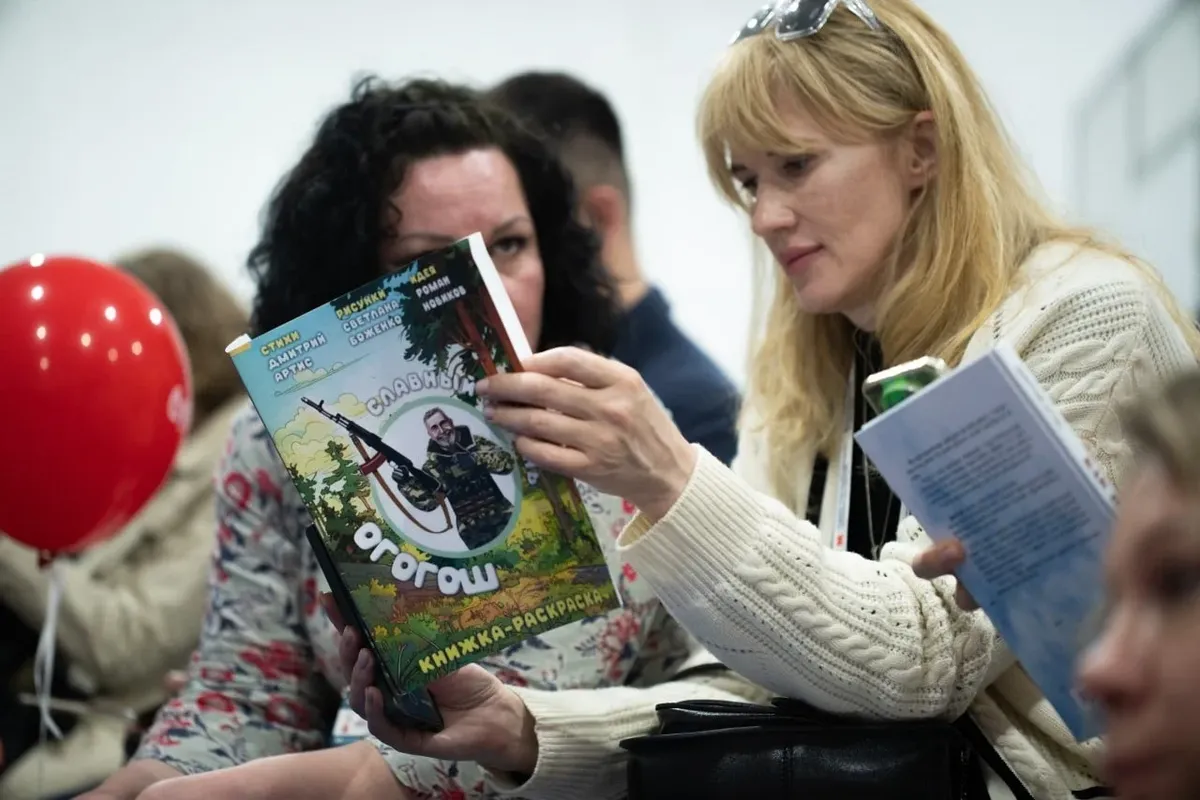
Ирина Лисова просит : «… помогите книжному лису найти литературу об СВО для школьников. Ну кроме книги Дмитрия Артиса и Валерии Троицкой?» Не находится почему-то. Сам Артис тоже огорчен : «У нас нет художественных книг для школьников, в которых говорится о героизме парней, стоящих на защите Отечества, о жизни детей в прифронтовых поселках. …Тема специальной военной операции должна быть локомотивом всей современной детской литературы».
Нет книг о современных героях, — сетует Ирина Лисова в другом месте. И правда, почему бы это? Может, потому что благонадежные писатели тратят свои творческие силы на дележ государственных денег, устранение конкурентов, создание программ внедрения единомыслия в России — вместо того, чтобы сесть за стол и написать?
Что-то мне кажется, что даже если посадить всех неправильных писателей на писательский самолет и услать их к пингвинам в Антарктиду, то пингвины скоро начнут читать стихи на русском и писать книги о пингвиньей жизни, а на вытоптанном месте так ничего и не вырастет, сколько ни вбухивай государственных денег.
Послесловие
Ну и, кажется, зачем привлекать внимание к одной доносчице, пиарить ее, распространять ее идеи? Только затем, что, как писал все тот же Чуковский, холерные вибрионы — мелочь, да сама-то холера — не мелочь.
Идея «если ты против государства, откажись от его денег» абсурдна: так можно дойти до отказа в пенсии и медпомощи недовольным государственной политикой. Брать или не брать государственные деньги, хотя бы и в виде вузовской или школьной зарплаты или в виде писательского гонорара за работу на детском празднике в библиотеке, — это вопрос личных убеждений, а не самозваных блюстителей нравственности. Бюджетные деньги — это деньги общественные, складывающиеся из налогов людей с разными убеждениями и доверенные государству, чтобы оно ими разумно распоряжалось. Государство — не собственник культуры, а только ее администратор. Оно должно создавать условия для развития культуры, а не диктовать ее содержание.
Конституция страны пока гарантирует нам свободу мысли и слова (ст. 29), запрещает цензуру (ст. 29), исключает единую идеологию (ст. 13) и дает всем равное право участвовать в культурной жизни (ст. 44). Статья 19, часть 2, запрещает дискриминацию и гарантирует «равенство прав и свобод человека и гражданина независимо от …убеждений, принадлежности к общественным объединениям, а также других обстоятельств». Это означает, что писатели, которых Ирина Лисова требует изгнать из государственных библиотек, имеют точно такое же право встречаться там со своими читателями, как и она. А ее требования незаконны и могут быть проигнорированы. Finally,
вполне логично поддерживать государство и работать вместе с ним, когда оно устраивает детские фестивали, финансирует издание детских книг, строит библиотеки и сажает сады, но критиковать его, когда оно запрещает фестивали, разрушает созданное другими и сажает людей. Нет, Ирина Александровна, не жмет.
Писатель Алексей Олейников, один из излюбленных объектов глумления для Лисовой, замечает: «Проклинать государство и брать от него деньги — это тот стержень нравственности, на который нанизаны все ее рассуждения: уйдите в частную сферу и зарабатывайте там. Но сфера культуры практически вся так или иначе завязана на государственные мероприятия. И лицемерие как раз в другом: в том, что на протяжении тридцати лет сферу культуры и образование подгребали под государственный зонтик, обрезая автономию местных муниципалитетов и кастрируя любую инициативу граждан. А теперь нам говорят, что люди в частном порядке на частных площадках могут продавать свои <...> книжки. Хотя мы прекрасно знаем, как уничтожаются и запрещаются любые, в том числе и частные проекты — например, в области музыки или театра, или любых собраний; ничто не мешает даже в частный клуб нагнать ОМОН или настучать на частный фестиваль. Библиотеки не нарушают никаких законов, приглашая людей с другой позицией, отличной от позиции нынешней государственной власти. Культура — это не пропаганда, и она не обязана быть одинаковой. А задача государства — поддерживать культуру во всем ее многообразии, а не требовать, чтобы она была такой, которая прямо сейчас нужна государству».
Я вполне отдаю себе отчет в том, что Ирина Лисова воспримет этот текст как свидетельство паники «либерального болотца» и большую медаль, повешенную на грудь. Но иногда абсолютно необходимо сказать, как в хороших детских книжках: «Да ведь вы все только карты!»
«Я человек пугливый и законопослушный, — говорит критик и редактор Ксения Молдавская. — Я верю в закон и слушаюсь закона, даже если он кажется мне не совсем продуманным, как, например, ФЗ-436 — о защите детей от вредной информации. Я многого, очень многого боюсь, мне есть что терять. Но я знаю, что нашу жизнь регулирует Конституция и основанные на ней законы. Ни один человек — ни начальник департамента, ни шеф-редактор сайта, ни директор школы, ни «правильный» писатель — не может объявить себя законом. А когда они пытаются так сделать, даже робкому трусу вроде меня приходится вставать и говорить НЕТ злу. Иначе нами будет править не закон, а право сильного и право громкого».
И давно пора напомнить об этом библиотекам, комитетам по культуре и региональным министерствам, которые уже не знают, какой тени бояться и в какие подсобки прятать книги очередных врагов.
Разномыслие — нормально. Инакомыслящий — не враг народа. На доносы можно не реагировать. А детская литература не растет из ненависти — только из любви.