
Translated material
"There are two of us ... There is no more strength ..."
For Elvira Shataeva, love for the mountains and personal happiness were woven - in her youth she fell in love with climber Vladimir Shataev, and together they conquered the peaks of the Soviet Union. Over time, Elvira became one of the leaders of female mountaineering and for the first time in the history of the USSR began to manage completely female ascents of high complexity. In 1974, she headed a group of eight women to climb one of the highest peaks in the territory of the former Soviet Union - the peak of Lenin. By that time, she had already taken one seven -thousandth, but, despite the excellent training and mood, many, including her husband, dissuaded Elvira from climbing this mountain, since supposedly women are much weaker than men and they are beyond their power. And yet, moving the desire to prove that women can cope with the hardships of campaigns no worse than men, the Shataeva group went to storm the peak of Lenin. They, like many climbers, regardless of gender, were destroyed by nature. The story of love and death in the mountains is in the heading "Disaster" .
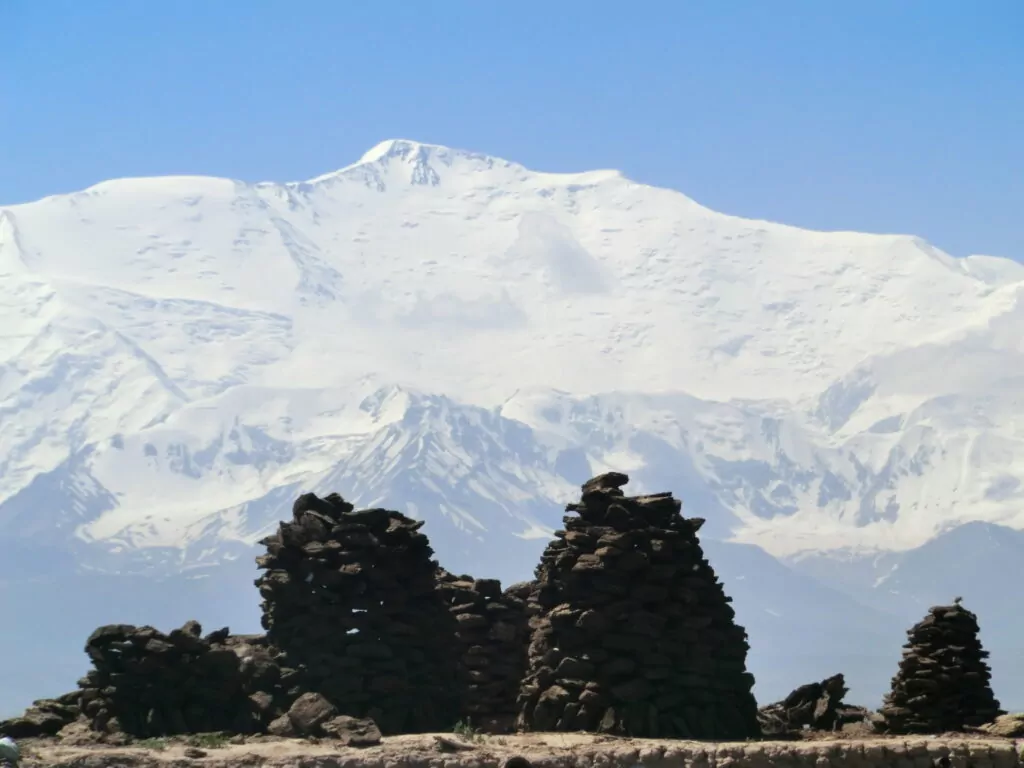
The peak of Lenin is a mountain peak 7134 meters high on the border of Kyrgyzstan and Tajikistan. Despite the fact that this is one of the highest mountains on Pamir, climbers always considered it relatively safe for climbing. It was at its foot in the summer of 1974 that more than a hundred athletes from the Soviet Union, the USA, Great Britain, France, Austria, Japan and other countries gathered . All of them came to the newly open first international climbing camp in the USSR.
The camp established the State Committee for Sports of the USSR - the authorities for the first time invited the delegations of foreign climbers for the first time to rise to the peak of Lenin. So the committee wanted to establish relations between Soviet and foreign climbers, as well as collect money - foreigners paid $ 750 for participation.
Among the camp participants were two women's teams: one - international, the second - Soviet. Prior to this, not a single female group has yet conquered the peak of Lenin. Now one of the national teams could be the first in history.
If the international team was relatively simple - to conquer the top and go down, then the Soviet team led by climber Elvira Shataeva was more ambitious: Lenin’s peak traverse. This means climbing to the top along one route, and go down the other. So climbers planned to conquer a separate peak at an altitude of 6148 meters.
Before the campaign, there was a lot of skepticism about the success of the group, and Shataeva wanted to prove to the male colleagues that they would succeed. “Most Russian men do not believe that the female team can conquer the seven-thousandth,” she once complained to the American climber Arlen Blum when she started a conversation with her in the camp. “But our group is very strong. We have a powerful collective spirit, and we will stay together, no matter what, ”Shataeva added.
Bloom said that two women's teams could rise together, but Shataeva replied that this was impossible without explaining the reason. “Then we will celebrate together! We will arrange such a party after climbing, ”she said.
The ascent began on July 30, and the first time everything went smoothly. So much so that it even upset Shataev. On August 2, at 13 o’clock she handed over to the base: “About an hour left before entering the crest. Everything is good, the weather is good, the breeze is notorious. The path is simple. Everyone's health is good. So far, everything is so good that even disappointed in the route ... "
Three days later, the Shataeva group fell into snow captivity at the top, and after five - all the participants in the campaign were dead.
"Do not bring the ideas of feminism to the absurdity"
Elvira Shataeva since childhood was fond of sports. In 1962, when she was 23 years old, she was injured, running in skates - and she was sent to recover to the Shcheelda climbing camp in Elbrus. There she met climber Vladimir Shataev, who soon married.
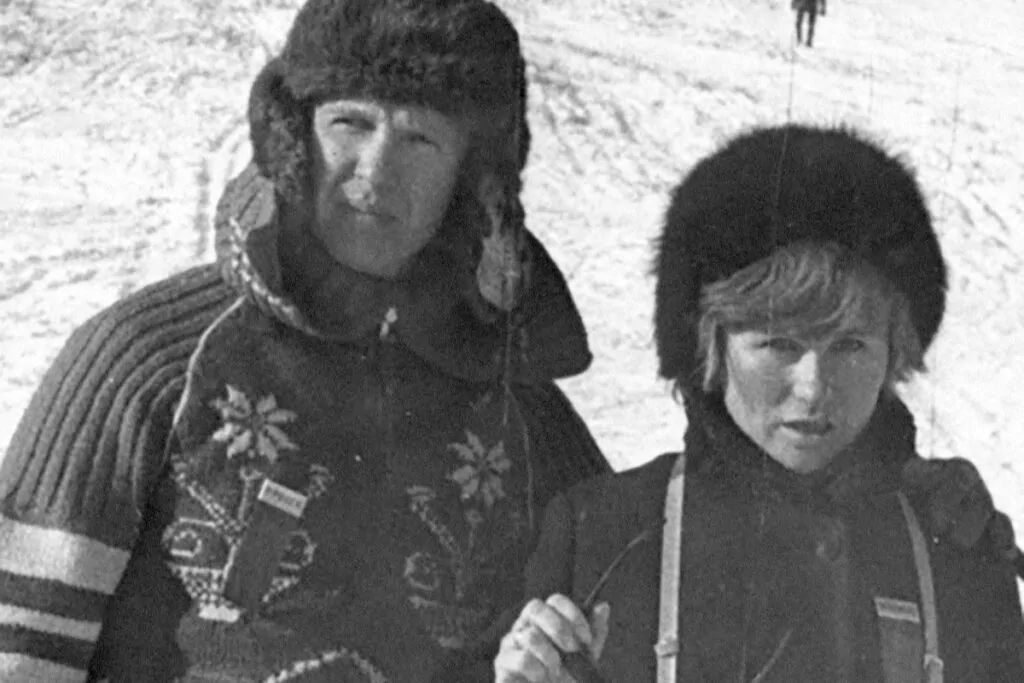
“Nature fascinated her: sunrises, sunsets - you will not see this in Moscow. Then I already had the third category of mountaineering, and we began to go together to the mountains. Then she received the title of instructor, began to work in alpalgers and already made climbing on her own <...> went abroad - to Austria, Bulgaria, Switzerland, ”her husband told Shataev.
By the age of 25, Shataeva became a well -known athlete in the climbing environment. In 1970, she was awarded the title of master of sports. Then in the USSR this title was more than a thousand people. It is not known how many women were among them, but they were in the minority ․
In 1971, the composition of the male team under the leadership of her husband, she climbed the peak of communism on Pamir - the highest point of the USSR - 7495 meters. Now it is called the peak of Ismoila Somoni and is located in Tajikistan. Of the 11 possible categories of complexity in mountaineering, the peak of communism is 7. Shataev was one of the first women who were at this top.
 Why did the Titan become collapsed, without reaching the “Titanic” “clinical psychopath” at the helm, the dismissal of disagreements and much more - what we learned about the causes of the tragedy two years after 8 minutes of reading
Women at that time were often not taken on expeditions, because they believed that their forces would not be compared to male. In order to prove the opposite, in 1971 Shataeva thought about climbing the seven -thousand -ups exclusively by a female group. Here's how Shataeva climber Yuri Sergeev wrote about the plans of Shataeva:
“The theme of female mountaineering arose in one of the conversations. Elya talked about her plans for ascents as part of women's teams (as she said, “with aunts”). <...> I remember that I began to convince her that the very idea of female high -altitude mountaineering is vicious. He cited various arguments, said that it was not necessary to bring the ideas of feminism to the point of absurdity, that God gave a man and a woman different physical capabilities, he said a lot more. To my surprise, Elya listened attentively and did not interrupt. "
But these conversations did not convince her. All winter of 1972, Shataeva gathered a team with which in the same year she climbed the peak of Evgenia Korzhenevskaya on Pamir. Now it is called the peak of Ozodi, its height is 7105 meters, and the complexity is 7 out of 11.
Why Pamir?Pamir is the climbing Mecca of Central Asia. In this mountain system were four out of five seven thousands of the USSR. Due to the isolation of the country until the 1980s, Soviet athletes could not get to the Himalayas, so the Pamir peaks were the highest to which they could ascend.
This was the world's first successful female climbing seven -thousandth. All participants in the expedition were awarded with medals "For outstanding sports achievements." “The psychological barrier, its overcoming-this is one of the main tasks of our climbing ascension ... and the replicas of skeptics, they say, women and days cannot live without excesses-sounded warning ...”-wrote Shataeva in one of the articles dedicated to the first female climb.
A year later, she headed a new female climbing expedition - this time to Mount Ushba in Georgia. Its height is only 4690 meters, but climbing it is considered complex and dangerous . According to one version, the name of the vertex comes from the Svan language and translates as "a mountain that brings misfortune." Nevertheless, a team of five climbers coped, conquering both peaks of the most dangerous mountain in the Caucasus.
“Many men were skeptical of our venture, some were frankly against the ascent, there were insulting statements. If there were no such ones, we would not have climbed (they tempered our spirit), we would have remained in the camp relaxed by the affectionate attitude of well -wishers, ”the climber of Agnes Klokov recalled the ascent of the ear, years later in her book.
"We will create our own style of ascent - female"
“Elka, hello!
So let's start counting the cash before the meeting. Not long. Joy over the edge. I want to congratulate you again on the “Women's Day” - in the afternoon when they approved our group.
Is it worth pouring out? And so everything is clear. I just can't believe it yet. <...> I think we will not let us down. The aunts are gathering good.
Elka, I'm very superstitious. For the sake of everything - no interview to anyone. Let us leave silently, yeah? I would not want any references either with a line or a word.
Although in the Union they already know, so let them know. But nothing new about yourself, nor group, nor about climbing. Early interpretation is not the best outcome of our business.
Did you understand the hint?
Kiss".
In 1974, Elvira Shataeva sent such a letter to the climber Iliaiar Mukhamedova. Together with her - as well as seven other athletes - in the summer of that year she was supposed to conquer the peak of Lenin on Pamir. Its complexity is depending on route 6 or 7 out of 11.
The idea of Shataeva did not like men who were afraid for women and tried to dissuade them. As Shataeva’s husband recalls in his book, the climber Vladimir Kavunenko persuaded her to go on an expedition to Mount Han-Tengri, where he went. This is also a complex peak, but Kavunenko thought that he would be next to women and would help them. “He decided that it was better if women are closer to him,” writes Vladimir Shataev. “Then they can be insured unnoticed by them.”
But Elvira did not succumb and replied: “Do you think we are a little old? And you really! Volodya, we are not for prizes. Other, maybe sometimes it makes sense to deceive, but why yourself? Remember: the biggest skeptics in this story are women themselves. Understand? I myself do not believe in myself, although I visited Ushba and Korzhenevskaya. I argue with myself and go to the peak of Lenin in order to prove to myself again. And you, a gentleman, invite me to a khan-Tengri under a pen. ”
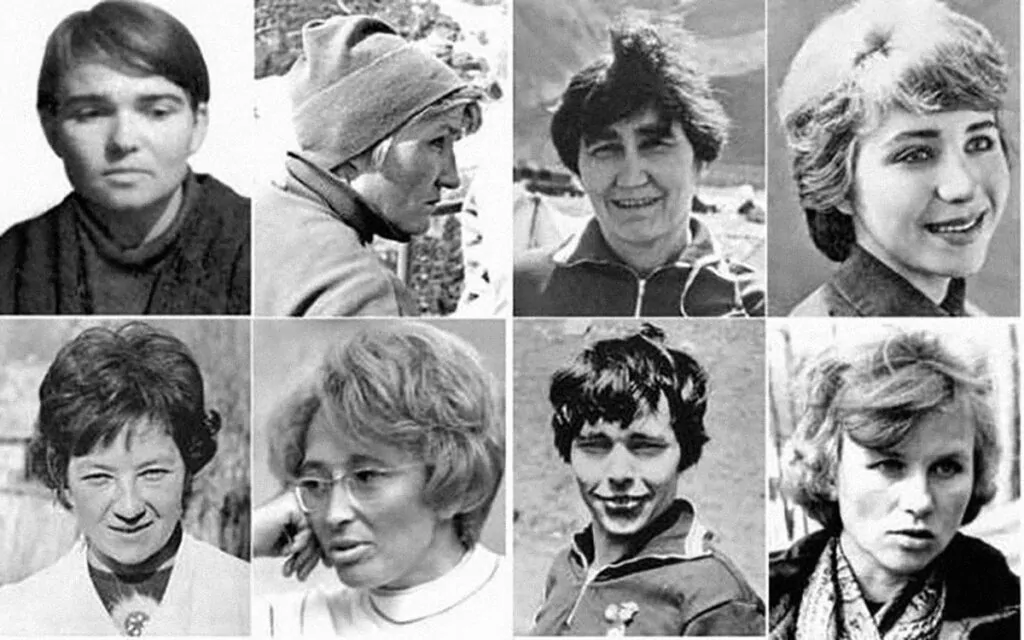
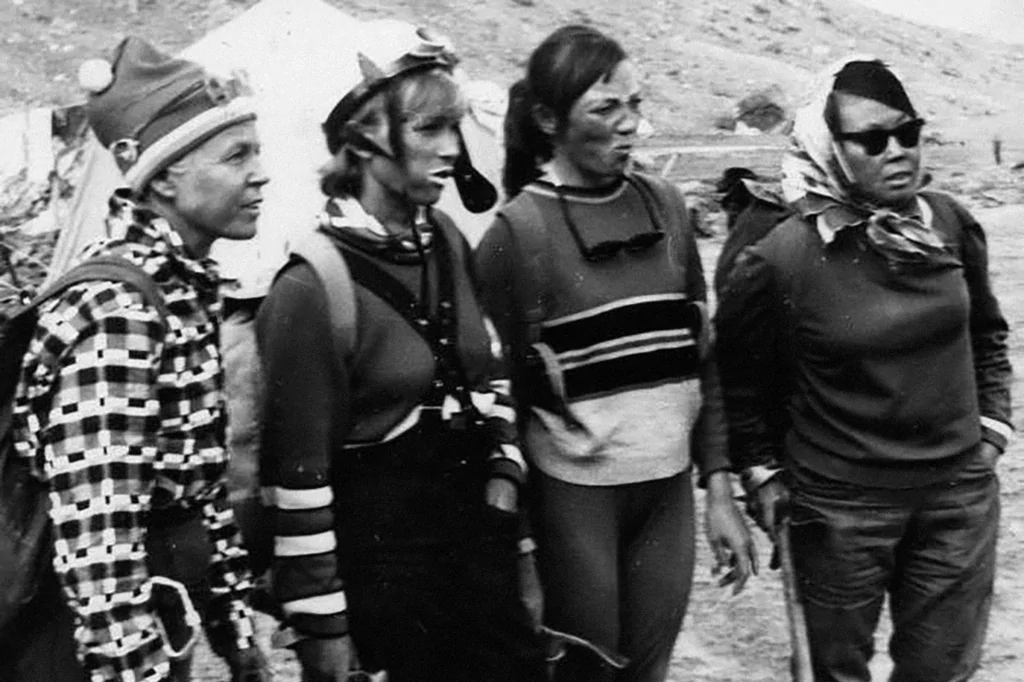
No one could convince them - and in July 1974 the group went to the camp at the foot of Lenin's peak. There were nine of them - from 27 to 38 years old, everyone already had the experience of expeditions to complex peaks. The team included Shataeva, Ilsiar Mukhamedova, Tatyana Bardasheva, Valentina Fateeva, Nina Vasilieva, Irina Lyubimtseva, Lyudmila Manzharova, Galina Perevodistyuk and Elmira Gurmuzova.
However, Elmira Gurmuzova did not go to the assault on the mountain. One of the tents turned out to be defective, and in the rest there was not enough space. She became a reserve - and it saved her life. Years later, she wrote memoirs about the female gathering.
“I called my friends to visit my beautiful city. I hoped to see all the girls away from me, in Leningrad, to chat with everyone. Namenly, I “called badly”. No one came. It is very difficult to remember this now, ”wrote Gurmuzova.
The collection took place on the Leso-Popular site of Achik-Tash in the Alai Valley. There was a camp for foreign climbers. Soviet athletes lived across the river from them. In the valley there was also a basic camp, from where the organizers and expedition instructors supported radio communications with climbers on the mountain.
Before climbing, the Shataeva group was prepared : they conducted a physical examination, and then twice they climbed onto the training mountains to acclimatize and get used to height. In their tent camp there was a strict discipline. American climber Robert Craig said that women seemed to him "very serious." Nevertheless, he heard them sang songs, chatted and laughed a lot.
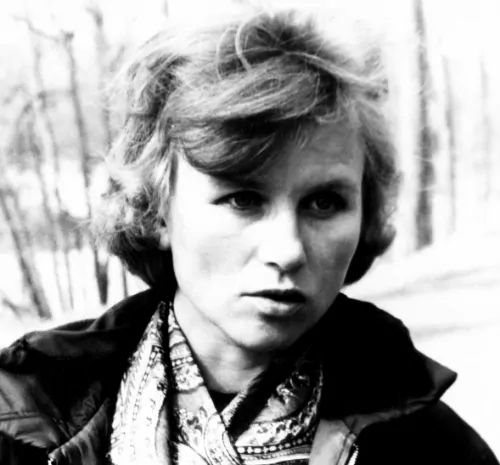
“The soul of our company was the beautiful Elvira. She was a clear leader, but completely democratic. Elvira easily and simply talked, always was “my own among her”, and it was simply impossible not to love her, ” wrote Elmir Gurmuzova.
Shataeva’s husband Vladimir was then the state coach of the Sports Committee of the USSR in mountaineering. He did not participate in the expedition, but went to the training camp for several days. Shataev recalled that the women's team acted as a concentrated but friendly group - and there have never been disagreements between them.
“We miss a rough man’s power ... Okay,” according to Shataev’s memoirs, his wife motivated her team. - Let this: trousers - good, the dress is bad. But we will stay in the dress - we will not imitate anyone. We will create our own style of ascent - female, because we should not and cannot walk the way men walk. We have nowhere to rush. ”
 Mom, all well -close six months received messages from the girl from long -term leave. It turned out all this time on her behalf of another person crime 18 minutes of reading
Shataev had to leave before the expedition began: he needed to go to Moscow at work. Saying goodbye, he asked his wife to promise that if someone was bad, they would immediately report to the base and refuse to storm two peaks. In the end, he shouted to her: “See you in Moscow! Invite all the girls to visit us! "
"So that there is no conversation that we are climbing the tracks"
At the end of July, bad weather began on Pamir. On July 24, due to a hurricane at one of the peaks of Lenin’s peak, American Harry Ulon died. This was the first death of the athlete on this grief that summer.
But this did not affect the start of the Shataeva expedition. The ascent of the women began on July 30. Ahead of them were two male groups of Soviet climbers, with whom Shataeva communicated on radio communications. She also transmitted messages to one of the expedition leaders - climber Vitaly Abalakov, who was in the basic camp.
In the first days after entering the Shataev route, it was optimistic . It was then that she transmitted to the base a message with the words “so far everything is so good that even disappointed in the route ...”
On August 3, the team decided to relax, about which Shataeva transferred to the base. “Elvira, you know better. As I decided, it will be so, ”Vitaly Abalakov answered her. - Do not rush. In the future, the forecast is good. ”
On August 4, one of the men's groups took Lenin's peak. Shataeva conveyed a congratulation: “We are enviable. But tomorrow we can also congratulate us, ”she told the head of the group Georgy Korepanov. And there was right - already on August 5, the women's team reached the top of Lenin's peak. There, men have already warmed them with tea.
Despite the fact that all the first five days of August were good weather, women reached the top not at the fastest pace. Shataeva’s husband Vladimir suggested in his book that they dragged on the ascent, trying to break out from under the care of men's teams. August 5, before reaching the top, Elvira handed Korepanova a message:
“The weather is spoiled. It is snowing. This is good - it will notice (male) traces. So that there are no conversations that we are going up in the wake. ”
The same thing with the descent - the men left the mountain in the morning when it was warm and clear. The women's team was still asleep then. And in the evening of August 5, when women had to go down, the weather began to deteriorate: heavy snow began and a snowstorm began.
 Survivant in plane crashes - how they succeeded in the collapse of the Boeing 787 Dreamliner in India saved only one person. We talk about those who are just as lucky in the past world 12 minutes of reading
On that day, a second death was recorded on the mountain: at an altitude of 6500 meters from the exhaustion, Swiss Eve Izenshmidt, which was part of another female team, died .
Shataeva reported to the base that visibility had deteriorated at the top and climbers could not go further. The ascents curators asked them to take a break - this was the only advice they could give. This meant that women were supposed to spend the night at an altitude of more than 7000 meters.
What happens to a person at this height?Due to the lack of oxygen, this height is deadly for humans. There is a feeling of fatigue and lethargy, headache, shortness of breath, loss of appetite, nausea, sleep disturbance and general malaise. In severe cases, the liquid accumulates in the lungs, and a person cannot breathe.
Shataeva agreed and handed over to the base: “The conditions are tolerant, although the weather does not indulge, there is no visibility. The wind, as we were told, is always here. I think we will not freeze. I hope the night will not be very serious. We feel good. "
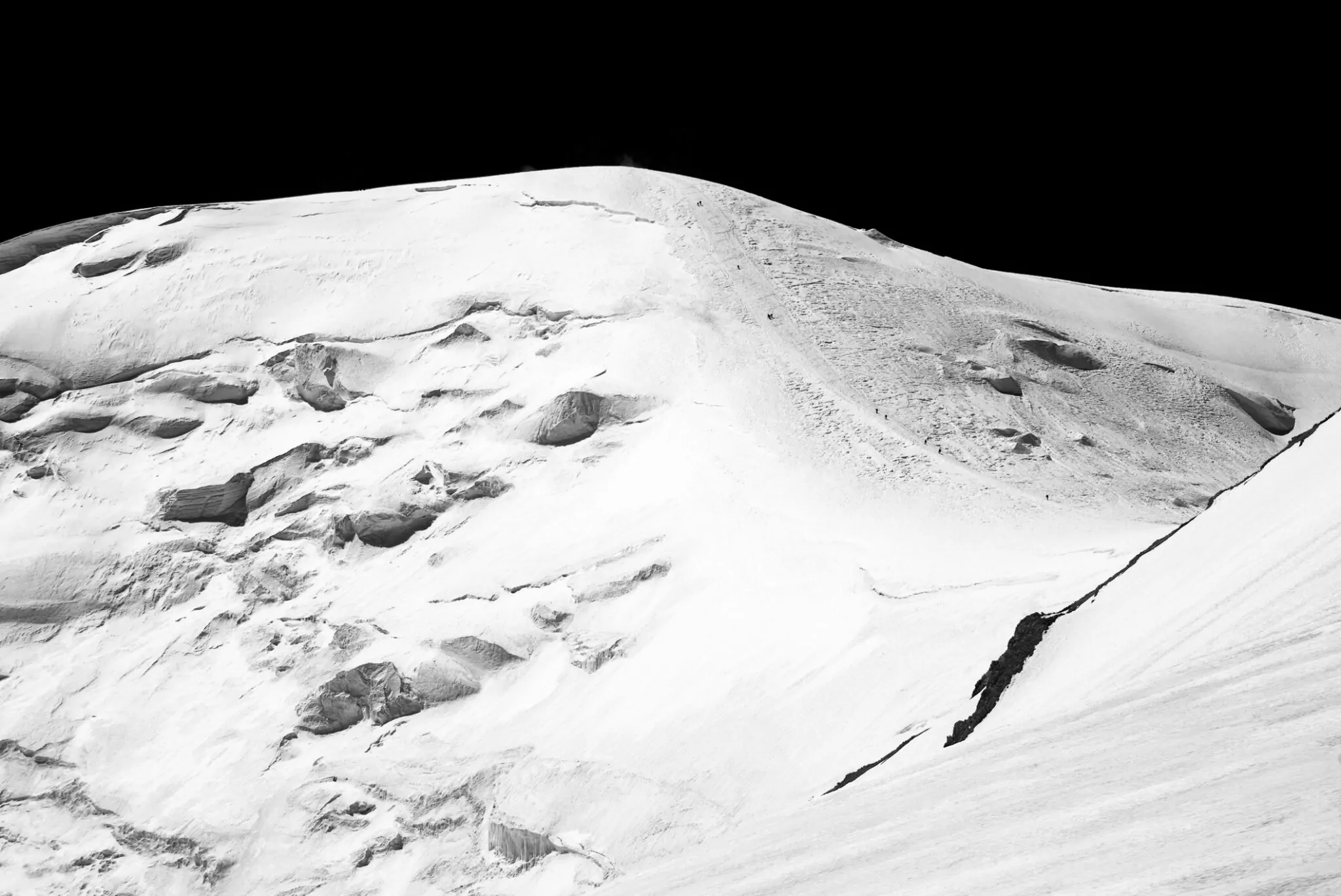
On the morning of August 6, the weather at the peak of Lenin has not changed. The girls woke up early to be ready, but in vain: the visibility was very bad, the blizzard continued, the wind intensified. It was almost impossible to stay at the top and descend. The climbers with whom the Shataeva group negotiated said that other groups that began the ascent decided to return. The weather on the descent from the top has become even worse.
At 17 o’clock Shataeva reported: “The weather did not improve at all, on the contrary, more and more worsen. We are tired here ... so cold! And we would like to leave the top down. We have already lost hope for the clearance ... And we just want to start ... in all likelihood, the descent ... Because it is very cold at the top. Very strong wind. It is very blowing. " And she added: “And now we would like to invite a doctor to the radio station. We have a question, we need to consult. ”
It turned out that one of the women - Irina Lyubimtseva - fell ill. She rushed for about a day.
The doctor at the base heard the symptoms and said that it was like pneumonia. He gave recommendations on medicines that need to be injected with the sick. Shataeva replied to this: “We are put in such a position that we don’t know how to divide the medicine - we have another participant doesn’t feel it ...” Abalakov scolded Shataev for not reporting the sick people, said to fulfill the doctor’s demands and start the descent.
“With a storm, strong cold and at an altitude of 7000 meters,“ sick ”means one thing: a person dies,” wrote American Robert Craig.Shataeva answered the base: “I understand. Fine. Сейчас же сделаем уколы, собираем палатки и немедленно — через 15 минут — начинаем спуск…» В тот день связи больше не было. На следующее утро она сообщила, что ночью Ирина Любимцева умерла от пневмонии.
Ирина Любимцева была из Свердловска. Как вспомнила Гурмузова, она была «очень спокойной и невозмутимой в любых ситуациях», «сразу видела, где нужна помощь, и мгновенно включалась в работу».
«Через 15–20 минут нас не будет в живых…»
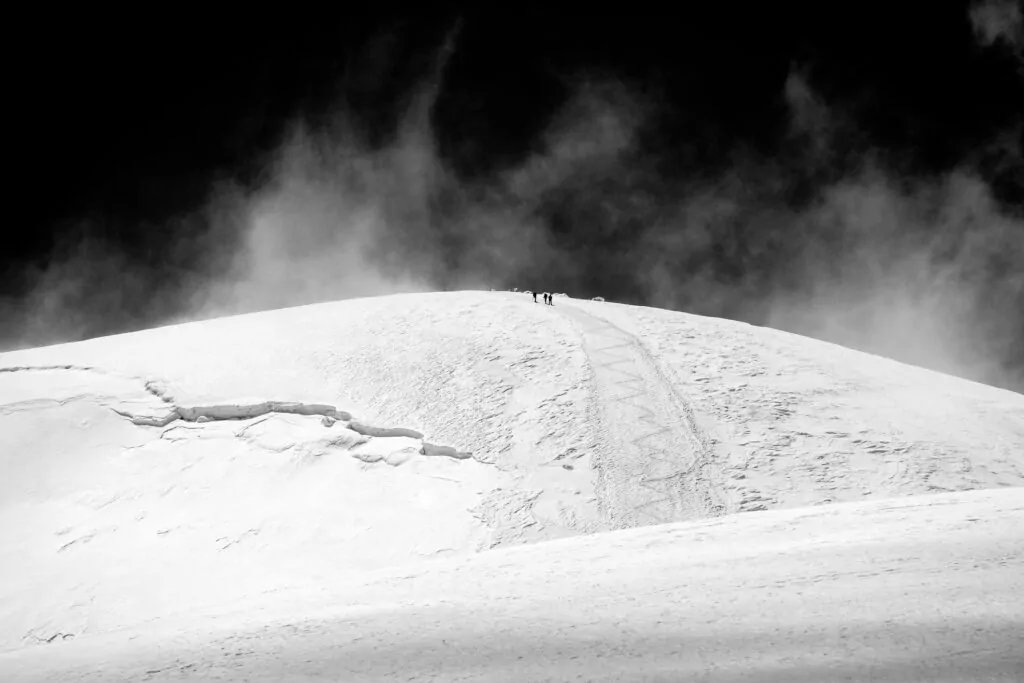
Через час Шатаева доложила, что команда начала спуск, но в ночь на 7 августа погода в районе пика Ленина стала еще хуже. На хребтах начался ураган: ветер разорвал палатки, унес рукавицы, примусы и другие вещи участниц восхождения. Альпинисткам с трудом удалось сохранить рацию, с помощью которой они общались с кураторами в базовом лагере внизу.
К вершине на помощь женской группе вышли советские, французские, американские, японские, английские и австрийские альпинисты. Но никто из них до группы Шатаевой не дошел.
В 14 часов Шатаева снова вышла на связь. Умерли еще двое: Валентина Фатеева и Нина Васильева. «Унесло вещи… На пятерых три спальных мешка… Мы очень сильно мерзнем, нам очень холодно. У четверых сильно обморожены руки», — сказала она.
Шатаева была явно «вне себя от горя», вспоминает Роберт Крейг, но ей каким-то образом удалось сохранить почти жуткое самообладание. Она спокойно описывала проблемы с палатками или нехваткой воды и запиналась лишь тогда, когда упоминала своих погибших товарищей. Услышав ее голос, переводчица сказала американцам, что ей кажется, Шатаева как будто оказалась во сне и не понимает, что происходит.
Валентина Фатеева и Нина Васильева — москвички. «У Вали Фатеевой всегда была чуть сдержанная, но сразу располагающая к себе улыбка», — вспоминала Гурмузова. А Нина, по ее словам, была «спортивной, спокойной и немногословной».
В сообщении с базы женщин попросили не падать духом, продолжать спускаться и при возможности выходить на связь каждый час. В 15 часов Шатаева сообщила, что оставшиеся в живых участницы восхождения замерзли до такой степени, что не могут вырыть пещеру, потому что не могут двигаться. Их рюкзаки и другие вещи унесло ветром.
Почти все сообщения, которые передавали женщины после обеда 7 августа не сохранились․ Но есть воспоминания Роберта Крейга, который рассказывал, что им говорила переводчица на базе. В 15:30 Эльвира Шатаева, по его словам, вышла в эфир: говорила бессвязно, а затем, казалось, потеряла счет времени и упомянула о болезни двух женщин, которые уже умерли. Кто-то рядом с ней плакал, затем зарыдала и сама Шатаева.
«Они все мертвы; что будет с нами? <…> Это несправедливо, мы все сделали правильно», — сказала она. На базе Абалаков пытался утешить Шатаеву:
«Моя дорогая, прекрасная девочка, вы были очень храбры, все вы. Пожалуйста, держитесь, мы пытаемся связаться с вами».
В 18:30 раздался слабый голос Эльвиры. «Еще одна умерла. Мы не можем пережить еще одну ночь. У меня нет сил удерживать кнопку передатчика», — вспоминает ее слова Роберт Крейг. Тогда, пишет он, русская переводчица разрыдалась.
В 19 часов на базе поняли, что женщин уже не спасти. «Наверху трагедия заканчивается. По всей вероятности, протянут недолго», — передали с базы Константину Клецко, одному из руководителей мужской группы.
В 20 часов от женской группы пришло еще одно сообщение о безнадежном состоянии остающихся в живых участниц спуска. Им сказали сделать яму и ждать до утра — тогда придет помощь. Но кураторы понимали, что будет слишком поздно.
В 21:12 на связь вместо Шатаевой вышла Галина Переходюк. Она долго молчала, потом заплакала и сказала: «Нас осталось двое… Сил больше нет… Через 15–20 минут нас не будет в живых…»
Зарыдали все, пишет Крейг.
«Эльвира Шатаева… Ногами к югу. Голова в капюшоне»
Первыми тела женщин обнаружили японские и американские альпинисты. База попросила их составить карту и обрисовать, где они лежат.
«Когда мы после этого вернулись в палатку, у нас начались слуховые галлюцинации. Джек и я слышали снаружи голос, похожий на жалобный голос девушки. Но каждый раз, когда мы выходили из палатки посмотреть, слышали только скрип растяжек под тяжестью снега», — рассказал один из японских альпинистов.
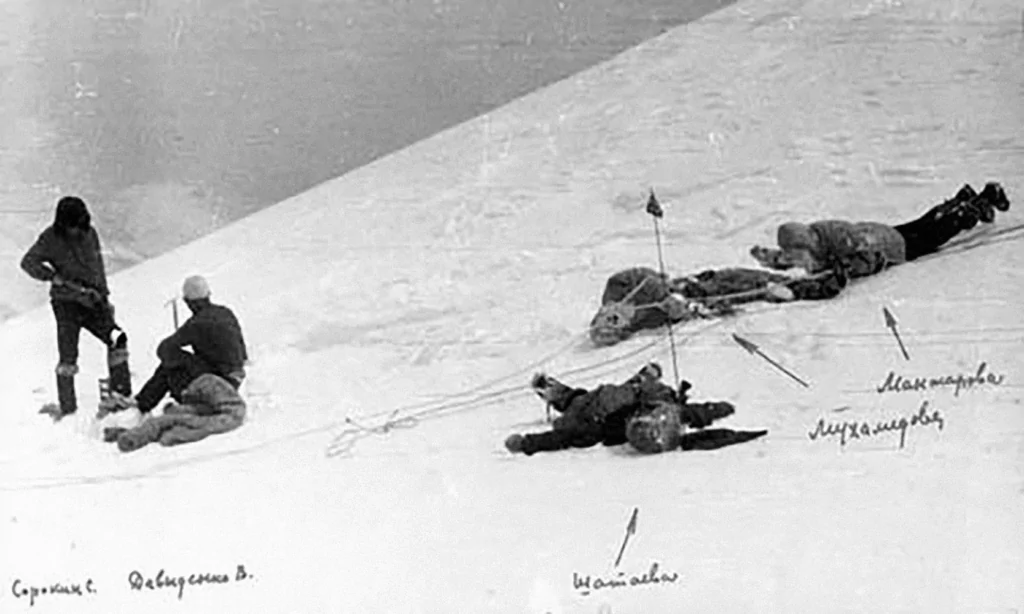
Первая группа нашла только семь тел, не заметив восьмое под одним из них. Следующую группу по поиску погибших вызвался возглавить муж Эльвиры Владимир Шатаев. Он узнал , что группа в опасности, когда был в городе Ош: Шатаева из Москвы отправили обратно в Кыргызстан, чтобы он разобрался в причинах смерти швейцарки Евы Изеншмидт, которая была в составе другой женской команды.
«Мне закралась мысль: как хорошо! Я только что провожал их и теперь встречу на спуске. Когда мы прибыли в Ош, мне сообщили, что группа в опасности. Потом мы добрались до рации, и все стало ясно: все погибли», — вспоминал он.
Шатаев подумал, что японцы не нашли тело, потому что кто-то, возможно, остался жив — и надеялся, что в живых осталась Эльвира. Однако ее тело нашли. Увидев его издалека, Владимир сразу ее узнал: «Хочу сдвинуться с места, но ноги… Цепляюсь за ледоруб, торчащий из снега, и вглядываюсь со страхом, боясь узнать… Отсюда не различишь — нужно подойти ближе… Но я знаю, что это она…» — писал Владимир Шатаев в своей книге.
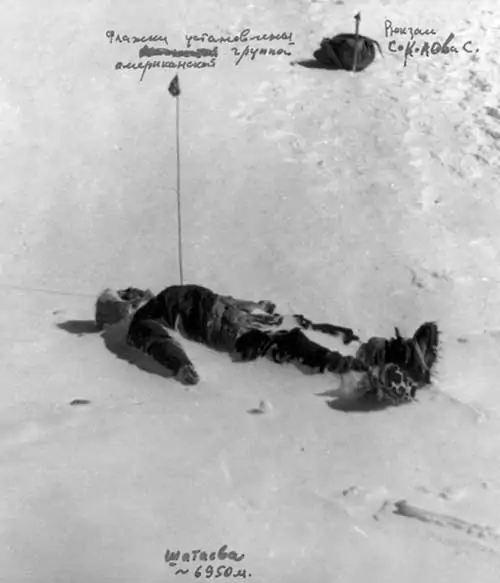
Другие альпинисты оставили их наедине. Шатаев думал, что кто-то должен надиктовать описание трупов на пленку, и решил сделать это сам. Он достал диктофон: «Эльвира Шатаева… Ногами к югу. Голова в капюшоне. Анарака голубого цвета, пуховка. Брюки-гольф, черные, вибрам двойной, на ногах “кошки”. Очков нет. В четырех метрах найдена резинка от очков… В карманах карабин и разные дамские мелочи: маникюрная пилка, щипчики для ногтей, карандаш “Живопись”, круглое зеркальце — разбитое (в трещинах)», — записал он.
Рядом с Шатаевой лежало тело Гали Переходюк. Он подошел к нему и стал описывать отличительные приметы на диктофон. И так — со всеми восемью участницами.
На Галине Переходюк была шапочка, которую ей связала Шатаева. Переходюк жила в Миассе и была единственной матерью в этой группе. У нее остался сын.
Татьяна Бардашева и Ильсияр Мухамедова были из Душанбе. Эльмира Гурмазова описывала Бардашеву как закрытую: они никогда не общались. С Мухамедовой они периодически устраивали поэтические вечера.
Людмилу Манжарову из города Фрунзе Гурмузова называет человеком с «необычными идеями и невероятной энергией».
Спускать тела было дорого и опасно, поэтому спасатели вырыли две братские могилы, где похоронили женщин. В базовом лагере все присутствующие собрались на панихиду в честь погибших. «Это были счастливые и одаренные альпинистки, у которых теперь остались убитые горем семьи и друзья. Они были просто усмирены силами природы, которые были вне их контроля», — сказала , по воспоминаниям Роберта Крейга, одна из присутствующих.
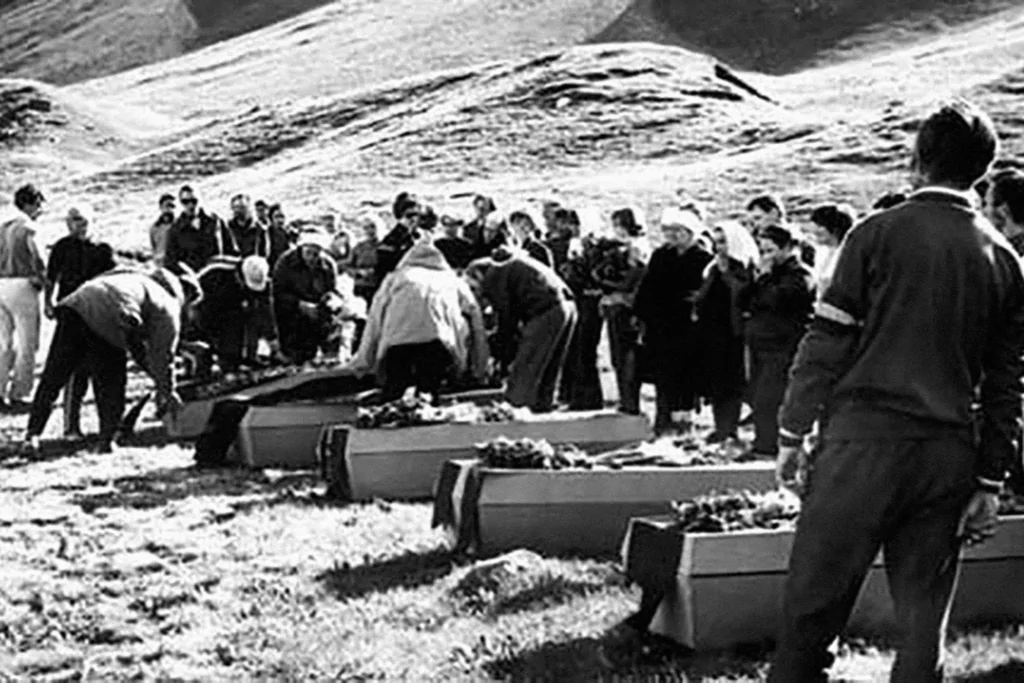
Получилось спустить тела с горы только спустя год: процесс занял две недели. Тела троих альпинисток забрали родственники и увезли на родину. Пятерых, включая Шатаеву, похоронили у подножия пика Ленина на высоте 3600 метров.
На похоронах выступил Шатаев. «Человек всегда будет проверять себя, в том числе и горами. Это не кончится никогда — ни у мужчин, ни у женщин. Я хотел похоронить Элю здесь, на этой земле, у подножия гор. Пока стоит Памир — здесь всегда будут люди… Памир поможет сохранить память о них навсегда», — сказал он.
На поляне Эдельвейсов рядом с горой установили памятник с именами и фото погибших.
Эльвира Шатаева до сих пор остается на Памире.
«Даже мужской организм такого не выдержит!»
В советских СМИ не сообщали об этом происшествии, но о гибели женской группы на Памире быстро узнали в альпинистских кругах. Спортивная комиссия сделала вывод, что альпинистки погибли из-за резкого ухудшения погоды.
За происшествие никого не наказали . Часть вины, по словам Владимира Шатаева, лежит на Виталии Абалакове, который выпустил команду в горы. Эльмира Гурмазова с этим соглашается : по ее данным, он знал о приближающемся урагане за день до него из сообщений по радио, но не предупредил женщин.
 Women created an underground "Abortion" they learned to conduct them on their own and helped thousands of patients, despite the ban on the world 9 minutes of reading
Гурмузова видит еще одну причину катастрофы в недоброкачественных палатках. Об этом писали также американцы Роберт Крейг и Арлен Блум . Последняя назвала снаряжение советских женщин «недостаточно хорошим».
Но вину самих женщин альпинисты тоже не отрицают: «Так или иначе, со стороны девчонок тоже была промашка. Надо было при любых раскладах сразу начать спуск, а не оставаться ночевать на семитысячной высоте. Даже мужской организм такого не выдержит! Да, туман был сплошной, не видно ничего. Ну так иди обратно по пути подъема, где ты уже все знаешь», — говорил Шатаев. Крейг предполагал, что команда Шатаевой не пошла по пути подъема, потому что до конца не отказалась от мысли штурмовать две вершины.
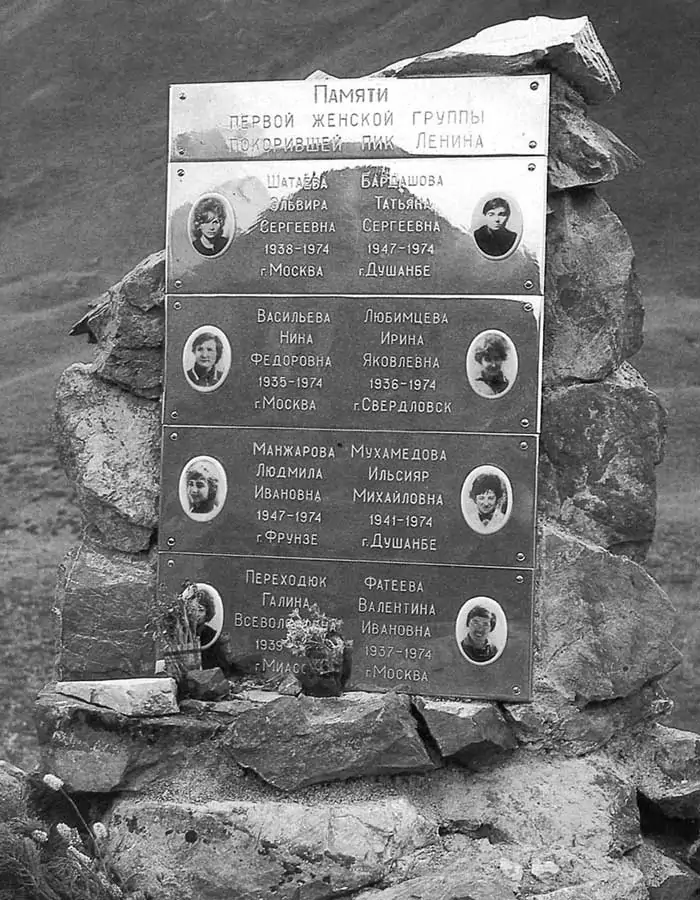
Так или иначе, после трагедии в Советском Союзе на 20 лет ввели неофициальный запрет на формирование женских команд для восхождений. В составе альпинистских групп должно было быть не больше одной женщины. Разрешение на восхождения полностью женскими группами в спортивном комитете дали только после распада СССР.
По словам инструктора первого всероссийского очного Женского кубка Федерации Альпинизма России Ирины Морозовой, к женским восхождениям в России относились скептически даже в 2000-е годы. Она рассказала, что из-за многолетних ограничений инструкторы перестали грамотно обучать девушек техническим приемам, а ей понадобилось много лет, чтобы убедить Федерацию альпинистов России сделать официальные женские зачеты в чемпионатах.
Даже спустя несколько десятилетий про трагедию группы Шатаевой выходили заметки с заголовками «Не женское это дело». Муж Эльвиры писал в своих мемуарах «Категория трудности», что считает физические возможности женщин в альпинизме хуже, чем у мужчин. «К сожалению, альпинизм — удобная штука для женской “игры в мужчин”. Оговорю, однако, — я вовсе не выступаю против того, чтобы женщины ходили в горы. Я только сделал вывод на основании опыта, что нужно реалистично смотреть на соотношение сил, на женские возможности в этом виде спорта», — считал Шатаев.
Гибель группы Эльвиры Шатаевой была крупнейшей трагедией на пике Ленина до 1990 года. Тогда из-за землетрясения с горы сошла лавина, и погибли 43 человека — и женщины, и мужчины.
In order not to miss the main materials of the "cold", subscribe to our social networks! Telegram
  Instagram
  Facebook
  Tiktok
  X
X"Cold" needs your help to work further
We continue to work, resisting prohibitions and repression in order to maintain independent journalism for Russia the future. How do we do it? Thanks to the support of thousands of caring people.
What are we dreaming about?
About simple and at the same time complex - the ability to work further. Life will change many times beyond recognition, but we, the editors of the Cold, want to stay with you, our readers.
Support the “cold” today, so that we continue to do what we are best done - to be independent media. Thank you!
Поддержать Авторы: Рая Хачатрян, Марина Кирюнина Редактор: Максим Мартемьянов