
Translated material
Scars of the Tundra
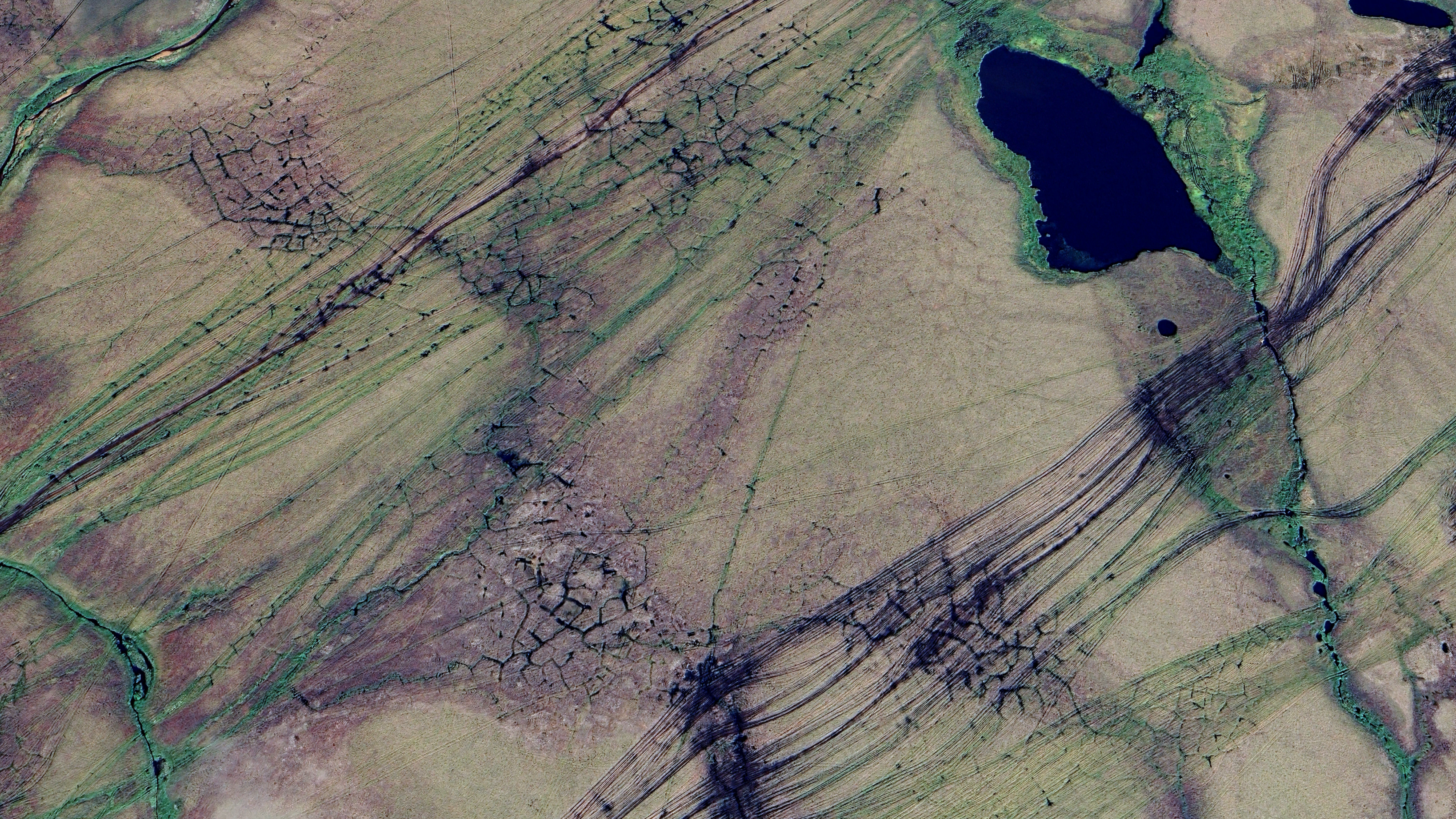
We tell you how heavy equipment in the Russian Arctic affects the ecosystem, climate and indigenous people in our research.
The heavy tracked all-terrain vehicle, delivering cargo across snowy terrain and summer swamps, has become a symbol of the conquest of the tundra.
In eight Arctic regions of the country, Arctida discovered dozens of cases of large-scale destruction of vegetation in the tundra due to the movement of heavy vehicles. Some routes, visible from space and stretching for kilometers, may have existed since Soviet times and are still expanding.
About what consequences this leads to nature and people and how to prevent further destruction of the tundra - in the study by Arctida, published together with NeMoskva and Most.Media .
Typical landscape
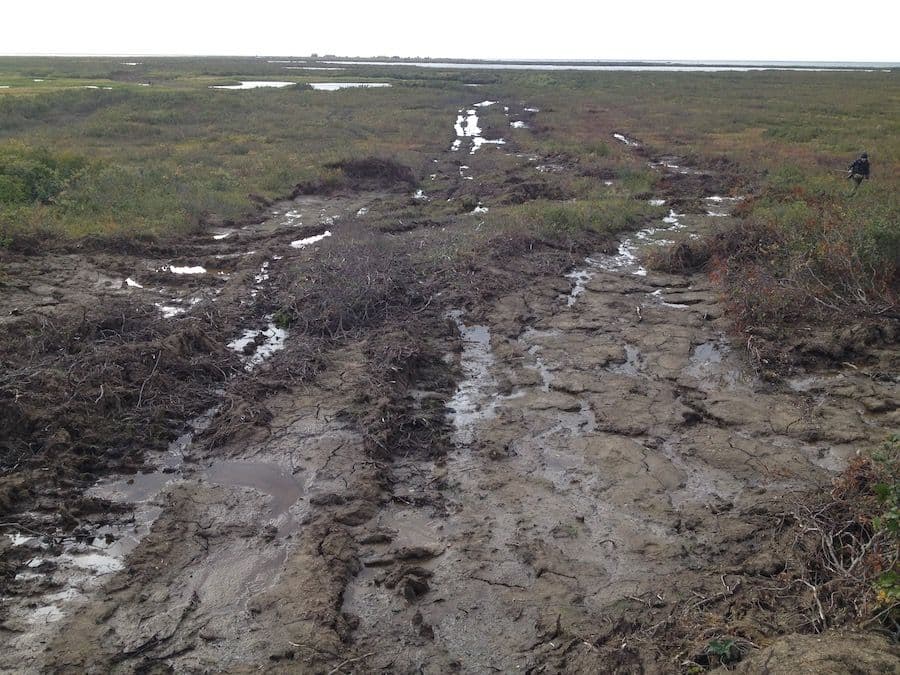
The tracked all-terrain vehicle “cuts” through the snow-free tundra, leaving behind deep ruts in the soil and a swamp - this is what normal movement in the Arctic has looked like in the summer for decades.
“A typical landscape for the Russian tundra,” a Russian environmental expert who has visited the northern regions of the country many times describes the all-terrain tracks in a conversation with Arctida.
Even if you have never been to the tundra yourself, today you can see these routes in photographs from space.
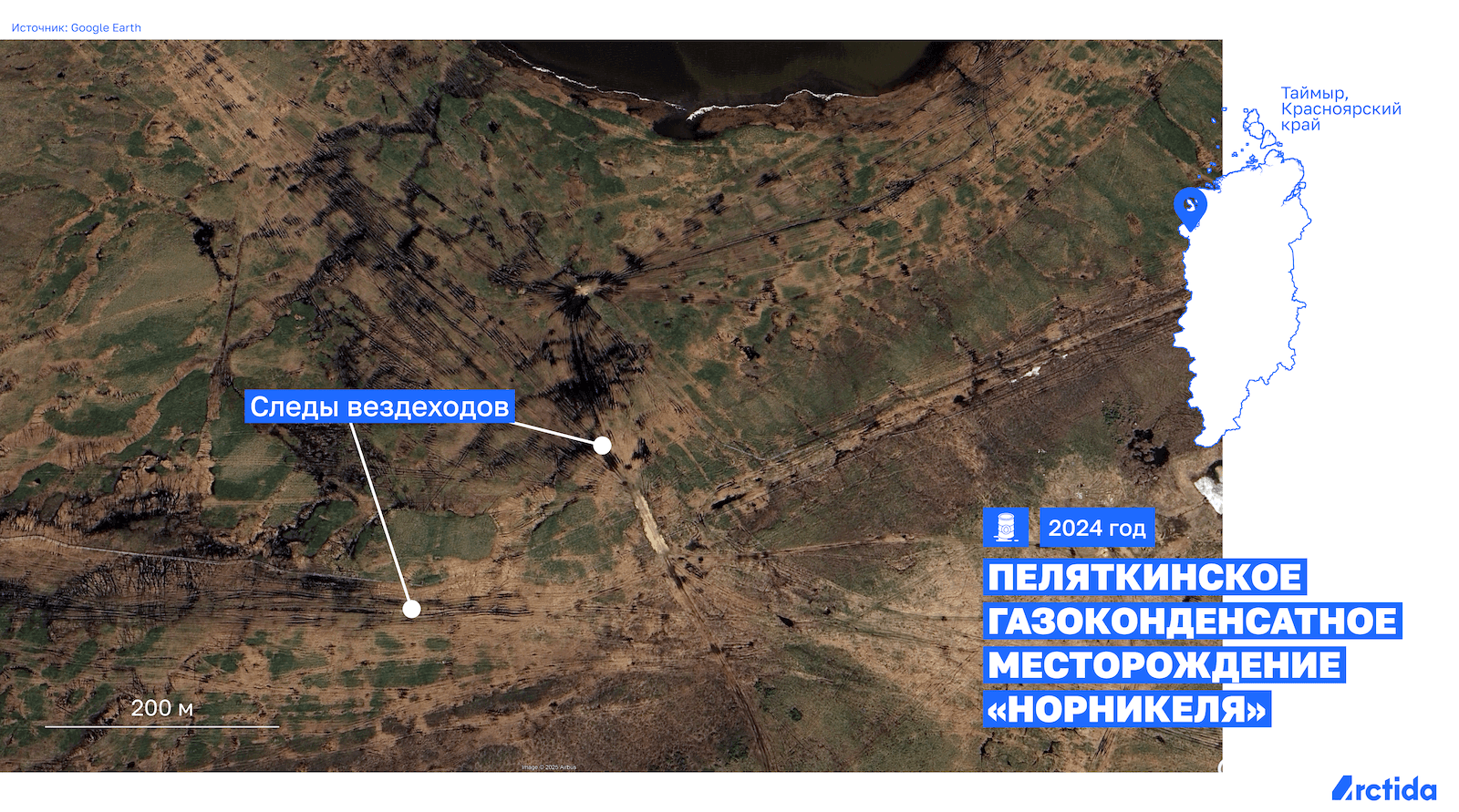
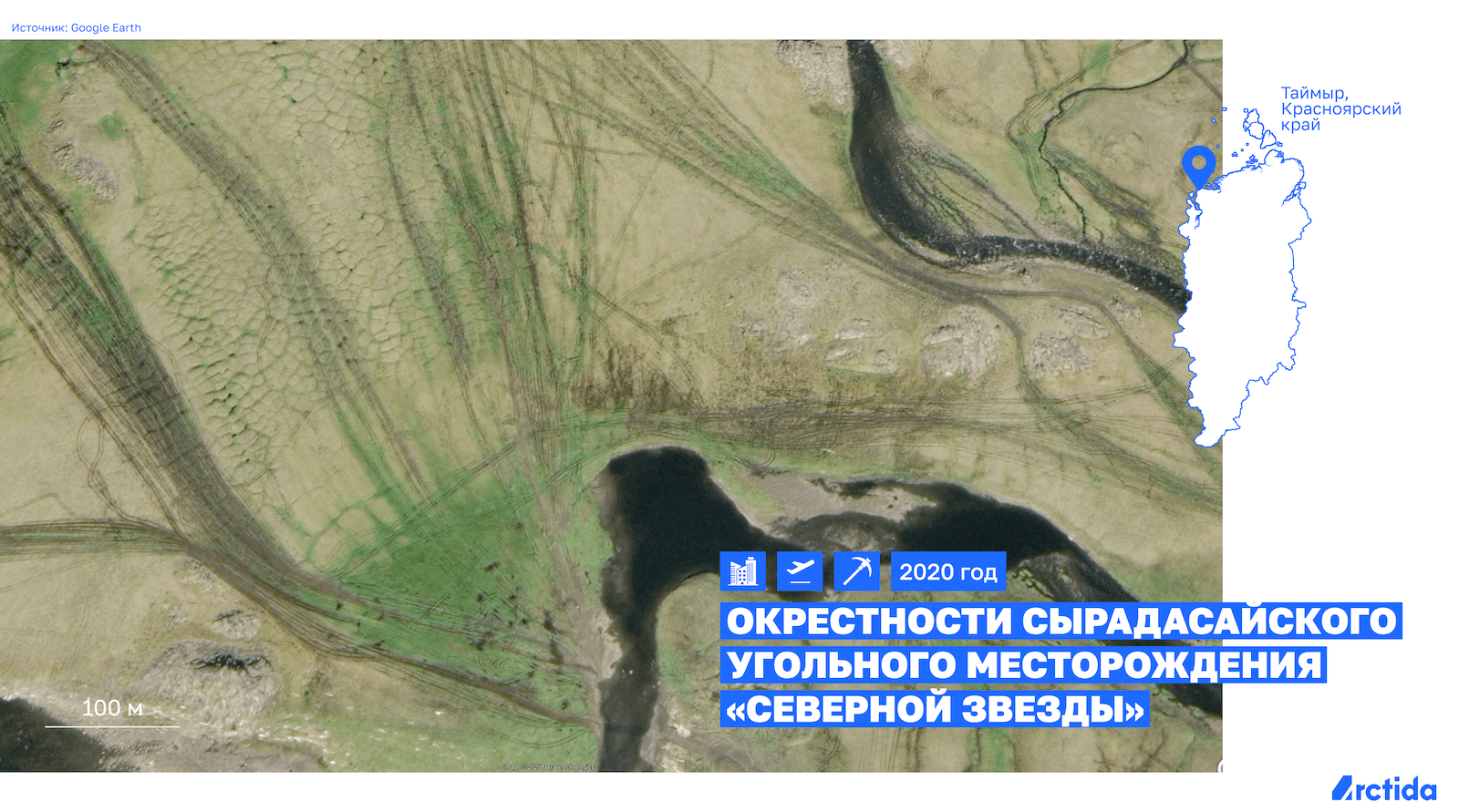
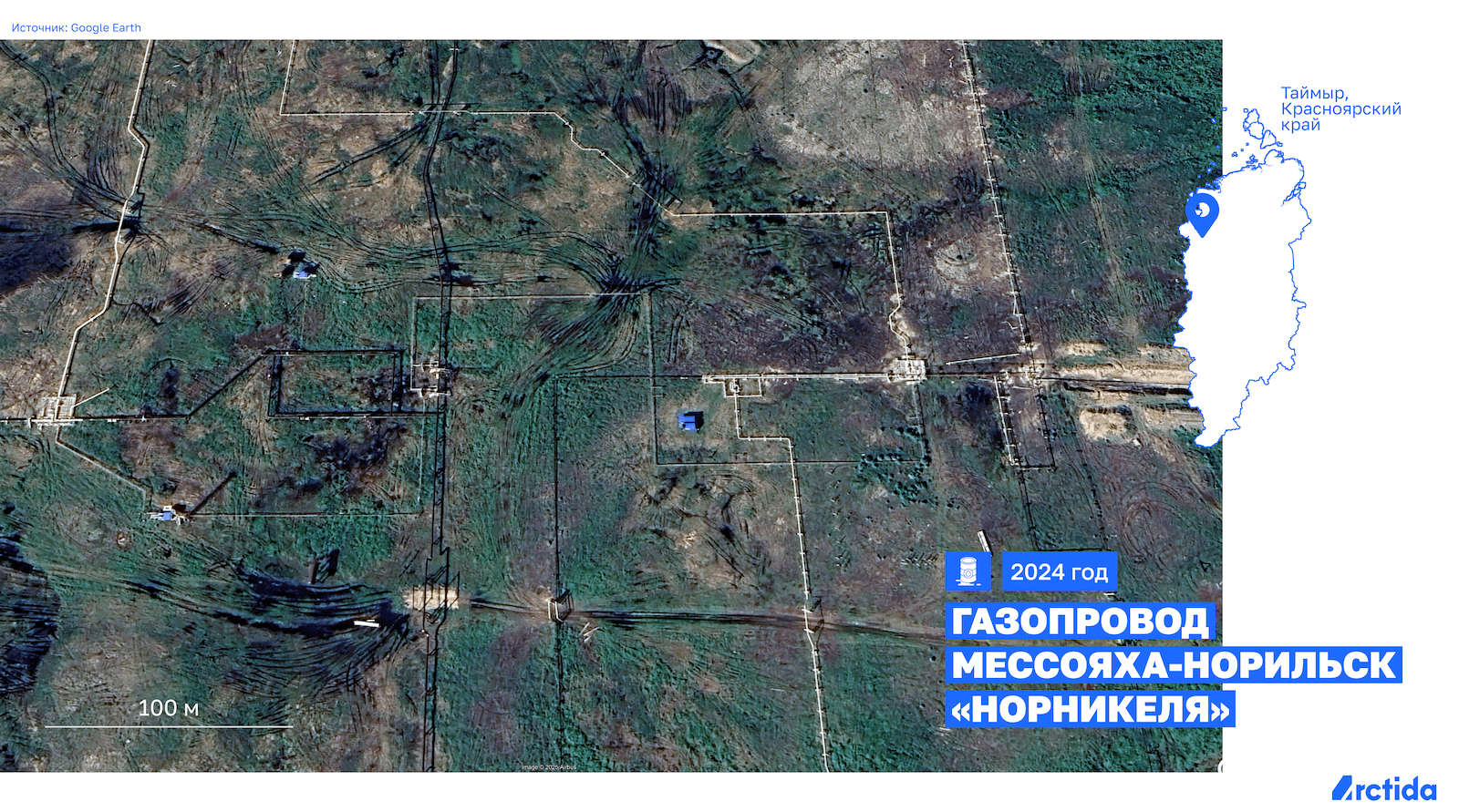
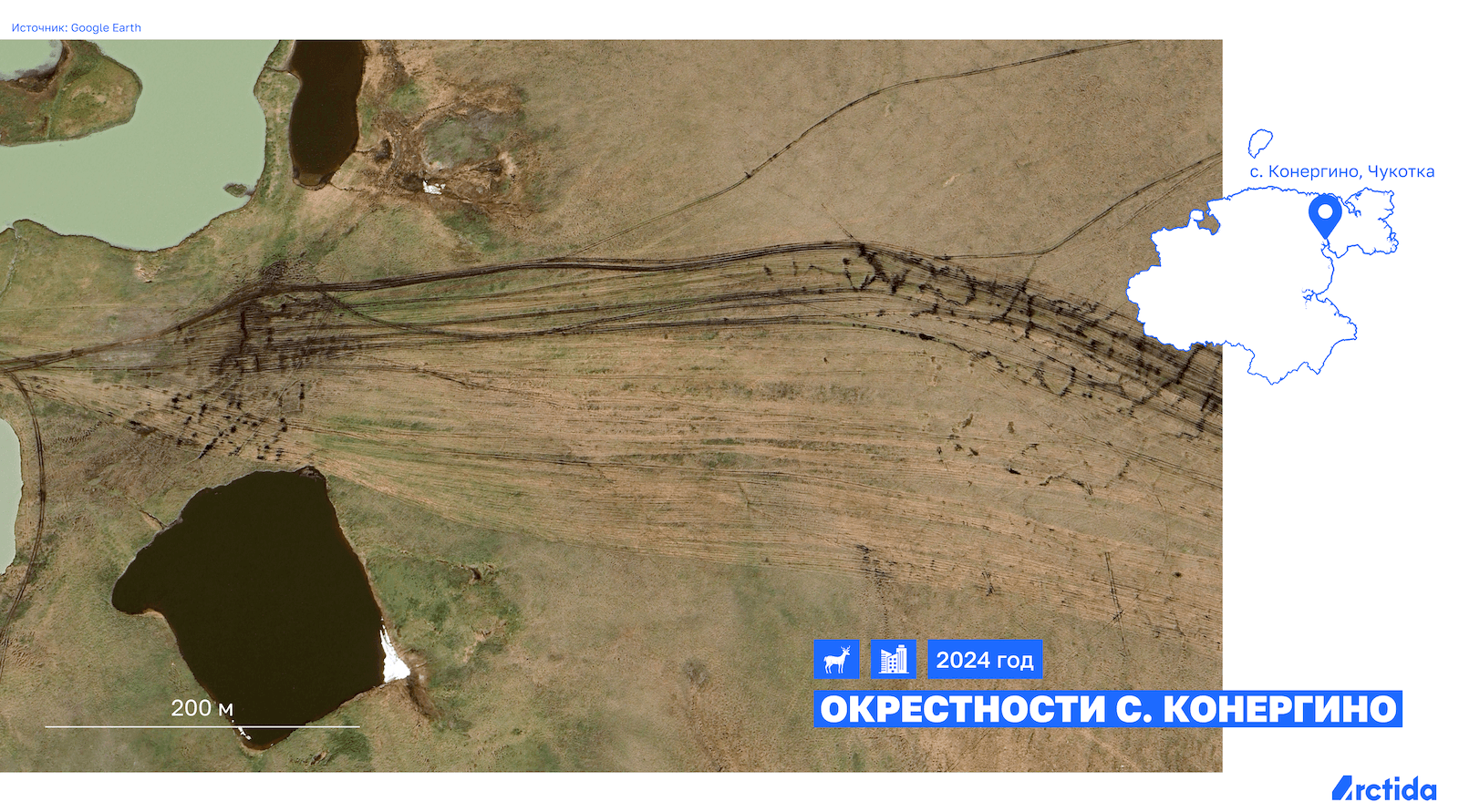
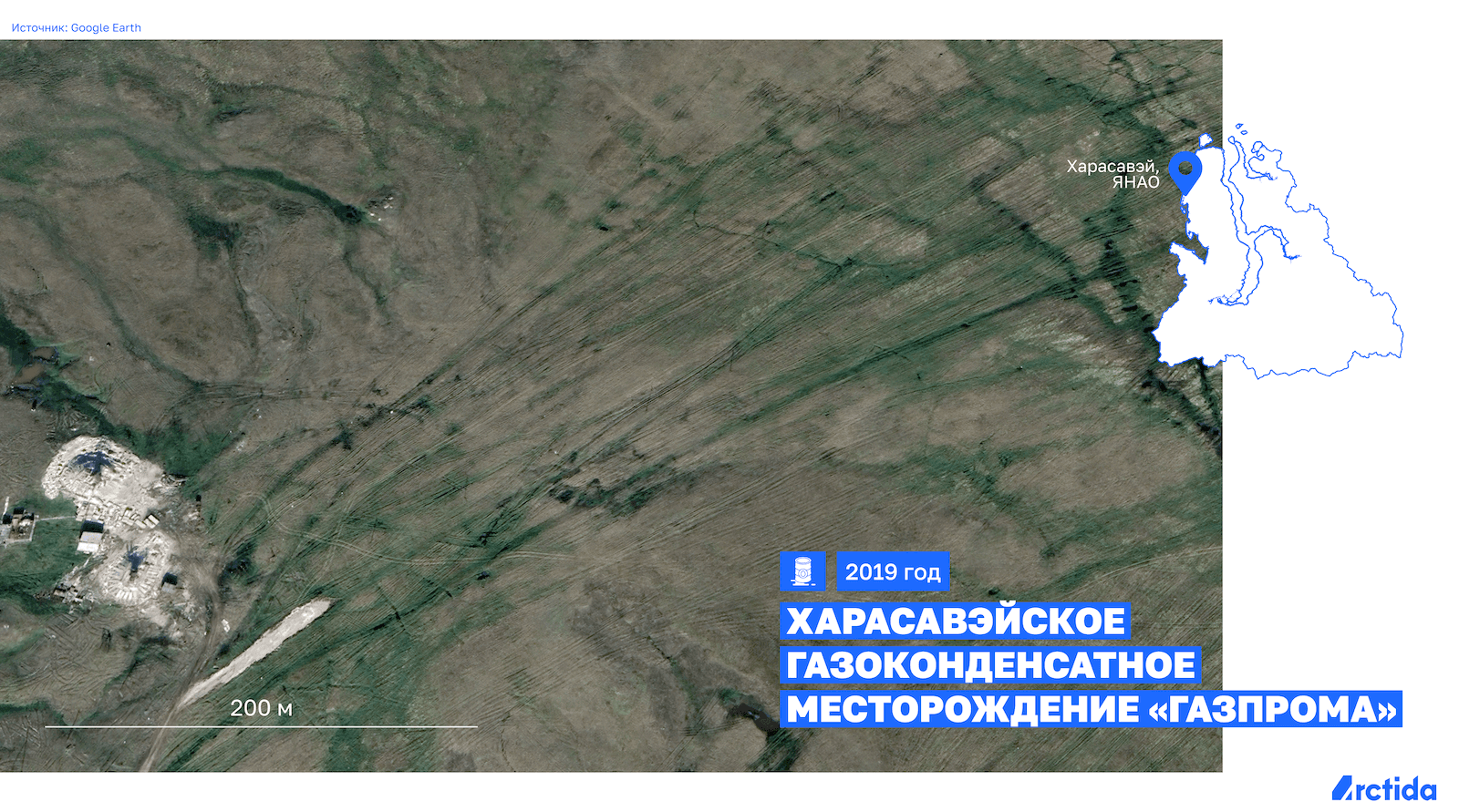
The tracked all-terrain vehicle, which helps overcome the most difficult areas, came to the Russian Arctic in the second half of the last century, during the active development of the north by Soviet power. Evidence of that era can be found in the records of polar explorers:
“We burst into this world [the Arctic] with our roaring machines, rushed back and forth across the island, wounded the tundra with steel tracks, [...] my beloved Arctic takes a very long time to heal the wounds that were so easy to inflict on it,” recalls geophysicist Lev Lipkov of an expedition to Kotelny Island in Yakutia in 1972.
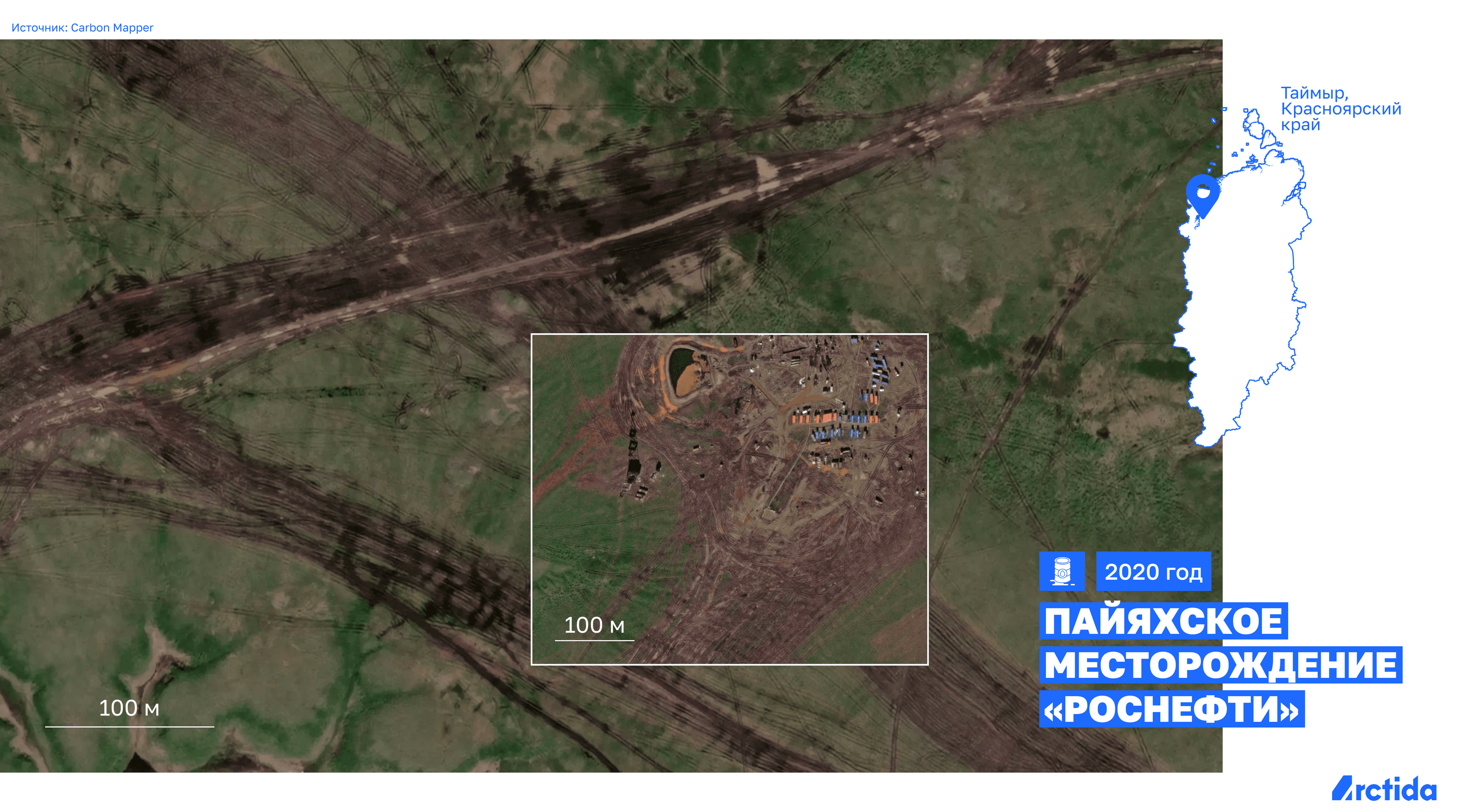
Little has changed since then: the ruts of heavy all-terrain vehicles remain one of the most common human imprints in the Arctic. Everyone travels on this transport: geologists, coal miners, oil workers, military personnel, scientists and local residents.
“Any populated area is considered as a stronghold for further geological exploration or the construction of military bases. And as a rule, these are always all-terrain roads that bring it all together. And if you google any village, these all-terrain vehicles spread around it like a spider’s web,” comments an environmental expert who wished to remain anonymous.
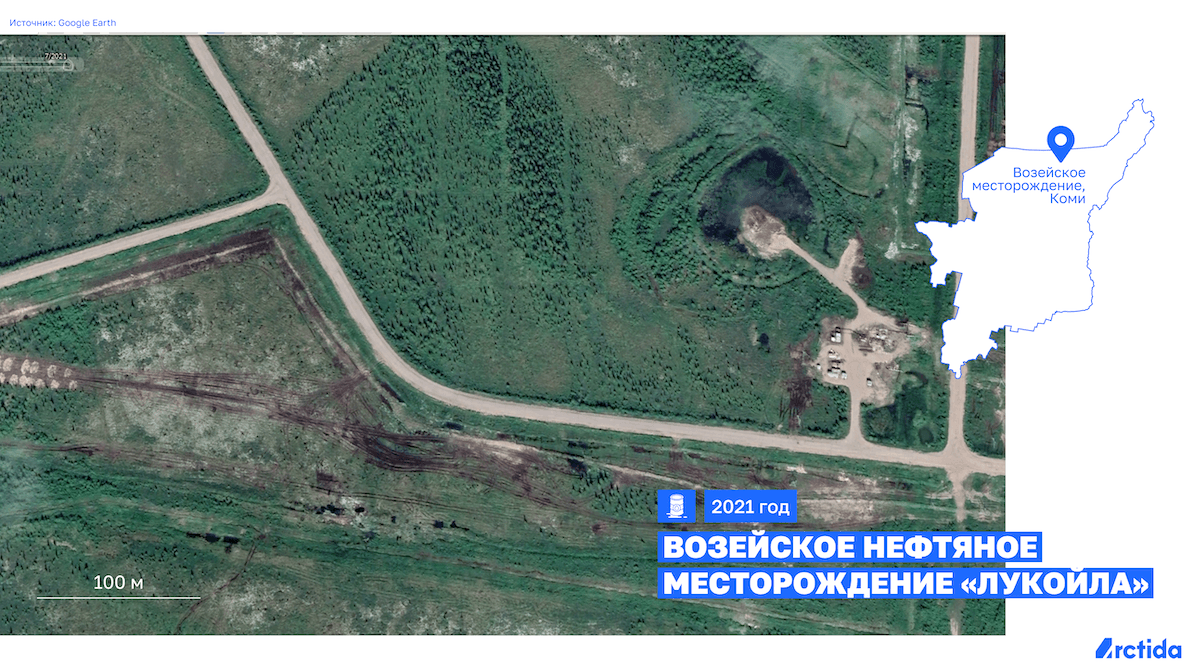
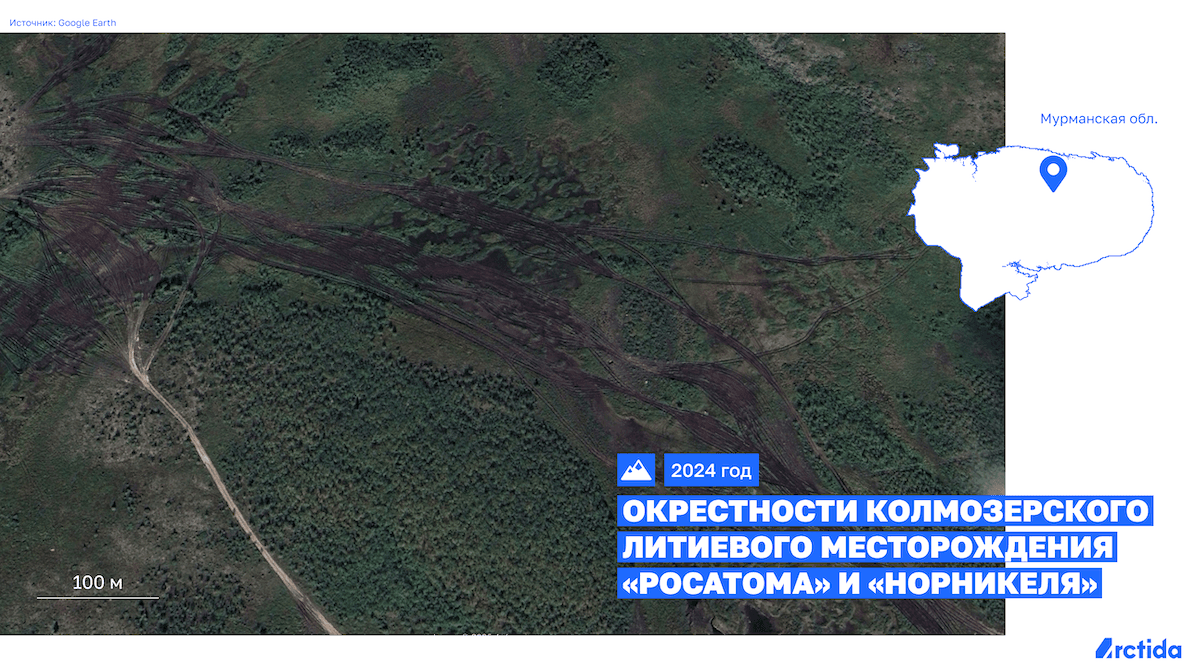
Heavy equipment - on a fragile ecosystem
The movement of heavy equipment is one of the main risks posed to tundra vegetation by industrial activity, along with seismic exploration, mining, oil spills and road construction.
Destruction of vegetation and animal habitats
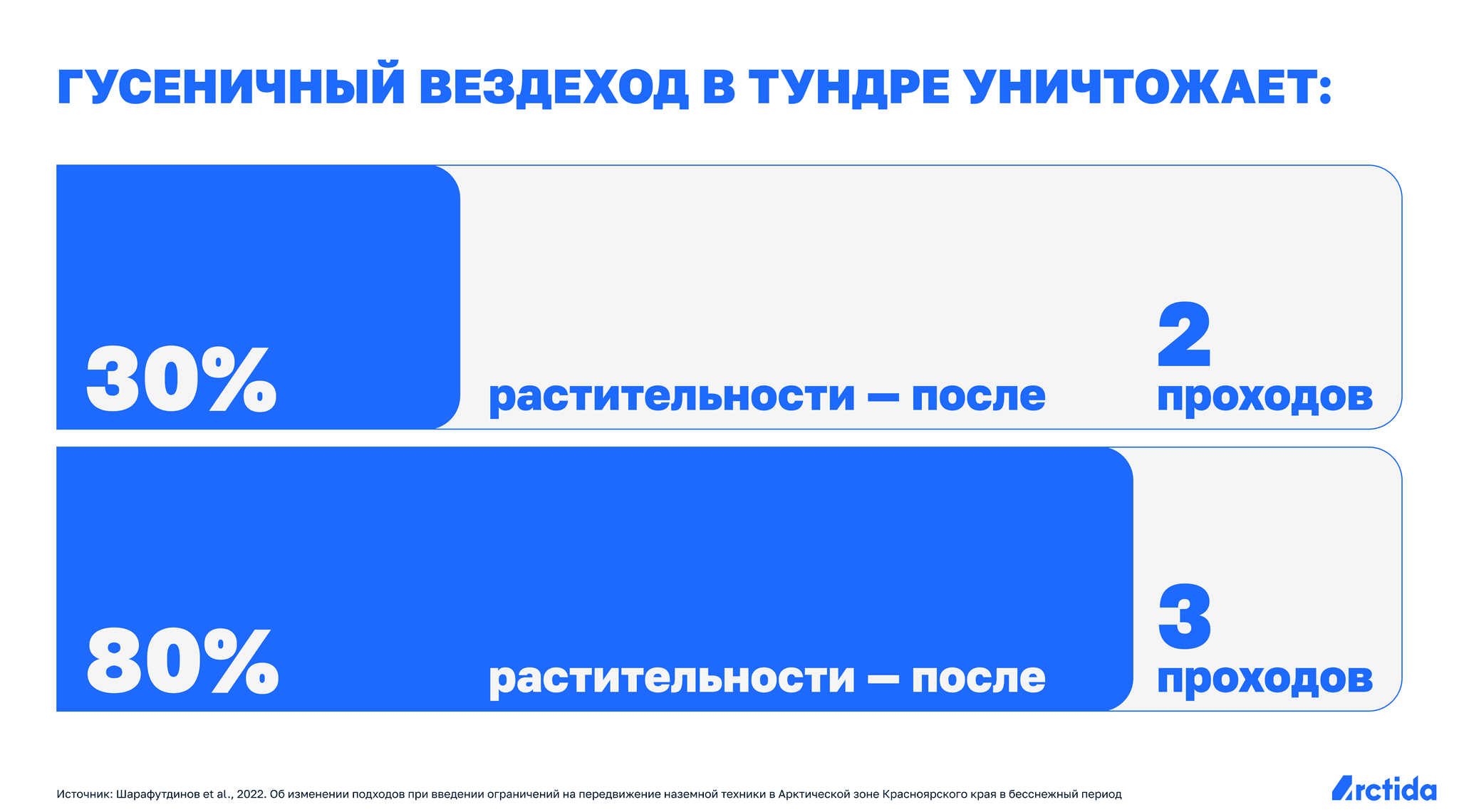
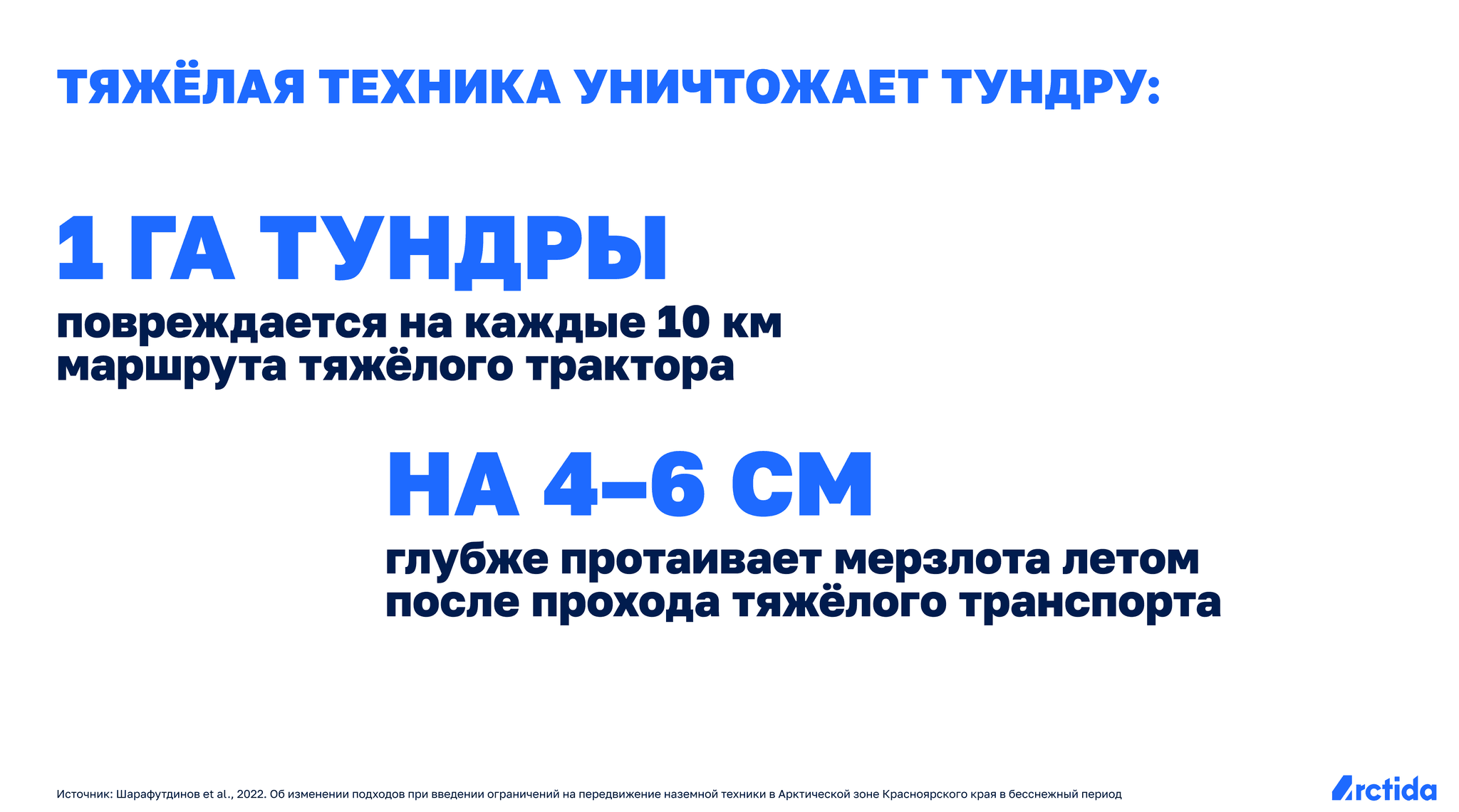
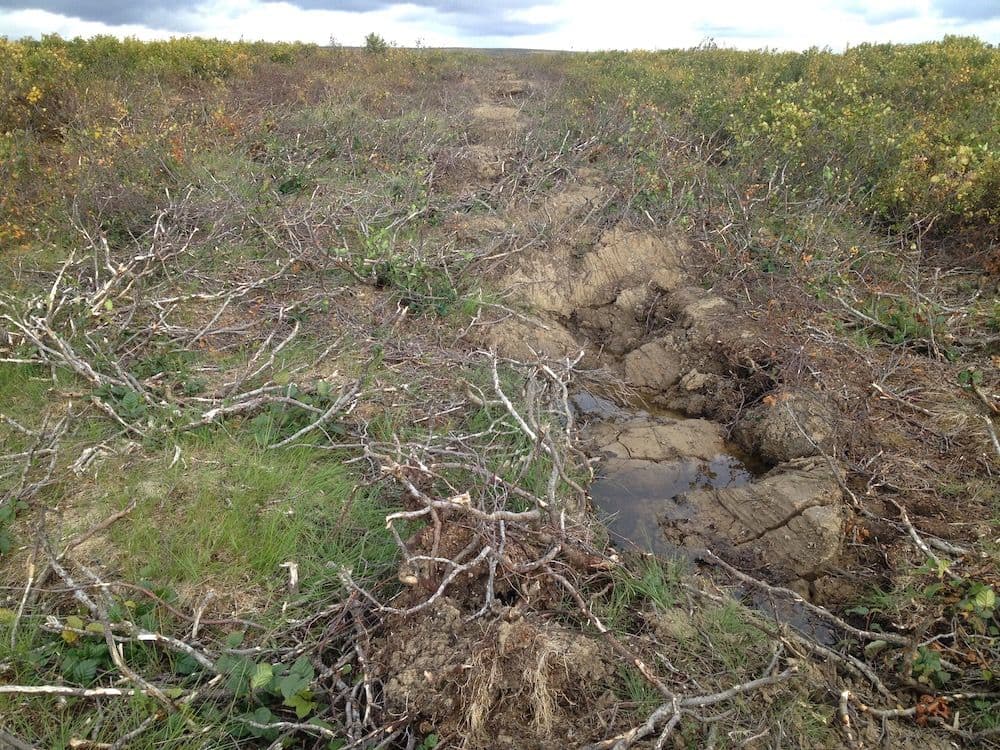
Heavy tracked vehicles create high pressure on the ground. And if in winter on a thick layer of snow this does not pose a serious threat, then in the warm season, when equipment passes through unprotected soil, the situation changes radically. According to Russian scientists, on the Taimyr Peninsula and in Yakutia, one heavy tractor disables a hectare of tundra surface for every 10 km of route. If a tracked all-terrain vehicle passes twice, it destroys vegetation by 30%, three times - by 80%.
What’s worse, all-terrain roads widen over time: the track becomes swamped after the first pass of the all-terrain vehicle, the equipment cannot move along it, and the next time it drives next to it. Because of this, ruts are formed hundreds of meters wide and kilometers long, visible from space.
“The area was dotted with all-terrain tracks,” a conservation expert comments on his visit to the Yugyd-Va National Park in Komi in the mid-1990s. “Where I was, there was an [all-terrain] track half a meter deep. Somewhere it is overgrown, but there are fresh traces in particularly vulnerable areas that are susceptible to erosion. It [the rut] is deep, right down to the bedrock. Accordingly, this route goes for kilometers along the mountain tundra, and little by little it is washed away by the rains, washed away to its roots.”
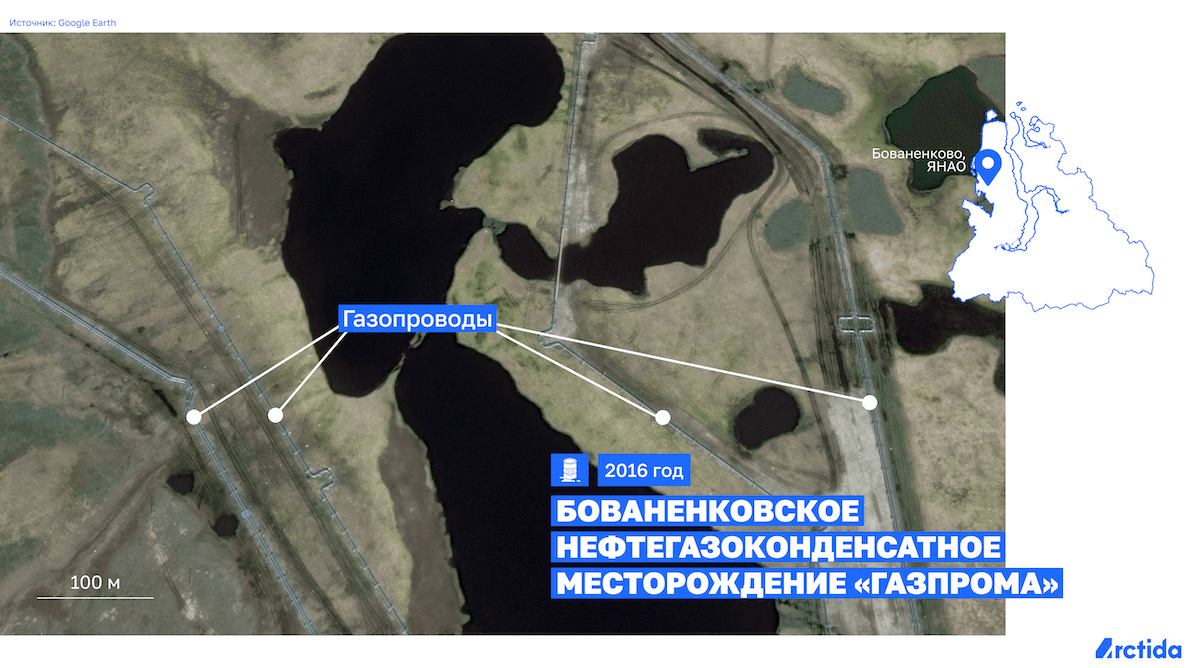
Research shows that arthropod populations and vegetation species diversity are reduced in tundra transport ruts. Small tundra shrubs are especially vulnerable, for which even a single passage of heavy equipment can be fatal. In the vicinity of the Bovanenkovo gas field in Yamal, due to “uncontrolled off-road movement of tracked vehicles” and other industrial activity, scientists discovered destroyed arctic fox burrows . Research there has also shown that no plant community is able to withstand repeated passages of tracked vehicles.
Due to the harsh climatic conditions of the north, damaged soil cover can take hundreds of years to recover or not recover at all . Returning the ecosystem to its original state is practically impossible even when, due to the impact of the all-terrain vehicle, active thawing of permafrost began and the soil began to subsidence.
Permafrost is melting faster
Permafrost in the Arctic is melting today due to a man-made climate crisis - but if tracked vehicles pass over it, permafrost degradation intensifies.
The fact is that the vegetation cover creates an insulating layer on the surface of the permafrost. It fixes the soil and the carbon accumulated in it over thousands of years and protects the permafrost from heating during the warm season. Heavy equipment destroys this buffer, the soil is eroded, and the permafrost thaws deeper - according to some calculations , by 4-6 cm even two years after the impact of transport.
The soils in the tundra store huge reserves of carbon - about twice as much as in the entire atmosphere of the Earth. And the more frozen soils melt, the greater the emissions of greenhouse gases that increase climate change.
Russian researchers working in Taimyr noted that due to the movement of tracked vehicles, the soil layers are mixed, which increases their thermal conductivity and decreases their reflectivity - and the permafrost melts more. The movement of any equipment, even light ones, in such places is unacceptable in the next 7-15 years, scientists conclude.
Damage to indigenous peoples
The widespread use of all-terrain vehicles in the Russian Arctic causes significant damage to the traditional way of life of indigenous peoples. By destroying moss, a type of lichen that deer feed on, it leads to the degradation of reindeer pastures . Today this is called one of the main environmental problems for reindeer husbandry. Disturbed pastures take a very long time to recover, and in some cases die .
This leads to a violation of the constitutional rights of indigenous peoples to conduct traditional environmental management and protect their original habitat, because for many indigenous people, reindeer herding is a source of livelihood.
As an anonymous representative of the indigenous peoples of Chukotka told Arctida, in the Providensky district of the region, the entire tundra has been “dug up” by all-terrain vehicles, and in their ruts the permafrost is exposed and melting.
“Traces from all-terrain vehicles all over Chukotka. [...] We depend on the tundra: reindeer food, we collect berries, mushrooms and plants for our food. And of course, this affects the habitat and climate in the big picture,” comments a representative of the indigenous people.
In Yamal, along the ruts of tracked all-terrain vehicles, lichens die and are replaced by other species. As a result, lichen pastures have practically disappeared on the peninsula, and the ecological situation is assessed as “critical.”
In Taimyr, the dominance of heavy transport prevents the indigenous people from gathering and fishing.
“Local indigenous residents in Baikalovsk said that when there are so many of these vehicles, it becomes problematic for them to go to the tundra or fish in lakes, pick berries and mushrooms, which is a significant source of food and income for local residents,” a researcher of the Russian north, who observed “huge” all-terrain tracks in the area of the village of Munguy on Taimyr in 2016, told Arctida .
Reindeer herders from Komi also recognized the problem in 2017, estimating the restoration time for moss at 25-30 years. Chairman of the Reindeer Herder cooperative Sergei Pasynkov, speaking then about the uncontrolled movement of all-terrain vehicles across the tundra, posed the question directly: “Where should reindeer herders go?”
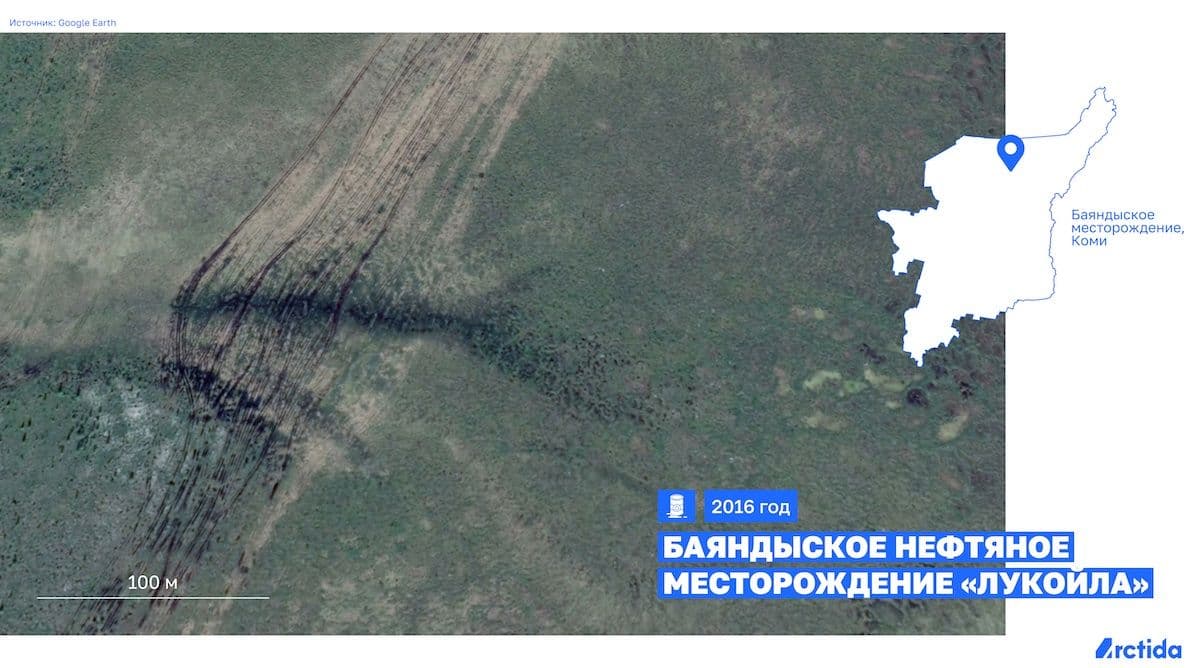
What did Arctida find?
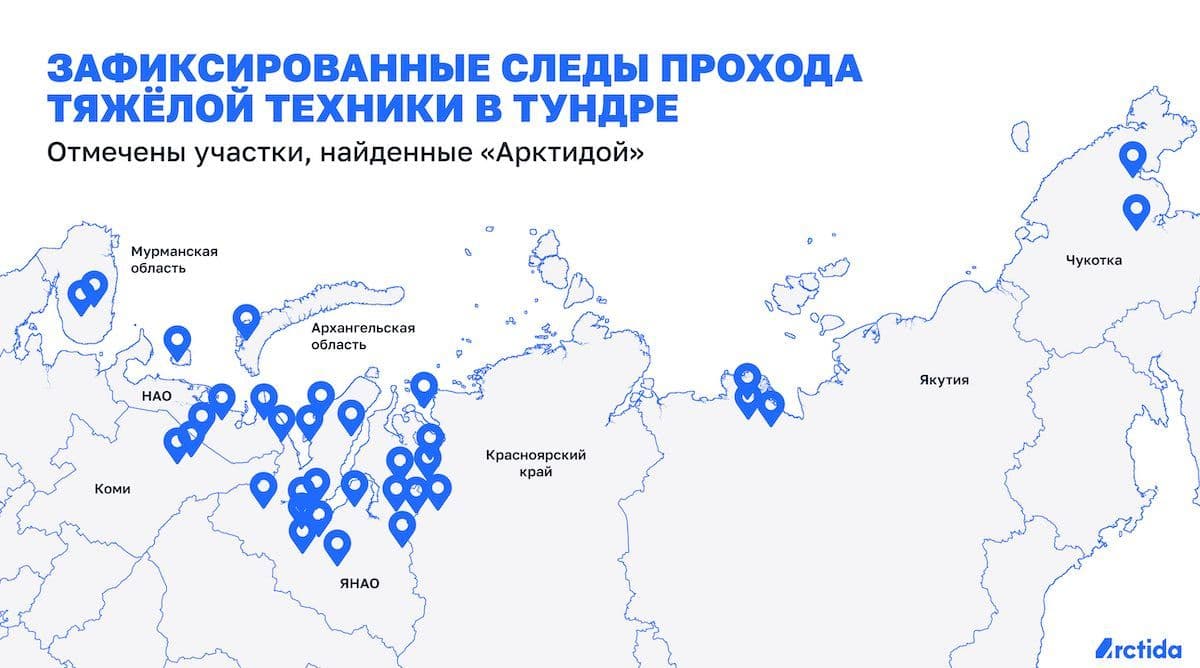
Using space monitoring data, Arctida discovered 34 cases of traces of the passage of heavy tracked vehicles in eight regions of the Russian Arctic: Krasnoyarsk Territory, Yamalo-Nenets Autonomous Okrug, Nenets Autonomous Okrug, Komi, Yakutia, Arkhangelsk and Murmansk regions and Chukotka . There may be more traces - this is what we were able to find from open sources. The absence of traces found in Karelia and Khanty-Mansi Autonomous Okrug may be due to the predominance of taiga in these regions, where movement on all-terrain vehicles is problematic.
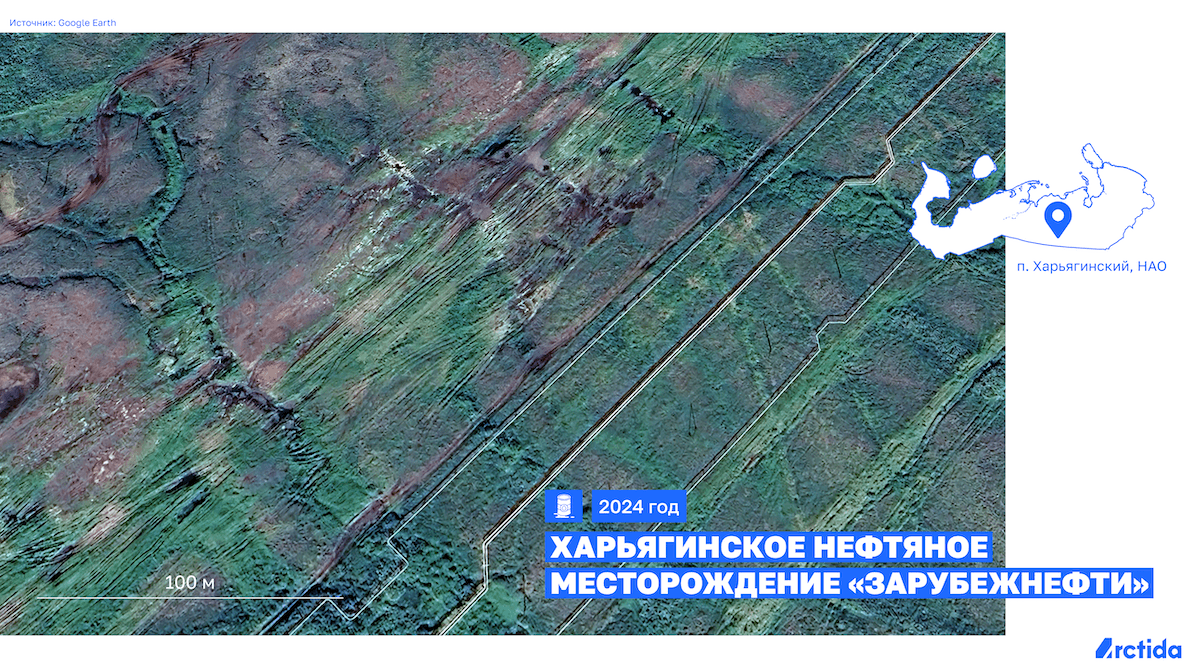
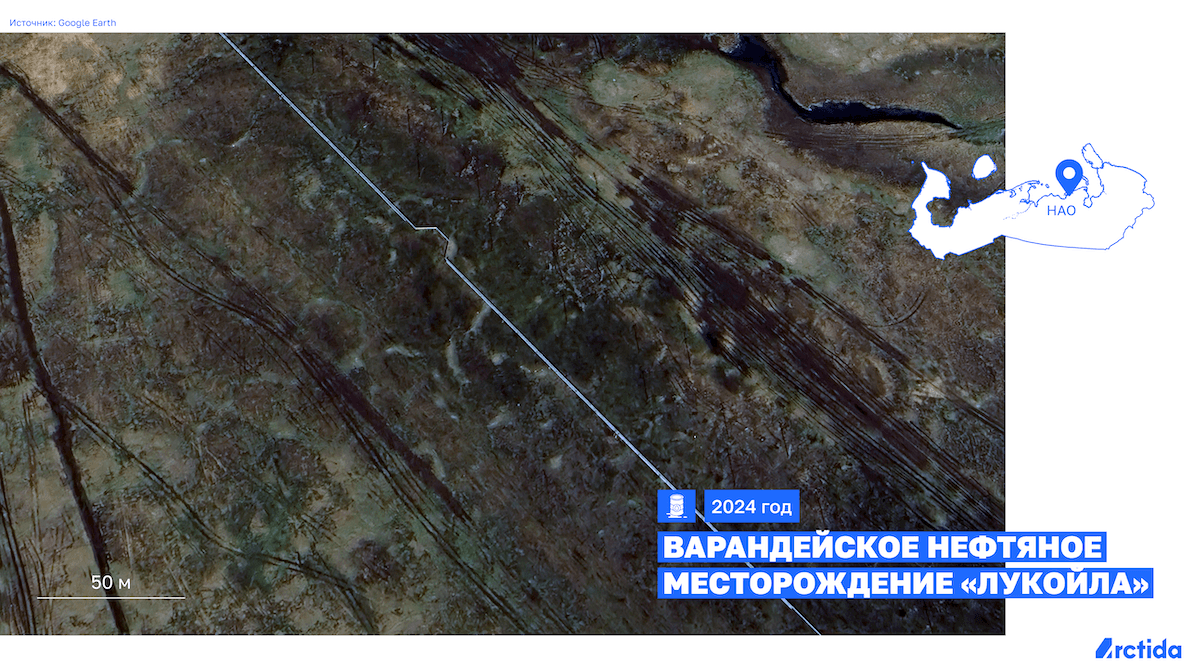
In two locations - in the vicinity of the Varandey and Kharyagin oil fields in the Nenets Autonomous Okrug - the tracks found by Arctida cross deer pastures . This is prohibited by regional legislation , except in cases of special permission or rescue operations.
In one location in the Murmansk region (Semiostrovie) , the tracks are located within the boundaries of the Nizhneponoysky nature reserve , where the movement of tracked vehicles is prohibited .
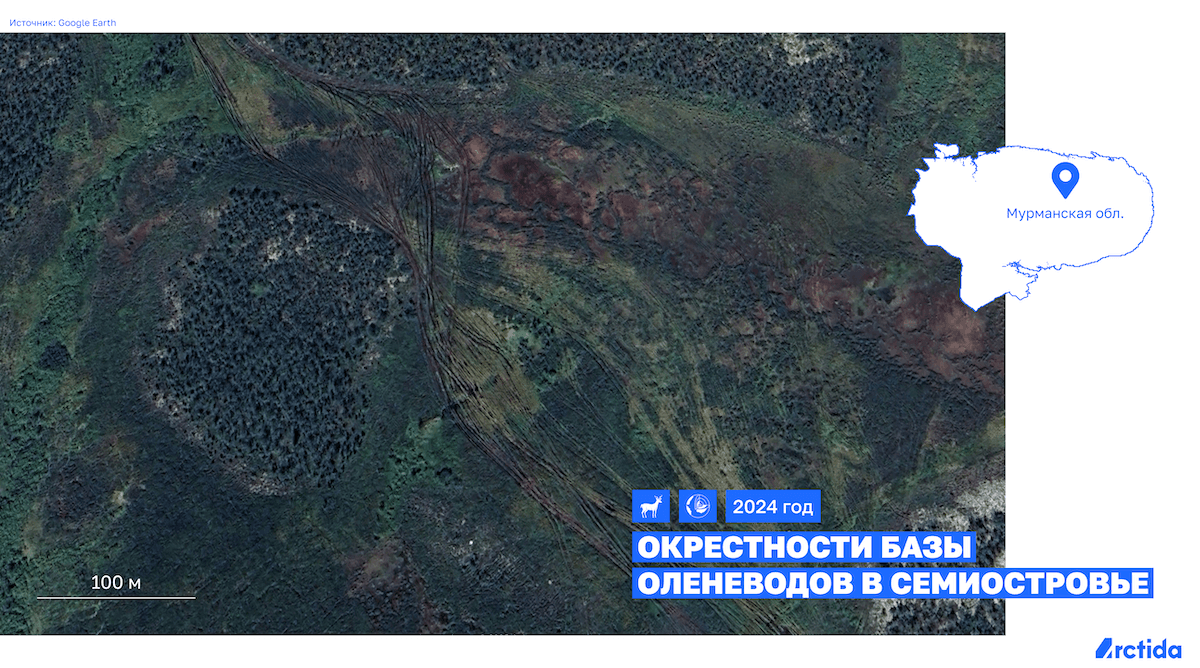
It is impossible to say for sure whose all-terrain vehicle passed through a specific place and for what purpose - but assumptions can be made based on industrial facilities and populated areas nearby. Traces may be associated with the maintenance of the following activities or facilities:
- Oil and gas infrastructure - 19 cases;
- Locality - 12 cases;
- Traditional nature management (reindeer husbandry, fishing, hunting) - 8 cases;
- Airfield - 5 cases;
- Mining activities, geological exploration, coal deposits, military infrastructure - 1 case each.
List of found points
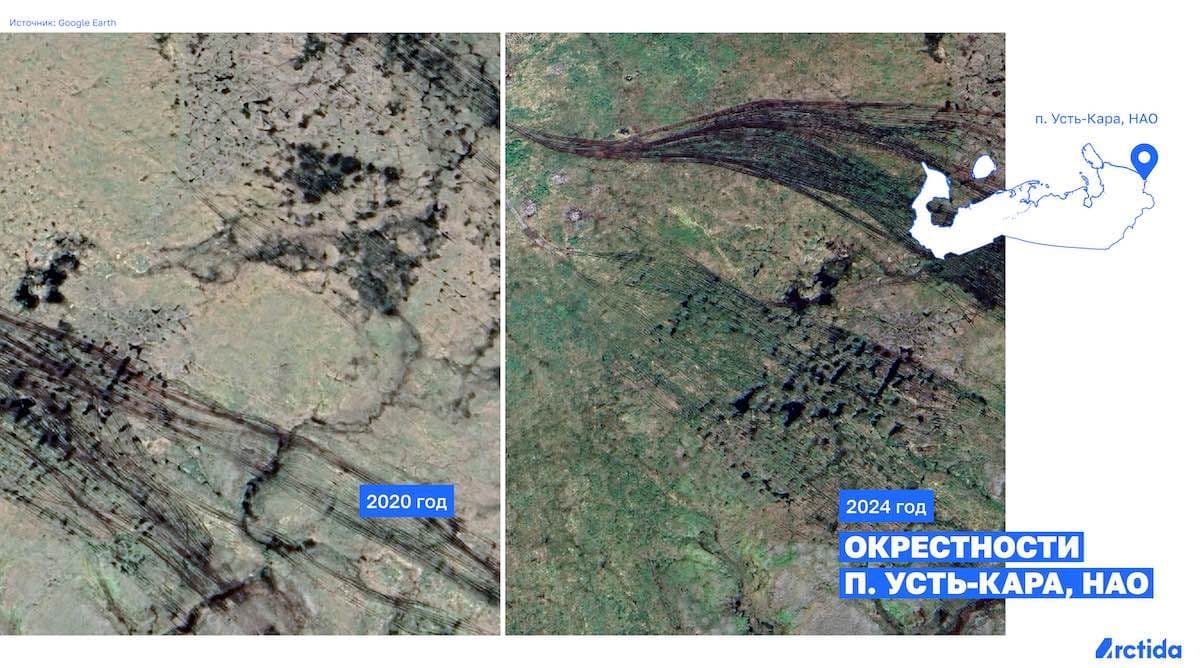
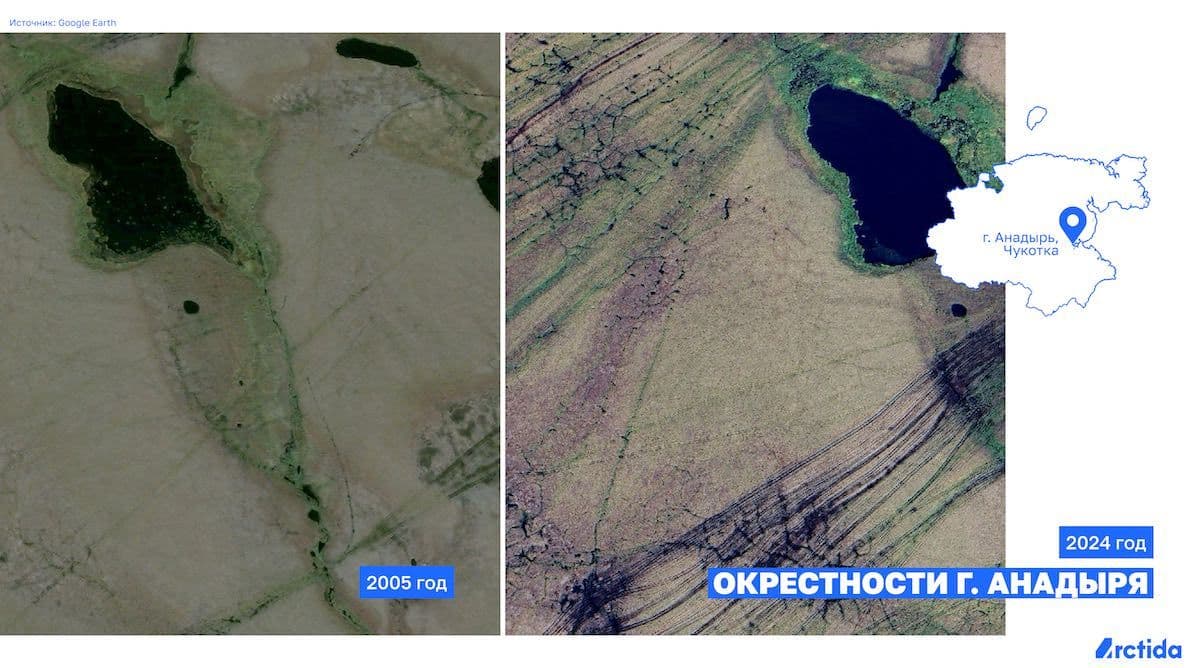
Despite the fact that it is impossible to say exactly in what years the traces were left on a particular satellite image (we can only talk about the year of the image itself), the presence of comparisons of the same locations over different years allows us to say the following:
- All-terrain roads from Soviet times still remain - they can be found in modern photographs. This may confirm both the slow restoration of vegetation and the continued use of these routes.
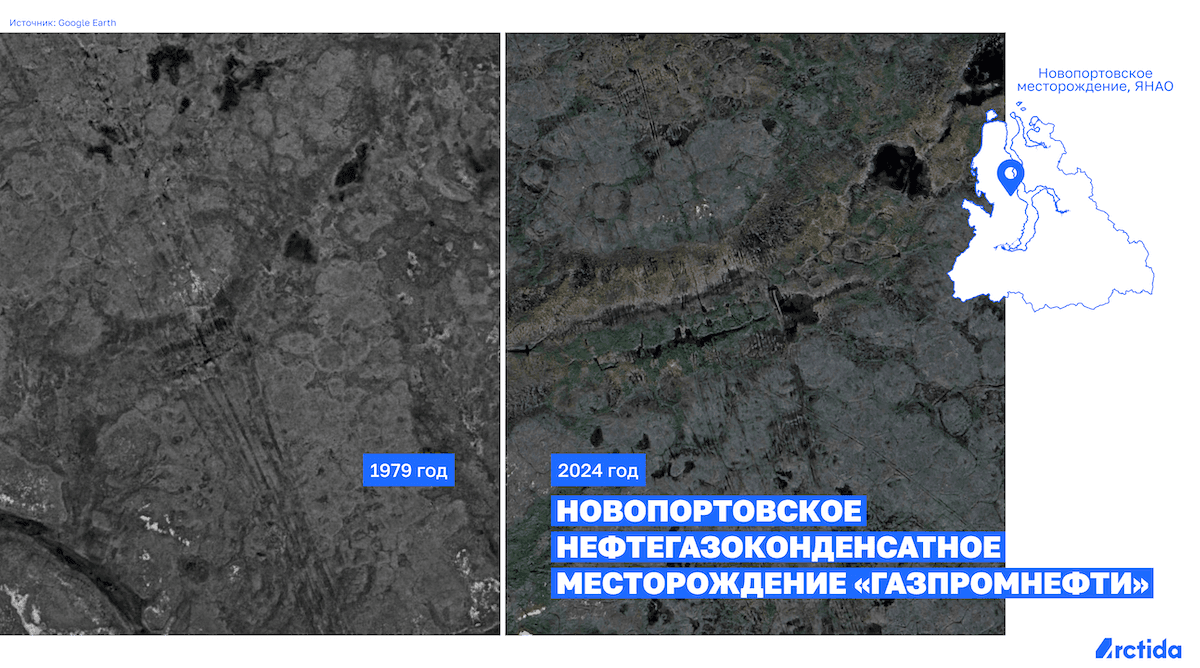
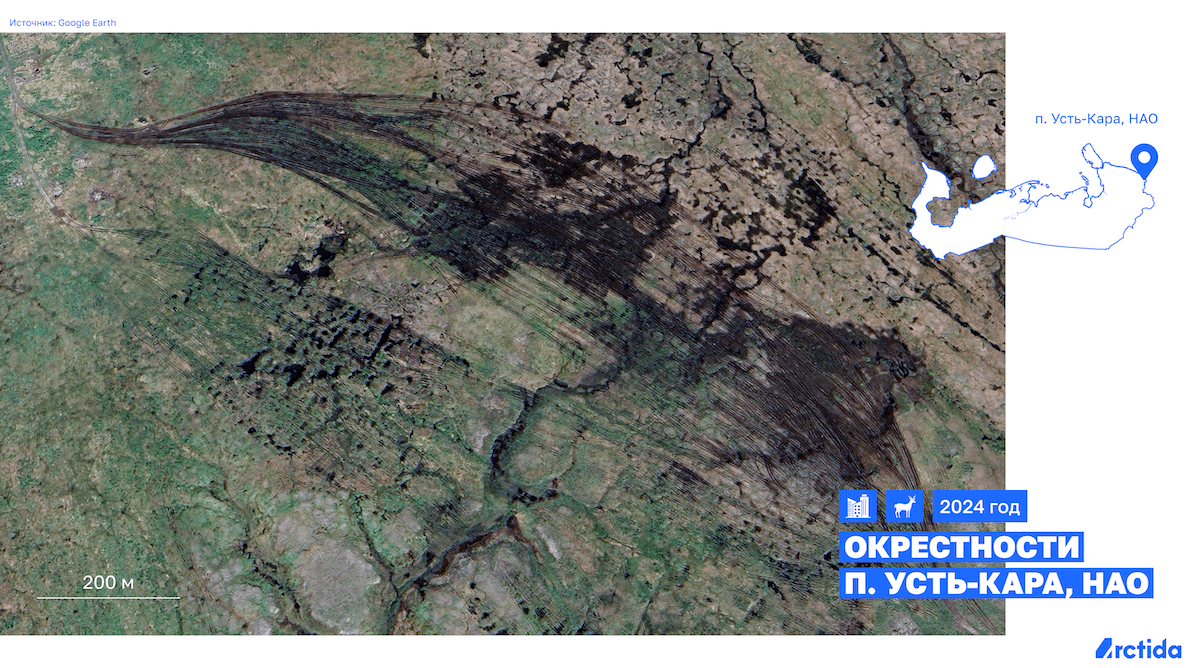
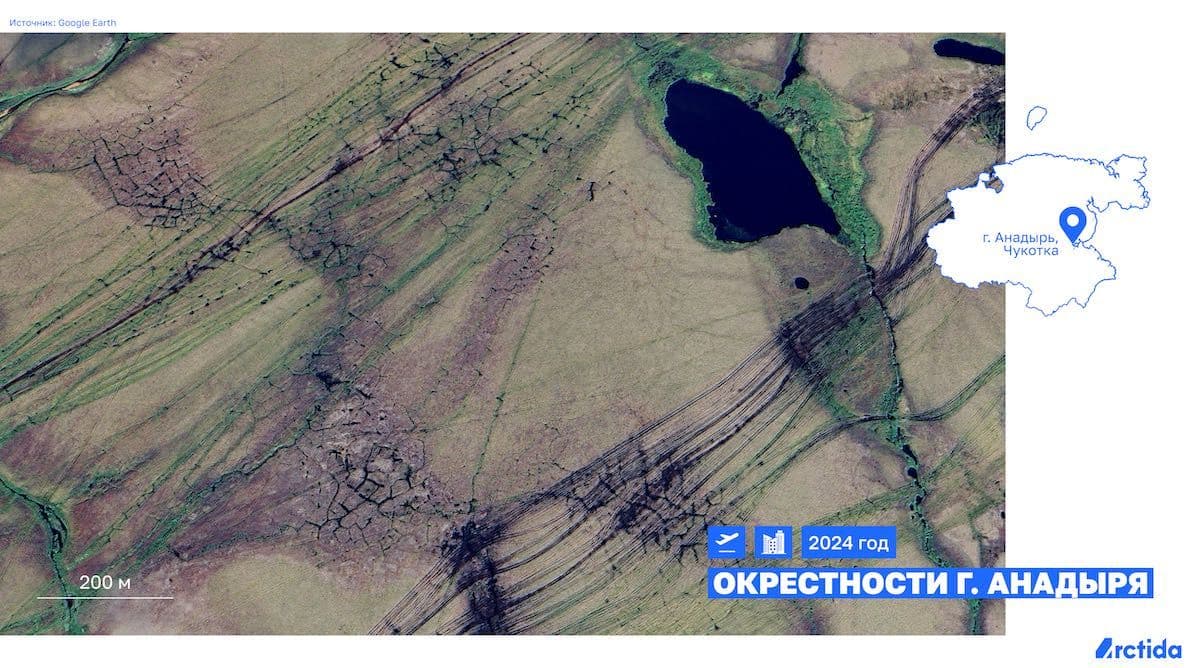
- In the Russian Arctic, new tracks appear : for example, in the area of Ust-Kara in the Nenets Autonomous Okrug, in the image of 2024, you can see tracks that were not there in 2020. In the vicinity of Anadyr in Chukotka, the appearance of new tracks in the image of 2024 is also noticeable, compared to the situation twenty years ago. These examples also demonstrate that trails widen over time .
What to do, or not all all-terrain vehicles are born equal
The Soviet authorities began to realize that the ecologically destructive development of the tundra cannot be continued forever. A 1984 decree of the Presidium of the Supreme Soviet of the USSR prohibited the movement of mechanized transport on the tundra and forest-tundra that violates soil and vegetation cover, outside of specially designated roads.
In Russia, attempts have been made many times to include such a ban in the draft federal law “On the Arctic Zone of the Russian Federation,” but the wording of the ban was weakened as new versions of the bill were adopted, and it disappeared completely from the 2018 version.
Today's legislation has seasonal restrictions on the movement of heavy vehicles at the regional level and often only in the territories of reindeer pastures : such laws exist in Yakutia , Nenets Autonomous Okrug , Komi , Chukotka , Murmansk Region , Taimyr (Dolgano-Nenets) Autonomous Okrug of the Krasnoyarsk Territory and in the Yamal region of the Yamal-Nenets Autonomous Okrug.
At the same time, as research by Arctida and other experts, media reports and communication with sources shows, such bans do not solve the problem and are most likely poorly enforced. In addition, there is no federal ban on the movement of heavy tracked vehicles throughout the tundra and forest-tundra during the snowless season.
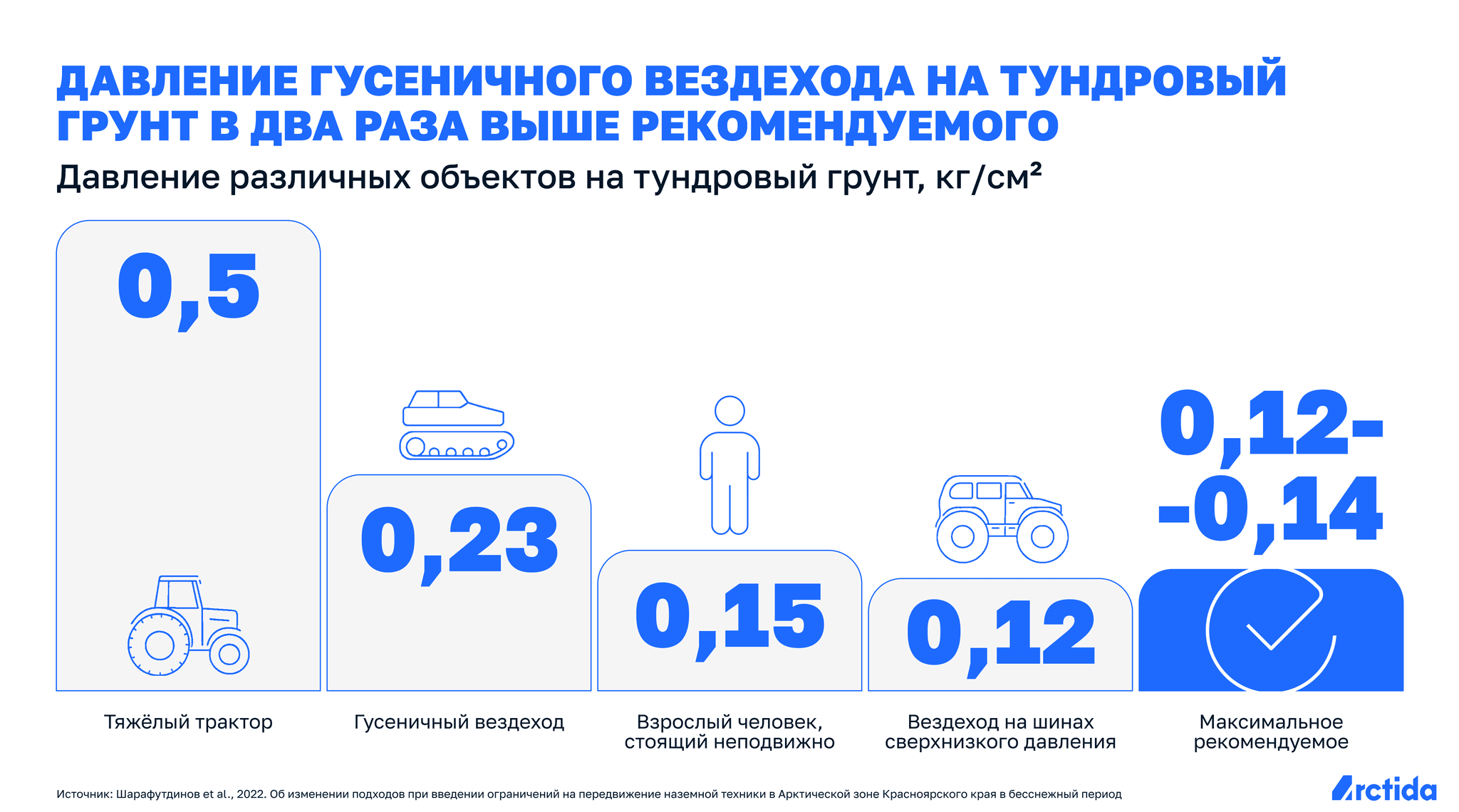
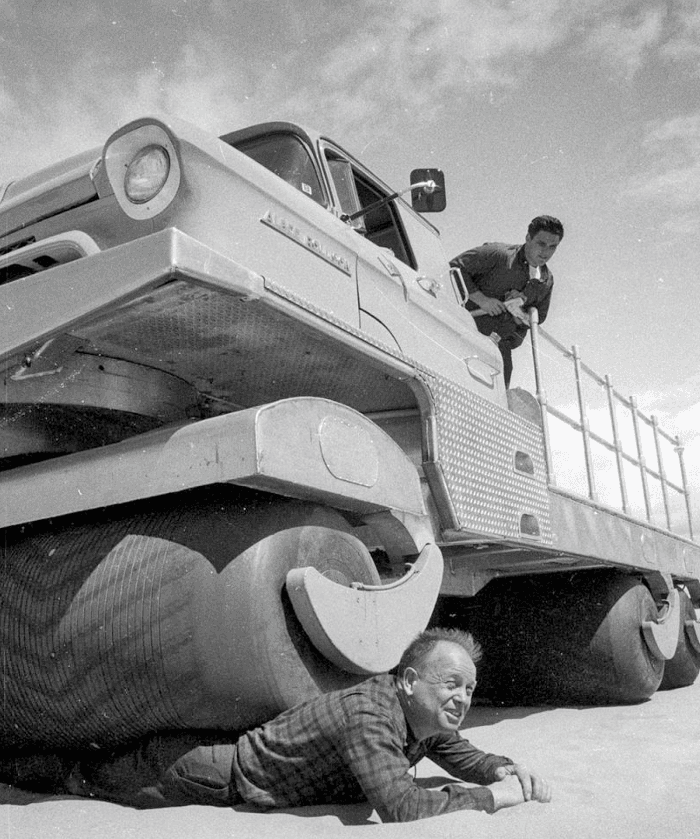
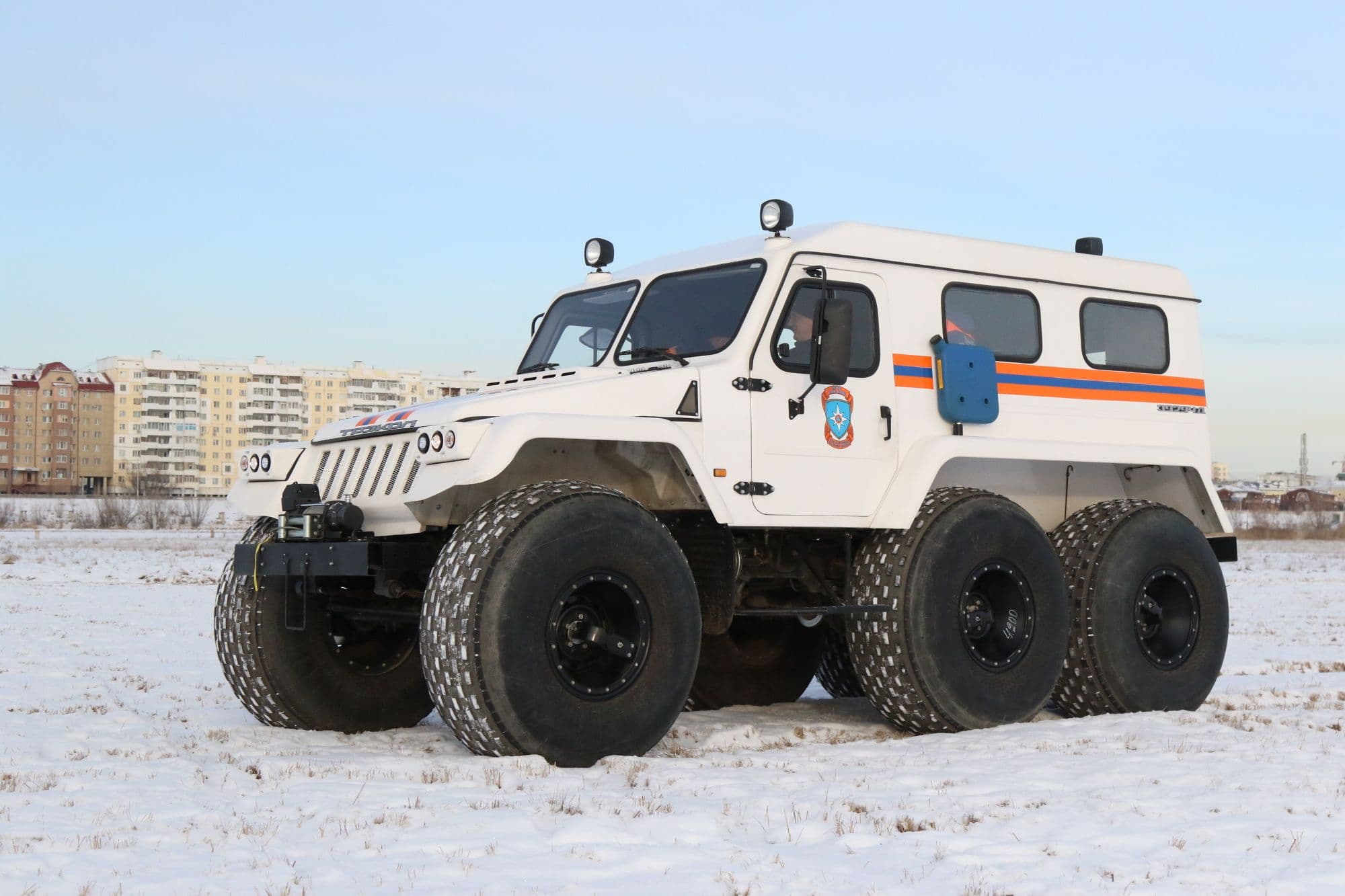
What is important is that today there is an alternative to a heavy all-terrain vehicle - transport on ultra-low pressure tires . Wide tires have a larger contact area with the soil surface. Thanks to this, they exert minimal pressure on her, comparable to the pressure of a stationary person.
What does Arctida offer?
Development of the Arctic is only possible using the best available technologies with minimal impact on fragile Arctic ecosystems. The best solution is all-terrain vehicles with ultra-low pressure tires . According to the recommendations of Russian scientists, to preserve terrestrial tundra ecosystems, the maximum pressure of a vehicle on the ground should not exceed 0.14 kg/cm².
In addition, it is necessary to improve legislation and supervision over its implementation :
- Adoption of a federal ban on the movement of mechanized transport on the tundra and forest-tundra that disturbs soil and vegetation cover during the snow-free period.
- The adoption in the regions of the Arctic zone of the Russian Federation (hereinafter referred to as the Russian Arctic) of clearer detailed rules for the movement of vehicles on the tundra and forest-tundra , including taking into account the experience of other countries. For example, on the North Slope of Alaska, a special permit is required for all off-road travel in both summer and winter. When considering applications for new routes, they use a special vegetation sensitivity map . They set the soil temperature and snow depth at which the tundra opens for travel, and if there is not enough snow, the tundra closes for off-road vehicles. In Norway, on the island of Svalbard, more than 60% of the territory is protected and the use of vehicles is strictly regulated.
- To control the implementation of bans, you can introduce a rule for equipping transport with the GLONASS system , as Russian researchers propose .
In order for the “historic mission of careful and balanced development” of the Arctic, as representatives of the Russian authorities speak about, to be more than just words, all these changes will need to be paid for . This could be done by those who are exploring the Arctic and planning to benefit from it:
- Federal authorities need to develop a plan for subsidizing the transition to tundra-safe vehicles for the constituent entities of the Russian Arctic. Particular attention here should be paid to measures to support indigenous peoples, small and medium-sized businesses that have limited resources to switch to an environmentally friendly alternative compared to large businesses.
- Large companies need to adopt plans for a complete transition to safe all-terrain vehicles with ultra-low pressure tires, which can be part of the companies' ESG strategies.
Methodology for studying traces of heavy equipment in the Russian Arctic
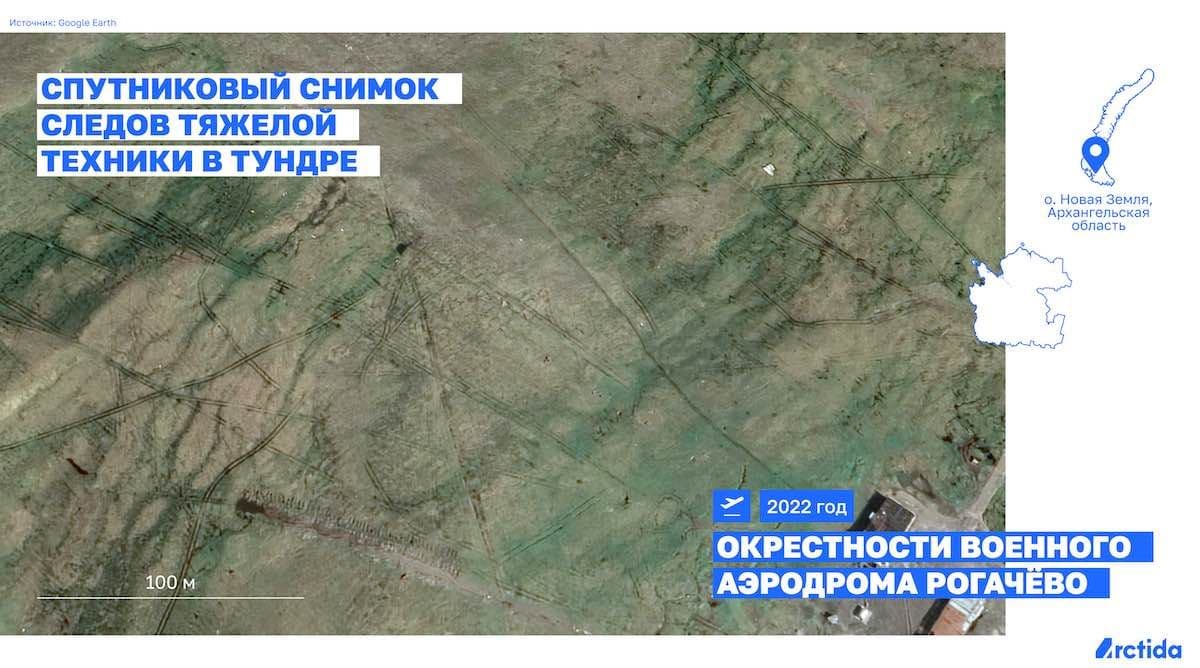
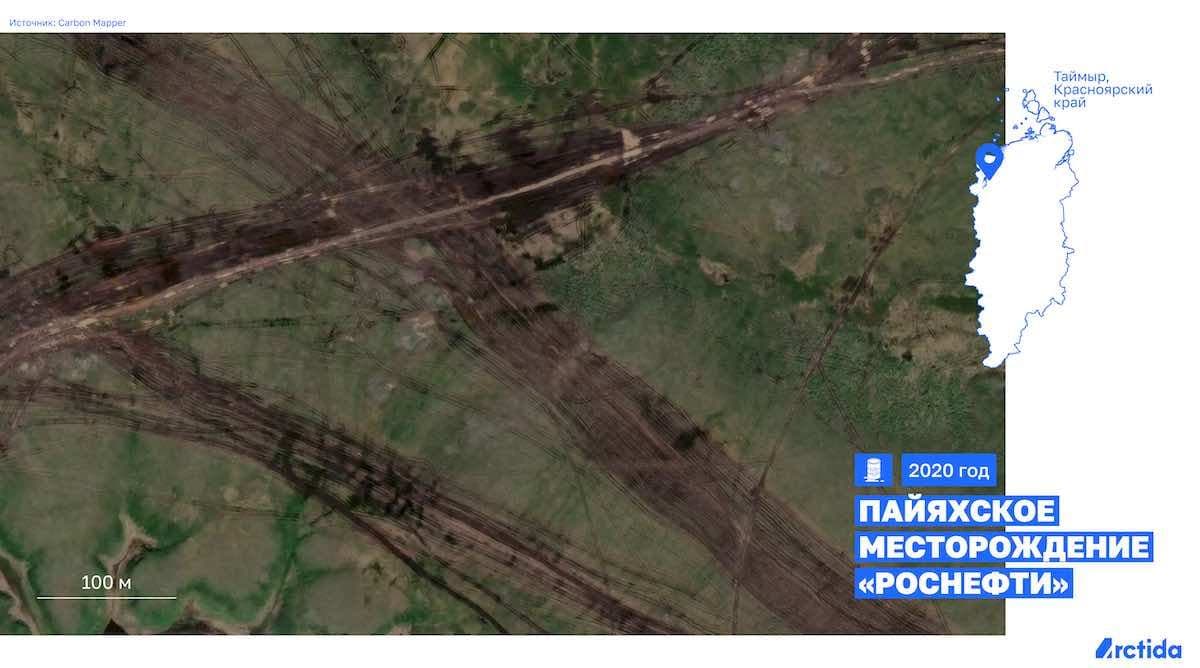
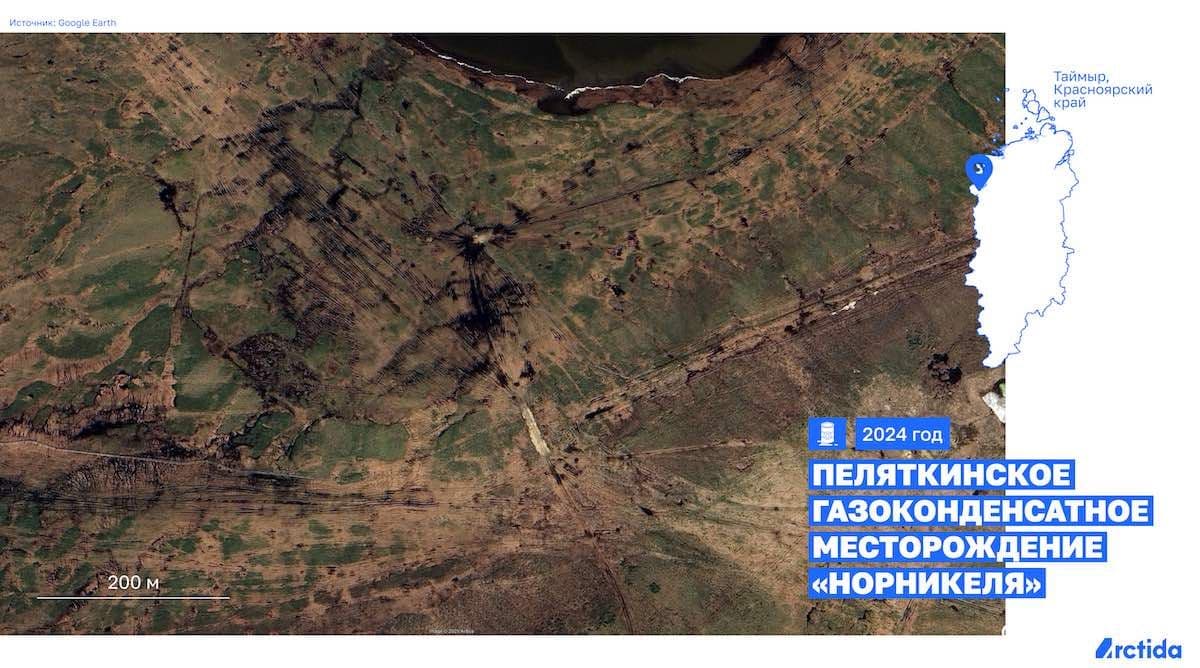
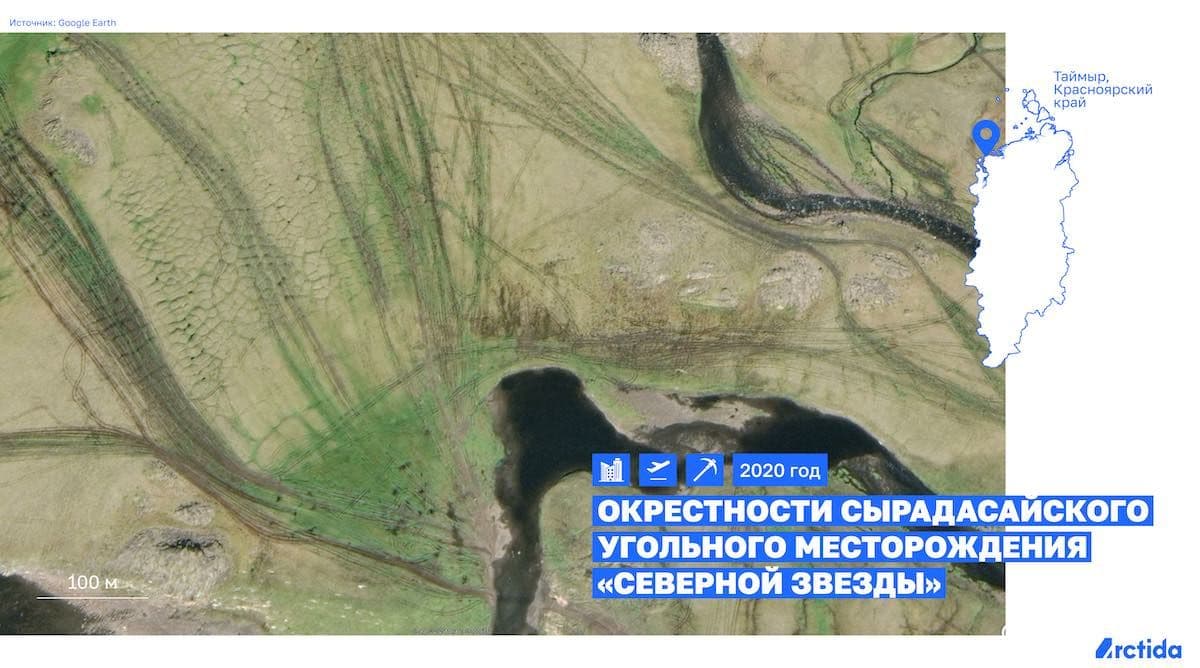
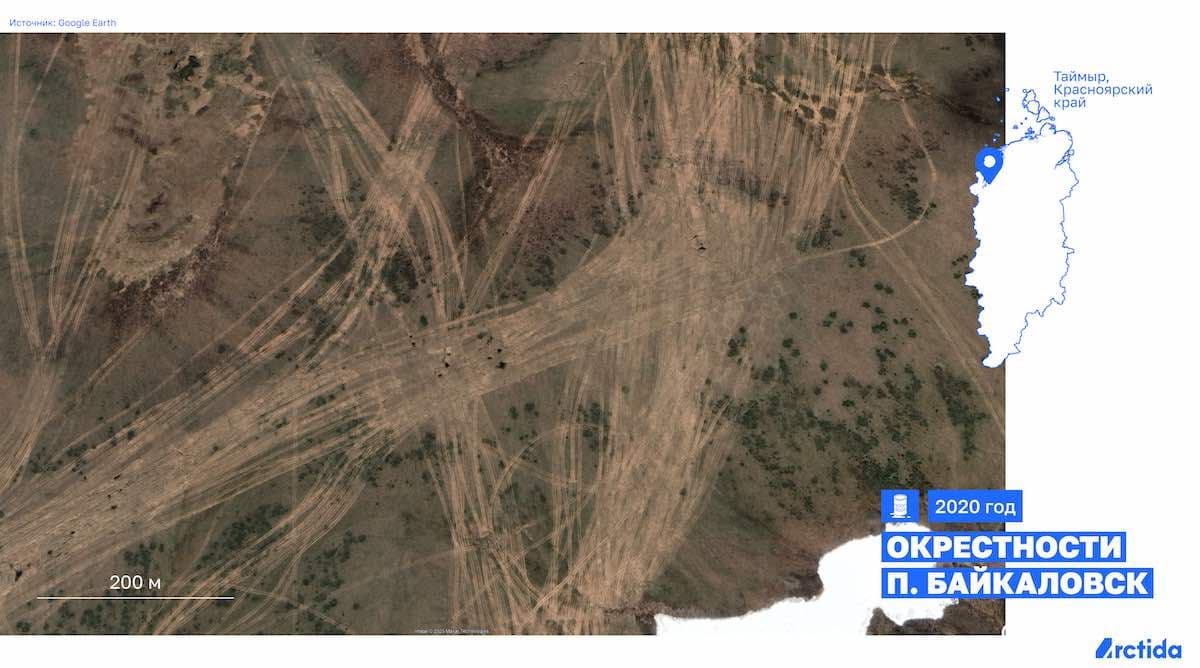
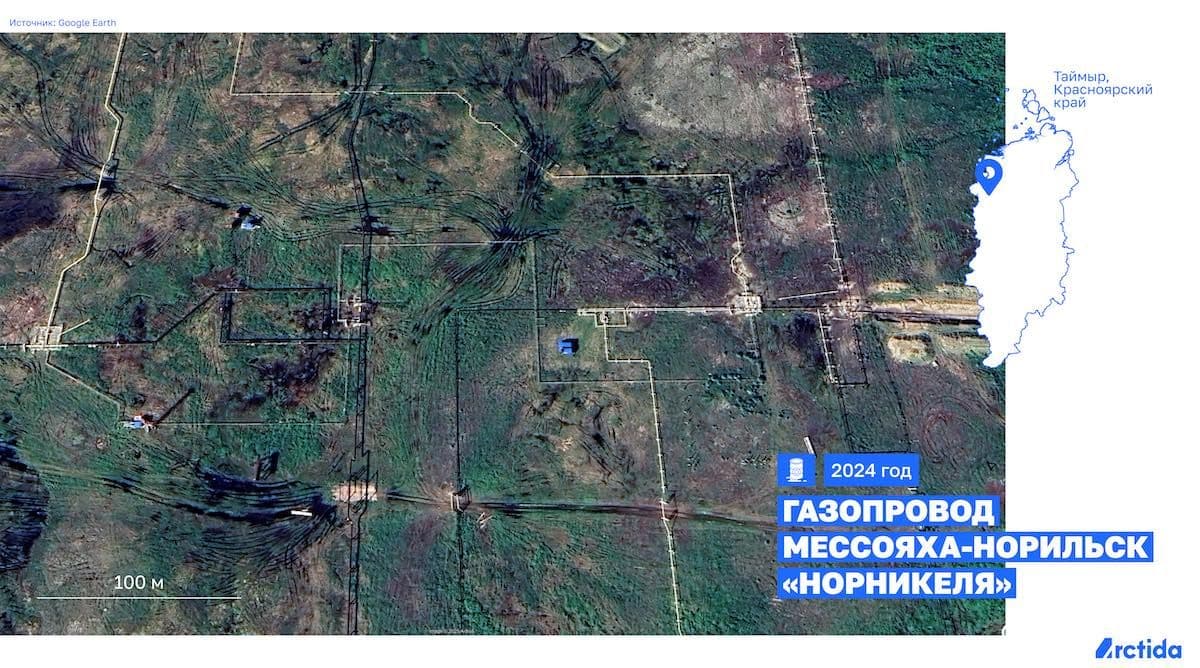
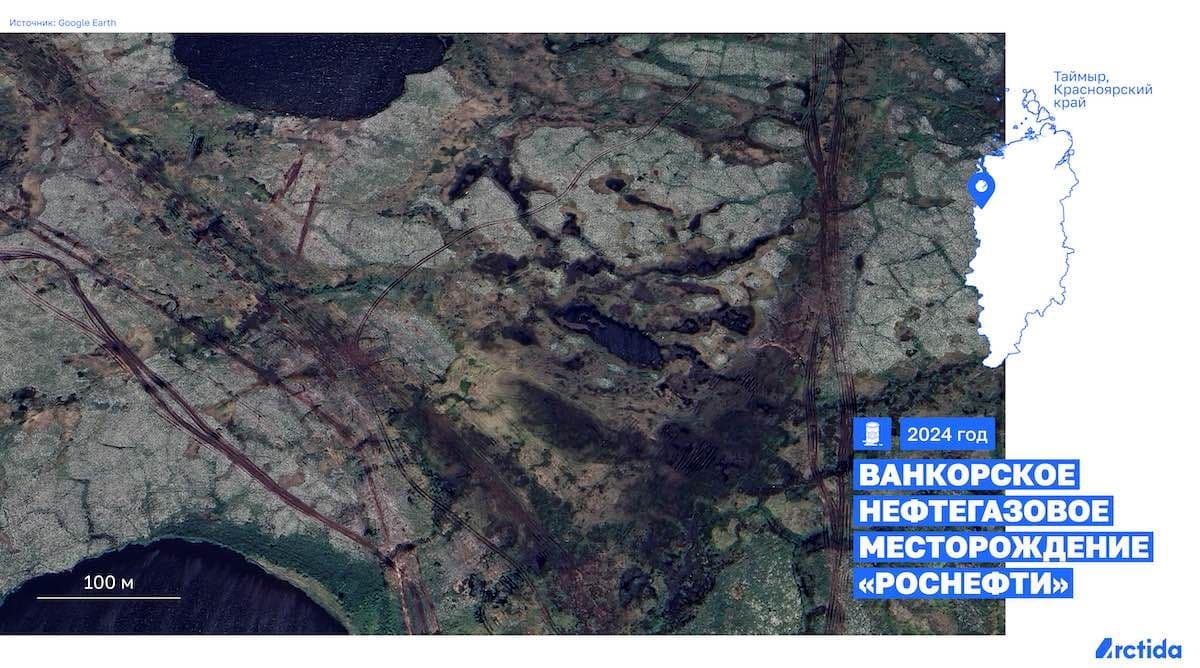
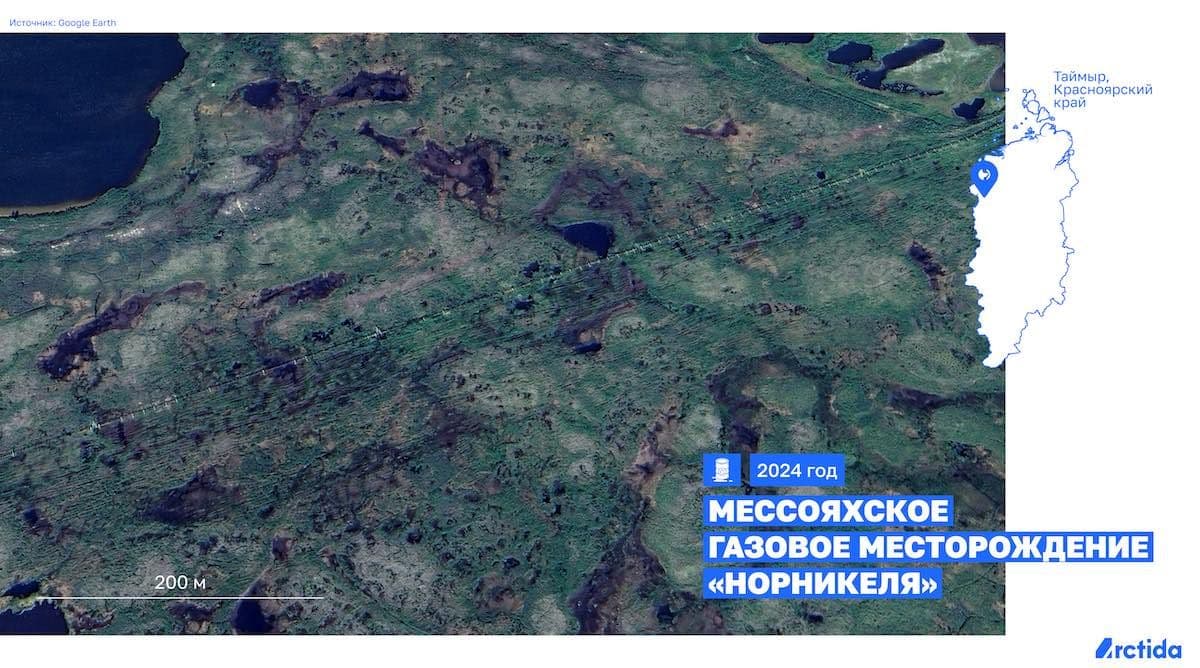
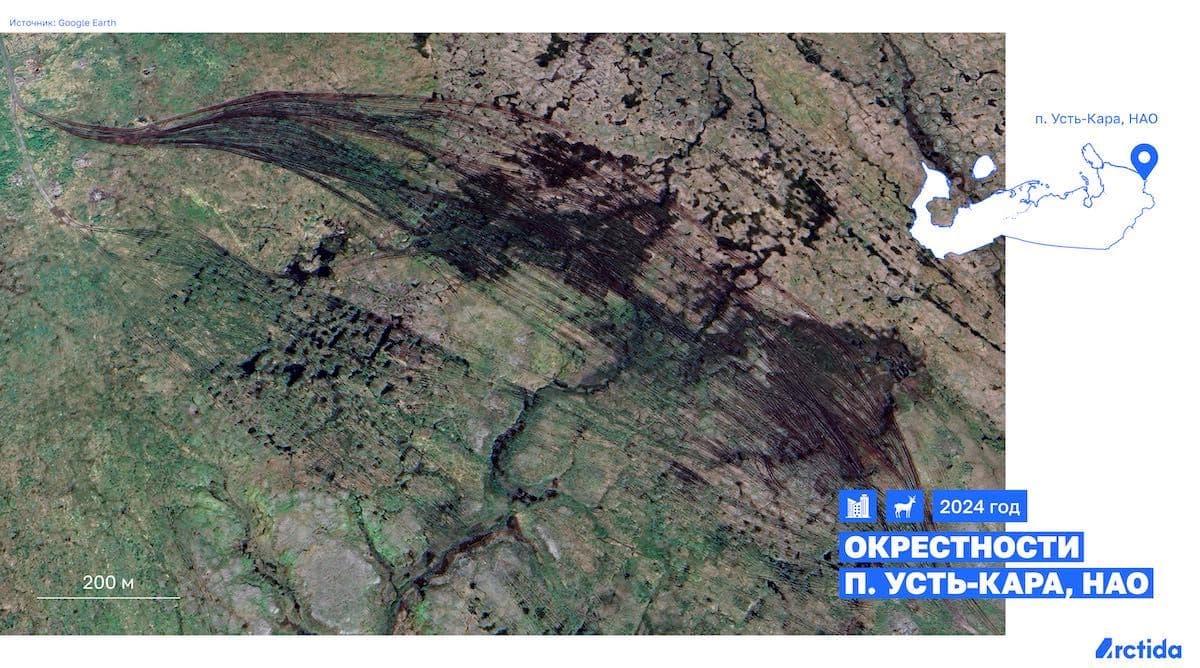
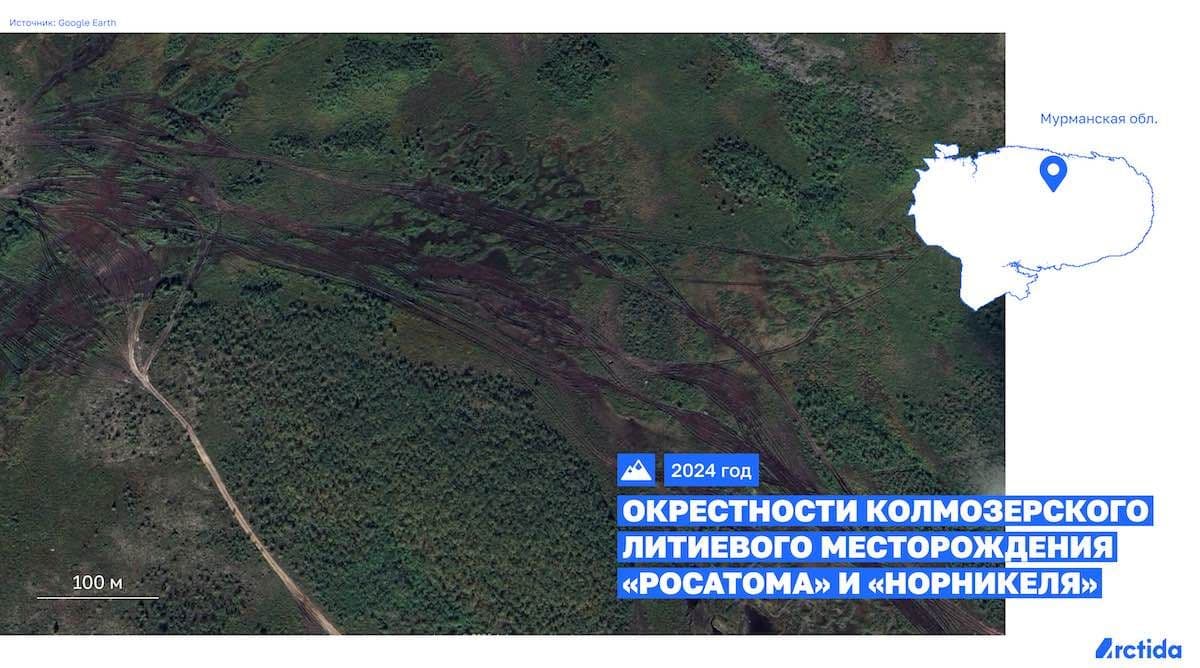
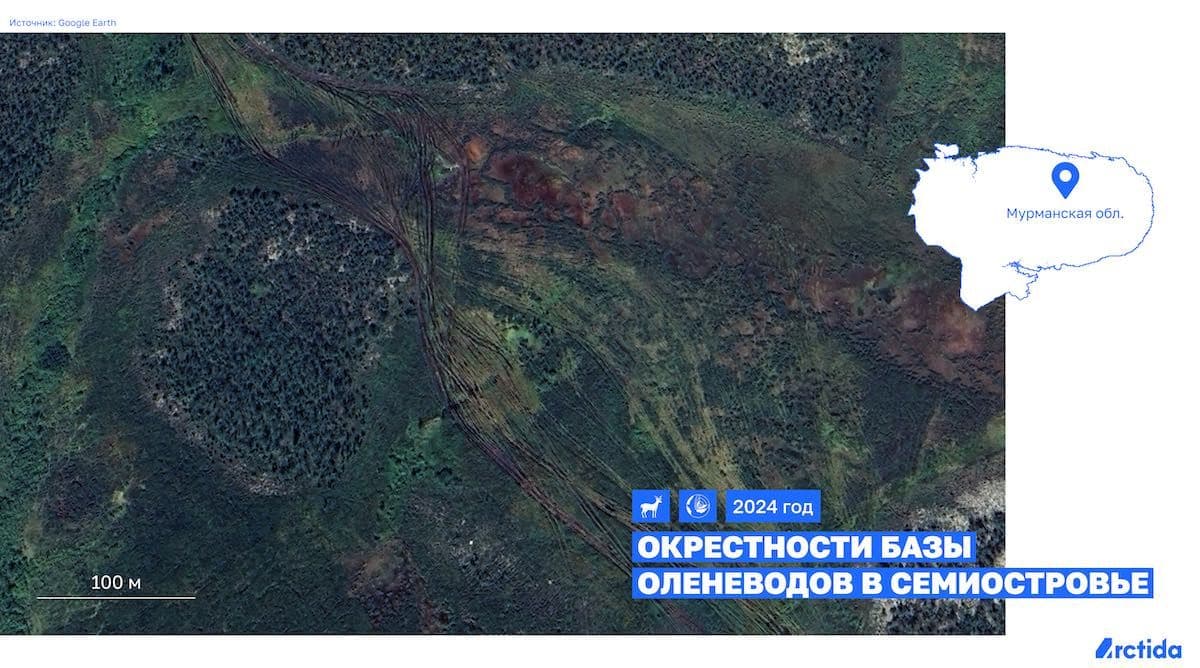
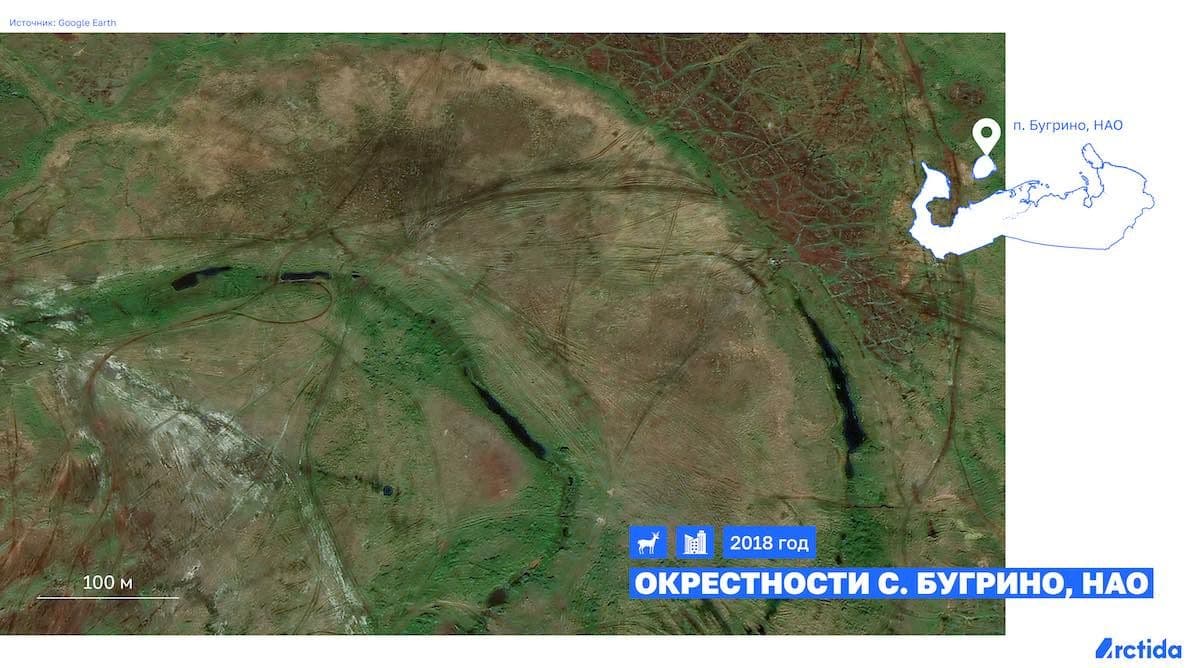
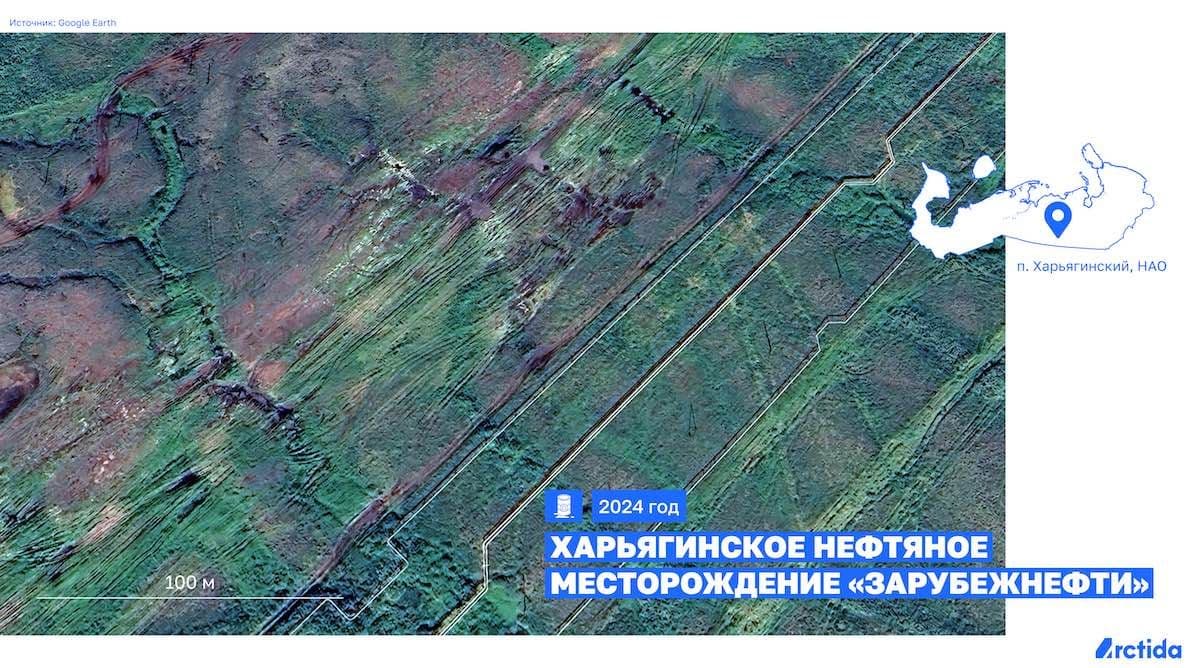
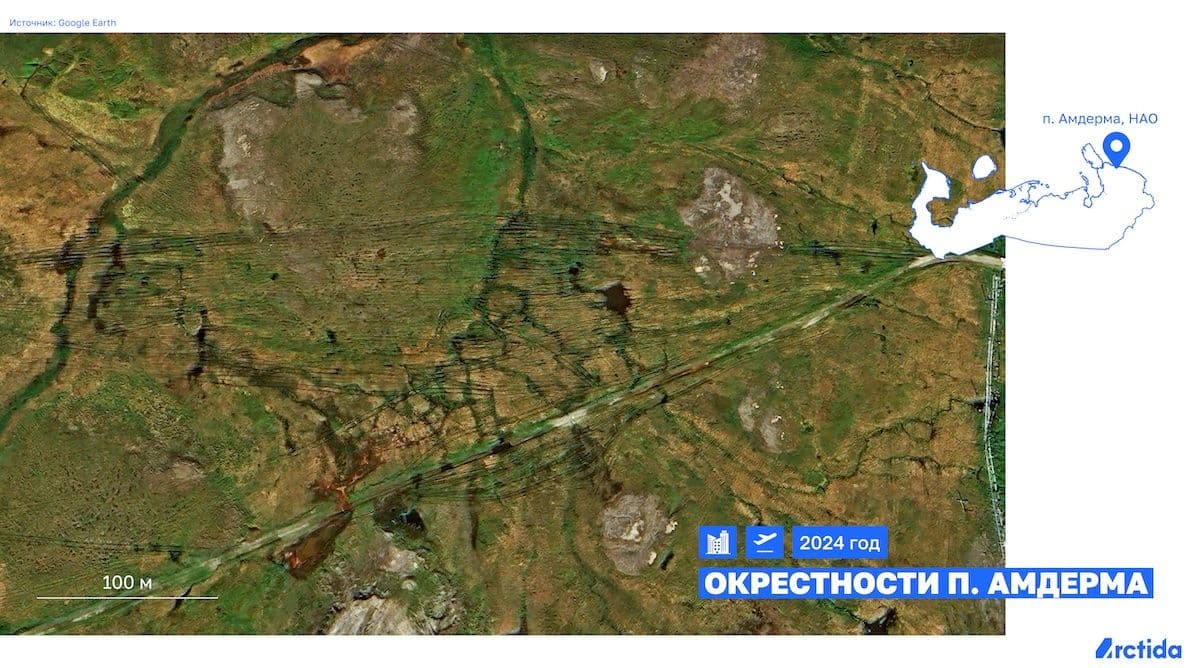
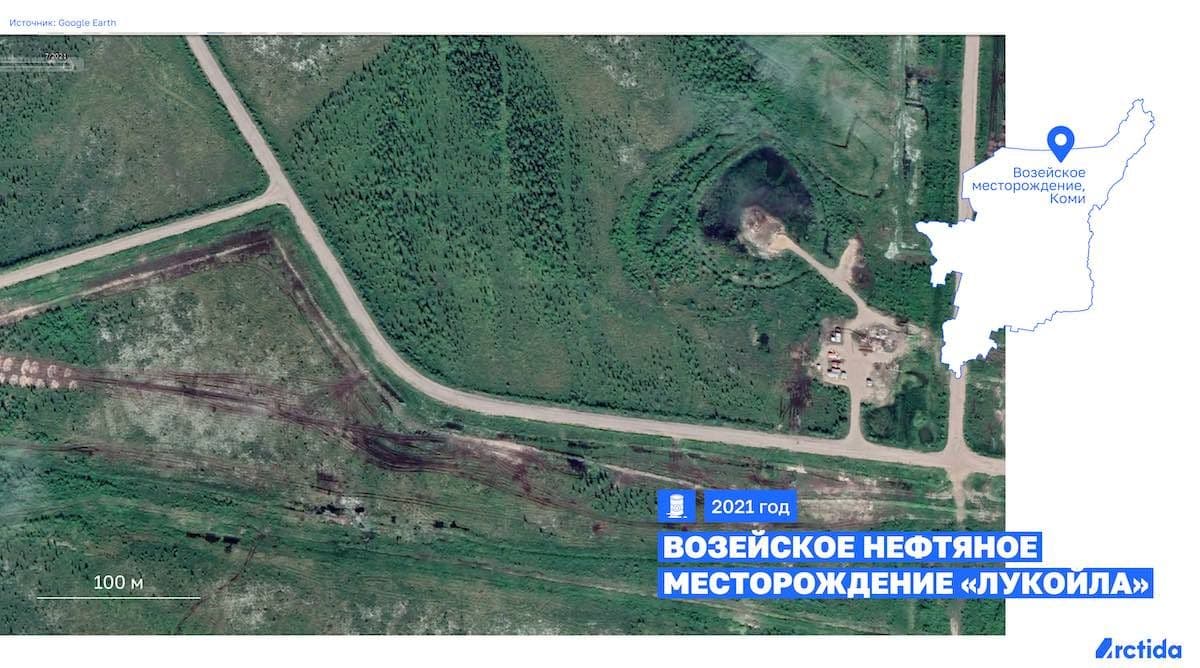
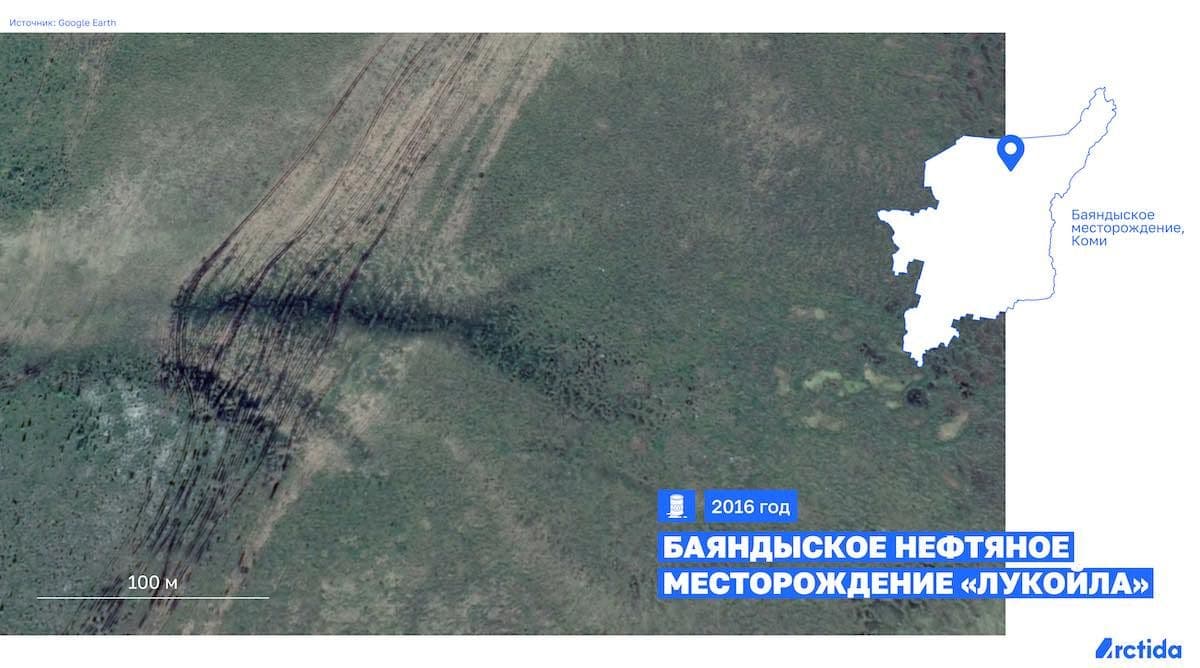
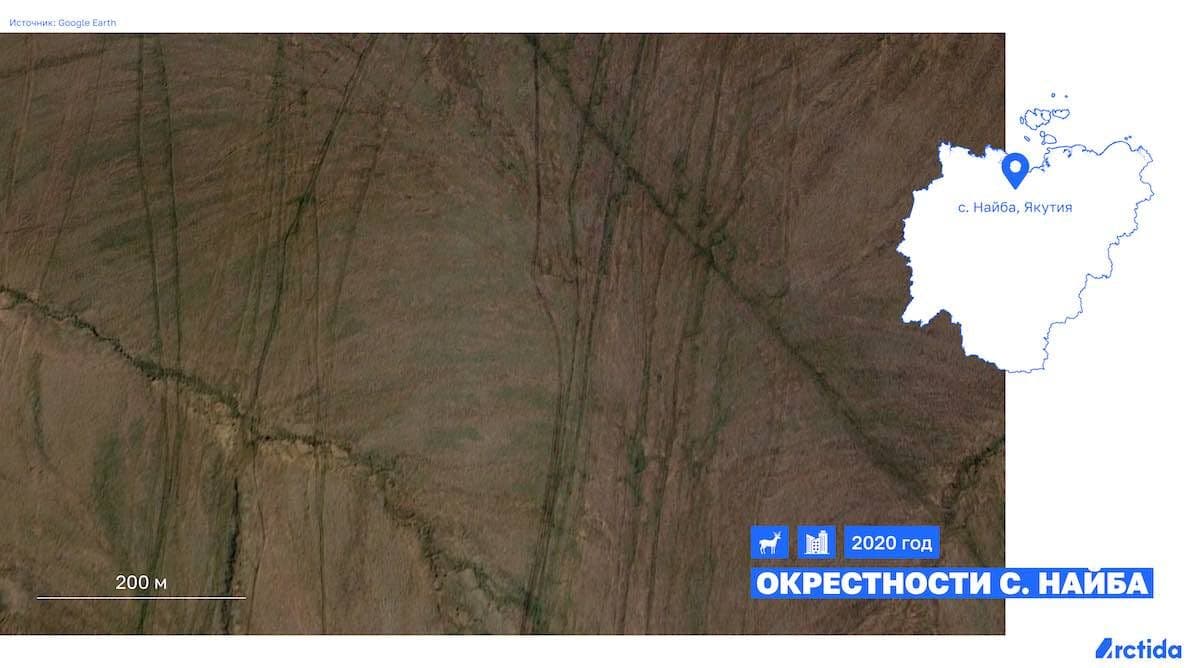
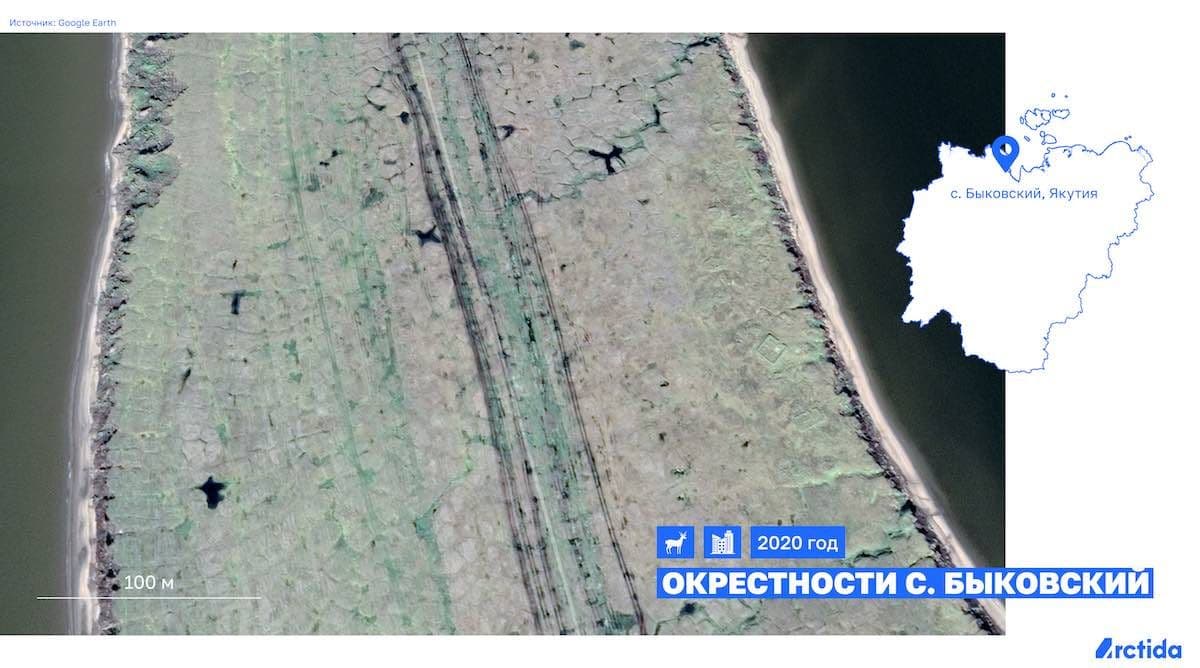
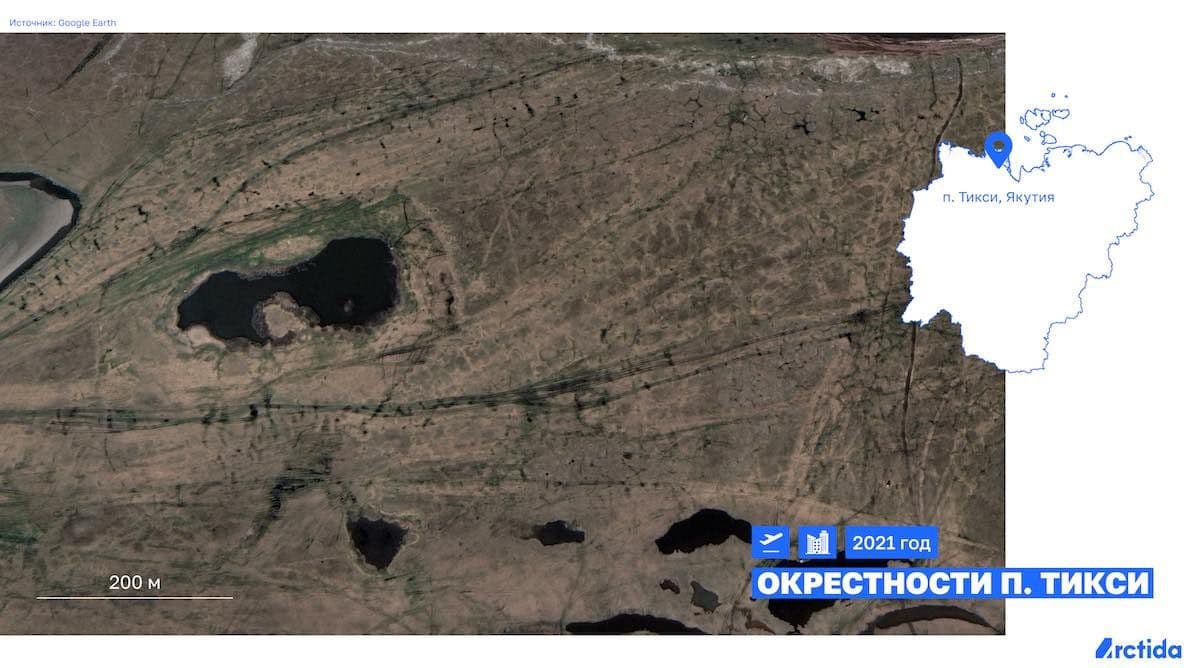
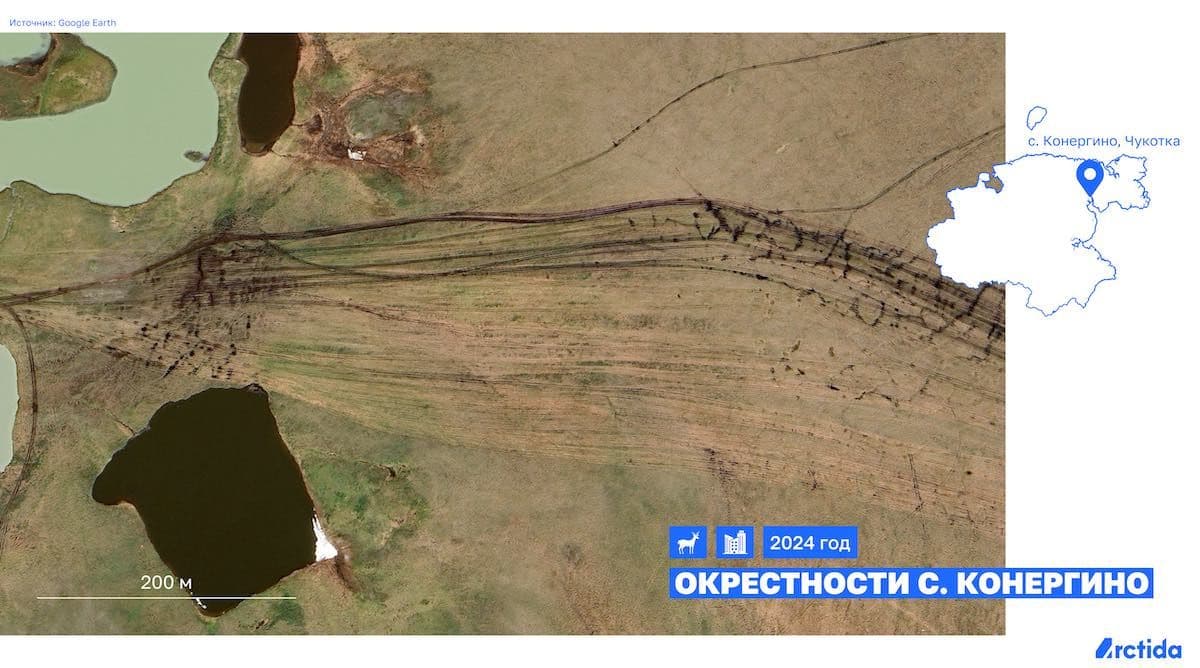
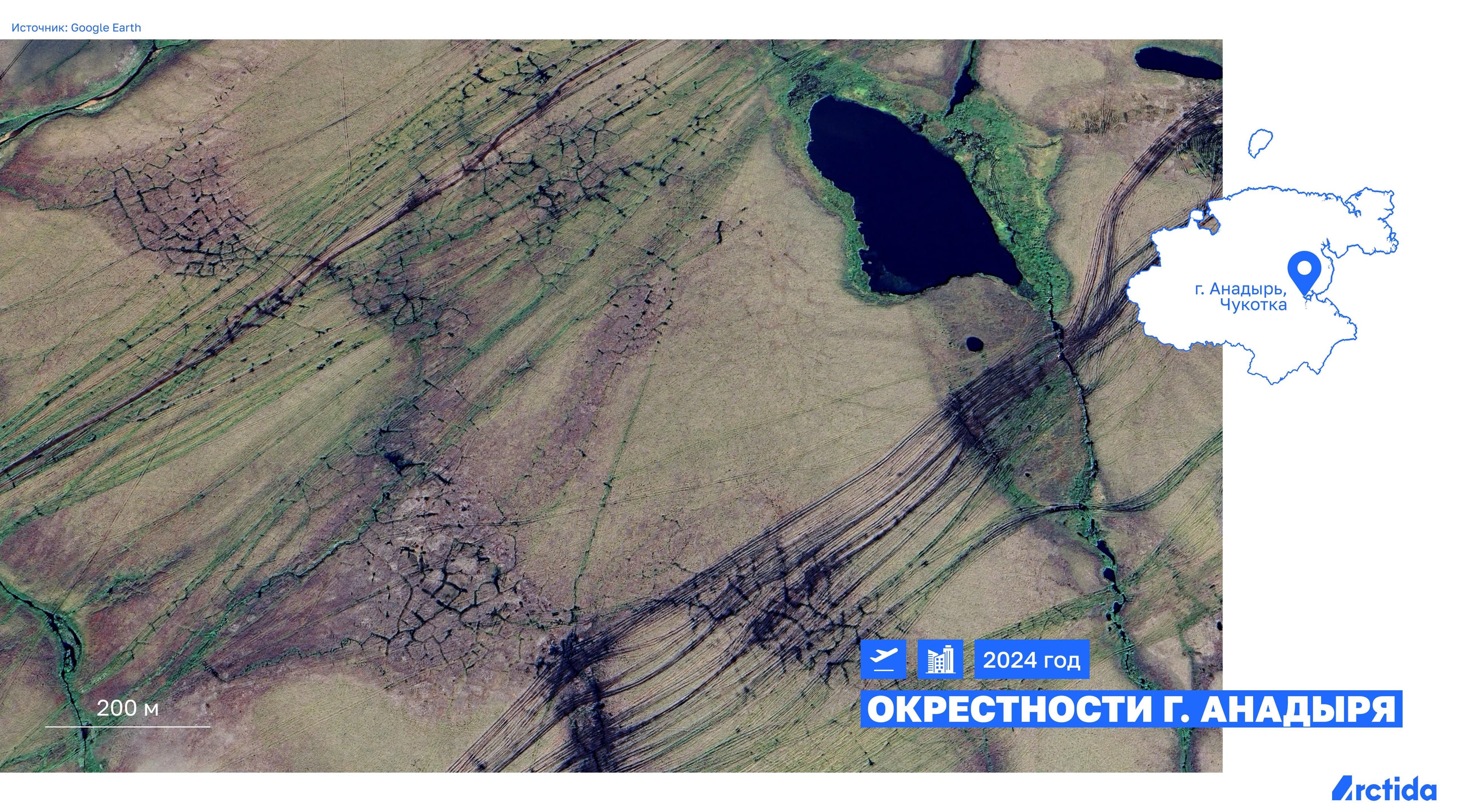
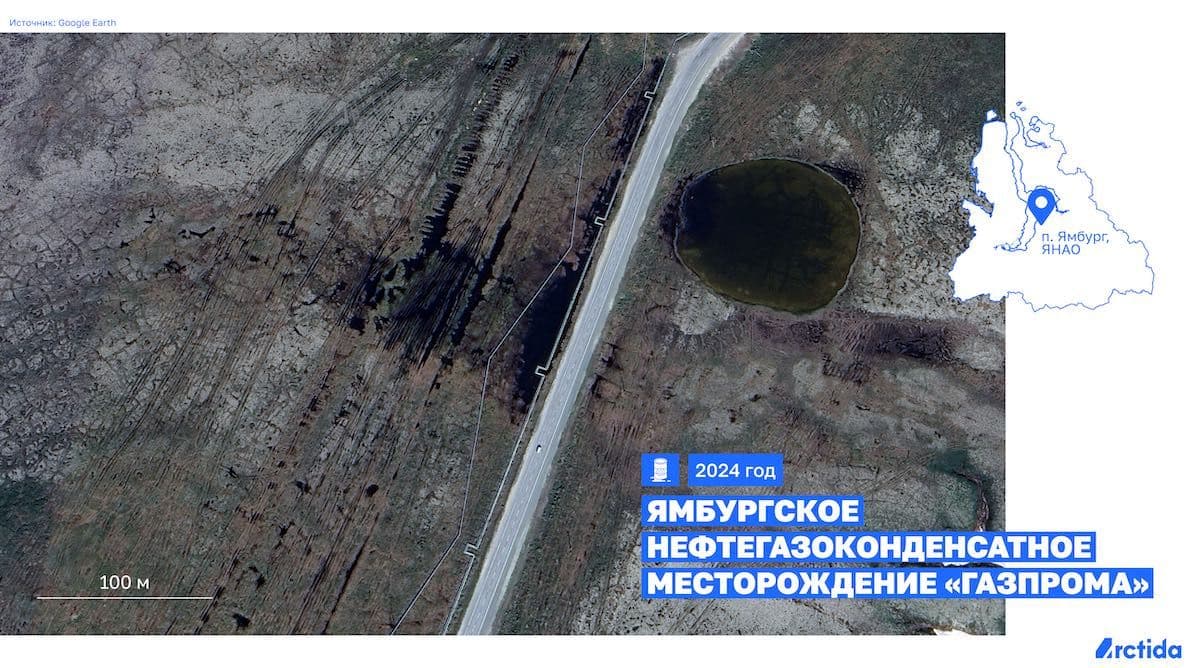
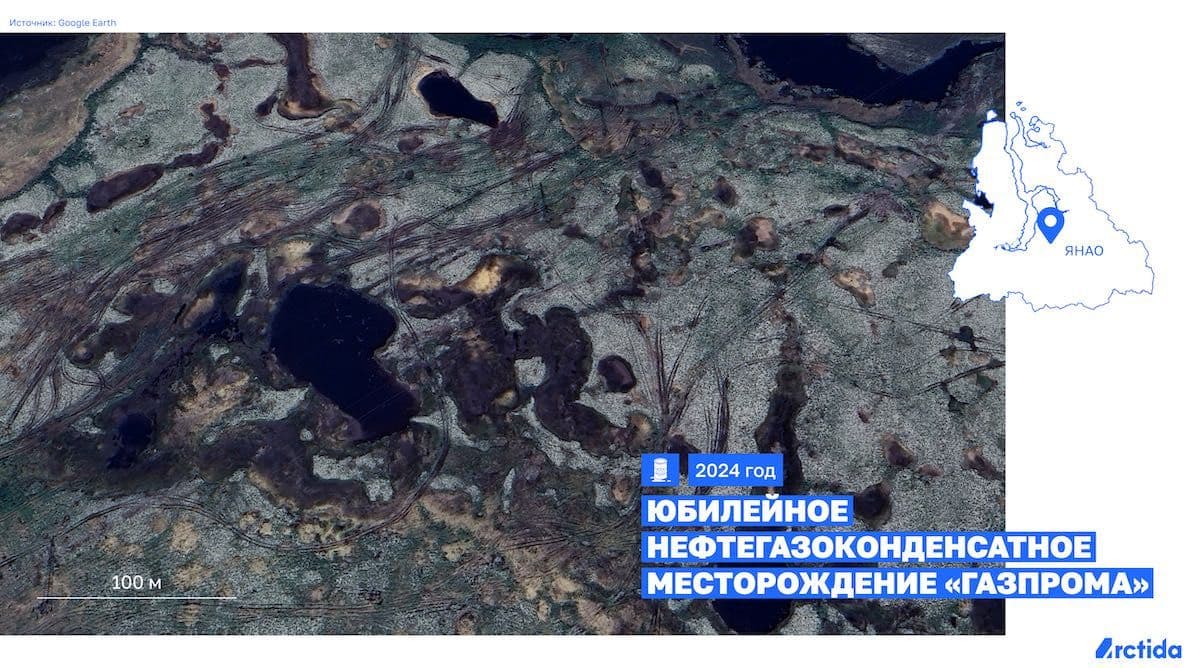
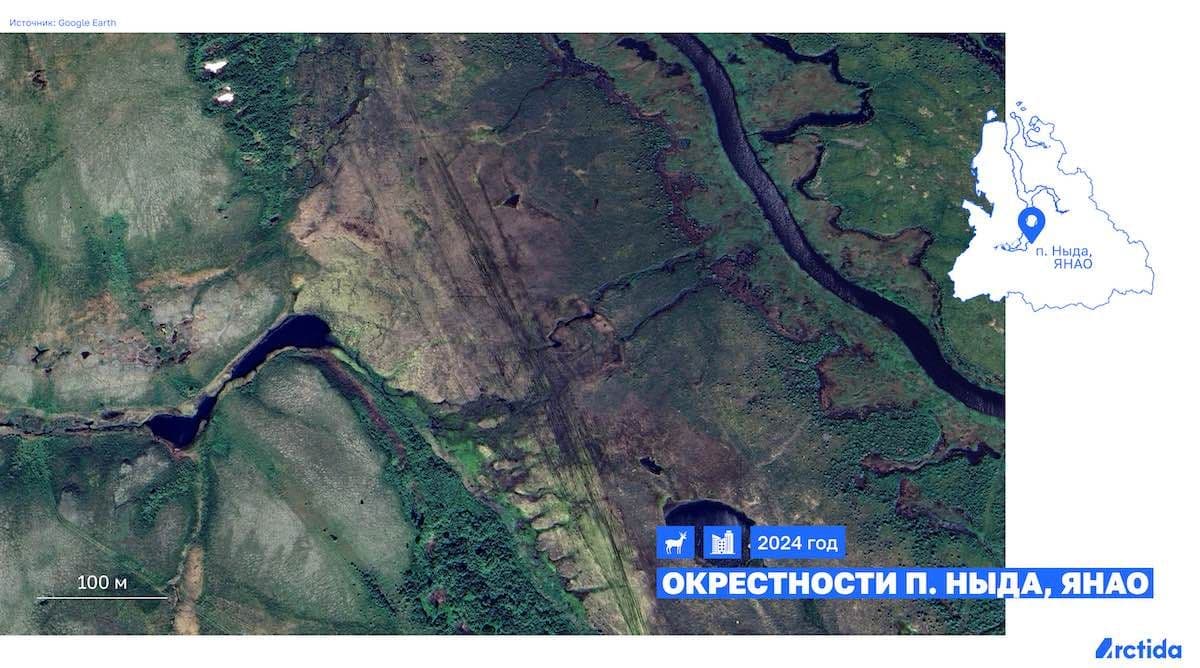
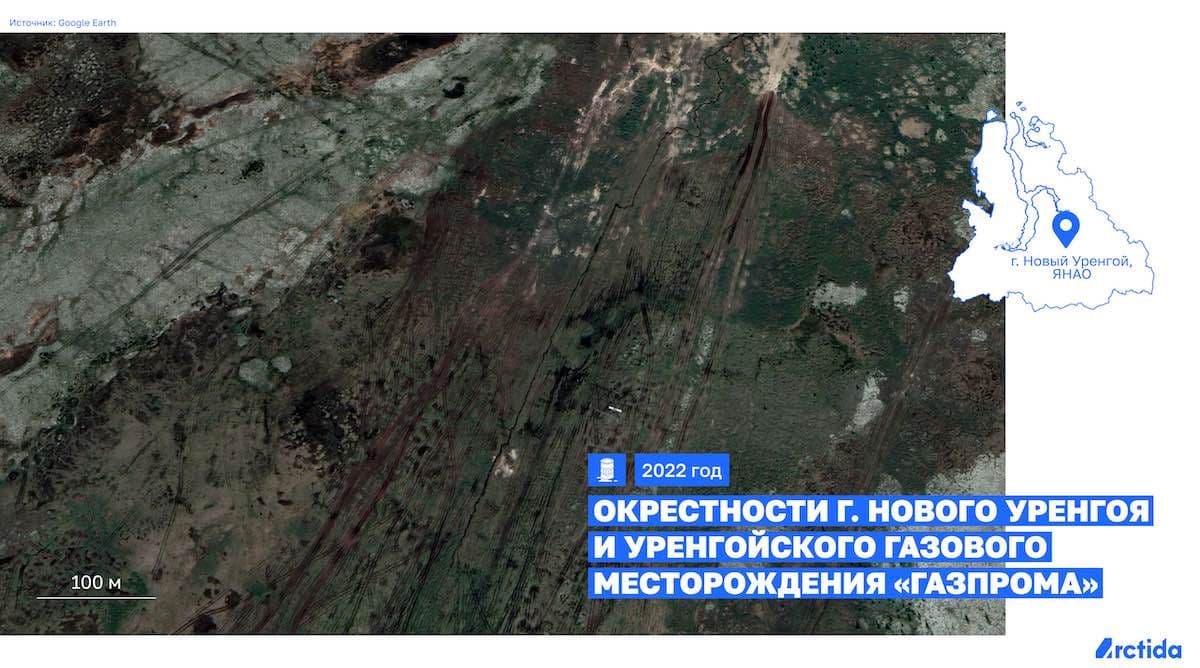
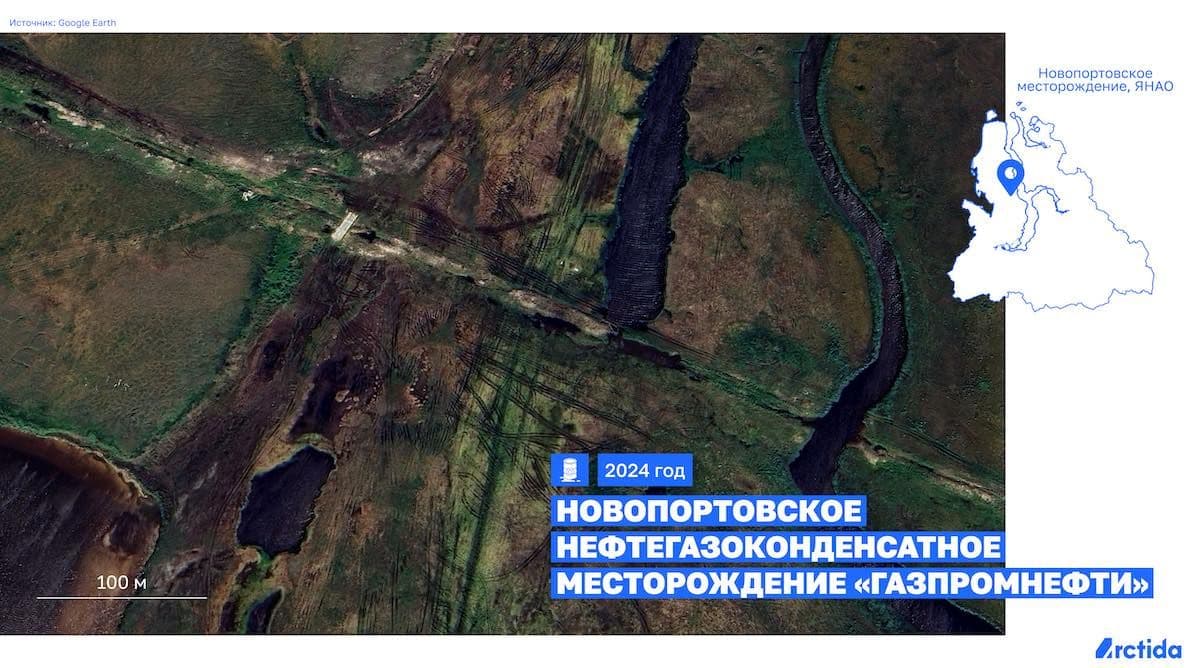
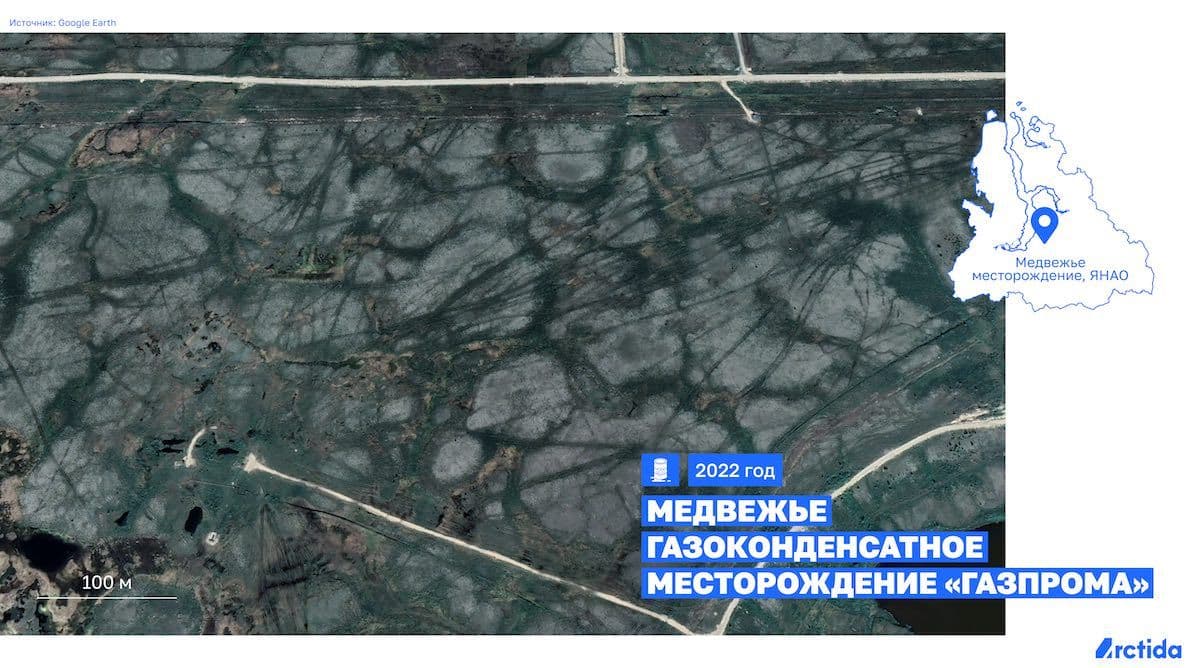
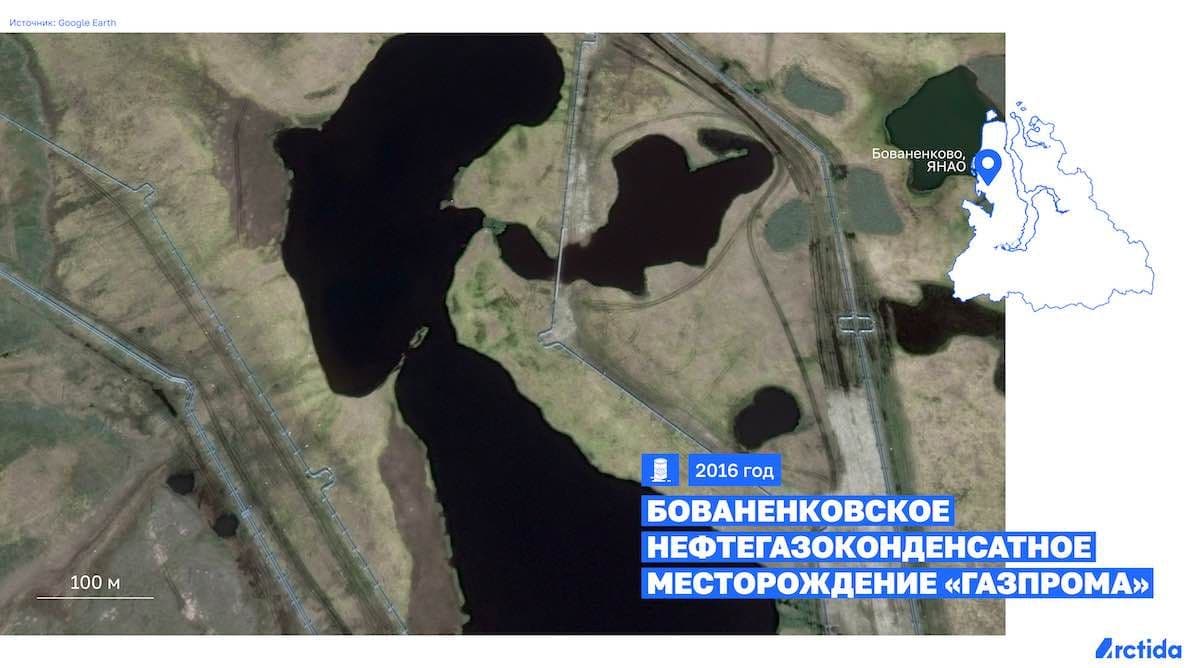
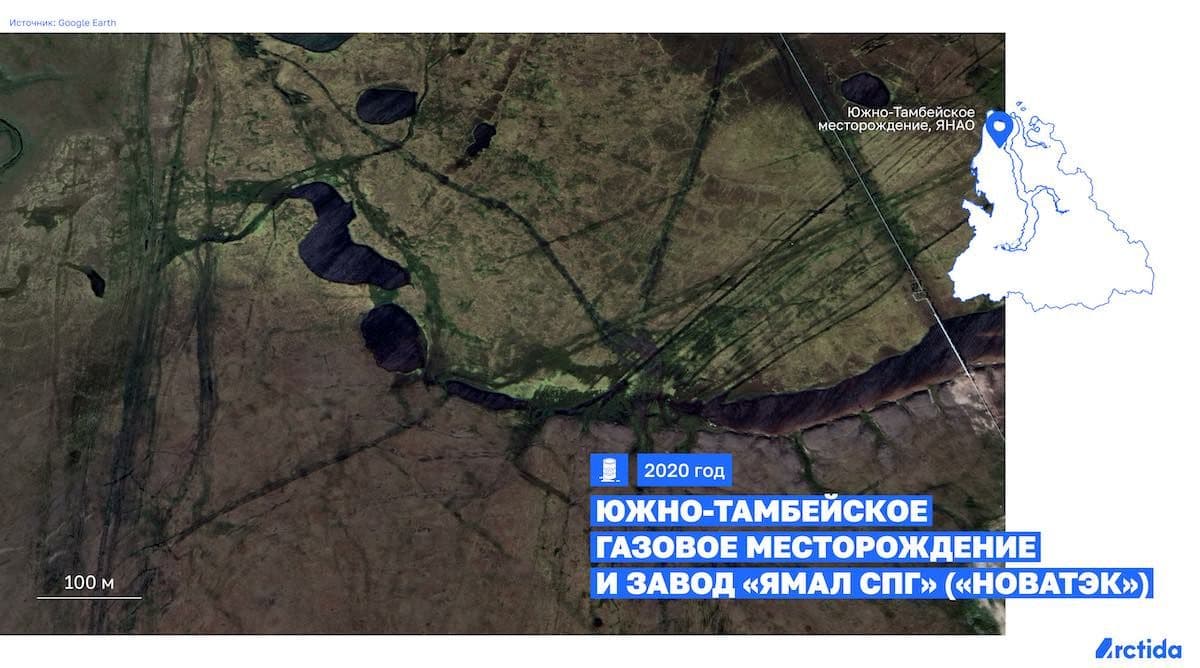
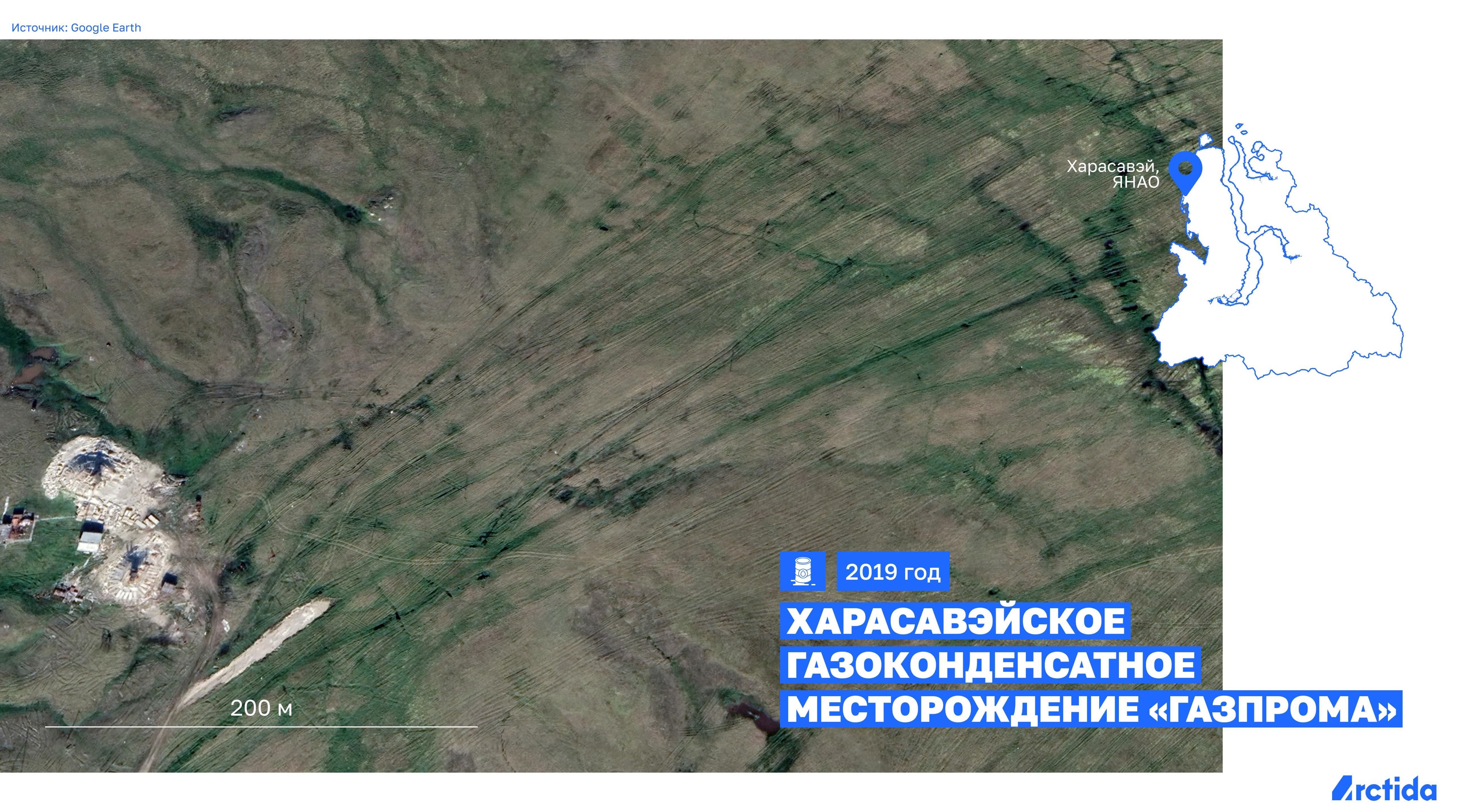
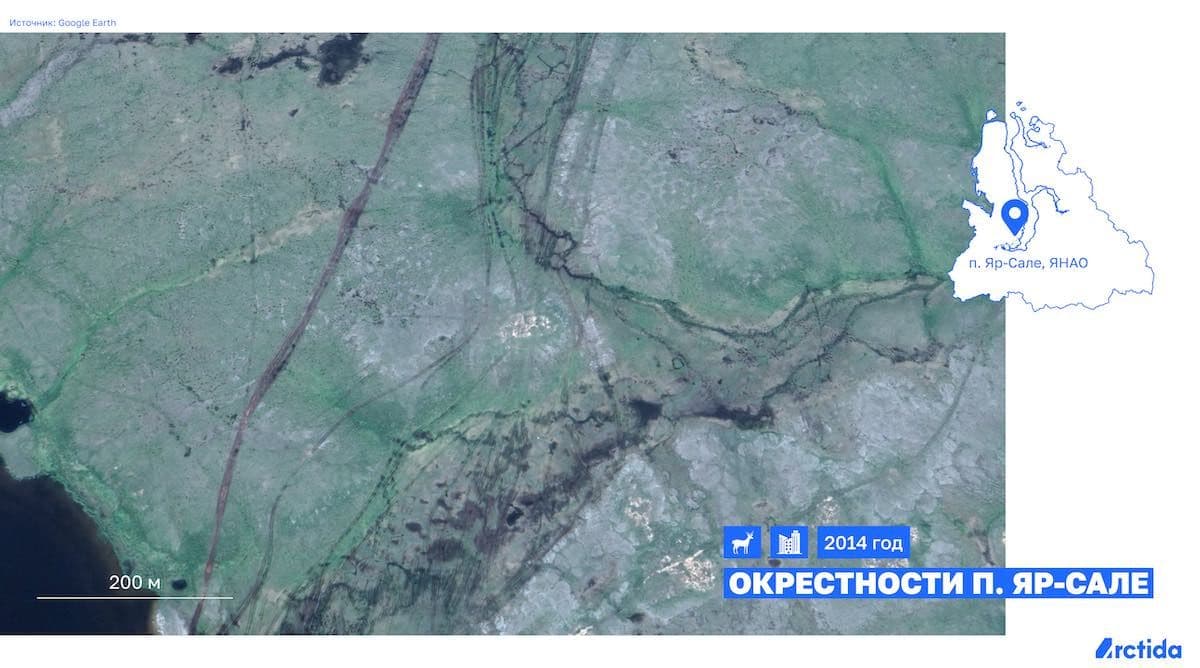
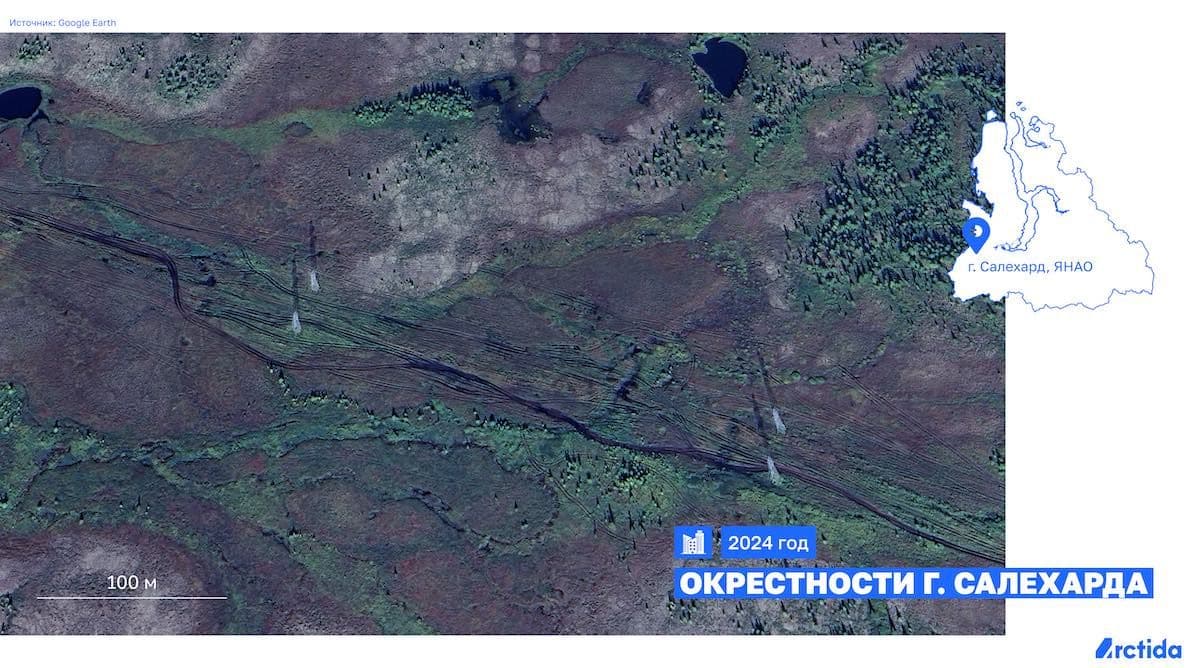
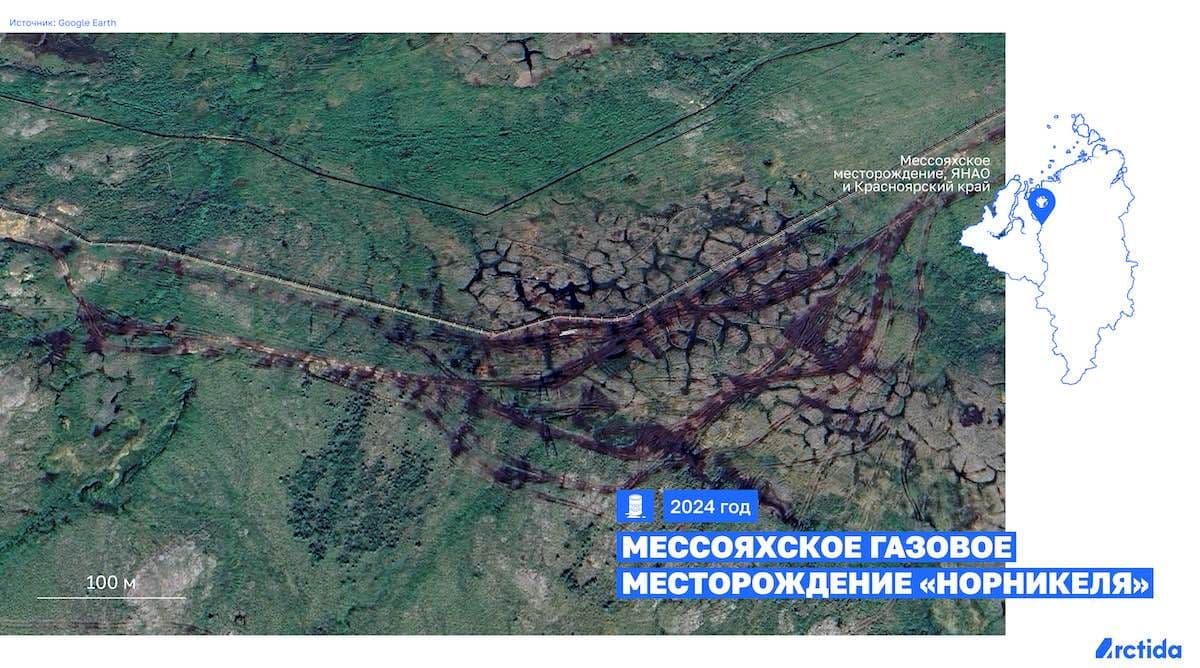
Summary gallery of satellite images included in the study


 Prepared in collaboration with: