Translated material
The world after the norms
Dmitry Aleshkovsky about how universal justice and faith in democracy died
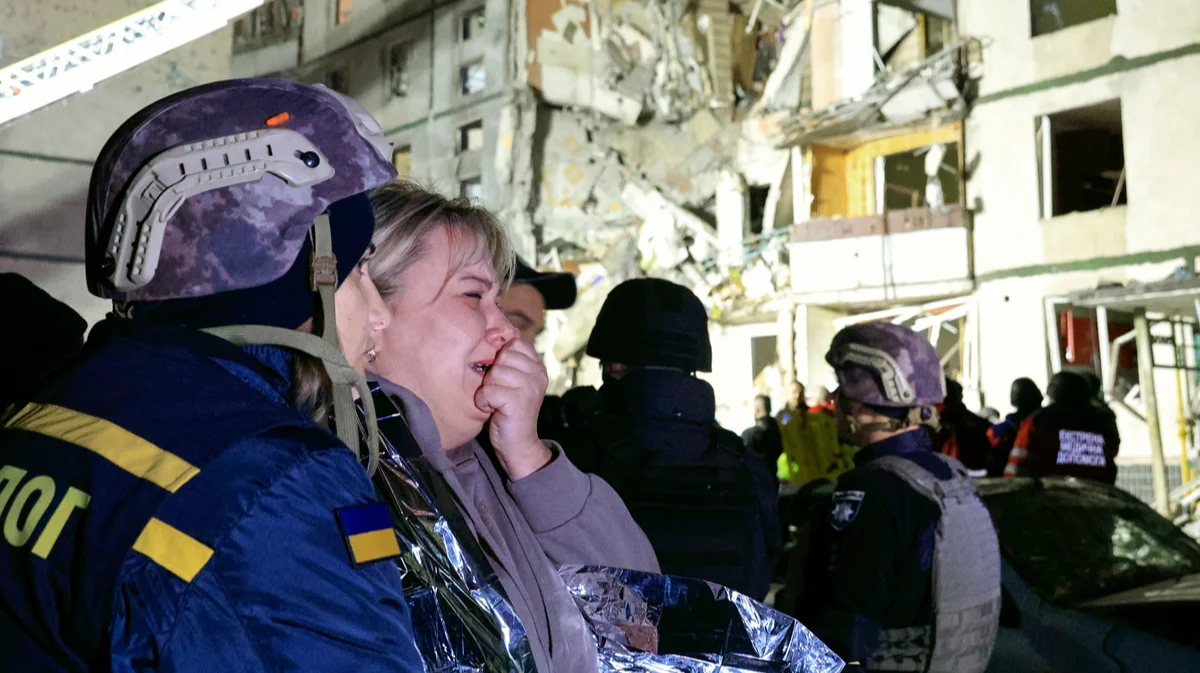
A resident of Kharkov against the backdrop of a residential building destroyed by a Russian bomb, Ukraine, October 30, 2024. Photo: sergey kozlov / epa
At the turn of the XX and XXI centuries, people retained the belief that the international order is an architecture from norms, institutions and obligations. That sovereignty is a right that cannot be violated without consensus. That international law is an instrument of restraining arbitrariness. That justice is if not universal, then at least potentially applicable.
However, 2025 makes it obvious: these designs are dismantled. Today we live in a world where the right no longer determines the boundaries of the permissible, where international institutions have lost not only efficiency, but also symbolic weight, and force again becomes the main language of interaction between states.
Chronology of impunity
The collapse of international order is not an explosion, but erosion. The order did not disappear suddenly, it dissolved: in compromises, in exceptions, in silence.
One of the first alarming signals is Cambodia in the late 1970s . The half sweat regime destroys up to a quarter of the country's population. Nevertheless, he continues to represent Cambodia to the UN.
No intervention of the international community, no responsibility for the regime. So the first message was sent: even genocide does not always entail consequences.
In 1988, Iraq used chemical weapons - against the Iranians and its own Kurdish population. Halabja ( a city on the border with Iran, where there was a gas attack against the civilian population. - Approx. Ed. ) Becomes a synonym for poisoned silence. The UN knows, fixes, but does not take any measures. Saddam Hussein does not face international sanctions for the use of prohibited weapons of mass destruction. This knowledge of impunity becomes experience for everyone.
Then Somalia, 1992-1995 . The UN humanitarian operation fails after the death of American soldiers. The world retreats. The country remains in a state of complete institutional vacuum and management chaos. So in international practice a precedent for refusal appears: if the situation is too complicated, you can just leave, as the Americans later leave Afghanistan.
Rwanda becomes a catastrophe, this is 1994 . The genocide against Tutsi takes about 800 thousand lives in 100 days. The UN knows, the UN is present - and the UN does not interfere. Moreover: genocide is not called genocide in order to avoid obligations under the Convention on the prevention and punishment of a crime of genocide. Legal accuracy becomes a moral cover.
A year later - a cut. The UN guarantees the protection of the Muslim enclave in Bosnia. But when Serbian troops enter the city, peacekeepers retreat. 8000 men and adolescents are shot in the UN responsibility zone. The limit of institutional powerlessness has been passed.
And then - a turn from inaction to an initiative violation of norms. 1999 . NATO and the United States begin bombing Yugoslavia without the UN Security Council mandate. The goal is to stop ethnic purges in Kosovo. But legally is it a direct bypass operation: does international law interfere with international law? “So you can act without him.” Humanism becomes an excuse for power.
2003. The United States and the allies invade Iraq under the pretext of having weapons of mass destruction. UN mandate - no. Weapons are also not found. A lie at the start of the war destroys the remains of trust in the international system. Violation becomes the norm.
In the same decade, one of the most important legal precedents takes place: recognition of the independence of Kosovo in 2008 . The United States and key countries of the EU recognize the department from Serbia without the consent of Belgrade and without the UN Security Council mandate. This decision is perceived by many as an act of moral justice; But it breaks the versatility of the principle of territorial integrity and shows that two fundamental features that are important for modern life - the irreversibility of borders and the right of a nation to self -determination - contradict each other. And no one knows how to resolve this contradiction. Russia, Türkiye, China, Iran and other countries carefully record this moment.
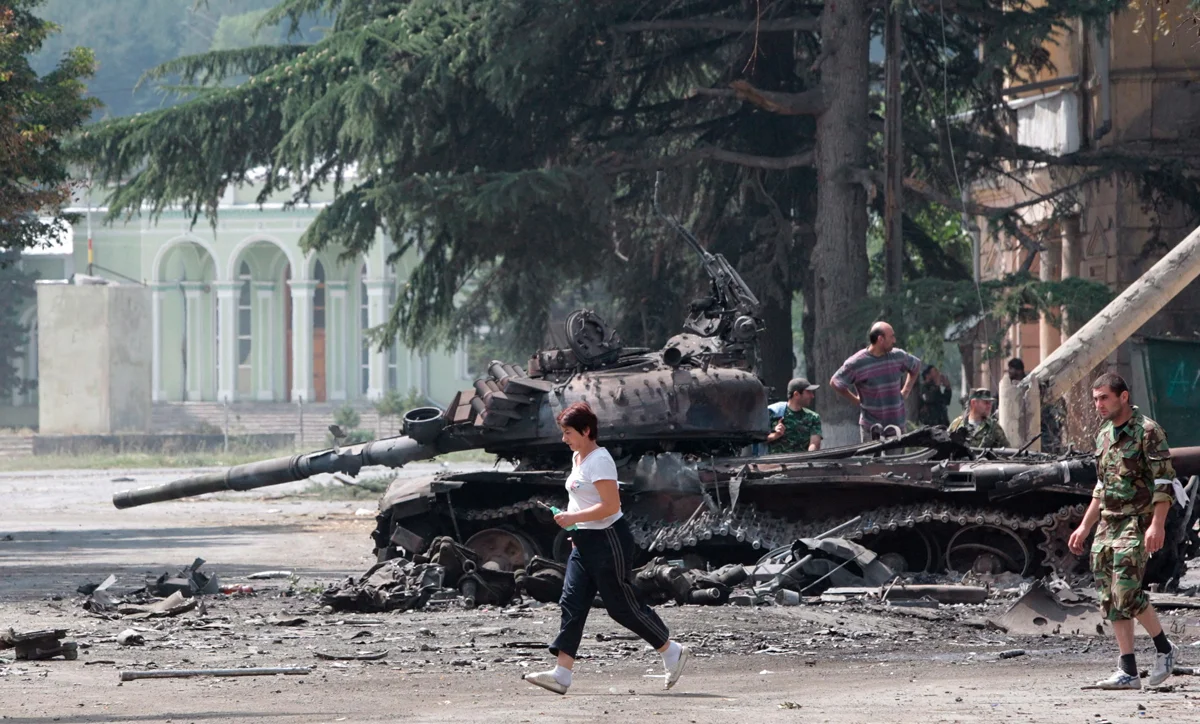
A few months later, Russia has invaded Georgia, saying that Abkhazia and South Ossetia have the right to independence. Arguments are mirror. The precedent already exists.
2011 . Libya. NATO begins an operation with the UN mandate to protect citizens. But the intervention quickly develops into a direct overthrow of the Gaddafi regime. The security mandate is replaced by a change in power.
2014 . Syria. The United States and allies bomb the territory without the consent of the Syrian government. They create bases, cooperate with the opposition, act on an ongoing basis - without a mandate. Officially - the fight against terrorism. But de facto is a violation of sovereignty, formalized as a forced norm.
2014 . Crimea. Donbass. Russia uses the logic of Kosovo: the right to self -determination, the protection of the Russian -speaking population. Now the East speaks the language of the West. This is no longer a violation.
Further - in growing. 2020 . Türkiye introduces troops into the northern regions of Syria and Iraq under the pretext of fighting Kurdish terrorism. There is no mandate. International reaction - no.
2022 . Russia begins a full -scale war in Ukraine. This is already open aggression in Europe, the largest since 1945. The UN condemns the actions of Russia, but can do nothing.
2023 . Azerbaijan returns Karabakh by force. The mass outcome of the Armenian population. And again - without intervention. The world gets used to it.
2025 . Israel strikes Iran, the United States supports. The goal is nuclear objects. There is no mandate of the Council of People's Commissars of the UN. But indignation is already gone either.
So before our eyes the basis of the global order disappears: the idea that no one is either great or small - has the right to use force without restrictions. Now - maybe. And often - does. It was in this logic that there was a silent permit for any blow if you are strong enough or convinced of your moral rightness. And this is no longer right.
Not all violations are the same. But the effect is one
Not every use of force bypassing international law is equally in scale or consequences. There are situations where the intervention really saves life: for example, as NATO participants claimed in 1999, in Kosovo. There are conflicts where the legitimacy of actions causes disputes. And there are frank acts of aggression. But from the point of view of erosion of the general law and order, all these cases are united by one thing: they undermine the idea of universality of the norm.
NATO intervention in Kosovo has become the moment when the international community - albeit of the best motives - first went around the UN Security Council . The formal mandate for the use of force was not obtained. Nevertheless, the operation took place under the slogan of humanitarian intervention and was later recognized as many countries as morally justified. As political analyst Michael Ignatieff wrote in his book “Human Rights as Politics and Idolatry”, legitimacy becomes more important than legality when we are dealing with genocide.
But who decides that the genocide is happening? And who determines whether it is permissible to act without the sanction of international law? These issues opened then - and remain open to this day.
In 2008, the recognition of the independence of Kosovo, despite the protests of Serbia and without the approval of the Security Council, secured the precedent: you can not only use force bypassing the UN, but also to change the boundaries of states without the consent of their governments.
It is this example that Russia refers, when in 2014 it annexes Crimea and recognizes the LPR/DPR. In a speech in the State Duma, Vladimir Putin directly stated: “ The West himself showed us an example with Kosovo: if they can, why can we not? "
Similar logic is observed in other conflicts.
In Libya, the operation begins with the UN mandate to the protection of civilians, but develops into overthrowing the regime. Former Foreign Minister of Foreign Affairs, Juber Vedin, later admitted: “ We went beyond the mandate. This undermined confidence in the international security architecture "
In Syriaco, under the leadership of the United States, he operates on the territory of Syria without the consent of the country's authorities. Formally - the fight against ISIS. In fact, a constant military presence, opposition support, bases creation.
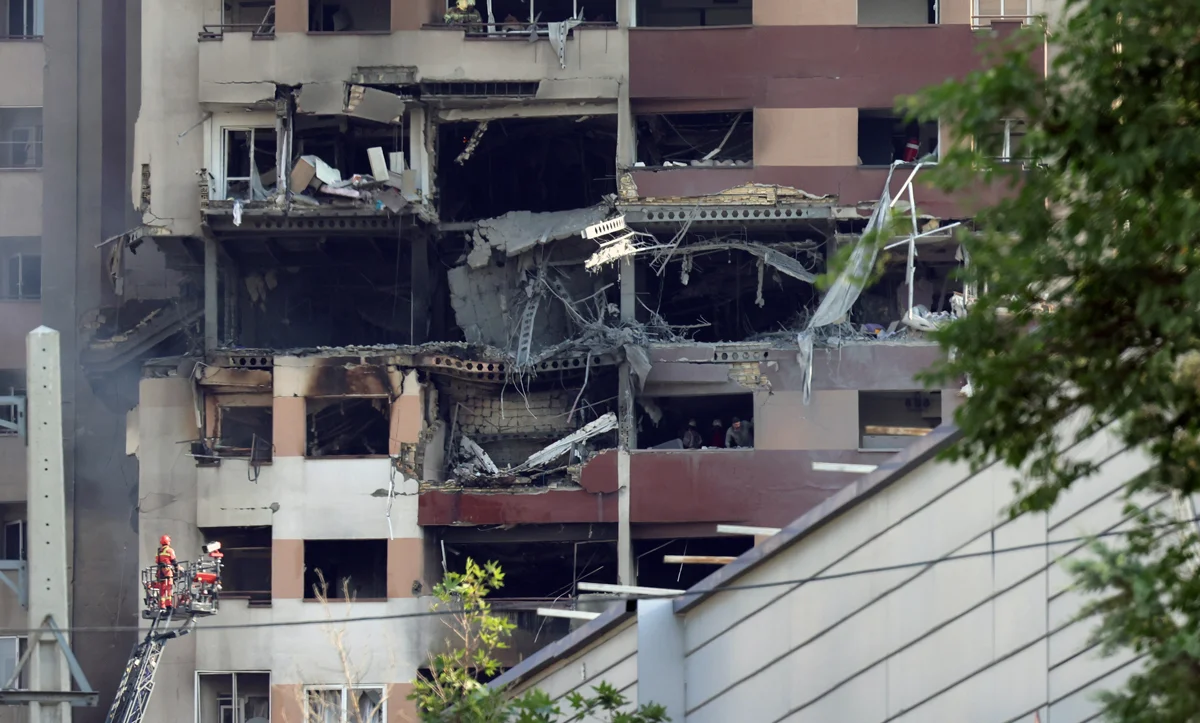
Israel in 2025 Nannitara for objects in Iran, which are accompanied by statements about the right to self -defense. But, as the international lawyer Christin Chinkin emphasizes: “ The right to self -defense should not become a universal justification for any one -sided actions. Without the mechanisms of institutional verification, it undermines the principles of the UN Charter . ”
The next such precedent may well be Taiwan.
All factors are evident here:
historical claim (China considers Taiwan an integral part of the country);
military and economic superiority;
weak reaction of the international community;
And the willingness to present a military operation as an “internal question”. According to the same logic on which Russia annexed Crimea.
This is the main problem: each exception over time turns into normal. I do not claim that all these actions are equal. But they form the same structure of consequences.
Precedent of violation of the rules;
Justification of violations through morality, not law;
Repetition of violation by other states is already with other motives.
As a result, in the eyes of states and citizens, international law becomes flexible and selective. And flexible law is no longer right, but a political tool that can be used depending on the status, strength and allies.
The collapse of international institutions
If earlier international law served as a frame, within which conflicts were resolved - today it has become a screen. Formally, it exists, but its principles are increasingly becoming the basis for action. The main institutions on which the post -war world order was held, either paralyzed, or discredited, or simply ignored.
The United Nations has long turned into the arena of declarations, not decisions. Its main body - the Security Council - is blocked by the right of a veto of permanent members. With any serious crisis, the great powers use a veto not as a means of preventing violence, but as a tool for protecting their interests. This turns the owls not into a guarantor of security, but into an insolvent structure where the interests of superpower are faced.
There are more than enough examples of this: from Rwanda and Srebrenitsa to Syria, Ukraine and Palestine. When some states use international law as cover, while others ignore it at all, the system loses not only efficiency, but also legitimacy.
The International Criminal Court, established as a symbol of universal justice, loses authority. His jurisdiction is not recognized by the United States, Russia, China, India, Türkiye, Israel and other major players. Moreover, even those countries that formally support the Mus are inclined to ignore his decisions if they contradict national interests.
The paradox is that the very principle of universal justice was geopolitically vulnerable.
Mus initiates investigations against African countries or individuals, but is never able to act effectively against the leaders of nuclear powers or members of the Security Council. From the tribunal struggling with absolute evil, he turned into court for the weak and losers.
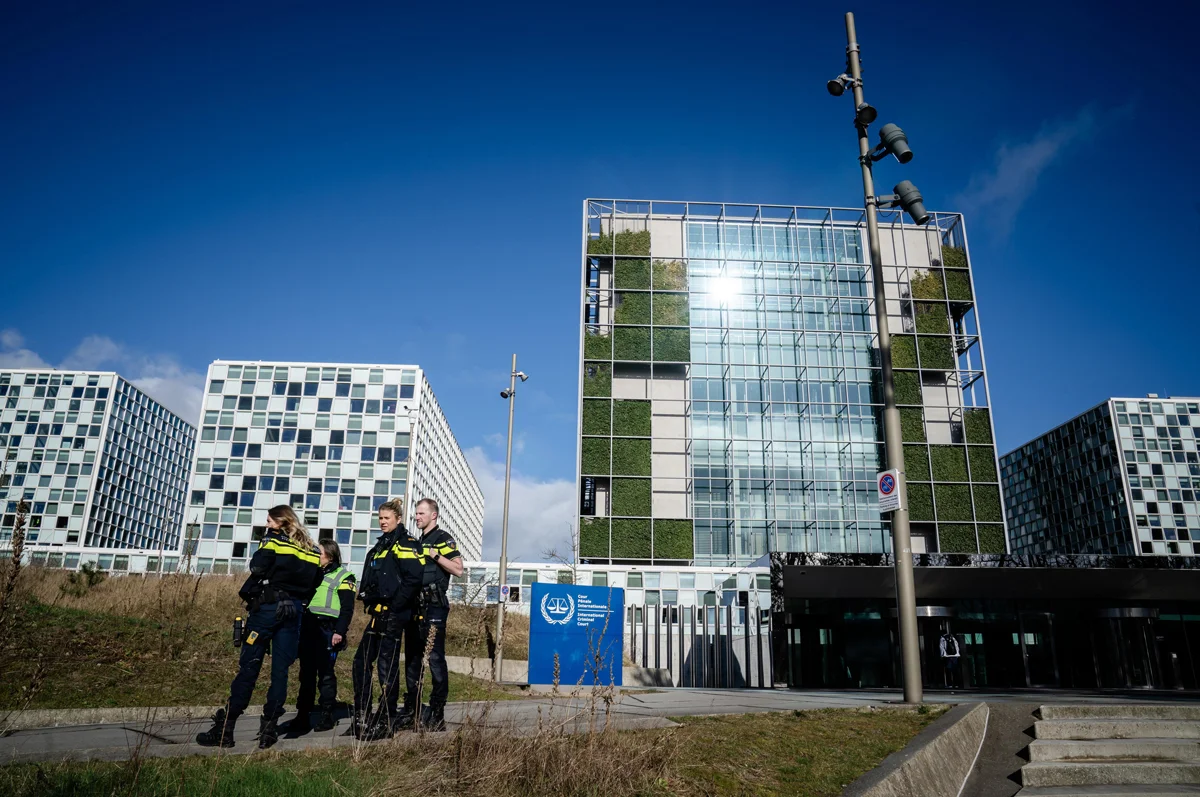
It is not just about the dysfunction of international institutions. Before us is a systemic breakdown of trust. If institutions of international order cannot be applicable to everyone without exception, they cease to be universal. And if they are not universal, they can not be recognized.
The idea of universal responsibility - the one that arose after Nuremberg - is disappearing today. Not because people have forgotten the Holocaust or do not understand the importance of retraining and counterweights. But because no one can implement this versatility in practice. No one - neither a separate country, nor an international body - has sufficient legitimacy and power to say: “You can’t”, and be heard by everyone.
While international institutions are paralyzed, the world is moving by inertia. This inertia does not lead to universal justice - but to universal cynicism.
Loss of subjectivity: from citizen to observer
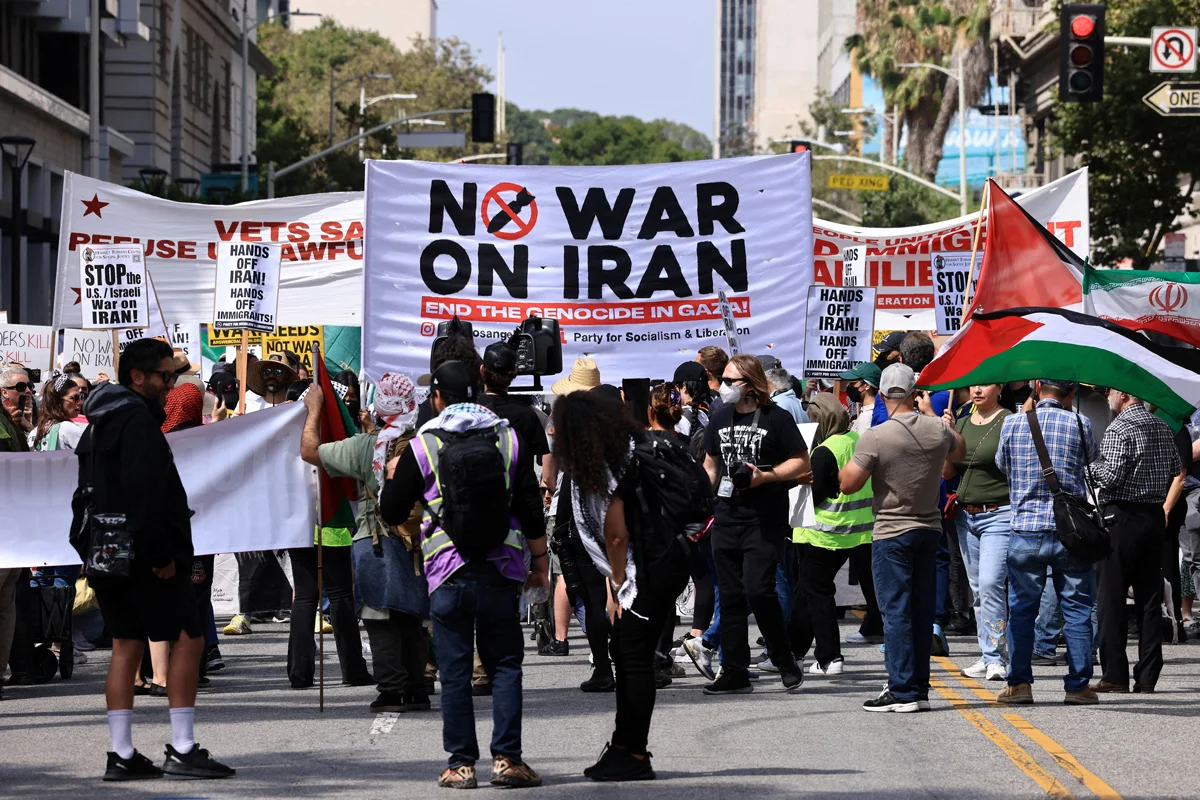
Political subjectivity is the ability of a person to be not just a member of the elections, but the current actor of the political process: to put forward requirements, to influence decisions, to resist the destruction of norms. Today, this ability is rapidly disappearing - and not only in authoritarian states, but also in countries with sustainable democratic institutions.
More and more people in the world live in conditions when decisions that determine their fate are made without their participation. They turn into spectators - behind the news feed, behind parliamentary meetings, behind wars - even if these wars unfold on their behalf.
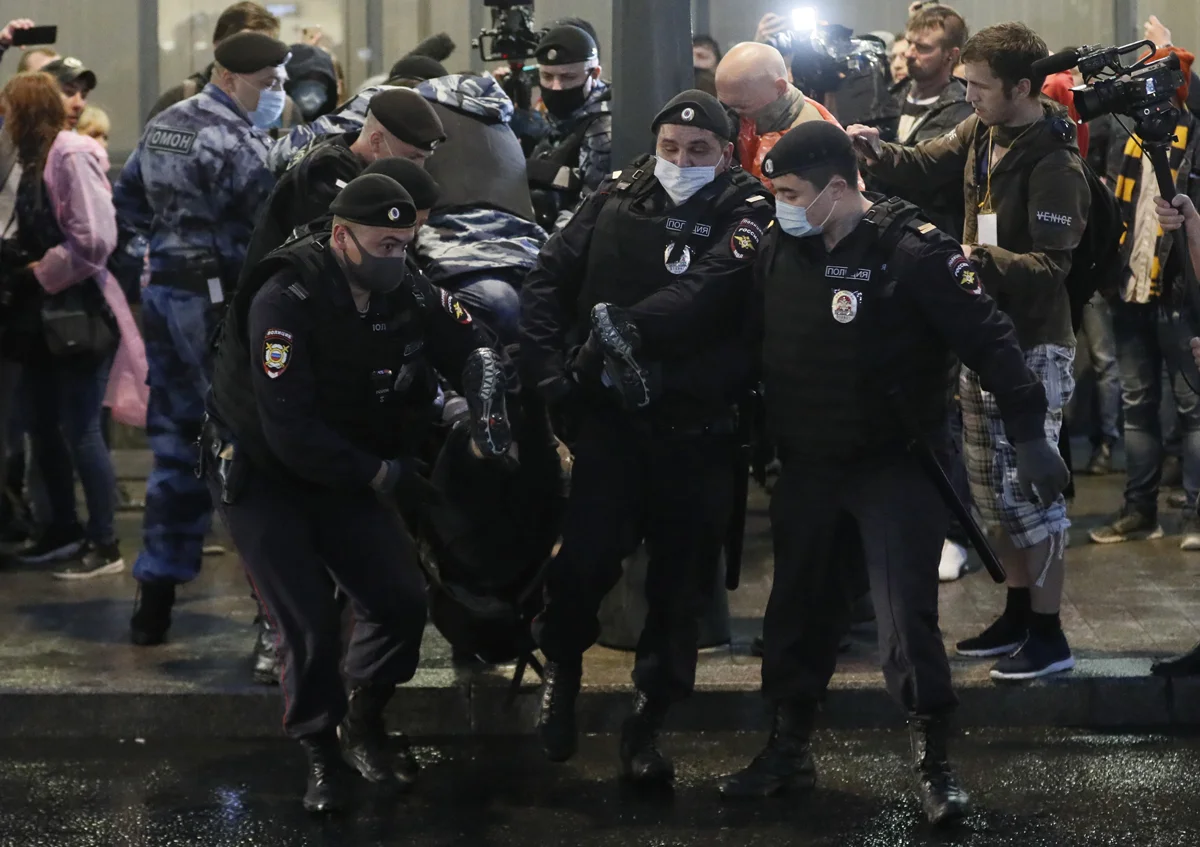
Russian citizens cannot stop or even publicly discuss full -scale aggression unleashed by their country against Ukraine. Any disagreement is punishable by repression, independent media is destroyed, protest is deprived of an organized voice.
US citizens are not able to limit the desire of Donald Trump, who returned to power, to dismantle the system of retrains and counterweights. He ignores the decision of the courts, attacks independent universities and the media, paralyzes the work of federal agencies and institutions, forming an alternative vertical of power under the slogan "The will of the people is me."
Nobody asked citizens of Israel if they want to strike at Iran’s nuclear infrastructure. The decision was made at the level of political and military leadership, and only then justified in the media sex - as necessary, rational, patriotic.
Iran citizens are not able to influence the course that leads the country to isolation and foreign policy aggression. Political institutions are closed, the elections are controlled, the religious top makes decisions outside the democratic procedure. No vote can change the desire of the government to destroy Israel or expand influence in the region.
In all these examples - from the United States to Iran, from Russia to Israel - the national will is replaced by the state directive, and the consent of the society by the propaganda machine. There is an illusion of support: statistics, polls, slogans. But this is not consent, but its imitation: when the choice is absent, and any disagreement is perceived as a threat.
At the same time, the normalization of force as a universal method occurs. Ultra -right and authoritarian leaders - Trump, Orban, Erdogan, Putin and others - offer simple solutions in response to complex challenges. They are shaking: "I take responsibility, I am not afraid to act, I go forward, no matter what." This seems decisive and courageous, but in reality it replaces the dialogue - by order, and participation - obedience.
These moods are intensified due to the growing popularity of technocratic autocracies: China, Saudi Arabia, the UAE. In them, freedom is not at all included in a social contract. Instead of freedom - stability, economic growth, digital comfort. Society is controlled by technologies, controlled by algorithms, political discussions are not needed. A person becomes a cog: transparent, monitoring, controlled.
All this destroys faith in democracy as universal value. Previously, it was perceived as the only legitimate path of development. Now it is increasingly represented as ineffective, chaotic, vulnerable to external threats and internal schisms. It is replaced by new forms of power: centralized, silent, “safe” - but excluding participation.
If the trend is preserved, the role of a citizen will finally reduce the episodic gestures - protest, voting, petitions - which do not change anything. And decisions will still be taken by those who consider themselves the only bearers of political will.
Ultra -right turn: by force instead of discussion
Against the backdrop of the destruction of institutions and a crisis of trust in democracy, the temptation of a simple and quick solution wins more and more often. When the rights are not protected, and the dialogue does not work, the mood is intensified by the “hit first”, “not to listen to the liberals” - a rhetoric, designed for emotions, is not for the mind. It promises clarity, but destroys the mechanism of participation.
The election of Donald Trump for a second term was the signal of the beginning of the new time. This is an era in which the order replaces the discussion, an independent court is perceived as a threat to political will, the university becomes an enemy of the state, diplomacy is considered as a manifestation of weakness, and a compromise as a betrayal. Trump, acting within the framework of established institutions, systematically undermines them: ignoring court decisions, attacks on the media and universities, creating a parallel vertical of power - all under the slogans of “great changes” and “national greatness”.
But this trend exists not only in the USA. По всему миру он проявляется у других лидеров: от Эрдогана в Турции до Хавьера Милея в Аргентине, от Орбана и Нетаньяху до Путина.
Эти лидеры предлагают четкую сделку: «Откажитесь от сложности — получите порядок».
Вместо диалога — сила. Вместо сомнения — вера. Вместо участия — повиновение.
Этот поворот — не временный сбой, а симптом системного процесса: эрозии институтов, разочарования в либеральной модели и усталости от глобальной неопределенности. Эту динамику подпитывают медиа, настроенные на конфликты, и технологии, позволяющие отслеживать и манипулировать общественным мнением. И если этот тренд продолжится, демократия не просто будет ослаблена — она станет избыточной.
Нежелательная демократия
На протяжении десятилетий демократия представлялась идеалом — не только политическим, но и моральным. Она ассоциировалась с правами человека, верховенством закона, свободой прессы, независимым судом и правом граждан на участие в принятии решений. Но сегодня, впервые за послевоенное время, этот идеал теряет статус желанного. И не только в странах с авторитарным уклоном — но и в тех, кто еще недавно гордо называл себя «оплотами демократии».
Правозащитная организация Freedom House в течение 19 лет подряд фиксирует глобальное снижение уровня политических прав и гражданских свобод. Исследовательский институт V-Dem в 2025 году публикует доклад, в котором подчеркивается: число государств, движущихся в сторону автократии, превышает число стран, усиливающих демократию. Pew Research Center показывает, что недовольство качеством работы демократических институтов растет даже среди граждан развитых стран. Всё чаще демократию называют не формой власти, обеспечивающей свободу, а системой, порождающей нестабильность, паралич и бесконечную борьбу интересов. В 24 странах, охваченных последним опросом Pew, более половины граждан считают, что демократия «плохо справляется» со своими задачами. А в некоторых странах Европы этот показатель приближается к 70%.
Причины очевидны. Демократия — это медленно. It's complicated. Это всегда связано с компромиссами, в которых не бывает победителей. И на фоне глобальных кризисов — от эпидемий до войн — она начинает восприниматься как роскошь, которую нельзя себе позволить.
На смену приходит новая модель: авторитарная технократия. Государство, где безопасность важнее свободы. Где решения принимают не граждане, а алгоритмы. Где экономический рост сопровождается цифровым контролем и исчезновением политических альтернатив.
В Китае эта модель уже достигла зрелости: десятки миллионов камер наблюдения, баллы социального рейтинга, автоматическое «профилирование» граждан. В Сингапуре — экономическая эффективность в обмен на доминирование одной партии и ограничения на политические свободы. В ОАЭ — инвестиции в инфраструктуру, искусственный интеллект, «умные города» и полный контроль за публичной жизнью.
И главное: эта модель не вызывает отторжения у граждан. Напротив — она всё чаще воспринимается как рациональная альтернатива.
Свобода мнений кажется абстрактной. Право на участие в политике — символическим. А контроль — удобным.
Парадокс XXI века в том, что люди добровольно отказываются от политических прав в обмен на стабильность, удобство и предсказуемость. Это не деспотия прежнего типа — это новая, высокотехнологичная форма неучастия. Когда протест не запрещен — а просто никому не нужен. Когда выбор есть — но только между допустимыми опциями. Когда алгоритм знает тебя лучше, чем ты сам, — и заранее подскажет, что ты хочешь.
В такой системе демократия перестает быть мечтой. Она становится либо утомительной процедурой, либо привилегией — всё менее доступной большинству. И если раньше авторитаризм нуждался в оправдании, то теперь оправдание нужно демократии.
Мир, в котором сила превращается в закон
Когда рушатся универсальные правовые рамки, исчезает не только механизм контроля, но и сама идея предсказуемости. В таком мире любой, обладающий достаточной военной, технологической или экономической силой, обретает свободу действовать, как будто он не связан ничем, — кроме собственной воли.
Применение силы перестает быть исключением и становится нормой. Она больше не ограничивается законом — она и есть закон. Международное право, построенное на послевоенном консенсусе о недопустимости агрессии, больше не удерживает государства в рамках. Они больше не считают себя участниками общей нормативной системы, а всё чаще — автономными акторами, которые решают: что позволено — тому, кто может.
Как писал Карл фон Клаузевиц в трактате «О войне»: «Война есть продолжение политики иными средствами». Эта фраза, родившаяся в XIX веке, в XXI становится не комментарием, а инструкцией. Политика больше не ограничивает силу — наоборот, она оформляет и легитимирует ее.
Именно поэтому Россия объясняет захват территории «правом на защиту», США и их союзники действуют в Сирии без согласия местных властей, а Израиль наносит удары по Ирану, не спрашивая ни международное сообщество, ни собственных граждан.
Эти действия — вне зависимости от их морали или политической симпатии — вписываются в одну и ту же схему. Сила подменяет норму. Политическое насилие приобретает статус допустимого инструмента. Суверенитет становится относительным, если тебя можно победить.
А нас как наблюдателей всё чаще ставят перед свершившимся фактом, без права на голос, но с обязанностью признать реальность.
После справедливости
Мир 2025 года — это не мир без норм. Это мир, в котором нормы больше не обязывают. Институты больше не действуют. А сила вновь становится основанием легитимности.
Это не эмоциональный приговор. Это — аналитическое описание положения дел. Мы больше не живем в системе, где право обладает универсальной обязательностью. Его претензия на всеобщность подорвана практикой: государства нарушают нормы, игнорируют решения судов, манипулируют международным правом как инструментом давления. Но главное — даже там, где нормы формально соблюдаются, они всё чаще не воспринимаются как справедливые.
Принцип «по закону — значит правильно» больше не работает. Законы — особенно международные — больше не воспринимаются как выражение всеобщей воли. И если раньше нарушение норм подрывало доверие к государству, то теперь — к самим нормам. Мы оказались в точке, где сама идея «жизни по правилам» требует нового обоснования. Уже недостаточно просто апеллировать к праву — оно должно быть легитимным, признанным как морально обоснованное, а не навязанное. Без этого оно не фреймворк, а декорация.
Но как вернуть легитимность нормам? Это вопрос не юридический и не технологический — это вопрос политический и этический. Право без признания — это пустая оболочка. А оболочка слишком легко становится оболочкой силы.
И здесь возникает ключевой вызов: каковы моральные основания нового международного порядка? На чём может строиться доверие между государствами, если не на страхе и не на шантаже? Какая общая рамка еще может быть выстроена, если вера в универсализм разрушена, а язык солидарности обесценен?
Ответ, если он существует, — в политических силах и человеческих субъектах, которых не устраивает правление грубой силы. Тех, кто страдает от нее, кто не может реализовать свои интересы в мире, где сила важнее справедливости. Новая легитимность может родиться только снизу — от тех, кто больше не хочет быть объектом чужих решений.
Потому что сегодня человек — уже не субъект международной системы. Он становится объектом ее побочного действия.
Объектом решений, в которых он не участвовал, но за которые он будет расплачиваться. Он больше не автор политического порядка — он его заложник.
Если не появится новая рамка, новая система ответственности, новая идея глобального коллективного — то логика разрушения станет логикой мира. Будущее будет решаться не в залах заседаний, а на передовой. Не словами — а баллистикой. Не гражданами — а государствами, лишенными обратной связи.
Такова цена мира после справедливости. И вопрос не в том, как мы сюда пришли. А в том, есть ли еще те, кто способен найти выход.
Редакция может не разделять мнение автора.