
Translated material
Three riders Trump
John Voit, Sylvester Stallone and Mel Gibson - special settlers of the US President in Hollywood. We decided to understand their political views (and horrified)
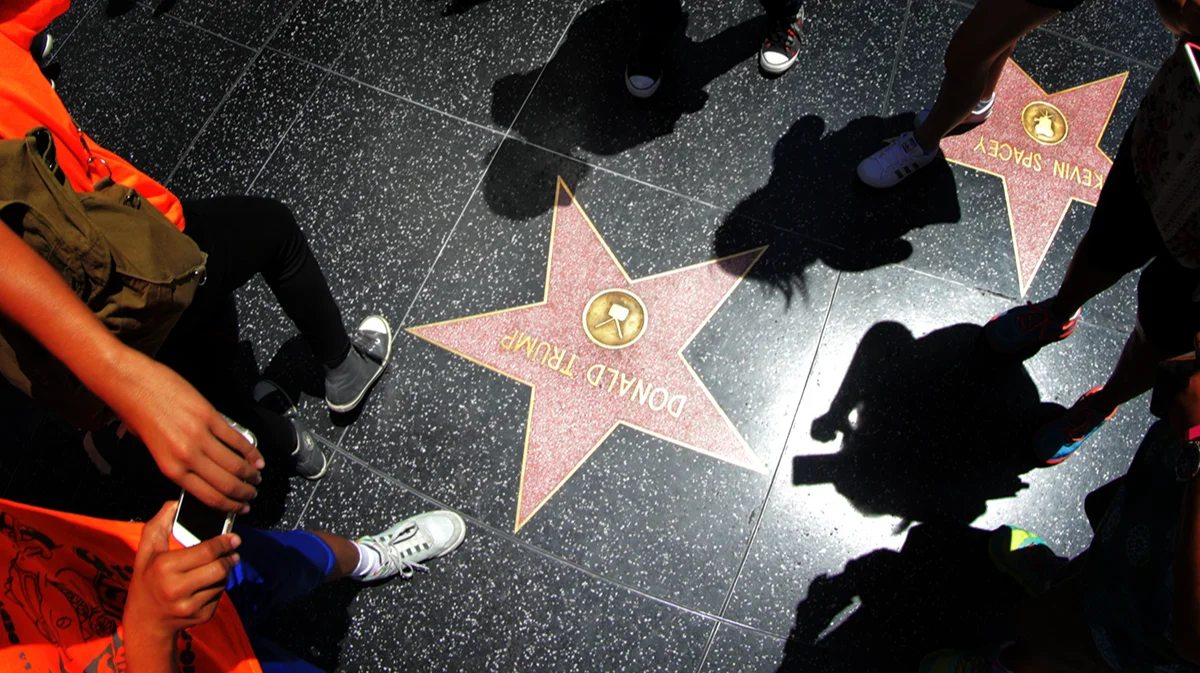
Donald Trump star on the Hollywood alley of Glory in Hollywood, California, USA, July 20, 2016. Photo: Mike Nelson / EPA
“Boring, unfair, political correct” - so the current US President Donald Trump described the ACCAR Award ceremony in 2024. This was a kind of warning against progressive Hollywood. Trump did not forget the active support that the cinema stars provided to the Democratic Party: it is enough to recall the gala in the pedacock cinema, organized by Julia Roberts, Barbro Streisand and George Clooney in the summer of 2024, which raised $ 30 million for Joe Bayden. Meryl Streep, Robert de Niro and many other American actors and directors campaigned first for Biden, and then - for Kamalu Harris.
In response, Trump repeatedly publicly humiliated the representatives of the cinematic “liberal camp”, including Meryl Streep (“Apassed Actress”) and George Clooney (“Lipovaya Star”, “Closed Political Commentator” ). It is not surprising that, returning to power, Trump announced the need to reform Hollywood-to make him "more, better and stronger than ever."
Duties for foreign films and stimulation of internal production became the economic foundation of the Donald Trump plan. As part of this strategy, he appointed Sylvester Stallone, Mela Gibson and John Voit "special representatives in Hollywood." Although the president did not indicate the official framework and volume of authority, the appointment of the actors did not remain purely symbolic. Already in May, John Voit introduced Trump “Comprehensive Plan” to return film production in the United States, including tax benefits, subsidies for infrastructure, co -products and even tariffs for foreign films. Soon after, he began a series of meetings with the key figures of the industry: among other things, he held negotiations with the Guild of Directors of America (Directors Guild of America), the Teamsters and IATSE unions, representing the interests of thousands of film crew workers. In June, Voit also met with Governor of California Gavin Newsom to discuss the possible coordination of federal and state incentives for the industry. So, despite the informal status, the actors become not just the voice of conservative Hollywood, but by real political figures trying to rewrite the rules of the game both in business and in ideology.
Especially for Novaya Gazeta Europe, Vladimir Kocharyan wrote political portraits of three messengers of Trump.
John Voit: From the hero of the anti -war movement - to the right Messiah
For most Russian readers, John Voit is known primarily as the father of Angelina Jolie and an actor who played secondary roles in a number of militants of the 1990s, such as Anaconda, the Enemy of the State and Blagodest. However, his professional take-off fell on the stormy 1970s: the war in Vietnam, mass protests, economic collapse and a crisis of confidence in power that reached the climax under President Nixon.
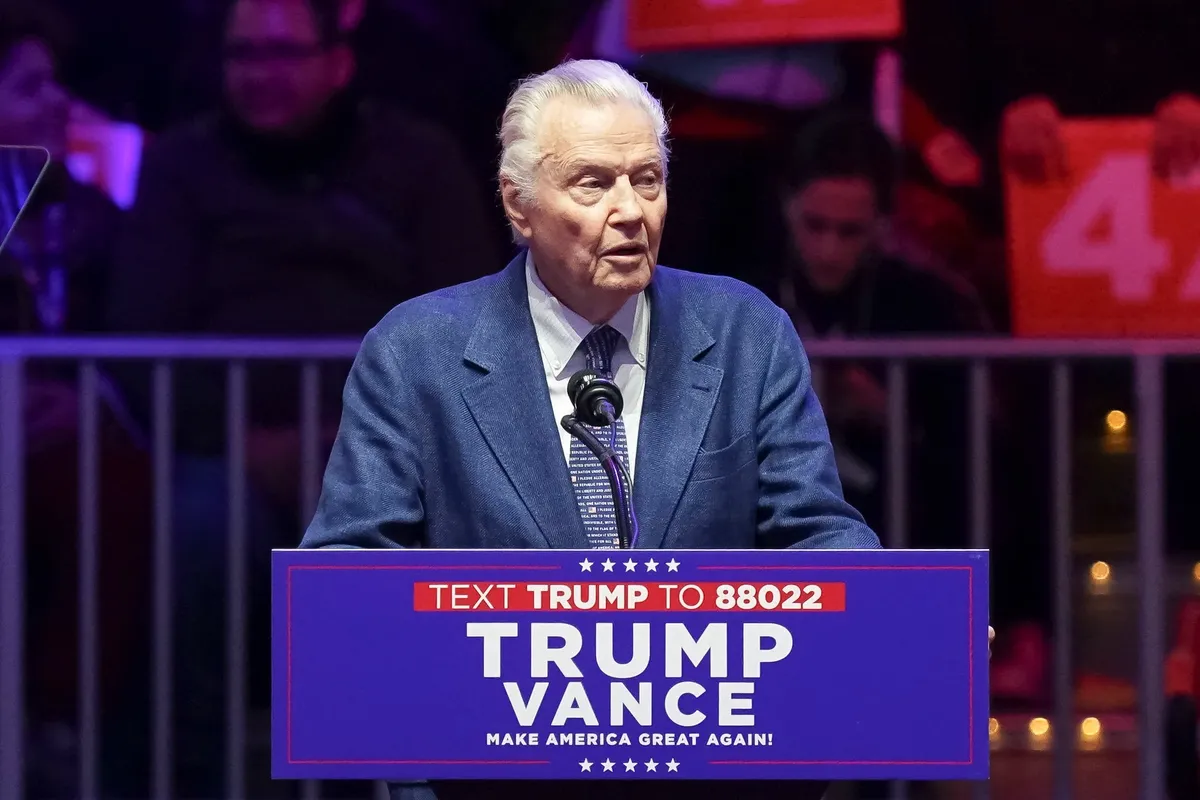
Starting his career in the turning point, Voit quickly became not only a noticeable figure in the cinema, but also a participant in the anti -war movement. He played the key roles in the counter -cultural films of that time: “midnight cowboy”, where he played the gigolo, and the anti -war drama “Return home”. It was for this role that the actor received an Oscar, as well as a reward for the best male role of the Cannes Film Festival. Voit himself participated in protests, speaking shoulder to shoulder with Jane Fonda, an actress and one of the brightest activists of that time.
“It was the spring of 1970, the height of the struggle against the war in Vietnam ... I also belonged to the new generation that I wanted to change,” he recalled in an interview with Vanity Fair magazine. His views went beyond the scope of anti -war protest: Voit openly supported the left government of Salvador Alende in Chile and became a supporter of the US Democratic Party. He also took part in the election campaign of George McGovern, known for his progressive views on the rights of minorities, tax reforms and foreign policy.
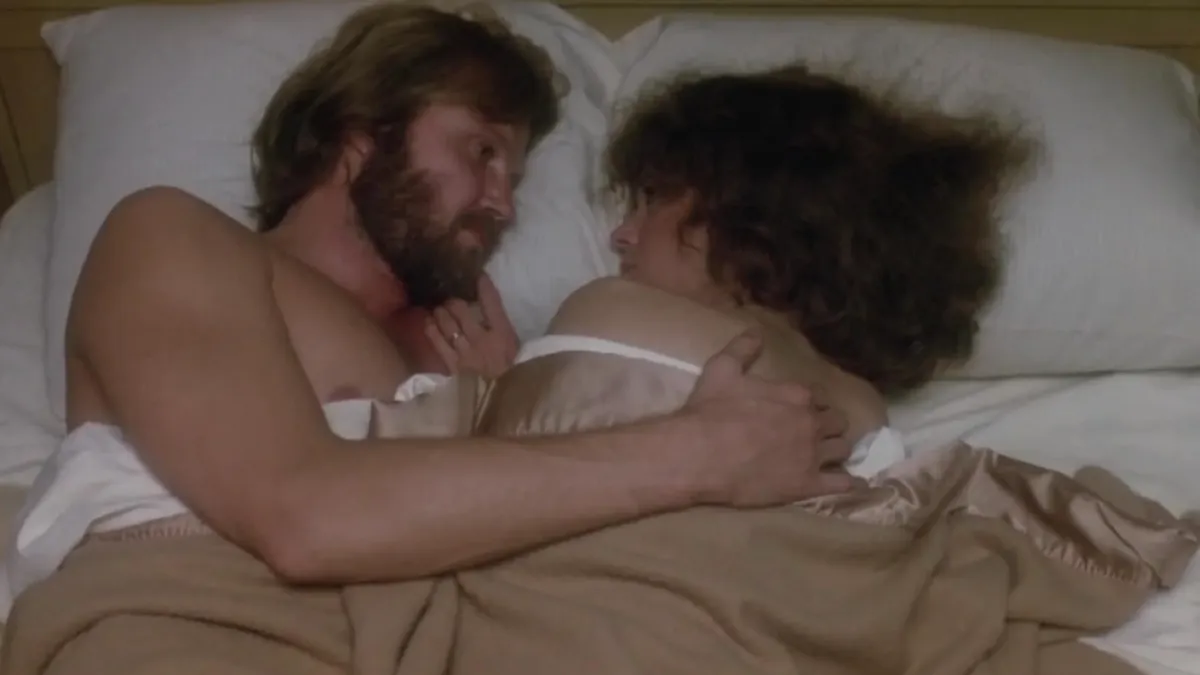
By the end of the 1980s, the actor was experiencing a personal crisis related to family problems. This led to a pause in a career, which lasted from 1985 to 1990. However, already in 1990, Voit returned to the screens, changing the role: instead of heroes, full of internal doubts, as in “returning home”, he more often began to appear in the roles of antagonists and representatives of the authorities. Over the next decade, he firmly entrenched in the Hollywood mainstream as a master of characteristic roles: an immoral lawyer in a “benefactor”, a charismatic villain in Anaconda, a representative of the shadow government in the “enemy of the state”.
Following the rethinking of his acting career, John Voit radically reviewed his political position. Already in the early 2000s, he began to actively support the US foreign policy, in particular military interventions in the Middle East and the war in Iraq. At the same time, Voit began to act with a sharp criticism of the liberal media, accusing them of trying to undermine the country's national unity. These changes took place against the backdrop of a public conflict with his daughter - Angelina Jolie, who at that time completely broke his relationship with him. Later, in an interview with the conservative TV presenter Takera Carlson, Voit admitted that it was the family crisis and instability in his career that became the impetus for his “religious awakening”. In the author's column for The Washington Post, he sharply condemned his own previous beliefs, calling them a delusion.
“I succumbed to the universal hysteria of the war in Vietnam, caused by the Marxist propaganda that underlies the so -called peaceful movement.”
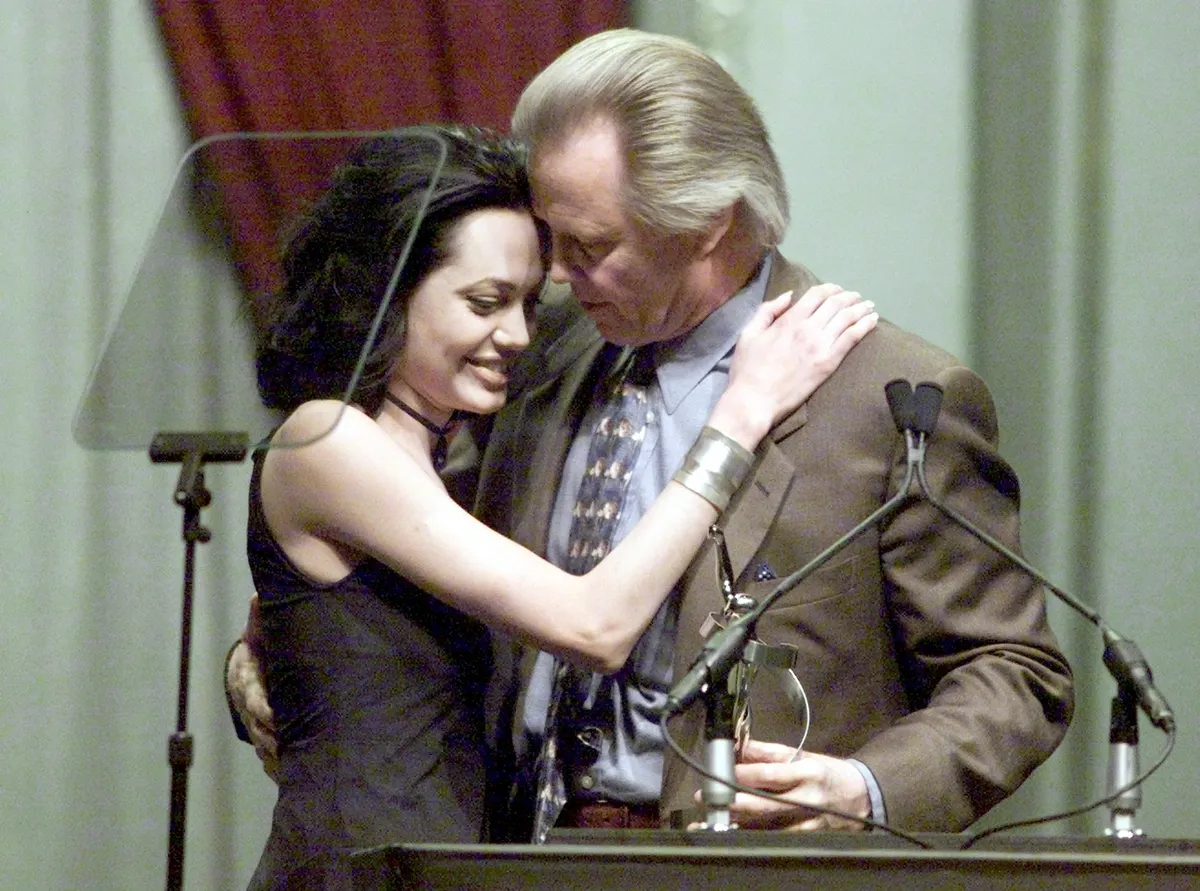
Gradually, his political position was increasingly defined as a strict opposition to liberal and left ideas that dominates the film. While many actors and directors openly supported the election of Barack Obama, Voit, on the contrary, made a sharp statement, calling Obama a “false prophet” and warning about the “socialist chaos”, which, in his opinion, is waiting for the future of the country.
Relations with Trump began during his first election campaign in 2015. Voit actively participated in events organized by right -wing conservative candidates, speaking with speeches in support of Trump. At one of these meetings addressed to a religious audience, he said in his characteristic, almost prophetic manner: “If Trump wins, God will allow the truth to be said and heard.”
Throughout the first presidential term, Trump Voit remained his largest public defender in Hollywood. He regularly spoke with attacks on the Democratic Party, calling it representatives of socialists, criticized the liberal media, accusing them of left propaganda, and also saw a communist conspiracy behind Hollywood progress.
Trump did not remain in debt: in 2020, he handed Voit the US National Medal of Arts - one of the most prestigious state art awards awarded for an outstanding contribution to the development of American culture.
Voit entered the struggle for the second term of Trump no longer as a devoted supporter, but also as one of the ideologists of the movement, actively participating in important media campaigns and political events. Trump’s victory in the elections has become a kind of carte blanche for him: a howl over the past 24 years has accused the socialists of destroying the American lifestyle, the seizure of media, universities and, of course, Hollywood , finally received levers of influence due to the access to the growing conservative media and the support of presidential politicians, including the US president itself.
Against the backdrop of rapid political growth, the acting career of Voit was much less successful. With the exception of secondary roles in large projects, such as “Treasures of the Nation” and “Fantastic creatures: where they live”, it was shot mainly in low -budget films that did not fall into wide distribution.
The role of a pensioner, a KGB agent named Petrovich, in the quasi-biographical film “Reagan” (2024), became symbolic. This picture, a kind of manifesto of right -wing conservatism, retells the biography of the actor and the president, “a fighter with communism and the defender of religion,” in the form of which allusion to Trump himself is clearly guessed. The key storyline is the “cleaning” of Hollywood from the communists who had settled there, which Reagan himself skillfully issued, being an informant of the FBI. A simple, in places frankly naive directing offers the viewer a comforting propaganda fairy tale in which any actions of the US president - whether it is violations of the law, moral failures or death of people - are not fluctuating with one noble reason - love for America.
Mel Gibson: Passion on the theories of the conspiracy
Starting an acting career in his homeland, in Australia, Mel Gibson instantly became an international sensation after the success of the first part of the Mad Max's post -apocalyptic franchise. After the third film, he entrenched in Hollywood, having received a role in the new popular series-in the policeman police officer “deadly weapons”. The commercial success and attention of the press made him a favorite of the American public at the turn of the 1980-1990s. In 1985, People called him the sexiest man of those living, and Gibson confidently continued to conquer Hollywood.
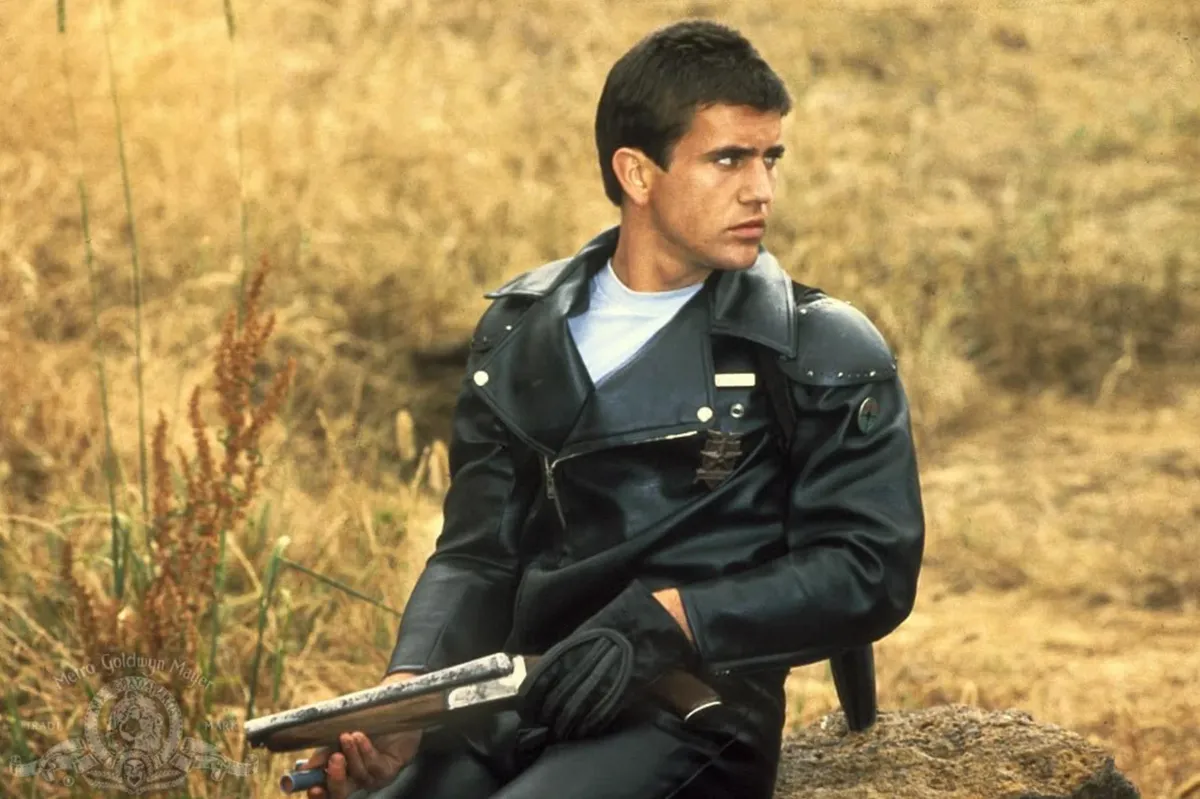
In 1993, he made his debut as a director with a melodrama “Man without a face”, and his next film “Brave Heart” (1995), dedicated to the struggle of the Scottish national hero William Wallace against the English invaders, turned Gibson into a world film star. The picture brought him a number of awards, including Oscar for the best film and for the best directing. The first 20 years of career for Gibson became a series of roles in hits of various genres - from thrillers to romantic comedies. However, already at that time he actively broadcast his political and religious views.
Gibson grew up in a Catholic family, but with the features: his father, Haton Gibson, was a famous representative of the gray -haired - a radical branch of Catholicism, rejecting the legitimacy of modern papes of the Roman. In addition, Haton became famous for conspiracy and anti -Semitic statements, including the denial of the Holocaust. Mel Gibson himself more than once spoke sharply to the liberal Hollywood, LGBT community and feminism. His statement in an interview with Playboy - “men and women are not equal” - could still be attributed to the format of edition and nuances of time. However, in the same interview, he accused Bill Clinton of an effort to establish a “new world order”, linening this with Marxism and a global elite conspiracy. He explained his views, referring to conversations with his father.
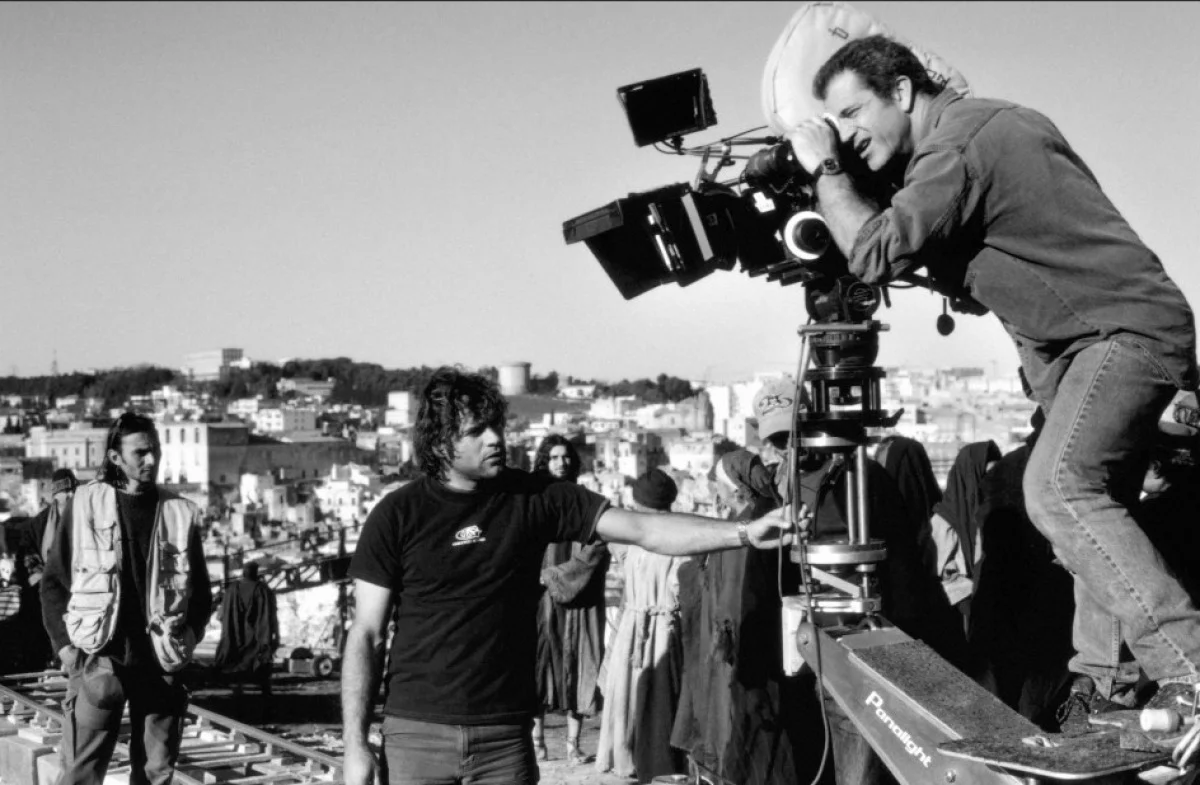
The conspiracy atmosphere accompanied the shooting of the main film in the directorial career of Mela Gibson - “The Passion of Christ”. Gibson claimed that some “backstage forces” were actively trying to interfere with the shooting: “As soon as I announced that I was starting to shoot, it became clear: this is a dangerous thing. They did not want ... We are just meat in this sandwich. ”
Despite the alleged conspiracy, the film was completed. The largest Hollywood studios ("Maighors") did not take part in the project, and Gibson financed the film on his own, investing about $ 30 million. The “passions of Christ” became the work of his life and eventually turned into a large -scale cultural phenomenon. The picture raised 370 million dollars at the American box office, and the global fees reached 612 million - at that time it was the most box office film with the rating R ( Restricted - a film with violence, rough vocabulary or sexual content, to watch up to 17 years only with an adult. - Approx. Author ) in history.
Religious mobilization, accompanied by the release of the film and organized by Gibson himself, turned out to be interesting here. The promotional campaign took place in Catholic and evangelical parishes throughout the country. Thousands of special shows were arranged in Megaschvyakh, where pastors distributed advertising materials and organized a discussion of the film after views.
The picture caused stormy public debate and, along with approval from religious communities, faced criticism, in particular with accusations of anti -Semitism. Gibson himself openly admitted that one of the sources of inspiration for him was the “visions of Anna Katerina Emmerich” - the mystical texts of the German nun, in which Jews were depicted in an extremely negative light as “murderers of God” and sadists. Jewish organizations made a harsh criticism of the film and its author. In response to this, Gibson insisted that the plot of his tape is not anti-Semitic, but biblical and that the fault of the crucifixion of Christ lies with all people, and not on any particular people.
However, the story of accusations of anti -Semitism was not limited only to plot references in the "passions of Christ." These accusations became a turning point in the entire career of Mel Gibson. In 2006, he was detained for driving in a state of intoxication on one of the roads to Malibu. During the arrest, Gibson resisted, behaved defiantly, threatening the connections, which, according to him, could destroy the career of a policeman.
His anti -Semitic remark was especially resonant, addressed, as expected , to the officer: "Fucking Jews ... Jews are to blame for all wars in the world!"
These words hit the media and caused an international scandal. Jewish organizations called for the immediate and strict condemnation of Gibson, and the reaction of the industry was not long in coming. Contracts were torn with him, many projects were frozen, and friends and colleagues distant from the actor. In response, Gibson apologized and stated that his behavior was caused by alcohol dependence with which he promised to fight. He underwent a course of treatment, but the consequences of the incident were large -scale. In fact, this became the moment of “canceling” Mela Gibson as a significant figure in Hollywood.
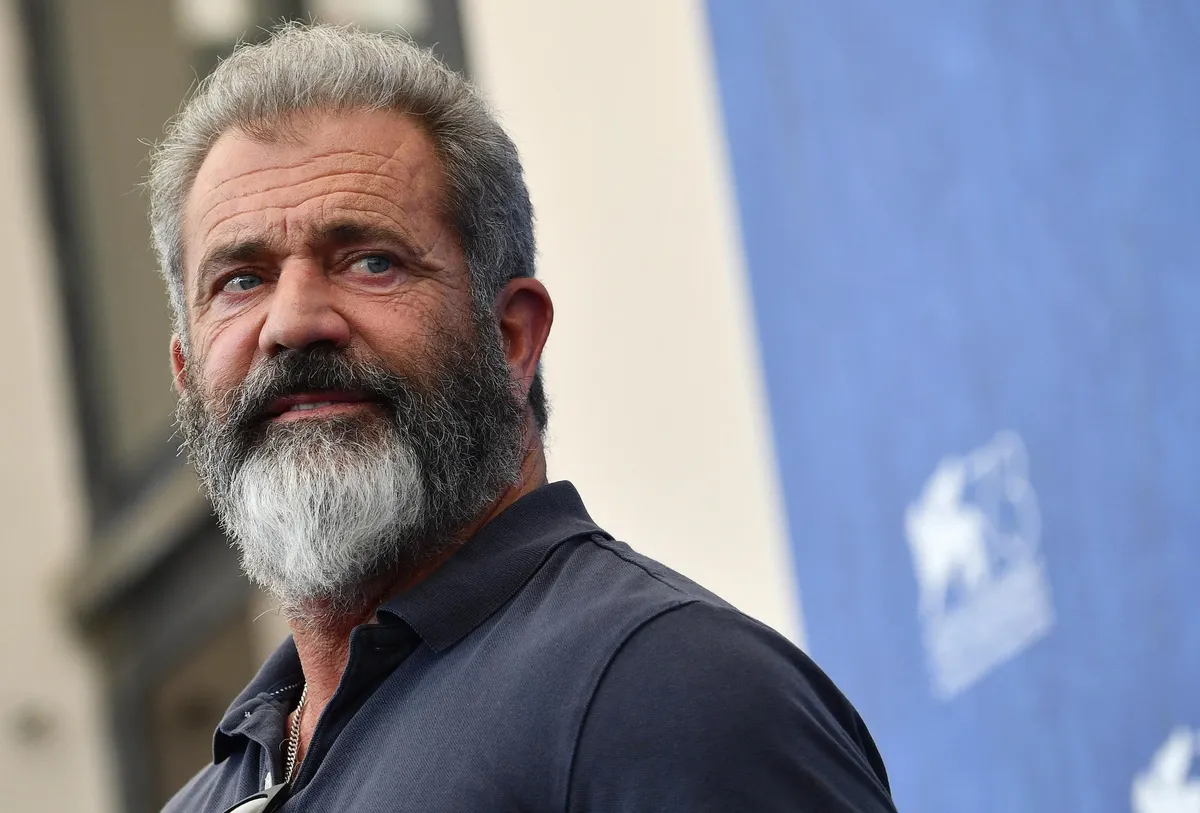
He managed to return to work in big cinema only after ten years, in 2016, when he acted as a director of military drama “For Conscience” with Andrew Garfield in the title role. The film was warmly accepted by critics, he entered the competition of the Venice Film Festival and received several nominations for Oscar. All this partially rehabilitated Gibson in the eyes of the industry, but the consequences of the 2006 scandal are still reflected in his career. It is enough to note that since that time he has never received a single leading role in large -scale Hollywood blockbusters. Basically, his acting was limited to participation in independent projects or low -budget thrillers of category B.
Mel Gibson did not express direct support to political parties, including Donald Trump during his first election campaign. Only in 2021 he demonstrated the landmark approval of Trump, welcoming him by military salute on the battles of the UFC 264. Already during the second presidential campaign in an interview with TMZ journalist, Gibson said that “no one would vote for anyone,” adding that “Trump is an excellent proposal”. In turn, he sharply criticized Kamalu Harris, comparing its IQ level with the fence.
Trump himself on the social network Truth described Gibson with the words: "Mel Gibson is great." According to the actor, he learned about his appointment by a special envoy to Hollywood at the same time as everyone, from social networks.
“Nevertheless, I respond to the call. My duty as a citizen is to provide any help and give any advice I can, ” said Gibson.
It is interesting that literally a week before the loud purpose, Gibson gave an interview to one of the most popular leading and interviewers in the USA - Joe Rogan. In this interview, he continued his conspiracy line, accusing Hollywood of an attack on Christianity, of jerking the theory of evolutionary origin of man and the existence of Covid-19.
Sylvester Stallone: Patriotism on request
Stallone forever inscribed his name in the history of cinema as one of the main persons of the genre of action-beer. Whether it is the vengeful soldier Rambo or the boxer of Rocky, which inspires optimism, Stallone became the idol of several generations of the audience. The Rambo series had a significant impact on the formation of American military propaganda in the post-day period and became an ideological opposition to the anti-war heroes of the 1970–80s, like the characters of John Voit.
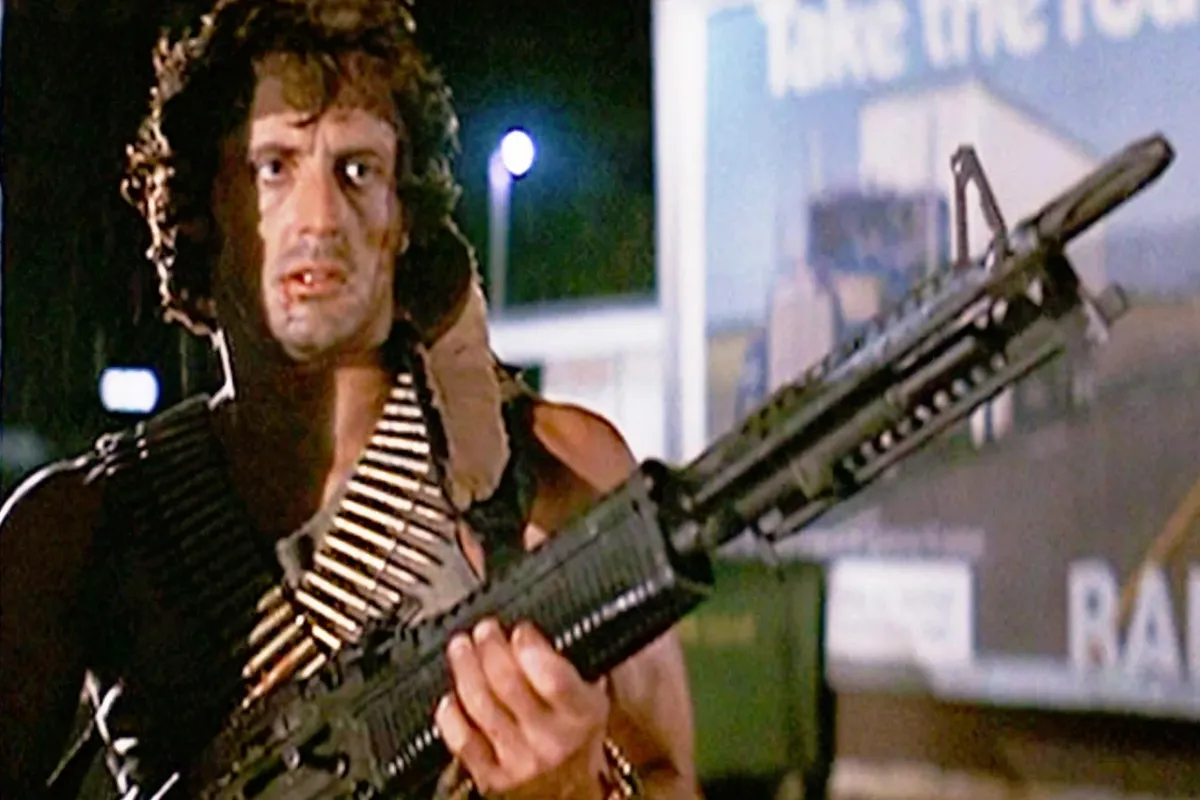
Фильм «Рэмбо: первая кровь» рассказывал историю ветерана с посттравматическим синдромом, который не может найти себе места в мирной жизни и вступает в жесткий конфликт с полицией. Если в этой части еще сохранялись антивоенные мотивы — через отчужденность героя и его внутренние страдания, то уже в сиквеле, «Первая кровь 2», акценты сместились: фильм превратился в динамичный боевик, где моральные дилеммы уступили место патриотизму, долгу и героизму. Эта трансформация отражала общественный запрос на переоценку роли ветеранов Вьетнама — процесс, который, по словам самого Сталлоне, он прочувствовал :
«Я скажу вам еще кое-что. Мужчины, сражавшиеся за нас во Вьетнаме, получили под дых. Страна велела им воевать. Они делали всё, что могли! А когда вернулись домой — их презирали. В них плевали. Люди, которые сражаются за свою страну, заслуживают уважения. И если вы его им не даете — вы в опасном положении, потому что они этого уважения потребуют».
Выход второй части «Рэмбо» пришелся на начало 1980-х — годы открытия Мемориала ветеранов Вьетнама в Вашингтоне и проведения масштабного парада в их честь. Это стало символическим поворотом: ветеранов уже чествовали как героев, а не воспринимали как представителей «потерянного поколения». Именно тогда за Сильвестром Сталлоне закрепилось прозвище «Джейн Фонда правых» — ироничное обозначение той аудитории, на которую он работал.
Сталлоне говорил : «Рэмбо — это военная машина, которую невозможно выключить», — и эта фраза как нельзя лучше описывает эволюцию персонажа. С каждой новой частью накал патриотического безумия усиливался и шел рука об руку с ростом уровня экранной жестокости. Рэмбо всё более изощренно расправлялся с врагами демократии и свободы — будь то советские военные или бирманская хунта, никто не оставался в живых.
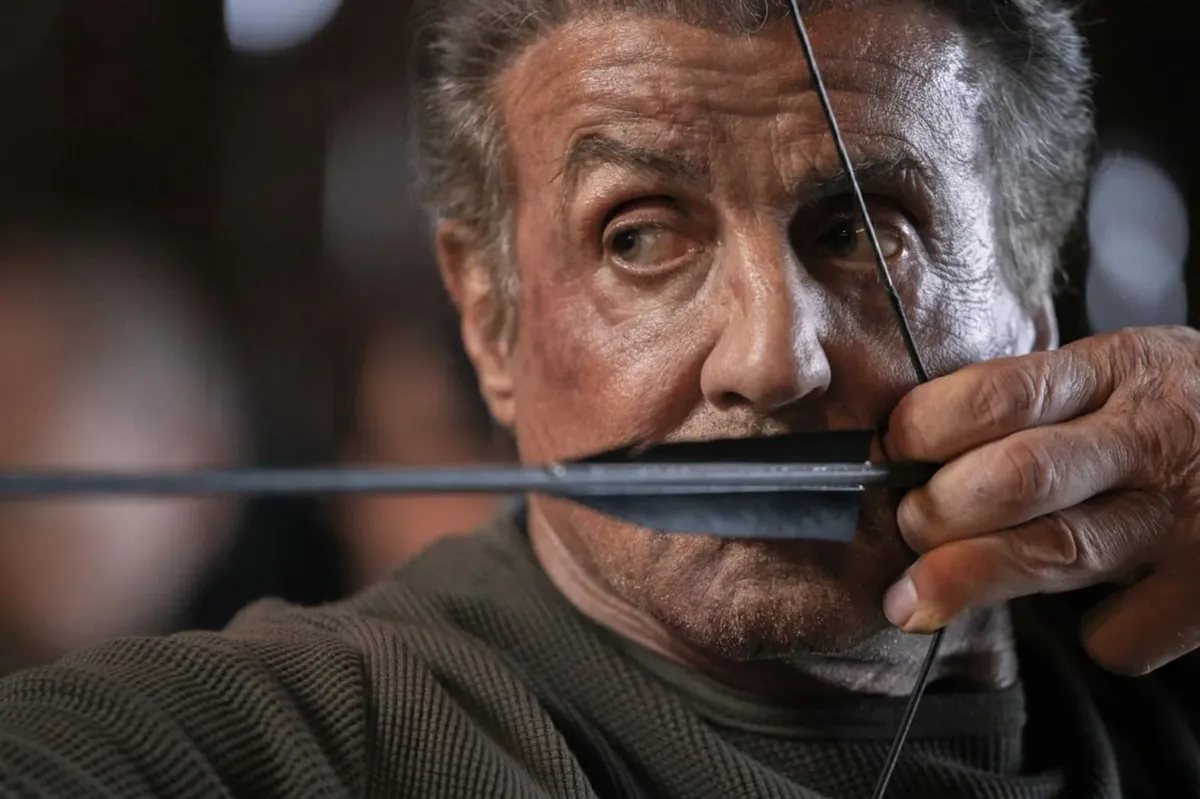
Финальной (пока что) главой саги стал фильм «Рэмбо: последняя кровь» 2019 года, вышедший уже в эпоху первого президентского срока Дональда Трампа. На этот раз Рэмбо живет уединенно на своем ранчо неподалеку от мексиканской границы. Однако цепь жестоких событий вновь втягивает его в кровавую бойню — теперь с мексиканскими наркокартелями. Ветеран снова берется за оружие, и в очередной раз десятки врагов оказываются убитыми, теперь уже исключительно мексиканцев.
Американские кинокритики встретили фильм осуждающими рецензиями. Авторитетный журнал Variety назвал «Последнюю кровь» «жестоким и уродливым проявлением ксенофобской резни», выступая против стереотипного изображения мексиканцев. В то же время Дэвид Моррелл, автор оригинального романа о Рэмбо, заявил : «Мне стыдно, что мое имя связано с этим». А вот правоконсервативный сайт Newsbusters.org выступил в защиту фильма, прямо сформулировав его политическое послание: «“Рэмбо: последняя кровь” — это откровенное признание в любви к миграционной политике Трампа, демонстрирующее, что может произойти, если мы впустим в страну практически всех, кто находится к югу от границы».
Актер избегал открытых заявлений, называя себя «политическим атеистом» и предпочитая держаться подальше от острых тем, будь это права ЛГБТ, женщин или вопросы расового неравенства. Несмотря на ужин с Рональдом Рейганом в 1980-х и дружбу с Чаком Норрисом, известным консерватором, он не участвовал в предвыборных кампаниях и лишь время от времени говорил, что «обе стороны одинаковы». Тем не менее в частном порядке он делал пожертвования как республиканцам, включая консервативных сенаторов Митта Ромни и Рика Скотта, так и демократам, среди которых был Джо Байден.
Во время первой президентской кампании Дональда Трампа Сильвестр Сталлоне выражал ему симпатию, но открытой поддержки не озвучивал. В 2018 году он появился на церемонии посмертного помилования боксера Джека Джонсона, инициированной Трампом. Однако ко второй кампании, выступая в частной резиденции Мар-а-Лаго, Сталлоне впервые публично выразил поддержку Трампу как кандидату: «Мы находимся в присутствии по-настоящему мифического персонажа. У нас появился второй Джордж Вашингтон».
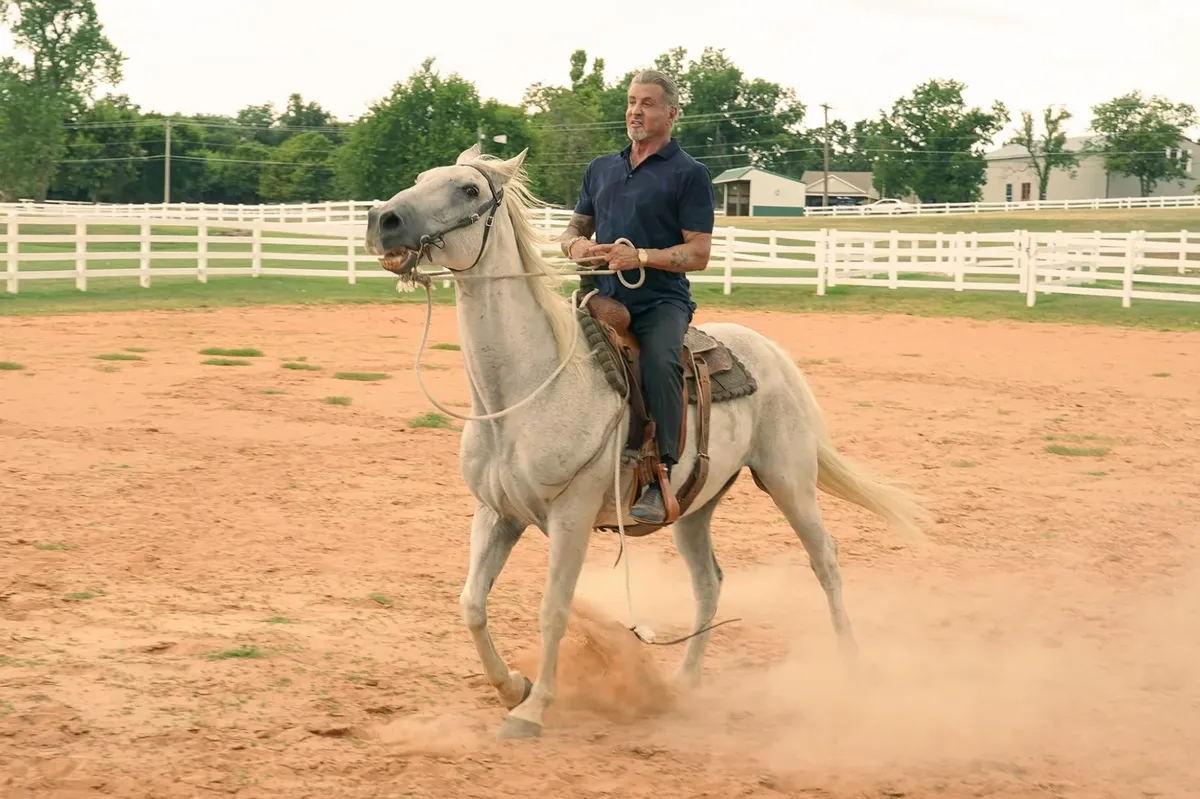
После назначения послом Трампа в Голливуде Сталлоне не дал ни одного публичного комментария и не озвучил никаких планов по «перезагрузке» индустрии. Из всей троицы трамповских назначенцев он по-прежнему избегает прямой политической риторики. Еще в 2024 году актер объявил, что покидает Лос-Анджелес и переезжает во Флориду — более консервативный штат. Возможно, это не прямое политическое заявление, но для Сталлоне характерно другое: за него говорят его действия и роли.
Последним на данный момент карьерным успехом актера стал сериал «Король Талсы», где он не только играет главную роль, но и выступает продюсером. В течение двух сезонов сериал рассказывает историю мафиози по кличке «Генерал», который после 25 лет тюремного заключения отправляется в Талсу, штат Оклахома, по поручению «семьи», чтобы осваивать новые территории. Персонаж Сталлоне постоянно жалуется на изменившийся мир, высмеивая гендерные новшества и технологическую зависимость. Но в итоге он всё же находит общий язык с современным обществом и проникается к нему симпатией.
С одной стороны, образ Генерала может говорить о готовности прошлого найти общий язык с новым миром. Но с другой — Сталлоне не отказывается от знакомого ему по боевикам 80-х механизма четкого определения «чужака». К финалу второго сезона заклятые враги и представители разных криминальных кланов объединяются под его командованием, чтобы дать отпор главному противнику — китайской мафии, которая «играет не по правилам» и говорит с утрированным акцентом. Брутальное союзное войско расправляется с «чужеродными» китайцами — сцены сняты с предельной физиологичностью, герои буквально разрубают противников на куски. Судя по высоким рейтингам и анонсу третьего сезона, Сталлоне снова точно уловил общественный запрос на консервативного героя и дает публике именно то, что она хочет.