
Translated material
Ballet area
What surprised the inhabitants of Yerevan Ballet Fest 2025

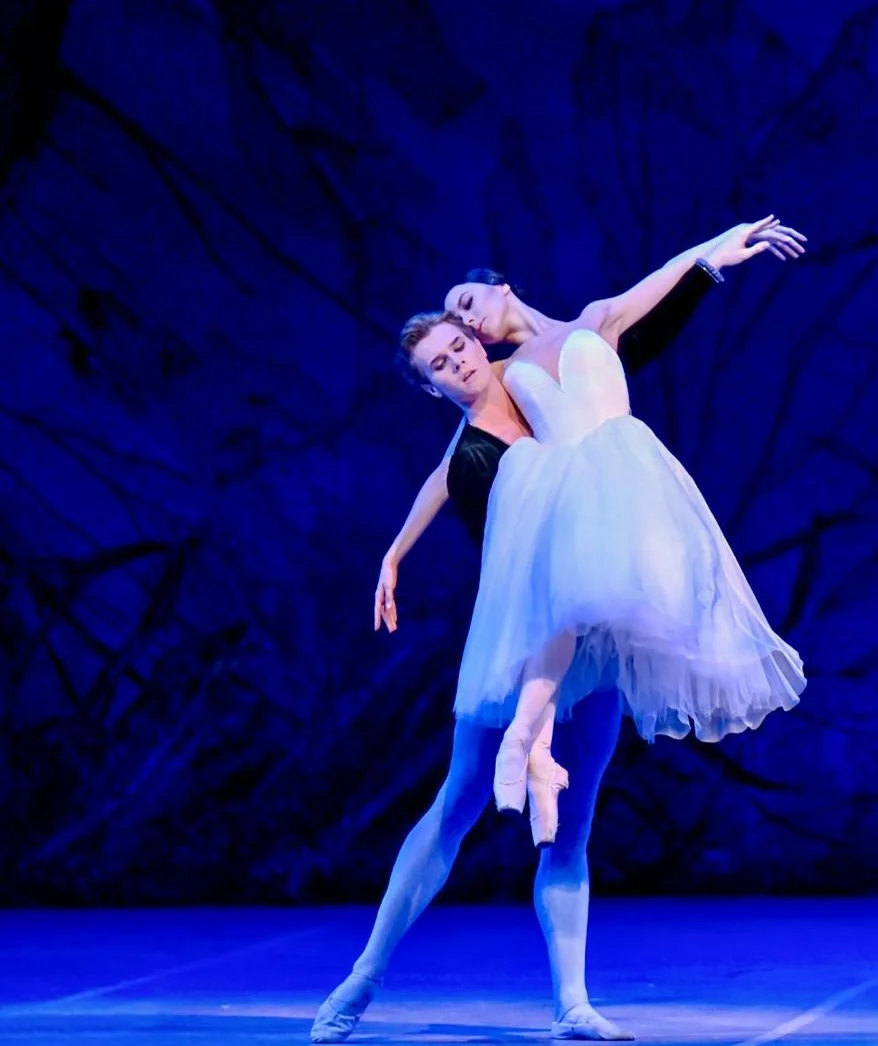
The discovery was the “Giselle” of Adolf Adan in the production of Marius Petip and the editorial office of Yuri Grigorovich. Photo: provided by the mayor of Yerevan
In early June, the third Yerevan ballet festival (Yerevan Ballet Fest '2025) was held, which is organized by the Open -air and guests of the Armenian capital by the City Hall of Yerevan. This time, the fest visited more than a hundred thousand spectators. It seems that the Yerevan festival of ballet is won by a high status: after the "Gizel" Akram Khan and the English national ballet, the organizers brought to Yerevan a star Russian ballet - Bolshoi and Mariinsky Theaters. Ballet troupe performed on gigantic stage, built on the edge of the gorge of the River Razdan. The visual hall, as in the previous times, was the Tumo Park - the festival managed to bring high art beyond the borders of the bored halls into the evening coolness of the summer Yerevan evenings. The festival started, according to the organizers, on the birthday of Aram Khachaturian.
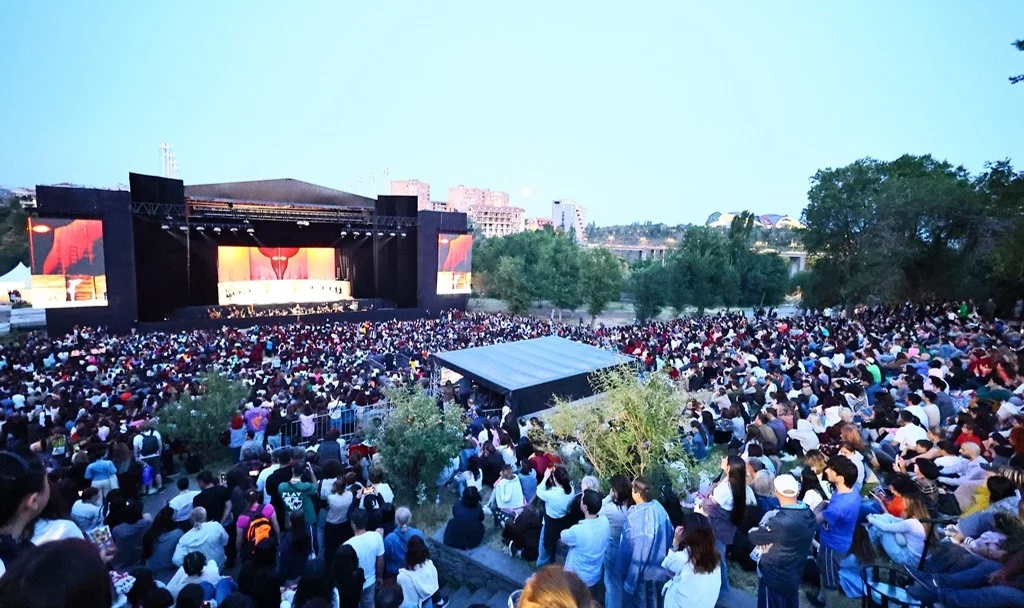
June 6. The discovery was the “Giselle” of Adolf Adan in the production of Marius Petip and the editorial office of Yuri Grigorovich. “Hello from the era of romanticism” was handed over to the Yerevan audience by the artists of the Bolshoi Theater, the two festival days of which passed to the music of the native symphony orchestra (conductor - Pavel Sorokin). The ghostly Willis and their inexorable overlord, tormented by the remorse, is irresistibly beautiful in the light of the Yerevan Moon, the forester and the insidious lover of Albert, selflessly in love with Giselle ... told by virtuoso dance, the old story about love overcoming the borders of the worlds, again conquered the exacting Yerevan audience.
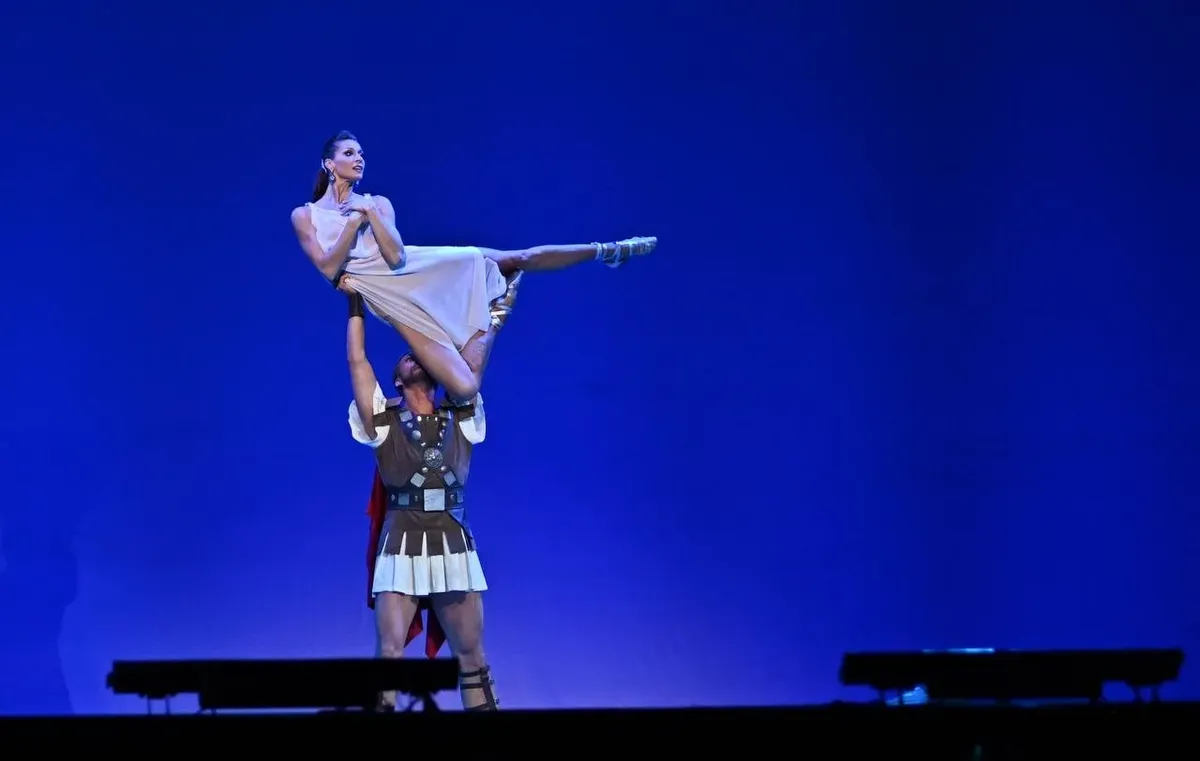
June 7. Five pas-de-de-de-de-de-de-de-de-de-de-de-de-de-de-de, in the choreography of Marius Petip-from the Talisman and Korsar (R. Drigigo), Swan Lake (P. Tchaikovsky) and the Venetian carnival from the Satanille ballet, as well as a duet from the Romeo and Romeo and Romeo and Romeo and Driga), as well as the Driga), as well as a duet and a duet). Juliet ”(S. Prokofiev, choir. L. Lavrovsky), monologue of Phrygia and Adagio Frigia and Spartak from the Ballet“ Spartak ”(A. Khachaturian, choir. Yu. Grigorovich)-the latest leading soloist Kristina Kretova and Igor Zvirko, great classical PA to the music of D.-F.-E. Obra (choir. V. Gzovsky). The soloists of BT and Grand Prix PA from the special ballet “Don Quixote” (L. Minku, choir. A. Gorsky) were shown, because he is the only great classic ballet born in Moscow, and not transferred there from Paris or St. Petersburg.
On June 9 and 10, the scene of the festival was given to the ballet troupe of the Mariinsky Theater, the “pit” to the symphony orchestra of the Mariinsky Theater. "Orchestra is heard?" -asked at a rehearsal because of the remote by Arseniy Shupupov at the full “hall” of the viewer, who traditionally book places already four hours before the start of the performances.
June 9. On their first day, the stars of the St. Petersburg ballet introduced the one -act ballets of Mikhail Fokin - “Chopenian” and “Scheherezad”. The plotted ballet ballet to the music of Frederick Chopin, this Ommage with the era of romanticism, fascinated Yerevan with air dancing of ethereal sylphid, poetry of “white ballet” and flying arabesques. As the choreographer, who was tired of fashion for virtuosity, thought at the beginning of the twentieth century, “the dancer rose to the pointer not in order to demonstrate a steel toe, but, barely touching the earth, to create the impression of lightness, something unearthly, fantastic.”
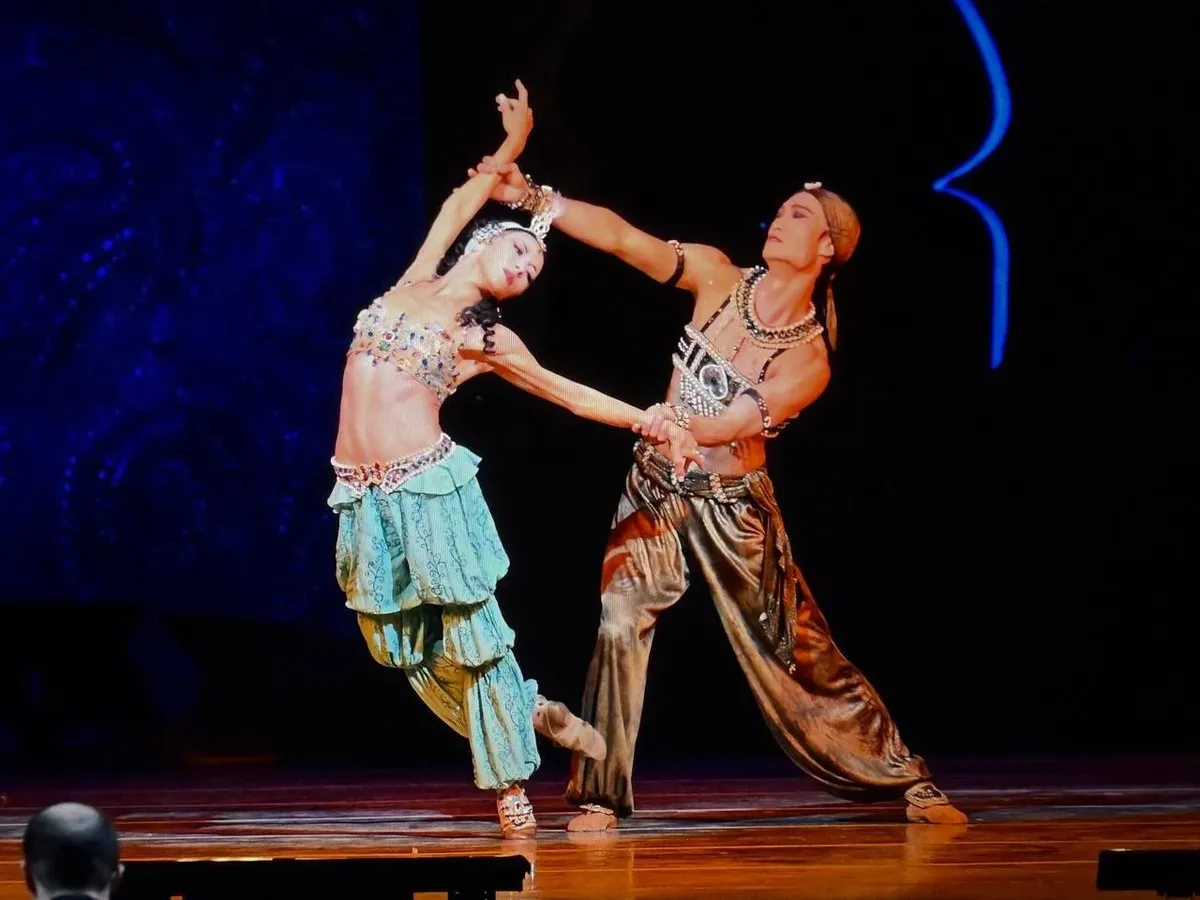
But the real splash in Yerevan was made on the plot from the “thousand and one night” “Scheheeresada”-but how else, when, against the backdrop of the juicy colors of Leo Bakst, the fairy-tale music of Rimsky-Korsakov on the stage, unprecedented plastic and harem intrigues reign, over the scene-the half-naked body of Kim Kimin, and the voluptuous orgies in the Arabic The nights are unsuccessfully trying to cool the light Yerevan breeze?
June 10 . Another bright diversification, an evening, full of world masterpieces, was waiting for the Yerevan audience. The first department was occupied by a one-act Carmen Suite. In the distant 1967, this ballet was set for Maya Plisetskoy Kubin choreographer Alberto Alonso to the music of Rodion Shchedrin-the transcription of the opera Bizet. The ballerina, as in one time and Plisetskaya, walked around the scene not on socks and in a “pack”, but “from the heel” and in a risky short dress, not in a bald body, throwing a challenge, full of impermissible passion, freedom and insolence.
In the second department, Pa-de-de-de from the “sleeping beauty” of Tchaikovsky and the “Don Quixote” of the Ministry of Combat was introduced. The pearl of sabotage was the “swan” to the music of Saint-Sansa performed by the Balerin of the Mariinsky Theater Diana Vishneva-an exceptional sight caused by a combination of grace, high style and ease.
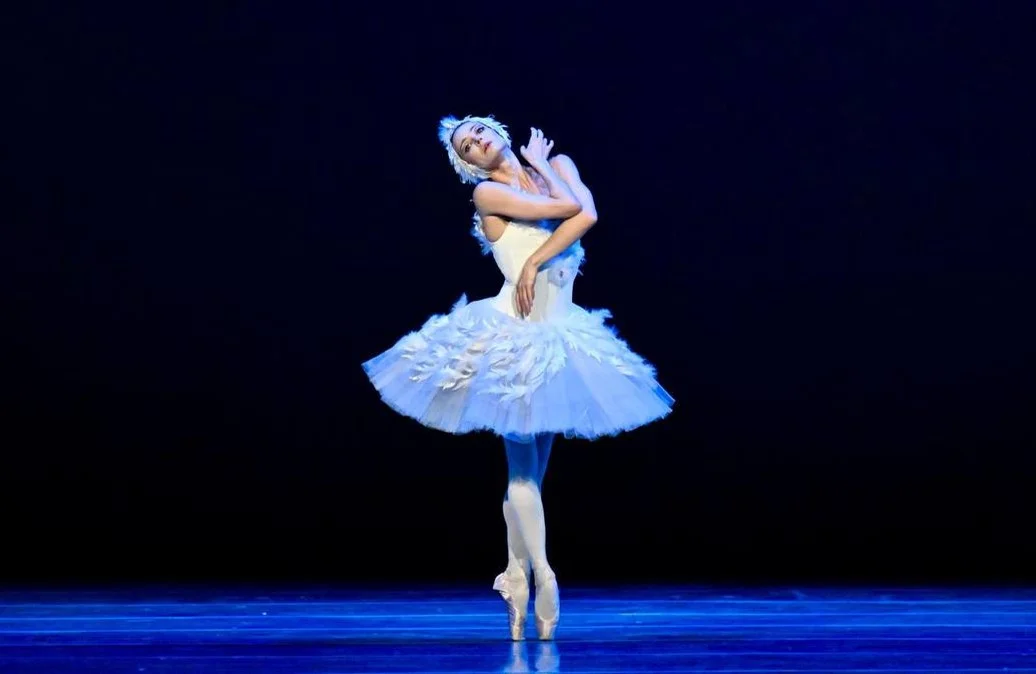
The scene seemed to wake up with Kim Kimin’s exit in Pa-de-Trua from Adan’s ballet “Corsare”, to watch which is a pleasure: an amazingly high jump, impeccably rotation and-with all the grace of the dancer-the extraordinary skill of supporting the partner.
Mariinsky also presented the Yerevanites as a gift for fragments from the ballet "Gayan" and Adagio from Spartak Khachaturian. It was not enough for me to be highly skillful in performance and historical costumes in Gayane - unfortunately, it was not possible to convey the “Armenian accent” of ballet. Another thing, the duet of Phrygia and Spartak is an apotheosis of the theme of love, where the virtuoso performance of artists and orchestra, longing for freedom, affectionate intonations of the Spartak line and wind instruments unconditionally merged.
The Petersburgers presented the Fokinskaya “Chopenian” as amended by Agrippina Vaganova, whose classical dance teaching technique became the basis of world ballet pedagogy. She stated her author’s system, nicknamed the ballet world of “Vaganovskaya” in detail in the book “Fundamentals of Classical Dance”, published in 1934. Since then, the book withstood six reprints and has been translated into many languages of the world. As part of the third Yerevan ballet festival, by order of the Yerevan city hall, the fundamental work of Vaganova was first published in Armenian*. From now on, the “Fundamentals of Classical Dance” are available to future artists of the Armenian ballet in their native language - their and Agrippins Vaganova!
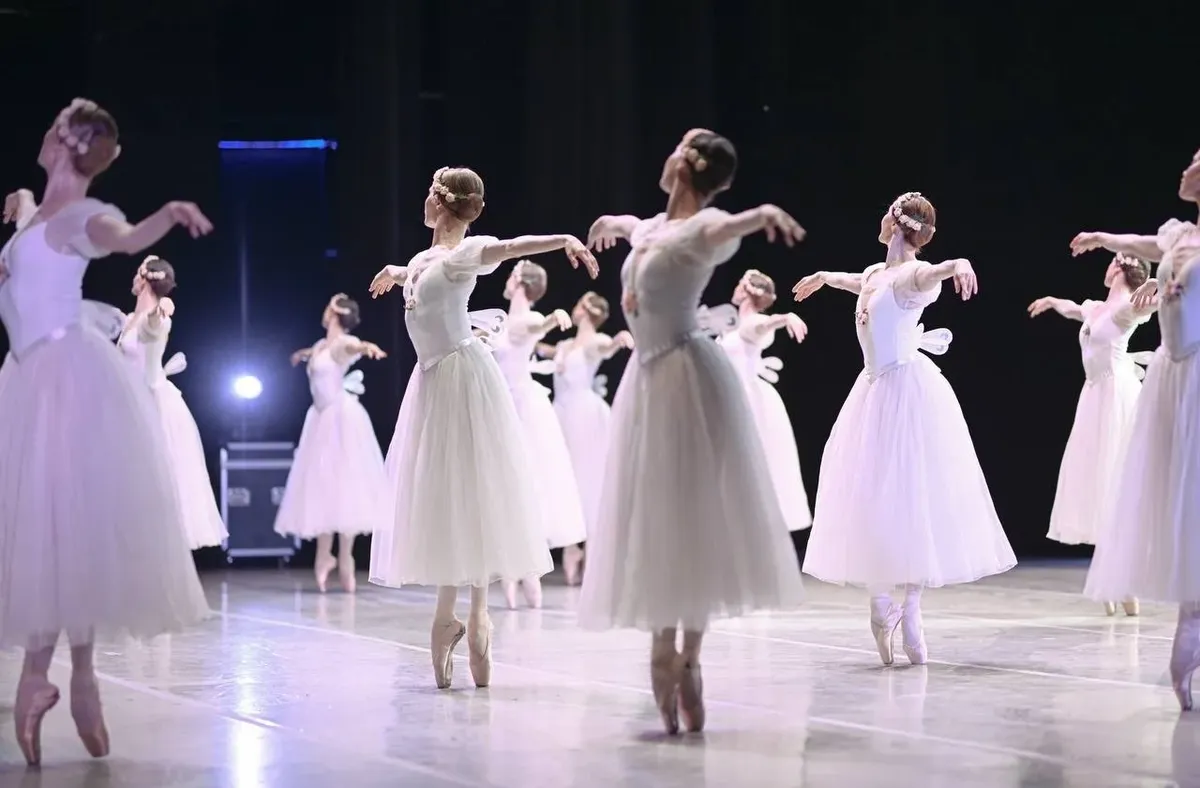
June 13. Having opened the “bravo” to the stars of the Russian ballet, the viewer waited with some cautiously the day given to the troupe of the National Opera and Ballet Theater. However, the only thing that disappointed was the weather that hit the rain at the faithful festival of the viewer and deprived the viewer of the opportunity to enjoy the in the evening under the live performance by the Opera House orchestra. I must say that the National Opera and Ballet Theater named after Alexander Spendiaryan chose wise tactics, introducing a modern ballet against colleagues-three premieres at once.
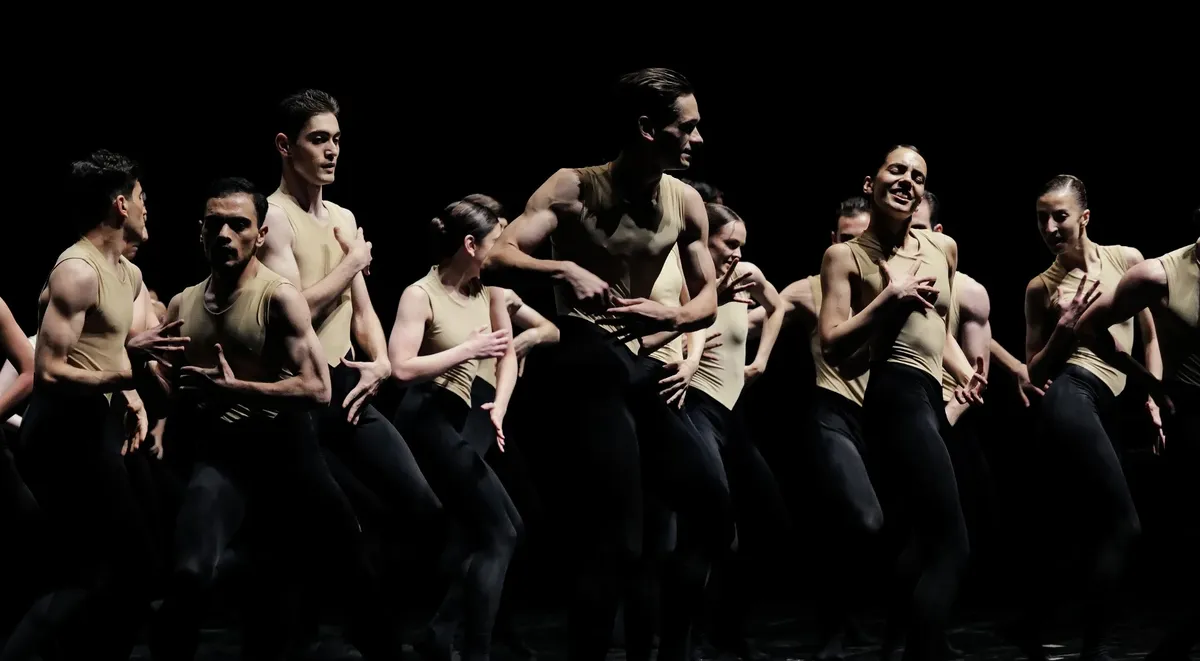
The abstract choreographic composition “Bolero X”, based on the well -known work of Maurice Ravel, was put on the artists of the Yerevan ballet Shahar Benjamini for several months. In his production, the Israeli choreographer, a teacher of the Gaga Movement, explores the power of unity, the power of cohesion and new meanings - he believes that the dance has inner strength and is able to be deeply healing, he advises the dancers to see the skin and feel the smell of their eyes ...
The second premiere is a “afternoon vacation of the faun”, a one -act ballet to the music of Claude Debussy, whose premiere, in the production of Vaclav Nizhinsky, the French critic called “eight minutes of beauty”.
The festival was completed by the Yerevan premiere of the ballet "Spring" in the modern reading of the Balkan choreographer Edward Klug.
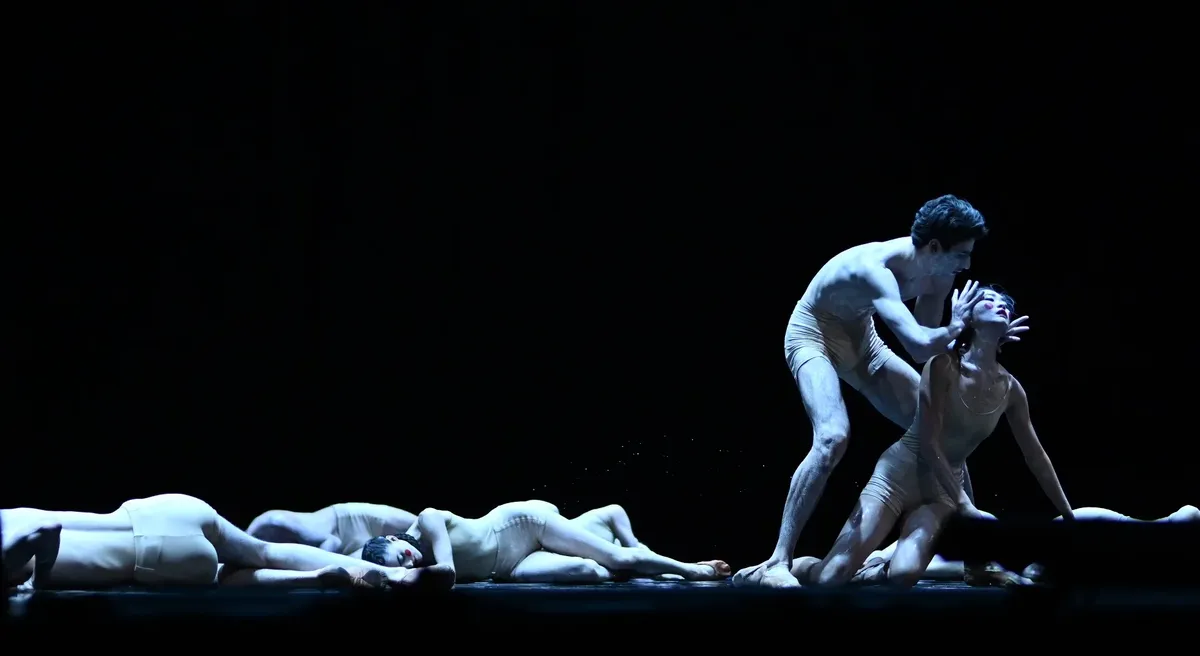
Yerevan dancers performed the ancient ritual of the awakening of spring, the idea of the embodiment of which in music came to Igor Stravinsky in a dream. The minimum of scenery, the lack of ethnic costumes familiar to this ballet, girls cheeks, as if painted with beets, to reincarnate the dancers into the participants of the ancient Slavic ritual - streams of water flooding the scene along which the ballerinas exhausted by the action ... and the rainbone marked the beginning of spring.
Who knows, maybe this ancient ritual in modern reading and caused on the last day of the third Yerevan ballet festival the heavy rain, which was not a word in the forecasts of the weather?
Erna Revazov