
Translated material
The output of the Old Army
The dictatorship invited the political elite to self -destruction
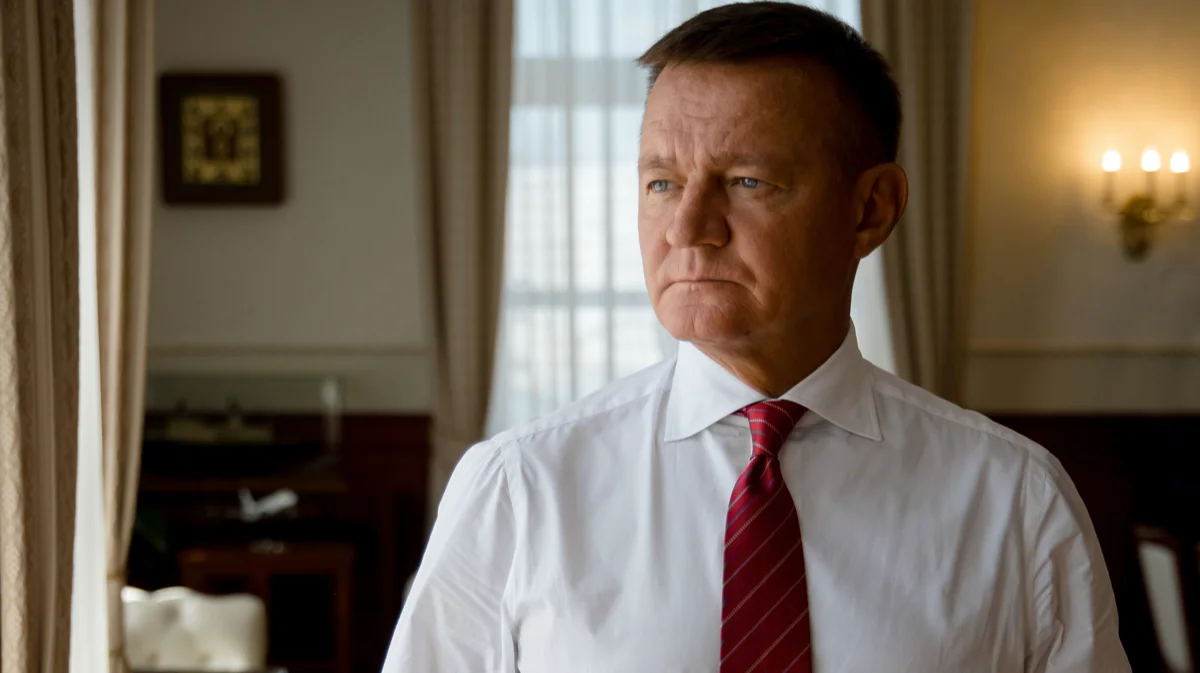
Roman Starovoit. Photo: Ministry of Transport of the Russian Federation
The Minister of Transport Roman Starovoit, on the eve of Putin, committed suicide. This is the most high -profile political suicide of Russia after 1991.
In the system, built in a quarter of a century, Putinism officials in the worst scenarios are sent to honorary resignations and only in isolated cases end their career in prison ( Alexei Ulyukaev and Mikhail Abyzov ).
Until recently, the Putin system worked under the propaganda slogan "We are not throwing their own." He only applied not to the soldiers sitting in the trenches of the Ukrainian war, and not on the Russian -speaking inhabitants of neighboring countries, but on high -ranking members of the dictator team. From a certain level of access to the Kremlin, loyalty guaranteed personal integrity, and at the same time the ability of a participant in the system to protect his family and capital.
On the other hand, a public criticism or an attempt to escape from Russia could turn a representative of the political elite into a traitor in the eyes of a dictator. The system of informal agreements suggested that such people can be destroyed, as shown in the example of Alexander Litvinenko and Sergei Skripal . Therefore, even after 2022, the Russian political elite preferred an active or passive humility to Putin’s radical course in the hope of preserving the existing rules of the game.
Not a single official of the level of Starovoit resigned after the outbreak of war. The conviction that the dictator did not pursue their people, closely interwoven with the system of power by client and corruption relations, played its role in this.
In general, the “fight against corruption” at the highest level was not too active, because in the process of struggle it would inevitably have to go out on ourselves.
After the corpse of a retired minister Starovoit was found with a shot head, the rest of Putin’s enterprises will have to re -think about personal prospects. In this case, it was not so important whether the departure of Starovoit was voluntary from life or helped him, advised him.
It will be beneficial for propaganda to present the case in such a way that one of a particular minister simply surrendered their nerves, and indeed talk about it less. But in the “Moscow living rooms” (the Vulgar term Simonyan fixes the most popular media in a closed dictatorial system) and in chats in Signal there will be completely different conversations. What specifically threatened the former minister, why did he make such a decision (or this decision was made for him) and who will become the next?
The most plausible version of the events is so far in the fact that the Old Assembly experienced feelings incompatible with life, after Alexei Smirnov, the former Governor of the Kursk Region and the successor of the Starovoit himself in this position, located in the pre -trial detention center for the waste of budgetary funds in the construction of defensive structures, testified to him.
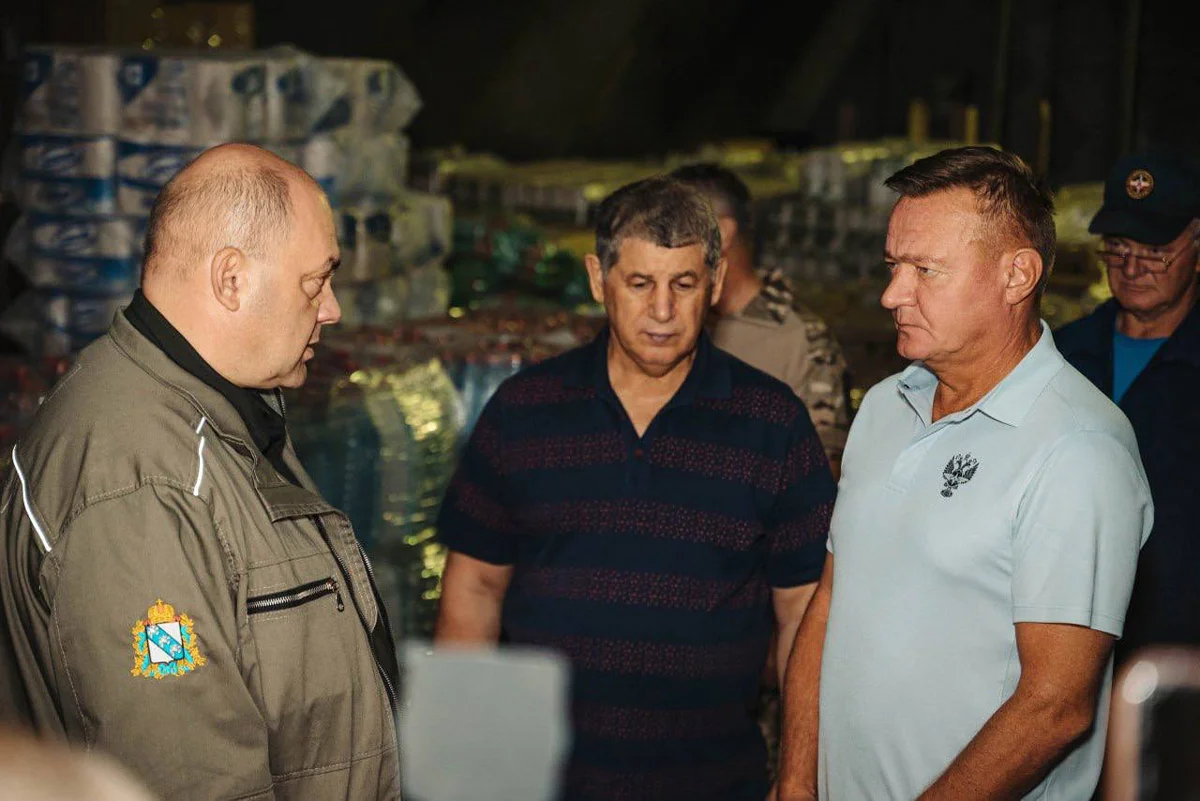
Smirnov’s career as the governor was fleeting: he received his post in 2024, a few months before the Armed Forces of the Armed Forces of the Armed Forces of Ukraine, and lost it six months later, when the Ukrainian army still controlled Sudzh and surrounding areas. In turn, Starovoit led the Kursk region since 2018, and at that moment it was a rapidly developing agricultural region with excellent corruption potential. In 2022, the fate of Kursk changed sharply, and the career of Starovoit was in the spotlight of the dictator: formally, having received the post of Minister of Transport in 2024, the governor went to increase.
Starovoit could, after Abyzov, Ulyukaev or Timur Ivanov, an official of the lower rank, which is part of Sergei Shoigu Clientel, get his 10-12 years in prison, work in the colony as a librarian and, when everyone forgets about him, go out of a pre -noticeable deadline. However, he chose to avoid meeting with investigators (or other people made this decision for him) and remain a silent witness to the construction of non -existent fortifications on the border with Ukraine. Thus,
Starovoit chopped off a chain coming from Smirnov to him and above - probably in the direction of the Rotenberg brothers, his old cartridges and well -known experts in the development of budgetary funds in the construction of infrastructure, close friends of Putin.
These people, together with their governors and ministers, seemed completely inviolable in the Putin system. Now Starovoit hinted that there is doubt about this. If so, panic will cover the political elite. If our Leviathan no longer guarantees the right to life, then why are all the sacrifices that were brought by this elite, especially over the past three years? Why refuse capital and real estate in the West, if you finish, as an old one?
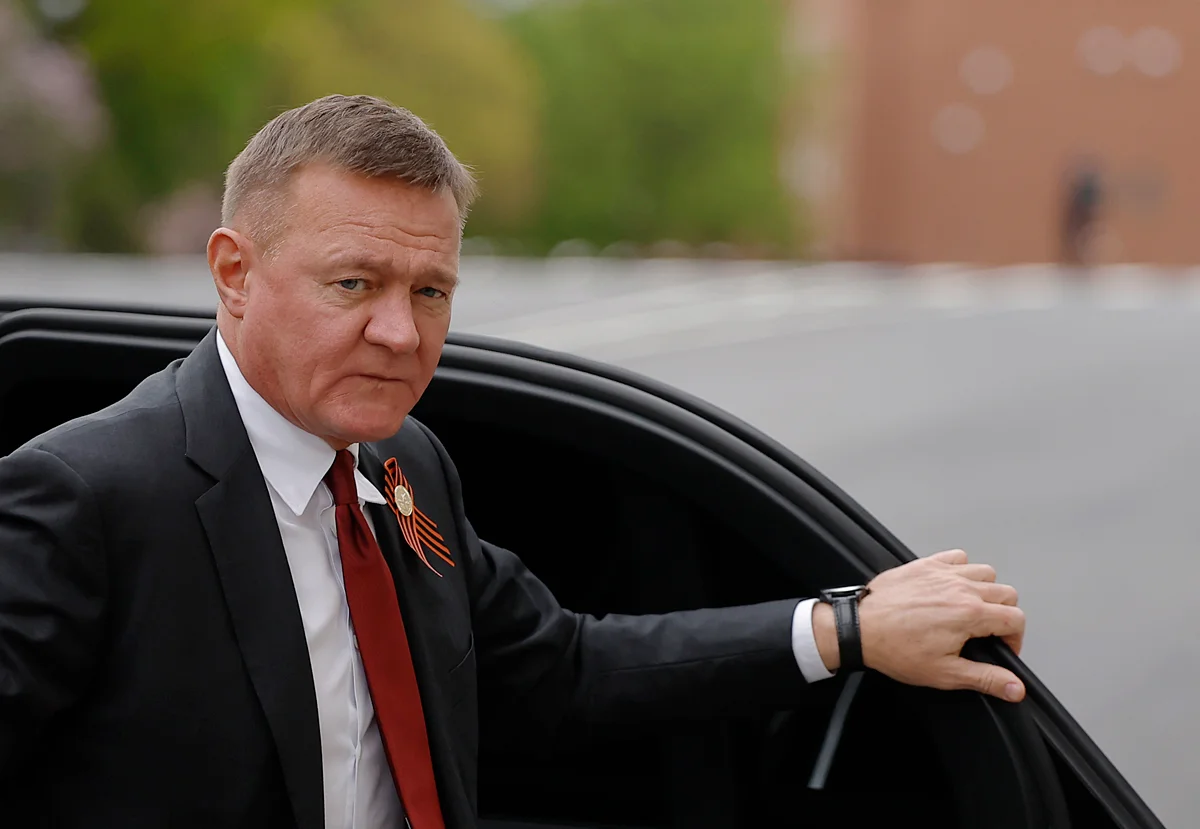
The political suicide season for the last time opened at home in August 1991, when the participants of the failed coup committed with them: the Minister of the Interior Boris Pugo, Marshal Sergey Akhromeev, as well as several of their subordinates. After the death of Starovoit, a young employee of the department Andrei Korneychuk died from a sudden heart attack right after a meeting in the Ministry of Transport.
Roman Starovoit is unlikely to fit into the image of a Soviet officer, delayed by accusations of corruption, which are put forward against him. Perhaps the Russian political elite finally overtook the war, for which she worked for three and a half years. In the absence of other exits from the "prevailing geopolitical situation", the output of the Old Army was found.
The Western press, meanwhile, writes about the “Sudden Russian Death Syndrome” using dozens of top managers of Russian state-owned companies, whose life broke after 2022. The last example is the 62-year-old Vice President of Transneft Andrei Badalov, on July 4, which fell from the 17th floor of the building on Rublevskoye Shosse.