
Translated material
Stalin pops up
Z-critics scold the collection of stories by the writer Anna Shipilova about how the war is reflected in the Russians. We understand what the "patriots" are again dissatisfied
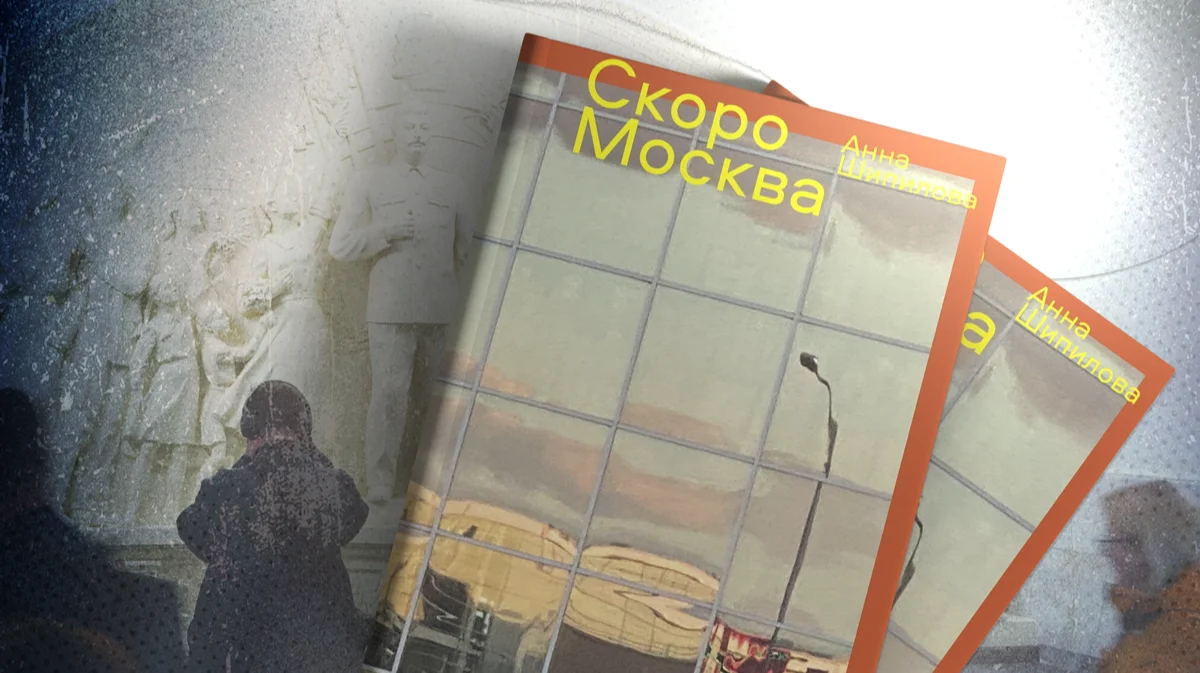
Photo: Alpina Plisher; AGN "Moscow"
As you know, the main thing during the investigation is not to reach yourself.
That by his own example, the literary critic Mitya Samoilov, belonging to the Z-community, experienced. Samoilov usually has to survey the short list of the Big Book Prize with an invariable message that Russian literature is not the same, but the premium is made by corrupt ignorant. The tradition of Samoilov continued this year. Recently, he criticized the debut collection of stories by Anna Shipilova, just hitting this short list. Outraged by the fact that the writer frankly describes the realities of life in the Russian regions - with corruption, violence, police lawlessness and planting propaganda, Samoilov burst out with angry invectors addressed to a creative letter. With a fairly expected message: they say, they sell air in the courses, and the bonuses are given “their own”. In the comments of Samoilov, it was expected to be noted by people who were ready to read only books written by “God's spark”, well, without calls to lynch, shoot and send it either.
The post was picked up by some book bloggers from the Z-community-with a similar message and comments in the spirit: “How did such a chernukha about our homeland allowed premiums?!”
Then, however, thanks to the commentary of Shipilova herself, it turned out that Samoilov gave lectures on the course in which the writer participated. And not just gave lectures, but even reviewed one of her stories! In response to mockery, the critic hurried to justify and translate the arrows, they say, he gave lectures, of course, but still considers the letter courses with a great inflation and nothing more than a hobby, but there are many questions to the jury.
You could miss this incident, if not for one important point. The attitude of Z-publicity to the collection of stories of Shipilova very well shows their perception of realities in the Russian Federation in general.
To begin with - what texts the collection consists of. In the story “Oblast Girl”, a schoolgirl named Leila brutally beats a classmate, and a shadow is separated from her. In the story “The line of separation” of the beloved teenage girl is rolled into asphalt (literally), and many years later she comes to spend the evening in a garage cooperative in the company of his ghost. In the “social state” of a Wunderkind child, they take to study in an elite boarding school against his will. In "Stories about Volodya", the grandchildren of a honored writer dream of escaping from his grandfather in order to find the missing parents. In the title story “Soon Moscow”, a young woman, reading news on the train, in response to her grandmother’s question: “What news? Not free? ”Silently silent.
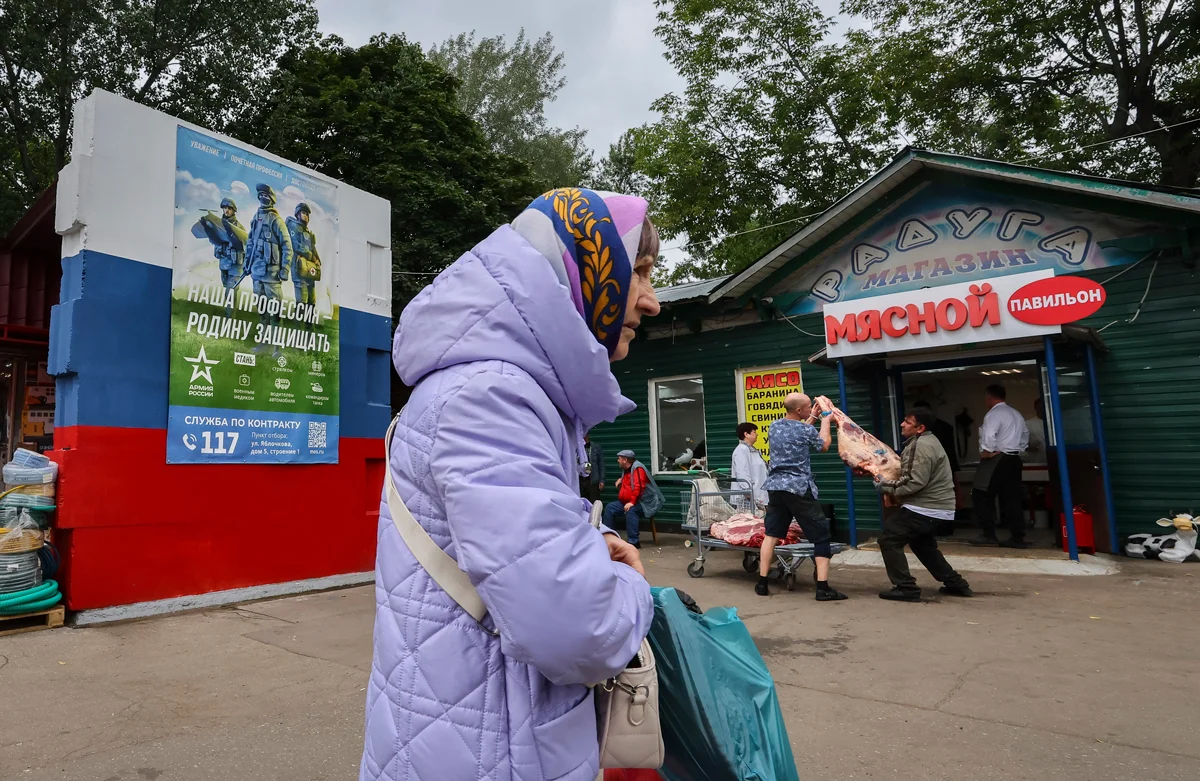
This is a difficult reading. The mystical element in the texts of Shipilova does not simplify it, but rather, on the contrary, emphasizes the nuances and darkness of the life of heroes. Here everyone becomes slaves of the established hierarchy: women and children suffer from the actions of men, but men are limp to the state and system, and extract their frustration on others. In essence, the world of Shipilova shows how inhumanity taken as a basis for political and social relations is spreading like a cancer tumor, and infects everyone. In the sensation of these texts, the closest to the films of Zvyagintsev, where the hopelessness from the background becomes the main character of the work. In some texts, Shipilov grabs whitish metaphors-for example, in one story, an old monument to Stalin appears from under the water:
“Once in the fall, when the river is the river, a monument is exposed, cut and dropped into the water sixty years ago, an almost unrecognizable head and shoulders in the overcoat. Having learned about this, his grandfather puts on fishing boots and takes a cable from Mikhalych for strapping, and Uncle Sasha asks his UAZ to be pulled out. He takes Masha to help - he remembered the teenager that the monument was large and how he was sawn into pieces, and understands that he could not cope alone. They pull dirty pieces of concrete together until night. Masha ties with a rope, grandfather puts the boards and pieces of plywood under them and commands Uncle Sasha: “Come on! Fery-e-it!” He gasps and drags on the shore for a long time pieces of the monument with silt and algae, while the grandfather shouts: “Good! Good!” “And then he’s swearing Uncle Sasha, but he doesn’t hear: deaf.”
It is characteristic that the grandfather in this story brings himself to a religious frenzy with love for the leader and memories of his "glorious" times. What inspires the granddaughter to enter the Histress.
But if she hinted on the move, how the inevitable punishment begins: did she forget that under Stalin they did with traitors?
Critics of Shipilova texts instantly stuck the Black Label collection. What is not true: “chernukha” is called a reception when the author intentionally thickens the tone. But Shipilova does not thicken anything, she shows how it is. It is enough to look through the tape of regional news.
At the same time, it cannot be said that the collection turned out to be one hundred percent successful. The writer uses the same technique several times in different texts, so after reading it is difficult to remember what exactly the hero happened. Due to the similarity of the characters and fate of the heroes of stories, it is also quite difficult to distinguish, except for the brightest (for example, a grandfather from a story about a monument to Stalin and a grandfather from a story about a writer can easily seem the same person-and this is not a compliment to the author). In the stories, the action of which takes place in the near future, hints and metaphors are too rushed into the forehead and do not greatly affect the plot. Finally, the main problem: Shipilova’s characters have no development, they are designed to illustrate trouble. Only in a few of the best texts they take some steps to get out of their sad position, and then the plot gets.
In other words, “soon Moscow” does not follow the canon of schools of creative letter, on the contrary: it breaks it. It is successful or not, you can argue, but criticism from Miti Samoilov in a person who reads a person who reads only surprise.
And finally it is time to say why the “zetnik” collection of Shipilova caused such a rage.
Everything is simple-he is too truthful and accurately diagnosed the society on the third (the book was released in 2024) the year of the war. If the Posoputinsky narrative tries to portray society with a single and united in the name of “Svo” and ready to accept the shackles of “traditional” values, texts like a collection of Shipilova lead an imaginary camera to life outside the Moscow Ring Road and show: no, you have raised the most black and vile, which is in human nature with your meaningless war. But recognizing it is unpleasant. It is unpleasant that veterans returning from the war become rapists and killers, and their colleagues are avoided. The perfect picture with reality does not converge - and here in the scammers a red bulb lights up in my head: “Check! Report! Stop! "
There is another red rag for the "zetniks" - these are bonuses. In their picture of the world, prizes should be awarded only the correct literature. Proper literature is the one where power glorifies, romanticizing the war and telling that it is cool to kill people who did nothing wrong with you. But there is an obvious problem: no one needs these books. They do not fall into the tops of sales, dust on the shelves. Zakhar Prilepin’s complaints that no one “no one notices”, despite the total dominance of censorship, has long become a niche Internet meme. At the same time, they do not turn out their bonuses for the “zetetniks”, because they either end with a scandal, or they quickly become bored. Breaking - not to build. So I want others to not get it, because “wow, traitors” - although “soon Moscow”, even the most important censor could not dig up: the book on dangerous topics either hints or does not speak about them at all.
Most likely, the situation for patriots will not change. The Russians will read the "wrong" books and go to escapism. Read about anything, but not about the war. And the authorities will trample the scammers as quickly as he straightens out with his enemies.
It remains only to wish good luck to the collection "soon Moscow." Despite its shortcomings, these texts are honest. And this is already a lot of this time.