Translated material
Bear was - just fly away
45 years ago, July 19, 1980, the opening of the Moscow Olympics took place

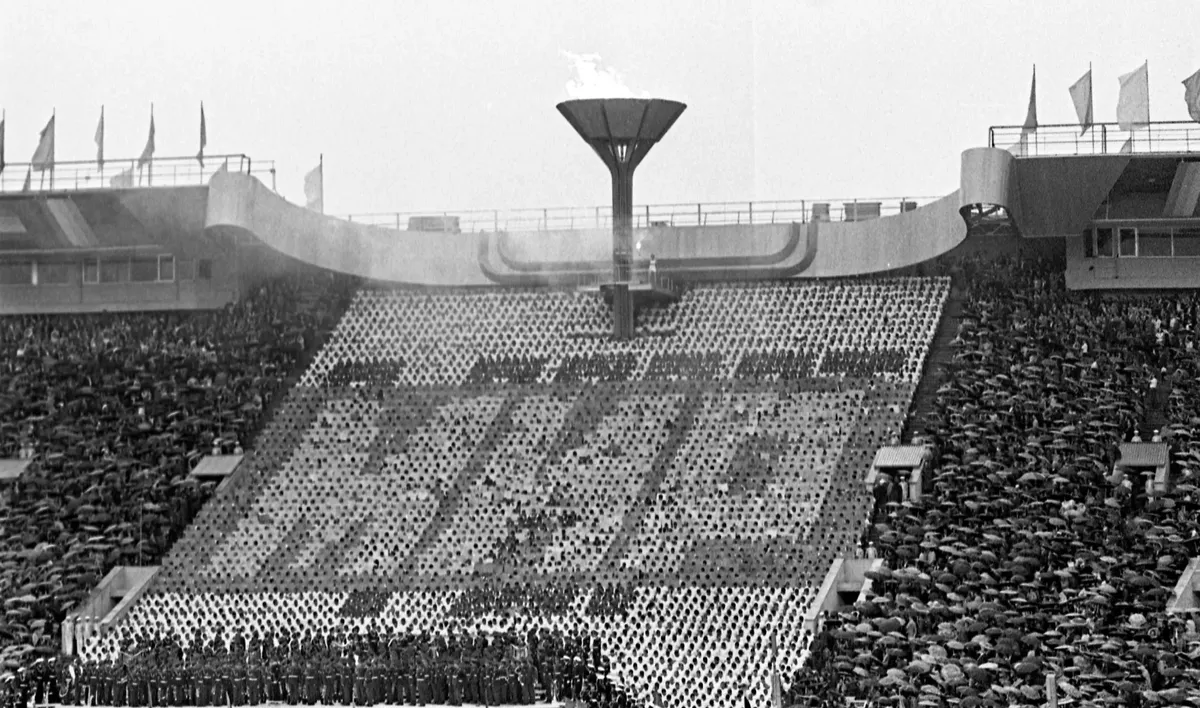
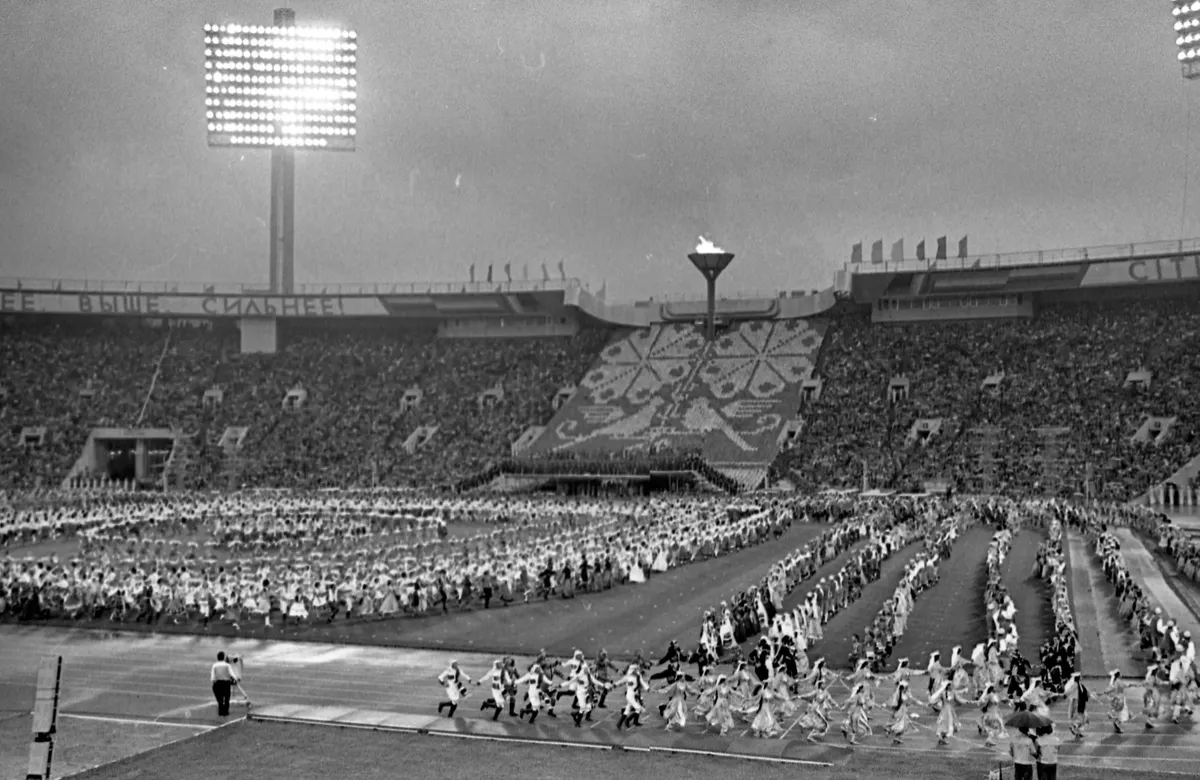
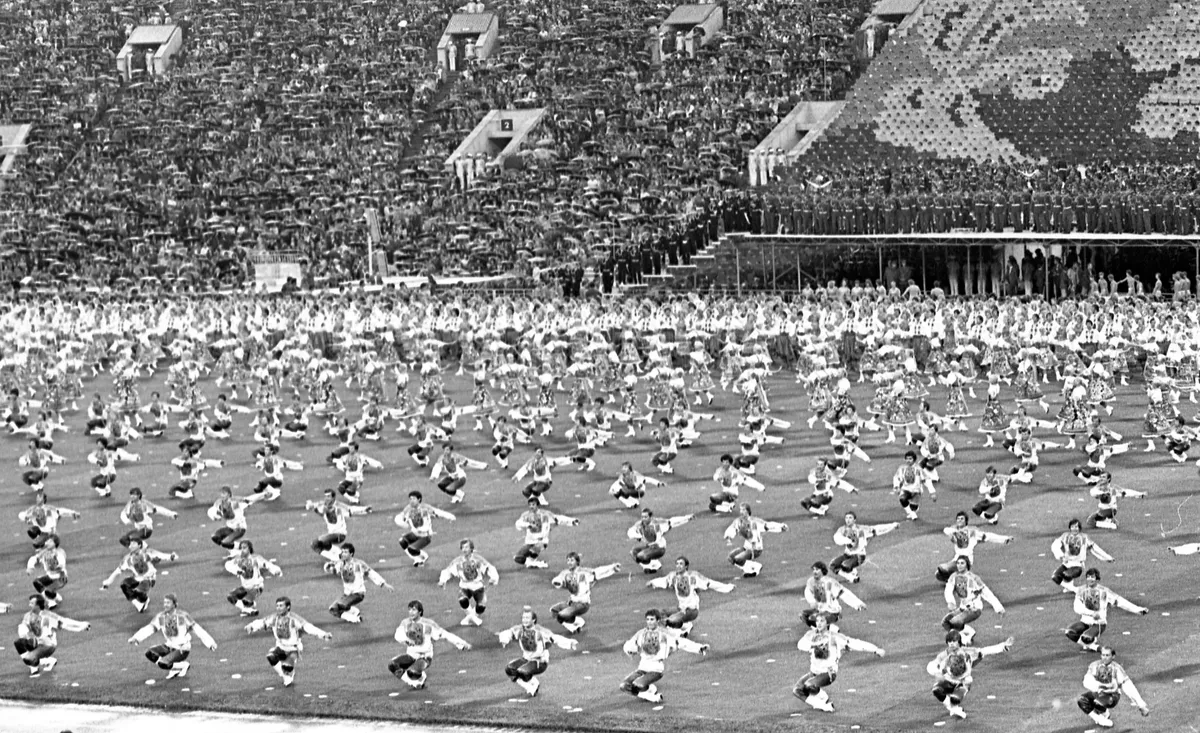
July 19, 1980. Moscow. The Central Stadium named after Lenin. The opening of the XXII Summer Olympic Games. Photo: Evgeny Uspensky
It was so recently, it was so long ago ... But it was. The first and last summer games in Eastern Europe today. Yes, for well -known reasons, there was a mass boycott, which did not allow 1,500 athletes from around the world to plunge into the atmosphere of the holiday. But in terms of organization, the Soviet hot carnival of sports is still considered one of the best in history. We were faster, higher and stronger in every sense ... And many in our country (and not only) still store souvenirs with the native Olympic Bear ...
In honor of the round date “New”, she chose 45 sad and cheerful, truthful and slightly fabulous facts about, perhaps the most grand event for the USSR, which people in the 21st century recall with genuine nostalgia.
Moscow received the right to accept games-80 in 1974 at the 75th session in the IOC in Vienna. Our capital overtook Los Angeles in the vote (39 votes versus 20). However, a year later, Secretary General Leonid Brezhnev, a letter to Konstantin Chernenko, his future successor: “It somehow happened that we decided to hold the Olympics in the USSR. This event of tremendous money is worth. Maybe we should revise this issue ... Some comrades suggested that there is an opportunity to refuse by paying some small contribution in the form of a fine. In addition to expenses ... there may be all kinds of scandals that the Soviet Union can denigrate ... On this occasion I would like to know your opinion. " Apparently, Chernenko’s opinion was much more positive, because on July 19, 1980, Leonid Brezhnev declared the games open.
And later a joke was born: “At the opening ceremony, Brezhnev takes out the text of a welcoming speech and begins to read on paper:
- OOO…
A frightened referent arises behind his back:
- Leonid Ilyich, these are Olympic rings, speech - below! "
The Olympics was appointed for the period from July 19 to August 3 for a reason. The fact is that the All-Union Scientific Research Institute of Hydrometeorological Information, in which scientists studied the capital's climate, determined: it is on these dates that the weather will be the most comfortable-without heat and rainfall. So it happened. And also the dates of the Moscow Games completely coincided with the dates of the Games-1952, on which Soviet athletes debuted.
The Olympiad-80 emblem was invented by the then student of the Stroganov Art College Vladimir Arsentiev, whose sketch was selected from 28,000 drawings sent to a competition in which 8,500 professionals and lovers participated. True, his project was then finalized by artists Valery Akopov and Vasily Dyakonov.
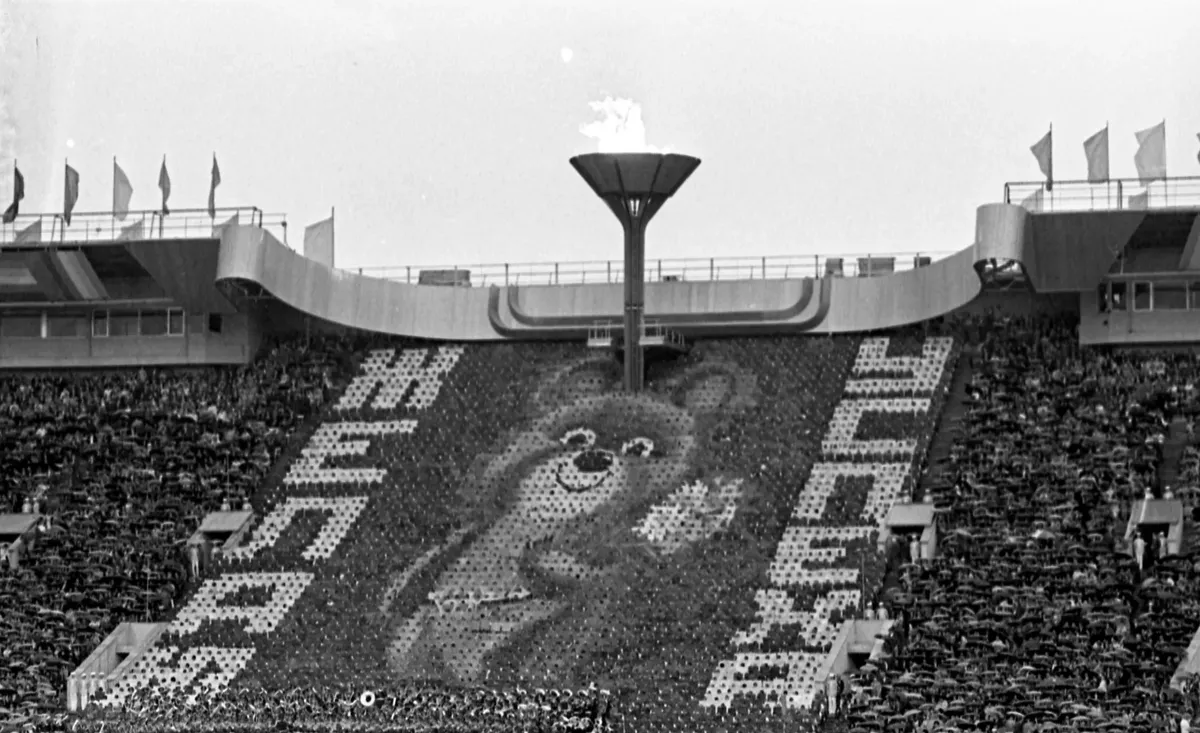
* The talisman was chosen as a result of various polls. For example, Vasily Mikhailovich Peskov - a journalist of Komsomolskaya Pravda and the host of the program “In the World of Animals” - at the request of the organizing committee of the Games, addressed viewers with the question: “Who should become the symbol of the Olympics?” In letters, people advised the fox, wolf, hare, lion, tiger, moose and even the humpbacked skate. And they also competed Vanka-Vstanka, parsley and nesting doll. But most often a brown bear was mentioned. And then the illustrator Viktor Chizhikov created the very famous clubfoot - Mikhail Potapych Toptygin - with a wide belt painted in Olympic colors, and with a buckle in the form of five rings.
However, there was another official animal: Vigri’s sea cat, invented by a Tallinn schoolboy, was a talisman of the yachtsmen tournament in Tallinn. By the way, he became the first symbol of a separate competition at the Olympics! But who remembers him now? However, the name of Vigri later named a football team, the category of junior yachts, a kindergarten and a type of cookie ...
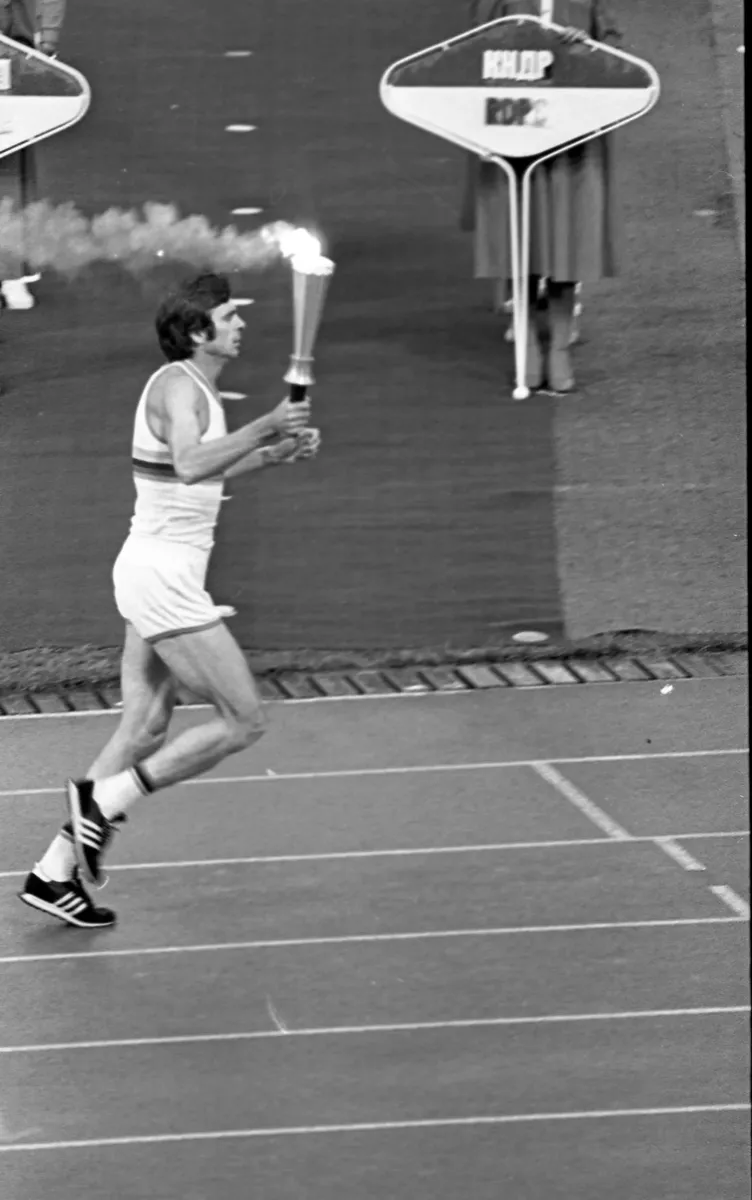
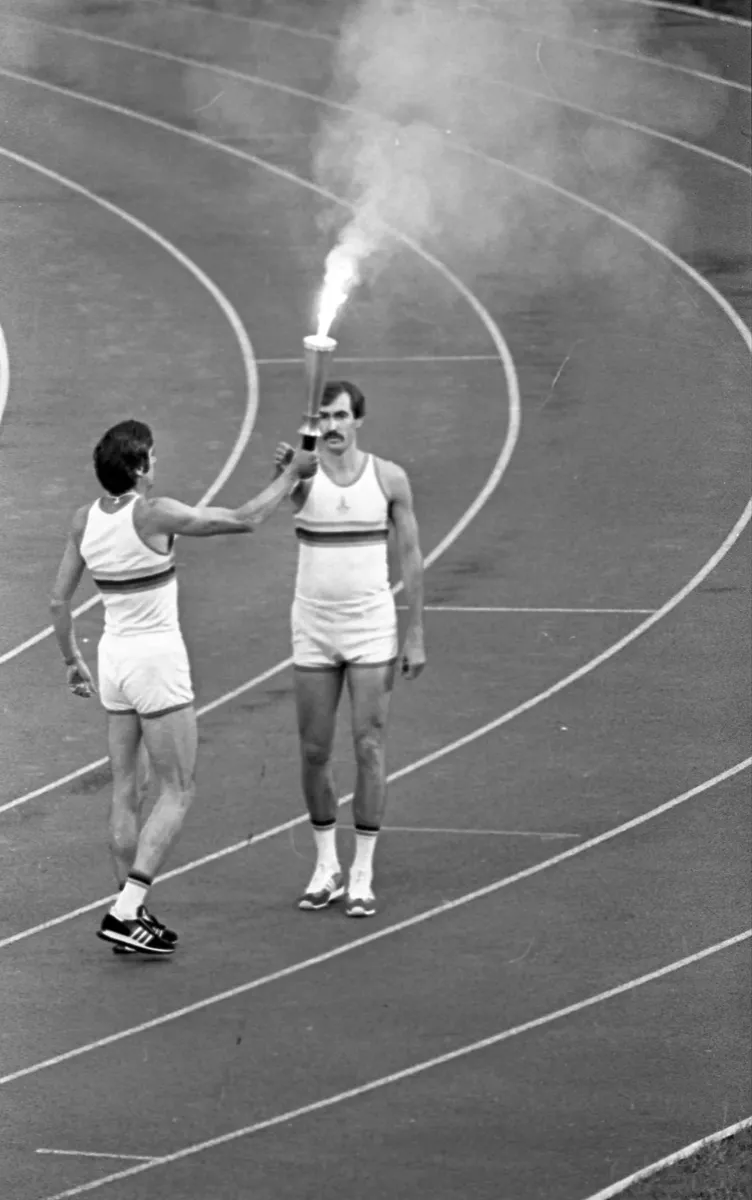
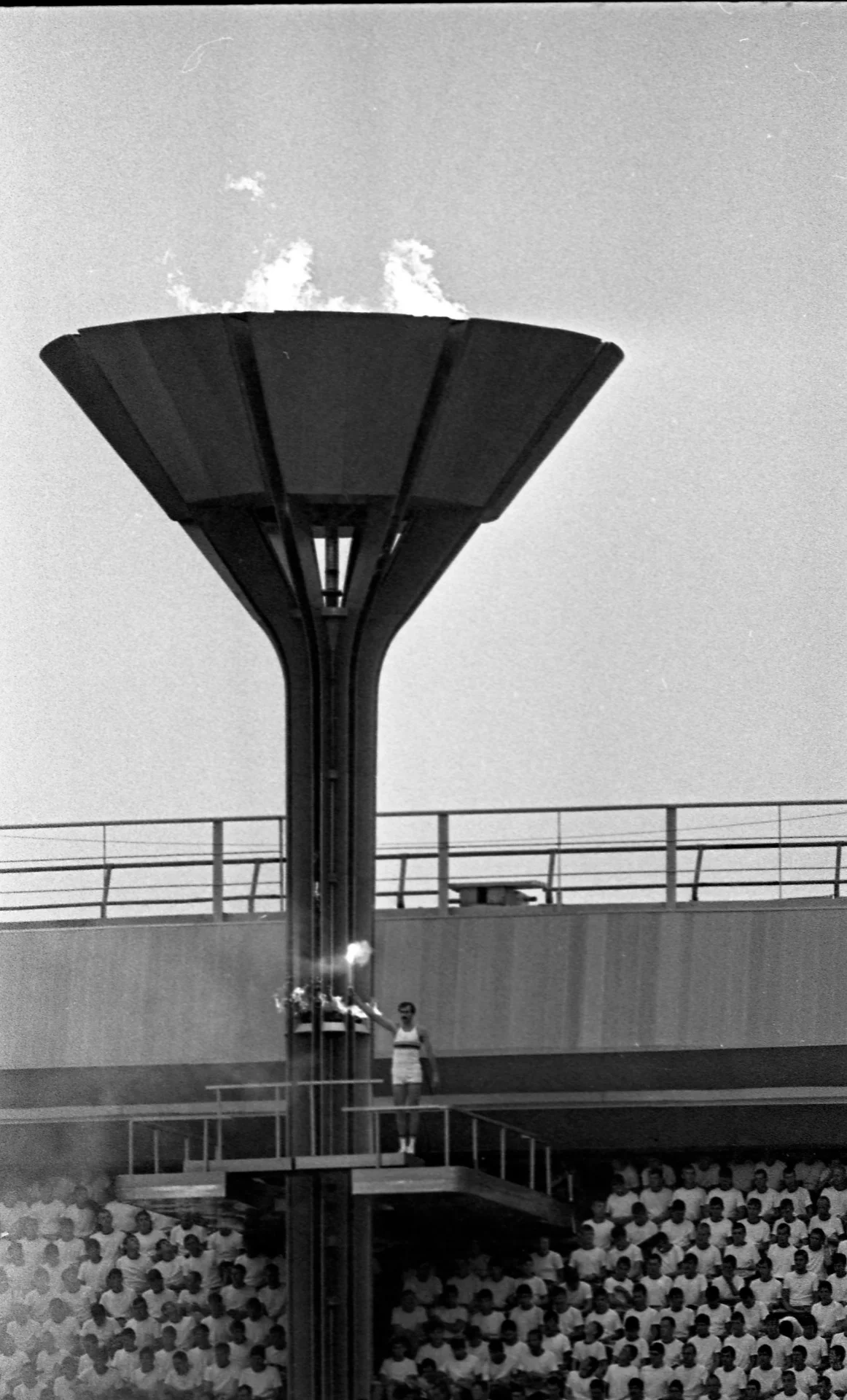
So that our great basketball player Sergei Belov, who was entrusted with lighting a sacred fire, did not triple on the slippery steps leading to the bowl, special planks were attached to them in a hurry. He completed his mission, having accepted the baton with a three -time Olympic champion in the triple jump of Viktor Saneyev. Moreover, Belov did not immerse the torch in the bowl, but put fire to a huge “leg” - and the hot symbol surprisingly rose upstairs. ... In total, 6200 torches were released, the design of which was developed by the artist Boris Rogachev.
* Since six months before the games, Soviet troops entered Afghanistan, 65 countries, led by the United States, disagreed with such a military “politics”, turned their backs to us. In January 1980, American President Jimmy Carter put forward a condition to our country: "If by February 20 the Russian army does not leave Afghanistan, a mass boycott is waiting for the Moscow Olympiad." But the leadership of the USSR and the ear did not lead ...
The head of the IOC Lord Michael Morris Killanin, who tried to bring the Olympic position to all radicals, was not heard, in turn: “We live in a world where there are totalitarian regimes of both left and right. Is there at least one country that has the right to assert that it fully respects human rights and does not allow discrimination? I conjure everyone who has a different point of view and other feelings, not to use the Olympics in order to disconnect the world. Games should not be used to demonstrate prejudices. ”
On July 14, 1980, the Spaniard Juan Antonio Samararanch was elected at the Bolshoi Theater at the 83rd session of the IOC by the successor of Lord Killanin, who officially took office the day after the closing of the Olympics.
* Not only politicians spoke out against games in the Soviet Union ... For example, boxer Mohammed Ali visited several African states from the filing of the American president in order to dissuade their leaders to go to Moscow. However, in the course of his “tour” to Nigeria, Ali changed his position, repented and condemned the boycott ... By the way, the “iron lady” Margaret Thatcher ultimately allowed her delegation to go to the games under a neutral flag ... At the last moment, in addition to Britain, they softened the eyes of Australia, Italy, Spain, France, and only from the Latin American. Chileans ...
But there was another, the so -called hybrid shape of the boycott. For example, Italy did not allow acting athletes-military personnel. And then the judo Ezio Gamba quit from the carabinier corps, received admission and laid in the final on the British Adams's shoulder blades. Later, Gamba will become the coach of the Russian team, who will win gold medals in London 2012, and in 2016 the Italian coach will receive Russian citizenship.
The opening ceremony was completely ignored by Belgium Italy, Luxembourg, the Netherlands, San Marino, France and Switzerland. And only the heads of delegations represented the UK and Ireland in the parade.
* Unfortunately, not a single athlete from the States came to Moscow. Officials harshly warned athletes that even participation under the white Olympic cloth would end with deprivation of citizenship for them. The 25 most daring filed claims with a demand to allow them to compete in games. But the court did not satisfy their requests. Subsequently, Begun John Page recalled: “When Carter said that we were not flying anywhere, I thought he was joking ... How could politics intervene in sports? How? I lost gold, although I had to win ... It is clear that I did not even began to watch the final races. "
After the games, Carter awarded 450 athletes that missed the Olympics as gold medals of the Congress as compensation.
As a result, in the USSR, according to the IOC, 5179 athletes (4064 men and 1115 women) from 80 countries arrived. For the first time in the games, Angola, Botswana, Jordan, Laos, Mozambique and Seychelles appeared in the games. Cypriots came to the summer Olympics for the first time. And under the new names “dancing” Sri Lanka (formerly Ceylon), Benin (Dagomey), Zimbabwe (South Rhodesia). Socrated games of 1245 judges from 78 states.
Five brand new disciplines made their debut. Walking 50 km (she returned to the Olympic program); In heavy athletics, a fresh category appeared - the lightest weight; Two new categories arose in judo; In hockey on the grass, female teams pleased the eye; And in sailing, the regatta of the yacht class "Star" was born. It is noteworthy that in judo, gold in the category of up to 95 kg for authorship of Robert Van de Valle was the only medal of Belgium at games in Moscow, and Yurg Retlisberger won the first and only gold award for Switzerland in judo at the Olympiads.
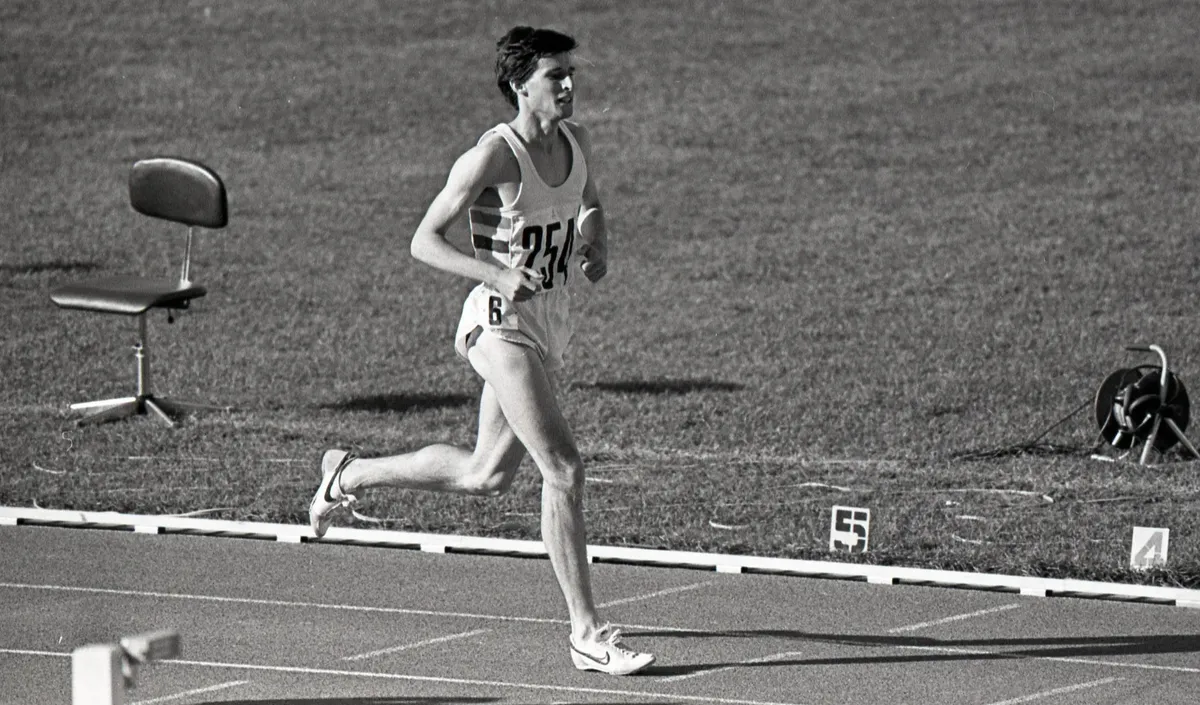
14 states performed under the flag of the IOC, and during the award of these athletes the Olympic anthem sounded. By the way, Sebastian Cowe pulled out gold at a distance of 1,500 meters, who, because of the boycott of Games Great Britain, fled under the flag of the Olympic movement. “The boycottes do not give anything. They are meaningless and terrible, ”the happy Cowe will say then. Now he is the president of IAAF and the main critic of Russia in the world of sports, rejecting any options for admission of athletes from the Russian Federation to international starts ...
* Of course, part of the competitions-1980 were adopted by other cities of the Union. In Tallinn, the audience watched sailing regats, and preliminary matches of the football tournament were held in Minsk, Kyiv and Leningrad. In the Moscow Region Mytishchi, the strongest master of bullet shooting was revealed. By the way, the coach of the USSR national football team Konstantin Beskov insisted that his wards would not live in the Olympic village, but in Novogorsk, so that nothing distracts them. But it did not help: our guys lost to the GDR team in the semifinals, but in the end they were comforted with bronze.
The Olympic village designed for 12 thousand athletes and officials was a 15 -minute drive from Luzhniki. To serve its guests, 6300 buses and 4000 cars were allocated (and another 2333 special cars were transported daily the goods necessary for the OI: Sportinentar and baggage of participants, souvenirs and products). Athletes lived in 18 sixteen -story houses. After the end of the Village Games, Muscovites were populated.
During the Olympics, all messages in the capital's subway were duplicated in English. In addition, a special metro scheme was printed, on which sports facilities were applied, and the names of the stations were designated by Latin letters. And the speed of escalators was increased to 0.94 m/s.
None of the Olympic capitals had such a horse -sports base that appeared in the Bittsev Forest Park. Its area was 45 hectares. To conduct the competition, a competing stadium with rostrums for 12 thousand spectators, six training fields, an indoor arena for 2 thousand spectators and an open arena, containing 3.2 thousand people were built.
And on Mira Avenue the largest universal sports complex "Olympic" was built in Europe, and next to it - the Olympic pool. It is noteworthy that individual bowls of the swimming and jumping sector allowed the first time in the history of the OI to simultaneously conduct competitions in two sports.
And for the first time, mobile information displays were applied, installed on special trucks that cruised between sports facilities.
* At the games, more than 900 varieties of specialized equipment were used (for example, in light athletics, more than 9 varieties of nucleus, hammer, spears and disk) were offered in light athletics). For the first time, an automatic target system was used in shooting from a high -speed pistol with 25 m, and in the academic rowing and rowing on kayaking and canoeing - automatic starting devices, in boxing new gloves were presented without facial stitching, and stump cables in the ring were replaced with latex.
In total, 203 sets of awards in 24 sports were played, of which 150 in personal and 53 in team competitions, which was a record indicator for that time. Representatives of the USSR won 195 awards (80 gold, 69 silver and 46 bronze medals). The second in the team event was finished by comrades from the GDR (47-37-42), the third-Bulgarians (8-16-17). In the general complexity, the envoy of 36 states rose to the podium.
The youngest participant in the games was the 13-year-old swimmer from Angola Georges Lim, and the oldest-70-year-old Bulgarian yachtsman Krasimir Krystev. It is interesting that for that and another athlete the Moscow Olympics was the only one in his career ...
The first champion of OI-1980 was the Soviet shooter Alexander Melentiev. In shooting from a small -caliber pistol with 50 m, he knocked out 581 points. This world record will be beaten only after 34 years by the South Korean sniper Chin Jung O.
Alexander Dityatin became the first gymnast in the world and the first athlete in the world to win 8 medals at the same games. He was noted in all disciplines (gold - in all -around, team championship and exercises on rings; silver - in supporting, exercises on horseback, bars and crossbar; bronze - in free exercises). After 24 years, this achievement (8 awards at some games) will repeat the American swimmer Michael Felps. But not a single gymnast has still been able to crank a similar trick.
The surname Gonzalez was the most common among athletes - participants in the games. There were 19 such comrades: from Cuba - nine, from Spain - five, from Mexico - three, as well as one Gonzalez from France and Colombia. Further, the “places” were assigned like this: 15 athletes wore the surname Kim (except for our gymnast Nelly Kim, they all represented the DPRK), and 14 people flaunted with the surname Singh. The following were: Perez (13 athletes) and NSUEN (12 athletes from the Republic of Vietnam). It is funny that there were only eight carriers of the most common Russian surname - Ivanov (and seven of them were from Bulgaria).
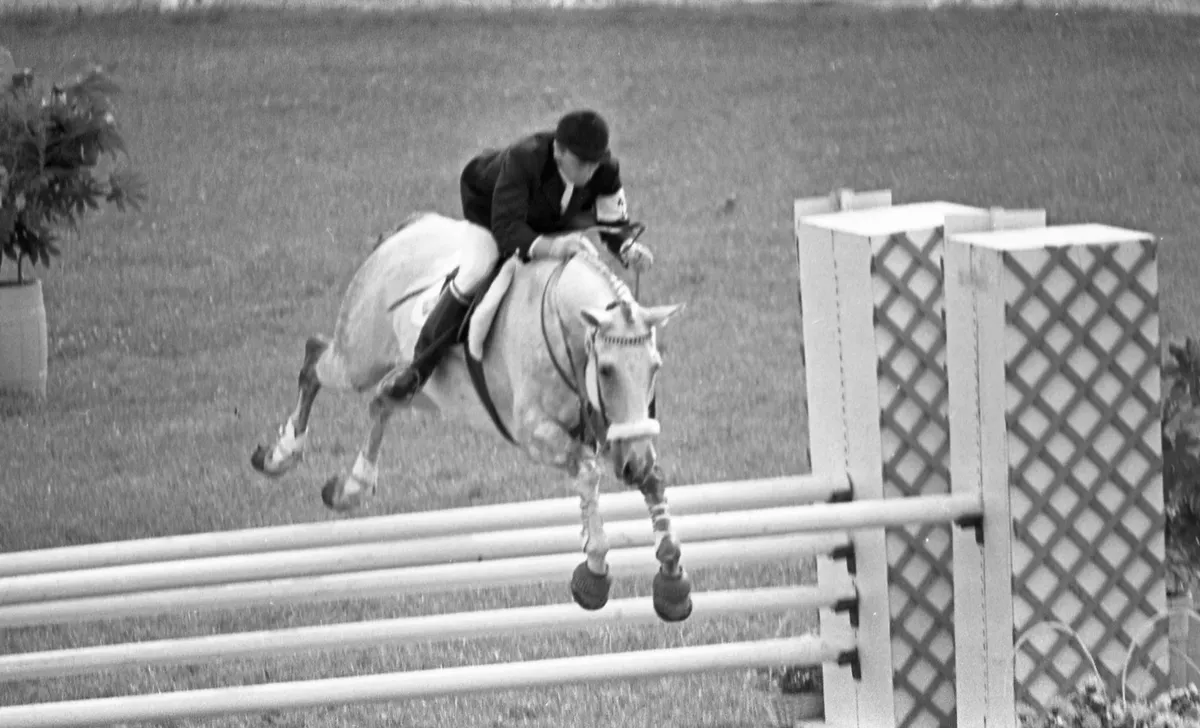
* Family duets were noted at the Olympics. In the academic rowing, the brothers Nikolai and Yuri Pimenovs were eager for boats. Moreover, they lost to the crew, who consisted of the brothers Landfoygt (GDR). The Italian Maurizio Damilano won 20 km in walking, and his brother Sandro trained. The brothers Mauro and Federico Romano won gold and silver in equestrian sports. And in freestyle wrestling Olympic champions were Anatoly and Sergey Beloglazov.
On July 26, at two o’clock in the afternoon, a small two -motor aircraft Fokker landed at Sheremetyevo Airport. He was personally controlled by the head of the Lauda Air airline, a famous highway, two-time world champion in the Formula 1 class, Nicky Laud. There were only three passengers on the flight: Elizabeth Toyrer, her coach Hans Max and a gray horse nicknamed Mon Sheri. And it was Elizabeth who brought Austria the first Olympic gold in horse sport (personal exit), “re -heating” Yuri Kovshov and Viktor Graryumov ...
Before the games in Moscow-80, only American and Soviet basketball players mined gold in basketball. But the star-striped did not arrive, and Sergey Belov and the company performed unsuccessfully at the final stage and reached only bronze, defeating the Spaniards (117: 94). For the first time, the Yugoslavs who had overcome the Italians (86:77) turned out to be champions. But the women's brigade led by Ulyana Semenova and Tatyana Ovechkina (the mother of hockey player Alexander Ovechkin) defended the title won in Montreal.
Plovets Vladimir Salnikov, who won three gold medals in Moscow, at a distance of 1,500 meters first in the world sailed out of 15 minutes (14.58,27). And in athletics, the Olympic podium belonged exclusively to Soviet athletes three times. In the throwing of the hammer, Yuri Sedykh, Sergey Litvinov and Yuri Tamm, in Pyatiberia - Nadezhda Tkachenko, Olga Rukavishnikova and Olga Kuragina were the strongest, and Nadezhda Ozizarenko, Olga Mineeva and Tatyana Providokhina in running at 800 m. Moreover, all the winners - Sedykh, Tkachenko and Ozizarenko - won with world records.
The scandal and presenting two sets of gold awards ended with the final of free exercises among the gymnasts. The leader of the Soviet national team Nelly Kim for two tenths of the point was ahead of the Romanian star Nadia Komenec. But the opponent’s leadership protested, and the Nadi’s assessment was revised. As a result, on the top line of the pedestal Kim and Komench stood together under the deafening whistle of the audience ...
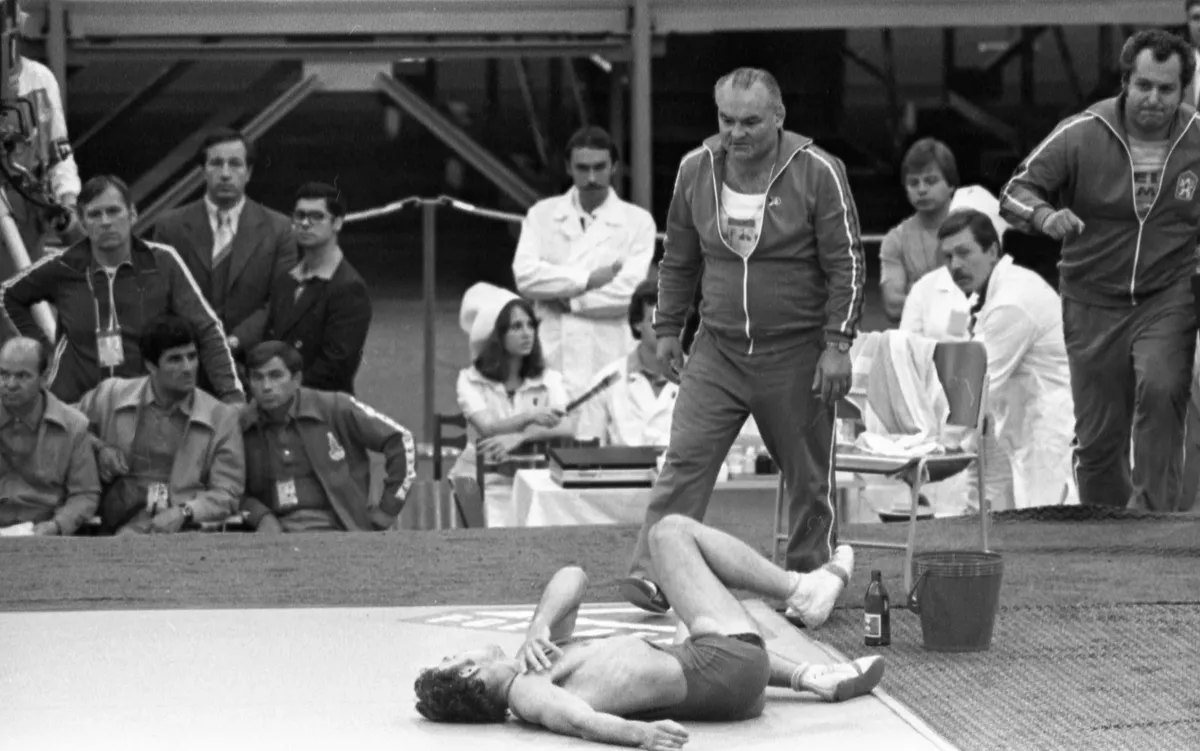
* There was a loud episode in the final of the competition in high jumps. The Pole Vladislav Kazakevich needed to make a successful attempt to overtake the Soviet athlete Konstantin Volkov and to be urgent. …И судьи всячески мешали разбегу поляка: то поднимали красный флаг, то начинали двигать стойку… Но Козакевич не дрогнул и планку победно перемахнул. И все бы ничего, но, приземляясь, он показал всем известный жест, согнув руку в локте… Фото, разумеется, облетело весь мир. Посол СССР в Польше Борис Аристов даже обратился с нотой протеста к польскому правительству. Понятное дело, пришлось оправдываться. Владислав говорил, что «демонстрация» предназначалась планке, а не публике, которую он никак не хотел оскорбить. Делегация Польши объясняла «отмашку», которая позже обретет политический смысл, «непроизвольным сгибанием руки из-за мышечного спазма». А уже потом в своей автобиографии Владислав признался: «Это была спонтанная, незапланированная реакция на свист на трибунах, возникавший в каждый момент, когда я брал в руки шест…»
Впервые за многие годы награды олимпийского турнира по фехтованию на рапирах среди женщин разыгрывались без советских спортсменок. Ни одна из наших опытнейших и титулованных фехтовальщиц в финал не пробилась. И впервые в истории на золотой подиум поднялась рапиристка из Франции — 22-летняя студентка фармацевтического факультета Паскаль Тринке, которая после победы так стеснялась внимания акул пера и микрофона, что спряталась от них в раздевалке.
Олимпиаду в Москве освещали 5615 журналистов, из которых 2865 представляли газеты и журналы, а 2930 являлись телерадиовещателями.
Телевизионная аудитория Игр-80, несмотря на все бойкоты, составила 5 млн человек, что на 1,5 миллиона больше, чем на предыдущих соревнованиях в Монреале-76.
Мало кто знает, что в олимпийской деревне были организованы три молельных комнаты (этого требовали правила МОК). Причем для христиан (католиков, протестантов и приверженцев православия) был один зал, для иудеев и буддистов — другой, и только мусульмане ни с кем не делили свое помещение в 100 квадратных метров. Обряды совершали два десятка священников, приглашенных в том числе из-за рубежа.
25 июля 1980 года ушел из жизни Владимир Высоцкий. И властям пришлось снимать милицию с олимпийских объектов, чтобы обеспечить безопасность на похоронах…
* Хотите верьте, хотите нет, но на московской Олимпиаде не было зафиксировано ни одной положительной допинг-пробы (притом в ходе Игр было установлено 74 олимпийских, 39 европейских и 36 мировых рекордов). То ли все спортсмены были чистыми, то ли проверяли всех на запрещенные вещества очень плохо… Однако существует довольно любопытная версия такого «парадокса»: еще до начала Игр зампред Спорткомитета СССР Виктор Игумнов пригласил главу медицинской комиссии МОК Александра де Мерода на байкальскую рыбалку… И там «проклюнулась идея», которая состояла в том, чтобы все анализы на всякий случай удалить… И «удалились» они якобы аккурат в речку Яузу…
Говорят, московские Игры — самые убыточные в истории. По оценкам аналитиков, на подготовку ушло примерно два миллиарда рублей, хотя точные цифры до сих пор хранятся в тайне. Однако и доход тоже был. Вот на чем, согласно финансовому отчету оргкомитета Олимпиады, удалось заработать: лотерея спортлото принесла 140,8 миллиона рублей, лотерея «Спринт» и «Международное лото» — 368 млн, коммерческо-лицензионная деятельность — 398,5 млн, телеправа и поступления от телекомпаний — 55,7 млн, официальные спонсоры и поставщики — 7,5 млн, продукция филателии — 7,2 млн, взносы участников — 3,1 млн, материальные ценности, полученные от инофирм, — 9,4 млн, прочие доходы (издательская деятельность, страхование) — 4,2 млн, продажа билетов — 20,2.
Кстати, о билетах. Цены варьировались от 2 до 25 рублей. Но граждане СССР имели 70-процентную скидку. К примеру, для иностранца билет на церемонию открытия и закрытия Игр официально обходился от 6 до 25 целковых, а для аборигенов такая радость стоила от 1 рубля 80 копеек до 7 с половиной рублей. А еще все товары с олимпийской символикой были дороже аналогичных, но без «колец и мишек». К примеру, обычная сувенирная модель автомобиля «Москвич» продавалась за 3,50 рубля, а вариант «олимпийский» был за 5,10 руб.
Отказавшись от участия в Играх, США хотели провести альтернативную Олимпиаду. Причем планировали провести ее в Греции или Кот-д'Ивуаре, но друзья по бойкоту идею не поддержали. И все ограничилось лишь организацией двух профильных турниров. На легкоатлетический праздник «Колокола Свободы» в Филадельфии приехали спортсмены из 29 стран, а в Хартфорде прошел гимнастический форум International Invitational. И некоторые государства отправили атлетов и в Советский Союз, и в Америку…
Красочную и уникальную церемонию закрытия и прощальную песню Александры Пахмутовой и Николая Добронравова в исполнении Льва Лещенко и Татьяны Анциферовой все помнят… Но не все помнят, как СССР ответил недоброжелателям своеобразным перформансом на душевном мероприятии: во время передачи эстафеты стране, которая собиралась принимать Игры через 4 года, над стадионом подняли не американский стяг, а флаг Лос-Анджелеса… А Олимпиада-1984 пройдет без участия СССР…
А вот о том, куда улетел Мишка и что потом с ним случилось, — до сих пор ходят легенды. По одной версии, он приземлился на Воробьевых горах, по другой — в ближнем Подмосковье. Кто-то утверждал, что он упал на пивной ларек, кто-то говорил, что главный символ Олимпиады, надутый гелием, совершил крутую посадку в районе Можайского водохранилища… Когда Мишку обнаружили, то выяснилось, что одна из его ног была сильно повреждена, и потому его в спешном порядке утилизировали, не стали реставрировать и «возвращать в сказочный лес». Хотя, по официальной газетной версии, «он спланировал на лужайку, а потом его починили и отдали детям». А на ВДНХ до конца 80-х в павильоне выставляли запасного резинового медведя…