
Translated material
Gray zone
As a special operation disabled person, he was looking for work, became a courier and fought with the state for six months for a prosthesis laid for him. But he was still lucky

Photo: Danila Povarov / Kommersant
Vladimir Putin promised to create “conditions for self -realization” of fighters returning with his: “We are constantly talking about this in the presidential administration and the government. Therefore, we are doing something. ” This is not the first time Putin talks about the prospects of new veterans. In January, he advised the governors to “think in advance” about the employment of the returning fighters, with a “worthy level of wages”.
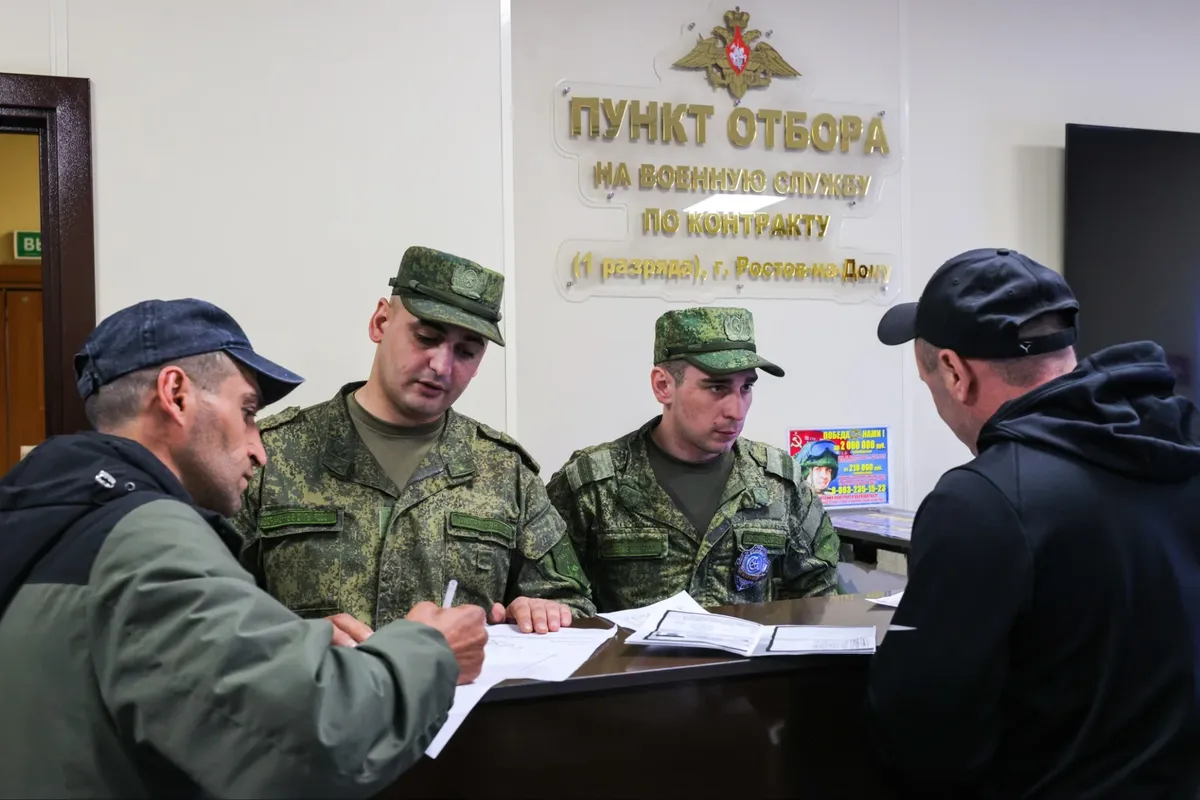
How many returned will be incomprehensible. In June 2024, the president stated that the combat zone contains 700 thousand Russian military. According to the results of the year, the Minister of Defense Andrei Belousov calculated that on average a contract is concluded 1,200 people a day. To date, most former participants of SV, as the head of the administration of the Presidential Administration for Public Projects Sergey Novikov, “are in the“ gray zone ”from the point of view of employment”: “We know that they have returned. Part was employed to previous places of work. But almost half remains in the unknown - they did not turn to the Defenders of the Fatherland Foundation, and did not work out. There is no data on how they earn a living. ” “In the news on TV, everything is beautiful - you say, you will become a new elite. But these opportunities are for officers. And I am a simple sergeant, and even then the youngest, ”says Vadim Musabekov, a resident of Engels. The boyfriend - an orphan who grew up in a foster family in a remote village - was 22 years old, without education and without peaceful work experience. He also returned without a leg. Seven months had been waiting for payments for a wound. For another six months, receiving a prosthesis. I was looking for a job, but, as Vadim Lyubov’s wife says, he was not even taken by the operator in the call center, “employers are afraid because he was on his, or do not want to take responsibility for the disabled.” Now the “genuine hero”, as the president called participants in the New Year's congratulation, works as a courier.
"Get used to it, soon there will be a lot of such cases"
Vadim is dressed in a black T -shirt with the inscription: “I do not share anyone's opinions; I have mine. " Not that he was fond of Turgenev. Bazarova presented a T -shirt with the statement by the wife, deciding that the quote popular in social networks reflects the character of the spouse.
Vadim walks, leaning on a cane with the silver head of the dragon. We are not fast: even in the center of Engels, the asphalt is uneven, covered with cracks, now and then there are high borders and gutter.
Sitting down at the table of a summer cafe, the young man, having grimaced, stretches his wounded leg. For more than a year, which has passed after discharge from the hospital, the stump was dried up, the prosthesis became uncomfortable. “You have to wear a hundred socks,” explains Vadim Lyuba's wife, an elegant brunette in a pink T -shirt with flowers made of yarn.
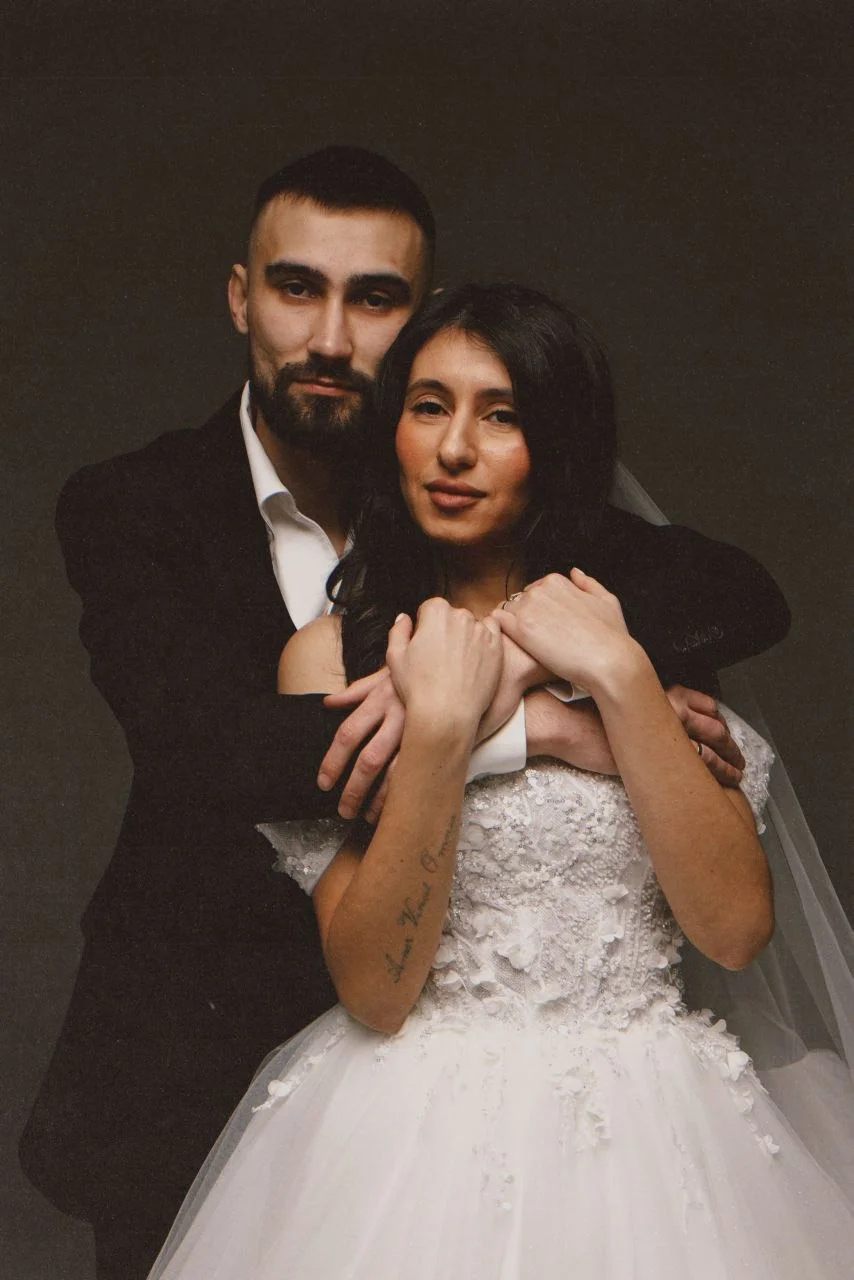
In December 2024, Musabekov applied for a new prosthesis. The Saratov branch of the Moscow Prosthetic-Orthopedic Enterprise promised that they would fulfill the order in two months-just for the wedding. But, love is upset, the wedding photo shoot was to take off on the old prosthesis. For six months now, Vadim has been traveling to a prosthetic factory from Engels to Saratov (this is the only state -owned enterprise in the region): by bus, then by tram, then on foot uphill. It takes three hours on the road in one direction. “Five times I was driven between the factory and the ITU: they didn’t inscribe something in IPRA (an individual rehabilitation and abbreviation program), they forgot a piece of paper,” Vadim dismisses.
The new modular prosthesis for daily use promise to issue "the other day." Vadim rejoices that he has already received a bathing option. “It is needed for a shower, for the pool, maybe for the beach. Last summer there was a funny situation: I drowned my current prosthesis in the Volga when I bathed. I had to call the Ministry of Emergencies with divers. Dived, found. Their elder tells me: "For 25 years of service, the first time I have such a challenge." I answer him: get used to it, soon there will be a lot of such cases, both hands and legs will be sought! ” - says Vadim.
According to the Ministry of Defense, over three years, the number of participants in those who need prosthetics in connection with amputation has grown three times.
According to the chairman of the Defender of the Fatherland Foundation, Anna Tsivileva, 22 thousand out of 105 thousand veterans of the special operation that applied to the organization have “difficult disability”. As noted by the chief orthopedist of St. Petersburg, Alexander Dulaev, "the wounds that we see now are much more severe than we were in Afghanistan and Chechnya."
According to the estimates of the Federal Center for Scientific, Methodological and Methodological Support of the Development of the system of complex rehabilitation and abbreviation of disabled people (FCCR), 15 percent of their disabled people have the first group, 27 percent-the third. The largest category (58 percent) are disabled people of the second group who received mine-explosive injuries. According to the deputy head of the FCC Elena Morozova, they have a “huge problem of social reintegration”: “These are people of young age, that is, they still live and live.”
At the beginning, one of the main suppliers of modern prostheses - the Icelandic company Ossur stopped his work in Russia. The volume of state contracts concluded with Russian "daughters" of the second largest participant in the market - the German OTTOBOCK, in 2023 decreased by 42 percent - to 780 million rubles. The share of domestic technical means of rehabilitation (TSR) increased from 17 to 50 percent. In the first year, the expenses of the budget for the purchase of limb prostheses doubled compared to 2021 - to 8.6 billion rubles. But, as the survey conducted by the Defenders of the Fatherland Foundation shows , 40-50 percent of the military disabled people are unhappy with the issued legs and 100 percent - hand prostheses.
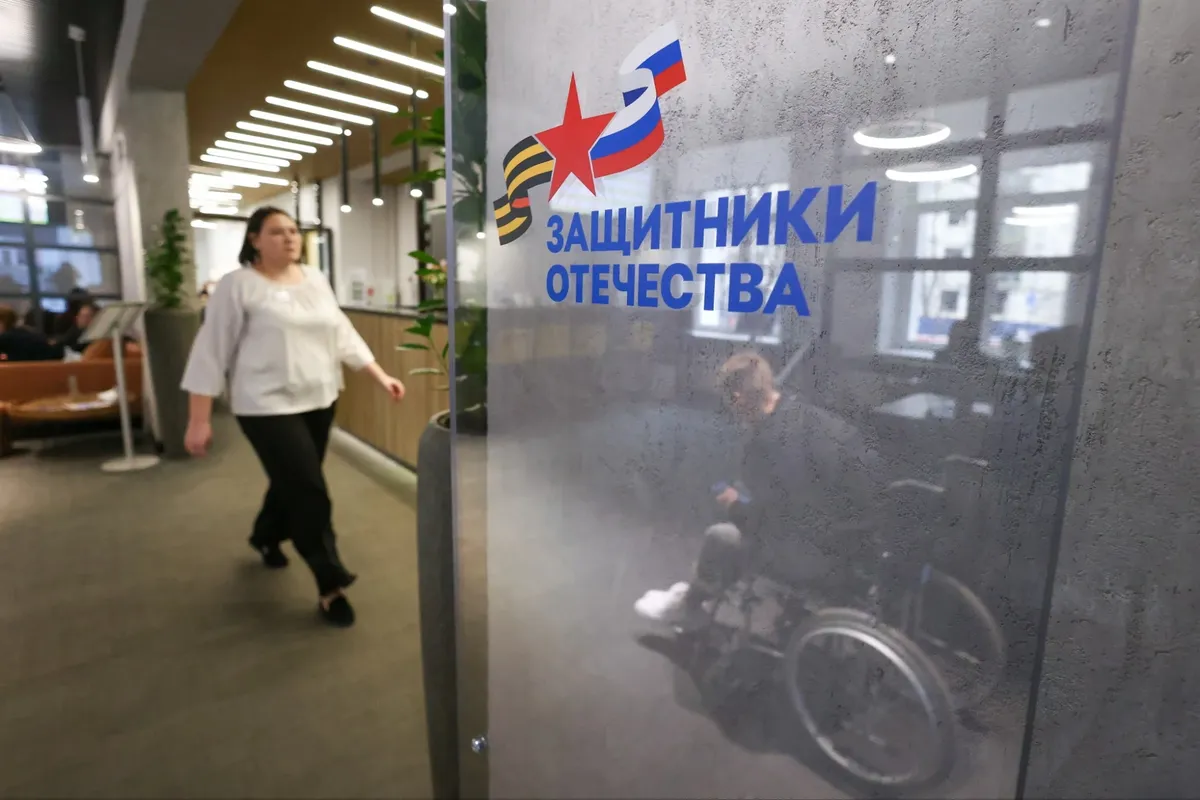
According to experts of the interdepartmental working group on the integrated rehabilitation of participants in combat operations, in the year the country needs from 70 to 101 thousand bio -dentures. But domestic production depending on imported components and service. “Today we have the delivery time for one and a half, two, sometimes more than months,” says Denis Kovan, the chief specialist in the Ministry of Defense of the Ministry of Defense.
According to Kovlet, in Russia it is necessary to open 25-30 prosthetics centers in addition to the available 240. In total, 500 prosthetics operate in the country (another 900 is needed). More than half of them have no specialized education. According to Deputy Minister of Defense Anna Tsilevy, now military personnel with amputated limbs have to “fly to Moscow, in St. Petersburg, to the Moscow region, just to twist the prosthesis”.
"Let's make a circle and home"
“I was seven years old, my brother, Tolyan - six when we were taken away,” Vadim says that he remembers blood parents, but “to remember such reluctance.” The native aunt, who lived in the neighborhood, did not even visit the boys in the orphanage. Love adds that now blood relatives persistently knocks on her husband on the social network, but he does not want to restore contact.
From the orphanage in the village of Ivanteevka Vadim and his brother, they took to the foster family. “Mom said: why do you take them, grow - sniff! But she did not listen to anyone. But everyone obeyed her in the family. Mom has a steel character! " He recalls with admiration. The adoptive parents raised two blood daughters and three orphans.
By the end of school, the young man had, as he says, "a vague idea of the future." He entered the local agricultural lyceum - not because he dreamed of working on Earth, there were simply no other educational institutions in the village, and the adoptive mother did not let into the city. “I was gouging,” he spreads his hands and clarifies: “To the army. I don’t understand the young people who say: why go to the army, lose a year! You do not lose, you study responsibility. Wearing a form, discipline - this was not enough for me. ”
During the military service, a guy from the Deaf Zavolzhsky district was able to travel for the first time. I got into the "training" in Ulyanovsk, then to the troops to the Far East. He enthusiastically recalls how they drove past Lake Baikal-"although at night, they examined something." “Our part was among the hills, as in a plate. At 6.00, rise, you go out onto the smoke break - and you see the dawn, these hills are half in the clouds. Romance!" - recalls the junior sergeant. Trains to the fields, shooting from a machine gun - he liked everything at the "term".
After the demobilization, having sat at the house for a couple of months, Musabekov signed a contract with the 15th separate motorized rifle brigade in the Samara region. It was October 2021.
“We did not expect anything like that,” says Vadim about the beginning of his own. He clarifies in what year “all this began” - after concussion and numerous operations, it is difficult to recall the dates. In February 2022, part was taken to exercises. They landed somewhere in the forest. One night, they suddenly ordered them to be relocated: “Dark, you can’t put a tent. We lit up bonfires, appointed the duty officers. And they understood everything in the morning when they began to equip us. ”
The commanders reassured: "We will make a circle home." Vadim did not call his mother. "And then they ordered to handle phones, and that’s it, I disappeared." It was possible to contact the homes in a month and a half. “The brother said: after my call, my mother howled, Dad stood, silent, thought that ...” - Averting her eyes, Vadim was trying to choose the word. "Thought about the worst?" - I am asking. The interlocutor nods: "Yes, that this is all."
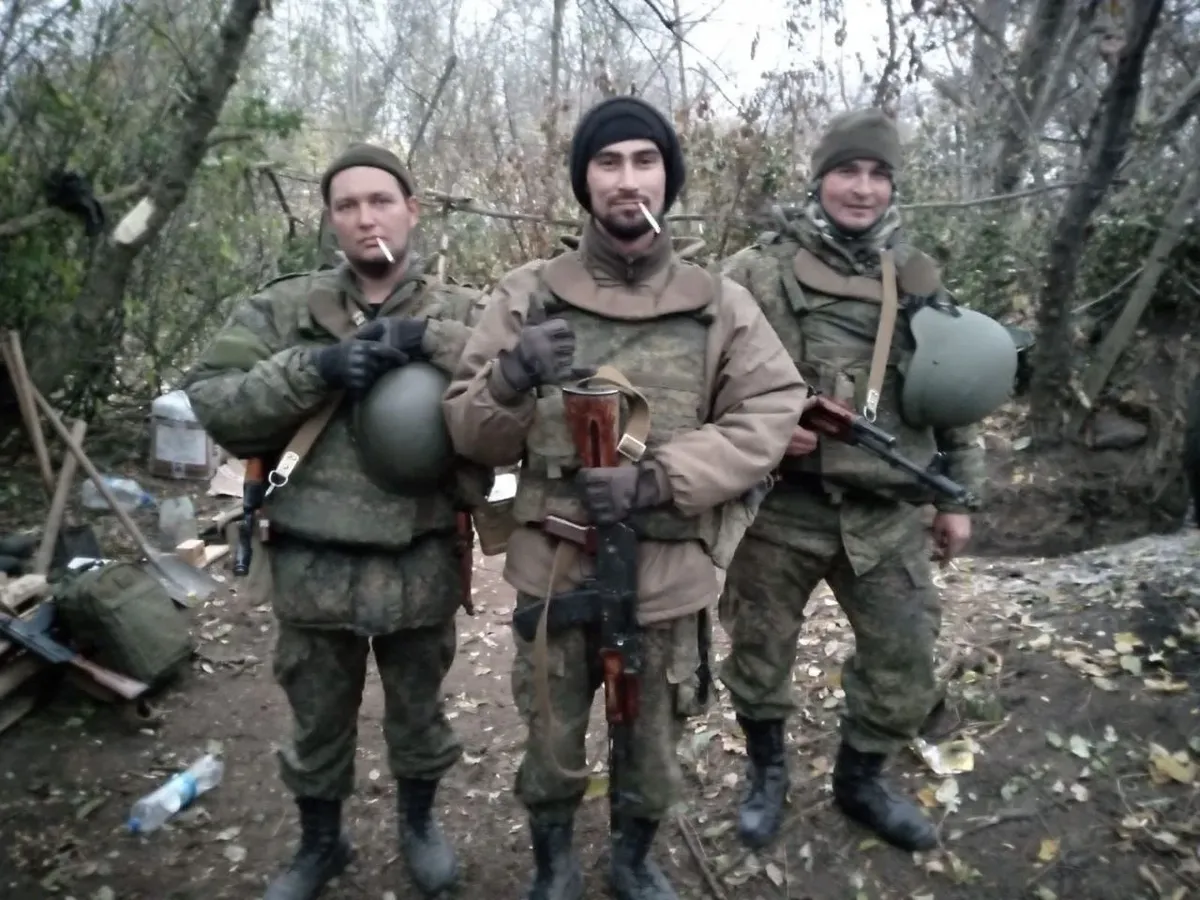
Relations with local residents, whom Russia, as they explain on TV, came to free from the Nazis, took shape in different ways. The soldiers were afraid to buy food from the villagers - they were afraid that the food was poisoned. They suspected that one of the forced neighbors was leading the artillery of the Armed Forces.
“I remember one granny. She had chickens, eggs, milk, and most importantly - a makhorka, a dump! We exchanged it for alcohol. She tried all the products with us so that we were not afraid. She told me: “If anything, you, son, run to me, I will change you and go home.” There was also a family with two children. They really wanted to leave, waited for the Green Corridor. Once we go past their huts, they gather, such joyful-on some radio they heard that they opened the corridor. Two days later, we changed the point. We are going, on the road, the car was shot. And in it - this family. I don’t know who worked for them. ”
I ask what it feels like to be there from the urban -type village there? “A person breaks,” says Vadim quietly. - At first I even had an interest. Then, of course, fear. Then ... I can’t explain this to the scientist. There is nothing left of you from the old. ”
In the summer of 2022, Vadim returned home. He calls his then state “breaking” - a feeling of guilt in front of the dead colleagues and before the remaining at the front, was unbearably pulling. “Scandals with parents began. The work did not work. All in Tartarara! I began to drink a lot and strongly. ”
In September, when they announced a partial mobilization, Vadim, without saying anything to his parents, gathered in the military enlistment office for the agenda. The younger brother, who was knocked after him, locked in the garage. But Tolya managed to get out. The next day, the brothers were in Saratov. “Mobiles” from rural areas were brought to the territory of the former missile school. “Everyone is leading to change clothes, and Comrade Captain gives us a five -ruble coin, says: throw it - one of you will go home, the other will remain here. I say: I will stay. Tolyan has a hysteria! He was almost connected to take home. ”
"All, cut"
A year later, on the night of August 31 to September 1, 2023, Musabekov wounded. “According to official figures, it was a mortar. I remember by excerpts: how they load me, then the doctor presses me to the operating table, I break out, she pulls the mask on me, says: "Everything, cut it."
The leg hung on the skin. In addition, Vadim received multiple fragmentation wounds and contusion.
The wounded was sent to Simferopol, then to Moscow, to the hospital Burdenko. “They launched not one, but three into the dressing room. Who is without arms, who is without legs. You’re so shit, you’ll see enough of others. Doctors in Moscow are some kind of distant. Maybe because there are a lot of people. One surgeon did not light up bandages, removed the seams without anesthesia. Yes, even shouts: what are you screaming! I tried not to get to him. ”

In Moscow, Vadim underwent several operations. “After reamputation, I thought, I would die in general. The temperature rose, I have shaking, sweat, delirium. In the neighboring chamber there was aunt Nadia. We called her "mother of the regiment." She looked after her son. It is “heavy”: there is no legs, the brush is amputated, the half-face is demolished. Aunt Nadia saw in what condition I called the doctors. There was only Grymza on duty, he says: the painters were laid only at night, two hours later. But Aunt Nadia arranged a spill, knocked out morphine. ”
Vadim forbade his mother to come to the hospital, did not want her to see this. Behind the wounded, with whom the relatives were not sitting, caretakers, assigned to each ward.
“You can, of course, regret yourself. What is the point? - Vadim recalls the first months after amputation. - I tried to get distracted, talking with the guys from the ward.
They told how the evacuation took place. One, imagine, was taken out on a wheelbarrow! A lot of funny stories! "
From Moscow the wounded was sent to Novosibirsk. Given the first prosthesis. They taught to walk again. “I have been driving a day in a day! It was lucky that amputation is below the knee. It would be more difficult on the artificial joint. ”
Musabekov left the hospital after 6 months. As he says, “I only wanted to forget”, and there was a large amount on my hands. “Young cannot be given that money. They, more precisely, have not yet formed the brain, ”says a comrade junior sergeant instructively. - There we ate so much time and slept underground, and here - our eyes scatter! It seems: Eh, I'll come off now! But this "now" ends quickly. "
"Psychological help is needed yesterday"
May 9 last year Vadim met anyone. “I have long noticed that a lame guy came in a cafe, but we did not communicate until we were at the same table. And from that day we will not part, ”Lyuba recalls. “It is possible without“ lame, ”the husband grins as a joke. “I am a hyperempatic person. It was important for me that the man was sincere nearby. This hooked me in Vadim, ”says my wife. - We entered into a relationship not lightly. There was no way to plunge into dreams at the moon, I immediately had to solve problems. I wanted to help him. He, like most of the guys who come from there, did not know where to go. ”
Friends, having learned that Lyuba meets with his participant, asked: "Are you not afraid that he will change him?" At first, Vadim screamed at night. Sometimes suddenly "went into himself." “Vadim was difficult, but he understood that this condition was bothering him, and he himself suggested contacting specialists,” the wife says.
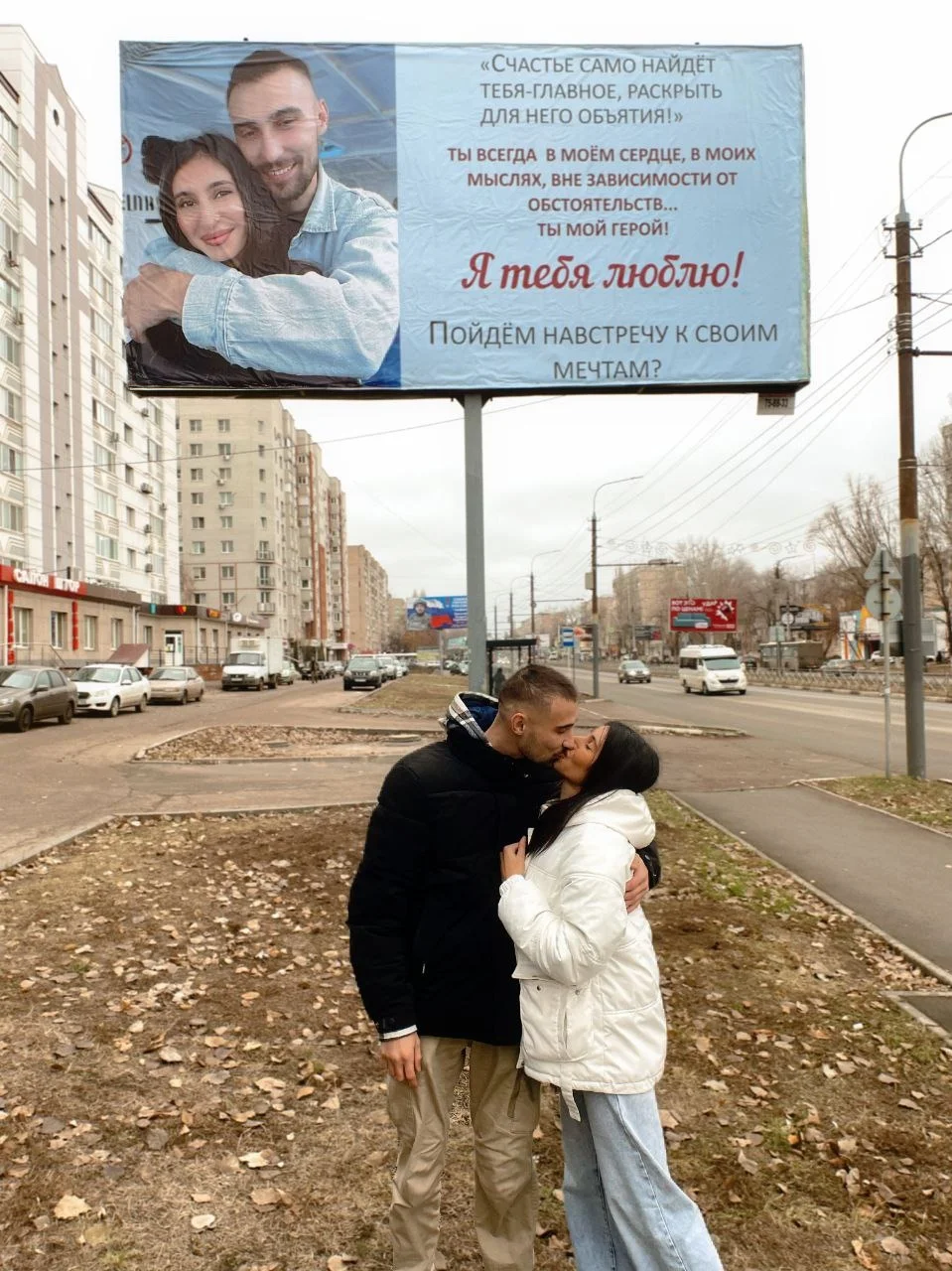
Love (she is fond of popular psychology and was more than once in therapy) found in social networks a psychologist who collaborates with the headquarters of his support at the regional department of United Russia. The headquarters said that they needed family psychotherapy, but free consultations are laid only in the veteran. Lyuba herself went through online courses on working with military injury for relatives of fighters.
As they say in the Ministry of Health, to understand how many psychologists will be required to work with former participants of his own, it will be possible only after the end of her. “The military has not even begun to return from the front en masse, and psychologists are no longer enough,” said the State Duma deputy Yaroslav Nilov.
Psychological consultations need both the families of fighters and employers. “We do not understand what a combat trauma is, we do not understand the features of those people who will return [from the front],” says Anna Skorobogatova, president of the X5 Group charity foundation. In her opinion, companies need methodological and expert assistance to effectively include participants in the special operation in work processes.
Back in 2022, the Ministry of Health developed a training program for doctors to provide psychological assistance to patients with PTSD. Such courses operate at the Pirogov RNMM, in Moscow State University, the Service Research Center. But will combatants go to their graduates? According to psychologists working with military trauma, the front -line soldiers will not want to consult with women and not serving men.
Specialists converge in one: the organization of the support system is already late.
“The fighters had to be provided yesterday,” the military psychologist Tatyana Shnitko was sure of psychological rehabilitation. “We need to build this work many times so as not to fail all other support measures,” says Irina Kirkora, deputy chairman of the HRC.
“A large number of returning participants in his who have not received significant physical violations falls out of the field of view of doctors for three to six months, sincerely believing that everything is fine with them. Very often, families justify: the hero returned, everything is fine, I will suffer. In fact, a mental persistent maladaptation is developing, ” said Mark Iskovich, head of the Department of Psychology, the Department of Psychology.
According to the Ministry of Health, from June 2023 to February 2025, 38 thousand military veterans and more than 22 thousand relatives turned to medical organizations on the profiles of Psychiatry and Psychiatry-Narcology. In the branches of the Defenders of the Fatherland Foundation, 76 thousand people received psychological and psychotherapeutic assistance.
По наблюдениям исследовательского центра Сербского, в 2023 году 7-8 процентов ветеранов СВО, обратившихся в это учреждение, указывали на проблемы с алкоголем и наркотиками. В 2024-м доля таких жалоб выросла до 10 процентов.
«Нигде не говорят, что делать дальше»
В соцсетях Любовь нашла саратовского ветерана СВО Дмитрия Лыгина, вернувшегося домой без руки. Лыгин работает социальным координатором фонда «Защитники Отечества». Только от него Мусабековы узнали о существовании этой организации, которой, по словам вице-премьера Татьяны Голиковой, за 2023–2024 годы было выделено 28 миллиардов рублей из федерального бюджета, а в нынешнем году дадут еще 25 миллиардов. По словам Вадима, никакой помощи от фонда он не заметил: «Я сам должен узнать, что мне положено и как это получить. Сам собрать документы. Сам ходить по инстанциям»
«Реклама службы по контракту — везде. А почему нет никакой информации о том, что делать людям, которые уже оттуда вернулись? — спрашивает Любовь. — Ни в военкомате, ни в госпитале им не говорят: теперь вами будут заниматься такие-то инстанции, вы можете получить такую-то помощь. Ничего подобного нет, никакой памятки, никакой инструкции! Мы сами собирали информацию, где могли, в течение года».
Выплат от Минобороны Вадим ждал 7 месяцев. Потом, как говорит, «случайно узнал», что раненым полагаются еще и страховые компенсации от компании «Согаз». В ноябре 2024-го Путин увеличил выплаты раненым, получившим инвалидность. За перечисление денег отвечает фонд «Защитники Отечества». Эту сумму Мусабековы ждут уже полгода. Ветеранская надбавка к пенсии по инвалидности составляет 6 тысяч рублей. Совсем скоро в семье ожидается пополнение. В назначении универсального пособия, положенного беременным женщинам, Любе отказали — доход семьи оказался аж на 4 тысячи рублей больше прожиточного минимума. «Вот и поднимай демографию», — разводит руками Люба.
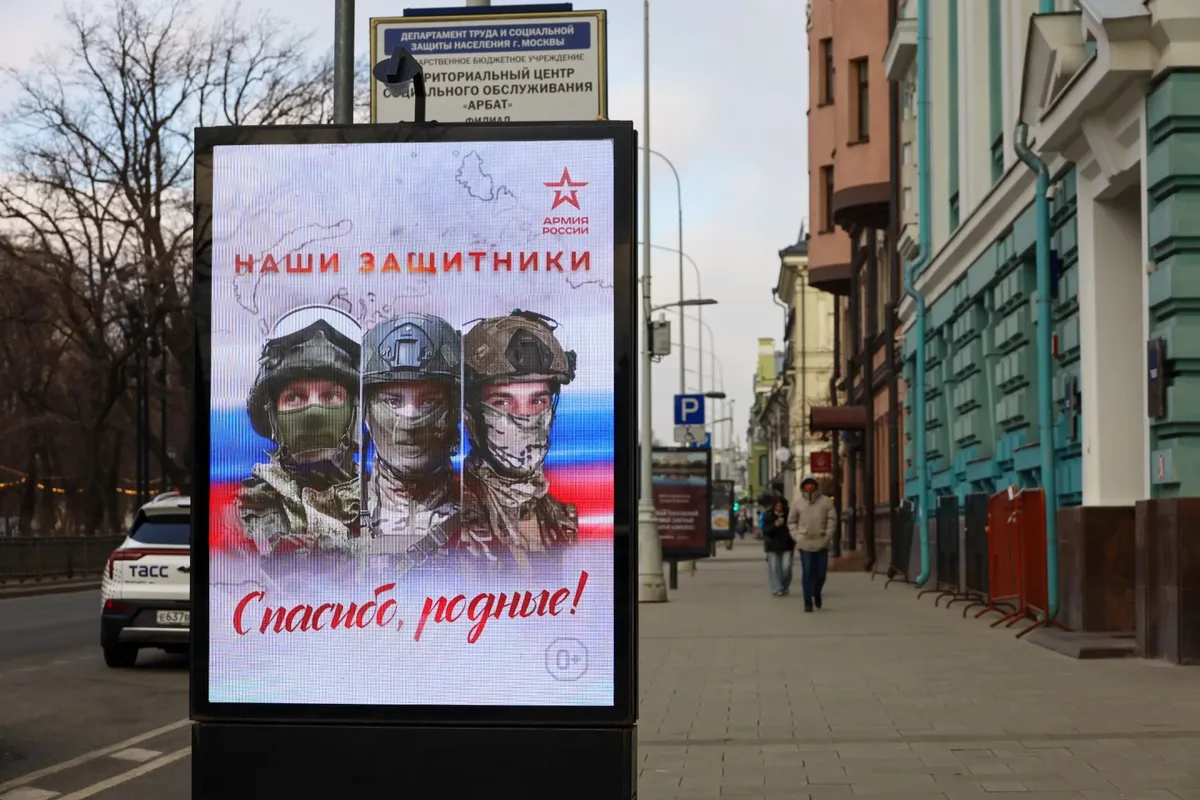
Весной 2024 года президент объявил, что инвалидам СВО выдадут автомобили «Лада Гранта» с ручным приводом. Но, как выяснилось, не всем. Замминистра обороны Анна Цивилева уточнила, что это только «для ребят, которых уже невозможно отпротезировать, с двойной ампутацией нижних конечностей и прикованных к инвалидному креслу».
Похожая ситуация с земельными участками. В марте 2025-го депутаты Госдумы предложили внести поправку в Земельный кодекс, согласно которой наделы положены всем участникам СВО и семьям погибших. Инициатива стала громкой новостью на лентах официальных СМИ — но не более того. В реальности в регионах действуют собственные правила выдачи земли. Например, в Саратовской области участки полагаются только тем, кто награжден орденами или званием Героя России. Имеющейся у Вадима медали «За Отвагу» недостаточно. В Саратове, по подсчетам городского комитета по имуществу, выдано 19 таких наделов. В очереди стоят 46 семей. Для сравнения порядка цифр: по сведениям областного военкомата, осенью 2024-го контракт заключали по 800 саратовцев в месяц.
«Деньги закончатся скоро. И тогда будут проблемы»
«Эсвэошников сейчас принимают на работу не везде. Я могу только догадываться, почему. Возможно, боятся за себя, возможно, не хотят брать ответственность, потому что инвалид. Как-то Вадим пытался устроиться в call-центр, и даже там ему отказали!» — пишет Любовь на своей странице во «ВК».
Для участия в президентской кадровой программе «Время героев» и ее аналогах, запущенных в каждом регионе, нужно высшее образование и опыт управленческой работы. У Мусабекова, как у многих участников СВО из глубинки, нет ни того, ни другого. В центре занятости ему выдали направления на две вакансии — слесаря и паяльщика. «По слесарю на заводе сказали: «Тут даже здоровые мужики не выдерживают». А паять… Не знаю, смогу ли с моими руками», — Вадим поднимает над столом дрожащие после контузии пальцы.
Как говорит вице-спикер Госдумы Шолбан Кара-оол, на фронте бойцы получают «определенную доходность», но, когда «этого не будет» и «наступит определенное снижение возможностей семьи», ситуация станет «испытанием для нас». Первый заместитель министра социальной политики Свердловской области Евгений Шаповалов винит родственников военных в отсутствии финансовой грамотности. По мнению чиновника, члены семей участников СВО летают на курорты, покупают дорогие машины, делают пластические операции. «Деньги, которые идут в семью, должны решить те проблемы, которые у нее были. Но практика показывает, что те кредиты и долги, которые были в семье, остаются. И когда деньги заканчиваются, уровень жизни падает», — говорит Шаповалов.
Казалось бы, при существующем кадровом голоде — российской экономике не хватает полтора миллиона сотрудников, в основном в строительной, транспортной и коммунальной отраслях, — у возвращающихся с фронта мужчин не должно возникнуть проблем с поиском рабочего места. Но после полученных травм, даже не приведших к инвалидности, многие не смогут пройти медкомиссию, необходимуюдля устройства на сугубо мирные должности — такие как, например, водитель общественного транспорта, монтер электросетей или слесарь по обслуживанию теплотрасс. Кроме того, надо учитывать, что дефицит рабочих рук возник, в том числе, из-за оттока мужчин на СВО, вызванного маленькой зарплатой в этих отраслях. За три года зарплаты в том же ЖКХ не стали выше, наоборот, из-за роста цен суммы кажутся еще менее привлекательными. Согласятся ли на них вчерашние фронтовики, привыкшие к боевым выплатам?
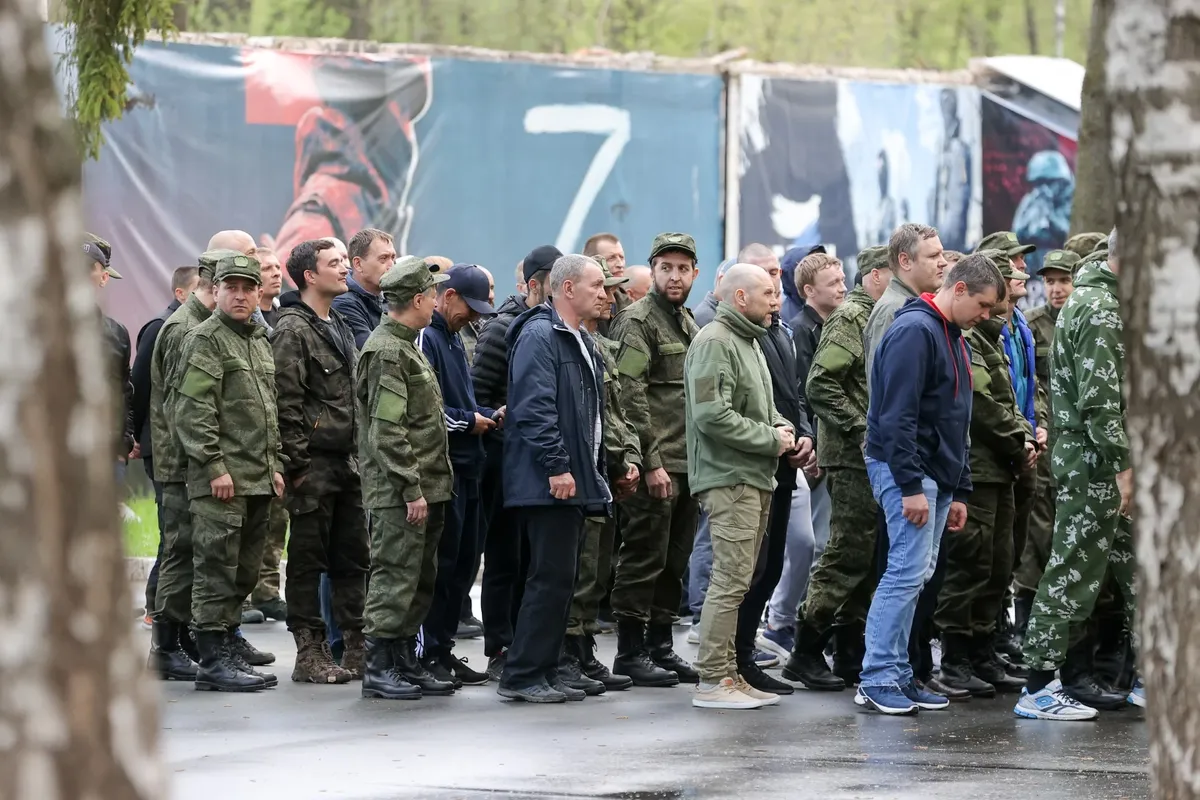
«Многие из участников спецоперации испытывают недоверие к людям, могут переживать посттравматические стрессовые расстройства. Из-за этого работодатели малого и среднего бизнеса будут к ним относиться очень осторожно»,
— полагает представитель ассоциации экспертов кадрового развития «Люди. Business. Будущее» Марина Косякова.
Безработные ветераны дают чиновникам повод для бурной деятельности. В Госсовете создана спецкомиссия по поддержке ветеранов боевых действий. В нее вошли 15 губернаторов, 9 заместителей министров, представители полпредств, Общественной палаты, «Народного фронта», Агентства стратегических инициатив.
Регионы готовят свои программы трудоустройства для вернувшихся участников СВО. В Забайкальском крае еще в 2023 году региональные власти распорядились, чтобы все работодатели — и госорганы, и предприниматели, и НКО — нанимали бывших фронтовиков в «приоритетном порядке». За прием такого сотрудника полагается единоразовая субсидия 76,1 тысячи рублей.
В Красноярске для тех, кто придет с фронта, зарезервировали 600 рабочих мест.
В Самаре с 1 сентября вступит в силурегиональный закон о квотировании рабочих мест. Каждая компания, в которой занято больше 100 человек, должна будет предоставить один процент рабочих мест участникам СВО. Квоты действуют также в Вологодской области и Приморском крае. Законодательные инициативы на этот счет обсуждаются в Дагестане и Карелии.
С весны 2024 года такая мера уже была введена в Подмосковье. Однако за год квотой воспользовались меньше 300 ветеранов. После этого условия для работодателей смягчили: одно квотированное место на компанию со штатом больше 200 человек.
«Люди вернулись, есть большие выплаты, доход, который они получили. Есть на что жить. Но эти деньги закончатся скоро. И тогда будут проблемы», — полагает губернатор Белгородской области Вячеслав Гладков. По подсчетам властей, сейчас в регионе находятся чуть больше тысячи бывших участников СВО. Четверть из них вернулась на старую работу. Половина нашла новую. Гладков поручил создать реестр вернувшихся, «приглашать такие семьи и отрабатывать с ними лично». Например, предлагается обучить бойцов работе на маркетплейсах.
«Нужно понимать, что большое количество воинов придет, и их нужно всех абсолютно занять», — заявил губернатор Санкт-Петербурга Александр Беглов. В городе ожидают возвращения более 20 тысяч человек. «Особое внимание должно уделяться тем, кто имеет ранение. Если человек засядет дома, ничего хорошего нет», — отметил Беглов. Для военных инвалидов составлен реестр из 6 тысяч вакансий на предприятиях городского хозяйства.
Фонд «Защитники Отечества» отчитывается , что на сегодня за содействием в трудоустройстве обратились 11 тысяч ветеранов (десятая часть из всех подопечных фонда), в том числе 2,3 тысячи инвалидов. По официальной статистике, работу нашли для 68 процентов обратившихся, в том числе для 56 процентов инвалидов.
Вадим устроился курьером. «Муж все время на работе. Мы почти не видимся. Утром просыпаюсь — его уже нет. Возвращается после полуночи без задних ног», — вздыхает Любовь. «Без задней ноги», — посмеивается Вадим. Так же со смехом рассказывает, как попал в аварию: на ночной дороге машина прижала его скутер к бордюру, молодой человек слетел с сиденья, ударился об асфальт и потерял сознание. Придя в себя, увидел побелевшее лицо прохожего, прибежавшего на помощь: «У меня протез слетел, а он подумал — ногу оторвало!» Спрашиваю, не тяжело ли таскать короб, ведь заказы весят до 30 килограммов? "Fine. Лишь бы лифт в доме был», — отмахивается Вадим. Он не хочет, чтобы его жалели.
This material was released in the ninth issue "New Gazeta. Magazine". Купить его можно в онлайн-магазине наших партнеров.