
Translated material
"A decent judge and classmate Putin"
What will be remembered by Irina Podnsova - the first woman at the head of the Supreme Court
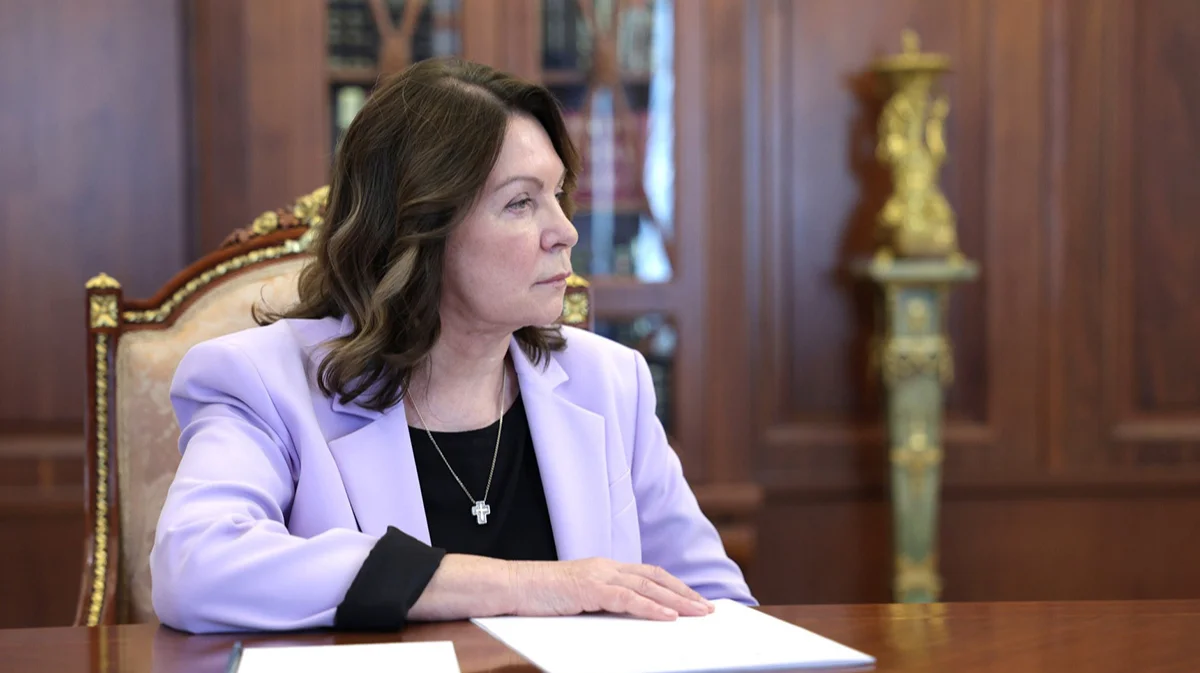
Chairman of the Supreme Court Irina Podnsova, April 23, 2024. Photo: kremlin.ru
The once unwavering and stained-stable life of the Supreme Court of Russia-the main symbol of all Russian courts-has been proceeding in an extremely unpredictable and indefinite way for the past year and a half. Vyacheslav Lebedev, appointed in return for the suddenly died in February 2024 (he headed the highest instance of the country for 33 years) Irina Podnsova did not sit in the chair of the chairman of the Armed Forces and two years. I suddenly died of cancer.
According to some reports, agreeing in the spring of 2024 to take the post of head of the main court of the country (and Putin himself brought her candidacy to the Council of People's Commissars), the 70-year-old Patnova knew that she was already ill, but the proposal was from the category of those that could not be abandoned. Why the choice fell on her - the general public became known at the same time. Podnsova is a classmate of Vladimir Putin in the Yurfak of Leningrad University named after Zhdanov (now St. Petersburg State University). Own. However, the qualities inherent in “their own” were, as it turned out, were unusual. Irina Podnsova - unlike another classmate Putin, Bastrykin - a professional of the highest, filigree sampling and human decency, as former colleagues and acquaintances speak of her. All her life she built her career herself, not hiding behind the status of a classmate Putin, and did not like security forces. She came to study in Leningrad from Pskov, after graduation from Leningrad State House. Zhdanova worked as a lawyer at factories and factories in the regions for more than 10 years. And only in 1990 began a judicial career-an ordinary judge in the Leningrad region. In 2000, with the coming to Putin’s power, her career did not go right upward, like many other classmates of the president. Podnsova worked for many years in the Leningrad Region. And maybe that is why it did not become a symbol of the so-called “Basmann Justice”, nor the judge A-la-Yegorov, nor the manual judge of Putin himself, nor the representative of anyone of the clan. Few people knew about Irina Satosova until her appointment to the post of head of the Supreme Court of Russia. The "Wind" talked with those who knew it in work.
The material was first published on the website of the Wind project. The New Gazeta Europe publishes it completely with the consent of his colleagues.
Irina Podnsova was born in Pskov on October 29, 1953 - during a mass amnesty initiated by Beria after the death of Stalin. The maiden last name is Luneva. Nothing is known about parents. Podnsova, in principle, did not give an interview.
According to the dry biographical certificate on the website of the Supreme Court, Irina Luna entered the law of the Leningrad State University named after A. A. Zhdanov (now St. Petersburg State University). On the course with her, as the journalists previously found out , in addition to Putin, the future head of the Investigative Committee, Alexander Bastrykin, the future vice-governor of St. Petersburg in the 2010s, and the presidential adviser Oleg Markov, the future head of the Federal Property Management Agency Anatoly Shestereyk, the deputy chairman of Gazprom Export, Igor Gazin, the founder of the largest legal bureaus of Russia Egorov, Egorov, the founder of the largest legal bureaus of Russia, Egorov. Puginsky, Afanasyev and partners ”, successfully specializing in tenders for state orders, and many other future lawyers, officials, judges and security forces.
After the release from the Yurfak, Irina Podnsova worked for three years by distribution by a consultant in the Justice Department of the Lenoblist Executive Committee. The career in the northern capital could continue to take shape, but in the late 1970s Podnsov-obviously, in connection with marriage, she left to live and work in the Saratov region in the city of Volsk. There for 12 years she worked at various enterprises. In particular, she began with an ordinary lawyer at the Volsky factory of construction products of the Saratov region, then transferred to the department of Volsky city bargaining, where she gradually grown to the senior legal adviser, and then the head of the entire department.
Snowosov left Volsk in 1990. At 37, for the first time became a judge. This happened in the ordinary city court of the city of Luga of the Leningrad Region.
“She worked there from 1990 to 2003. An ordinary ordinary judge for criminal cases. At the same time, I considered matters of an increased category of complexity. At that time, I was the deputy chief of the Office of the Justice of the Leningrad Region and oversee the courts of the region, traveled with inspections, participated in the meetings of judges, ”recalls the lawyer, the former head of the Main Investigative Department of the SK Dmitry Dovgia. - At that time, it was good with Irina Leonidovna. He was a good specialist and a person above all. An unpopular thing for judges - but Podnsov was just a humane judge. For example, “primords” ( those who were first involved in difficult articles. - Approx. Ed. ) Gave conditional terms. I remember that the chairman of the court regularly praised her before the Office of Justice of the Leningrad Region as a professional and a good worker. She was in good account not only with the authorities, but also her immediate colleagues, and this is important. He was a very open living person. At meetings and studies of young judges, she often shared his experience as a judge, gave advice to less experienced, young. She was trusted and stretched to her. "
In 2003, the 50-year-old Podnosov was appointed chairman of the Luga City Court of the Leningrad Region-after the death of the previous leader.
According to Dovgia, the Luga court under the control of the tray was one of the best ships in the Leningrad Region at that time in terms of indicators: the lack of cancellation in the highest authorities and the number of cases considered.
Simultaneously with the chairmanship in the City Court, Podnsov was a member of the Council of Judges of the Leningrad Region, as well as the chairman of the Council of Judges.
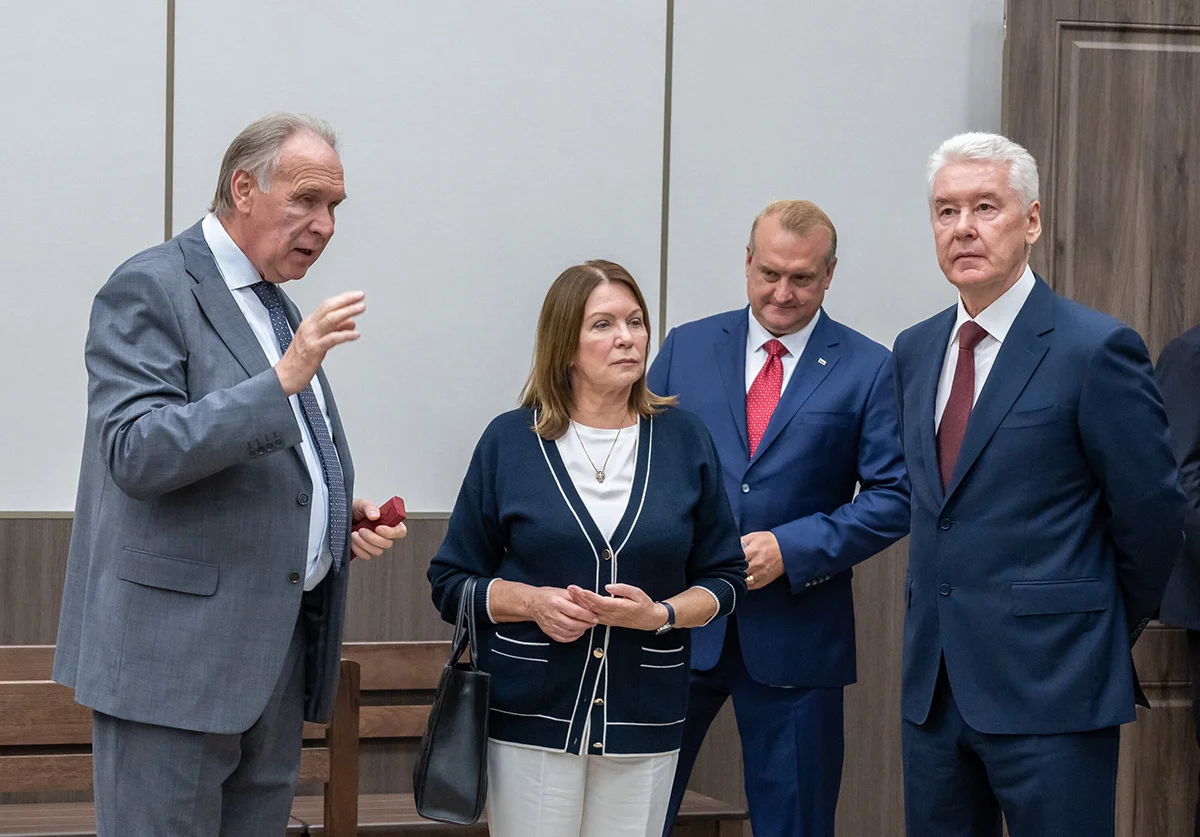
- I do not think that at that moment the fact that she was a classmate of Putin played a role at that moment. She never covered herself with this, did not trump. In general, there was no conversation. She was on her own - a high professional. I did not like intrigues as such and did not make a career at the expense of others. I did not walk around the corpses, as some in this rigid system are able to. In 2000, when I was still the deputy chief of the Department of the Ministry of Justice in St. Petersburg and the Leningrad region, a competition was announced to replace two vacant posts of the judge of the Leningrad Regional Court. They had two candidates. The leadership of the Leningrad Regional Court did not want me to take one of these positions: personal motives. They began to look in contrast to me by one of the current judges of the region, who had a greater chance to take this position. To participate in the competition offered a tray. Upon learning that I had already submitted documents for participation and that they are actually pushing us with my foreheads, Irina Leonidovna categorically refused to participate. And others - including my old friend, - on the contrary, agreed. The tray always in the first place was human decency.
In 2013, a series of raises begins in the professional career of the tray. She was 60 years old. She was transferred from the Luga City Court to the Leningrad Regional Court. She is in the chair of the deputy chairman of the court, four years later - already in the chair of the chairman.
When, finally, the fact of joint studying with Putin at the legal faculty of Leningrad State University played his role. Zhdanova is difficult to say. But the career, which Pavosova built these years on her own, began to develop much more dynamic.
At the same time, she still worked quietly, without scandals and not giving reasons to suspect her of something that would give the ground for investigations, as happened with a number of the rest of the president’s classmates. Her name did not flash in the public at all.
In a word, Pynosov for 35 years of a court career did not become a typical judge of the Putin era - a kind of FSB representative in a mantle. She, according to the sources of the “wind”, adopted the very fact of the dominance of security forces in the court apparatus and the appropriate influence on colleagues. And she fought with this if possible.
2018, perhaps, became a turning point in the professional career of Irina Transhodova. Her name reached the federal level - thanks to the appointment of the chairman of the second appeal court of general jurisdiction. A unified system of appeal and cassation courts was created with the aim of unifying judicial practice and delimitation of powers of courts at different levels. To this place, Putin, obviously, decided to appoint a proven professional - tray.
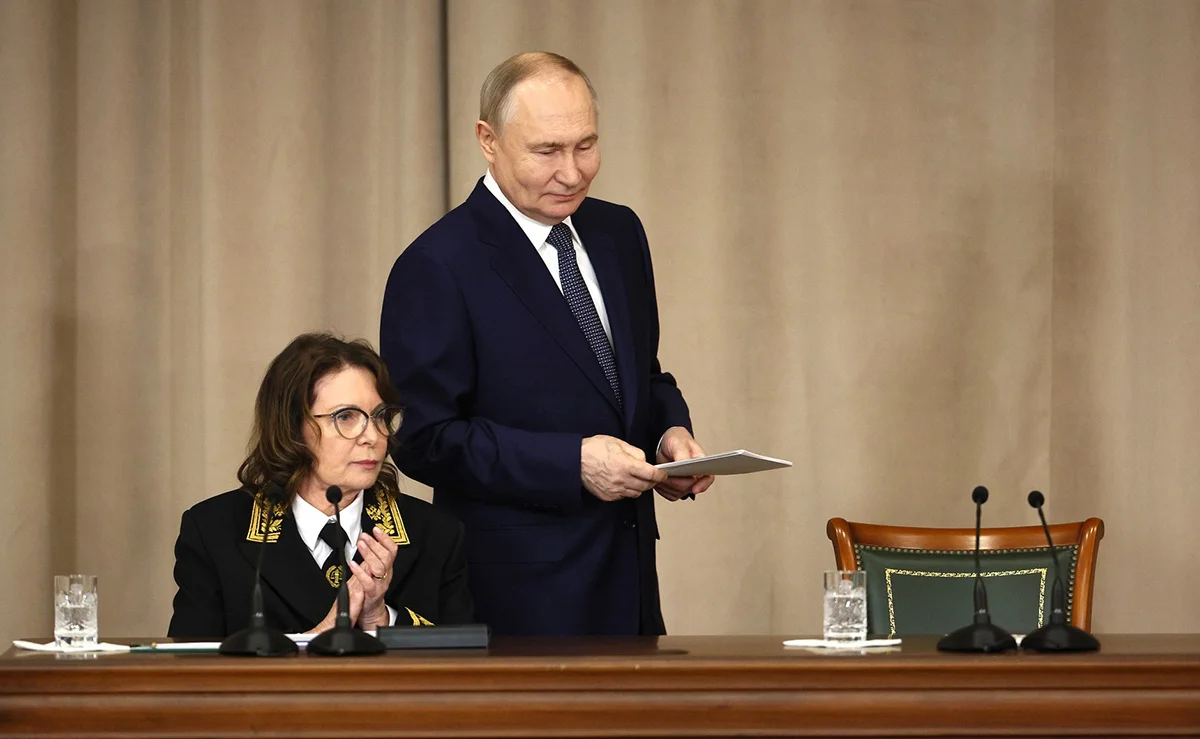
In July 2020, in the midst of voting on amendments to the Constitution, the main of which is the zeroing of the presidential terms, Putin introduced the candidacy of the Snowdoy to the Council of People's Commissars to the post of deputy head of the Supreme Court of Russia. The appointment occurred in record time: in a week. The Federation Council approved the appointment, so Irina Podnsova became the second hand of Vyacheslav Lebedev. Among other things, she was entrusted with heading a judicial board for economic disputes to the Armed Forces.
Practitioners today write in lawyer telegram channels that under the traffic police on economic disputes, the aircraft sent the maximum number of requests for complaints of lawyers to the Constitutional Court.
On February 23, 2024, Vyacheslav Lebedev, who had been fighting for cancer for several years, died at the age of 80. In his place, the Federation Council appointed a 70-year-old tray. She was the only participant in the competition announced after the death of Lebedev to the post of head of the Supreme Court.
She survived the predecessor for less than a year and a half.
What will be remembered?
The law enforcement practice of the Supreme Court remained the same as under Vyacheslav Lebedev: economic and continued to plant economic. There were no exceptions of pregnant women.
So, the Supreme Court literally recently abolished the ban on the joint finding in the colony of “first -classes” and recidivists. The reason for the trial was the claim of the Rostov prosecutor to IR No. 18 in Azov. The basis was verification, during which the supervisory authority revealed many violations. In particular, women who were first convicted of imprisonment after arrival were not isolated from previously convicted either in the dining room or in production workshops. Also, certain rooms for long -term dates were not provided, there were not enough paramedic points and premises for serving sentences in a lightweight mode or during labor leave.
The prosecutor's office demanded that all identified violations, suspend the reception of new prisoners and transfer first convicts to other institutions. These requirements were supported by the courts of three instances: from city to cassation. However, in the Supreme Court of the Russian Federation they did not count. The agency concluded that criminal-executive legislation does not require complete isolation of first convicted women from recidivists in general institutions.
Well, on all sensitive and politicized topics of the Armed Forces and, with a tray, he issued the corresponding time and course of the decision.
So, in April 2025, the Armed Forces suspended the ban on the activities of the radical Islamist movement "Taliban" in Russia. At the same time, in the entire civilized world, the organization is still considered terrorist.
But he confirmed the decision on recognition by the terrorist spontaneous protest movement of supporters of the ex-governor of the Khabarovsk Territory “I/We Sergey Furgal”. In addition, the Armed Forces refused to consider the cassation appeal of the former ex-governor convicted of 22 years, the reasons were not explained.
And on the day of the death of Irina, the Supreme Court was to consider the claim of the Prosecutor General’s Office on the recognition of extremist and the ban on the non -existent “international movement of Satanism” in Russia. They did not dare to consider the case of the chairman, the meeting was postponed the next day. The result was easily and everyday. Just as a few months before the death of Lebedev, the judges of the Armed Forces recognized the extremist non -existent organization of LGBT.
In a word, nothing in terms of decision -making in the Supreme Court has changed in a year and a half. And it could not.
Representatives of the judicial sphere say that as chairman of the Armed Forces, Irina Podnsova, acted as the initiator of bills leading to the decriminalization of economic crimes.
“The judicial community also knows its energetic attempts to improve the financial situation of employees of the apparatus of courts,” emphasized on the day of death of the tray press service of the courts of general jurisdiction of Moscow.
“Irina Podnsova was the first woman in the history of Russia, who became the chairman of the Supreme Court. What a pity that she was very little in this post. But I did a lot during this time, ” wrote the journalist and member of the Presidential Council of Human Rights Eva Merkacheva. - Thank Irina Leonidovna for all the president’s orders followed by the results of meetings with members of the HRC. I spoke several times (I spoke about women in jail, in general, about excess arrests, about 228, etc.). The president gave instructions to the Supreme Court. So the bill was born on the ban on taking into custody of women with children and on the 228th. ”
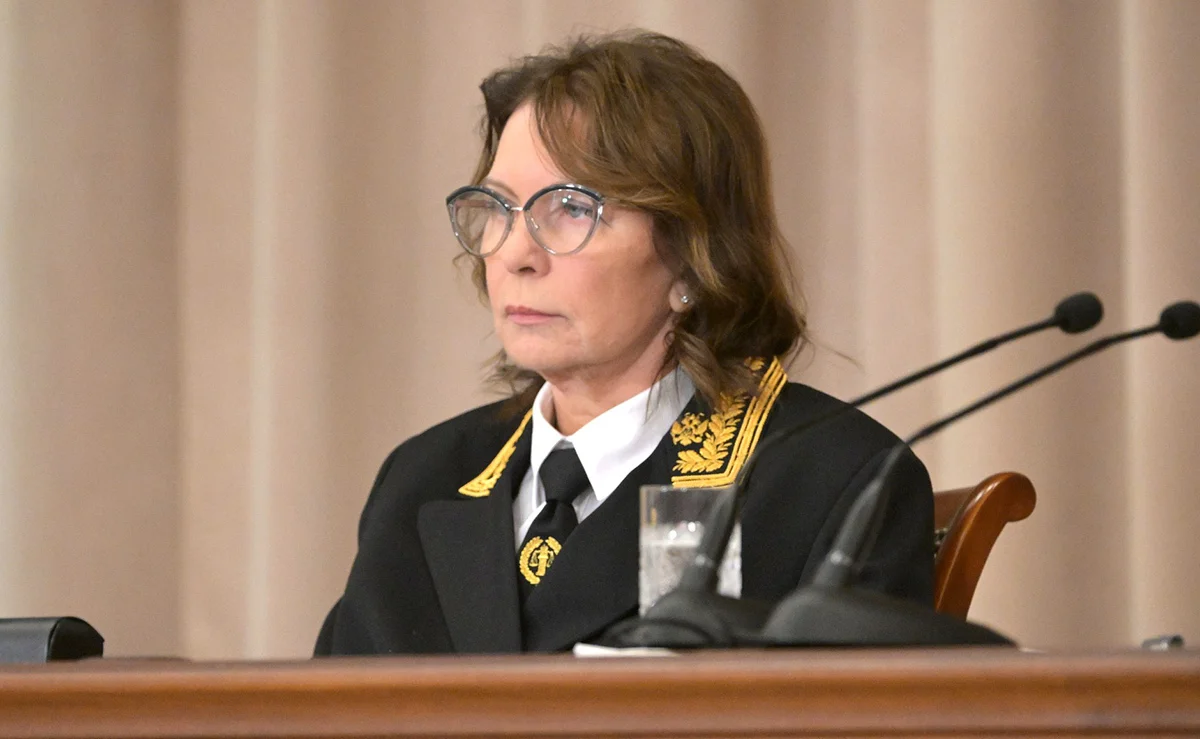
According to official information, Pynosov, like Lebedev, died of cancer.
There are 35 years of work in the courts and the highest qualification class of the judge.
That seems to be that's it. For the general public and the media, the invisible and quiet Irina Podnsova will forever be remembered as a classmate of President Putin. For ordinary and ordinary employees of the courts and the Ministry of Justice of the Leningrad Region - a judge atypical for time. For security forces - a stranger. By the way, about the security forces. So far, some were wondering where exactly they would be buried by Podnosov (at the Novodevichy cemetery, like Lebedev, or still in St. Petersburg, or even in his native Pskov, a thing in such cases is indicative) and who will become the new chairman of the Supreme Court of Russia (options from Yuri Chaika to the deputy minister of justice Oleg Sviridenko) and completely conspiracy versions of her death appeared. So, the telegram channel of the Cheka-OGP with reference to the source published the following:
“And although the chairman of the Armed Forces of the Russian Federation Irina Podnsova, according to the official version, died of cancer, her death caused a lot of conversations among Putin's“ old ”environment. As the Cheka-OGPU found out, they all say that the disease coincided with a sharp conflict of the tray with the Prosecutor General Igor Krasnov and the clan standing behind him: the head of the Office to the FSB of the Russian Federation Ivan Tkachev and the head of Rosneft Igor Sechin.
According to our source, Pynosova found that a large group of judges in various courts essentially submits to the Prosecutor General’s Office and management to the FSB of the Russian Federation (Krasnov -Katachev) and fulfills all their wishes and demands. As a result, Pryasova tried to “break” this practice, but came across a very strict confrontation. At some point, she insisted that the judges “chop” several extremely important and fundamental decisions for Krasnov. According to the source of the Cheka-OGPU, after which a personal meeting of the tray and Tkachev even took place, after which the conflict only intensified. Podnosov was supported by a group from Putin’s “old environment”, familiar with Leningrad State University: Alexander Bastrykin and Nikolai Egorov. They decided together to try to convince Putin about the need to resign Krasnov and withdraw from judges of the management pressure to the FSB of the Russian Federation. And just at this moment, the state of health of the tray deteriorated sharply ... "
It is unlikely that, as the source of the Wind in turn, Irina Podnsova did not die of her death. But at the same time, mutual dislike of the head of the Armed Forces and security forces looks extremely believable.
“She did not belong to any clan, she was a self -sufficient professional, she loved the matter that she served unlike many,” says Dmitry Dovgia. - Sincerely sorry that she left so early.
Elizaveta Baibakov