
Translated material
Mushrooms, immortality and transgumanism: why watch “frequent side effects” and “the kingdom of the scavengers”
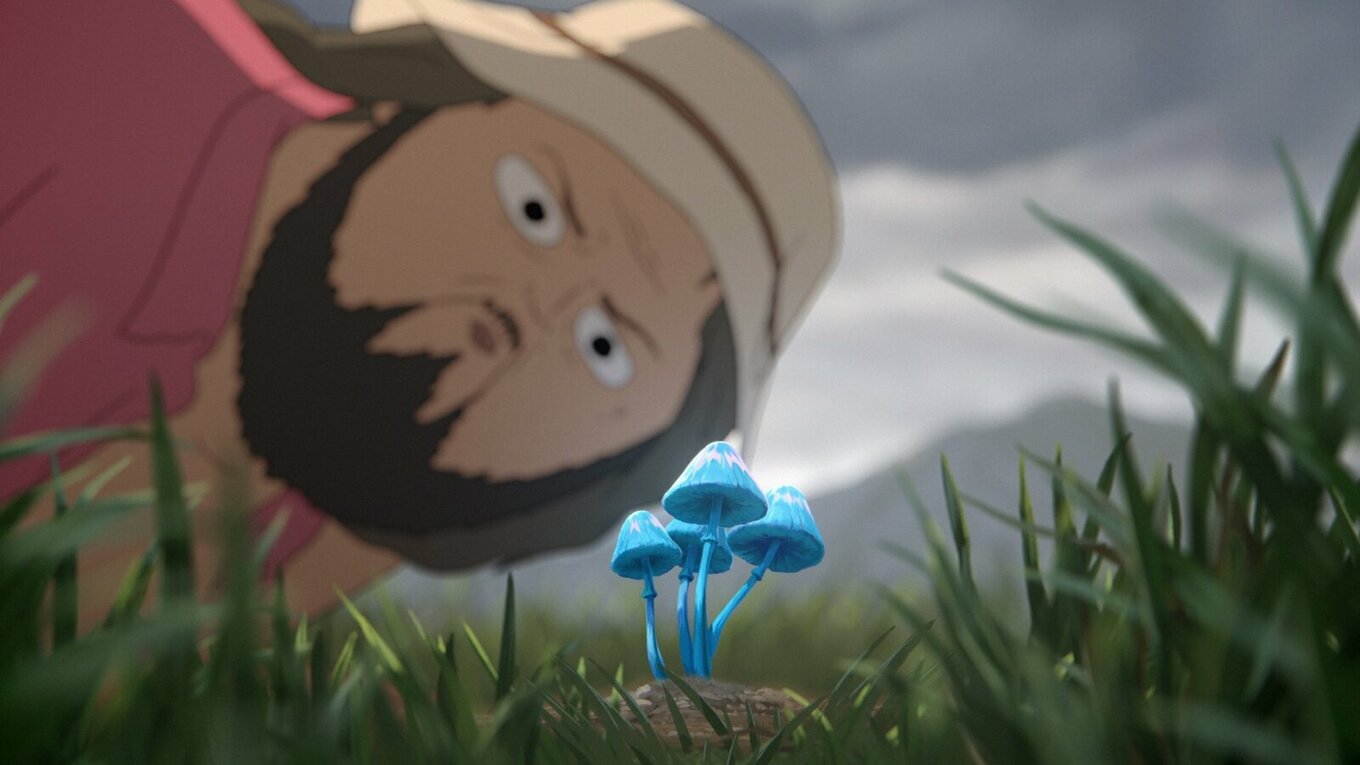
We understand two popular animated series about the crisis of human
Fantastic images of the future and alternative worlds always reflect the fears and hopes of the times in which they are born. The gap between the real and fictional makes science fiction with a genre that allows you to critically comprehend reality from the distance. The speculation about the possible “later” and “differently” is an excellent exercise for the imagination of not only domestic, but also political. On the example of two new animated series, an independent researcher Ulya Makhanova understands how the present is refracted in modern science fiction and the projects of the future are outlined.
Perito launched an author’s newsletter for readers - in each issue of the editor -in -chief they choose one of the publications and offer an in -depth context and reflection on the topic. We are also opening a book club where we will read modern non -Western literature, discuss issues of history, identity and postcolonial experience.
“Frequent side phenomena” and “the kingdom of the scavengers”: what is it about?
Amateur Mikologist Marshall Kuso finds mushrooms at the site of discharging toxic waste in Peru, which treat any diseases and resurrect the dead. Thus begins the plot of the animated psychedelic thriller “ Frequent side effects ”. Marshall shares his secret with a former school friend Francis, who works for his worst enemy, a pharmaceutical company Reutical Pharmaceuticals. But while the find remains a secret, and old friends, racing with other hunters, go for a magic mushroom - a blue angel. The radioactive mushroom really gives side effects: everyone who accepted it begins visions that gradually erode the boundaries of reality.
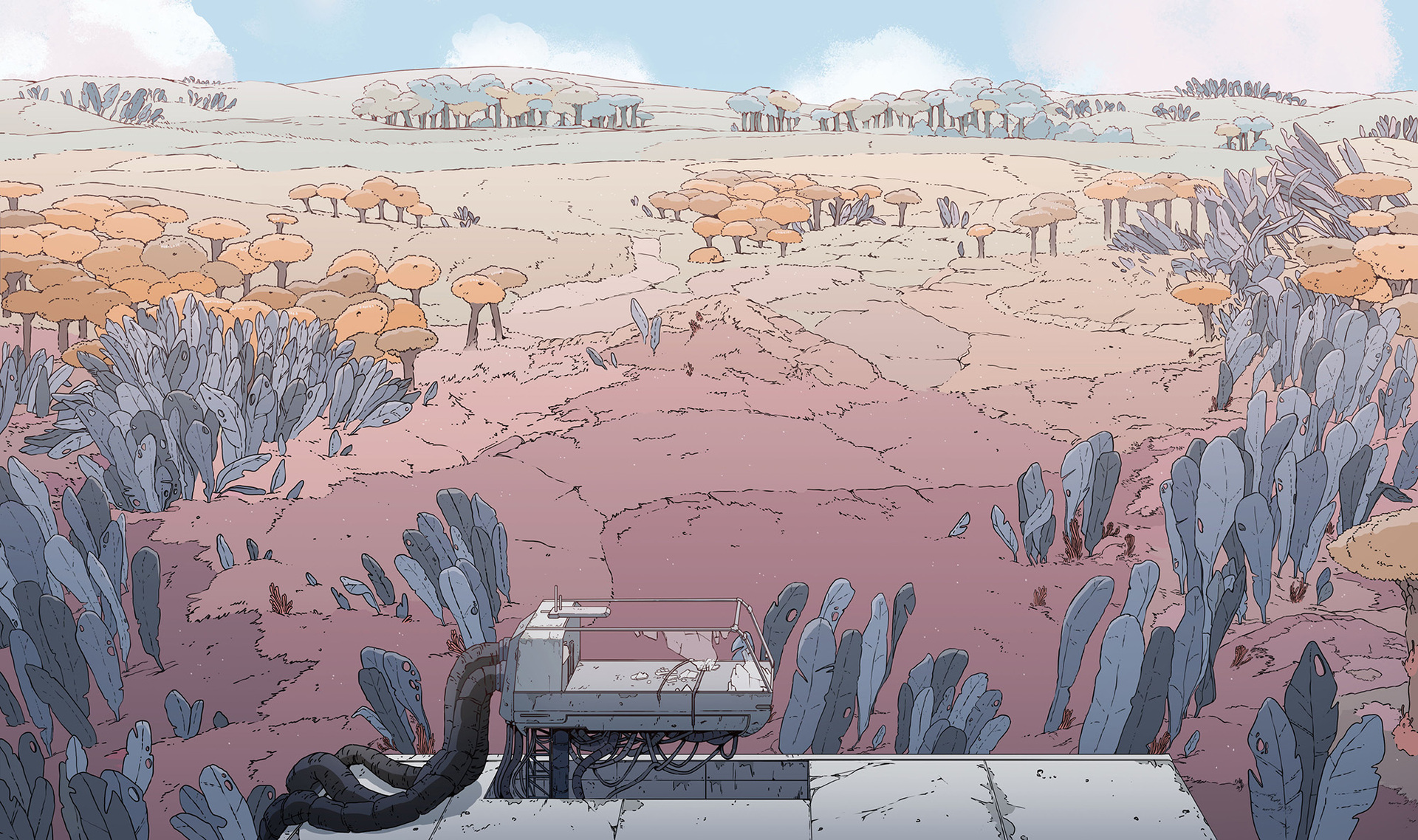
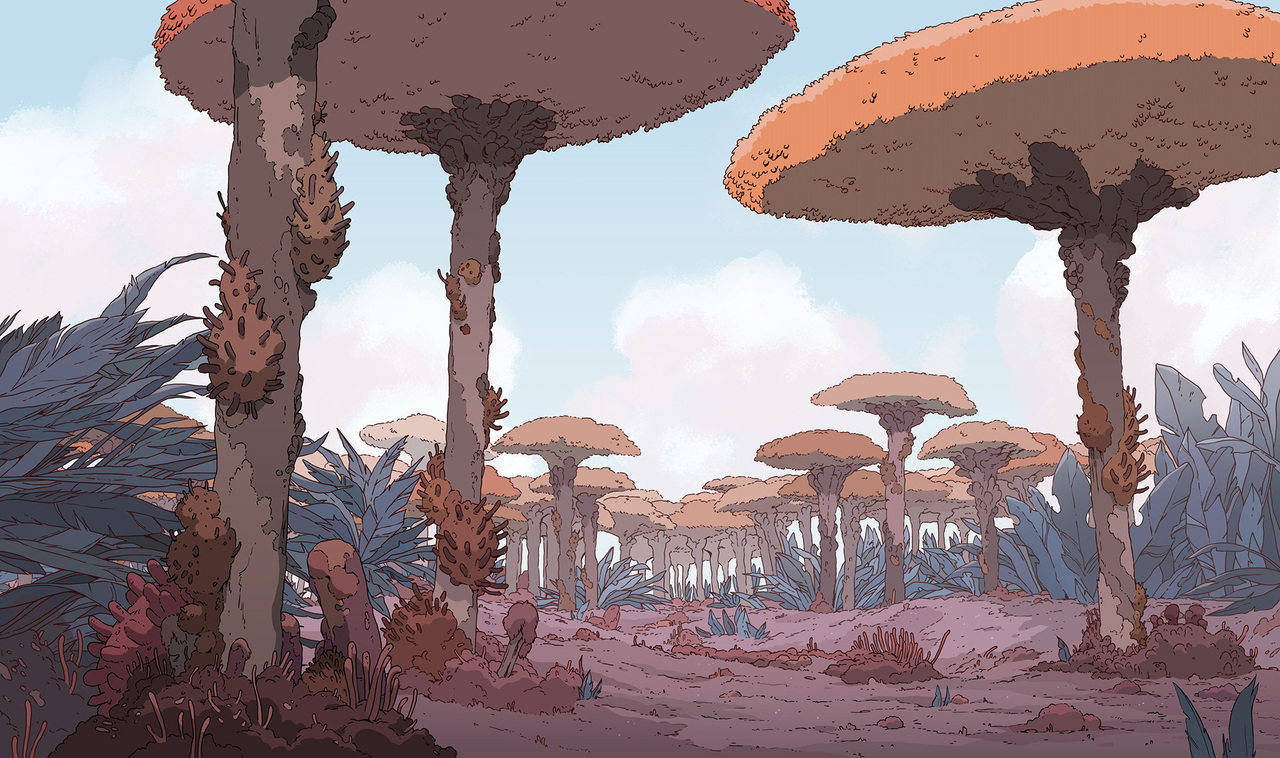
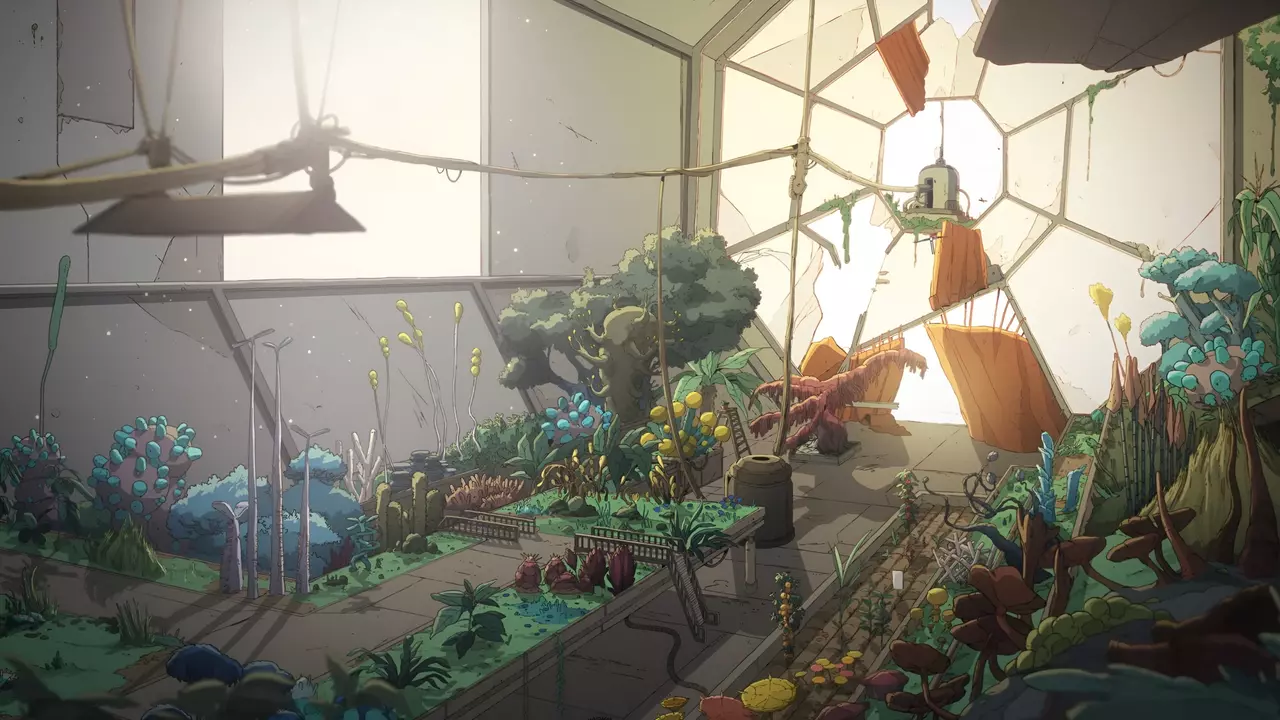
The second project of the same creative team is the alien horror " The Kingdom of Padalmiki ". A spacecraft damaged by a flash of unstable sun suffers a disaster in the orbit of a distant planet of Vesta. Several crew members who managed to escape in emergency capsules should be reunited with a team immersed in Cryroson on board the ship.
Both series were created by director Joseph Bennett , these are his debut projects. With “frequent side effects” he was helped by the screenwriter Steve Heli , who used to work on the “office” and “American daddy”, the creator of Bivis and Batthady Miche Jaj and Greg Daniels , the screenwriter of the “king of the mountain”, “office” and SNL.
It may seem that the story of the theory of conspiracy and ominous corporations a little in common with the cosmic robinsonade. However, both series talk about similar phenomena and raise similar topics: communities, injuries, survival and dying. The authors are not so much offered by ready -made alternatives as the audience forces the audience to think about the structure of our ordinary, earthly reality.
The era of anesthesia
The heroes of “frequent side effects” live in a world where any deviation from predictable and convenient behavior should be regulated and best to be prevented. This is the plot of two charismatic agents to combat drug trafficking, pursuing Marshall and his comrades in order to prevent the spread of an uncontrolled mushroom. The role of an invisible system overseer is assigned to Reutical Pharmaceuticals. The company determines which medicines and dietary supplements fall into the market and, according to their general director, simply sells hopes with the placebo effect.
Such a world is an ideal example of an “anesthesia” , as it is described by the Belgian philosopher Laurent de Sutter . He calls this “the time of capitalism of anesthesia”, in which pain and anxiety are not a signal to action, but a failure to suppress. The bodies do not feel under anesthesia, do not resist and, by and large, cannot act in their own interests, because they no longer imagine where the will of the drug prescribed by him ends, and where their own begins.
Marshall Kuso wants to offer such an era an alternative. Its mushrooms should not only save humanity from illness and death, but also reset the entire “big farm”, medicine and insurance corporations. The premiere of “frequent side effects” in the irony was at the height of discussion of the case of Luigi Majon , accused of killing the general director of the largest American Medical Insurance company Unitededhealth . The irreconcilable idealism of the protagonist becomes his main problem. It turns out that it is impossible to prescribe a magical health pill, the healing body and soul to the whole world, with a simple effort of will, and all, including the mushroom itself, act in their interests.
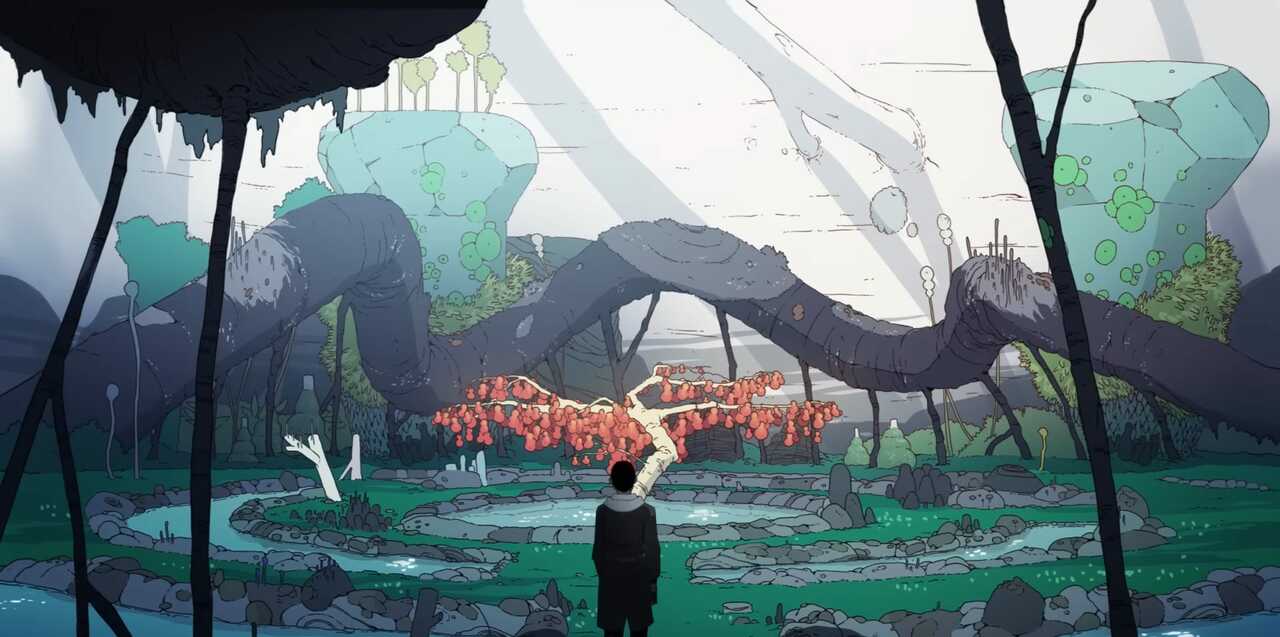
In the "Kingdom of Padalmiki", on the contrary, aggravated sensuality is a condition for survival. The planet West lies, bites, stinks, squires; As a single living body, she reacts to every touch of heroes. The creators of the animated series offer to look at the earthly reality, its own ecosystem, which is also unpredictable and beautiful to look at the animated series. Even if for some reason we stopped noticing it.
Unusual symbiosis
Upon closer examination in any, fictional or real, world, the systems of community and symbiosis are found, without which the existence of individuals is impossible.
In the "Kingdom of Padalmiki", viewers from the very beginning follow several pairs of characters that are revealed in relations with each other. For example, the Robot Levai and the astronaut Azi are first represented as a companion and the owner. On Vesta, a mysterious matter endows the machine with non -mechanical properties: dreams, empathy and the ability to feel pain. The technological body merges with the ecosystem of the planet, gains consciousness and sensitivity. But unlike classical fantasies about animated machines, Levai receives not human features, but, on the contrary, properties that are not amenable to the description of human terminology.
In “frequent side effects” there is an interesting form of kinship, which the researchers Angeliki Balayanis and Emma Garnett suggest calling Chemical Kinship - chemical kinship. They write: “We are used to considering chemicals from a negative point of view: they bring chaos into the usual order of things, concentrate human fear of technogenic pollution. But to reduce chemicals to their cruel effects means drown out their abilities and overlook material policy. ”
According to the plot of the series in Peru, the toxic waste of the pharmaceutical companies break out of the storage facilities and feed the mycelium of the blue angels. Marshall intentionally searches for radioactive land to grow his own mushroom colony. The idea sounds fantastic, but at the level of the experiment is quite realized. In reality, mycologists have been observing for decades for decades that prosper in conditions of radiation, for example, in the Chernobyl sarcophagus. Raditrophic mushrooms use radiation as a source of energy and an incentive to growth.
Finally, chemicals enter the organisms of other living creatures along with eaten mushrooms and cause visions, the true nature of which the audience has yet to be found out. Even with a bad relative, Balayanis and Garnett write, you can establish good family ties. Although, of course, with an eye on the complex Wedan symbiose of the same creative team, it is impossible not to begin to suspect the mushrooms that they act in their interests. And for the feat of Marshall - a new, modern Prometheus - it will not befell the punishment at all from the state and corporations, but from other forms of life, the secret of which he decided to reveal to people.
Immortality
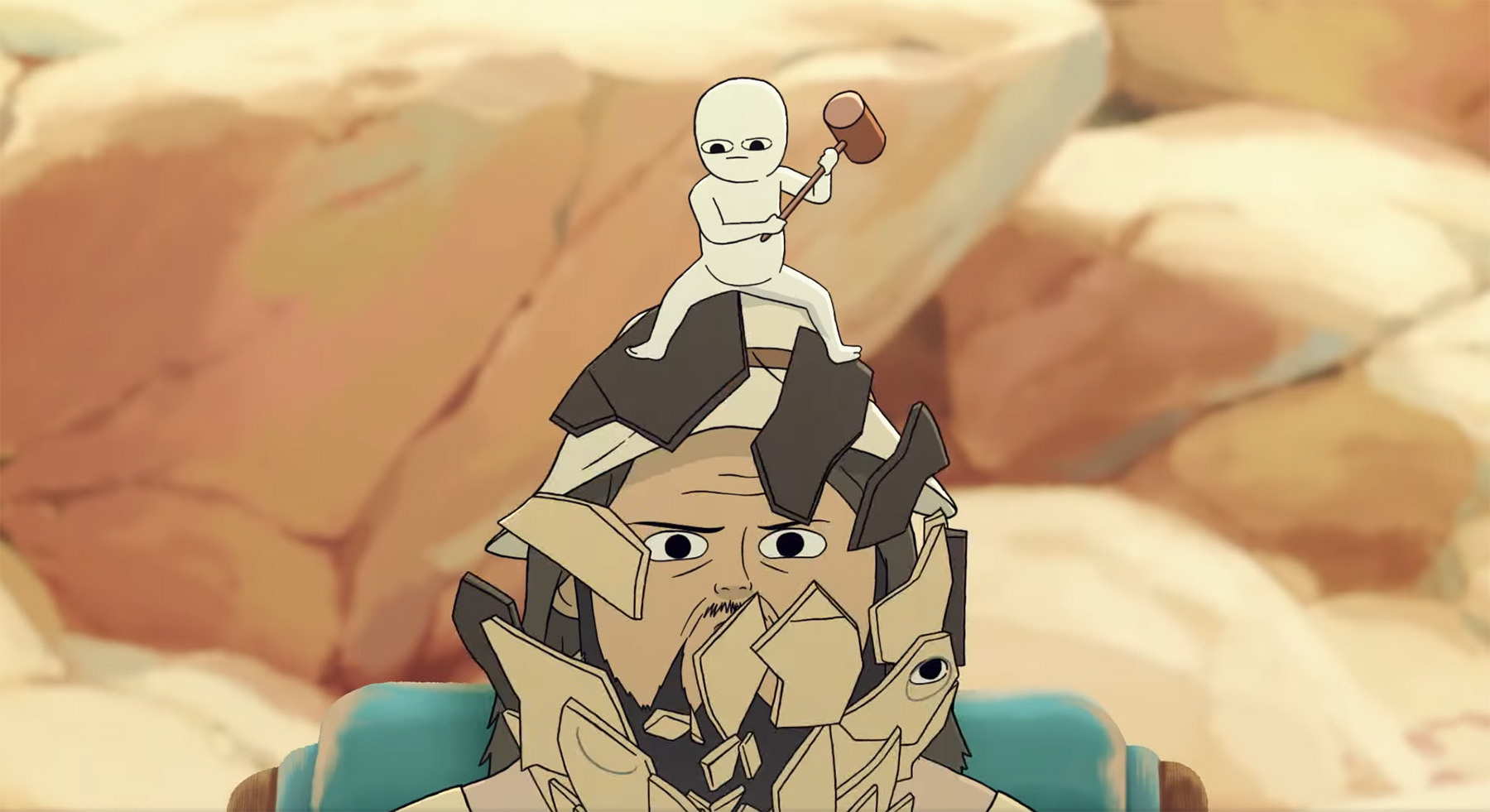
Another topic uniting both series is immortality. On Vesta, life is endless, and the dying here is only metamorphosis, the transition from one form of life to another. This is a fantasy in the spirit of Russian cosmism , which would really like, for example, Konstantin Tsiolkovsky , a philosopher and an inventor who laid the foundations of space theory.
Russian cosmism is a philosophical and scientific course of the late XIX-early XX centuries, uniting ideas about the unity of man, nature and space. His key representatives, in addition to Tsiolkovsky, are Nikolai Fedorov, Alexander Svyatogor, Alexander Bogdanov. The main provisions of the philosophy of Tsiolkovsky: Science will help humanity go to the highest forms of life (achieve immortality), the universe is a natural continuation of the human habitat, and mind and sensitivity are inherent in all matter from atoms to stars and planets.
In the earthly world of “frequent side effects” life is the highest good, and death is an absolute evil that can only be moved. In this context, Marshall Kuso is a biohaker- transgumanist , for whom human mortality becomes the quintessence of the disease of the world. He believes that his cure for death (mushrooms) can not only save humanity, but also fix the “broken” world.
The world invented differently
The producer of the “Kingdom of Padal” Benji Brooke said that their story is about making a decision in the face of an unknown and change. Resistance to changes, according to him, turns into a disaster. The heroes of “frequent side effects” constantly come across a choice, most often between the debt, dictated by the system, and their own desires that seem morally true to them. Life on Earth is also a race for survival, in which a person should compete not only with unpredictable nature, but also with his relatives.
No fantastic world, like earthly reality, can be perfect, not a single scenario of the future will become a universal instruction to correct the present. Science science fiction creates a space where the usual order of things is addressed to question where it is possible to rebuild human and interspecific interaction. And you can relate to this alternative reality not as a warning, but as an invitation to try to live differently. At least until amateur mycologists find mushrooms at the site of toxic waste, granting immortality.
Literature
- Laurent de Sutter. Narcocapitalism: Life in the Age of anaesthesia. Polity Press, 2017.
- Balayannis A. & Garnett E. Chemical Kinship: Interdisciplinary Experiments with Pollut. Catalyst: Feminism, Theory, Technoscience, 6 (1). 2020. Https://doi.org/10.28968/cftt.v6i1.33524
- Kuchinov E., Shalaginov D. Wild Prometheus: strategic primitivism and question about technology // Logos. - 2022. - Volume 32, No. 2. - S. 97–129. -Doi: https://doi.org/10.22394/0869-5377-2022-2-97-129
- Presiado B. Testo Junkie // Makeout Space. - 2014. - September 19. -https: //makeout.space/2014/09/19/beatris-preshiado-testo-junkie.html
- Tsiolkovsky K. E. Space issues / K. E. Tsiolkovsky. https://traumlibrary.ru/book/ciolkovskiy-cosm/ciolkovskiy-cosm.html