
Translated material
Sandu accused Russia of trying to interfere in the elections
According to the Moldovan president, the Kremlin wants to establish control over the republic
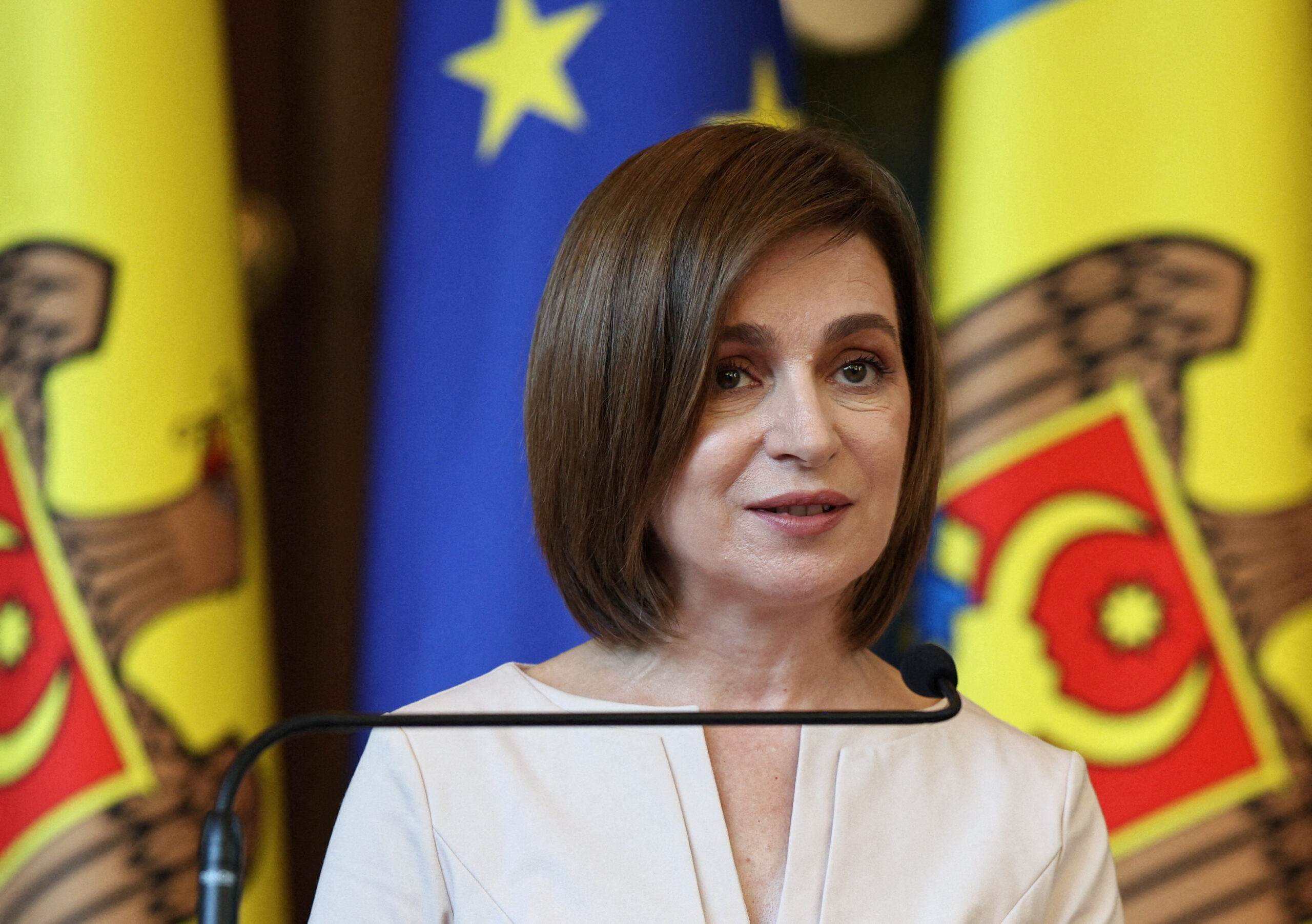
The President of the Republic of Moldova, Maia Sandu, said that Russia is preparing large-scale interference in the parliamentary elections scheduled for September 28. According to Maia Sandu , Moscow is seeking to establish control over the country using various methods of pressure.
Methods of influence: from bribery to cyber attacks
At a press conference after the Security Council meeting, Sandu listed the Kremlin's alleged tools: support for pro-Russian forces and covert financing of the opposition, organizing street protests with bribery of participants, attacks on government institutions, bribery of voters and online disinformation campaigns.
Sandu also clarified that Russia is trying to reduce the turnout of citizens living abroad, whose votes often have a decisive influence on the voting results.
The president accused Moscow of using illegal schemes to finance political projects, including cryptocurrency transactions, and announced the possible involvement of the Orthodox Church in these processes.
Sandu also criticized the Telegram platform for refusing to cooperate with the authorities on preventing violations of election laws. According to the president, Russian intervention “carries serious risks for public order, national security and could dramatically undermine the country’s sovereignty and European future.”
The balance of power before the parliamentary elections in Moldova
Parliamentary elections in Moldova will be held on September 28. According to polls, Maia Sandu's ruling center-right Party of Action and Solidarity retains the lead. Opposition forces, including the bloc of former President Igor Dodon, are forming alliances and advocating for the “normalization” of relations with Russia. The Pobeda bloc, associated with businessman Ilan Shor , was not allowed to participate in the elections.
Moscow has not yet commented on Sandu’s accusations. The Russian authorities previously rejected all accusations and, for their part, accused the EU of interfering in the Moldovan elections.
Previously, “Verstka” told how, during the presidential elections in Moldova, Kremlin bots frightened local users by repeating the “fate of Ukraine” and called on them to follow the example of Georgia. They also pushed the narrative of Washington election interference.
The presidential elections in Moldova took place in two rounds. Maia Sandu and her opponent, pro-Russian candidate Alexander Stoianoglo , former prosecutor general of Moldova, entered the second round. Sandu received more than 42% of the votes, and Stoianoglo - almost 26%. Observers said that Sandu's opponent's result was unexpectedly high.
Photo: Maia Sandu, Chisinau, July 4, 2025. REUTERS/Vladislav Culiomza/File