
Translated material
How the Russian Empire wanted to Russify Lithuania and achieved unexpected results. And what does the smugglers have to do with it
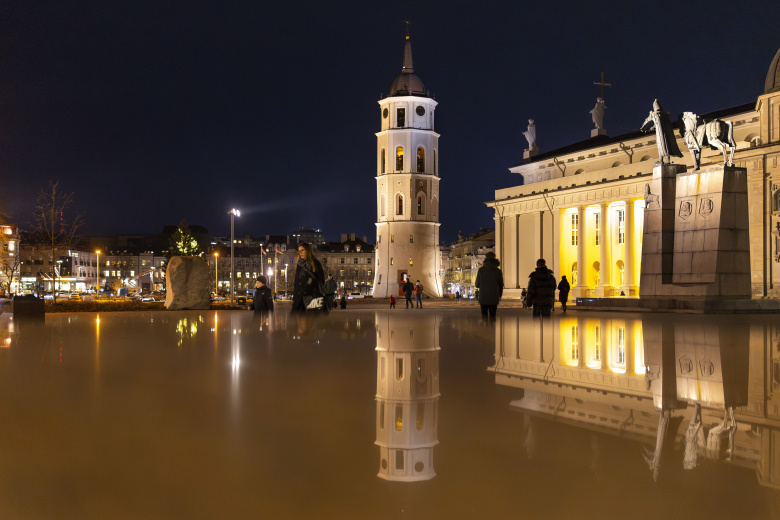
Evening Vilnius
AP Photo/Mindaugas Kulbis/Scanpix
The conflict between native speakers of the Lithuanian language and tsarist Russia, which carried out violent Russification in the 19th century, has become one of the key points in the formation of the country's national identity. 40 years of the ban on Lithuanian books, the mass closing of Catholic temples and attempts to replace the Latin from the Cyrillic alphabet turned the struggle for their native word into a symbol of resistance of the empire and eventually changed the fate of the country.
There is a joke that Lithuania is almost the only country where smugglers are considered heroes, their activities are studied in schools and monuments are being erected. And this is true, but we are not talking about all the smugglers, but only about the books of books: these are people who risk their lives to the country of books and newspapers at the time when the Russian Empire tried to forcibly Russify the country. Their confrontation with the Russian Empire lasted 40 years, and as a result, Moscow handed it back.
In 2023, in Kaliningrad, a monument was solemnly opened to Count Mikhail Muravyov-Vilensky. It is an exact copy of the one that stood in Vilnius until 1915. In the territories of the former Polish-Lithuanian Commonwealth, who departed to Russia (including most of the territory of modern Lithuania and Belarus), the count is known under the nickname, Korikas in Lithuanian and Wieszatiel in Polish. After the uprising of 1830–1831, the former Polish-Lithuanian Commonwealth Muravyov-Vilensky sarcastically asked if he was a relative of the hanged Decembrist Muravyov. He replied: "I am not one of the ants that were hanged, but of those who hang."
Subscribe to read the whole
Make a subscription Redefine.media to read Republic
Subscribe [you can pay for a Russian or foreign card. The subscription is extended automatically. You can unsubscribe at any time.]
Where are the money subscribers going