
Translated material
Socialism with a free market: how does the policy of Vietnam work
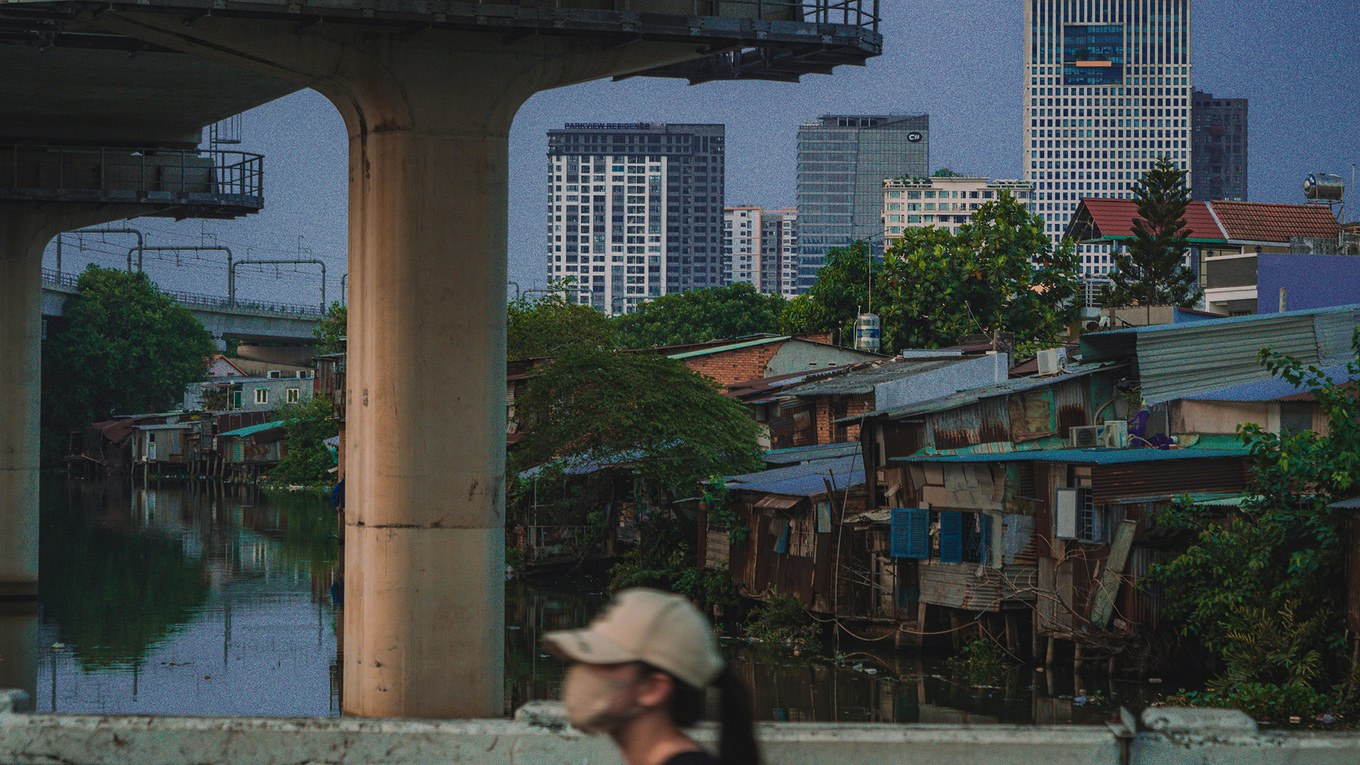
And how a rapidly developing economy and globalization are adjacent to repression and censorship
In 2023, Vietnam, who in the 20th century was one of the poorest countries in South Asia, read the fate of the new “Asian Tiger” . Market reforms were able to raise the country's GDP and put it on a par with Singapore, South Korea, Taiwan and Hong Kong. Nevertheless, with dynamic economic growth in the country, the Communist Party is still ruled, political repression, absolute censorship and strict control over society are preserved. Journalist Nikita Pegov tells how modern Vietnam lives.
Perito opens a new set to the book club “After words” - for those who want to better understand how the world we live in.
This time two programs are open at once. The first invites Nigeria, Vietnam, the USA and South Korea - through the books of Chimanda Adchi and Viet Than Nguen. The second is stories from the Karibov, from Burma, India and Japan, which we will read along with Amitav Gosh, Yuko Tsushima and the mysterious third author.
The first group starts on September 15 , the second - September 29 . The number of places is limited. Details and recording - on the site.
How the power is arranged in Vietnam
In modern Vietnam, all political processes are led by one body - the Communist Party of Vietnam (KPV). It was founded in 1930 by a revolutionary and the first president of Ho Shi Sho . The party became the main force of the August Revolution of 1945 , which laid the end of the French colonization of the country.
The main government in the party and in Vietnam is generally concentrated in the hands of the so-called Tru-four pillars of power: President Lyonga Kyong, the Secretary General of the CCV of the CPV, Prime Minister Fama Min Tin and Chairman of the National Assembly of Chan Than Mana. Formally, such a system of four leaders should prevent the consolidation of power in one hand and the establishment of a dictatorship. In practice, everything did not work out.
According to various indices of freedom of speech and democracy, Vietnam is among the most authoritarian countries of the world. There are no independent elections and a systemic opposition in the country, severe censorship is valid, and control over the activity of citizens on the Internet and social networks continues to intensify. Vietnamese human rights organizations note that representatives of ethnic and religious minorities are subjected to repression: small Buddhist and Christian schools, the peoples of the Montagnars (Jaraei, Ede), Khmonga and Cham. They are planted in camps, suppressed protests and forced to flee from Vietnam to neighboring Cambodia.
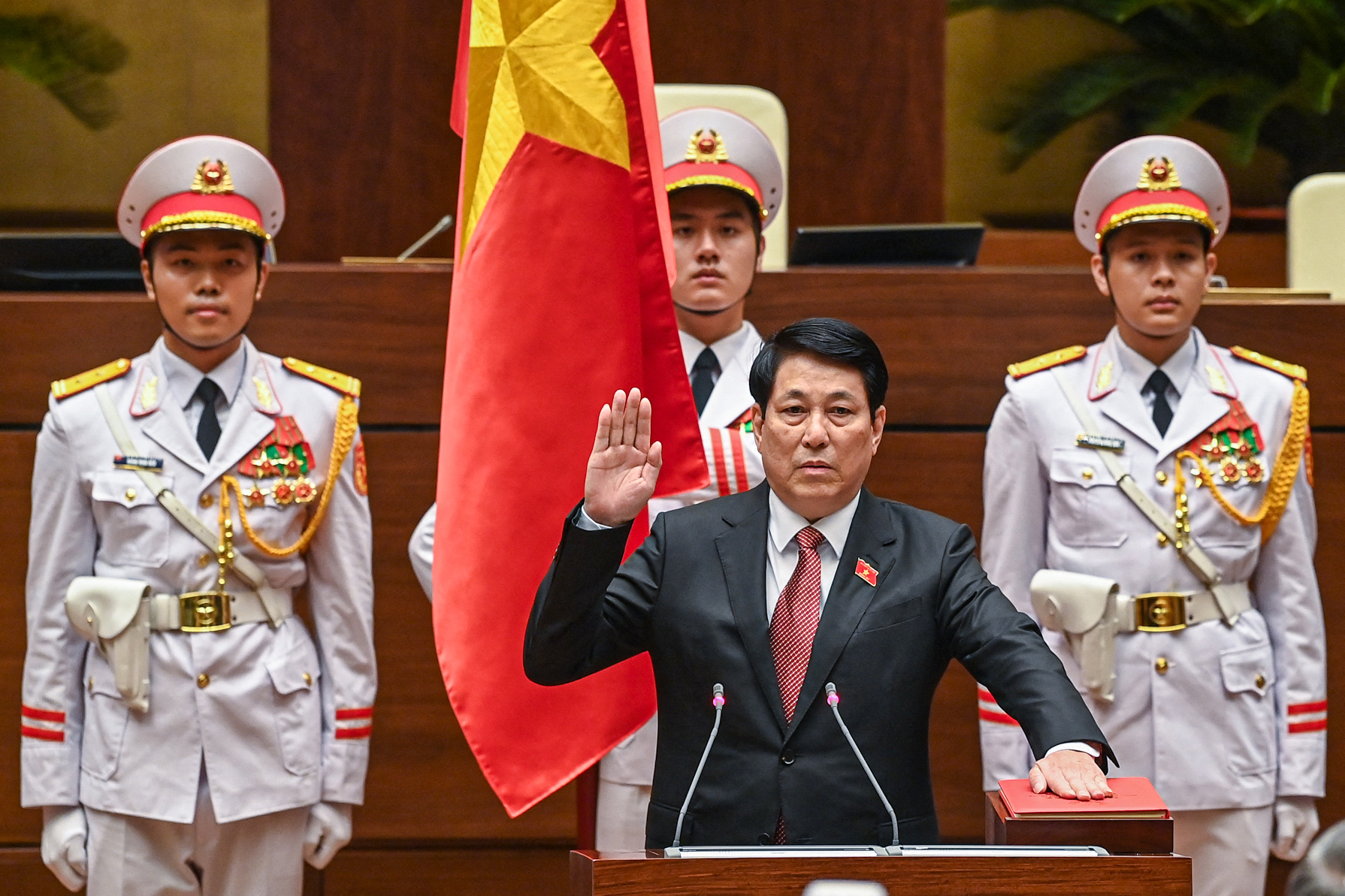
The country has total monitoring of the media. In the rating of freedom of the press, which annually draws up the human rights organization “Reporters Without Borders”, Vietnam is in 173rd out of 180-below Russia, Belarus and Azerbaijan. Independent journalism in the country is virtually prohibited.
Democratic activists receive huge prison terms. So, in November 2024, the family of journalist Le Hyu Min Tuan said that they were not allowed to do the doctors, although it became known that a man diagnosed an oncological disease. The journalist was sentenced to 11 years in a colony in the case of the creation, storage and distribution of information "in order to counteract the state."
A few years ago, in Vietnam , there was a political crisis associated with corruption scandals among the government elite. From January 2023 to October 2024, the president has changed five times in the country, and large functionaries of the CPV left their posts. The reason was the mass anti -corruption campaign, begun back in 2016 by the Secretary General of the Central Committee of the CPV Nguen Fu Jong , who held this position for 11 years until his death.
This crisis was not non -systemic, but rather represented a conflict between the communist elites. As a result of the crisis in Vietnam, an event rare for the modern history of the country happened: a billionaire chyong Mi Lan , accused of embezzlement worth about 3% of Vietnam GDP, sentenced to death.
According to the professor of the National Military College in Washington and the Vietnam Expert of Zari Abuz , against the backdrop of the political crisis, the appointment of Kyonga as the president looks a logical step. He, like a military personnel, will be able to introduce stability to the domestic political life of Vietnam, increasing the influence of security forces in the state.
Socialism on capitalist rails
The only index in which Vietnam is in a relatively high position is the economic freedom index. The report of the Organization for Economic Cooperation and Development (OECD) states that over the past decades, Vietnam has achieved significant economic progress thanks to international integration and attracting large investments to the country. Since 2019, Samsung has employed more than 200 thousand people. Other Western and Asian corporations opened their offices and factories in the country: Nestle, Pepsico, Honda and Procter & Gamble.
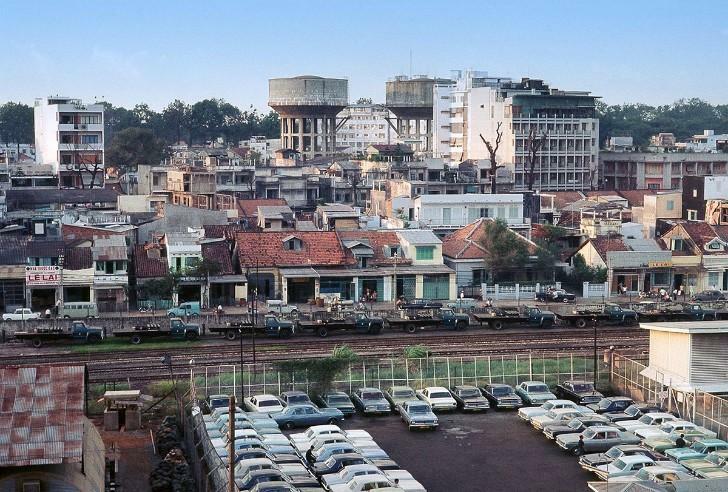
This was not always the case. After the unification in 1975 of the north and south of the country, the economic situation was rapidly deteriorating: the unemployment rate has increased, labor productivity has fallen, a strong shortage of technology was observed for the agrarian economy. The key factor in the development of the Vietnamese economy was the state program “Doy My”, adopted in December 1986. Its goal is to build a socialist market economy with the help of privatization and foreign investment. The process of market reformation accelerated with the collapse of the USSR, as Vietnam lost one of the main trading partners. At the same time, the Vietnamese government allowed to open any types of private enterprises. In 1995, the United States lifted an economic embargo against Vietnam, which has been operating from the end of the Vietnamese war. Five years later, the US authorities and Vietnam entered into a trade agreement between countries.
Do -Komunistic Vietnam
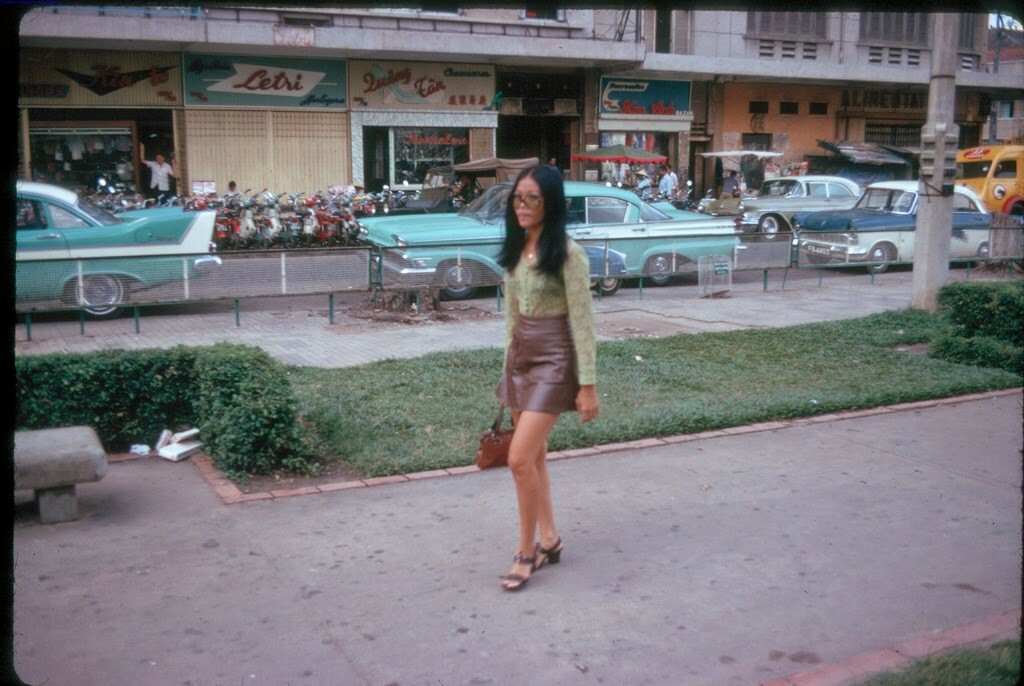
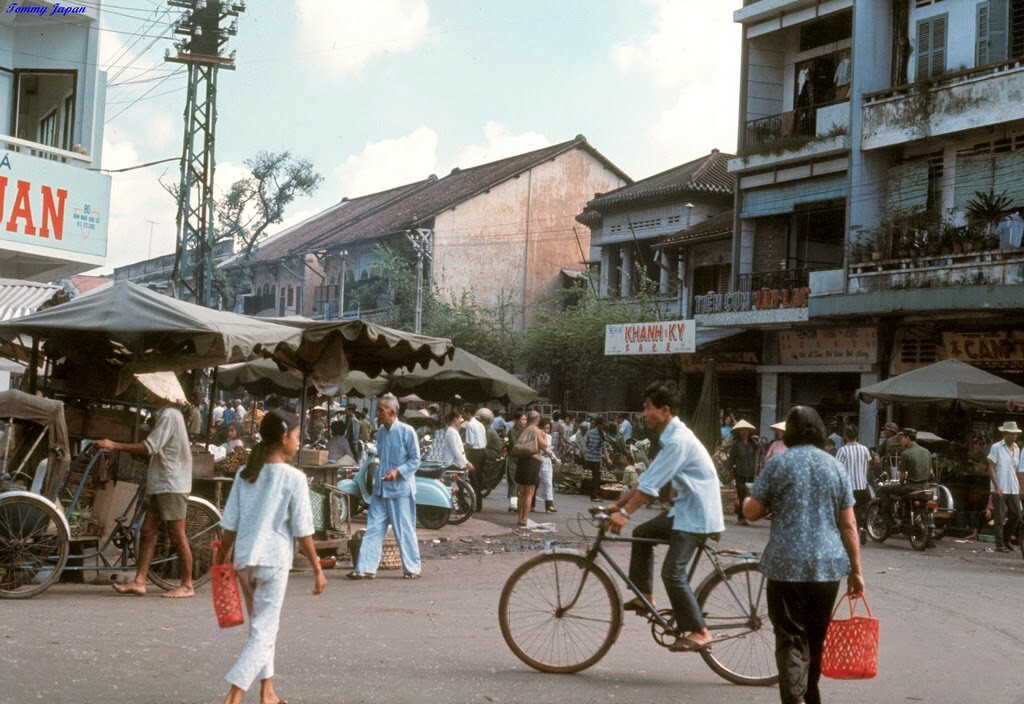
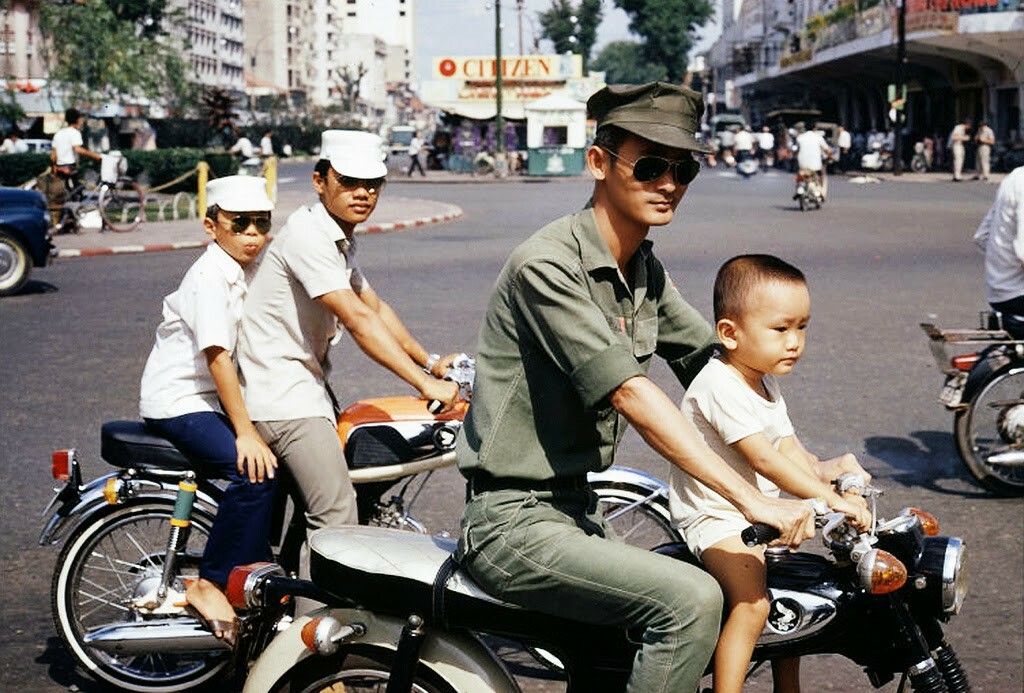
In the second half of the 19th century, Vietnam was under French control and was included in French Indochina. After the defeat of France in 1954, according to the Geneva Agreements, the country was temporarily divided into the Communist North under the leadership of Ho Shi Min and the pro -American south led by NGO Dinh Zemem. The elections planned for 1956 did not take place: the south refused to hold them, fearing the victory of the Communists. The division became constant and led to the Vietnamese war.
There are at least 54 ethnic groups in the country that speak 103 languages. 82% of the population make up the hits (throw), the rest are indigenous peoples, mainly living in the mountainous regions of the South. The French administration introduced for them the generalizing name “Thyongs” (they are also called Degars or Montagnars), trying to attract them to their side during the period of anti -colonial uprisings.
Now the cost of living in Vietnam is about 6.5 million dongs ($ 253) per month, and the average salary is about 15 million dongs ($ 600). This is higher than in neighboring Laos and Cambodia. Vietnam also has a low level of unemployment: it is only 4.3%, compared with 17-18% in Laos and Cambodia.
In the international arena, Vietnam's affairs are going well. The country is actively trading with China, while also exporting products to the United States for hundreds of billions of dollars. In total, Vietnam sells goods for about $ 400 billion a year, and the main export positions are electronics, textiles and various products (coffee, rice, and so on).
Nevertheless, partial reorientation of the Vietnamese economy for capitalist rails has obvious flaws. Most of all, workers suffered from socialism with a market economy.
The relatively low cost of labor in Vietnam has become one of the key factors that attract large transnational corporations to the country. The Center for the study of human rights writes that the giants of the rapid fashion industry (for example, Nike, H&M and Zara) systematically underpay the Vietnamese workers in their factories, prohibit creating independent trade unions and encouraging processing, blackmailing employees with dismissal.
Along with this, the Communist Party practically banned the self -organization of workers to protect rights. Human Rights Watch and the UN reported that the Vietnamese government specially interprets the laws in such a way as to allow only union controlled by the state. Vietnam authorities have repeatedly argued that the goal of independent trade unions is the destabilization of the political situation in the country.
The unresolved problem of war
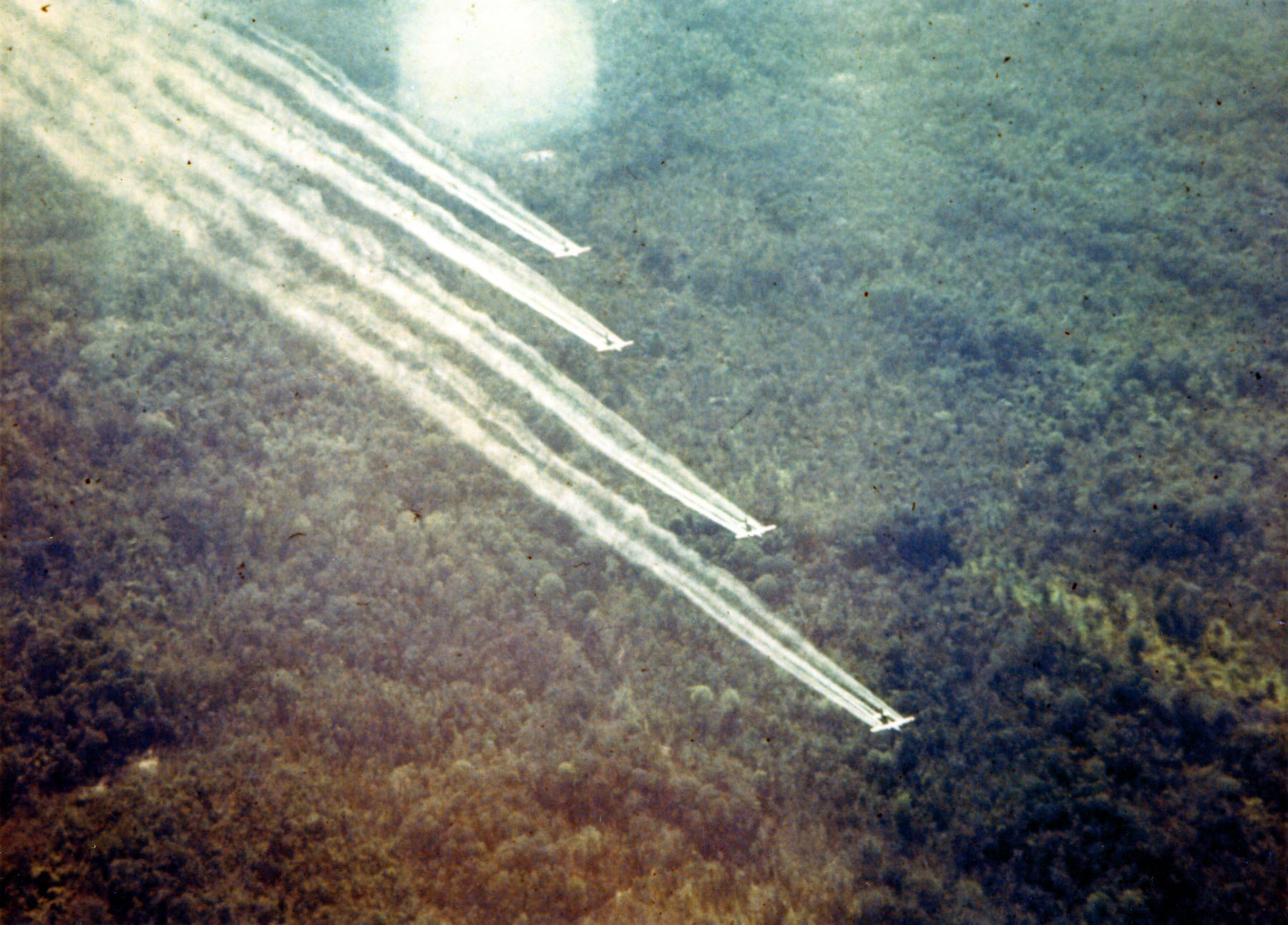
The war with the United States, which ended in the fall of Saigon in 1975, led to large -scale demographic, economic and social losses. Over the two decades of military operations, at least two million Vietnamese were killed, millions became refugees, a significant part of the infrastructure was destroyed. One of the most severe consequences was the use of chemical weapons by the American army, including Agent Orange herbicide. This caused a huge damage to the Vietnam ecosystem and caused a sharp increase in the number of oncological diseases and mutations.
Environmentalists believe that it is impossible to restore the pre -war environment of the environment to the end. So far, there are no technologies that could prevent the extinction of forests and cope with the poisoning of the ecosystem of such scale. Activists criticize the Vietnam government for many years of ignoring the environmental consequences of the war and more general climatic problems.
It is not surprising that the ecological movement in Vietnam has become one of the largest ways to resist the communist government. Eco -activists created a coalition and act as a single block, which covers several directions: attracting attention to climate change, preventing forest cutting, combating pollution and the like.
For environmental activism, the authoritarian regime subjects people to repression. Since 2021, at least six people have been imprisoned in fabricated business. In 2024, the authorities sentenced the executive director of the independent analytical center Vietnam initiative for Energy Transition to the TOHO THO THO THO THEEN. Most often, activists are accused of anti -state propaganda. In recent years, the Vietnam authorities began to pursue them under tax laws, and in 2023 a new charge was added: illegal assignment of state documents. The Communist Party of Vietnam fears that the environmental agenda, especially acute and painful for the country, is able to unite people into a large opposition movement.
Vietnam culture inside and outside the country
Vietnamese culture has also undergone many changes associated with the French colonization, war and the subsequent establishment of the communist regime. Now most of the cultural sphere of Vietnam is cleared from independent artists, playwrights, writers and artists.
An independent curator of exhibitions and a writer from Saigon Lin Lin writes that from 2010 to 2022, at least 81 cases of violation of the right to artistic expression were recorded in Vietnam: 21 times people put pressure on publications, 18 times-17 times for musical works, 16-for visual arts and nine times more for online projects.
Lin Le notes that the authorities use vague legislative formulations to exert pressure on independent art: “The terms VI PHạM Thuần Phong Mỹ Tục (or“ Violation of the original traditions and beautiful customs ”) are used freely and often to authorize controversial works and figures in order to maintain Vietnamese identity. However, no one knows what these traditions and customs are actually. ”
The case of the Vietnamese poet Buy Chat is indicative. In 2011, he flew to Buenos Aires to get the Freedom to Publish Prize prize for his conceptual “garbage poetry”. Upon returning to Vietnam, he was detained, and the chat was forced to stop writing poetry. After 11 years, having returned to the cultural scene as an abstract artist, he faced a new persecution: the exhibition was banned, an administrative case was started against the chat and demanded to independently destroy the paintings. In addition, the riot chat was fined for 25 million dongs (about $ 1,000). After the intervention of Vietnamese artists, the Department of Culture and Sports Hoshimin withdrew his decision to destroy paintings and canceled the fine.
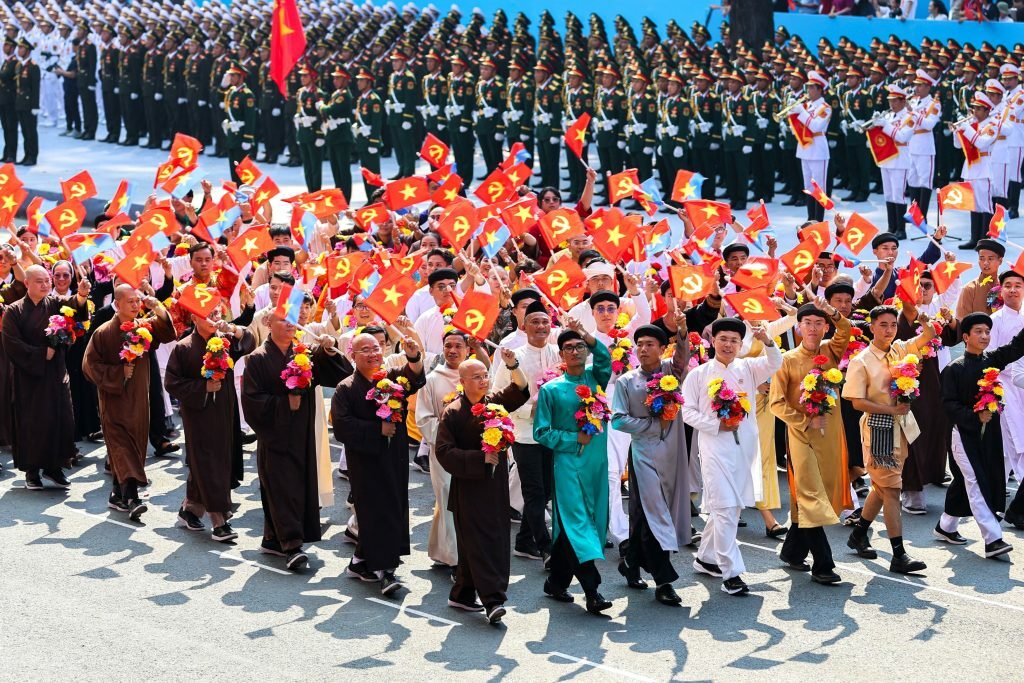
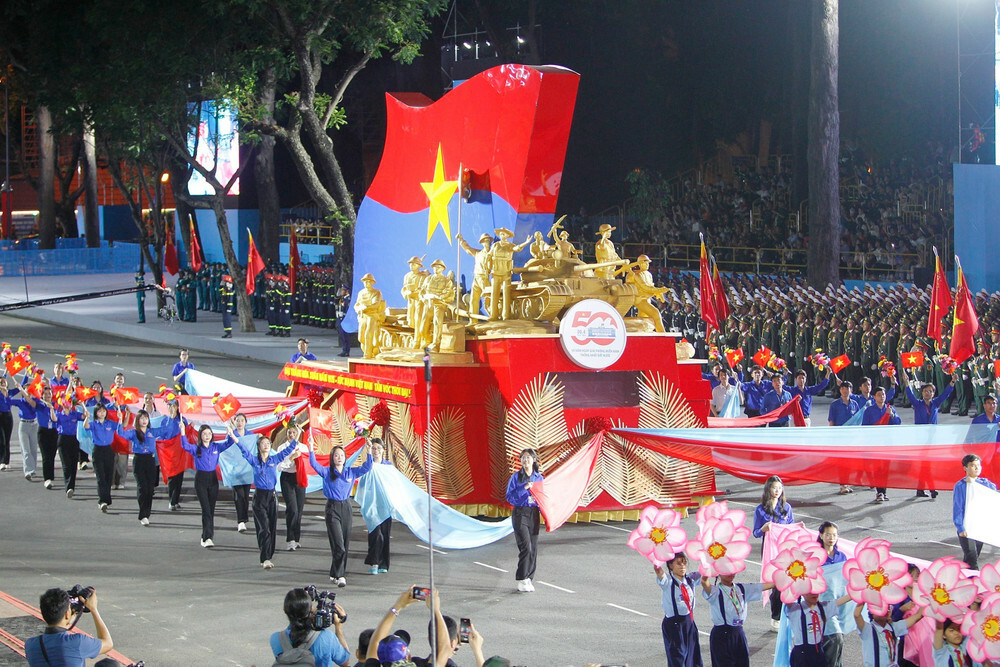
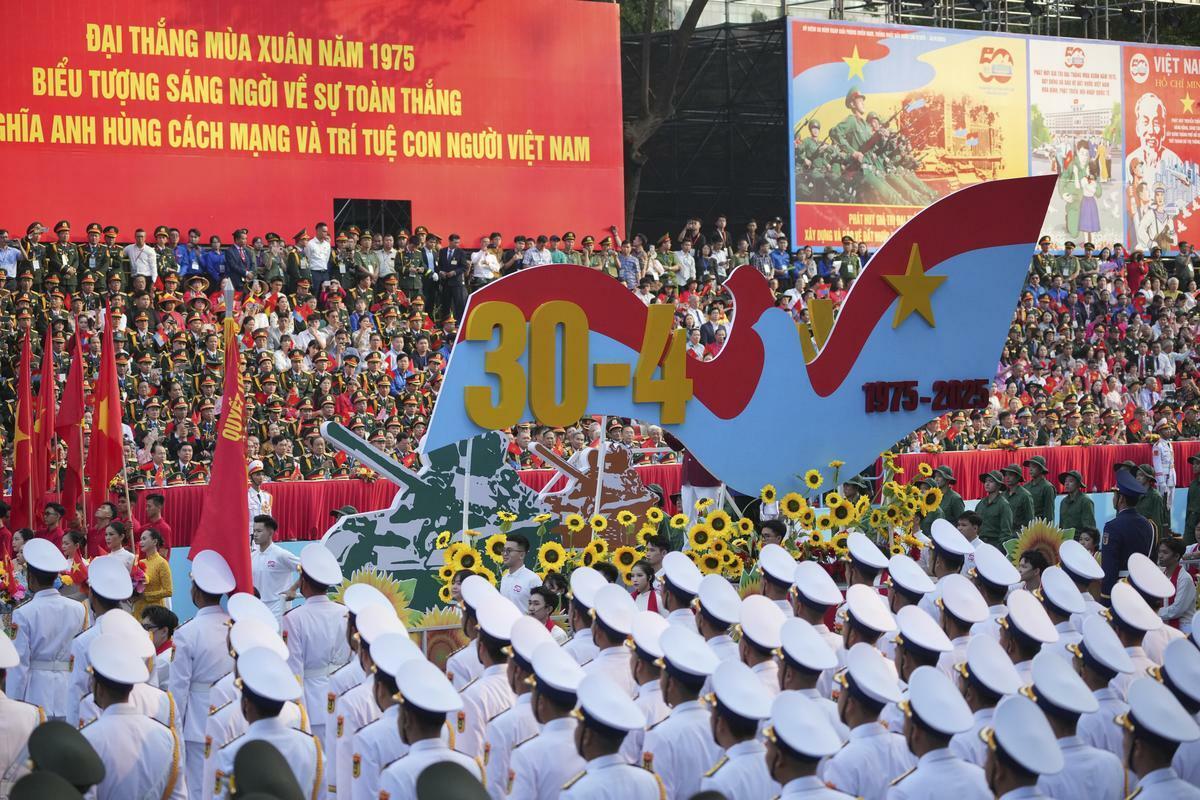
Vietnam, as in the time of the USSR and China, relied on another genre actively promoted by the government: socialist realism. Socialist realism in Vietnam characterizes patriotism, the representation of the key moments of the country's history and the rejection of excessive symbolism. The main theme of the loyal CPV of art is the Vietnamese war.
Memory policy
Researcher Lila Gandhi notes that many post -colonial regimes, including Vietnam, are subject to amnesia, that is, selective oblivion of the uncomfortable past for the construction of a new national idea.
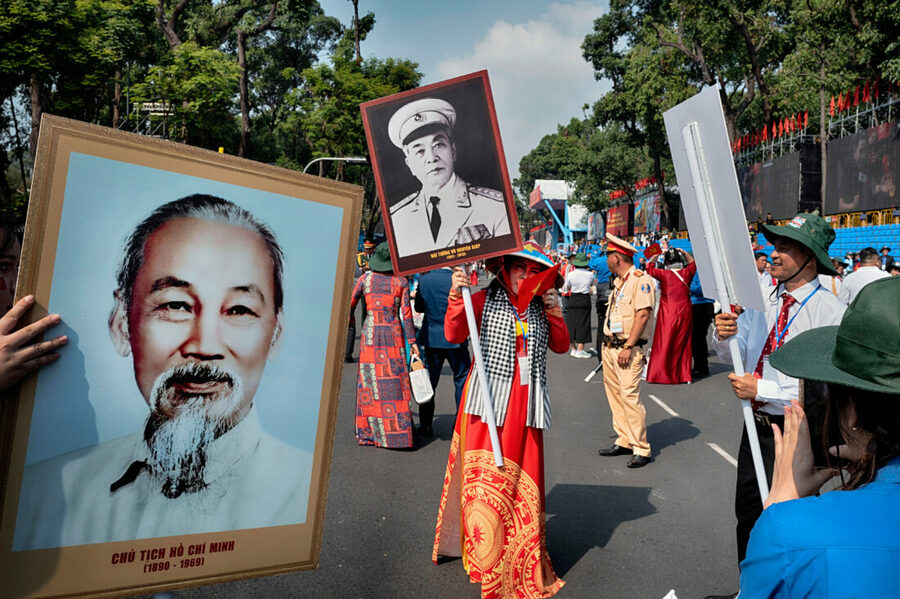
Vietnam authorities use the memory of the war very selectively. The symbolic border between the north and the south is supported by the official commemoration: the status of the “martyr of the revolution” (and it is assigned to those who fought against the French for independence and veterans of the Vietnamese War) and the associated benefits only apply to the participants of the Army of North Vietnam and Vetmin. Those who fought on the side of the French or the USA remain excluded from the official narrative, which fixes the old split.
A variety of reasons are used to promote the state narrative. For example, on the 50th anniversary of the Linbeker II operation, one of the largest American bombing, Hanoi artist May Dun Nin opened a personal exhibition dedicated to the events of the war and the victory of the communist forces. In the context of Linbeker II, May Dun Ning praises the feat of the Vietnamese military who managed to bring down several American aircraft.
The significance of the Vietnamese War is also noticeable on the example of books that annually receive literary awards in Vietnam. The vast majority of them either comprehend the experience of Viet Kong soldiers, or focused on the history of people of the military and post -war period.
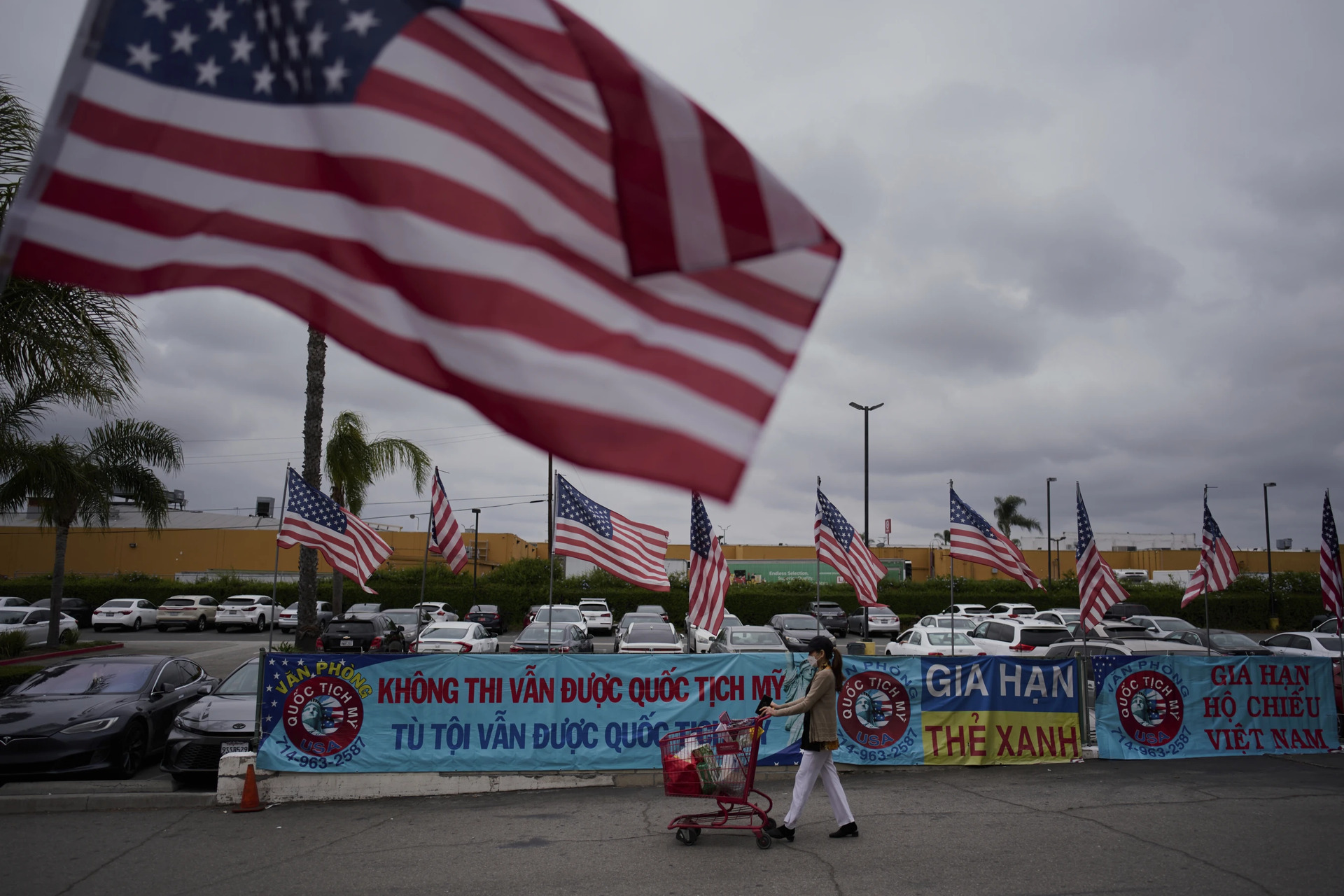
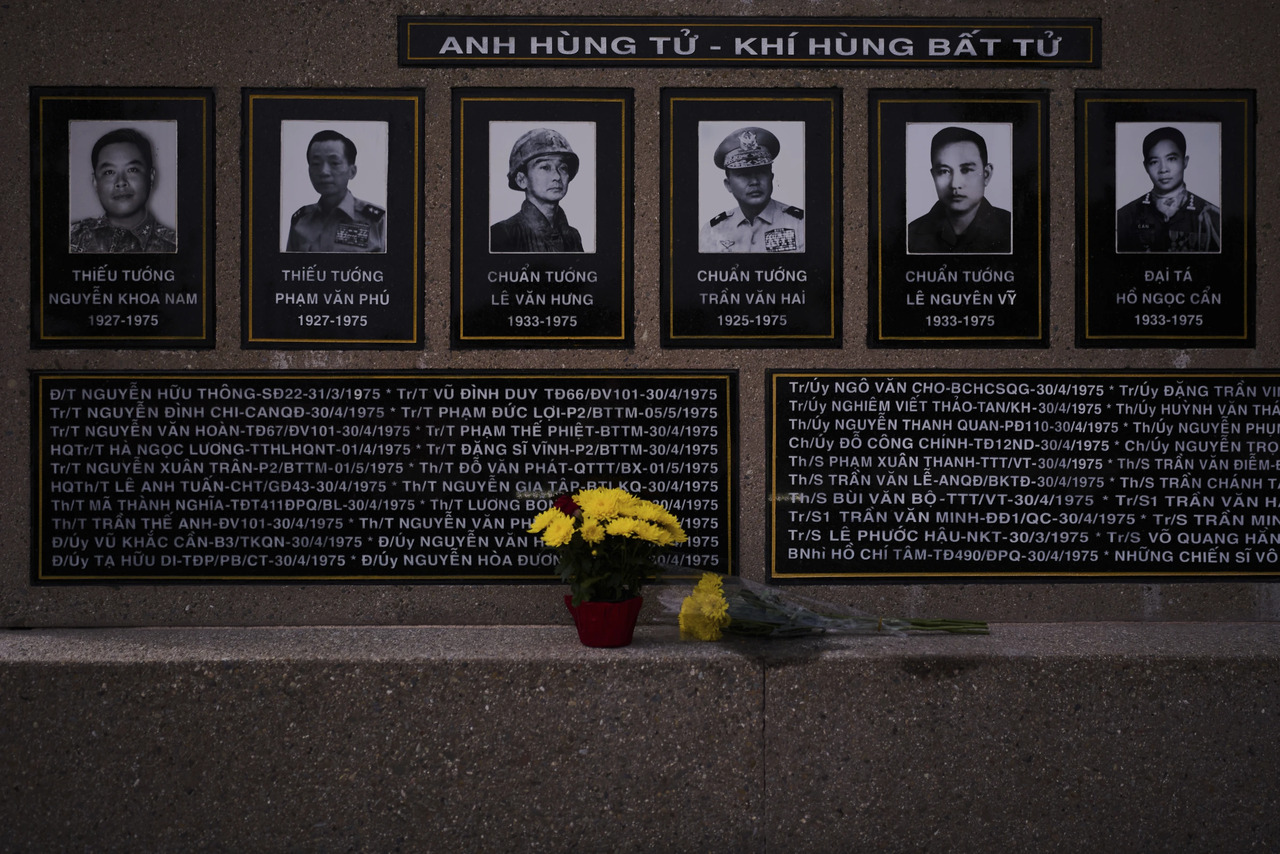
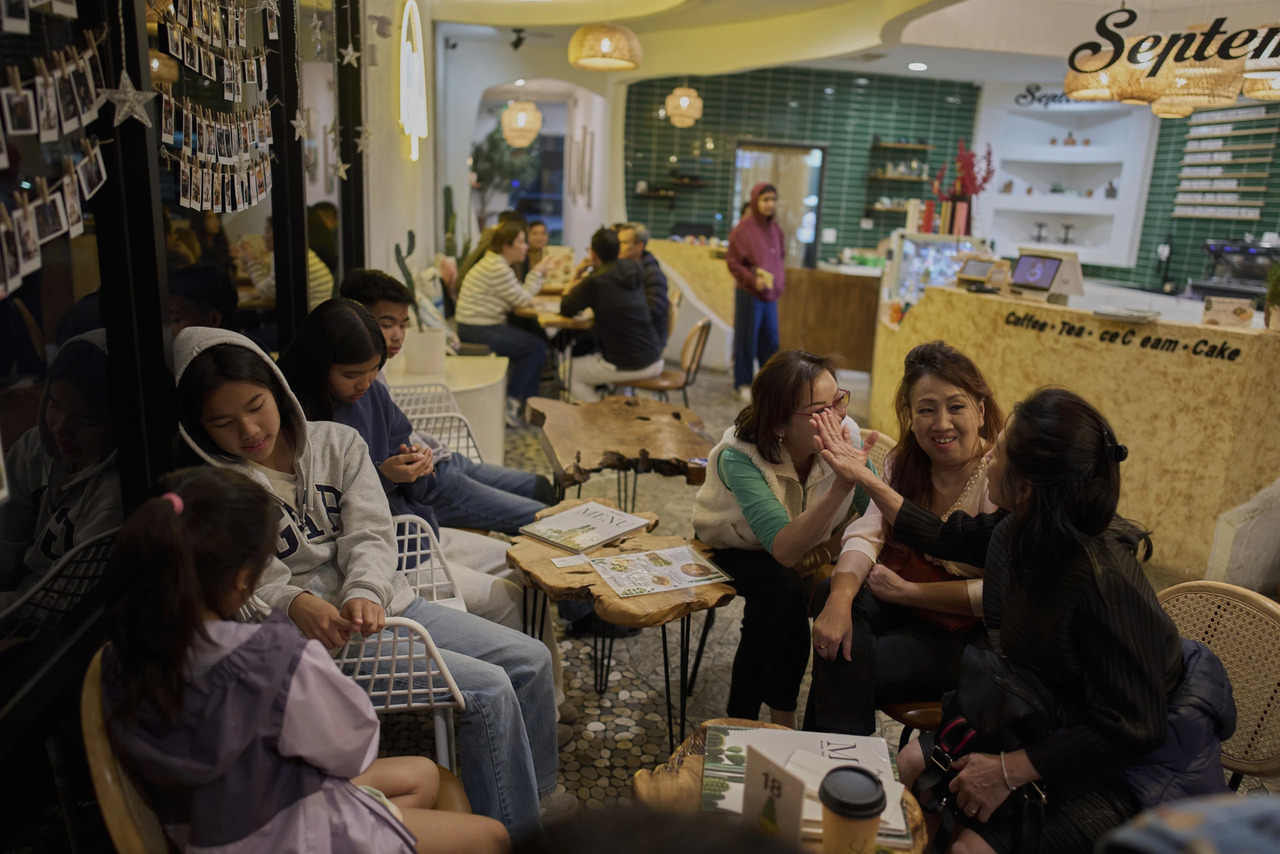
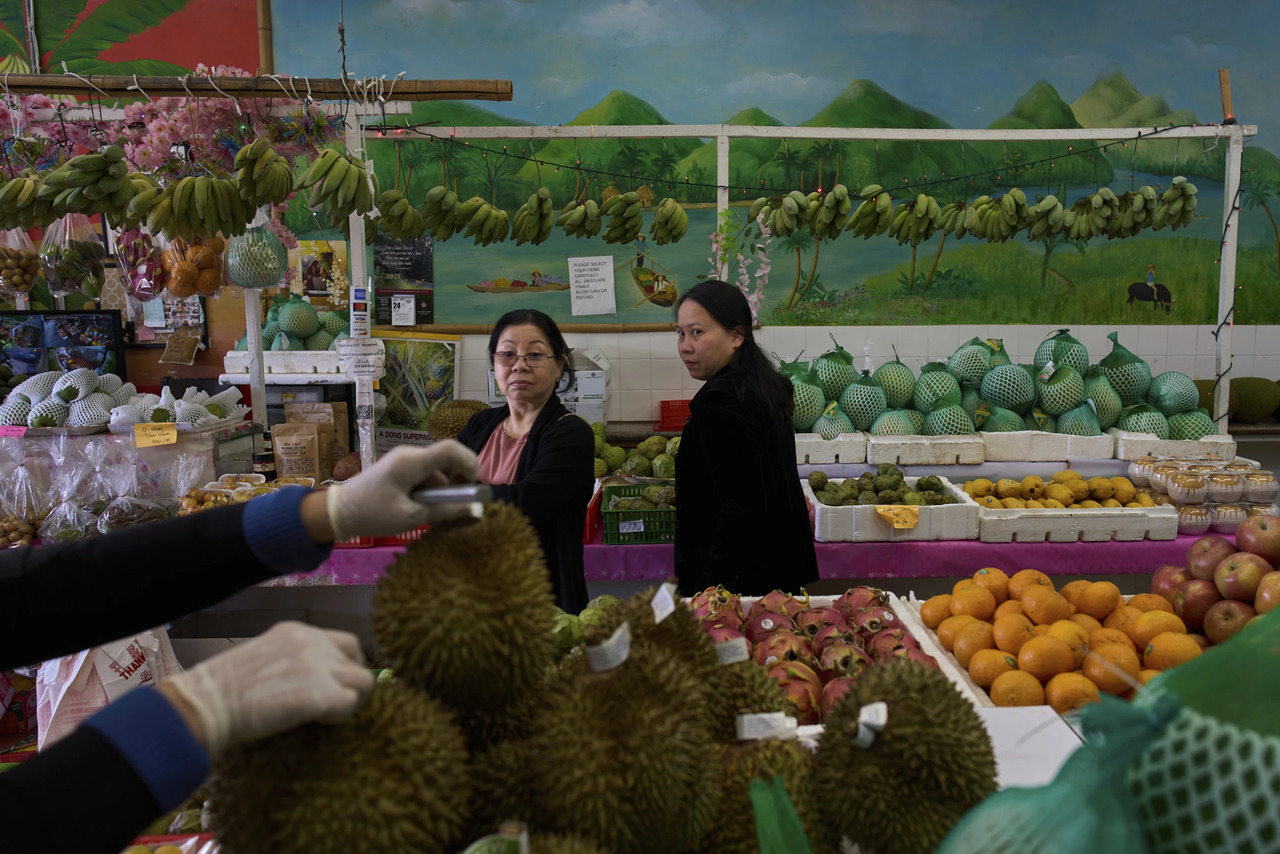
In the formation of modern Vietnamese culture, the diaspora plays an important role. One of the most prominent representatives is the US-WietTsa writer Viet Than Nguyen , exported to the United States in 1975 at the age of four. His Catholic family left the country, fearing persecution from the communist regime.
Of the entire Vietnamese emigration (and this is almost 5.3 million people around the world and about 2.5 million in the USA), Nguyen has become the main foreign voice of the country. His novel “Sympathetic”, telling about the events of the Vietnamese War on behalf of the double spy, received the Pulitzer Prize and was filmed by HBO.
The novel not only is an attempt to criticize the Western idea of Vietnam, but also highlights the strong injustice of the country's communist authorities who got rid of their opponents by the same methods as the French colonialists and the American army.
Nguyen, along with other representatives of Vietnamese emigration, created a DVAP - "A network of Vietnamese artists abroad." The authors from the diaspora for the most part write about the problems of refugee, the formation of identity in emigration and integration into Western societies, which arise mainly due to racism. A characteristic example of such creativity is, for example, the book of E. M. Trans “The Daughters of the New Year” , in which the war in Vietnam exists as a background for deepening the hybrid of the Vietnamese in the United States and the confrontation of cultures.
Roman Viet Than Nguen “Sympathetic” We read in the book club Perito “After words” . The club is dedicated to the works of non -Western authors who reveal cultural, historical and political contexts outside the usual Western perspective. Each reading is accompanied by expert comments, thematic materials and discussions that help see the work in a wide context.
Join the Perito club to read and discuss books that change your view of the world.
What became Vietnam?
Vietnam is one of the most conflicting examples in Southeast Asia: the country has achieved significant economic success, preserving the nominal commitment of communist ideology. Economic growth is largely based on a strict vertical of power, the expansion of the private sector and the flow of foreign investment to the detriment of the rights of workers.
According to the researcher Anne Raffin, the modern regime in Vietnam can be described as hybrid modernity. In other words, in Vietnam there was no transition from one model of modernization to another; Instead, there was a layering of various systems that continue to coexist and mutually influence each other. A violently developing economy and globalization are adjacent to a single -party socialist structure and stable traditional practices.
Это видно и на бытовом уровне: в одной и той же больнице пациенту могут назначить и курс антибиотиков, и сеанс иглоукалывания, современные торговые центры и небоскребы вырастают рядом с уличными рынками, а в общественных пространствах можно встретить женщин в народных костюмах аозай .
Недавние торговые соглашения Ханоя с администрацией Дональда Трампа показали , что международное сообщество готово закрывать глаза на внутренние репрессии, пока Вьетнам остается сдержанным в сближении с Китаем и выступает в качестве важного экономического партнера — как для стран Глобального Юга, так и для развитых экономик.