
Translated material
August 12 marks the 25th anniversary of the sinking of the submarine Kursk
All 118 crew members were killed. This is one of the most notorious disasters in the history of the Russian fleet
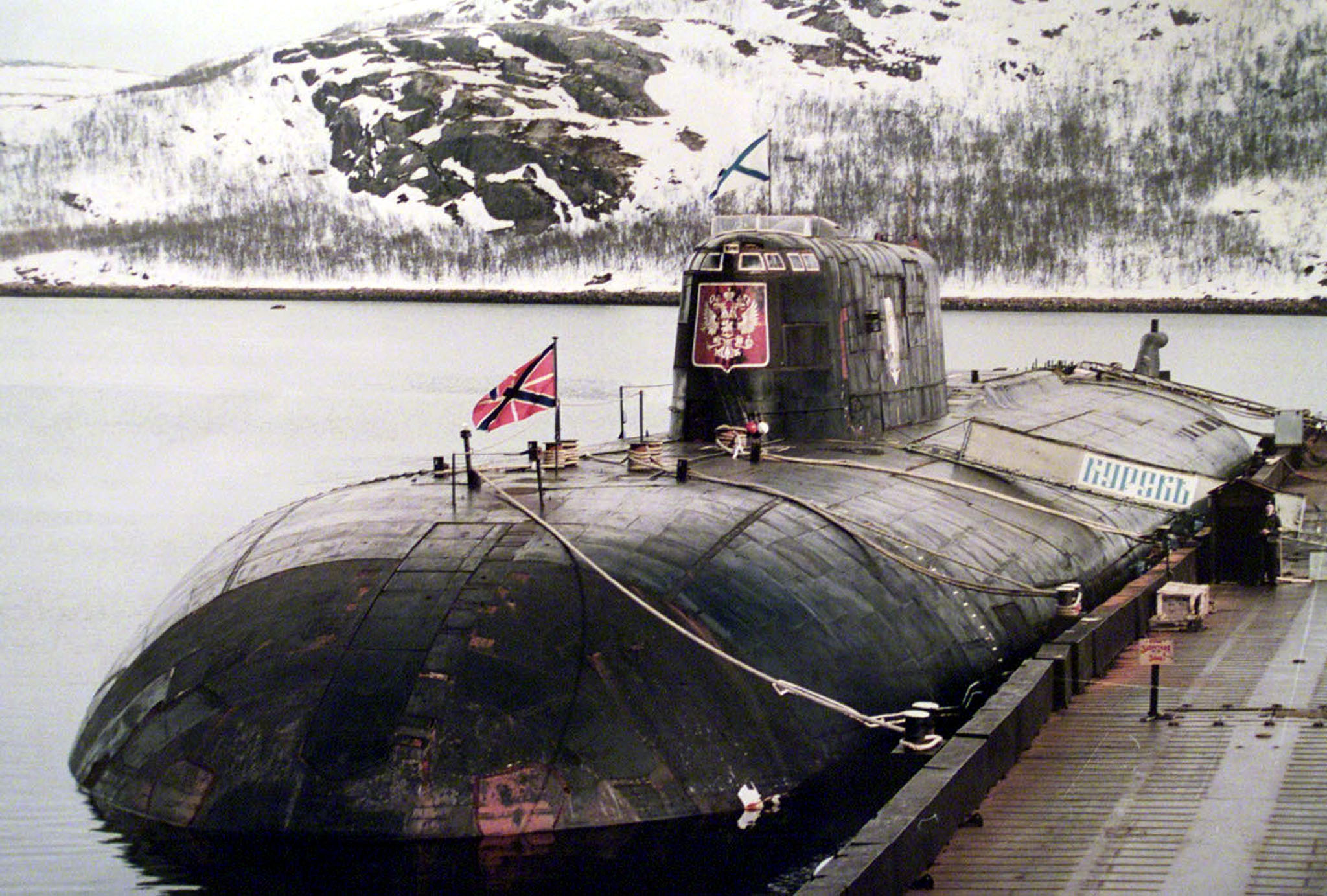
August 12 marked the 25th anniversary of the sinking of the nuclear submarine K-141 Kursk in the Barents Sea. The tragedy claimed the lives of all 118 crew members. “Verstka” recalls how one of the most notorious disasters in the history of the Russian fleet occurred and how the authorities reacted to it.
Progress of the exercises and explosion on board
On August 12, 2000, the Kursk took part in large-scale exercises of the Northern Fleet.
According to official data, at 11:28 Moscow time the first explosion occurred on board. The investigation concluded that it was caused by an oxidizer leak from the 65-76 Kit training torpedo. Two minutes later, a second, more powerful explosion occurred, equivalent to hundreds of kilograms of TNT. The bow of the submarine was destroyed, the ship sank to the bottom at a depth of 108 meters.
Seismic stations in Norway and Alaska recorded both explosions, and the cruiser Peter the Great, which was nearby, was the first to report an emergency situation.
In order not to miss new texts from “Layout”, subscribe to our telegram channel
Rescue operation
The tragedy became known only 12 hours after the explosion - the alarm was declared at 23:30. Rescue operations began only on August 15 and lasted ten days, but were unsuccessful: domestic deep-sea vehicles were unable to dock with the submarine’s hull, and the rescue hatches were opened with the participation of Norwegian specialists only on August 20.
By this time, all 118 crew members were already dead - as the investigation showed, 23 submariners from the ninth compartment survived the explosions, but died within eight hours from carbon monoxide poisoning.
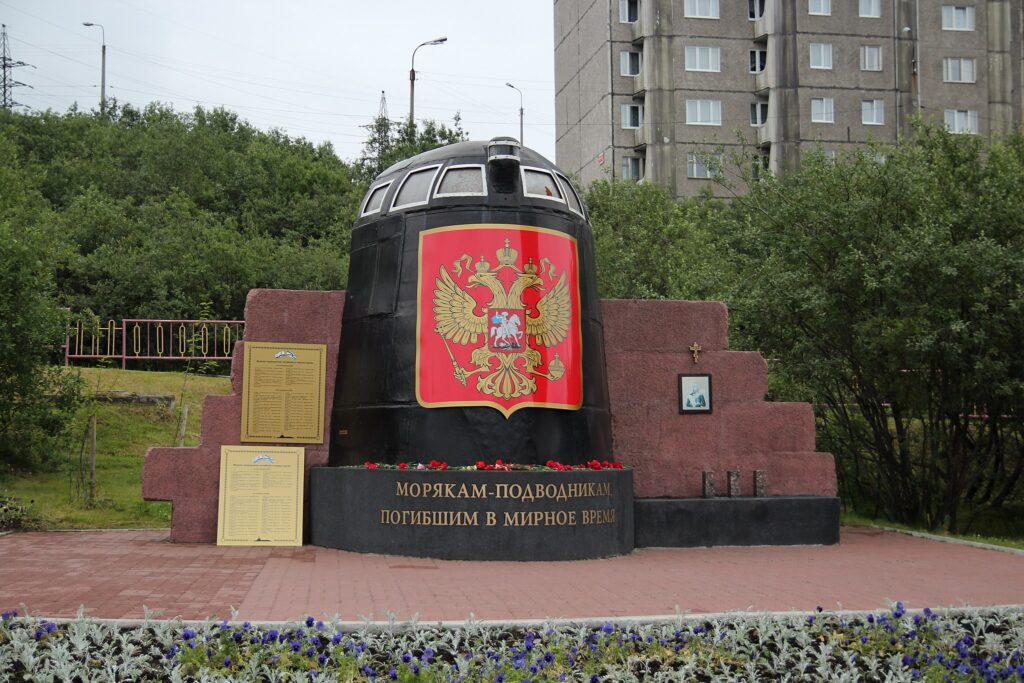
Part of the cabin of the submarine "Kursk", a monument to submariners who died in peacetime, Murmansk. Insider / Wikipedia
Rescue divers found a note from Captain-Lieutenant Dmitry Kolesnikov with the names of the survivors and the time of writing - August 13, 2000, 1:15 am. This was the last confirmation that part of the crew lived for almost a day after the disaster.
Official versions and public outcry
In July 2002, the criminal case into the disaster was closed - the investigation did not establish the crime, as it came to the conclusion that those responsible for the development, storage and operation of torpedo weapons could not objectively foresee the possibility of such an incident.
Officially, the death of the submarine was associated with a technical malfunction of the torpedo and microcracks in its hull, although there were long rumors about a possible collision with a foreign submarine and even a missile hit from its own ship.
The investigation showed that those responsible for the development, storage and operation of torpedo weapons could not objectively foresee the possibility of such an incident.
After the sinking of the Kursk, torpedoes 65–76 Kit were removed from service with the Russian fleet.
The society criticized the actions of the military command for the refusal to help foreign specialists, the delay in publishing truthful information and contradictory statements.
The crew of the boat was posthumously awarded the Order of Courage; commander Gennady Lyachin was awarded the title of Hero of Russia. The operation to raise the ship was completed in the fall of 2001, the bodies of most of the sailors were identified and given to relatives.
"She drowned"
At the time of the sinking of the Kursk, Vladimir Putin, who had recently taken office as president, was on vacation in Sochi. The tragedy was reported to the president the next day, and to the public only on August 14. Putin returned from vacation on August 18.
Putin’s phrase “she drowned,” which became a catchphrase, was heard on September 8, 2000, in an interview with CNN host Larry King. When asked what happened to the Kursk submarine, Putin chuckled and answered briefly: “It drowned.”
Putin’s interview with King with this answer was preserved in the chronicle of the events of the disaster.
The death of the Kursk was one of the first serious crises that Vladimir Putin, who assumed presidential powers, had to face several months ago. Nevertheless, Putin managed to win the next elections, begin to oppress the opposition, and, as a result, retain power for 25 years .
Photo: submarine "Kursk", Northern Fleet base Vidyaevo, May 2020. Reuters
Support “Vestka” - it’s important and safe →