
Translated material
The State Duma offers to control the neural networks in political agitation
This material (information) is produced, distributed and (or) sent by a foreign agent Roskomsvobod or concerns
Activities of a foreign agent "Roskomsvoboda". 18+
According to the deputies, it is necessary to protect voters from dipfaces and manipulations, therefore, to determine the rules for the manufacture of generated materials are proposed to the Central Election Commission.
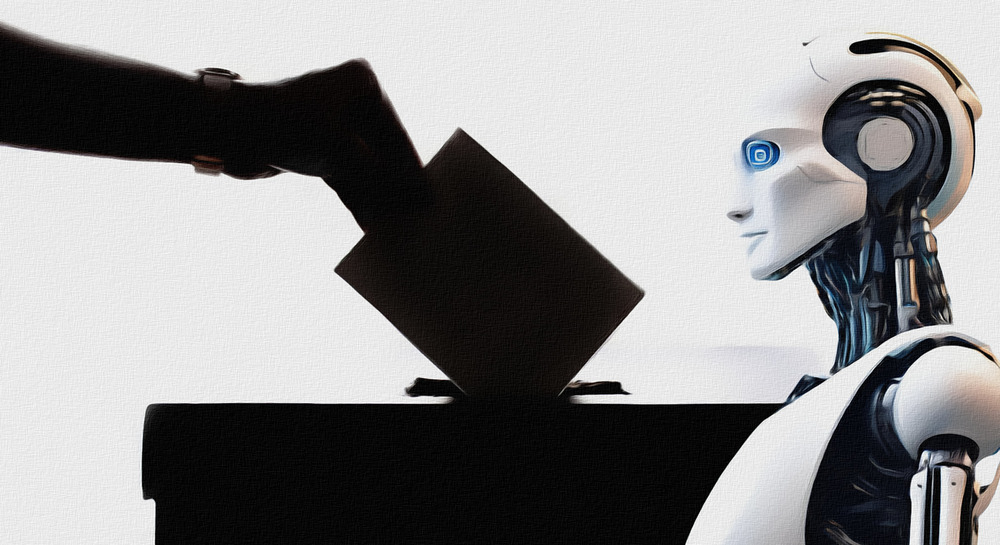
Photo: canva
The State Duma introduced another bill regarding the digital policy of Russia and technology. The inter -fractional group of deputies - Dmitry Gusev (SR), Andrei Svintsov (LDPR), Alexander Yushchenko (Communist Party) and Yaroslav Nilov - proposed to introduce norms regulating the use of artificial intelligence (AI) in the creation of campaign materials.
Document No. 993193-8 proposes to amend the law “On the election of deputies of the State Duma”, including the determination of agitation using AI and the rules for using generated images of individuals. According to the bill, if a candidate or party decides to use a dipfect or avatar created by a neural network, this should be officially announced in campaign materials.
The Central Election Commission is proposed to establish specific requirements for such materials. So far, the formulations of the droppings are not spelled out, but one thing is clear: the AI will no longer remain in the shadow of the election campaign.
According to Ella Pamfilova, the head of the CEC, the lack of regulation in this area threatens the legitimacy of the elections. Political scientists and lawyers agree: dipfaces imitating television portions or emotional appeals can easily distort public opinion.
Generative videos imitating, for example, news stories, have great viralism, explains political scientist Pavel Sklynchuk. The basis of the risk is an increase in the unpredictability of information during the elections, he believes. “For example, an imitation of a television portage, as a cyclist sinking in a puddle against a background of an official reporting on road repair, can seriously update the topic of repair on the roads and adjust the emphasis of the election campaign in a separate city,” he told Vedomosti.
The electoral lawyer Garein Mitin considers the initiative timely, but notes that the bill does not yet cover the liability of the industrial engineers-those who formulate requests for neural networks. It also remains unclear how to label the materials created by AI on the initiative of the candidate himself.
Political scientist Konstantin Kalachev predicts that AI can replace up to half of the election headquarters. This promises pluses - from quick processing of requests to content generation, but also risks: manipulation, illegal data processing, undermining of politics as an institution.
Deputies are sure: the framework law is a start. After its adoption, the CEC will be able to develop specific rules. The main thing is not to leave regulation at the regional entity or to ban AI completely, experts say.