Translated material
Red hats
How the Norwegians showed an example of peaceful resistance to the Nazi regime and what does the clerical paper clips and knitted hats have to do with it
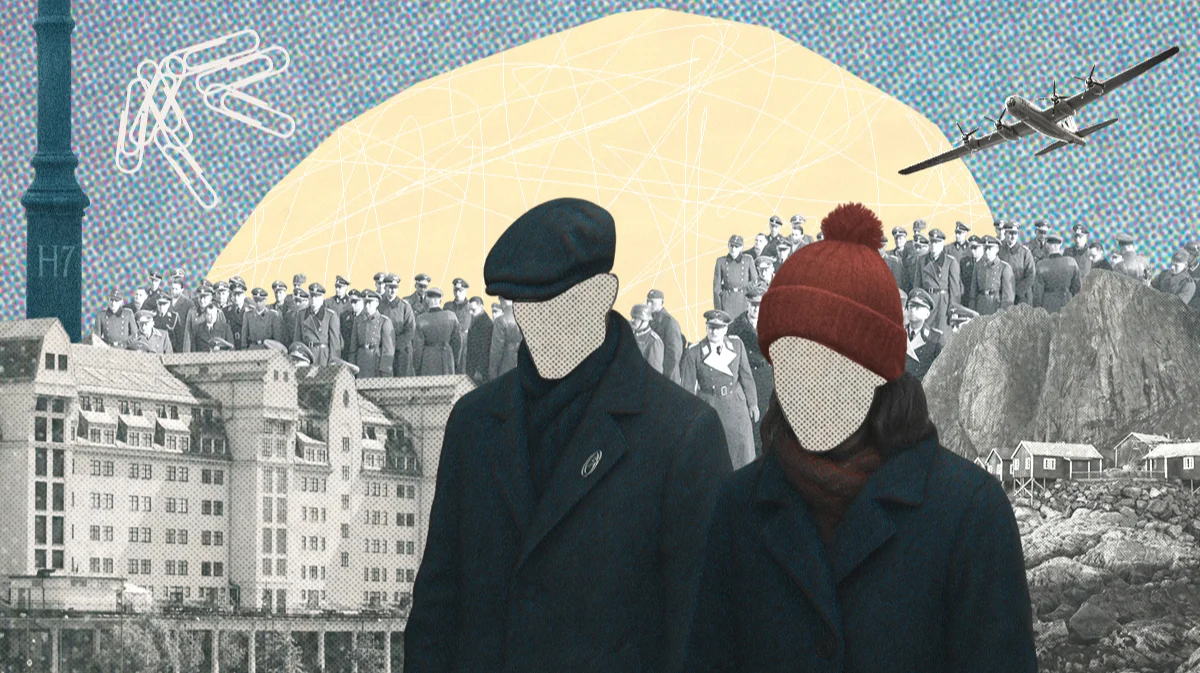
Illustration: Rinalu
In the early morning of April 9, 1940, the German squadron, led by the Blucher heavy cruiser, slowly crawled into the Oslo Fjord in the south of Norway. The war has not yet been declared, the Ambassador of the Third Reich has just handed the government of King Hocon VII ultimatum to surrender. Norwegian gunners from coastal batteries watched the ships of Kriegsmarine approach the capital when their commander Colonel Birger Ericksen, without any sanction, gave the order to open fire on top. "Will we really shoot combat cartridges?" - He was asked by his subordinates and received the answer: “Yes, today we shoot the combat. And we will either be awarded or put on trial. ”
The defenders of Oslo managed to put the Blucher to the bottom, but this remained the only victory of the weak and small Norwegian army: by June the country was completely occupied by the Wehrmacht forces. However, during the subsequent occupation, the subjects of the King of Hocon were fully demonstrated by the invaders that it was possible to successfully withstand the enemy even without weapons.
War
The attack of the Hitler army on Norway was easily calculated from the point of view of the very logic of war, but for most residents of this Scandinavian country it was a complete surprise. Norway proclaimed its neutrality in 1905, immediately after she left the union with Sweden, also neutral, and gained complete independence. During the First World War, this policy was preserved, despite the pressure of Great Britain and the actions of German submarines, which sank almost half of all the merchant ships who went under the Norwegian flag.
At the beginning of the Second World War and London and Berlin, they again made attempts to draw the Scandinavians into conflict, however, each party acted in their own way: the British via diplomatic channels began to seek from the Government of the Hocon of the Norwegian Commerce Fleet, while the Germans began to drown the British ships in the territorial waters of Norway. For the Nazis, control of the Norwegian coast meant not only the possession of the non -freezing ports of the Arctic, from where the Swedish iron ore was delivered to the Third Reich, but also access to convenient positions for underwater attacks on the UK and Communications, connecting it with North America.
In turn, if the British settled in the Norwegian fjords - and such plans were incurred in London - the Germans would have lost access to the North Sea, being actually locked in the Baltic. The Winter War, with the beginning of which the allies - England and France, began to consider the Norwegian territory as a convenient bridgehead for the transfer of the reinforcements of the Finnish army, also exacerbated the situation in Scandinavia.
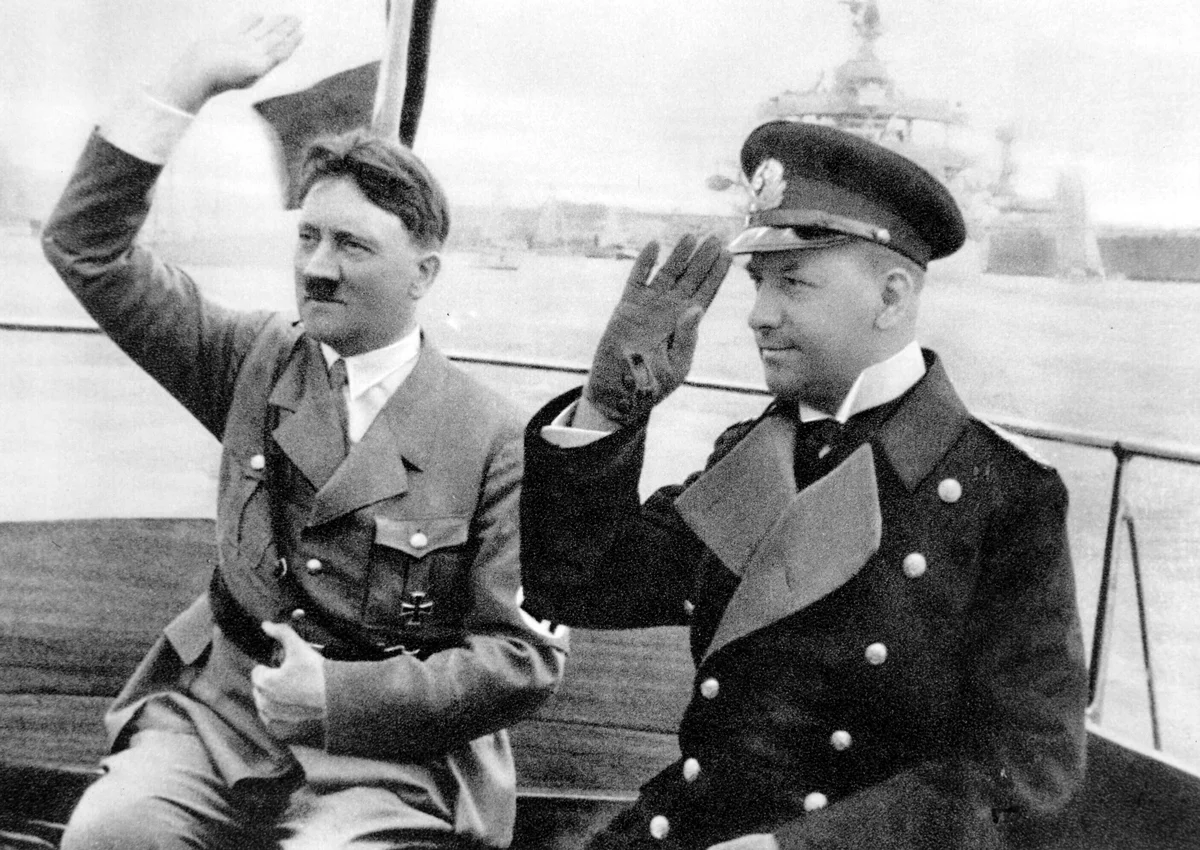
As a result, on March 1, 1940, Adolf Hitler approved a plan for an attack on Norway and Denmark under the code name “Teaching on Veser”. Kriegsmarin commander Erich Reder, to whom the Fuhrer entrusted the implementation of this plan, later justified in his memoirs:
“We, the Germans, were most serious in the continuation of the Norwegian neutrality and Status Quo. However, we had neither political, nor economic, nor military means to maintain this neutrality. We had to rely only on the goodwill of the Norwegian government in maintaining such a neutrality in full. Unfortunately ... Norway demonstrated that it does not have the necessary firmness in order to withstand British attempts on its neutrality, and does not intend to use its armed forces to prevent attempts to violate it. ”
King
When planning an attack on Norway, the Germans hoped that part of the local population, despite the obvious Anglophilia of the ruling circles, would meet them with open arms, they were convinced by Vidkun Quilling, the former Minister of Defense and diplomat, who collaborated in the early 1920s with Friof Nansen during the organization of humanitarian aid to starving Volga region. In 1933, Quilling was one of the founders of the ultra -right party of Nasjonal Samling (“National Unity”), becoming her Feorer, that is, a leader, and therefore, a colleague of Adolf Hitler.
Prior to the start of the Second World War, Quisling took part in the parliamentary elections twice, but the results were depressing for Fyrer: only 2.3 and 1.8 percent of the vote, respectively, not a single place in Storting (parliament).
The Norwegians were immune to theses that were postulated by “national unity” and strongly echoed with the ideology of German Nazis and Italian fascists.
Norway Foreign Minister (1935–1941) Halvdan Kat wrote in those years:
“[Norwegians] were absolutely hostile to the Nazi ideology of tyranny aimed at suppressing all forms of democracy and freedom. With all their hearts, they hated those cruelty that were happening in the name of nationalism. ”
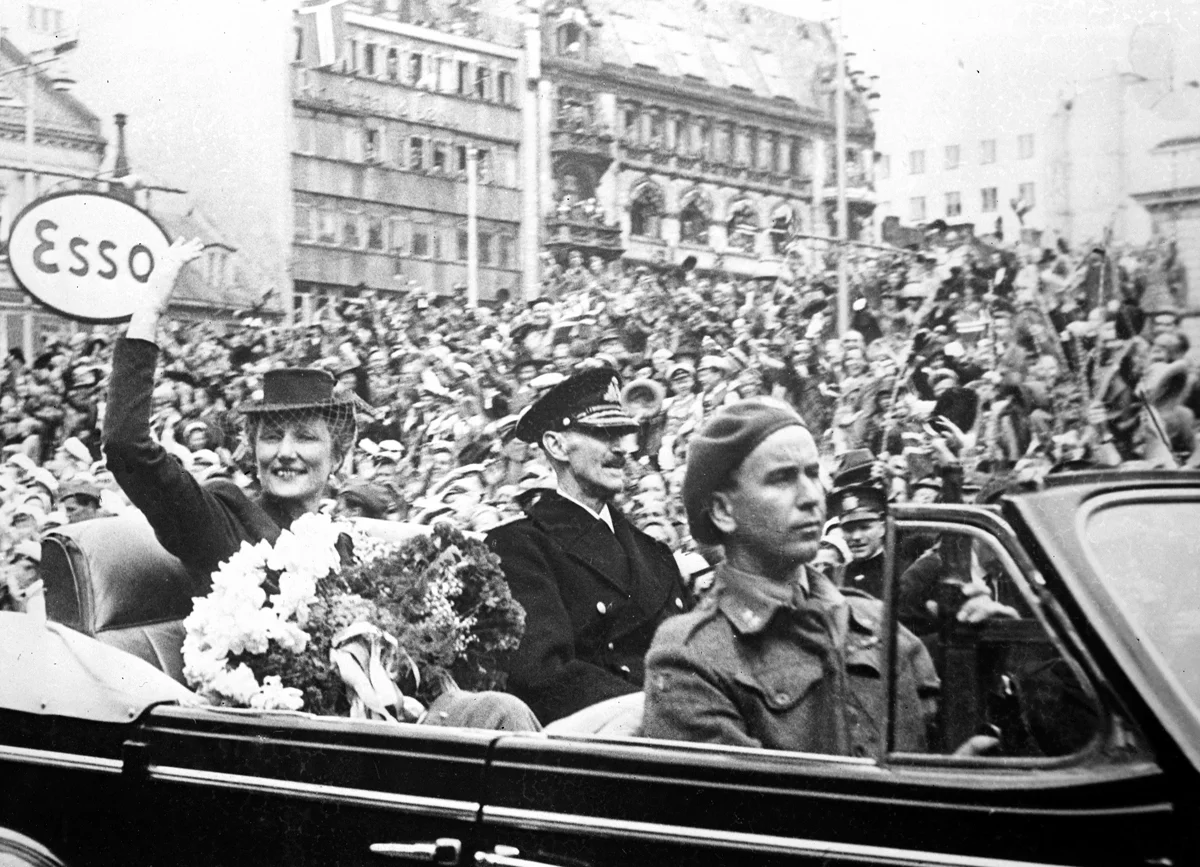
Despite the fact that the pre-war Norway preferred the parties to the Social Democratic sense (since 1927, the Norwegian working party dominated the parliament), the central political figure around which the residents of the country was united, there was still the king. When, in 1905, Danish Prince Christian Frederick Karl Georg Valdemar Axel from the Glingsburg Dynasty was invited by Storting to the Norwegian throne, he took the ancient nosmar name Hokon, which was not used by local monarchs for more than 500 years. However, the king of those filed not only for this gesture-he always treated the Norwegian Constitution, did not intervene in the activities of the executive branch, and when in 1927 the conservatives in parliament tried to put on him so that he would not appoint a working party as head of government, they say, the Labor-these are the same revolutionaries-marxists, and the Hokon replied: “I am a king and communists and communists and communists Same".
Unlike his son, Ulaf (future king of Ulaf V), who saw a much greater threat to Norway in the Soviet Union and allowed the possibility of agreements with the Germans, the hokon was categorically configured to the Nazis. “The power of the axis,” he said in 1943, “opposes all the principles of Christianity.” From the point of view of the king, the “new world order”, proclaimed by Hitler and his allies, was built on “unprecedented hatred and cruelty for world history.” Even if we assume that Hokon came to such conclusions, already in exile in England, in April 1940 he showed enviable composure and perseverance when he flatly refused to fulfill Hitler's demand to appoint Prime Minister Vidkun Quisling. The Oslo immediately after the Germans, speaking on the local radio, had already declared himself the head of government. Hokon said that he would more likely renounce the throne, which recognizes the authority of Quisling:
“I cannot accept the requirements of Germany. This would contradict everything that I considered it my duty to fulfill as the king of Norway since I arrived in this country almost thirty -five years ago. ”
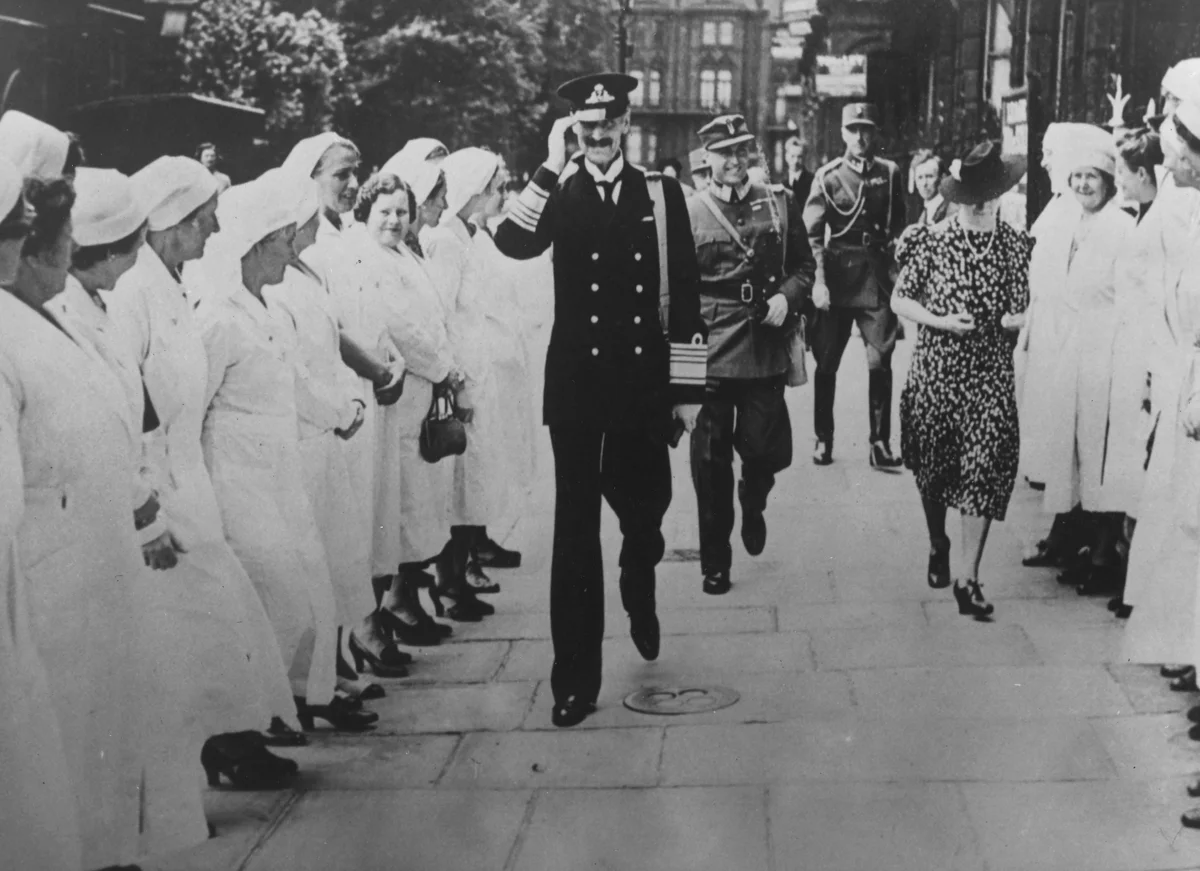
The legitimate cabinet fully supported the king-thus, the question of any peaceful resolution of the conflict with Germany was exhausted. Hokon and the entire royal family were in Norway until June 7, 1940. They, like the legal government, had to evacuate to London, but only after England and France, where the Nazis also invaded, the contingents and fate of the entire Scandinavian campaign was completely resolved. On June 10, the Norwegian army surrendered, and a five -year occupation began.
Occupation
Describing the first days of hostilities against the Nazis, a participant in resistance and the future head of the Norwegian polar institute Torah Gielsvik later wrote :
“Paralyzing, almost unrealistic nightmare; For several hours, our capital and the main cities of the country were taken, along with all important airfields, coastal fortifications and weapons. Resistance ... was improvised, and defeat was inevitable. "
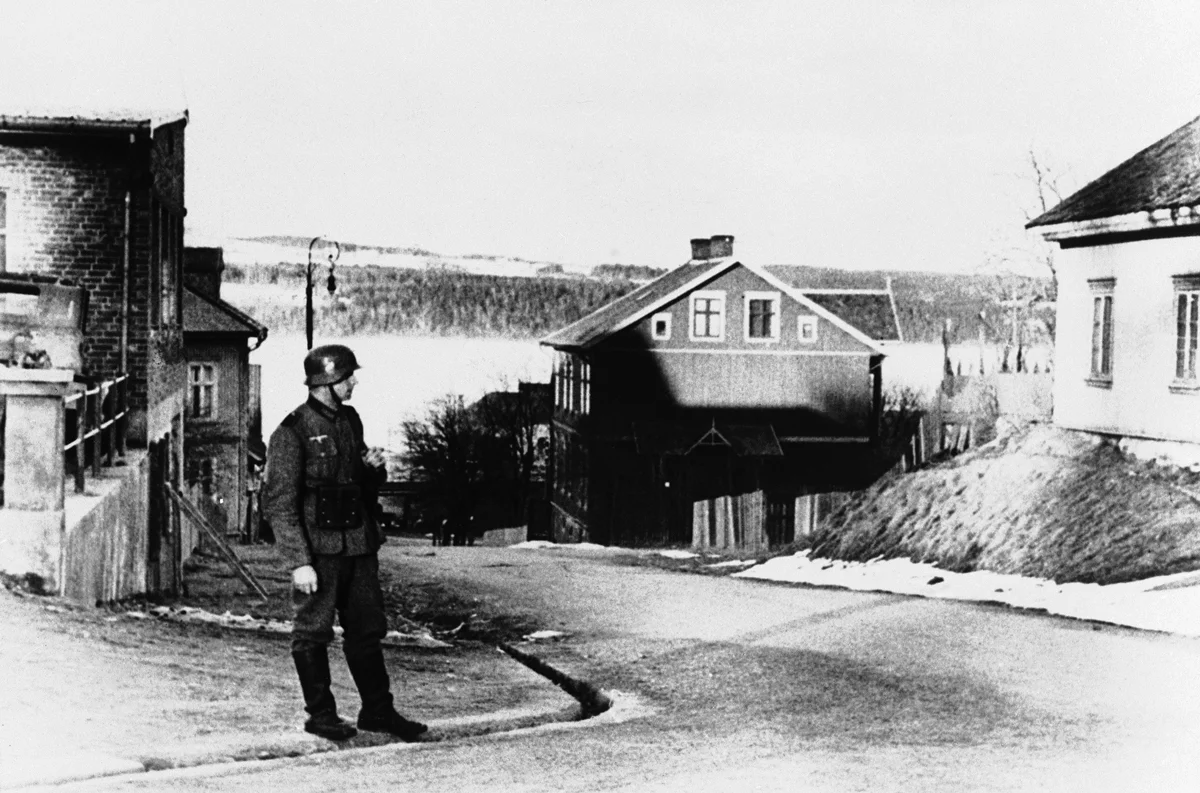
Occupying Norway, the Nazis were not at all going to completely incorporate it into the third Reich - a local collaborationist administration was created here (until 1942 - the State Council, after - the National Government, led by Quisling), over which the Reich Commissioner Joseph Terbovon, who was directly subordinated to Hitler. In parallel with the civil administration, there was a military command, represented by all three branches of troops.
Poparing Terboven to a new position, Hitler said :
“The biggest pleasure you can give me is to win the friendship of the Norwegian people!”
And it is unlikely that the Fuhrer was cunning: from the point of view of Nazi ideologists, the “Nordic” Norwegians were at least equal to the Germans, or even surpassed them in purity of blood (but not in cultural baggage). In Berlin, they hoped to create an “exemplary Aryan society” from Norway, and instead of mass repressions that residents of other Nazis occupied by the Nazis were faced with one way or another, the Germans tried to pursue a policy of pacification, inclining local residents to their side with propaganda and the implementation of many ambitious architectural and infrastructure projects. The architects of the Third Reich, led by Albert Speer, took, in particular, for the reconstruction of all 23 Norwegian cities injured during the German invasion. Norway also became the only country, in addition to Germany, where, as part of the Lebensborn program (“source of life”), aimed at raising “Aryan” children, the child’s houses were opened.
However, despite the intention of the leadership of the Third Reich, to leave some kind of independence to the Norwegians, Joseph Terbovan behaved from the very beginning as a sovereign master of the occupied country. He put his appointments to all leadership positions in the local administration, under the dictation of the Reich Commissioner, proclamations were published on the overthrow of King Hocon VII, the declaration of an outlawing of the government in exile, the dissolution of Storting and the ban on all political parties, except for the “national unity” of Vidkun Quisling.
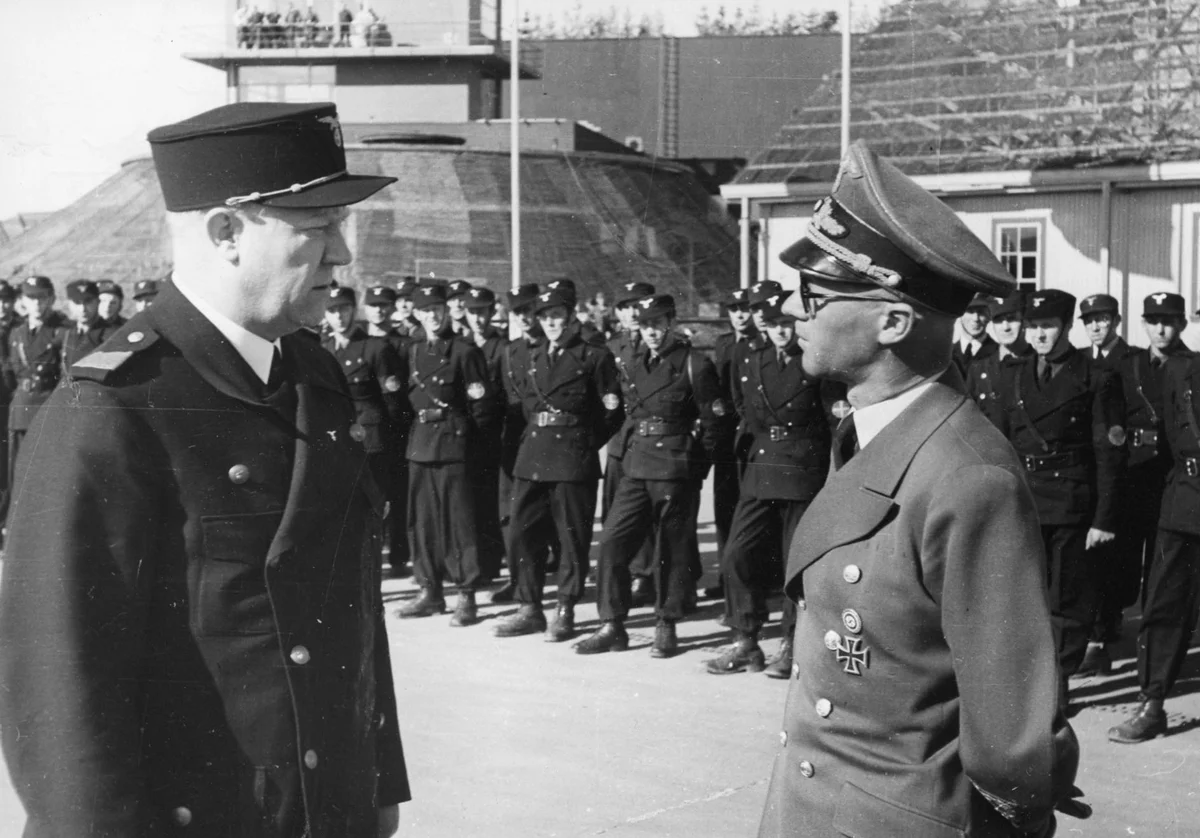
Erich Reder, by the way, called the policy of the occupation administration in Norway, one of the reasons for his resignation from the post of commander Kriegsmarin in 1943, wrote :
“I used any opportunity to convince Hitler to correct Terboven's mistakes. People whose native country is forcibly occupied, will never forgive this, but at least their indignation will soften when they see that the restrictions on their freedom and independence remain at the level of the minimum in wartime, that their honor and dignity are not attempted and that nothing threatens their future as a nation. ”
The words of the German naval breeder can be treated differently, but in one Reder was right: the invasion of the invaders in all spheres of Norwegian life, including the restructuring of the political system, caused a wave of resistance to life. The Norwegians rejected new orders, even if the Nazis with collaborators tried to act extremely carefully. In any case, in the first months of the occupation, if we compare their policy in Norway with what they did in the USSR, Poland and the Balkans. In addition, even if the ideology of local ultra -right in the person of Quisling and his party turned out to be alien to the descendants of the Vikings, why would they accept the concepts brought from outside on the islands of bayonets?
Masters
The peaceful resistance of the Nazification (partisans, underground workers, and groups of English saboteurs) at first developed spontaneously spontaneously. And since the local residents had neither formal leaders, they rallied around the main moral authority of the nation - King of Hokon. After the monarch, in response to the call of the invaders, to renounce the throne, declared his intention to continue the struggle on a radio from London and called for his compatriots, his words were printed, propagated and distributed throughout the country.
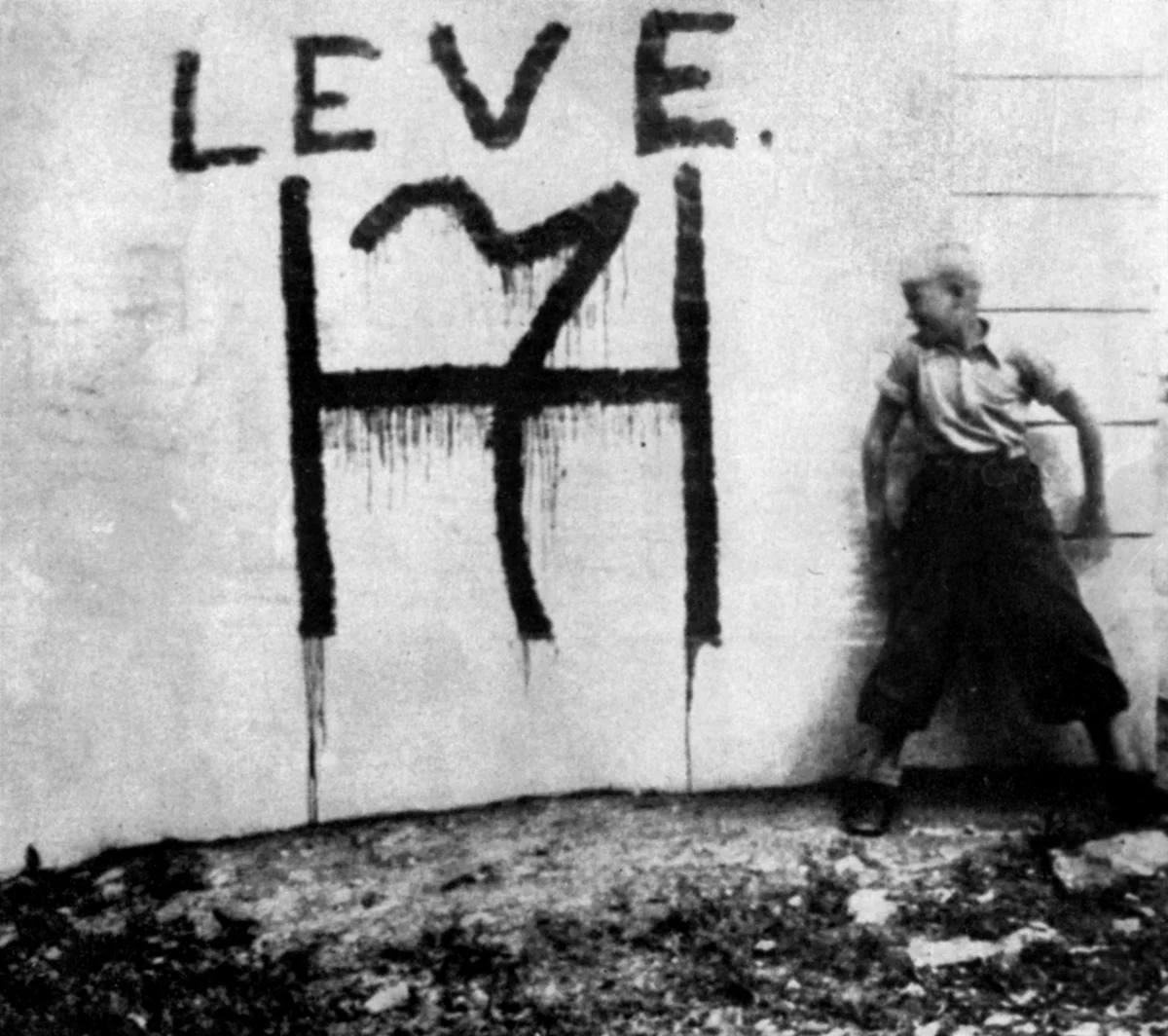
Each self-respecting Norwegian considered it his duty to decorate the clothes with any detail-a button, a gulp or a brooch-with a monogram of hocon “H7”.
Of course, the invaders considered this demarche, and the royal symbolism was officially prohibited, because from the point of view of the Nazis and collaborators, such a manifestation of loyal feelings in relation to the monarch was equivalent to subversive activities.
But this did not stop the Norwegians: the king’s monogram was decorated with fences, walls of houses, and bridges supports. And for clothes, other symbols of the unity of the nation and resistance to the invaders were chosen. For example, an ordinary office paper clip, the bends of which were somewhat reminiscent of the first letter of the name of the hocon. Moreover, it was the Norwegian engineer Yukhan the war at the end of the 19th century patented the first paper clip. Even in not its very successful option.
At first, a bastard began to cling to the Latskans of the jackets of the university in Oslo as a replacement H7, and then this fashion spread throughout the country. If you wore a paper clip, then you were against Hitler and his gang.
Since the hocon and the legal government were still not from the hands of the shores of the Thames to organize the Norwegians, they eventually created their own structures that took over the functions of coordination centers of resistance. One of them was the Circle, founded in June 1941, or “GrimelundSkretsen Circle”, named after the farm near Oslo, where its participants held the first meetings. The composition of this structure includes the leaders of trade unions, judges of the Supreme Court, politics, journalists, financiers and other representatives of the elite. Circle began to play the role of an intermediary between the king, the government in exile and the Norwegian people. At the same time, the coordination committee (Koordinasjonskomiteen, or KK) under the leadership of General Secretary Ole Jacob Malm, a doctor by profession, began to act closer to the end of 1941 was engaged in the organizational activities of the local.
The “Circle” and the Coordination Committee were united into the so -called “Sivorg” (reduction from Sivil Organisasjon, that is, “Civil Organization”), which, in turn, is a couple with “Militær Organisasjon) and formed a unified resistance to the invaders. At the same time, the leadership of the latter organizationally took shape only closer to the end of the war - at the very beginning of 1945. The main work was carried out through the district committees that had a rather loose structure, which were constantly blooming and re -created depending on the circumstances. Nevertheless, each such committee always had people who were responsible for the connection with the leaders of Sivorg, armed groups of underground, the illegal press, the church and the police.
In addition to informing the population about the upcoming protests and distribution of passwords, the committees also engaged in refugee crossing outside the country, supported the families of those Norwegians who ended up in Nazi dungeons, found premises and recruited employees for publication of underground newspapers. The press, for its part, has become almost the main cementing link in all resistance.
Newspapers
The first underground newspapers appeared in Norway back in October 1940, but until August 1941, residents received the main information from England and Sweden directly: almost every family had a receiver with which it was possible to catch the BBC program or transfer from a neighboring country. This situation was soon tired of the Nazis: they went home and confiscated 470 thousand receivers among the population. Of course, some of the devices managed to conceal, so that the first underground publications were a kind of “radio settings” and contained only prints of BBC news issues. Only then editorial materials of an anti -fascist nature began to appear in them.
One of the first such newspapers was the publication, the issue of which was organized by bank employees in the city of Mandal in the very south of Norway. It was convenient to hide the radio receivers in the bank's storage facilities, so the financiers were aware of all the news from the outside world. The newspaper edition continued until February 1942, when Stopo - the Norwegian analogue of the Gestapo - covered the bench and arrested 30 people in this case, half of whom were employees of the bank. Some arrested a year later released, but four, including the manager of the bank David Vogt, died in prison.
In total, about 300 underground newspapers came out during the occupation in Norway. And this is in a country with a three millionth population.
Печать и распространение запрещенных изданий, с точки зрения норвежских историков, были идеальной формой неповиновения. Они имели не только практический смысл, но и символическое значение: создатели, распространители и аудитория газеты становились как бы единым целым в своем неприятии режима.
Олаф Ристе и Берит Неклебю в своей книге «Норвегия 1940–1945. Движение Сопротивления» (Riste, Olav and Berit Nökleby. Norway 1940–45: The Resistance Movement) пишут :
«Помимо того, что подпольная пресса предлагала желанное противоядие от грубой нацистской пропаганды, она также обеспечивала коммуникацию по всему патриотическому фронту. Ведь норвежцы по своей природе едва ли были большими героями или антифашистами, чем любая другая нация, но благодаря мужеству и лидерству немногих, а также средствам, с помощью которых эти люди могли достучаться до большинства, было обеспечено единство, необходимое для того, чтобы пройти это испытание».
Самыми влиятельными подпольными газетами были Bulletinen («Бюллетень»), через который лидеры сопротивления обращались к своим единомышленникам, и Vi vil oss et land («Мы хотим свою страну» — цитата из стихотворения норвежского поэта конца XIX века Пера Сивле), уделявшая основное внимание освещению акций протеста. На ее страницах борьба за свободу Норвегии приравнивалась к праву на жизнь. В 1942 году газета опубликовала давшее ей название стихотворение Сивле целиком, подписав его именем автора. И тогда нацисты объявили поэта в розыск несмотря на то, что он скончался еще в 1904 году.
С помощью подпольной прессы по всей стране разошлись и тезисы, которые уже упоминавшийся Хальвдан Кот назвал «Десятью заповедями» норвежского Сопротивления. В их числе, помимо прочего, было названо служение королю, ненависть к оккупантам и предателям и необходимость всеми силами приближать победу над Германией, без чего освобождение невозможно.
Граждане
Гражданское сопротивление новому нацистскому порядку разворачивалось как бы в двух плоскостях: часть акций была абсолютно спонтанной и затрагивала лишь некоторые сферы общества и институты государства, другие планировались заранее и могли охватывать почти все слои населения.
Когда в ноябре 1940 года подконтрольное нацистам Министерство юстиции объявило, что судебные заседатели больше не выбираются, а назначаются и увольняются властями, Верховный суд страны признал этот порядок незаконным. Рейхскомиссар Тербовен был в ярости, он запретил Верховному суду проверять распоряжения государственных учреждений, а председателя суда велел отправить под арест.
В ответ все как один члены Верховного суда подали в отставку, уведомив власти, что в таких условиях они не могут выполнять свой долг. К своей работе суд вернулся только после освобождения страны.
Из 14 тысяч норвежских учителей 12 тысяч отказались участвовать в каких-либо мероприятиях по насаждению нацистской идеологии среди молодежи — партия Квислинга намеревалась охватить этой работой всех детей в возрасте от десяти лет. В своих «объяснительных» учителя писали :
«Я считаю для себя невозможным принимать участие в воспитании норвежской молодежи в соответствии с линией, предписанной… “Национальным единением”… Я буду верен своему призванию учителя и своей совести».
Одновременно родители учеников отправили от 200 до 300 тысяч писем протеста в адрес Министерства церкви и образования. В ответ власти пригрозили вообще закрыть школы и лишить преподавателей зарплат, но это не возымело действия. И хотя в дальнейшем под арест попали более 1100 учителей, половина из которых отправились на принудительные работы в Заполярье, оккупантам и их приспешникам из партии Квислинга пришлось отказаться от переформатирования школьного образования на нацистский лад.
Не менее солидарно против гитлеровцев выступила и лютеранская Церковь Норвегии, прихожанами которой на начало Второй мировой были 96 процентов жителей страны. Эйвинд Бергграв, местный епископ, и вовсе выступил в качестве одного из лидеров Сопротивления, разъезжая по стране с лекциями, в которых утверждал , что созданное нацистами государство выступает на стороне сатаны, следовательно, ни паства, ни тем более священники не обязаны ему подчиняться.
После того как люди Квислинга начали вмешиваться в вопросы церкви, в частности, изменив официальные религиозные писания и включив в них фашистские концепции, 645 из 699 местных лютеранских священников подали в отставку. За ними последовала и паства, так что пронацистски настроенное духовенство проповедовало в пустых храмах.
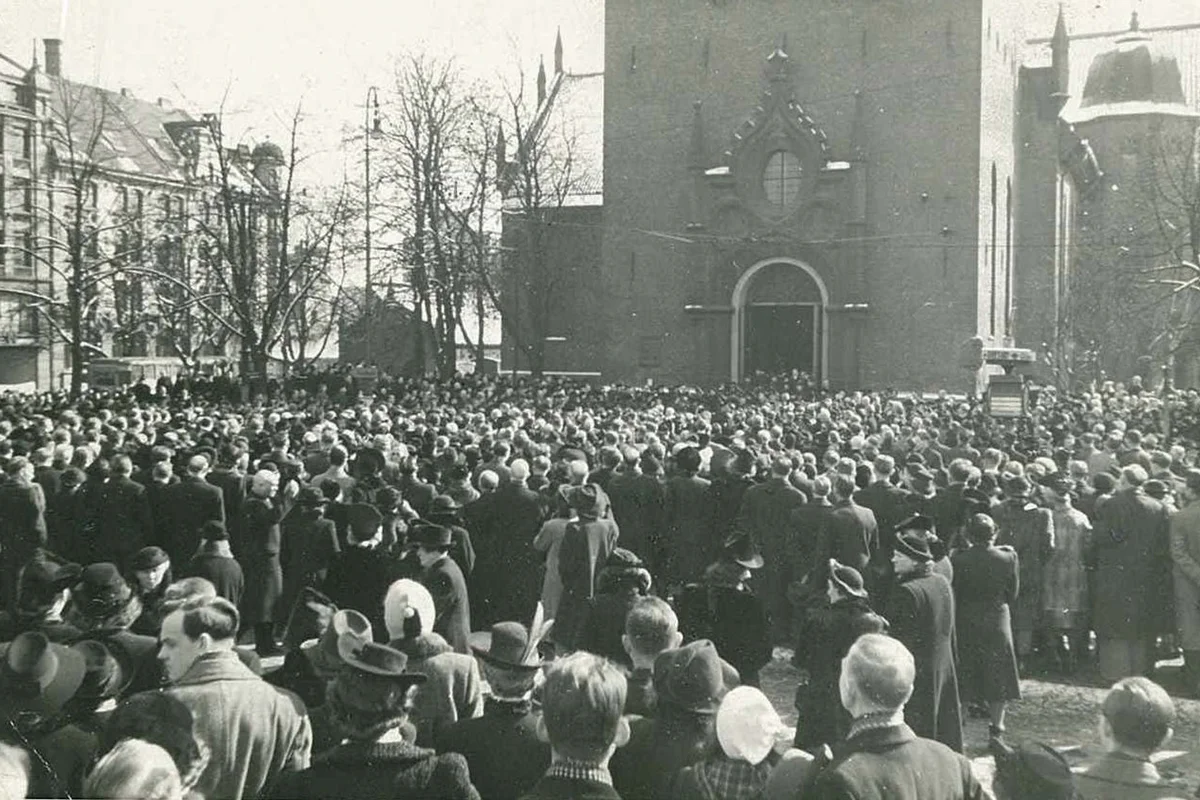
Кульминацией церковного протеста стала пасха 1942 года. В общей сложности почти 90 процентов священников Норвегии закрыли свои церкви и отказались от службы. При этом каждый четвертый из них был потом по настоянию властей изгнан из епархии, вызван на допрос или арестован. Бергграв также оказался под арестом в апреле 1942 года. Его на три года изолировали в отдаленной хижине, запрещая видеться с посетителями и постоянно меняя охранников, чтобы «его навязчивое христианство не развратило их».
Провалились попытки нацистов навести свои порядки и в норвежском спорте. Как только оккупационные власти решили взяться за организацию спортивных мероприятий, все норвежские клубы и команды объявили забастовку, которая продолжалась вплоть до капитуляции Германии в 1945 году.
Аналогичным образом поступили и деятели культуры. Когда коллаборационистское правительство обязало норвежских артистов театра и кино зачитывать по радио новости оккупационной администрации, участвовать в официальных праздниках и нацистских постановках, семеро актеров бойкотировали это распоряжение. В ответ власти запретили им заниматься профессиональной деятельностью, но коллег поддержали другие актеры: пять театров в Осло объявили забастовку. Позже к ним присоединились театры в Бергене и Тронхейме. Протест охватил всё актерское сообщество — многих артистов немцы, приравнявшие демарш работников сцены к вооруженному восстанию, отправили под арест, а затем в концлагерь. Генри Гледича, директора театра «Трёнделаг» в Тронхейме, оккупанты расстреляли вместе с девятью другими норвежцами.
Большинство театров Квислингу всё же удалось нацифицировать, но публика подвергла их тотальному бойкоту, а вот приказ о принудительной работе на радио был отменен.
Ледяной фронт
Пожалуй, самым впечатляющей акцией норвежцев во время оккупации — если вообще можно назвать акцией линию поведения, выбранную всем народом, — стал так называемый «ледяной фронт», то есть любое возможное игнорирование оккупантов и им сочувствующих. Этот фронт четко отделил немецких и местных нацистов от «правильных» норвежцев.
Так, в транспорте или в присутственных местах норвежцы вставали или пересаживались, если рядом оказывались нацисты. Это так бесило последних, что они запретили стоять в автобусах, если имелись свободные места. Любые общественные мероприятия, организованные оккупационными властями, бойкотировались. Публичные выступления пронемецких ораторов прерывались свистом. Бойкоту подверглись и кинотеатры, в которых показывали немецкие фильмы.
Норвежцы отказывались говорить по-немецки, хотя многие прекрасно знали этот язык; а если, например, кто-либо из немцев спрашивал у них дорогу, то его отправляли по неверному маршруту.
Такое сопротивление оккупации снижало шансы попасть в подвалы стапо, но избежать ареста получалось далеко не у всех. В мае 1942 года кассир на железнодорожной станции Рёйкен был арестован за то, что не пожелал «всего доброго» члену местной ячейки «Национального единения». А в Тронхейме судью апелляционного суда арестовали лишь за то, что он, будучи вызванным в офис стапо, заметил: «Что-то мне не нравится эта контора».
Некоторые примеры демонстрации норвежцами своего отношения к оккупантам стали притчей во языцех. Так, учительница начальных классов Каролина Мо из-под Гримстада после прихода немцев взялась вышивать большое полотно и заявила всем, что будет продолжать работу, пока не закончится война. К концу войны соседи и знакомые то и дело донимали ее вопросами, когда же она, наконец, закончит свой труд. По легенде, полотно было использовано только один раз — в тот день, когда до Гримстада дошла весть о смерти Гитлера.
В целом норвежский «ледяной фронт» не только демонстрировал новой власти антагонизм ее отношений с народом, он показывал и самим норвежцам, что в своей позиции они едины, и таких, как они, большинство. Ведь в действительности оккупационный режим поддерживали не более десяти процентов населения страны.
Как говорил редактор одной из подпольных норвежских газет того времени, «мы не должны провоцировать нацистов, но мы должны полностью воздерживаться от любых сношений с ними и дать им почувствовать, что они находятся вне нашего общества».
Laughter
Когда других способов проявить свое отношение к властям не оставалось, на помощь приходил юмор. Ведь страх оказаться в одиночестве был одним из главных союзников нацистов, а шутки помогали смягчить этот страх, создавая чувство причастности к сопротивлению. Анекдоты, главными героями в которых были немцы, сам Гитлер или его верный норвежский последователь Квислинг, моментально расходились по стране.
Вот один из примеров такого народного творчества. Чиновник вешает портрет Гитлера на стене в правительственном учреждении и, повесив, спрашивает у уборщицы, ровно ли висит картина. «Я занимаюсь только той грязью, что на полу», — отвечает уборщица.
В феврале 1943 года в Норвегии широкую известность получил рисунок, опубликованный в семейном еженедельнике Norsk Ukeblad (Norwegian Weekly Magazine).
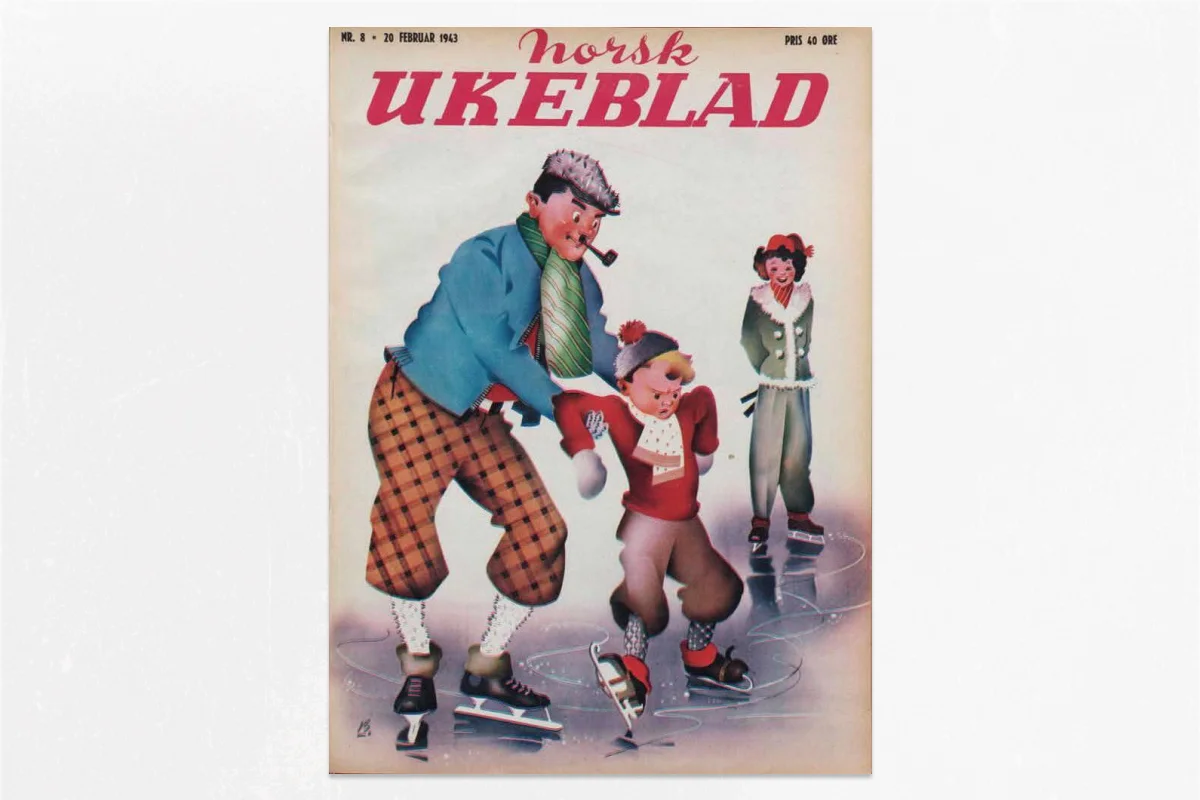
На нем был изображен нетвердо стоящий на коньках мальчик, которого поддерживает под руки взрослый мужчина с усами Адольфа Гитлера. В рисунке рассмотрели карикатуру на попытку фюрера удержать на плаву правительство Квислинга. Автор изображения — известный норвежский иллюстратор Гуннар Братли — был отправлен сначала в тюрьму, а потом в концлагерь.
На другой популярной карикатуре того времени, за авторством Анны Евы Бергман, мальчик в традиционной красной вязаной шапочке с помпоном мочится на эмблему партии Квислинга «Национальное единение».
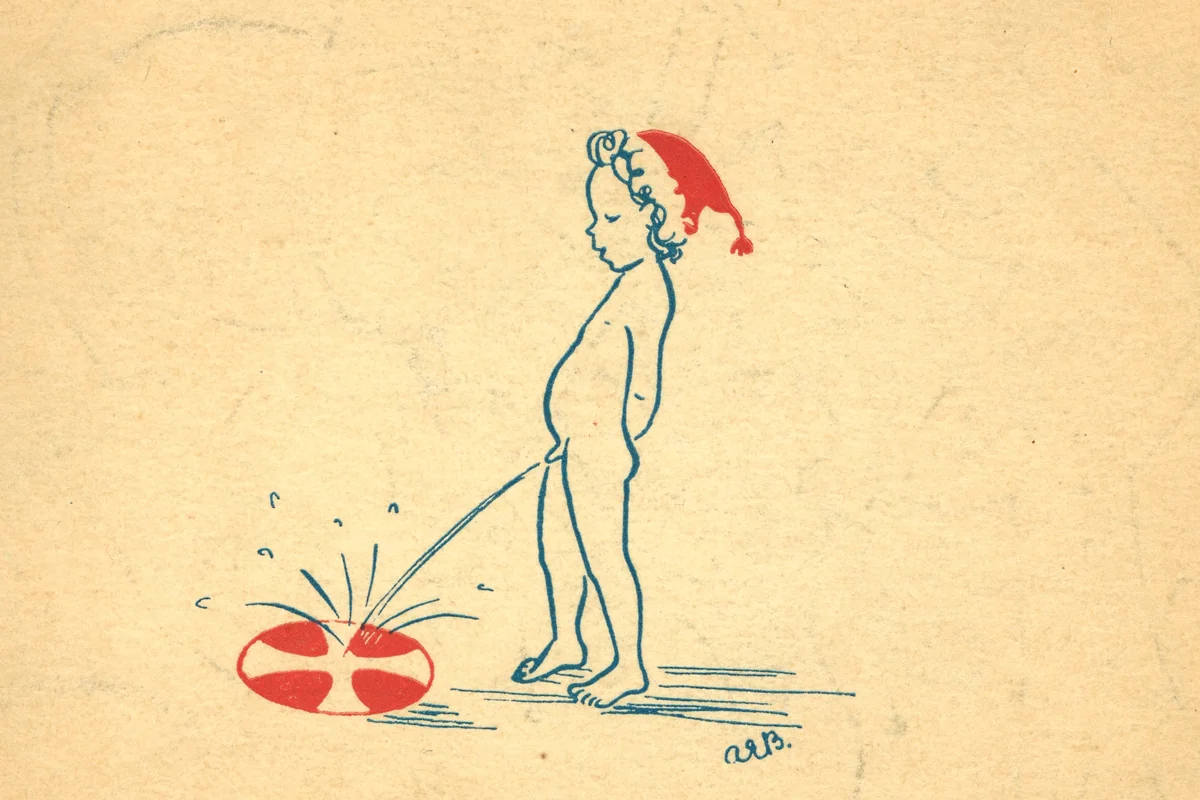
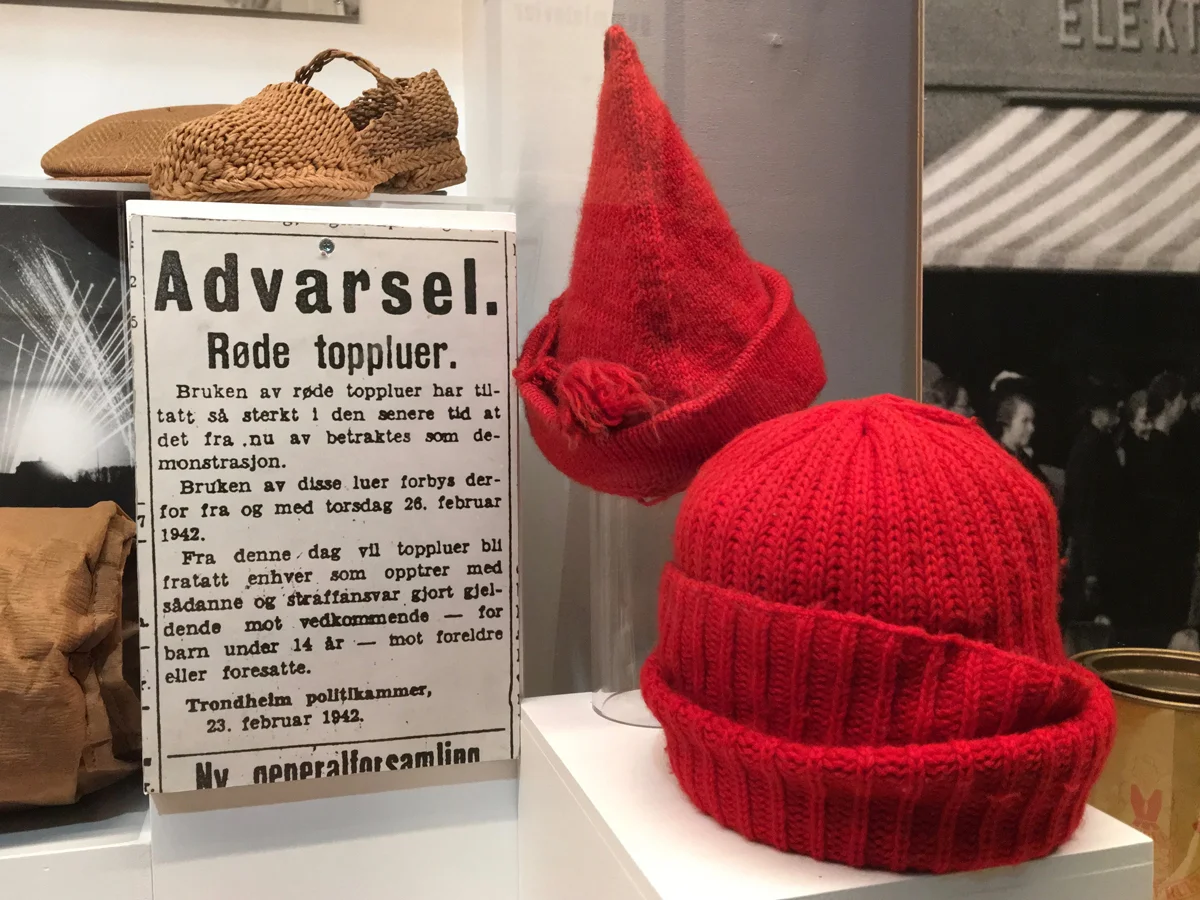
Кстати, о шапочках. Наряду со скрепкой они стали отличительным внешним признаком тех, кто выражал свой протест против оккупации. Бывало, если норвежца задерживали в такой шапке, то сам головной убор конфисковывали, а его владельца штрафовали. Некоторых даже арестовывали на месяц.
Вот, например, объявление, которое опубликовало в газете отделение полиции Тронхейма в феврале 1942 года: «Ношение красных шапок в последнее время приобрело такие масштабы, что теперь оно будет рассматриваться как демонстрация. Те, кто носит такие шляпы, будут наказаны, а в тех случаях, когда в подобных головных уборах будут задержаны дети младше 14 лет, к ответственности привлекут их опекунов».
На день рождения короля норвежцы цепляли к лацканам пиджаков цветы вереска — национального символа страны. В некоторых случаях это могли быть веточки душистого горошка. Почему горошка? Просто в норвежском языке слово «erter» («горох») созвучно с «erte» («дразнить»). То есть таким образом подданные Хокона VII дразнили немецких оккупантов и их приспешников. А заодно и сигнализировали друг другу о принадлежности к фронде.
Впрочем, массовый протест выражался не только во внешнем виде. 9 апреля 1941 года, в ознаменование первой годовщины немецкого вторжения, норвежцы провели общенациональную акцию: в полдень на полчаса страна буквально замерла: встал транспорт, замолкли телефоны, опустели магазины и рестораны. На улицах не было ни одной живой души. Кроме, разумеется, немецких патрулей. В этот день норвежцы соблюдали траур — вызывающе, так, чтобы дошло до каждого оккупанта и коллаборациониста.
Wall
Конечно, войну с нацистской Германией выиграли не те норвежцы, которые сочиняли анекдоты про Гитлера, рисовали карикатуры, носили на лацканах скрепки, отказывались общаться с немцами и слушали британские радиостанции. И даже не те, кого кидали за решетку и отправляли в концлагеря. Но их заслуга как минимум в том, что нацизм в Норвегии так и не прижился, несмотря на титанические усилия немцев и почти десятикратное увеличение количества членов «Национального единения». Фамилия же Видкуна Квислинга и вовсе стала синонимом слов «предатель» и «коллаборационист». После войны этого господина поставили к стенке.