
Translated material
Resistance axis. How Iran managed to build a chain of formations loyal to him in the Middle East over the decades
Says Ruslan Suleimanov
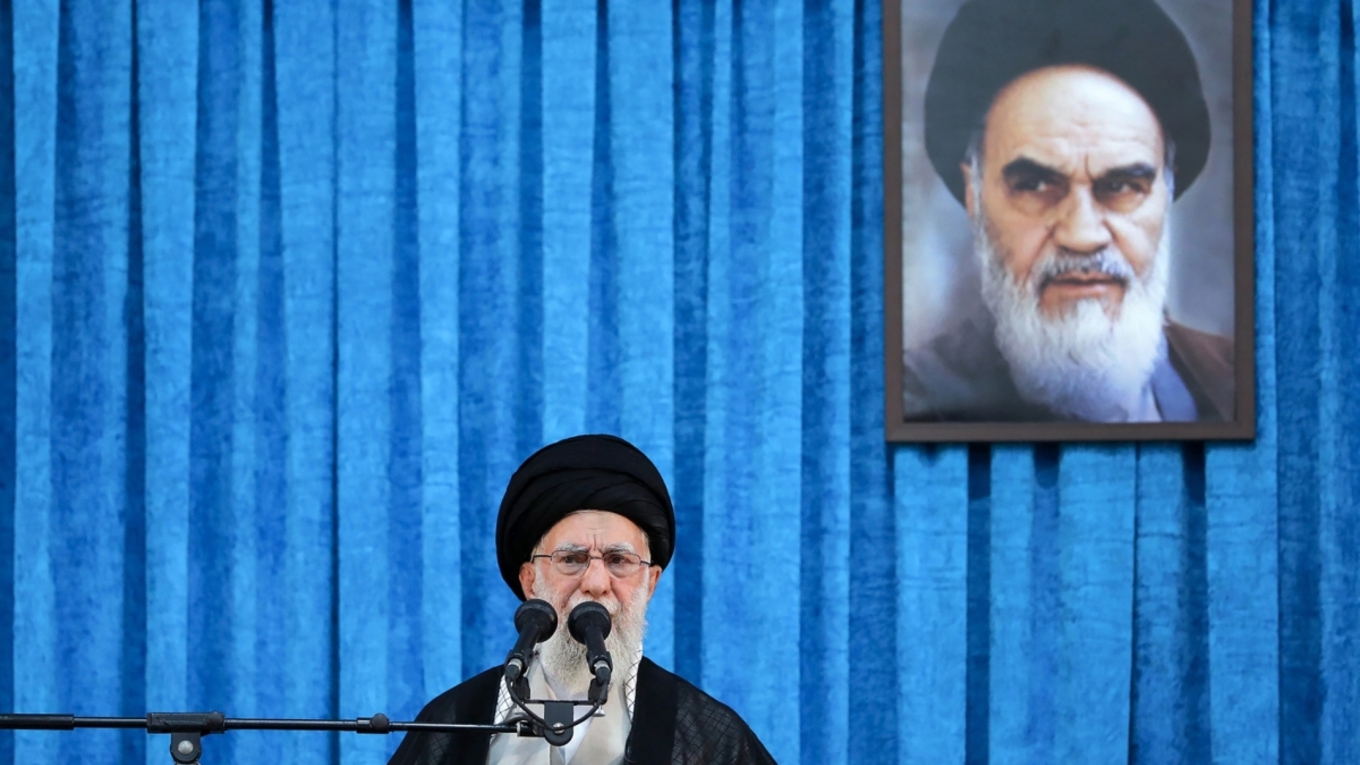
For decades, the authorities of the Islamic Republic of Iran built in the Middle East a whole network of loyal regimes and armed groups - from Iraq to Syria, from Lebanon to Yemen. Together, this makes up the so -called “resistance axis”. Over the past two years, she has been subjected to unprecedented challenges and, for example, did not show herself in the recent 12-day Iranian-Israeli war. Does this mean that the Iranian project turned out to be a failure? In Iran itself, they do not think so.
Perito opens a new set to the book club “After words” - for those who want to better understand how the world we live in.
This time two programs are open at once. The first invites Nigeria, Vietnam, the USA and South Korea - through the books of Chimanda Adchi and Viet Than Nguen. The second is stories from the Karibov, from Burma, India and Japan, which we will read along with Amitav Gosh, Yuko Tsushima and the mysterious third author.
The first group starts on September 15 , the second - September 29 . The number of places is limited. Details and recording - on the site.
Islamic split
When the religion of Islam was only born, among believers there was a split. So in the 7th century the largest minority was formed-Shiites (from the Arabic “Ash-shia”-“party”, “adherents”, “supporters”, “sect”).
The dispute between Shiites and Sunnis is mainly political, not religious. The main question is who should belong to the supreme power in the Ummah (the so-called spiritual and political unity of all Muslims of the world). The Sunni believes that the caliph (from Arabic - “governor”, “successor”) should be the best of the Muslims, whom the Ummah will choose. Shiites are convinced that power should be hereditary and transferred exclusively to the descendants of Ali Ibn Abu Talib (d. 661), a cousin and son -in -law of the Prophet Muhammad.
And 1500 years ago, and today the most critical Sunnis consider Shiites to schismatics and sectarians. Shiites, in turn, are convinced that the Sunnis moved away from the canons of genuine Islam, bequeathed to Muhammad.
Throughout the history of Islam, Shiites were under the rule of the Sunni majority in various states and in the vast territories of the spread of Islam. The exception was the Iranian state of Sephevids, which made a bet on Shiite Islam, proclaimed at the beginning of the 16th century. The first ruler of the Sephevid Empire, Shah Ismail (1487–1524),, among other things, sought to contrast the young state of the Sunni Ottoman Empire, which at that time at that time at the zenith of its power.
It was then, more than 500 years ago, the foundations of the ethnopolitical mosaic of modern Iran were laid, in which to this day the chiite Muslims occupy the dominant position.
But in other territories of the resettlement of the Islamic ummah, Shiites have been under the rule of the Sunnis for centuries. The ability to change this situation appeared only at the end of the XX - beginning of the XXI century.
Revolution for export
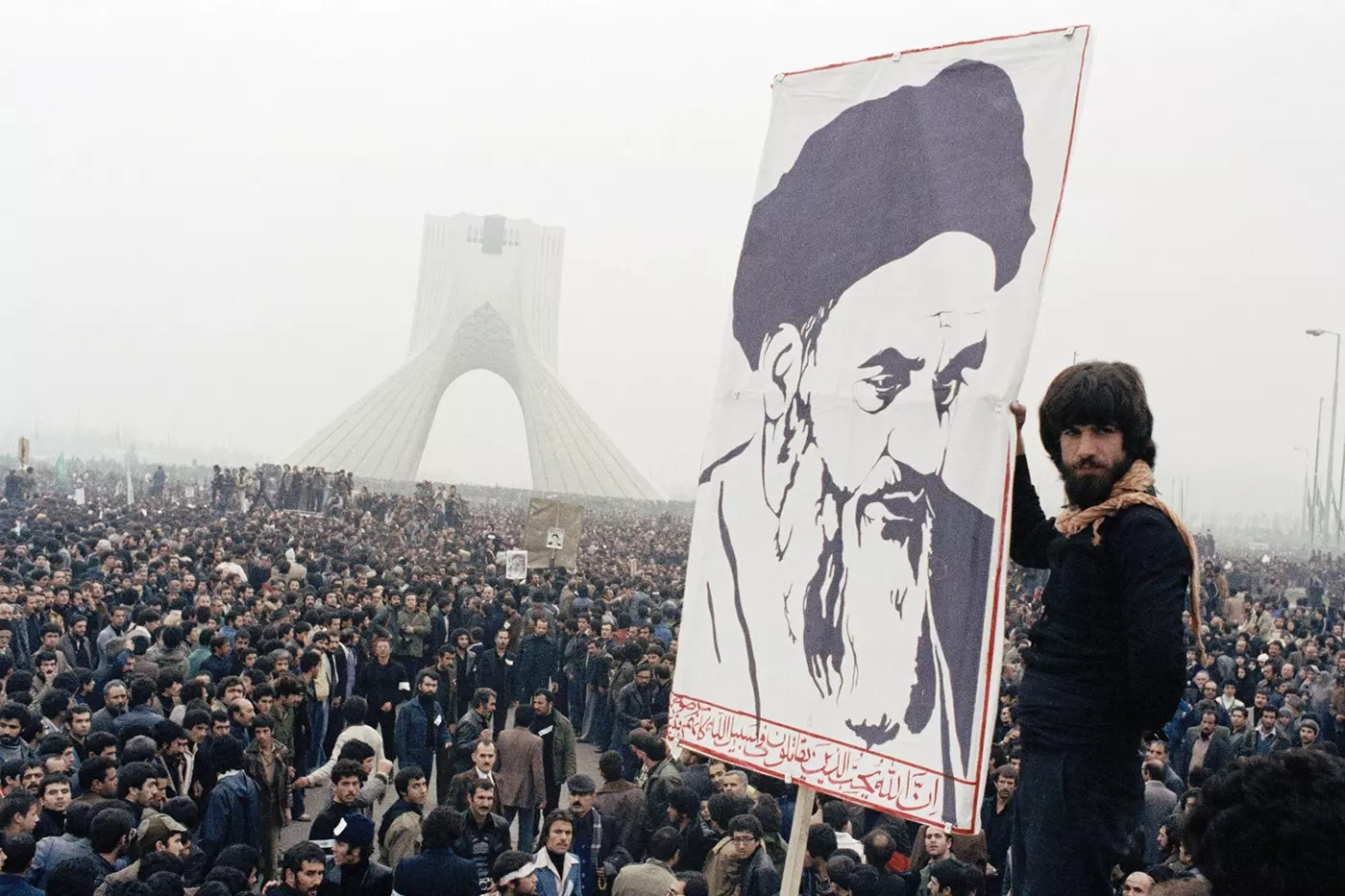
In February 1979, in Iran, one of the largest in the area and population of the Middle East, there was a revolution in which the clergy played an active role, which challenge Shah Mohammed Reza Pekhlevi .
And although the revolution was carried out by a variety of political forces, up to the nationalists and the pro -Moscow communists, religious figures, led by Ayatallla Roholla Khomeini , still played the first violin in it.
In December of the same 1979, a constitutional referendum was held in Iran, at which almost 99.5% of those who came to the polls voted for the text of the new basic law of the country, which was based on the teaching of the leader of the Islamic image of the rule proposed by the environment. According to the teaching, all state authorities, starting from parliament and government, must be subordinated to the religious leader - Fakhau (law), also called Rachbar (from Persian - “leader”). So Iran was officially proclaimed the Theocratic Islamic Republic, based on the principle of ordered by Fakim, or the principle of the rule of the lawyer, which has universal recognition and divine grace.
But by its nature, the Islamic revolution was not limited to the territorial borders of Iran. The new heads of the state headed to disseminate their achievements, or, in other words, to the "export" of the Islamic Revolution. The preamble to the 1979 Constitution says that "the media, radio and television should serve as the spread of Islamic culture in accordance with the evolutionary course of the Islamic Revolution."
The founding fathers of the Islamic Republic believed that after Iran the fire of the Islamic-Shiite revolution could flare up in other countries. First of all, in the neighboring Iraq, where the Shiites made up the majority, but the Sunnis, led by the leader of the Arabic socialist revival party (Baas), were in power at that time, Saddam Hussein. The Iranian threat became one of the reasons for the beginning of the Iran-Iraq war (1980–1988), the longest between states in the 20th century.
In addition, Tehran’s authorities faced serious international pressure, primarily from the Arab Sunni Monarchies of the Persian Gulf, in which a considerable part of the population is Shiites (for example, in Bahrain their number reaches 60–70%), and their allies, primarily the United States. In January 1980, American President Jimmy Carter proclaimed the so -called Carter doctrine , which declared the readiness of the United States to use military force in the event of a threat to bay countries - both from the USSR and Iran.
As a result, Tehran had to abandon the ambitious plans of the expansion of the Islamic revolution, but they did not disappear completely, but were modified and became part of Iran's foreign policy strategy. And have survived to this day.
Party of God (Lebanon)
If in Iraq, with whom in the 1980s there was an exhausting war, Tehran was not easy to deploy activities to promote the principles of the Islamic revolution, then the situation in Lebanon favored this.
The once considered Middle Eastern Switzerland, this country of cedars located on the Mediterranean coast in 1975 plunged in the civil war for 15 years. In view of the complex confessional structure of the state, the war went on the principle of "all against all."
The confrontation unfolded mainly between Christians-Maronites, Muslims-Sunnis and Muslims-shiites. At the last authorities of Tehran, they made a bet. In 1982, a Shiite paramilitary organization Hezbollah (Allah Party) was created in the Iranian model in Lebanon, the main task of which was the armed struggle against Israel, which controlled the south of Lebanon to ensure the security of the Jewish state.
In the ideological sense, Hezbollah, in addition to the fight against foreign interventionists, wanted to create an Islamic government in Lebanon with a focus on the spiritual leader in Tehran. However, in view of the complex confessional composition of the republic, where there are more than a dozen groups alone, and Shiites are not represented in the majority, this idea was initially not feasible, and over time it had to be abandoned.
The confrontation with Israel, which was presented as a struggle against foreign occupation, and as solidarity with the Palestinian people, continued. And every military success of the Hezbollah in this confrontation between Iran’s power was presented as their own. “The recent Triumph of Lebanese Resistance is only the first phase of the fight against the enemy, and Hezbollah should go this way to complete victory,” said the Supreme Head of Iran Ayatollah Ali Khamenei after Israel had withdrawn troops from Southern Lebban.
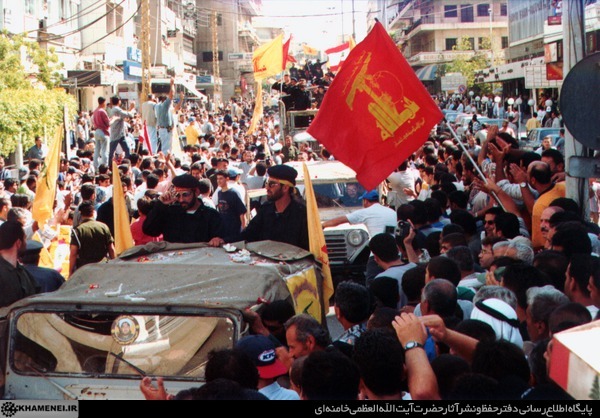
The results of the 34-day collision of Israel and Hezbollah in 2006, which in fact did not lead to the success of any of the parties, was called the “victory in the unequal war” and “the shame of the Israeli regime in the eyes of the world community” in Tehran. In honor of the ceasefire in Lebanon, the Tehran City Hall even made free travel for city public transport for a day.
Subsequently, the Islamic Republic continued to pump Hezbollah with money and weapons, making it an advanced front of resistance to Israel. At the same time, given the scale of losses in the 2006 war, in which about a thousand Lebanese died , and almost a million became internally moved by people, Tehran tried to use Hezbollah later as the most valuable asset primarily to restrain Israel, and not to attack it.
In fact, at the end of the war with Iraq in 1988, the entire Iranian security strategy began to be built on the most to push the armed conflicts with potential opponents from its own borders. A special role in this was assigned to the satellites of the Islamic Republic in the Middle East, starting with Hezbollah and ending with Syria.
Golden link (Syria)
The Syrian Arab Republic (SAR), in which, as a result of the military coup in 1970, the representative of the Shiite Alavite minority and the local branch of the BAAS party Hafez Assad came to power, was not interesting to Tehran (most Syrians - Sunnis), but rather an important territory for the transfer of the Hezbollah weapons and the resource base. But not only.
In the conditions of competition between the Iraqi and Syrian branches of the Baasists in 1979, relations between the new authorities in Iran and Assad immediately developed quite well. Syria became one of Tehran’s key military partners, which, by the way, instantly fell under American sanctions as a state-a sponsor of terrorism. This, in particular, involved restrictions on foreign assistance, a ban on export and sale of military products. Many anti -Syrian restrictions that Donald Trump recently abolished were introduced in that period.
Even during the years of Iraq-Iraq war, Syria actively supported Iran, being the only Arabic country then solidarized with Tehran, and not with Baghdad.
For many years, Syria has remained important to Iran primarily due to its geographical position and resources. But with the beginning in 2011 in the Syrian Republic of the Civil War, into which external forces were involved in another, Syria turned into an ideological confrontation.
At the same time, first in the press, and then in the rhetoric of the Iranian officials, the terms increasingly began to appear for a whole network of pro -time forces and territories in the Middle East. One of these terms is the Shiite crescent (also “Shiite belt”), first used in 2004 by the king of Jordan Abdullah II in relation to Lebanon, Syria, Bahrain, Iraq, Azerbaijan, Yemen, Pakistan and other countries where the Shiite minority plays an active role.
Later, in relation to Iran, the press “resistance axis” , implying specific armed formations and regimes acting in the interests of Tehran, began to be applied in the press. In 2012, senior adviser to the Supreme Leader of Iran Ali Akbar Velayati, commenting on the term, emphasized that "the whole chain of resistance to Israel <...> is taking place along the Syrian highway, and Syria itself is a golden link in this whole chain."
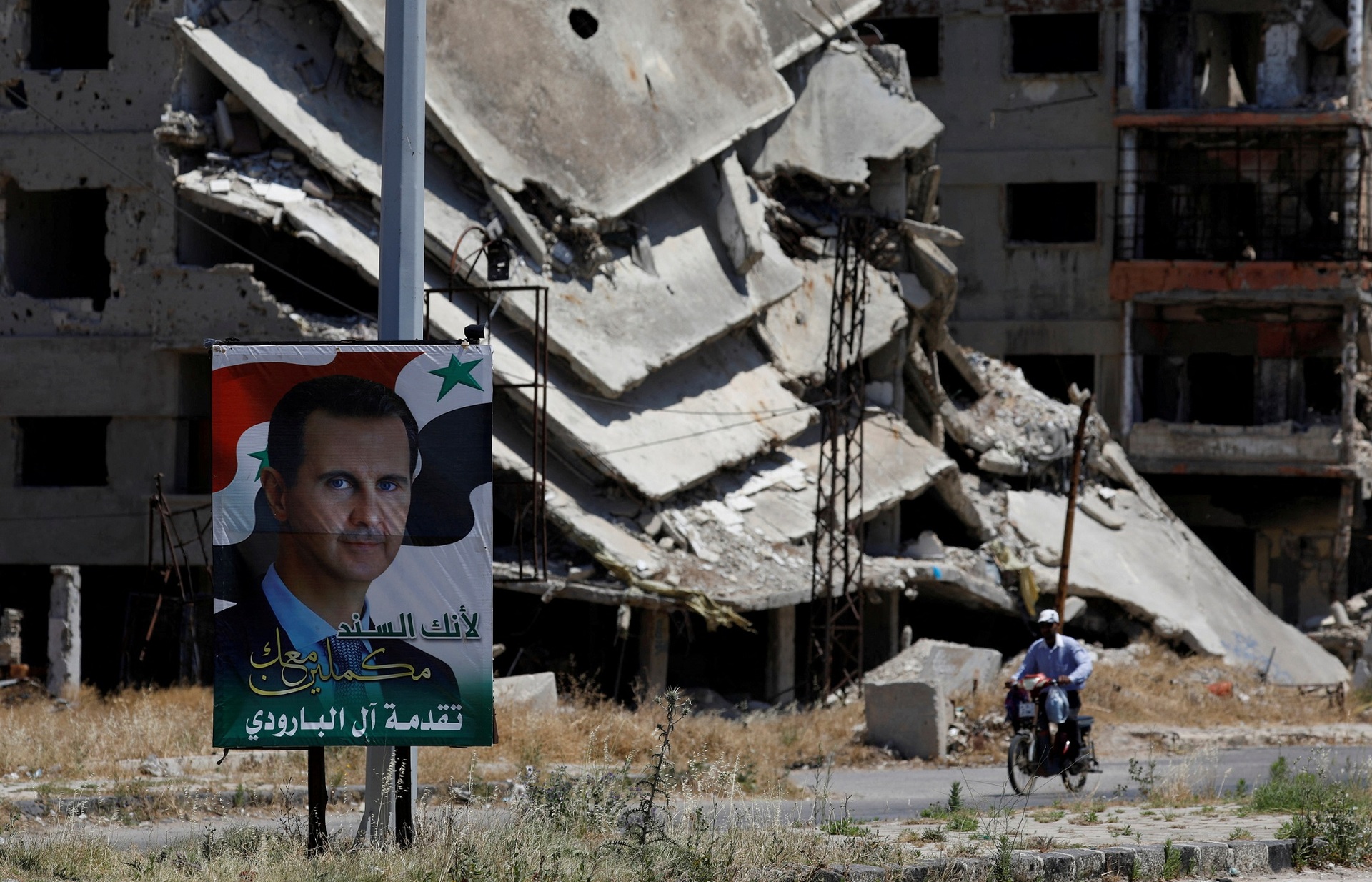
To preserve the Assad regime, Tehran began to actively send members of the Islamic Revolution Corps (KSIR) to Syria and attract Hezbollah detachments to hostilities with rebels - Sunnis and local terrorist groups.
For Russia, which came to the rescue of Assad in 2015, it was just important to preserve the Loyal regime in power and the creation of a state structure in which all denominations and ethnic groups will be equal. But for Iran it was fundamentally preserved in power to the Alawit regime with its dominant role in the structure of public administration over the Sunni majority.
Iranian emissaries began to actively spread their version of Islam in Syria, sometimes turning to Shiism for various economic benefits whole Sunni villages. In addition, Iran also carried out cultural expansion. So, by 2024, for admission to a number of Syrian universities, one of the conditions was the possession of the Persian language.
Gift from the USA (Iraq)
For many years, the authorities of the Islamic Republic longed to extend their influence to neighboring Iraq, in which the Shiites make up the majority and in which the main Shiite shrines are located, starting from the grave of Imam Ali .
Therefore, the American invasion of Iraq and the overthrow of the regime of Saddam Hussein in 2003 became a real gift of Tehran. Overnight, the political figures and the military related to the Baas party, being Sunnis, fled from the country or left underground and organized numerous rebel groups. Some of them will subsequently become the basis for the infamous Islamic State (IG, a terrorist organization banned in the Russian Federation).
The Americans in Iraq also relied on Shiites, attracting them to government. This made it possible for Tehran to slowly but surely turn Iraq into a real bridgehead to promote its influence in the region. So, for many years, Iran managed to manipulate the daily dollar auctions of the Iraqi Central Bank under numerous sanctions to secure a solid currency to pay for imports and bypassing prohibitions. Only in 2023, when Washington has blacklisted a number of Iraqi banks, this practice was significantly slow.
Politically, Iran began to enjoy popularity among many Iraqi thanks to the strict criticism of American invasion and the supply of primary goods to the country. In 2006, Ayatollah Ali Khamenei said that Tehran "took the obligation to help the Iraqi government and the people of this country."
As they strengthen the Sunni extremist groups in Iraq, primarily the IG, the Shiite religious leaders both in Iraq and in Iran began to call for the creation of Shiite armed groups. In 2014, when the Igilovites already controlled part of the Iraqi territory, the Shiite “forces of folk mobilization” (Al-Khashd Ash Shabi, or simply Shiite police) were created in the republic. The detachments were formed with the direct participation of Iran.
By 2017, Al-Khashd Ashhabi made a significant contribution to the defeat of IG on Iraqi territory. On the other hand, thanks to the militias, Iran received an additional opportunity to control the majority of Iraq’s policy and economy.
However, after the murder in 2020, in the suburbs of Baghdad, Iranian General Kasem Suleimani, who headed the al-Kuds special forces in the Xirir, the coordination of Shiite detachments in Iraq directly from Tehran became so active.
The new chapter Al-Kuds, Ismail Kaani, as they say in Iraq, lacks the dexterity of his predecessor in managing conflicting formations with each other. Some of them were closed on internal problems and de facto has already ceased to be part of the “resistance axis”.
In recent years, with each new exacerbation between the United States and Iran, individual Shiite militia in the interests of Tehran attacked American military facilities in the region. As a result of one of these attacks in January 2024, three American troops were killed .
But during the 12-day war of Iran with Israel and the United States in June of this year, the Shiite police in Iraq did not show itself, which cannot but testify to both its weakening and a decrease in Tehran’s influence.
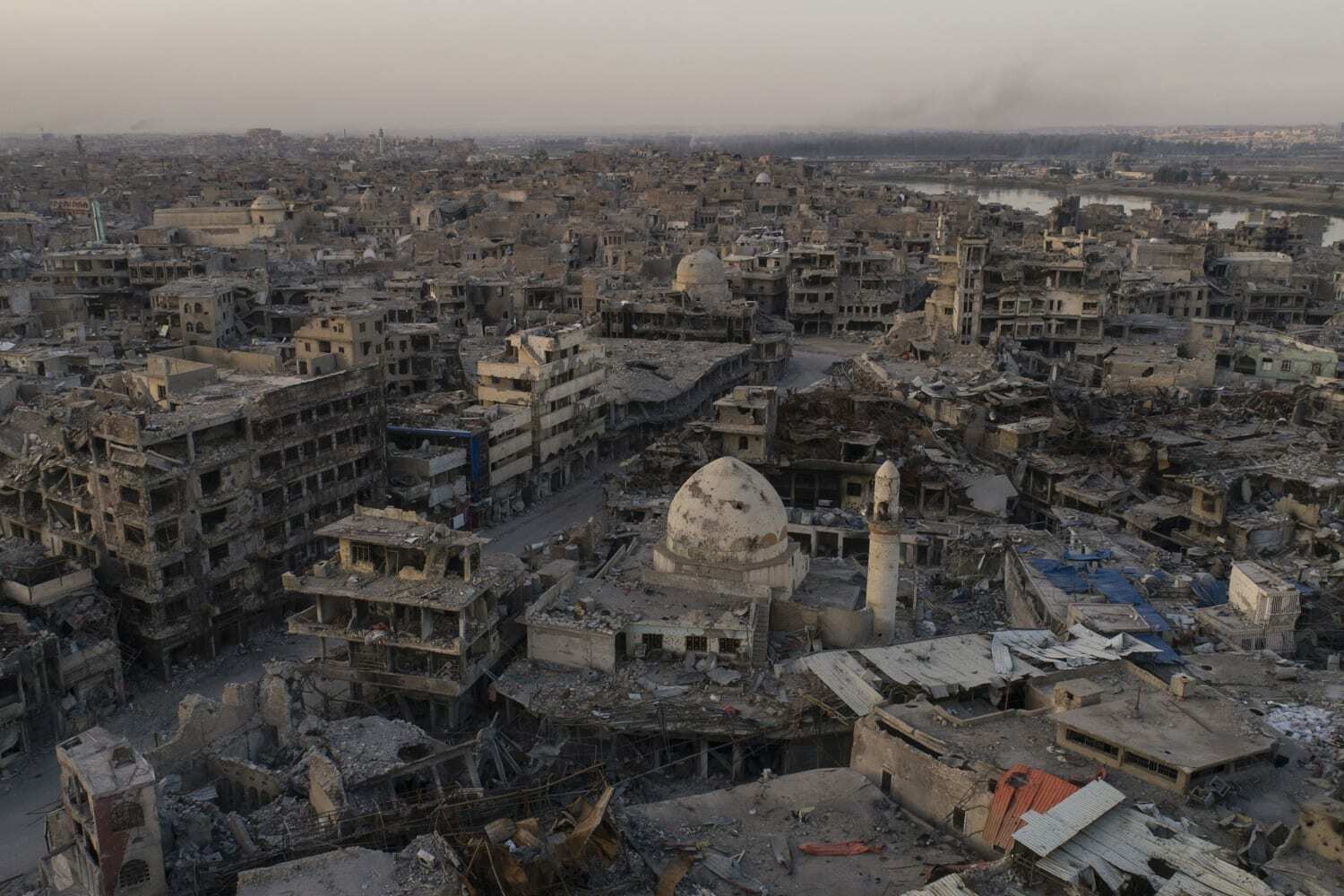
Partisans of Allah (Yemen)
The most distant link in the Iranian “Axis of Resistance” is the Yemenic rebel movement “Ansar Allah” (from the Arabic-“partisans of Allah”), better known as the Husites, by the name of his founding Founder Hussein al-Husi.
The movement originated in the early 1990s in the north of Yemen among adherents of a specific direction in Islam-Zeydism. For the convenience of zaydites, they are often ranked to Shiites, but this is not entirely true. The ideology of zayditis is a mixture of Sunni and Shiite interpretations of Islam. And the contradictions between Shiites and Zeydites are no less than between zaydites and Sunnis.
We recommend that the bookmarks “Manage Yemen are like a dance on the heads of snakes”: Report of Ruslan Suleimanov reports Yemen Publication Date 10.25.2024Thus, the Zeydites do not recognize the Shiite concept about 12 imams, according to which the last of the previously living imams, named Mahdi, hidden from people and on Judgment day will appear in the guise of the Messiah. Nevertheless, Hussein al-Khushi, who conceived his movement exclusively as a religious, in all sermons gave praise to the leader of the Islamic Revolution in Iran Ayatollah Khomeini. “This is a person with the correct understanding and vision that allowed him to predict many future events thanks to his thoughts about the present and the study of the past,” Al-Husi said about him.
At the same time, there were no direct contacts between the Hussites and Tehran. Интерес к «Ансар Аллах» в Тегеране проявили, когда движение стало превращаться из чисто религиозного в повстанческое с политическими лозунгами вроде «Смерть Америке! Смерть Израилю!», то есть аналогичными тем, что произносят в Иране после революции 1979 года.
В 2004 году центральные власти Йемена объявили настоящую войну последователям аль-Хуси, критиковавшим местное правительство за проамериканскую политику, в частности за поддержку интервенции США в Ирак. В результате операции правительственных сил аль-Хуси был убит, но его движение никуда не исчезло, лишь укрепилось, а его представители заполучили ореол мучеников и борцов за правду.
Когда в 2011 году до Йемена дошел пожар «арабской весны», хуситы вышли на политическую авансцену и стали захватывать территории на севере страны. В результате в сентябре 2014 года им удалось установить контроль над столицей страны Саной.
Обеспокоенная успехами повстанцев соседняя Саудовская Аравия в марте 2015 года начала против «Ансар Аллах» военную операцию «Буря решимости», которая обернулась позором для Эр-Рияда, не сумевшего за прошедшие десять лет ничего сделать с хуситами. Примерно тогда же все чаще стали поступать сообщения о тесном военном сотрудничестве йеменских повстанцев с Ираном — главным геополитическим противником Саудовской Аравии на тот момент.
В какой степени Тегеран оказывает помощь хуситам — вопрос по-прежнему дискуссионный, учитывая тот факт, что с 2015 года повстанцы находятся в полной, в том числе морской, блокаде. Так или иначе, «Ансар Аллах» и власти Ирана, безусловно, союзники. Исламская Республика остается единственной страной в мире, которая назначила своего посла в контролируемую хуситами Сану, и единственным государством, принявшим у себя посла сформированного хуситами правительства.
Примечательно, что действующий лидер повстанцев Абдель Малик аль-Хуси, в отличие от старшего брата — основателя движения, в своих проповедях практически не упоминает Иран. Но противники хуситов считают, что это не более чем прикрытие.
Свои среди чужих (сектор Газа)
Палестинский вопрос для руководителей Исламской Республики остается чрезвычайно важной темой с момента его появления. Многие лидеры и участники свержения шаха в 1979 году проходили подготовку в лагерях Организации освобождения Палестины (ООП). Неслучайно в помещении бывшего израильского посольства в Тегеране было торжественно открыто представительство ООП.
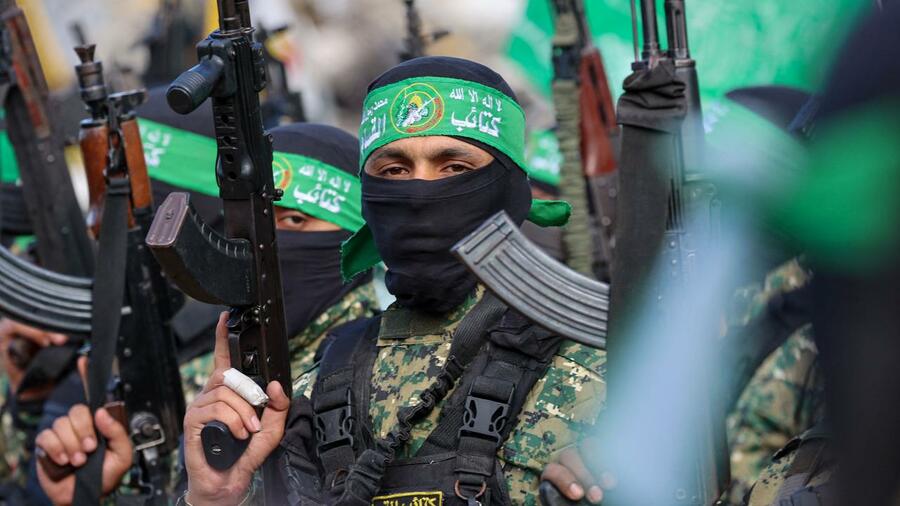
Исламское движение сопротивления (ХАМАС) изначально действовало как ячейка египетской суннитской исламистской ассоциации «Братья-мусульмане» в секторе Газа. По мере того как в конце 1980-х годов ООП стала отходить от террористических методов и пошла на сближение с Израилем, ХАМАС все больше заявлял о себе как о воинственной организации, не приемлющей сам факт существования еврейского государства.
Это не могло не привлекать Иран, который был маргинализирован международным сообществом как сторона, не способствующая разрешению палестино-израильского конфликта. К слову, в 1991 году Исламскую Республику не пригласили на Мадридскую мирную конференцию по урегулированию ближневосточного конфликта.
Будучи суннитским движением, ХАМАС явно не вписывался в «шиитский пояс» Тегерана, но это не смущало иранские власти, которые постепенно стали накачивать палестинских радикалов деньгами и оружием. Среди прочего именно иранские специалисты помогали хамасовцам, которые в 2007 году установили единоличный контроль над сектором Газа, выстроить многокилометровую сеть подземных тоннелей.
Надеясь на то, что ХАМАС будет выступать на острие иранской «Оси сопротивления» и фактически под боком у Израиля, Тегеран был готов закрывать глаза и на преследования шиитов в Газе, и на выступление хамасовцев против Асада в Сирии на стороне суннитской оппозиции в 2011 году.
Кроме того, позиционируя себя в центре палестинского дела, Иран надеялся претендовать на моральное превосходство среди других стран мусульманского мира.
По сведениям Госдепартамента США, до начала эскалации конфликта вокруг Газы в 2023 году иранское руководство направляло ХАМАС порядка 100 миллионов долларов в год.
Конец «Оси»?
Когда лидер ХАМАС в секторе Газа Яхья Синвар задумывал террористическую вылазку в Израиле 7 октября 2023 года, он, очевидно, надеялся на активизацию всей иранской «Оси сопротивления», которая придет на помощь палестинским собратьям.
Но никакой солидарности вокруг ХАМАС не случилось. Хотя к тому моменту «Ось» находилась в зените своего могущества: режим Асада выстоял в изнурительной войне, хуситы заставили Саудовскую Аравию пойти на перемирие и, как следствие, восстановление отношений с Ираном. На поверку каждое из звеньев цепи оказалось само за себя и давало понять, что война в Газе в первую очередь бремя самих палестинцев.
Так, лидер «Хезболлы» Хасан Насралла, отдавший 8 октября приказ нанести ракетные удары по израильской территории, постоянно подчеркивал , что операция хамасовцев «Тайфун Аль-Аксы» была «на 100% задумана палестинцами и на 100% реализована палестинцами» и поэтому не шел на полномасштабную войну с Израилем.
Такую же осторожную позицию занимали и в Тегеране. «То, что вы сделали, — это гордость, слава и сила, и Бог — ваша поддержка», — обращался к ХАМАС тогдашний президент Исламской Республики Эбрахим Раиси. При этом Иран не стал напрямую вмешиваться в конфликт с Израилем, давая понять , что лидеры хамасовцев в Газе изначально даже не посвятили иранское руководство в свои планы.
Единственные, кто наиболее ярко проявил себя в стремлении помочь палестинцам, — это хуситы, которые с осени 2023 года стали запускать ракеты в направлении Израиля и нападать на торговые суда в Красном море, блокировав примерно 12–15% международного судоходства. Лидер «Ансар Аллах» Хусейн аль-Хуси назвал солидарность с палестинцами и их поддержку «религиозным и нравственным долгом». Но географическая отдаленность йеменских повстанцев не позволяет им полноценно участвовать в конфликте с Израилем.
Так ХАМАС остался фактически один на один с еврейским государством. Более того, лидеры палестинских радикалов за пределами Газы не всегда разделяли идеи своих собратьев. Один из членов политбюро ХАМАС, Халед Машаль, заявлял , что узнал об агрессии 7 октября 2023 года «только из телевизора», а ныне покойный Исмаил Хания уже в ноябре того же года выражал готовность урегулировать конфликт с Израилем «на основе двух государств».
Кроме того, хамасовцы выражали откровенное раздражение в связи с попытками иранских чиновников вписать боевые действия в Газе в свои идеологические установки. Так, в декабре 2023 года в ХАМАС раскритиковали заявление КСИР о том, что операция против Израиля якобы была актом мести за убийство Касема Сулеймани , иранского военного командующего, погибшего в результате удара американского беспилотника в Багдаде в 2020 году.
Так или иначе, буквально за год вся иранская «Ось» была существенно ослаблена Израилем. ХАМАС лишился всего руководящего состава в Газе и теперь борется за выживание. «Хезболла» также была обезглавлена и находится под жестким надзором ливанских властей, даже не помышляя идти на новый конфликт с еврейским государством.
Огромным потрясением для Ирана и его союзников стало падение режима Асада в Сирии в конце 2024 года в результате стремительного наступления повстанцев-суннитов из запрещенной в РФ группировки «Хайят Тахрир аш-Шам» (ХТШ) и ее союзников — злейших врагов Тегерана. К тому моменту ни «Хезболла», ни власти Тегерана уже не могли позволить себе прийти на помощь властям Дамаска.
Сам Иран в ходе июньской 12-дневной войны подвергся самому масштабному удару со стороны Израиля и США, потеряв десятки высокопоставленных военных и физиков-ядерщиков. Ни одно из звеньев «Оси сопротивления» не вступило в боевые действия с Израилем, чтобы защитить своих покровителей в Тегеране. Ни «Хезболла», ни шиитская милиция в Ираке, ни хуситы, ни тем более ХАМАС сейчас не могут позволить себе пойти на новое, еще большее обострение с еврейским государством.
Концепция иранской «Оси» подразумевалась как своего рода «шиитское НАТО» , то есть работала по принципу «нападение на одного — нападение на всех». Однако ирано-израильская война показала, что эта концепция уже не работает. С другой стороны, в Тегеране считают , что наличие «Оси сопротивления» позволило иранским властям избежать в последние годы прямого столкновения со своими врагами, лучше подготовиться к войне и, что самое главное, выстоять.
Что будет с иранской «Осью» теперь и какова ее роль в дальнейшем — открытый вопрос, ответ на который, очевидно, не нашли пока даже в Тегеране.
Literature:
- Алиев С. М. История Ирана. XX век. ИВ РАН, 2004.
- Большаков О. Г. История Халифата. В 4 томах. Восточная литература, 1989–2010.
- Степанова Н. В. История Ирака. XX век. ИВ РАН, 2016.
- Фильштинский И. М. История арабов и халифата (750–1517). АСТ, 2006.