
Translated material
Managed competition
Elections-2025 sank before the participation of parliamentary parties

Photo: Kirill Kukhmar / TASS
Political scientist Alexander Kynev summed up the preliminary results of a single voting day for Novaya Gazeta, which will be held on September 14. The specific winners have not yet been named, but the result of the electoral process is already clear.
Nomination and registration of candidates and parties
The results of the nomination and registration of candidates and party lists in regional and local elections, appointed on 09/14/2025, emphasize the current trend: a further reduction in political competition and a decrease in the number of actual players (election participants).
In the election of representative authorities, all basic competition occurs between parliamentary parties, in rare cases supplemented by other parties, which have local benefits when registering candidates. Parties that did not have such benefits almost stopped nomination of their candidates, since the chances of being registered by the signatures of voters became extremely low.
In fact, we can say that registration on signatures has become almost impossible (that is, possible only for real administrative candidates).
In the election of governors, only in isolated cases there were attempts to participate in the elections of candidates who were not agreed with the administrations (the Republic of Komi, Kamchatka Territory, the Irkutsk Region), of which this candidate (former governor Sergei Levchenko) was registered. As we might assume, Levchenko was registered only at the expense of federal ties and federal support. In most regions, only 4–5 pre -agreed candidates were originally nominated, they also went through all the barriers. In most regions, candidates who were not agreed with the administrations did not even try to nominate.
It can be stated that there are not many regions left where parties branches are able to pursue an electoral policy independent of local administrations.
They have to coordinate not only the lists of candidates and the distribution of electoral districts, but also the course of their election campaign.
Real inconsistent competition is mainly “focal” in nature. It applies to regions with the most complicated elites and strong protest moods, and is more likely to be shifted to the elections of representative authorities. Most often, competition is “partially consistent” in nature, when political parties, wanting to avoid sanctions and repression, partially go towards regional authorities regarding the nomination of candidates and conducting agitation. However, despite their constructive behavior, they still remain alien to the administrations: at the first opportunity, power limits their political and organizational capabilities. These restrictions on the activities of even loyal opposition are more likely “preventive” in case of uncontrolled surge of voters' protest voting in favor of any of the opposition representatives.
The greatest severity of the election campaigns are given by intra -elite conflicts, which are aggravated in anticipation of elections in those regions where sufficient fragmentation is still preserved. The peculiarity of these conflicts is that elite groups - unlike civilian activists and democratic politicians - have sufficient financial resources in order, for example, to provide their candidates with collecting voter signatures. In addition, they have political and administrative influence and communications in order to warn the election commission against making obviously controversial decisions. However, “security forces” are able to play an important role in such conflicts.
Elections of governors
In the governor’s elections in 20 regions, 134 candidates were nominated (6.7 per region on average), of which 95 (4.75 per region) were registered. At the same time, in 10 regions (half) all the nominated candidates were registered. The level of wems between the extended and registered in this case is only 29%, and its main part is three regions (Komi, as well as the Kamchatka and Perm Territories).
This picture is typical for the governor’s elections in recent years: the number of 4-5 candidates in the ballot is traditional. After 2018, the manageability of the governor’s elections increased significantly and the actually competitive campaign for 2019–2025 was only in one region (Khakassia).
Four cases have not been noted for the elections of candidates of parliamentary parties: two from the Communist Party and “Just Russia”. The Communist Party is Oleg Mikhailov in Komi and Larisa Mukhin in the Leningrad region. “Fair Russia” is Vyacheslav Archnikov in the Perm Territory and Vladimir Dudin in the Jewish AO. At the same time, Dudin did not submit documents for registration at all. The refusal of the registration of Mikhailov and Mukhina looks symbolic: at the same time in these regions, candidates of the Communists of Russia party were registered easily, with the obvious no municipal deputies from this party. Architects in the Perm Territory are not a publicly known figure, but his active support for his topic in the campaign could potentially pose a threat to his part of the votes from the current governor from United Russia Dmitry Makhonin.
Previously, a record was the number of refusals to candidates from parliamentary parties in 2019 and 2020 (6 each).
The procedure for overcoming the municipal filter was not much different from previous years: an administrative collection of signatures of the maximum number of deputies, which are then distributed between “necessary” candidates.
The “undesirable” candidate can almost always be blocked by simply presenting “paired” signatures for one of the opponents, with an earlier formally affixed date.
In total, of the 39 candidates who have retired between the nomination and registration, the majority either did not at all submit documents or submitted a knowingly insufficient number of signatures. The only candidate who has submitted a sufficient number of signatures, but received a refusal due to “double” signatures is Oleg Mikhailov in the Komi Republic.
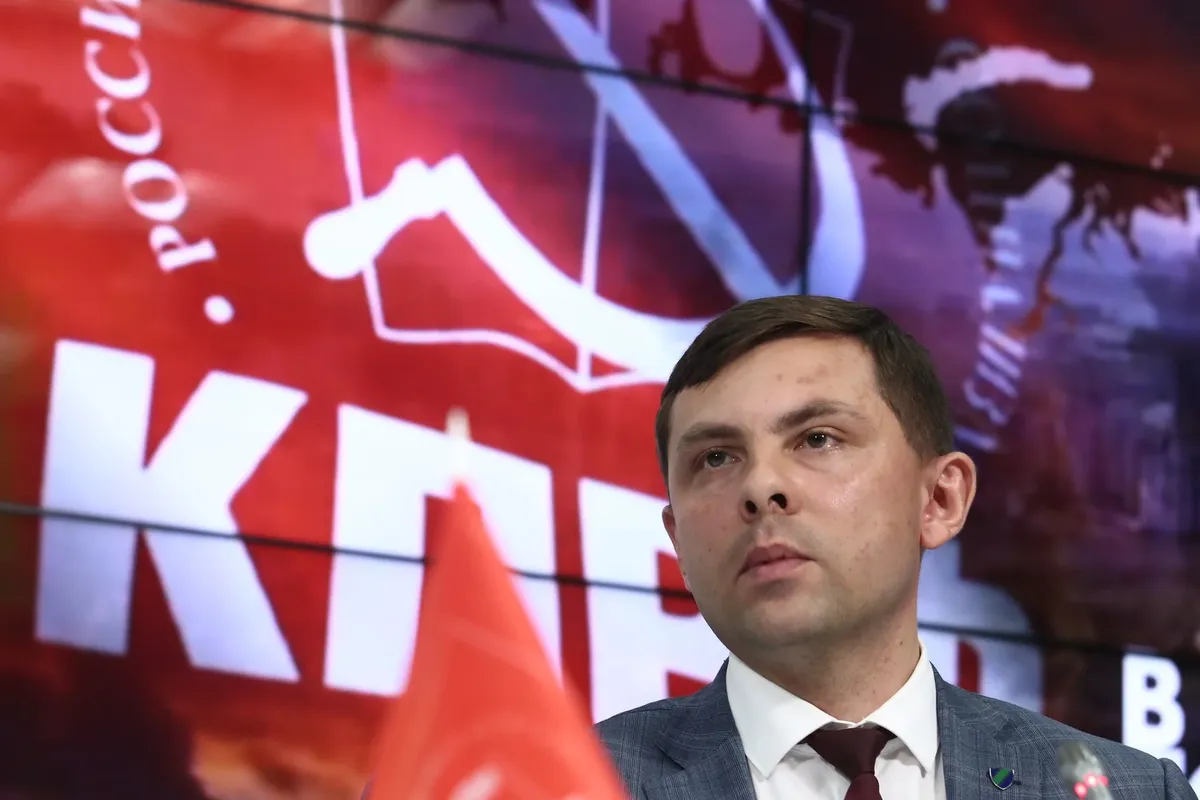
Mikhailov also presented 173 support sheets of the candidate, including 42 sheets of support for the candidate with the signatures of deputies of representative bodies of 15 municipal districts, municipal and urban districts. According to the commission, the candidate support sheets are not stitched, not numbered, not certified by the candidate’s signature; The list of persons is not sewn; There are incorrectly filled lines in the first financial report. Eight signatures of the deputies of representative bodies of municipalities are not credited in connection with the establishment of the fact that the signatures of these persons in support of another candidate previously (including those who have handed over the obviously insufficient number of signatures, which suggests that these candidates were initially nominated to “block” part of the signatures). As a result, the number of reliable signatures was recognized as insufficient for the registration of Mikhailov as a candidate for the post of head of the Komi Republic.
Participation in the elections of Oleg Mikhailov was originally accompanied by a scandal. On June 8, when the nomination of candidates for the election of the head of the Komi Republic began, Mikhailov could not hand over documents because of the artificially created queue: he suddenly had 18 unknown people who allegedly wanted to start the extension procedure to the governors. At the same time, Mikhailov was the first to register for the submission of documents. Only after the scandal, the documents of Mikhailov were adopted in the following days.
In general, the elections of the heads of regions according to the municipal filter system are rare: “random people” practically ceased to be nominated, but only in advance.
It is significant that in 10 regions exactly as many candidates were nominated as it was registered. There are departures from the main scenario in only a few cases: the already noted Republic of Komi (Oleg Mikhailov), the Irkutsk region (former governor Sergei Levchenko was registered, as many believe, as an element of a complex political bargain between federal authorities and the Communist Party) and the Kamchatka Territory (the abolition of the nomination of Alexandra Novikova from “Fair Russia”).
At one time, in 2015, Sergey Levchenko won the election of the Governor of the Irkutsk region due to the factor that a massive campaign against the then acting head of Sergei Eroshchenko, which was organized by a number of representatives of local business, was in parallel to his own campaign in the region. As a result, after the election of Levchenko, a large regional entrepreneur, former secretary of the Irkutsk RO Party United Russia and the former first deputy governor Alexander Bitarov became the head of the regional government. This time there is no such parallel campaign. It was assumed that the problem for the governor Igor Kobzev can be a difficult relationship with energy, but, according to the media, to date, they are publicly settled. Only some force majeure circumstances that provoke the growth of protest voting in the conditions of almost absolute fame Levchenko in the region can be a chance of Levchenko.
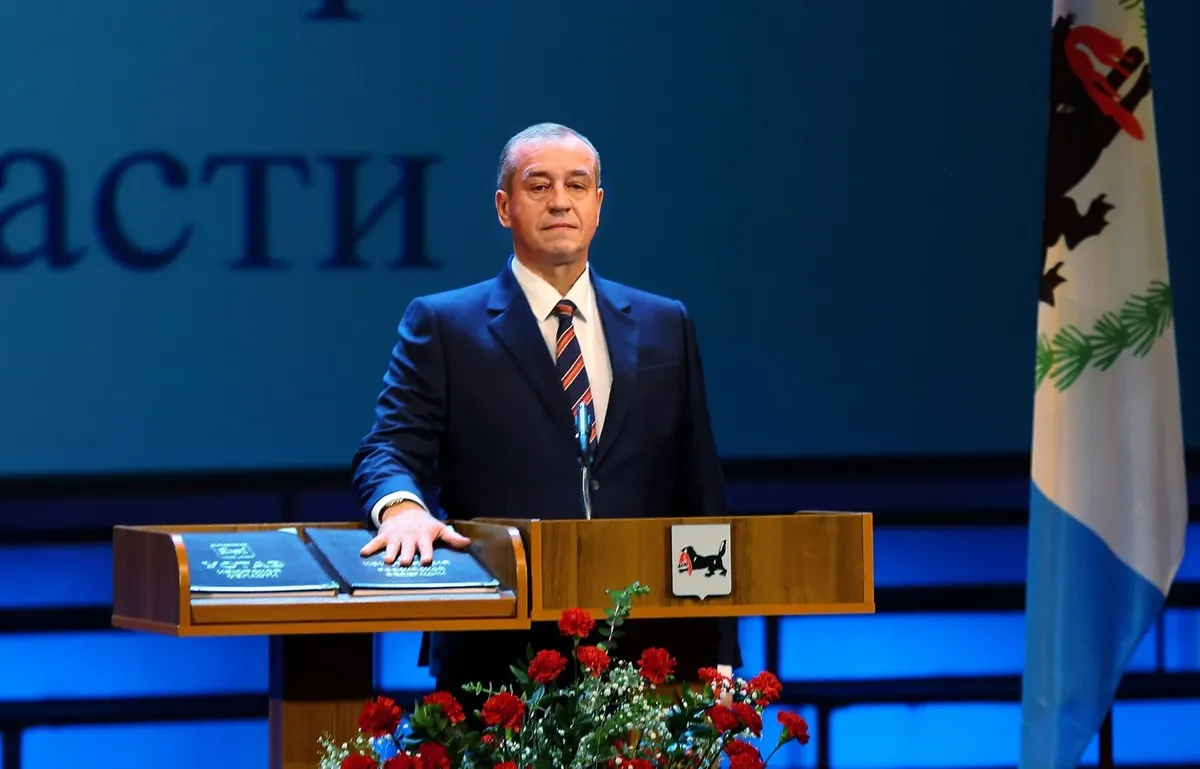
An interesting incident occurred in the Kamchatka Territory: the federal leadership of Fair Russia revoked its consent to the nomination of journalist Alexandra Novikova, elected by the EPRC deputy from the Communist Party. Before that, the deputy of the Legislative Assembly of the Kamchatka Territory Alexander Novikov transferred to the party “Fair Russia-For Truth” in May 2025. This was confirmed in an interview with Vedomosti Party leader Sergei Mironov. The decision to accept Novikova in the party was made at a meeting of the Presidium of the Central Council. Mironov noted her "fundamental position and desire to solve the problems of citizens." In January 2024, Novikov was fined 30 thousand rubles for discrediting the Armed Forces of the Russian Federation and the Governor of the Territory for a repost of the record from the Telegram channel, which, presumably, belongs to Ksenia Sobchak. In the video, a man in Balaklava called himself a fighter from Kamchatka and spoke about the allegedly distressed situation in the regional battalion. Later, the government said that the personality of a man was established, and he is indeed in his zone. The authorities even planned to contact a fighter and clarify the information. After the repost, the journalist drew up a protocol under Part 1 of Art. 20.3.3 Administrative Code of the Russian Federation (public actions aimed at discrediting the use of the Armed Forces of the Russian Federation). Novikova herself said that she was considering the case unfair. “The repost was really made on my resources, but it was not proven that I did it-there are several more administrators. There are no complaints about the first-and-first channel-I contacted them. I am a mobilized wife, I was in the first ten women whose husbands were mobilized. She flew with the government in her zone, ”Novikova told the journalist AiF-Kamchatka.
“The news [on the abolition of approval] overtook me almost on the threshold of the election commission, when a full package of documents was ready. The first reaction was misunderstanding, rejection, resentment.
But the party leaders explained to me that this is the only way to protect me from major troubles, ”Novikova said in her telegram channel, and showed copies of the decisions of the Presidium of the Central Administrative District of 17 (on approval) and June 20 (on the recall of the candidacy).
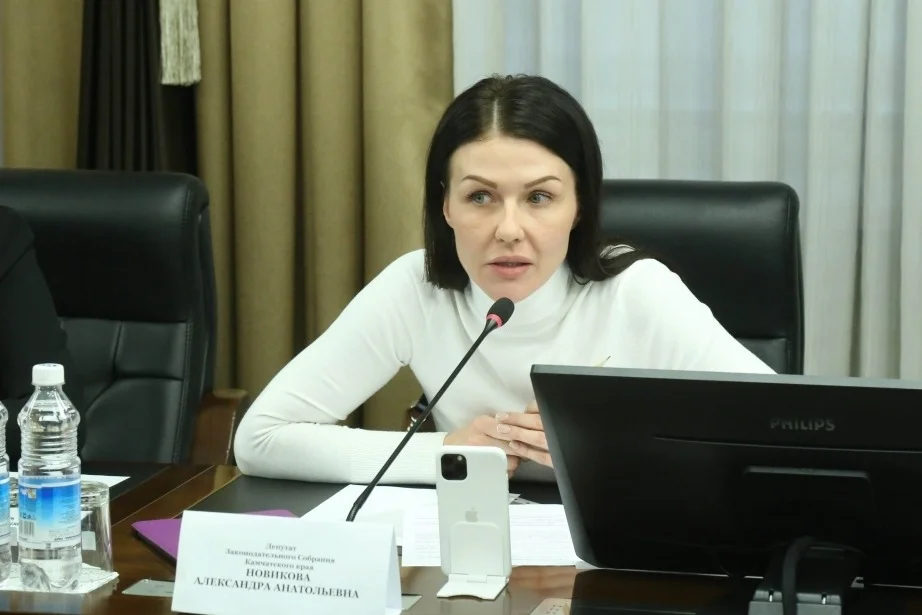
In parallel, the Communist Party refused to nominate a candidate for the election of the head of Chuvashia. This was publicly explained by the “proximity of positions” of the head of the region Oleg Nikolaev (member of “Fair Russia”) and the Communists. In the Kostroma region, the Communist Party of the Communist Party did not put forward to the governors of the historical leader of the organization of the well -known Valery Izhitsky, instead, putting forward the little -known Sergey Shpotin.
In general, in 19 regions out of 20, the current head of the region is nominated from United Russia, and only in Chuvashia the governor Oleg Nikolaev goes for a second term as a self -nominated (he was previously a deputy of the State Duma of the Russian Federation from Fair Russia).
The Communist Party nominated 19 candidates (17 registered), the LDPR - 19 in 18 regions (in the Sverdlovsk region, the candidate had to be nominated twice). "Fair Russia" nominated 17 candidates (15 registered). Gradually begin to actively participate in the elections of the governors "New People" (previously practically did not nominate candidates for governors - they have 7 candidates.
Elections of deputies of legislations on party lists
In 2020, 125 lists (11.4 to the region) were put forward in the elections of the Legislative Assembly in the same 11 regions, 93 (8.45 per region) were registered. These were the best indicators of the 2016–2020 period, close to the 2015 level. This time only 74 lists were put forward (6.72 to the region on average), and 71 (6.45 to the region on average) were registered.
Thus, the party activity over five years has sharply reduced in parallel to the overall reduction in the number of parties (which was discussed in the last report: then there was an attempt to “refresh” the party system, now we are talking about its temporary conservation and eliminating “extra” and spraying votes of parties, for which it is only necessary to follow the strict editorial office of the law and not give the parties to the parties).
A new increase in the level of formal competition in the September 2020 elections, it seems, was caused by a number of factors, among which:
Active participation in the elections on 13.09.2020 of new parties registered in the spring of 2020, and their attempts to achieve “success history” and the right to register a list to the State Duma without collecting signatures (8 lists from the party “For truth”, 6 lists from the New People party, 4 lists from the direct democracy party and 2 lists from the Green Alternative party, total 20 lists of 125 - almost one - almost one - almost one - almost one sixth);
The approach of the elections of the State Duma of 2021 and the desire not only new, but also other retaining the legal status of political parties to remind of their existence, strengthen the regional network and, possibly, receive benefits during registration;
The desire of the federal center in the context of the growth of protest sentiments, if possible, stimulate increased spraying of protest votes.
Now the system has completely different tasks:
To prevent new political activation of citizens (new projects increase unpredictability, can cause an increase in interest in political life). Participation in the elections of new political projects can attract new groups of voters to the elections, which means that the final percentage of the party in the Party in the conditions of a stable number of administrative and conformist -minded electorate;
With a general reduction in the number of votes in the party of parliamentary opposition, to help the current parties of the parliamentary opposition save a place in the political system, to avoid new systemic distortions.
The level of wems between the nomination and registration is formally extremely low - 4% (the screening between the nominated and registered party lists in the elections of the AP deputies in 2020 amounted to 25.7%). However, this is only a consequence of the fact that the parties that need to be collected almost stopped participating in the elections.
In 2020, in these 11 regions, parties tried to register on signatures 71 list. 39 of them were registered (i.e. 45%dropped out). They submitted documents for registration and received a refusal of 13. Another 19 lists either did not submit documents for registration at all, or received a refusal to be assured. Mostly the lists of new parties were registered then - “New People”, “For Truth”, “Green Alternative”.
This time, only six lists were collected signatures (8.5 times less ), two of them left, not having handed over the signatures (“Rodina” in the Kaluga and Kostroma regions), submitted signatures and only three lists were registered on them (a party of pensioners in the Kaluga region, the REP “Green” in the Ryazan and “Communists of Russia” in Belgorod). The fate of the party of social protection in the Kostroma region remains unclear.
A similar picture was a year ago: a minimum wortion (3%), but among parties that do not have benefits, then wagons amounted to 50%. The election in 2012 was 2.4%, in 2013-10.5%, in 2014 sharply increased to 22.03%, reaching the peak in 2015 by 39%(former record, 34%, was set in the December 2, 2007 elections). Then, in 2016, the score amounted to 27.1%, in 2017-21%, in 2018-26%, 2019-30%.
Five parties presented in the State Duma of the Russian Federation (United Russia, the Communist Party, LDPR, “Fair Russia”, “New People”) have the benefit of registration (exemption from the collection of signatures) in all elections of regional parliaments-2025, could also have other parties that gained more than 3% of the State Duma of the Russian Federation. But there are no such.
In addition, in certain regions, the benefit of registration in the elections of regional parliaments additionally have the following parties:
scored at least 3% of the votes in the last similar elections;
The lists of which, according to the results of the latest elections to the representative bodies of the municipalities of this region, were admitted to the distribution of deputy mandates at least in one case;
The lists of which, in the latest elections to the representative bodies of the municipalities of this region, received at least 0.5% of the total number of voters registered in the region.
По итогам выдвижения и регистрации самые конкурентные кампании по партийным спискам — в Республике Коми и Костромской области (по 9 списков), за ними идут Новосибирская и Рязанская области (по 8). Меньше всего списков на Ямале (4) и в Магаданской области (5).
Единственный значимый скандал при регистрации списков произошел в Костромской области с регистрацией списка Партии социальной защиты (ее возглавляет популярный в регионе депутат Костромской областной думы предприниматель Владимир Михайлов, ранее сменивший множество партий, от «Единой России» до «Яблока»). В случае прохождения в Костромскую облдуму партия могла бы получить льготу для участия в выборах депутатов Госдумы РФ.
Первоначально 27 июня списку ПСЗ отказали в заверении. В частности, высказали претензии, что в бюллетене на конференции была указана «Парфенова Наталья Витальевна», а в представленных документах «Парфенова Наталия Витальевна». По мнению комиссии, указанные обстоятельства свидетельствуют о проведении тайного голосования по выдвижению иного списка кандидатов, отличающегося от списка, представленного в избирательную комиссию. Список заверили со второй попытки 4 июля.
Когда после этого партия собрала подписи и сдала их в избирком, ей уже отказали в регистрации постановлением от 28 июля. Основанием стало то, что, по данным комиссии, выдвинутые в списке Кочкина Анна Владимировна и Иванова Светлана Александровна являются членами партии «Единая Россия» и подлежат исключению из списка кандидатов. Также, по данным комиссии, в Конференции РО партии 2 июля 2025 года принимали участие 17 человек, не оформивших выход из «Единой России». Это повлекло неправомочность указанных Общих собраний местных отделений политической партии в Костромской области, а следовательно, и всей конференции.
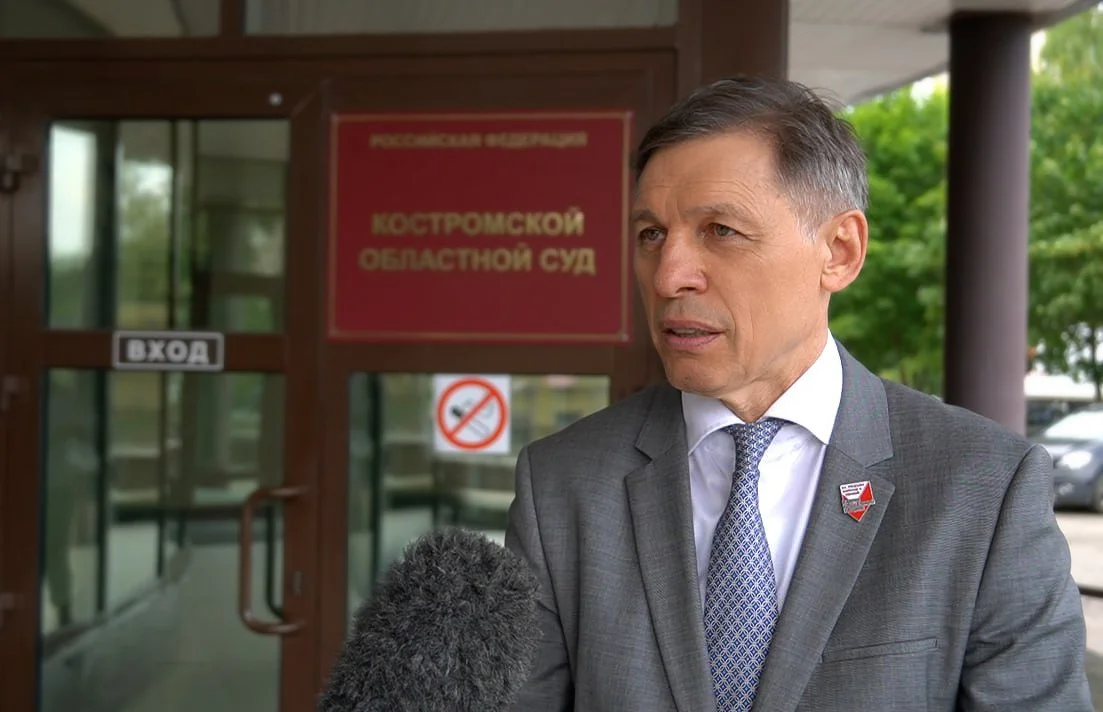
Костромской областной суд 5 августа частично удовлетворил иск Партии социальной защиты, обязав областную избирательную комиссию зарегистрировать список партии на выборах в Костромскую областную думу. Представители ПСЗ доказывали в суде, что участники собраний по выдвижению делегатов на конференцию давно вышли из партии власти и утратили с ней связь. Чтобы это проверить, суд привлек «Единую Россию» к участию в процессе в качестве третьего лица и даже запросил у нее документы, подтверждающие связь упомянутых делегатов с партией.
При этом по аналогичному делу о снятии с выборов двух кандидатов партии по одномандатным округам (Владимира Михайлова и Максима Постникова) другой судья того же Костромского областного суда встал на сторону облизбиркома и в восстановлении кандидатам отказал. В настоящее время оба дела, по списку и одномандатникам, рассматриваются в апелляционной инстанции.
Из пяти парламентских партий четыре («ЕР», КПРФ, «СР» и ЛДПР) выдвинули списки во всех 11 регионах. «Новые люди» — в девяти (не стали выдвигать в Белгородской области и ЯНАО; в Белгородской в 2020 году списку партии отказали в регистрации и с тех пор заметной деятельности в регионе не заметно, в ЯНАО нет региональной организации вообще).
Далее по активности идут Партия пенсионеров (восемь списков: Коми, Белгородская, Калужская, Костромская, Курганская, Новосибирская, Рязанская, Челябинская области), «Родина» (три списка: Коми, Воронежская, Новосибирская области), «Коммунисты России» (два списка: Коми и Рязанская область). Столь низкая активность «Коммунистов России» на региональных выборах для КПРФ является скорее хорошим знаком.
Выборы депутатов горсобраний по партспискам
На выборах 15 горсоветов административных центров регионов с применением пропорциональной системы был выдвинут 101 список (6,73 на город), зарегистрирован 91 (6,06 на город в среднем).
В 2020 году в 14 городах было выдвинуто 116 списков (8,28 на город в среднем), зарегистрировано 99 (7,07 в среднем на город). По сравнению с 2020 годом из списка городов с партсписками на выборах-2025 выбыл Сыктывкар, добавились Ставрополь (из-за досрочных выборов) и Махачкала (переход к прямым выборам вместо косвенных двухступенчатых через районные собрания).
Однако, хотя выборов по партспискам за пять лет стало на один региональный центр больше, списков даже в абсолютных цифрах стало меньше. Таким образом, типовой сценарий в 2025 году на данных выборах: парламентские партии, плюс один список от всех остальных партий. В теории, сокращение числа партий в бюллетене должно снизить разбиение голосов и увеличить шансы парламентских партий на попадание в горсоветы.
Отсев между выдвижением и регистрацией в 2020 году составил 14,7%, в 2025-м — 10%.
Как и на выборах законодательных собраний, все списки, имевшие льготу при регистрации, и сдавшие документы были зарегистрированы.

Согласно действующему законодательству, льготу при регистрации в виде освобождения от сбора подписей на всех выборах представительных органов муниципальных образований имеют пять партий, представленных в Государственной думе РФ по пропорциональной системе и получившие не менее 3% на последних выборах Госдумы РФ («Единая Россия», КПРФ, ЛДПР, «Справедливая Россия», «Новые люди»). Кроме того, в отдельных муниципальных образованиях льготу на выборах имеют две категории партий:
партии, допущенные к распределению мандатов или получившие не менее 3% голосов избирателей на последних выборах в парламент данного региона;
партии, которые на последних выборах в представительный орган данного муниципального образования провели хотя бы одного депутата (не важно — по списку или по мажоритарному округу, и не важно, на основных или дополнительных выборах).На выборах депутатов представительного органа поселения, входящего в муниципальный район, льготу имеют также партии, если кандидат, выдвинутый политической партией и избранный депутатом представительного органа хотя бы одного поселения, входящего в этот муниципальный район, избран из состава данного представительного органа поселения депутатом представительного органа этого муниципального района.
Всего из 101 списка льготников было 85 (84%), должны были собирать подписи 16. Из них восемь вообще не сдали подписи, один список получил отказ по итогам проверки подписей («Яблоко» в Иванове) и были зарегистрированы семь (из этих семи пять — в Чебоксары), то есть менее половины собиравших подписи.
Именно в Чебоксарах сейчас самая высокая конкуренция (зарегистрированы все 11 списков, кстати, в 2020 году здесь в бюллетене тоже было 11 списков). Семь списков зарегистрировано в Калуге, во всех остальных городах от пяти до шести.
Пять парламентских партий представлены на выборах во все 15 горсоветов. За ними идет Российская партия пенсионеров (четыре города — Чебоксары, Калуга, Орел, Смоленск)
Регистрация кандидатов по важным мажоритарным округам
Ситуация с выдвижением и регистрацией кандидатов по мажоритарным округам также показывает доминирование кандидатов от партий со льготами при регистрации и вымывание самовыдвиженцев и кандидатов от партий без льгот.
На выборах заксобраний на парламентские партии приходится 1049 из 1239 зарегистрированных кандидатов по мажоритарным округам, или 84,7%, самовыдвиженцев зарегистрировано 1,13% от всех кандидатов по округам. На выборах по мажоритарной части городских советов региональных центров на парламентские партии приходится 3214 из 3782 зарегистрированных кандидата по округам, или 84,98%. Самовыдвиженцев зарегистрировано всего 3,5% от всех кандидатов по округам (здесь картина чуть лучше, чем в ЗС, так как сами округа меньше по размеру и нужно меньше подписей).
Доля отсева между выдвинутыми и зарегистрированными на выборах в ЗС по округам составляет в целом лишь 4% (среди самовыдвиженцев 58%), на выборах горсоветов административных центров регионов доля отсева между выдвинутыми и зарегистрированными в целом 6% (среди независимых 53%).
Эти цифры говорят о том, что политически активные граждане, не входящие в парламентские партии, все чаще либо избегают политики и выборов (видимо, полагая, что участвовать в выборах им все равно не дадут),
либо изначально поражаются в правах (к запрету на участие в выборах ведут дела по антиэкстремистскому законодательству, статус «иностранного агента» и т.д.).
На выборах заксобраний самая высокая конкуренция — в мажоритарных округах в Республике Коми и Челябинской области, самая низкая — в Магаданской и Белгородской областях. На выборах горсоветов самая высокая конкуренция по округам — в Сыктывкаре и Чебоксарах, самая низкая — в Магадане.
Лидерство парламентских партий по числу кандидатов, очевидно, при этом при выдвижении по округам в горсоветы административных центров КПРФ опустилась по числу кандидатов на 5-е место. Второй (и на выборах ЗС, и на выборах горсоветов) идет ЛДПР.
На выборах и в ЗС, и в горсоветы на 6-м месте с большим отрывом от парламентских партий по числу кандидатов идет Российская партия пенсионеров, на выборах ЗС на 7-м месте «Родина», на выборах горсоветов — «Коммунисты России». Все иные партии существенно меньше.