
Translated material
Georgia in the grip of empires: lower colonization, dreams of their East and the search for traitors
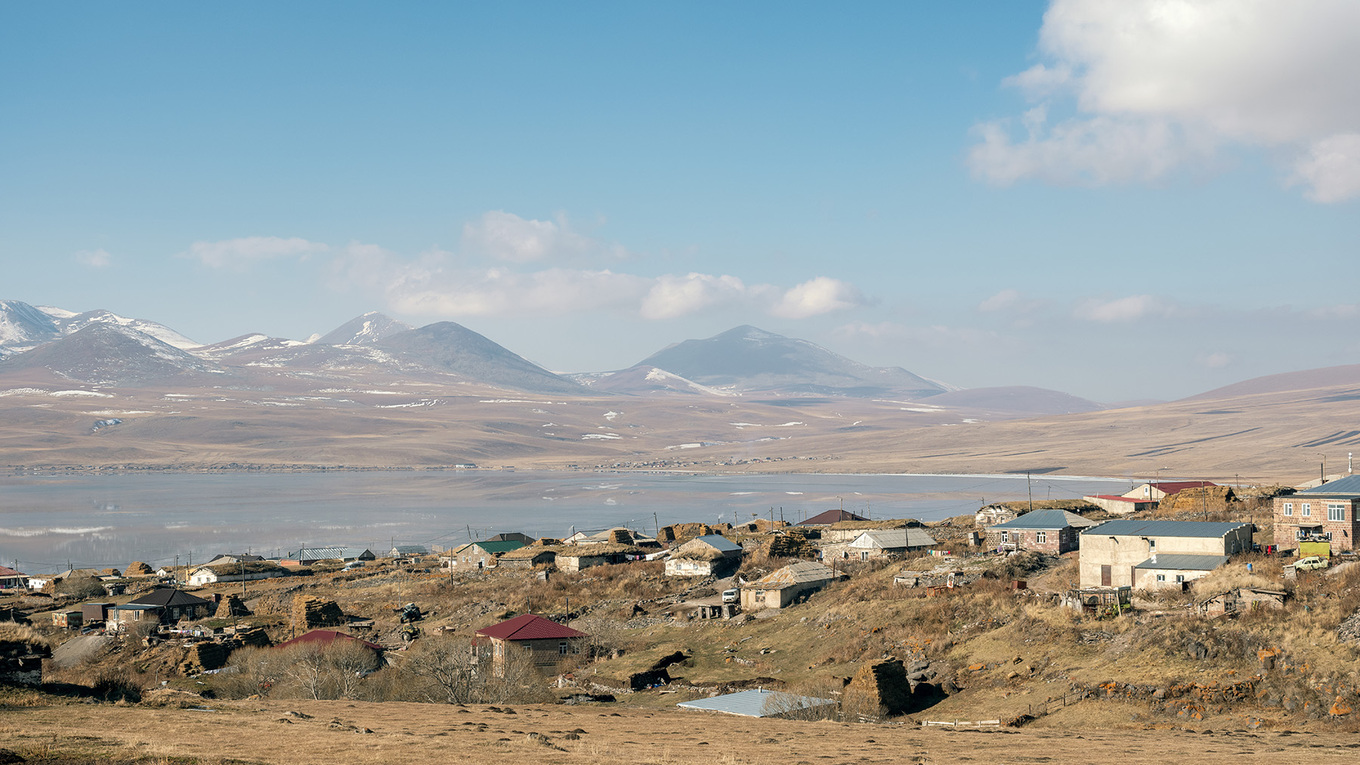
Fragments of the history of the country in the modern landscape through the eyes of the photographer Maxim Sheer
The South Caucasus is a region with a long history of conflicts, resettlement, seizures of territories and religious transformations related to the nearest large empires. The photographer Maxim Cher has been working on the Empire project for several years, for which it records visible traces of imperialism in the landscape of Europe. For Perito, Maxim spoke about places in Georgia, where its imperial history was more focused on.
Perito opens a new set to the book club “After words” - for those who want to better understand how the world we live in.
This time two programs are open at once. The first invites Nigeria, Vietnam, the USA and South Korea - through the books of Chimanda Adchi and Viet Than Nguen. The second is stories from the Karibov, from Burma, India and Japan, which we will read along with Amitav Gosh, Yuko Tsushima and the mysterious third author.
The first group starts on September 15 , the second - September 29 . The number of places is limited. Details and recording - on the site.
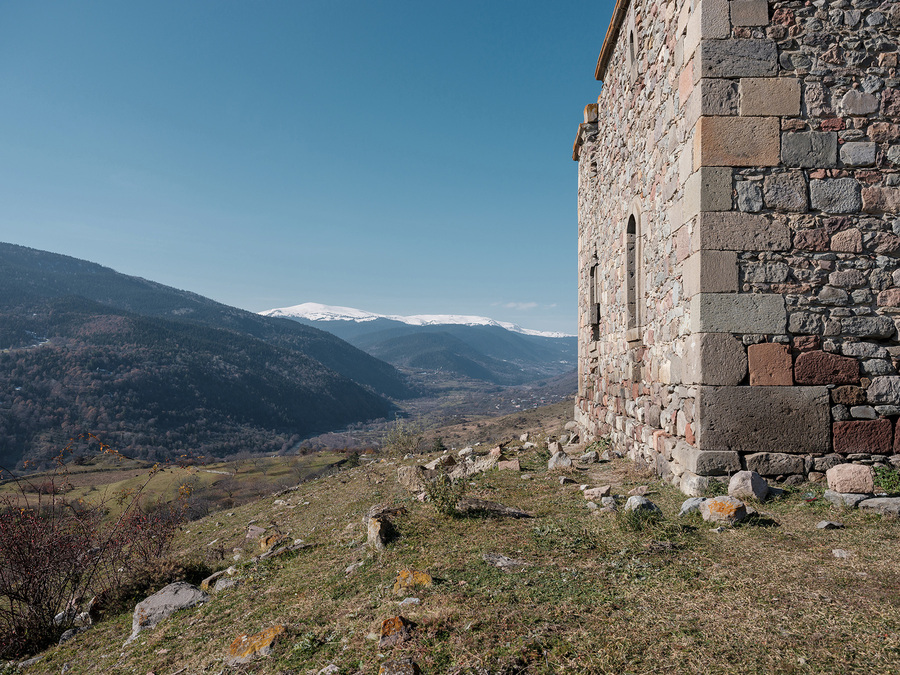
Closed peasants: how the military entrusted the lower -level rapprochement with the local population
Russia seized and subordinated the modern territory of Georgia in parts. The eastern part, Kartli-Kaeti, lost its statehood and was annexed by the Russian Empire in 1801. The joining was not the result of direct military aggression, and Tsar Alexander I even doubted for some time the need for territorial expansion in this region. The annexation was the result of the confrontation between the three empires in the Caucasus, the series of the rulers in them, the aspirations of the kings of Kartli-kaeti to find protection from Persia and Turkey, diplomatic and court intrigues, disputes about the throne and feuds. The Georgian treatise, which was prisoned in 1783, became the cornerstone of subordination of Georgia. According to it, Russia, in exchange for the recognition of Russian suzeranty, pledged to protect Georgia from Muslim neighbors and maintain the power of the ruling dynasty. The obligations were soon violated, and the power over Georgia was in the hands of the empire.
The western part (Imereti, Guria, Swannia and other principalities and territories) was subordinated and annexed over the next decades of the 19th century - where by military force, where through diplomacy. The absorption of the Georgian principalities involved the removal of the ruling dynasties from the authorities, including by sending their representatives to central Russia, and a support on individual representatives of the Georgian nobility, who swore allegiance to the new suzerer. The names of the Georgian kingdoms and principalities were almost immediately erased from the political map, instead of them, the provinces and regions named in cities were created: Tiflis, Kutaisskaya, Batum and others.
In the first decades of Russian rule, all power in the region belonged to the military. By the beginning of the 1830s, the administration thought about the colonization of the Caucasus by the Russian population, and the creation of military settlements became the logical for the Soldapon Nikolaev era. This form has already been tested - however, with conflicting results - in other regions of the empire, including in Ukraine.
The task was to stake the Russian presence, protect the borderlands and begin rapprochement with the local population at the lower level in order to promote its integration. Russian soldiers were supposed to reduce the service life of a voluntary and compulsory manner, with the help of certain gingerbread and always-an administrative-bureaucratic whip, to justify their families in the settlements allocated to them, where they would be expected to take roots. The arable land, inventory, cattle provided treasury, the settlers had to build housing themselves.
Over time, military settlements were supposed to switch to food self -support and, as officials believed in St. Petersburg, to promote the Europeanization of Georgian agriculture and society as a whole. So the peculiar state colonies arose, which, on the one hand, were completely obeyed by the military authorities, and on the other, they had minimal self -government, for example, in matters of distribution of land allotments.
The settlers retained the right to wearing weapons and in the first two years - clothing contentment. They did not become the owners of property, they could only use it, it was not transferred by inheritance either. The sons of settlers were automatically enrolled in the army and had to serve 15 years in it. At the same time, the military-settlement authorities tried to engage in Russification, for example, attracted children of local residents to Russian schools, and also encouraged marriages of military colonists with local women.
In total, about a dozen military settlements in the South Caucasus were created, and the total number of their farms by 1849 barely exceeded six hundred. Of the relatively known-Ozurgeti, Lagudehi, Manyglisi, Tsarist wells (modern Dedicopuls-Tskaro). Settlements were divided into two types: separate and with regimental headquarters. The second type dated the settlement created in the ancient Georgian town of Manglisi.
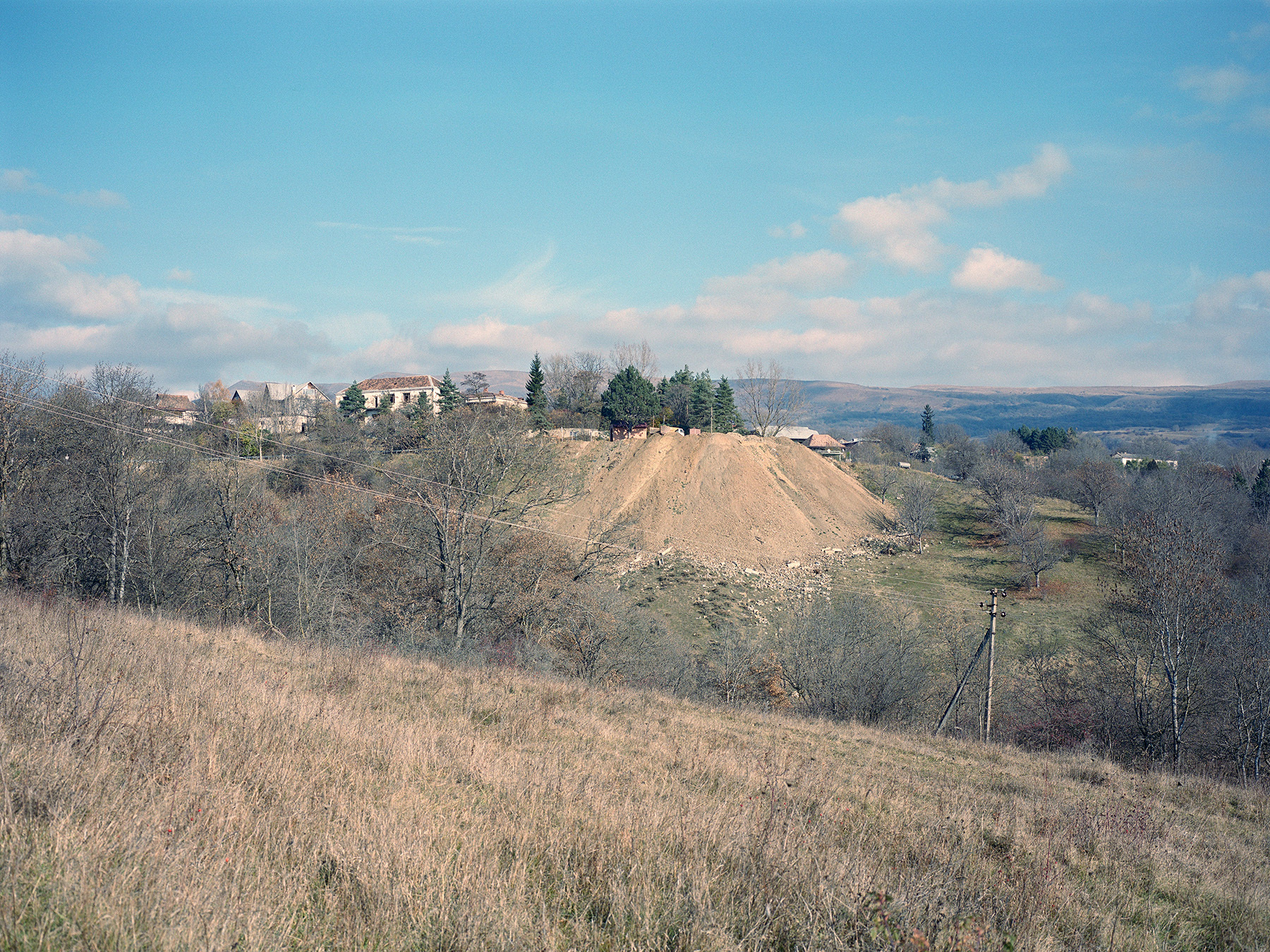
As often it happened with state initiatives, which were launched by the government on the head of the peoples without taking into account their real interests, economics and local conditions, an experiment with military settlements ended in failure. The colonists set two mutually exclusive tasks: to protect the frontier and engage in agriculture - and not one of them was fulfilled. To reflect the attacks of local residents of their own strength, there was not enough what kind of economy there was.
As a result, in the early 1850s, military settlements were abolished, and their inhabitants were distributed to various departments and classes, some were equalized in rights with German colonists (see below). Nevertheless, Manyglisi nevertheless retained a military function for a very long time: the large tsarist, and then the Soviet military base was located here until 1992.
Free land and tax exemption: German colonists
The resettlement of German colonists in the South Caucasus began in 1817, although in other regions of the empire this process has been gone since 1763. The task was generally the same as in the case of military settlements: the development of the territory, the import of agricultural and craft technologies, dilution by loyal groups of the local population, often hostile to the imperial authorities.
Most of the Germans who settled in Georgia (about 500 families) were peasants from the Württemberg Kingdom of Württemberg. They belonged to various Protestant movements, which broke away from the official Evangelical Lutheran Church and were persecuted for this. When Tsar Alexander I, whose mother was the Württemberg Princess (in Orthodoxy Maria Fedorovna), arrived in Württemberg in 1815, he invited the German schismatics to move to the South Caucasus, promising free land, freedom of religion and exemption from taxes for ten years. So the mop were in Georgia.
After the Sovietization of Georgia in 1921, the German colonies (there were twelve of them) were renamed, property was expropriated, residents were forcibly united into collective farms, many became victims of political repression. The Wehrmacht invasion in the USSR put an end to the history of the Caucasian Germans. All of them were deported to Siberia and Kazakhstan and no longer returned to the region.
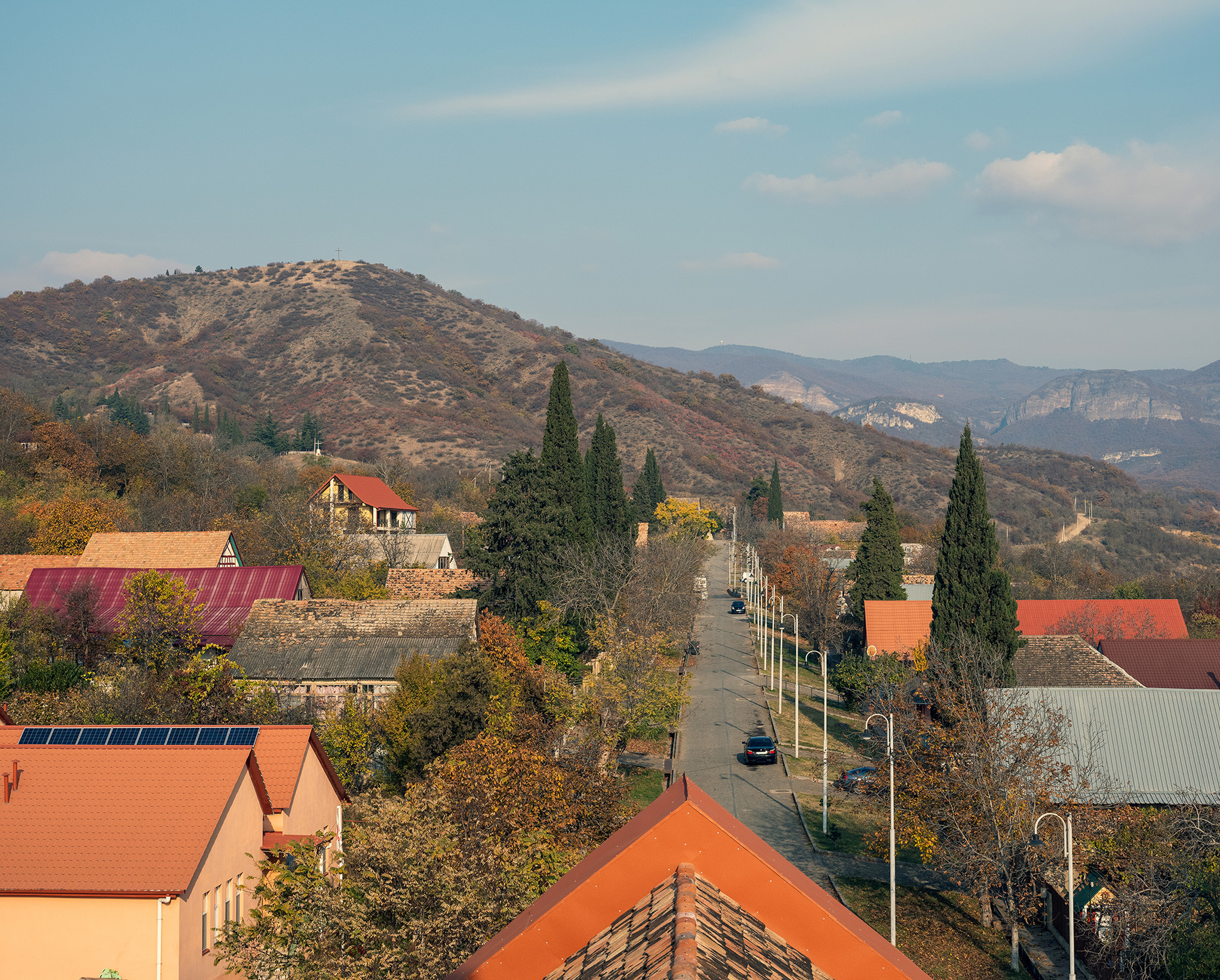
Exiled sectarians and escape from military service through the port of Batumi
Another group of colonists in the Caucasus were Russian religious dissenters or, as the authorities called them, sectarians: fools , Molokans and subbotniks . They, unlike the Germans, were forced here forcibly. Suspeating them in the 1840s from the central provinces of Russia and Ukraine to the South Caucasus, the tsarist government, in addition to the same purposes of mastering and Russification of the recently captured territory, sought to get rid of religious dissent at his side at the same time, since it considered it politically dangerous.
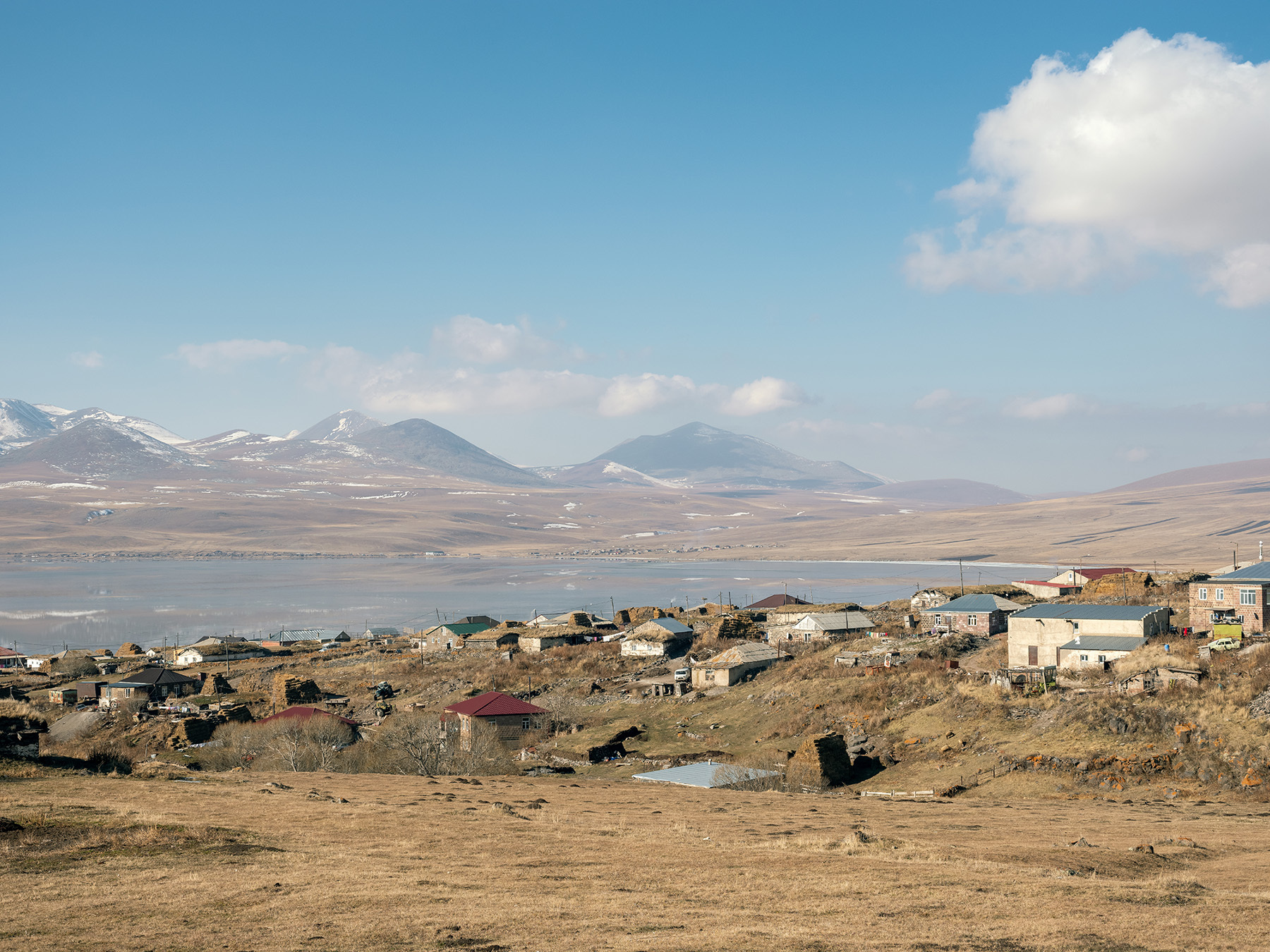
Unlike German colonists, who got relatively good plots near cities, the ducchers were settled in the harsh and low -haired region of Javakheti, where several tens of thousands of Armenians migrated from the Ottoman Empire. At the end of the XIX century, a split occurred in the Dukhoborskaya environment, the most radical representatives of the sect under the influence of Leo Tolstoy’s doctrine of non -resistance to evil by violence declared the refusal to serve in the tsarist army. The St. Petersburg government reacted in the usual way: a punitive operation, beatings, robberies, prison and exile. Leo Tolstoy and his supporters organized a large -scale campaign in the press in defense of the dunce, but this did not help. The only compromise that the authorities went to was allowed the units of the Caucasus Dukhobors to go abroad. About seven and a half thousand people emigrated to Canada through the port of Batumi.
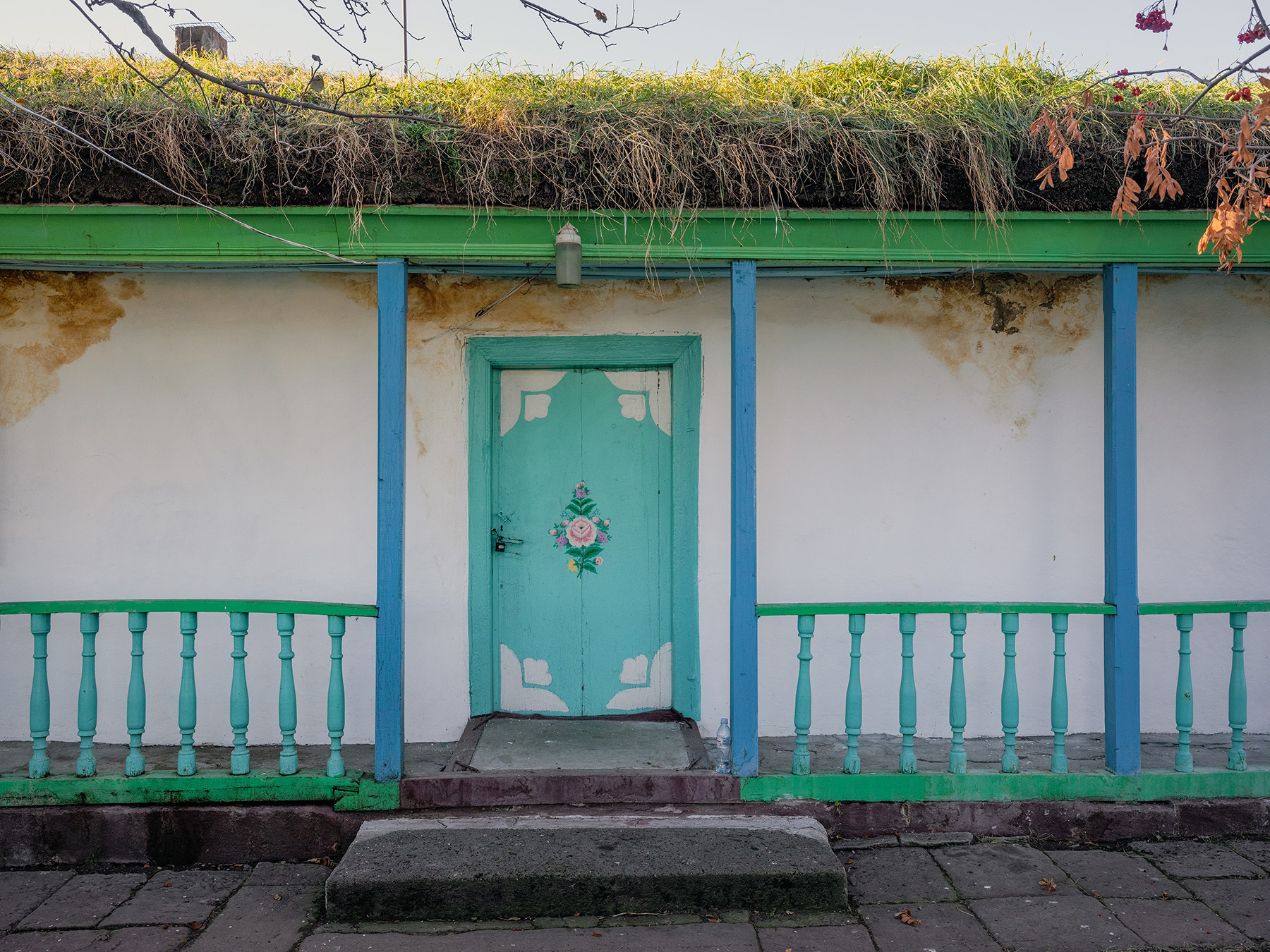
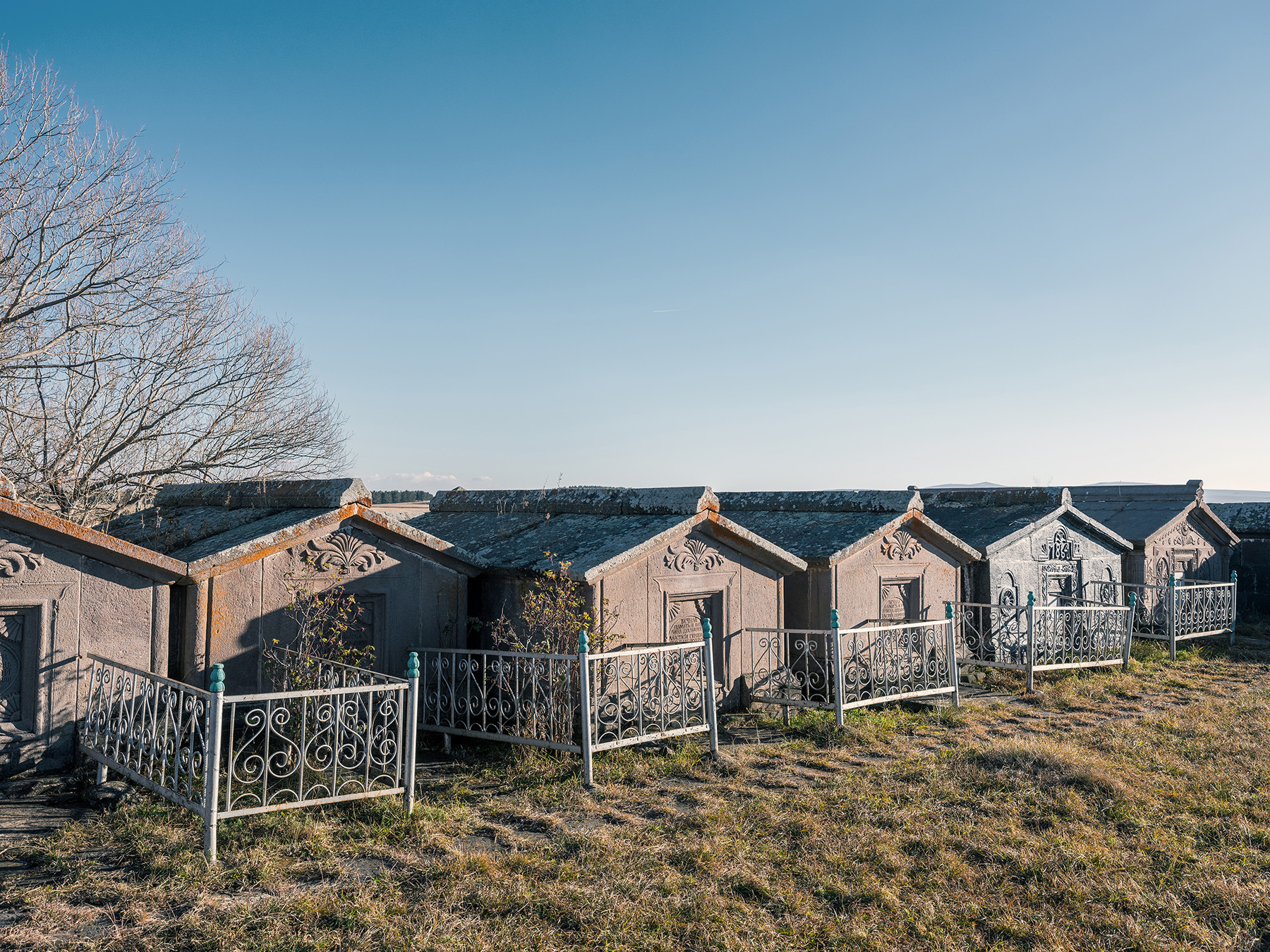
The rest survived the persecution of the Soviet regime and after the collapse of the USSR, too, almost everyone parted from Georgia - some to Russia, some to Canada. Almost the only village in Georgia, where several ducal families still live, Gorelovka remains. It was founded by immigrants from the south of Ukraine in 1842. In Gorelovka, the Dukhobozhnaya Community Center, the so -called orphan house of the mid -19th century, have been preserved, and a couple of kilometers from the village in the clean field is an old cemetery with unique stone sarcophages of the founders of the Gorelovskoy community.
Special regime for Muslims
The last of the regions of modern Georgia Russia annexed Adjara. This happened following the results of the next Russo-Turkish war in accordance with the conditions of the Berlin treatise (1878). Since the 17th century, this primordially Georgian territory has been under the rule of the Ottoman Empire.
Over the three centuries of Turkish rule, the Orthodox Georgian nobility, and then the majority of the population went to Islam. In Ottoman Turkey, a political system of community-meillete community, which provided a certain level of self-government and religious freedom of non-Muslim peoples, operated. But still, it was positioned by the authorities as temporary, established until all the infidels were accepted by Islam. In addition, many religious minorities were strictly assigned a certain territory of residence, which in the cities was like a ghetto, tax and other types of discrimination operated. The transition to Islam enabled the top of minorities not only to maintain the status, but also to join the ranks of the ruling class of Turkey.
Having captured the next Islamized region, Russia introduced in the areas of residence of Muslims already tested in Dagestan, Turkestan and other places the Institute of Military Administration, partly borrowed from the colonial experience of the French authorities in Algeria , partly from the experience of the same Ottoman Millets. He provided for Muslims for the first time, before the final absorption of the territory, a certain level of lower -scale self -government, which concerned the observance of local customs and the departure of justice. For the latter, people's courts (Majlis) were created, in which judges approved by the military authorities and part -time heads of rural communities dismantled affairs based on adats (traditions) and Sharia. There were no separate premises for the vessels, the proceedings were held right at the mosques. Moreover, all real power in areas where the military-national administration operated, belonged to the Russian military.
After the almost simultaneous breakdown of two warring empires, Russia and Turkey, and the submission of the subordination and dismemberment of the new independent states of the South Caucasus, revolutionary governments - Kemalists in Turkey and Russian, Armenian, Georgian and Azerbaijani Bolsheviks - concluded the Karsan agreement in 1921, of which the Batumian region was divided and preserved in the units of the Georgian. SSR, autonomy for Muslims. So the Adjar Autonomous Soviet Socialist Republic arose - the only Soviet autonomy, established by religious, and not by ethnicity. Adjara is endowed with this autonomous status to this day.
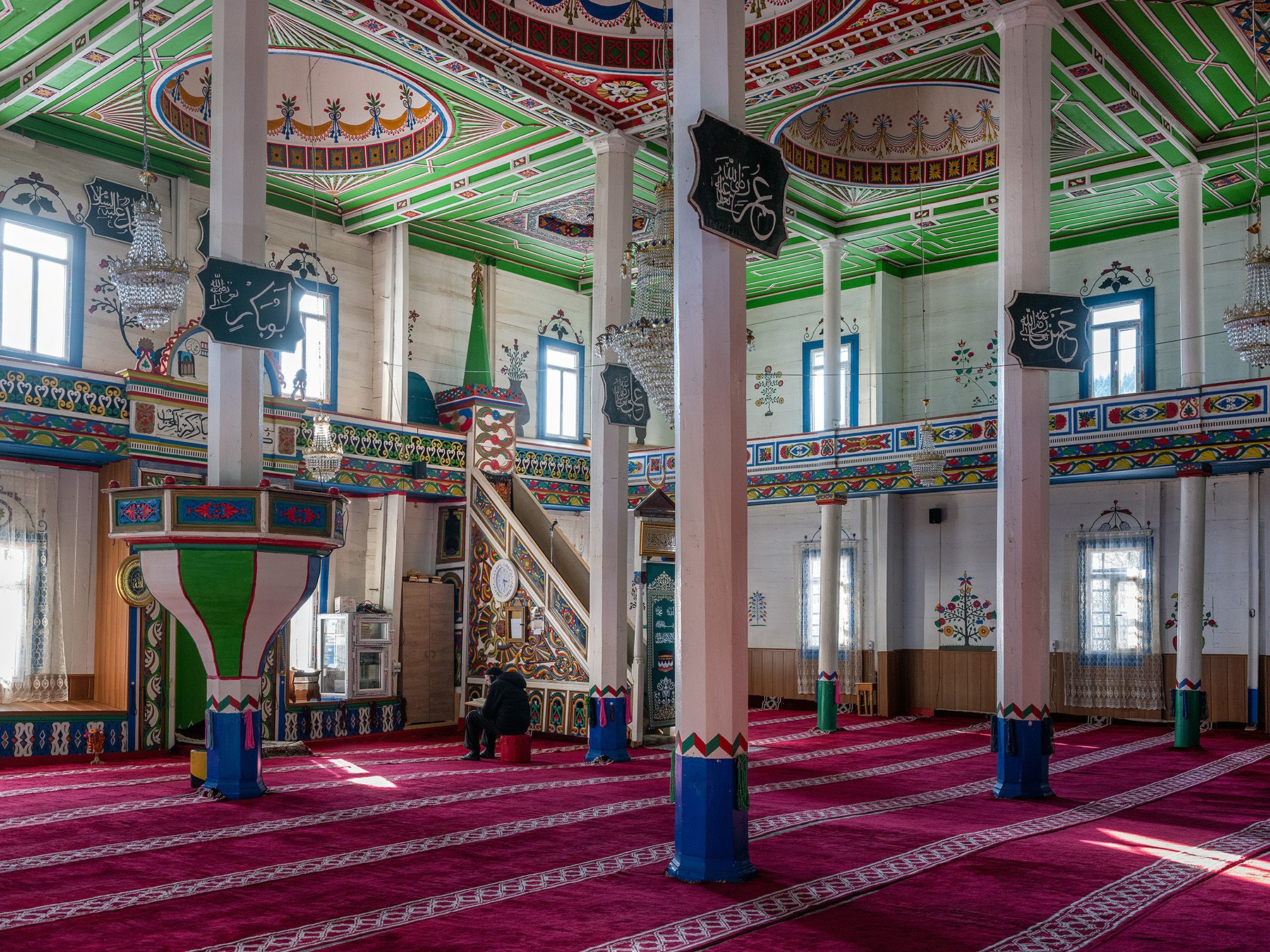
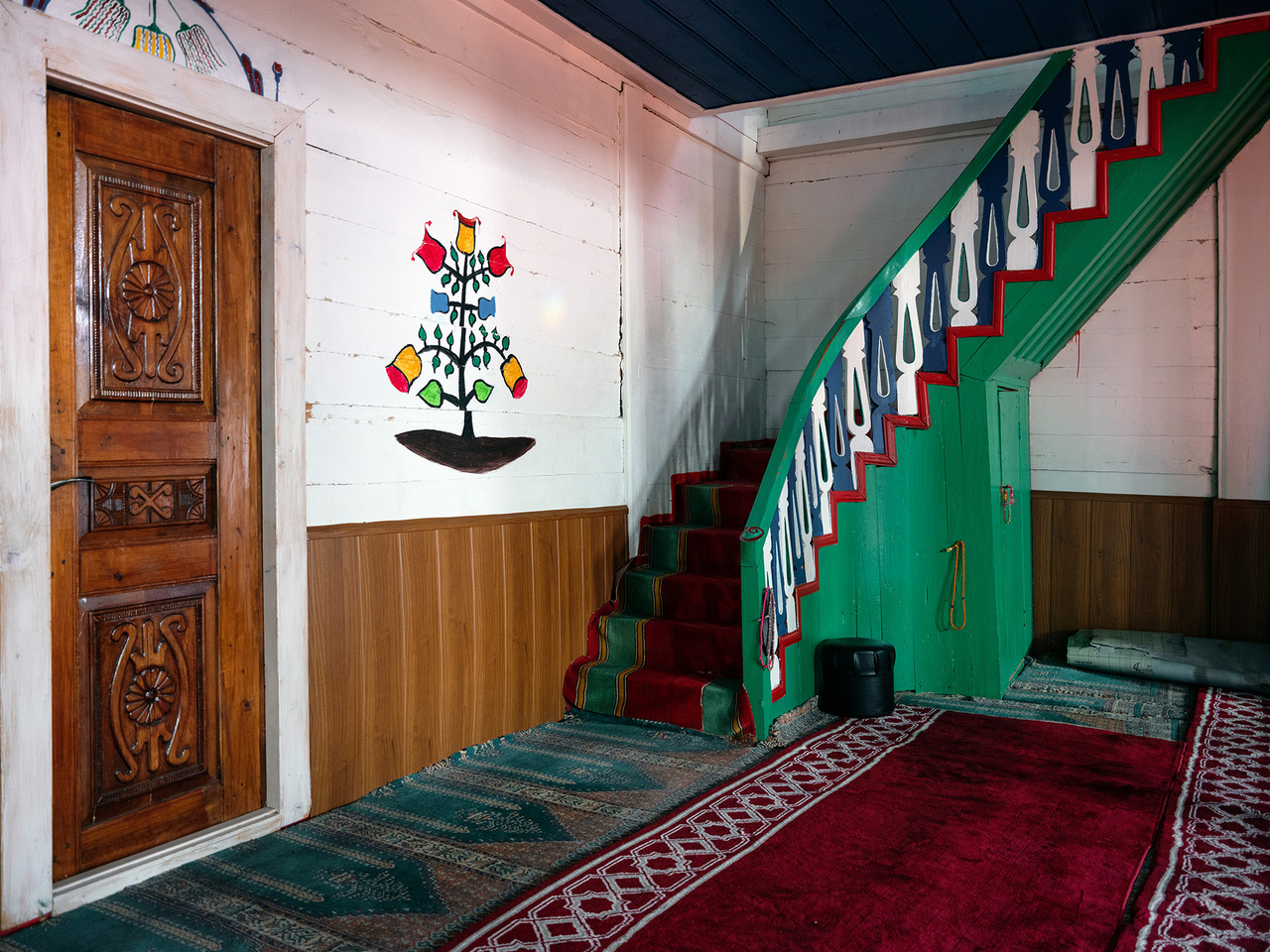
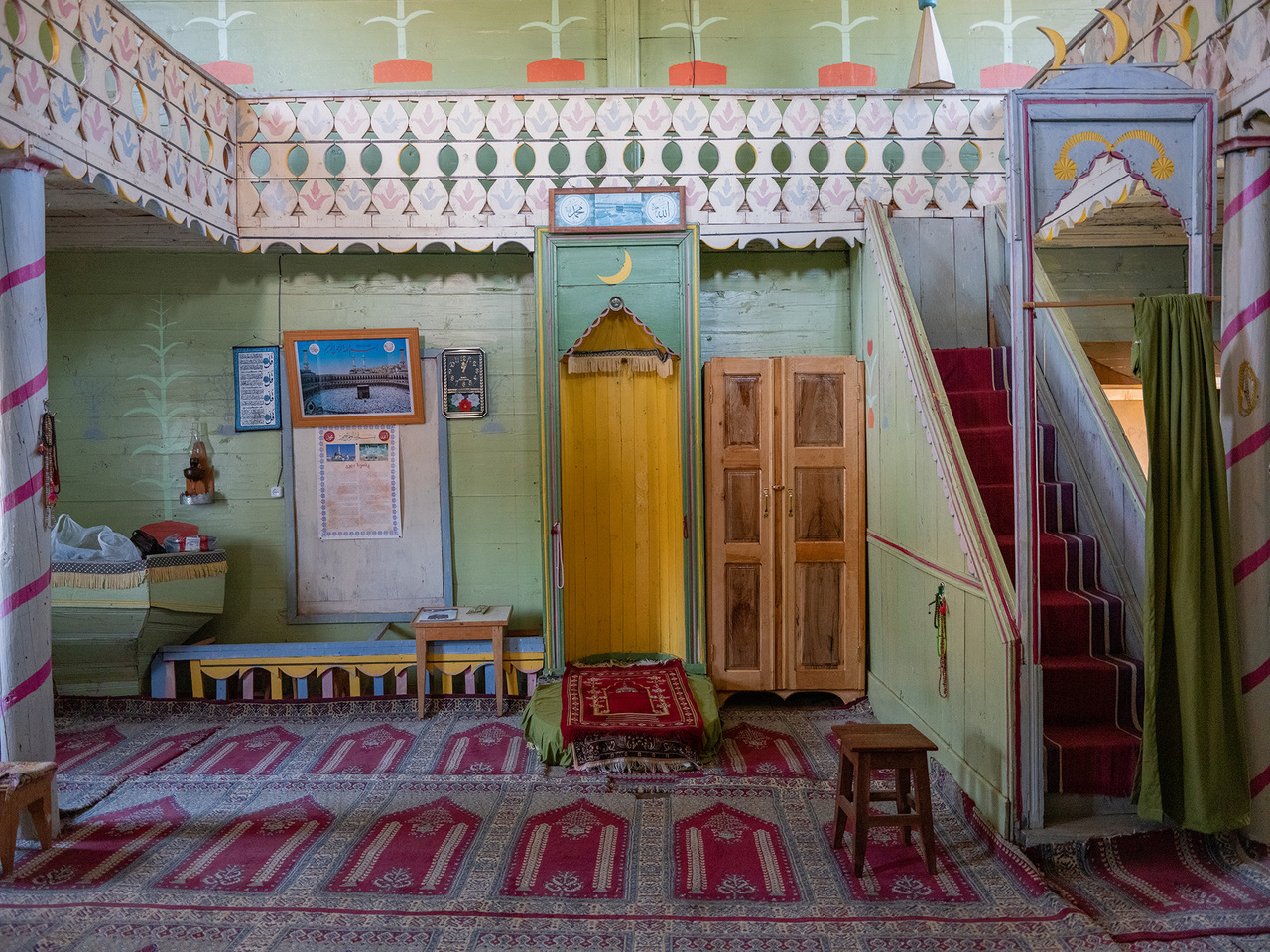
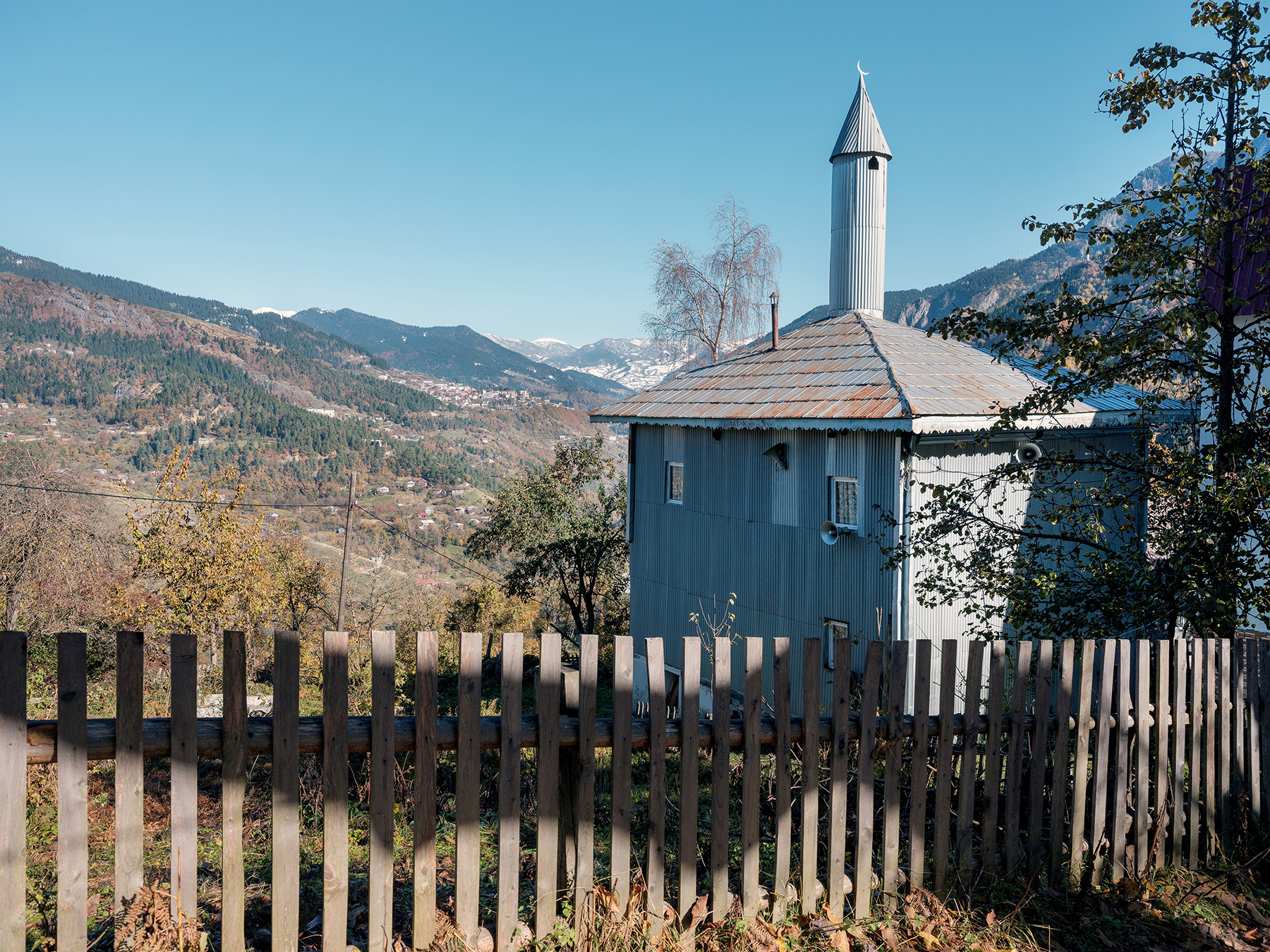
Wooden mosques preserved in several villages of Adjara, inconspicuous, but originally decorated inside, are a unique heritage of the region, many centuries on the line of confrontation between empires and the contact of Christian and Islamic cultures.
Batumi: Own tropics of the empire
The latest history of the capital of Autonomous Adjaria Batumi (until 1936 - Batum) is also directly related to colonial expansion, genocide, the confrontation of empires and the development of capitalism in the imperialist era of the late XIX - early XX centuries.
The city is very ancient, but by the middle of the 19th century, only about two thousand people lived here. The rapid growth of its population in the 1860s-four times at once-was caused by the influx of thousands of muhaje refugees, mainly the Circassians deported to Turkey from the Western Caucasus. This happened after the Russian army arranged ethnic cleaning of the indigenous Adyghe population, which many historians retrospectively call the first genocide example, as a result of many years of aggressive war.
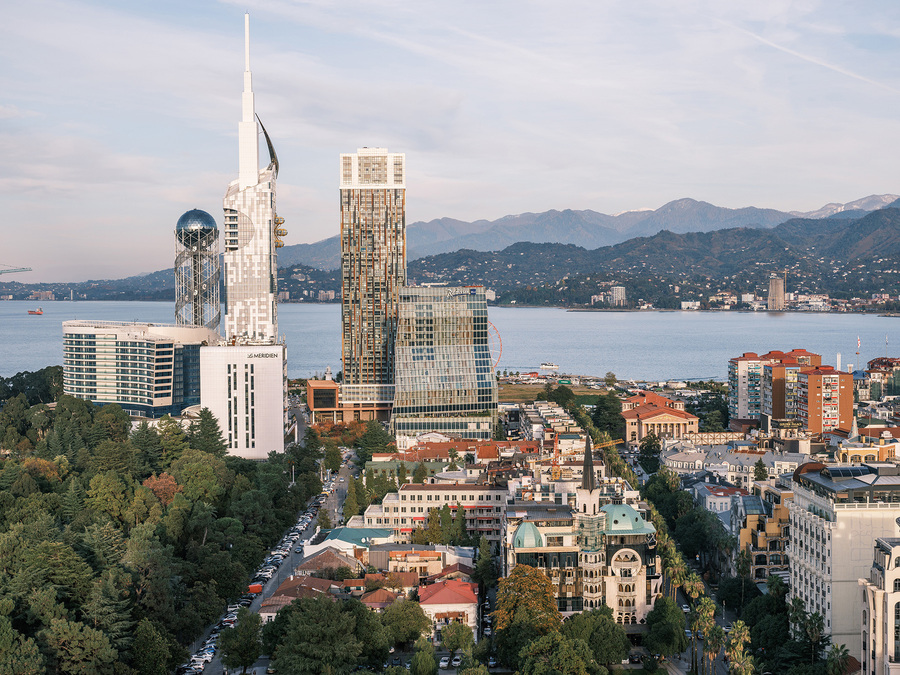
After the defeat in the Russian-Turkish war, the Ottoman government in 1878 was forced to yield to the Batum region of Russia. The new imperial power, which considered itself a guide for Western civilization in the East, has begun Europeanization and modernization of the region. The rectangular layout and development of the Batumi center is the legacy of that time. Soon, a railway and an oil pipeline were carried out from Baku to Batum, and the export of Caspian oil began through the Batumsky port. Most of the oil infrastructure of the Caucasus first belonged to the French financier Meyer Alfons Rothschild, then it was bought by Royal Dutch Shell. So the city has become one of the most important ports of the Russian Empire.
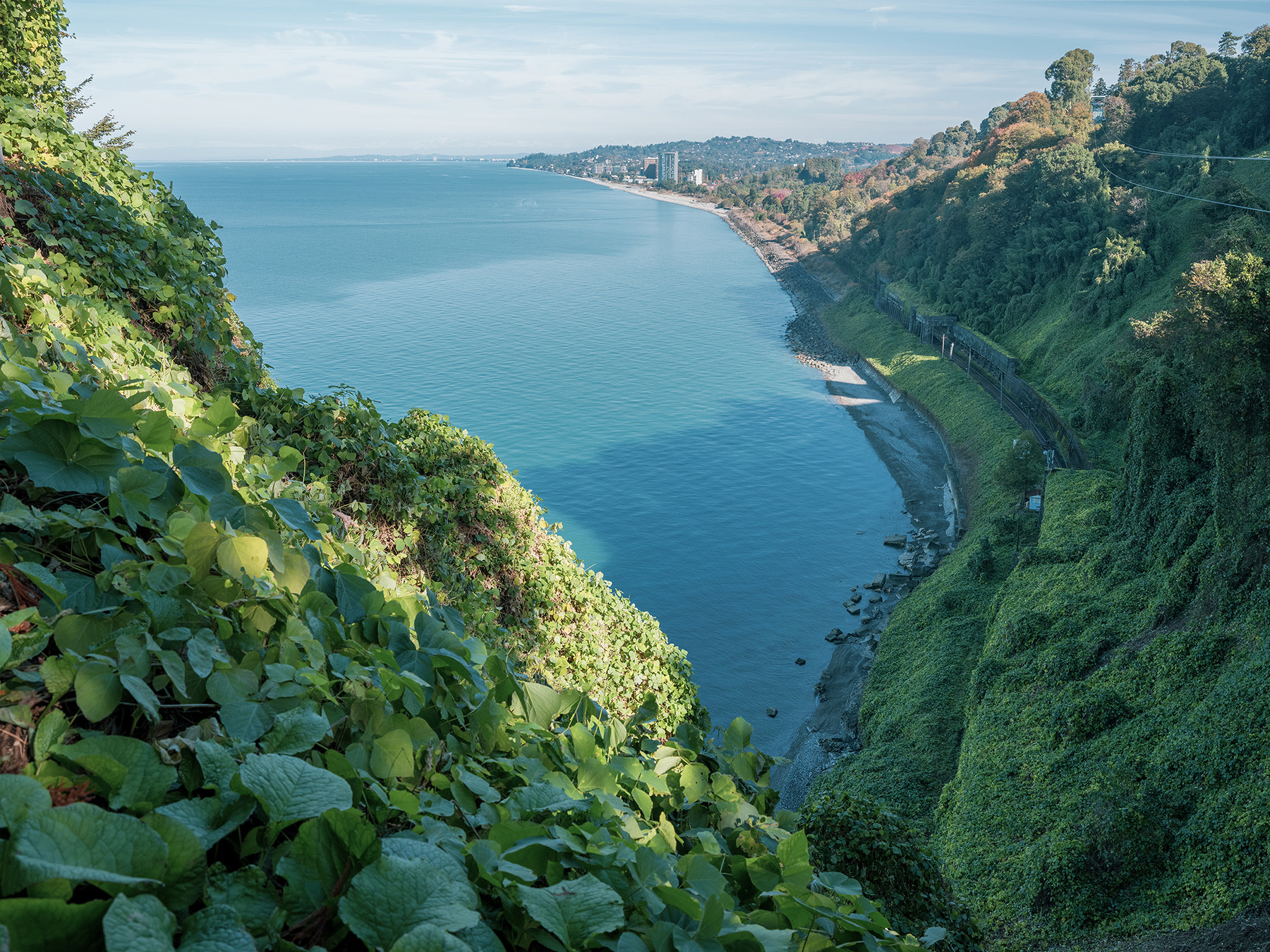
The view of the South Caucasus as a resource colony, where, thanks to the climate, all kinds of profitable exotic cultures can be grown, formed in the ruling circles of the Russian Empire in the 1820s. So, the diplomat and poet Alexander Griboedov proposed to create a Transcaucasian company in the image and likeness of the British East India and other colonial companies in Europe. Shortly after the annexation of the Batum region near Batum, tea plantations and the botanical garden were founded - the most important institutions of the colonial economy and imperial imagination. The main task of these institutions at first was to acclimatize and then introduce economically significant subtropical plants into the local economy.
We recommend that you dig up the colonial roots of the botanical gardens of Urban postcolonialism in the bookmarks . Date of publication 03/15/2024It was here, in the South Caucasus, the Russian Empire invented its own idea of the tropics , and if at first it was more about economic benefits, then over time the Russian “tropics” - the entire east coast of the Black Sea - began to be more associated with privileged status and hedonism. Exotic plants, including those grown by specialists in the Batuman Botanical Garden, created both at the top and popularly a sense of imperial greatness, a sense of possession of their exotic, colonial east.
Running from genocide: Christians of the Assyrians of the village of Dzvel-Kanda
In the history of one small and at first glance little remarkable village of Dzveli-Kanda, not far from Tbilisi, three migration processes directly related to the Russian imperialist policy regarding the South Caucasus and neighboring territories reflected. The settlement in the second half of the 19th century was founded by the Assyrians who arrived from Persia to Georgia to work.
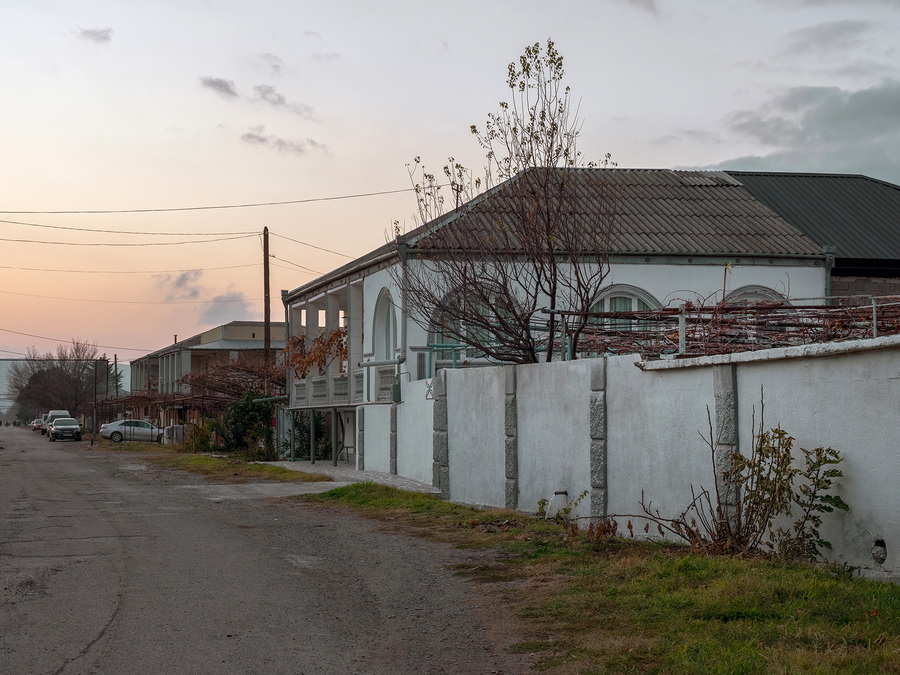
The migration of Christians, mainly Armenians and Assyrians, from Persia to the Russian Empire began after the Russian-Persian war (1826–1828). Эта возможность была прописана отдельным условием в кабальном для Персии Туркманчайском договоре. В начале XX века рядом с Дзвели-Канда возник поселок Георгсталь (нем. — Долина Георга), где обосновались немцы с Волги — потомки колонистов, осевших в Поволжье в XVIII веке. Они жили здесь до 1941 года, когда всех советских немцев из Поволжья, Кавказа и других районов депортировали в Сибирь и Казахстан как неблагонадежных. Во время Первой мировой войны в результате геноцида ассирийцев в Османской империи и Персии тысячи людей вынуждены были бежать со своей земли в разные страны, в том числе в распадающуюся Российскую империю, и часть их осела в Дзвели-Канда, потому что там уже жили их соплеменники.
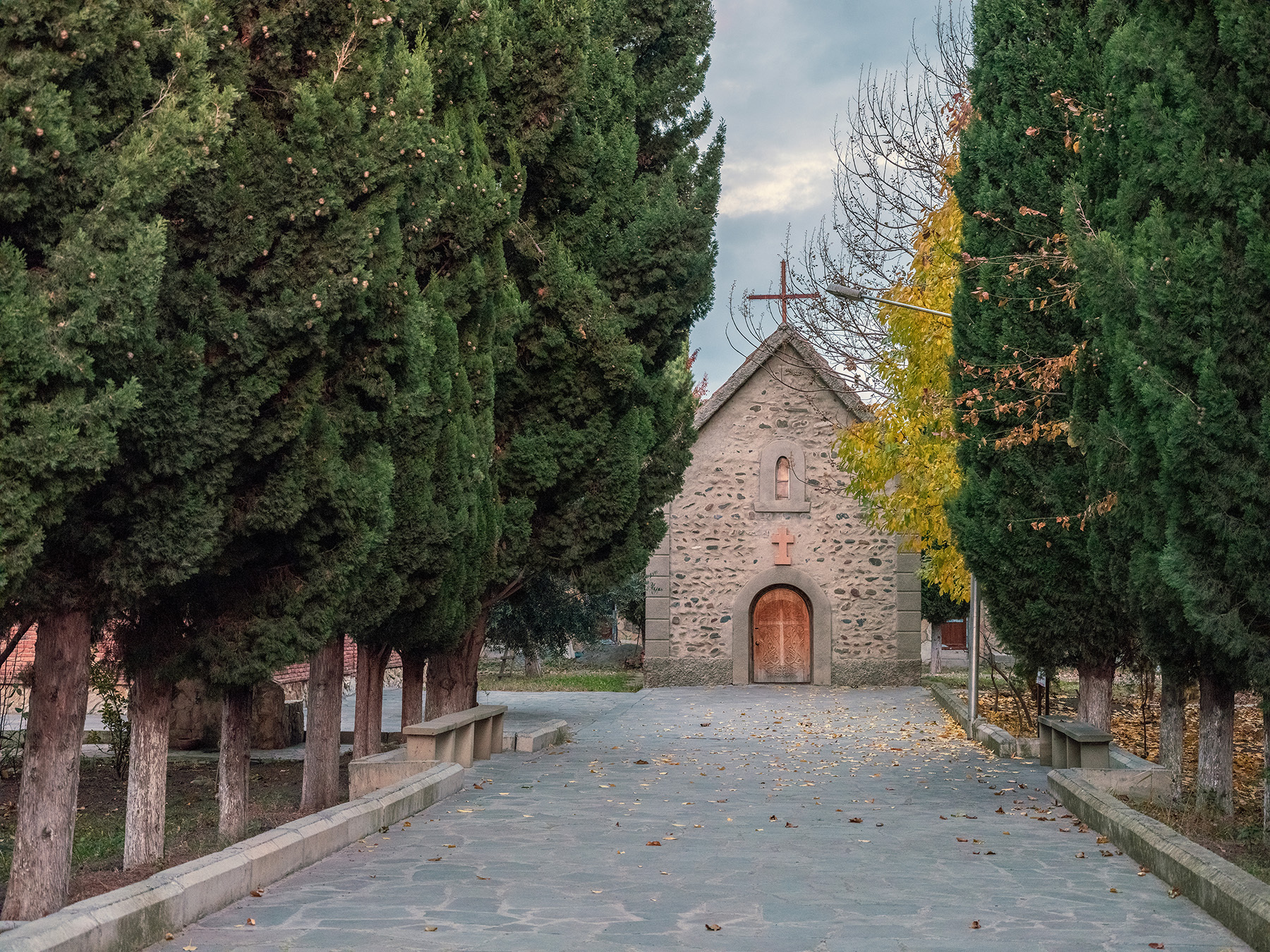
Геноцид ассирийцев, известный также под названием сайфо (в переводе — «истребление»), — еще одна трагическая страница истории империалистической войны (это советское название Первой мировой войны видится сегодня вполне уместным). В качестве христианского меньшинства в Турции ассирийцы входили в состав трех отдельных миллетов и жили в основном в труднодоступных горных районах к югу от озера Ван и к западу от озера Урмия. Благодаря изоляции они фактически не подчинялись османскому государству, не служили в армии и не платили налогов.
В XIX веке ассирийцы оказались под давлением. С одной стороны была централизаторская политика стамбульских властей, которые пытались взять под контроль живущий по собственным законам и обычаям регион. С другой стороны было идеологическое и политическое влияние христианских миссионеров разных конфессий, которых под предлогом защиты меньшинств от мусульманского ига активно присылали западные страны, сначала США, Британия и Франция, а затем и Россия. На деле это были скорее попытки вмешательства во внутренние дела слабеющего геополитического соперника в лице Османской империи и борьба великих держав за влияние в регионе.
Часть ассирийцев, надеясь на покровительство, присоединилась к католической церкви, часть — к англиканской, часть перешла под омофор российского православия. В нескольких районах ассирийцы при российской поддержке организовали партизанские формирования и, когда началась Первая мировая война, воевали с турецкой армией на стороне русских. Некоторые российские деятели, взаимодействовавшие тогда с ассирийцами, обещали им независимое государство в случае победы на Турцией.
Для христиан-ассирийцев история закончилась плохо. Их коллективно обвинили в предательстве, за обвинением последовали массовые убийства, которые совершали османские и курдские отряды, и депортация оставшихся с исконной территории. Ни одна из так называемых великих держав, обещавших защиту, серьезной военной помощи ассирийцам не оказала.
* Ассирийцы принадлежат к нескольким христианским конфессиям: Ассирийской церкви Востока, Халдейской католической, Сирийской яковитской православной церкви и другим.
Превентивная депортация нелояльных: история турок-месхетинцев
Отношение к этническим или религиозным группам как к разменной монете в геополитических играх, потенциальной угрозе или препятствию на пути экспансионистских амбиций свойственно всем империям, и Советский Союз не исключение.
Большевики пришли к власти под антиимпериалистическими и антиколониальными лозунгами, но быстро отказались и от лозунгов, и от попыток реализовать их. На смену экспериментам вернулись привычные карательные операции, репрессии и депортации. С 1936 по 1950 год сотни тысяч представителей десятков народов, особенно живших в приграничных и приморских регионах СССР, были депортированы в Сибирь и Центральную Азию. Некоторых советская власть огульно обвинила в коллективном коллаборационизме во время Второй мировой войны, других подозревала в потенциальной неблагонадежности, особенно если по ту сторону границы СССР жили их соплеменники. Турки-месхетинцы оказались в числе последних.
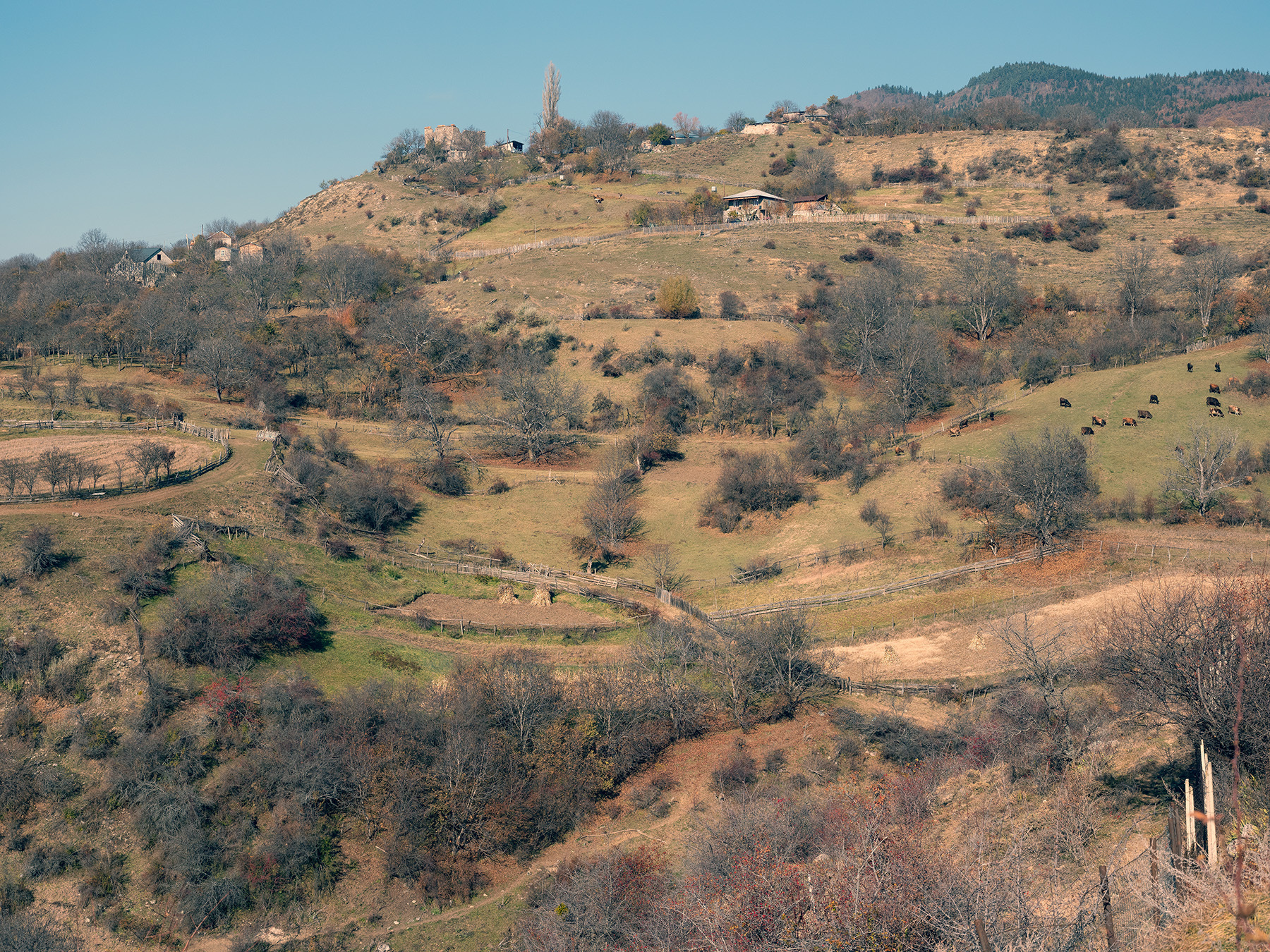
Месхети — регион на юге Грузии, граничащий с Турцией. Есть две версии происхождения этой этнорелигиозной группы. По одной версии, предками турок-месхетинцев (самоназвание на турецком языке — ахыска тюрклери, Ahıska Türkleri) были переселенцы, прибывшие сюда после захвата в XVI веке этой грузинской области Османской империей. По другой — речь идет о части грузинского народа, которая приняла ислам и перешла на турецкий язык после того, как регион оказался под властью Турции. В 1944 году власти СССР безо всяких доказательств обвинили всех турок-месхетинцев в контрабанде и шпионаже и выселили в полном составе в Центральную Азию. Вместе с ними депортировали живших в том же районе курдов и хемшинов (армян-мусульман) — всего примерно 100 тысяч человек.
Истинной причиной этих депортаций историки считают стремление советских властей избавиться на случай войны с Турцией от групп населения, которые считались потенциально нелояльными. Угроза советского вторжения и советские территориальные претензии вынудили Турцию вступить в 1951 году в НАТО, после чего СССР отказался от планов экспансии в Анатолию. Превентивная депортация оказалась бессмысленной даже с военной точки зрения, но людям в свои дома ни советская власть, ни власти независимой Грузии вернуться так и не разрешили.
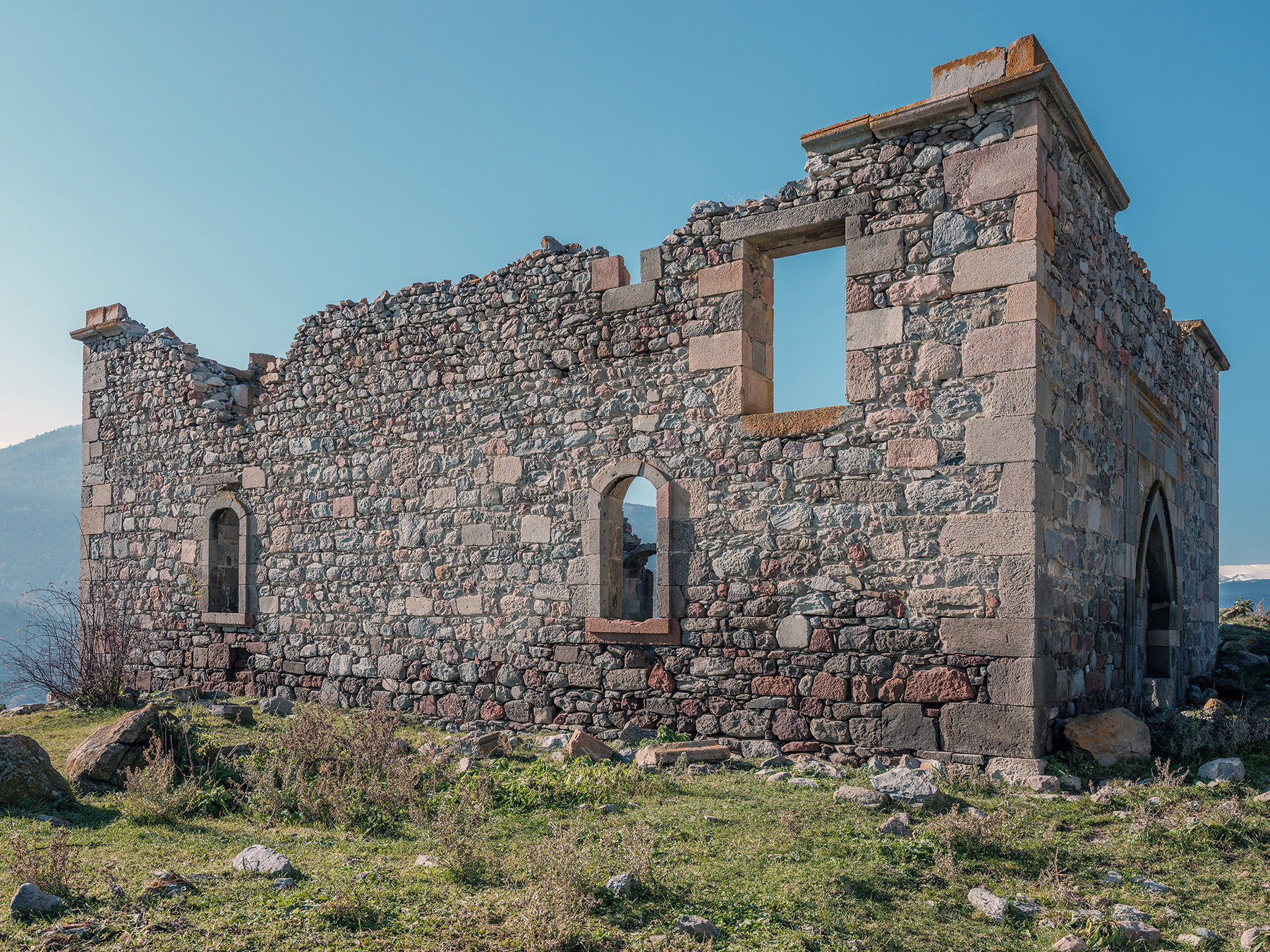
Поглощение и подчинение Грузии Российской империей началось в конце XVIII века и продолжается, увы, по сей день. Отказ от евроинтеграции — очередной этап этого процесса. Как и в последние три столетия, одним из ключевых политических инструментов, которые Россия применяет в отношении тех, кого считает своей сферой влияния, является политика кооптации элит. Метрополия делает ставку на определенные группы в элитах, которых привлекает разными привилегиями, например возможностью править бессрочно. Но в ответ всегда требуется беспрекословная лояльность московскому начальству и удержание населения в повиновении. Никакие либеральные реформы, благодаря которым у Грузии якобы получилось ступить на путь демократии, подлинного суверенитета и евроинтеграции, как оказалось, не могут быть препятствием для возвращения в эту имперскую реальность.