
Translated material
Hell is empty, everyone is infuriated here
The deterioration of Russia's relations with the CIS countries is a symptom of non -fundamental disagreements, but mental misunderstanding: Moscow cannot realize that it has ceased to be attractive for neighbors

Photo: Cyril Kuhamar / TASS
Russian propagandists sometimes do everything to substitute the sides of their Ukrainian colleagues under the Trolol fire. In one of his recent broadcasts, Vladimir Solovyov, as always frowning and exclaiming, suggested critically a look at the relations of Russia with the CSTO countries (that is, Belarus, Armenia, Kazakhstan and Kyrgyzstan). “So far I know the countries that shoulder to shoulder with us: first of all, this is the Korean People’s Democratic Republic,” said Solovyov. - And I know the countries that pretend that they are with us. The whole name is-o-de-ka-be! And what is the fuck of CSTO? Is this all at all? What did they do for Russia, which is fighting now? " It would seem that Solovyov’s broadcasts on his name can be watched only by the employees of the “Solovyov Live” themselves (and that is not a fact), but not: even such lengthy reasoning became the reason for many channels from another camp (both Ukrainian and those who left Russia) for the headlines “Russia is preparing the following in Kazakhstan”. And not only there, but, of course, in Azerbaijan, Armenia, somewhere in Kyrgyzstan-well, further on the list.
With all the mutual exalness of positions, it cannot be said that these conversations arise completely from scratch. The relations of Russia with the CIS countries obviously slide into a crisis: somewhere quickly, as in the case of Baku, somewhere-slowly and in the form of outbreaks, as in the case of the same republics of Central Asia. In each of the cases, the genesis is his own abuse. The general is now only that the neighbors begin to answer for any actions of Russia that it considers to be correct (or for which she is not ready to apologize).
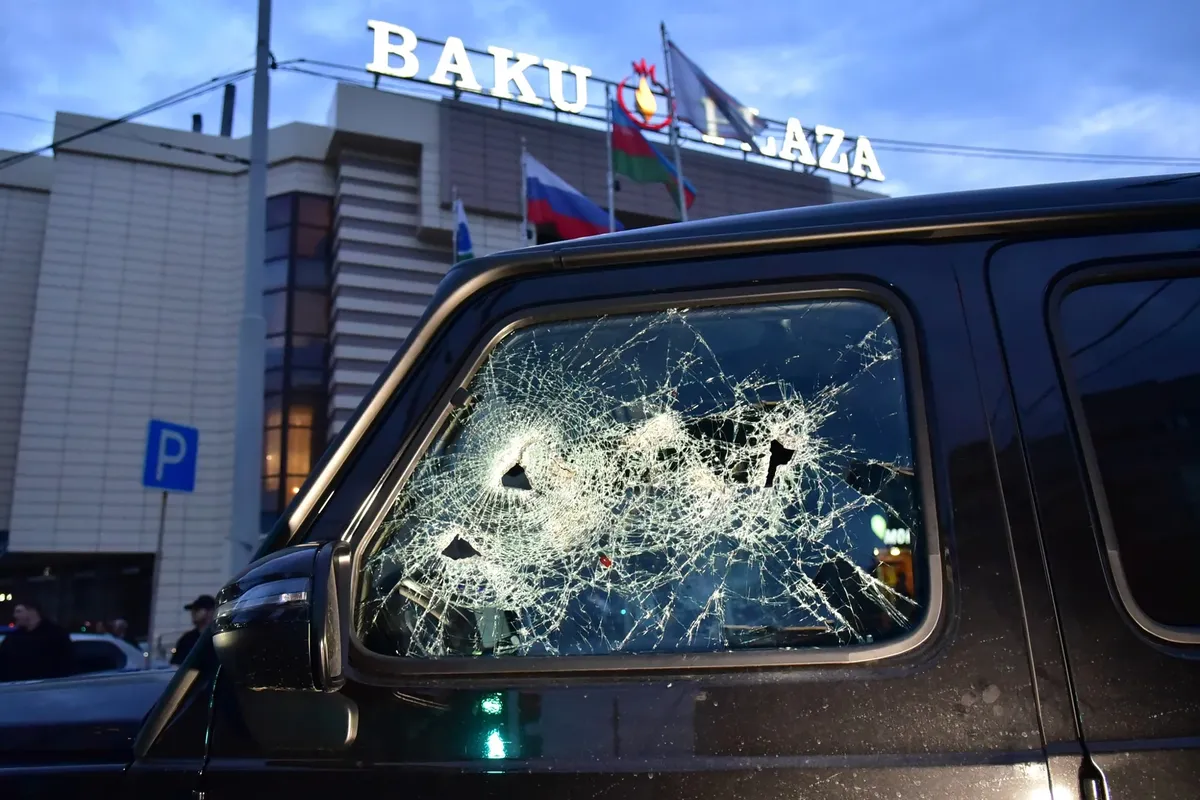
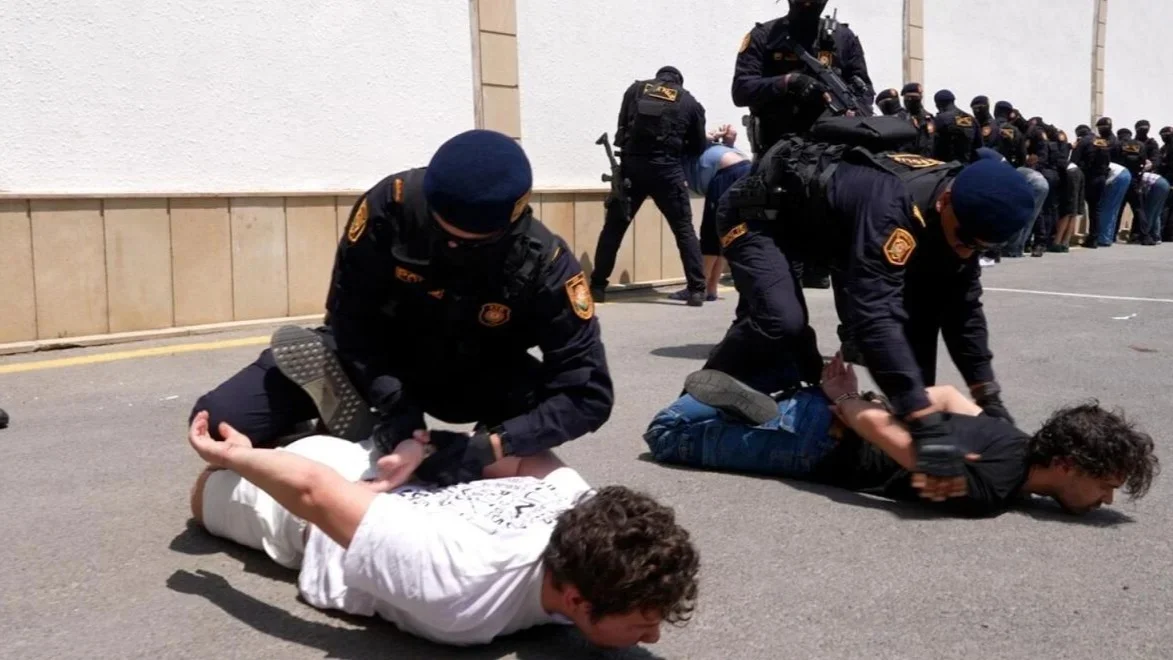
Azerbaijan after the Azal Aircraft’s disaster and the hard detention of Azerbaijanis in Yekaterinburg cooled relations with Russia so much that even Dmitry Peskov did not find an absolutely neutral term for their current state.
Armenia through the detention of businessman Karapetyan and the persecution of other prominent businesses in business, politics and religion solves not only domestic political issues, but also gives a clear signal to Moscow that it is now not an ally for the pro -Russian forces that it is now not an ally.
In Kyrgyzstan, in response to the so -called “bath raids” sharply strengthened the legislation regarding the Kyrgyz language knowledge: now even a visiting one from Russia may not give a residence permit or refuse the status of an immigrant if he does not know the state language in sufficient volume.
In Kazakhstan, in response to the introduction of a predictive system about entering Russia (at least 72 hours before arrival in the country, a foreigner, including a citizen of Kazakhstan, must fill out the documents in a special application and get a QR code: this is not necessary, in fact, it becomes almost inevitable) Minister of the Interior, Yerzhan Sadenov, threatened the mirror measures already in the Russians who entered the Russian Kazakhstan.
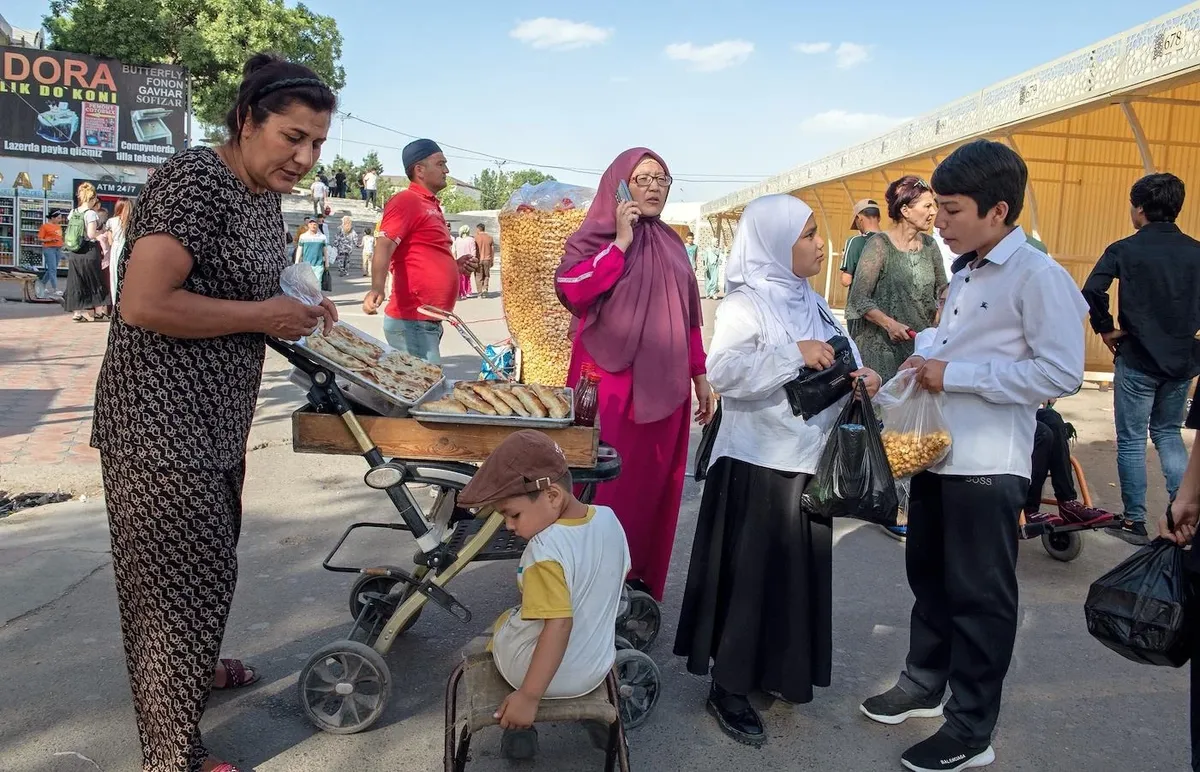
In general, last year, Uzbekistan, due to the conflict in the Tashkent school in the Russian language lesson (the teacher broke the student) through the vice-speaker of the parliament Alisher Kadyrov, in a fairly harsh form, advised Moscow to “deal with his problems”, as soon as the Russian Foreign Ministry to hint at his “concern”.
And the number of such small and large conflicts between Moscow and other "friendly" countries is growing. So the experiences of Solovyov and the like are intuitively understood. However, the problem here is wider. If the current opponents of Russia from the Ukrainian side use all these frictions to escalate the atmosphere and demonstrate that even the closest allies turn away from Moscow (which is not so: this is an outright pull on the owl on the globe),
then in the words of Russian propagandists, “military commissions” and “patriotic” politicians, bewilders bewilderment: they say, they talked normally - what did you suddenly start to present to us?
The misunderstanding of the situation in Moscow is the inability to realize two key things.
A sharp tightening of migration legislation, absolute game with detention and torture of diasporas and even the actual visa regime with Kazakhstan - this is for previously loyal partners, according to political scientist Arkady Dubnov, "offended, unpleasant, insulting: emphasize any word." It turns out that resentment works not only when Moscow blows, but also in the opposite direction.
“Normally” from the point of view of Moscow is an economic and, if possible, political submission of the nearest states to the Kremlin. But what was effective earlier (for example, migrants pressed in 2021, “new” often wrote about this - however, in the republics, in general, they turned a blind eye to this because the external economic interests of the authorities prevailed over the interests of citizens), now no longer acted. And in Moscow they just cannot understand what happened. And the final awareness of the former Soviet states of its subjectivity has been final. “According to the collective“ Soviet man ”[in the countries of the CA and the Caucasus], the last three years have been very mentally hit,” Dubnov explains. The word "Russia" as a mantra ceased to act primarily on the inhabitants of neighboring countries themselves - and now this is not a point to which everyone is striving for, but - often - a place that is shunning.
The process of dissociation and separation has occurred, of course, not in the last three years, the military conflict with Ukraine only accelerated all the processes. However, with its latest actions in relations with neighbors, Moscow seemed to hurt that the loyal part of the population of these countries made it possible to go into the regime of more bold answers. This is how everything came to this.
Away from Moscow
One of the key parameters of the relations of the Union Center with the republics in the USSR was the Moscow Ossentricity . This meant that ceteris paribus there was a certain place in the form of the Kremlin, where the final decisions are made, and there is a city, to live and work in which is the dream of a unified community “Soviet people”. And although this did not sometimes deny almost absolute power “in the field”, Moscow, as a guideline, acted as a balancer and at the same time part of the general cultural code. For ordinary people - this is important to note.
After the collapse of the USSR, this guideline disappeared: formally, the subjectivity of states appeared immediately, and Russia became an arbitrator in some internal disputes of neighboring countries (whether it be Transnistria, Tajikistan or even Kazakhstan in January 2022), primarily due to its size and residual power. By law, all countries became equal in their rights.
But, of course, Russia sincerely thought all the way that the return of the “younger brothers” to her wing is inevitably:
The narrative that the republics “crawl back” were retained to the end of the nineties, and then it transformed into the idea that all the countries of the former USSR (except for the Baltic countries, which immediately took clearly the anti -Russian position) into economic hugs, from which they could not break out.
And in the case of political and economic maneuvers, this did to a certain extent in Russia.
However, subjectivity lies not only in the fact that you, as the state, determine the policy yourself or plan a budget. An important part of self -awareness is national culture, education, relations in society, traditions, attitude to history. What was suppressed under the Union (somewhere softer, somewhere tougher), in independent states came to the fore. The sincere misconception of Moscow was that people divided by borders will still remain “Soviet” or “pro -Russian” in their souls, because it is the USSR (and not the conditional Uzbekistan or Armenia) - their real homeland. And, I must say, for the first few years inertia, most people in the former Soviet republics and lived with this belief. Largely because it continued to study in Soviet textbooks (like the author of this material, for example), watch Russian TV (local channels just started to get on their feet), read books in Russian and go to the cinema to Russian paintings or paintings in the language of the former metropolis. Those whose childhood had been for this period is sometimes jokingly called "the last Soviet firmware."
But for a long time, of course, it could not continue. Gradually, in states - everywhere at different speeds - their textbooks began to appear, interest in its native language began to grow, its everyday culture began to form. Gradually, the symbolism of belonging to a single country began to disappear. In the same Kazakhstan, Lenin from Soviet rubles was replaced by thinkers and statesmen of the distant past in tenge bills. Streets and even entire cities were renamed. Accordingly, the new generation of residents of the country was already born in another atmosphere.
It is important to emphasize that the replacement of the cultural code does not come from malicious intent and not from the position “if only not as before, not in Moscow”: by default, it is simply a natural process of searching for a convenient mental and aesthetic identity.
Any resident of an independent country considers himself a citizen not only because of a passport, but also because he identifies himself with its symbols-visual, geographical, traditional, even gastronomic.
Thus, a new generation of citizens in independent countries began to form. The old generation shared several camps. Those who could not accept the changes initially tried to leave immediately. Those who were disappointed in them during the play tried to move later. Those who could not leave, but did not become a supporter of the new homeland, but remained mentally in the USSR, turned precisely into those very “pro -Russian” supporters of the Kremlin, who cause concern among local authorities and who are a lever of influence from Moscow. Sometimes - as in the case of the same Kazakhstan - "pro -Russian" is called all ethnic Russians, but it is fundamentally incorrect. There are a huge number of Russians in the country that are annoyed by Russia, and there are people such as the Blogue Kazakhs of Aslan Tlegenov, who positions himself as a defender of the “Russian world”: he is even forced to publicly defend the “Russian community” from “Kazakhstan's chauvinism”.
Finally, part of the old generation was completely rebuilt to new realities and healed perfectly in them. Thus, including the young generation, in each country there were at least five groups different in mental and political attitudes with different attitudes towards the same Russia. And with each of these groups it was necessary to work separately.
What did Russia do? She made three mistakes.
The first error. With all these groups, she began to work the same way, believing that what works for pro -Russian citizens of other countries (that is, on the main target audience of narratives and propaganda) will also work for the rest. But this is the farther, the more ridiculous it looked. At some point, Russia began to speak with groups of people from other countries in different languages (and sometimes literally). And this mistake, as it would be said in modern Russian jurisdiction, is a “impaired violation”: a significant part of Rossotrudnichestvo programs-an organization that promotes Russian narratives in the former Soviet republics that your USAID is still built at events for already pro-Russian citizens. Propaganda is clumsy in the frontal and in front of the idea “We all love Russia together” for whom it is not obvious and to whom the country should only advertise itself .
The second error. Russia sincerely believes that what will work in Kazakhstan will work, for example, in Kyrgyzstan. But this approach (I would not like to mention the word "imperial", but it is asked) is false in its essence. After all, any country in the former Soviet camp is different from another radically. Somewhere this is noticeably more clearly (it does not occur to anyone to put an equal sign between Armenia and Azerbaijan, for example: different political regimes, different cultures, different living conditions), somewhere it seems that everything is not so clear. But a completely different attitude towards life and residents of Kazakhstan, Kyrgyzstan, Uzbekistan, Tajikistan and Turkmenistan:
Part of the general culture does not make them the same, because other factors affect perception. For Russia-both in power and in a conditionally “liberal” camp-this is still “Asia”, and also “average”, and not central.
The neglect of the differences and an attempt to unify their approach is manifested, by the way, not so much in any specific projects to strengthen influence in the region, but in general in the dominance of the “Russian” view of the countries. “It doesn’t matter to us how you think, because only our focus is true,” as if Russia says to other countries. This, by the way, is noticeable in small disputes regarding the correctness of writing words and names: “Almaty” (as it should now) instead of “Alma-Ata” (because it is allegedly “in Russian”); “Kyrgyzstan” and “Kyrgyz” (these are recognized at the international level) and “Kyrgyzstan” and “Kyrgyz” (we are so accustomed); Ethnonyms “Uzbeks”, “Kazakhs” and “Tajiks” as a designation of citizenship instead of “Uzbekistians”, “Kazakhstanis” and “Tajikistians”. Every time a public dispute comes to this, the Russians are dismissed: they say, these are your phantom pains. Which indicates the impossibility of taking as a basis the fact of the equivalent of Russia and any other country in the region. Thus, the attitude to the former Soviet republics among Moscow is still equally condescending. Which again resonates with the attitude of "pro-Russian" citizens, but repels everyone else.
- The error is the third. Carried away by political economic intrigues, Russia did not criticize its image in the eyes of residents of other countries of the region, still believing that everyone only thinks how to move to Moscow. The high level of labor migration, and the initial-in the 90s-the outflow of people from the former Soviet republics to the former metropolia contributed to this delusion. But, as already mentioned, it was largely an inertial stream of the very “last Soviet firmware”. And by 2025 (even if there were no military conflict with Ukraine), Moscow as the dominant cultural vector has long lost to other opportunities. And to attract new labor resources, brains, hands, in order to maintain its influence in these regions, Moscow had to somehow disdroize itself, show itself attractive. Russia not only did not do this, it scared away from itself the most devoted, seemingly supporters.
The last mistake should be dedicated in more detail.
There are not even any ideas!
What usually makes a person leave his homeland (or - easier - from a raised place) to other lands? As a rule, there are several main reasons:
the presence of common cultural and traditional values with a new place of residence and the absence of such common "hooks" with the old homeland;
the ability to realize or get a better life (domestic conditions, education, career prospects);
The ability to make more trite more than at home.
When this or that country analyzes migration processes, it focuses on these reasons when explaining the influx or outflow of citizens. Accordingly, when the country wants to be the center of attraction (and Russia wants to be: after all, according to modern “patriotic” thinkers like Sergey Karaganov, “civilization of civilizations”), it should work so that people from other states would like to come and stay. This, among other things, is the work of Rossotrudnichestvo: to create the image of an attractive country for citizens of the former Soviet republics, so that the best of the best (or at least those who are needed specifically for targeted needs) sought to get to Russia.
One has only to see superficially how Russia works to create its attractive image in the context of three mentioned reasons for moving - and it becomes clear that it has problems with this face.
As a community of interests, it is primarily understood to belong to the Russian -speaking culture and knowledge of the Russian language as such. It is, in particular, the concern of diplomats and politicians in Russia, when they are afraid of “language patrols” in Central Asian countries: they say, the Russian language is oppressed. But over 35 years in countries with another change in the ethnic composition, the change of language and culture is inevitable, no matter how hard you try to maintain the dominant position of the Russian, "because it has always been so." This erosion is facilitated primarily by demography. States become national, the number of inhabitants who speak immediately in the title language is growing. Culture is also formed under the language, including mass: demand gives birth to a sentence. The farther from Russia geographically, the faster this process is faster - and the less Russia can affect it.
Достаточно сравнить отношение к русскому языку в Казахстане, где он практически второй официальный, и в Узбекистане, где на нем говорит все меньше людей, и он не является сколь-либо обязательным для повседневной коммуникации. Новое поколение молодых людей (начиная с «поздних миллениалов») в независимых странах живет уже своей жизнью, у них свои культурные коды — от песен до мемов. Попытка завлечь в Россию тем, что «у нас много общего», бесперспективна изначально. Общего теперь немного.
На этот аргумент хорошо реагируют представители старшего поколения, которые выросли в русскоязычной среде, и те, кто как раз уехал или планирует уехать, потому что новая культурная кодификация его страны им не подходит. В частности, на основе этой идеи «общности» и была воздвигнута программа переселения соотечественников. Однако даже сейчас она настолько унизительна по своим условиям и по процедуре прохождения документов, что ее критикуют и те, кто планирует переехать, и даже «патриотические» блогеры. Россия уже на старте говорит, что «соотечественники», может, и общие с коренными россиянами по культуре — но все равно чужие. Не берем в расчет коррупционные и организационные проблемы:
само отношение к приезжающим изначально не радушное, а подозрительное. Россия зазывает людей «домой», но считает, что это не право, а привилегия — и ее надо заслужить (желательно через унижение).
Often, the motive of historical memory is used as a unifying narrative - "we have gone through a lot." “Many” is meant exclusively the period of 1941-1945, however, in independent states, over 35 years, the historical past has been reassessed. Again, not with the goal of annoying someone or purposefully condemning the “colonialism” of Moscow: usually they say radical activists, but they are always in an absolute minority. The point is that people - especially young ones - need to understand how it was before and how it has now become, and how to one or another historical event in the context of modern life. Given the maximum level of frankness and openness of the modern generation, it would be strange to assume that in principle, attempts to create a common narrative as instructions for use. In the Asian and Caucasian countries, the past is also the same, first of all, the history of its own kind. And if in this genus someone disappeared in repressions or under the Holodomor or was forcibly deported-the Moscow attempt to say “but you never know what happened, look, but how we reached Berlin!”. In the countries of the former Soviet Union, the authorities, by the way, are understood, therefore they give history without embellishment. It was as it was, and not how I wanted the former metropolis. Yes, at the same time, the authorities of these countries are trying to pursue a policy of historical peace: to know the past, and not to try to take accounts with someone on its basis (which is why the term “decolonization”, for example, in Central Asia, the current regimes are perceived very painfully: it involves active opposition to Moscow, and this is not any important task). But in fact, independent countries make it clear to their citizens - especially young ones: your story is much longer and richer than the military and post -war period of the state joint with Russia.
Это дико злит Москву (именно поэтому периодически со стороны политиков вроде министра Кравцова звучат призывы «подкрутить» что-нибудь в учебниках истории постсоветских стран) и часто выводит дискуссию в сторону классического аргумента «да мы вам цивилизацию принесли!» и контраргумента «да без вас у нас давно бы уже демократия настоящая была и суперразвитие!». Обе позиции предельно манипулятивные: как было бы без России, никто знать не знает (сослагательного наклонения не существует), а история про «цивилизацию» в части строительства городов, домов, заводов и всеобуча хотя и справедлива по факту, но странна по сути претензии: получается, из-за этого теперь другие страны перед Россией в неоплатном долгу — а это не так. Логика соседей России следующая: за то, что было сделано, вам спасибо — но дальше у нас своя жизнь. Сторонники же аргумента про «цивилизацию» в этом смысле напоминают обиженного бывшего супруга, который говорит: я столько подарил тебе, а ты! Иногда это приводит к требованию «вернуть подарки» (в тексте требований могут также встречаться и другие термины — «денацификация» и «демилитаризация», например).
Таким образом, идея про совместимость «скреп» на молодое поколение не работает совсем, а на старое — лишь отчасти. Те, кто чувствовал это «общее», уже уехали. Люди, которые в процессе переезда сейчас, сталкиваются, по факту, с ощущением второсортности в России. «Пророссийские» и при этом остающиеся в своих странах рады бы воспринять идею про общие скрепы с Россией как основополагающую — но начинают что-то подозревать (об этом чуть позже).
Другая попытка привлечь людей — особенно молодых — в Россию заключается в обещании более качественного образования и крутых перспектив — жизненных и карьерных. И раньше это работало, поскольку уровень, в первую очередь, образования был несравним. Тем более работал «родительский подход»: отправить ребенка куда-нибудь в МГУ было скорее нереализованной мечтой папы или мамы, а не собственно желанием самого абитуриента. Но за те же самые 35 лет собственное высшее образование в странах стало существенно сильнее — по крайней мере, на уровне столиц. Кроме того, стало доступнее зарубежное образование — и не обязательно на «загнивающем Западе»: Китай, Южная Корея, Япония также стали возможны в качестве маршрута для получения диплома. На фоне того, что вторым языком после государственного в странах стал внедряться английский, необходимость обязательно ехать в Россию для качественного образования отпадает. Едут в первую очередь русскоязычные, которые не знают ни главного языка своей страны, ни иностранного — но количество таких людей в странах бывшего Советского Союза неизбежно сокращается. Не в последнюю очередь потому,
что, с одной стороны, «последняя советская прошивка» пытается дать своим детям то, чего была лишена сама, а с другой — перспектива быть успешным на мировом рынке любопытнее, чем перспектива стать специалистом на российском рынке (который в историческом моменте сильно отставлен в сторону от общемирового).
Более того, поскольку многие специальности сейчас позволяют сохранять дистанционный формат работы, нет никаких проблем в том, чтобы вообще оставаться дома, а работать где-нибудь в зарубежном IT-секторе. Мир изменился, российское образование из него в парадигме молодежи из бывших советских республик стало выпадать.
С жизненными перспективами тоже все неясно. Жить в России приезжему сейчас дорого, на работу можно устроиться не везде (страна декларирует приоритет местным кадрам), из России уехать куда-то дальше стало гораздо сложнее (как страна-транзит она больше не работает). А еще это страна, которая ведет боевые действия, и, приезжая сюда, рискуешь жизнью: или беспилотник прилетит (даже в Москву может), или на СВО попробуют завербовать. Лозунг «Россия — страна возможностей» модифицировался до «Россия — страна возможностей умереть», а люди приезжают, чтобы жить.
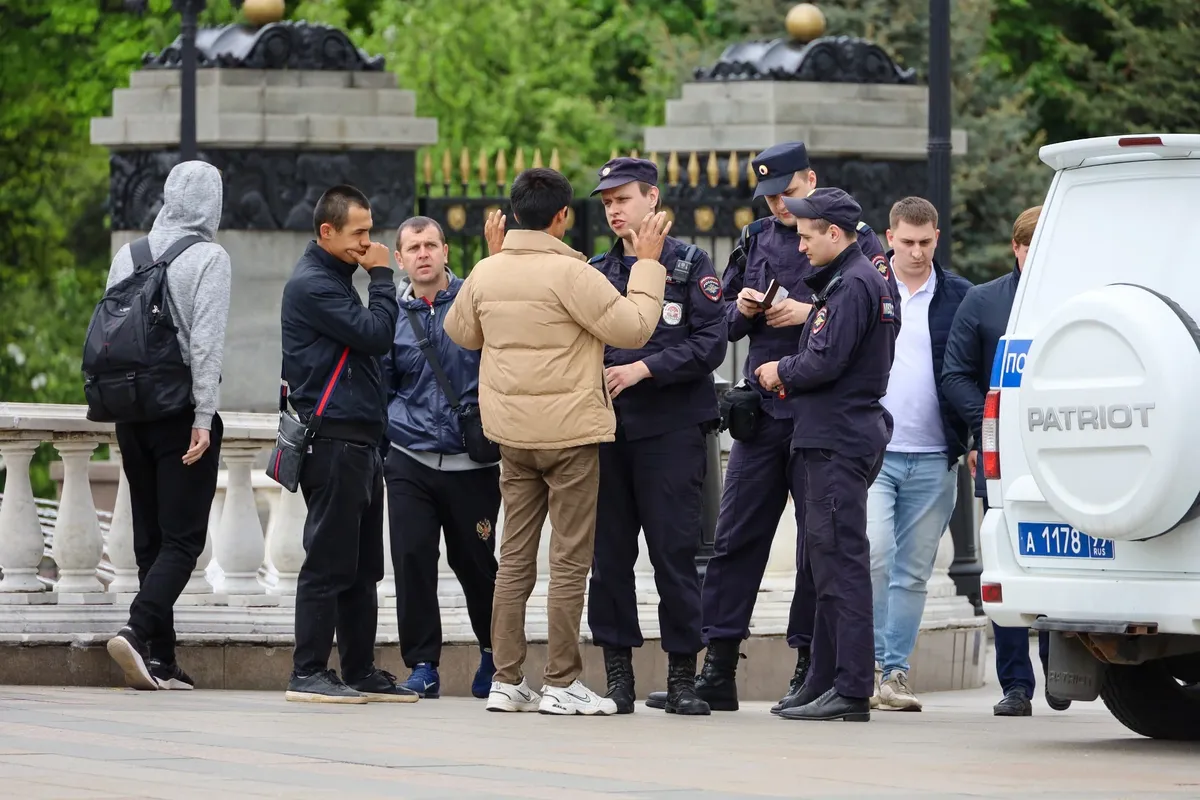
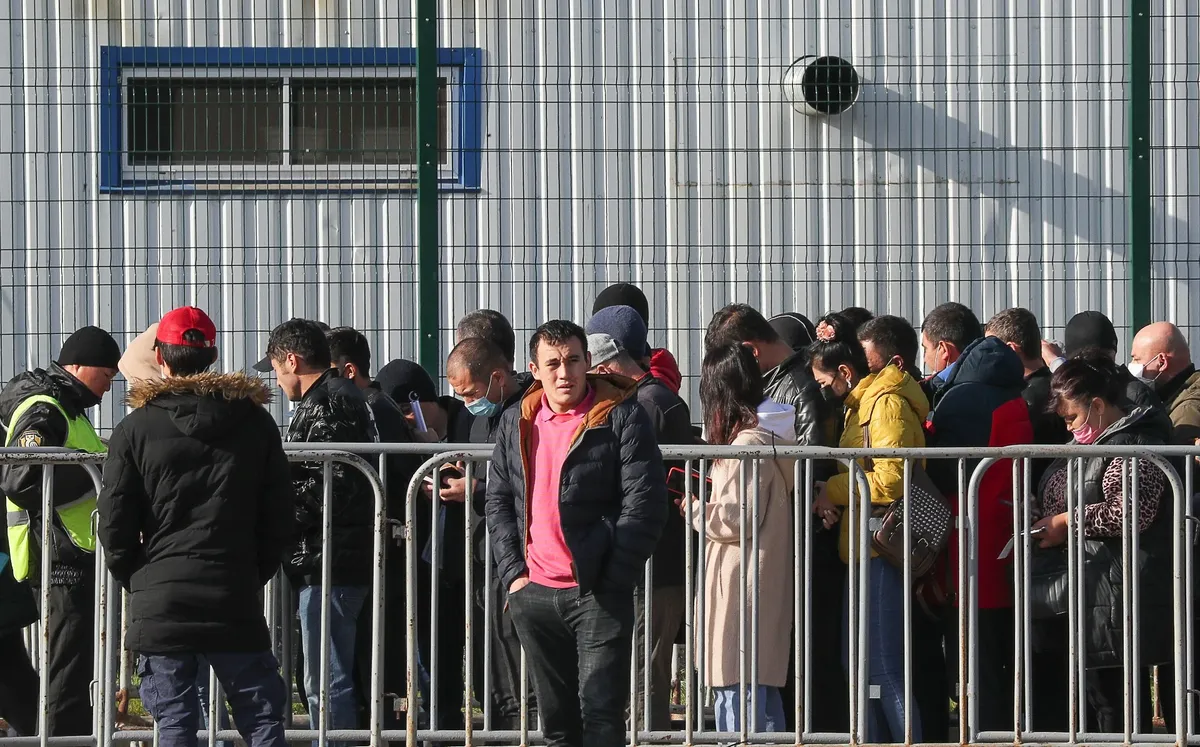
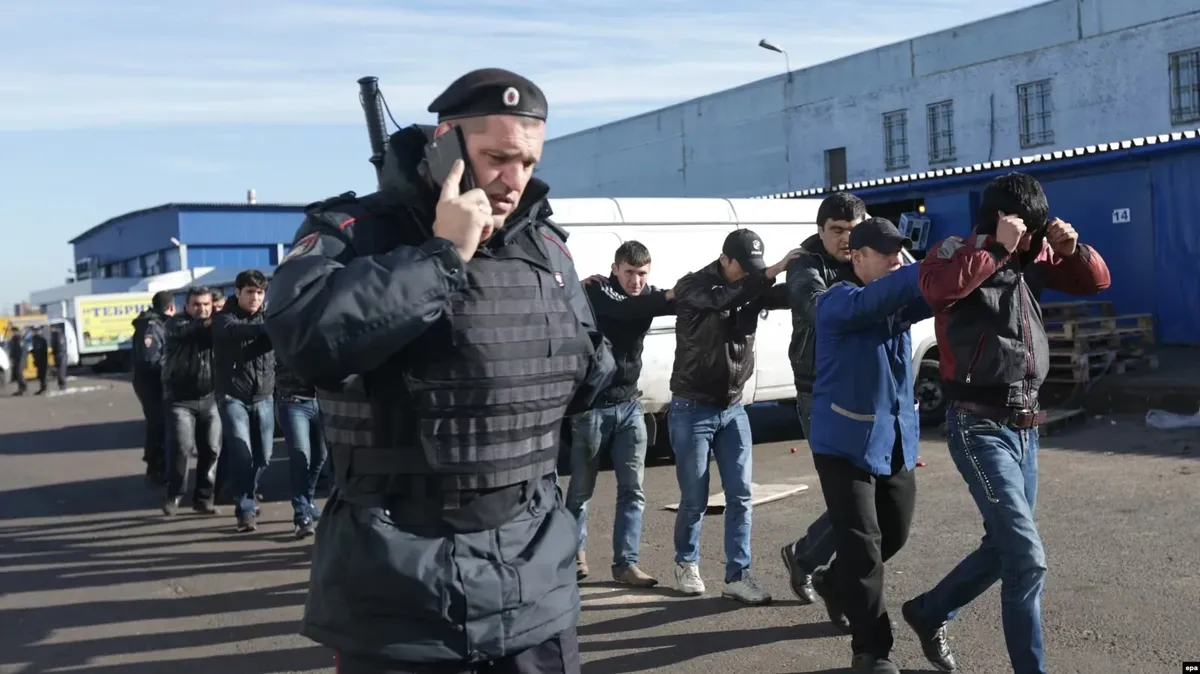
И поверх всего этого резко вырос уровень ксенофобии. У России своя многоступенчатая логика. На одном уровне — это страх перед мигрантами как возможными носителями вражды (теракт в «Крокусе» как аргумент-повод здесь почти не бьется критиками этого подхода). Но одновременно на другом уровне — уже несколько лет подряд (опять-таки задолго до февраля 2022 года) российские власти создают из мигрантов образ врага не потому, что у него коварные мысли, а потому, что мигрант сам по себе в понимании режима ниже «народа-богоносца». На практике это означает, что с мигрантами в принципе больше не церемонятся: тут своих-то граждан пытают от души, а с приезжим тем более цацкаться зачем. И приезжие здесь — не столько люди другой расовой принадлежности, сколько вообще люди из другой культуры. Может, они и русские по духу, но приехали из Ташкента, где принято по-другому со старшими, где уважают вежливость, где ценят друг друга и отношения, где грубость — это бескультурье, а не сила.
Россия сглаживает все эти нюансы единым «мигрант — значит, под подозрением», усиливая свою мотивацию путем выведения частных случаев преступлений со стороны приезжих в догму «все мигранты настроены на зло, они чужие».
Этот уровень ксенофобии, насаживаемый сверху, легко отозвался снизу. Потому что в условиях бесконечного стресса и непрекращающегося противостояния всех со всеми простой и понятный враг (как правило, отличающийся даже внешне) — отличная мишень и для выплеска ненависти, и для самоутверждения на фоне того же унижения от государства в свой адрес. Власть сжимает руку на шее граждан — а в ответ позволяет тем ненавидеть всех остальных.
Для приезжих, особенно трудовых мигрантов, это означает переоценку третьей причины для переезда — возможности заработать. Да, по сравнению со своими странами любой мигрант при желании по-прежнему может получить больший заработок, чем на родине, но теперь он должен соотносить его с резко возросшим количеством рисков. На фоне других направлений для миграции — та же Юго-Восточная Азия, Турция и какая-нибудь Британия со сбором клубники — человек из Оша десять раз подумает, предпочтет ли он получить на 15–20 процентов меньше или предпочтет получить по почкам в отделении от какого-нибудь подмосковного сержанта.
Каждая из этих неработающих причин для переезда в Россию действует на определенные возрастные и социальные группы в соседних странах. Однако все вместе они сильнее всего бьют по главной целевой аудитории, которую стереотипно рассматривает Россия: тем самым поклонникам общего прошлого, последним остаткам «советского народа». Часть из них — в основном воспринимающая ситуацию и события линейно, некритически — благостно едет по контракту «бить нацистов» (о чем регулярно сообщают украинские аналитики) либо ускоряет переезд в Россию. Но другие, более прагматичные, теперь задумываются. Ведь если:
Россия предлагает плохое отношение к тебе, потому что ты в принципе приезжий (и, не дай бог, другой расы!);
сам процесс переезда сопряжен с усложнившейся процедурой;
кормовая база сокращается, как сокращается и линейка перспектив;
местные — простые люди и власти — слишком сильно «жестят»;
тебе изначально предлагают смириться с позицией «мы против всего мира»,
то какая же необходимость ехать в страну? В чем ее преимущество по сравнению с тем местом, где человек находится сейчас? Да, он любит русскую культуру и чувствует себя русским — но в его нынешней стране это не осуждается и не запрещено (за редкими проявлениями ксенофобии с другой стороны — но это как раз именно что редкость, а не правило).
При оценке рисков переезда человек из страны бывшего СССР решает, что он получит в ответ. В ответ сейчас он по факту получает изоляцию от остального мира и идею жизни как служения и как жертвенности, а не как жизни в свое удовольствие. И для чего это тогда?
Надо понимать, что пророссийски настроенные граждане в бывших советских странах — это в большей своей массе обыватели, а не пассионарии. Они просто хотят хорошо и спокойно жить — и в этой их логике нынешний образ России сильно корежит сознание таких людей. Частый аргумент таких людей «Мы готовы терпеть ради Победы!», который, по сути, является лишь пропагандистским нарративом, не проходит проверку реальностью. А у тех, кто верит в это искренне, наступает усталость от отсутствия ощущения триумфа и некоей бесконечности процесса пути к той самой «Победе». И заявления министра Лаврова о том, что Россия теперь борется одна, или крики Соловьева о том, что ОДКБ не поддерживает своего союзника на поле боя, главную целевую аудиторию России за пределами страны исключительно демотивируют. Хотя в глаза эти люди об этом никогда не скажут.
Теперь есть что сказать в ответ
Вернемсяна политический уровень взаимоотношений между странами, чтобы констатировать: идея о России как смысловом и ключевом центре принятия решений (в широком смысле — того самого «русского мира») для постсоветских стран перестала быть привлекательной давно, а теперь из местами пугающей она превратилась просто в раздражающую. «Если раньше «русский мир» ассоциировался с Пушкиным и Толстым, всем положительным, что внесла русская культура в сокровищницу мировой культуры, то ныне, к сожалению, «русский мир» связывается с агрессивным поведением Кремля, — констатирует казахстанский политик, экс-кандидат в президенты Амиржан Косанов. — Идея «русского мира» оказалась не мирной и позитивной, а милитаристской и негативной. Кремлевские идеологи должны понимать, что никто не будет любить мир, который навязывается насильно и запугивающе, тем более с бряцанием оружия. Есть «казахский мир» и другие, с которыми «русскому миру» теперь надо считаться и вести себя с ними на равных».
Что делать в этом случае России? В рамках журналистики решений самым логичным советом было бы выдохнуть и пересмотреть свои отношения с бывшими советскими странами, но не так, как предлагает Соловьев (кто готов встать с нами рядом на поле боя — тот друг, все остальные — враги), а с точки зрения прагматичного равноценного сотрудничества. Ведь отсутствие лояльности к «целям СВО» не означает автоматически плохие отношения: примеры официального и человеческого общения с любой из «союзнических» стран — вплоть до Азербайджана, который пропагандисты сейчас разве что бомбить не предлагают, — показывают, что Россия это умеет.
Люди в любой стране Центральной Азии или на Южном Кавказе с большим уважением относятся к соседям, но и требуют такого же уважения в ответ, а не пренебрежительного взгляда сверху вниз и разговора через губу.
Тем более на Востоке люди хотят, чтобы всем было хорошо и комфортно и все было по справедливости (это заложено в культуре и ментальности, в том числе уже за годы независимости), а не чтобы совместно нужно было преодолевать нескончаемые трудности.
Но России сейчас не нужны ни решения, ни журналистика (грустный смех в студии). В сложившихся условиях, какими тремя или пятью буквами их ни называй, самолюбие России как политического игрока сейчас крайне уязвлено — и воспринимать чаяния игроков вокруг, если они не соответствуют его нынешним представлениям о силе и равнозначности, Кремль не готов (вопрос, был ли он вообще когда-то готов, справедлив, но является отдельной темой).
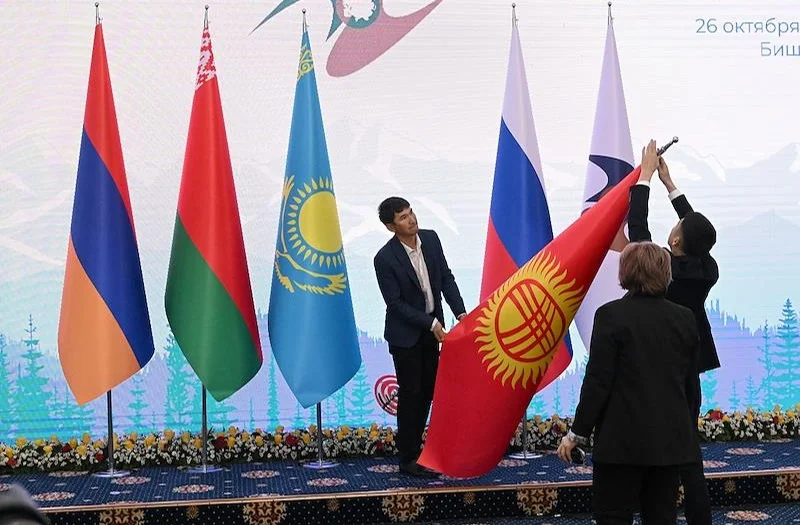
Именно отсюда и рождается агрессия со стороны российского режима (в широком смысле: политиков, медиа, силовиков) по отношению к тем, кто в принципе готов дружить, несмотря ни на что, как раз-таки учитывая общее прошлое, общие границы, общие победы и общие страдания. Но дело в том, что режимы других стран прекрасно понимают потерю образа России в глазах своих «сомневающихся» граждан. Как бы ни обвиняли современный Кремль в авторитаризме (а то и чем-нибудь похуже), в некоторых бывших советских республиках опыт авторитарного правления куда более значимый (помножьте это на восточные мудрость и хитрость). И российские выпады как часть деконструкции образа самой России другие режимы с удовольствием используют в своих интересах. Это может быть попытка консолидации вокруг действующей власти. «Хоровод вокруг древка с флагом — абсолютно понятный и логичный инструмент, тут даже не о чем говорить, — констатирует политолог Аркадий Дубнов. — Просто радиус этого движения разный. В Армении, где формально демократия, пространства для маневра меньше. В Азербайджане — больше». А еще это может быть дополнительное укрепление собственного авторитета в глазах людей. Иными словами, теперь ответ России в некоторых случаях несет больше выгод, чем попытка отмолчаться.
Сама степень резкости ответа при этом варьируется еще и в зависимости от личности отвечающего. «Например, Ильхам Алиев — это наследник Гейдара Алиева, у которого свои счеты к Москве. К тому же Азербайджан прошел тяжелый путь, восстановил свою территорию военным путем, у него за спиной мощный союзник в виде Турции, и поэтому в тех конфликтах, по поводу которых Баку сейчас спорит с Россией, Алиев посчитал правильным с точки зрения национального достоинства ответить публично и резко, — объясняет Дубнов. — Возьмите для другого примера президента Казахстана Касым-Жомарта Токаева. Он — тоже наследник в каком-то смысле советского руководителя, но вынужден реагировать на любые выпады гораздо осторожнее: и сам дипломат, и «спящую проблему» Северного Казахстана никто не отменял. Посмотрите на президента Кыргызстана Садыра Жапарова, чей ресурс для возмущения ограничен еще сильнее. Но и со стороны Кыргызстана была ответная реакция».
Каждый отвечает в меру своих возможностей — но теперь непременно отвечает. А многовекторная политика, которой придерживаются почти все страны Центральной Азии и Южного Кавказа, позволяет делать это чуть смелее.
«Налицо оба фактора: демонстрация субъектности, которая укрепляет позицию того или иного лидера страны региона в глазах собственного электората, и интеграция этих стран в региональные и родственные союзы (например, тюркский мир), которая позволяет им диверсифицировать внешние отношения, — добавляет Амиржан Косанов. — Но в то же время понятно, что в силу известных причин некоторые их этих стран, включая и Казахстан, вынуждены более аккуратно формулировать свою позицию относительно событий, связанных с Россией. И в этот период, когда коренным образом перестраивается вся мировая архитектура, меняются привычные центры влияния, создаются новые формальные и неформальные союзы. России, как кажется, следовало бы отойти от неоимперских амбиций и соответствующей, дурно пахнущей в XXI веке риторики. Как раз тут и работает поколенческая сторона вопроса: в бывших республиках СССР, ныне независимых государствах, за 34 года после развала Союза, выросло и встало на ноги и у руля власти новое, не обремененное советским прошлым, ориентированное на общечеловеческие ценности и цивилизационные принципы младое и дерзкое поколение, у них нет постсоветского синдрома. И они в будущем будут определять политику своих стран. Россия должна быть готова и к этому».
В этом смысле Россия не просто перестала быть привлекательной для соседей. Она перестала быть центром абсолютной силы. И переживания Соловьева по поводу неучастия ОДКБ в боевых действиях — это именно что причитания по тому, что Россию стали меньше бояться. В голове «патриотов» максима «боятся — значит, уважают» в обратном направлении работает достаточно прямолинейно: не боятся — значит, не уважают. Про то, что можно уважать друг друга и без страха, Россия, похоже, забыла. А другие страны — те, кого Россия хотела бы считать своими друзьями, — теперь иначе не хотят.
This material was released in the eleventh issue of the New Gazeta. Magazine". You can buy it in the online store of our partners.