
Translated material
Not only "summons"
The non-banal results of the 82nd Venice Film Festival

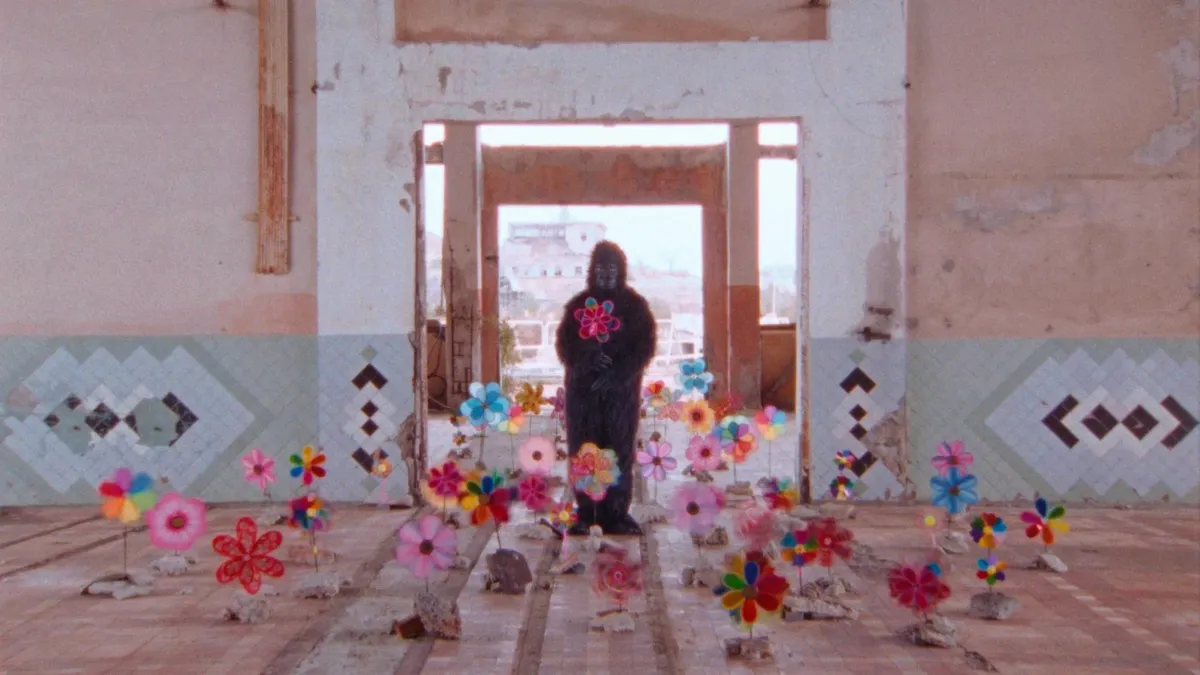
Frame from the film "Father, mother, sister and brother"
The dazzling names selected this year on the “Mostste” (the name of the film festival, part of the Biennale of Modern Art), was not embarrassed by Alexander Payne, who headed the jury. He, together with the directors, Christian Mongju (the Cannes branch for the film “Four months, three weeks, two days”) and Mohammed Rasulof (Iranian dissident who received the highest awards in Berlin and Cannes) were made by non -banal decisions. With one exception. But you can’t do without politics. I can imagine what battles flared up on discussions so as not to give the “Golden Leo” to the film “Voice of Hind Rajab” by the Tunisian craftsman Kaur Ben Khania about a six -year -old girl killed by Israeli military. He got the Grand Prix to the director’s displeasure that she had demonstrated at the closing of the festival. And all of her prophesied glory, heated by the heyday of European anti -Semitism and the fury of the inextricable missiles.
Alexander Payne once contributed to the discovery of Christie Puya, appreciating his ingenious film “Death of Mr. Lazaresu”, being in the jury of a special Cannes look. It is he who is now responsible for the surge of the “new Romanian wave”, still powerful and strange. This is an important stroke of his biography.
The fact that Jim Jarmush - from the last most independent directors (along with Aki Kaurisma) - received the Golden Leo, few expected. Jarmush prizes are not spoiled. They were not given to him. And they were not very needed. There are plenty of fans of his cinema without them. The picture “Father, mother, sister and brother”, for which Jarmush received the main prize, was not taken into the selection of Cannes. As in the distant time, “Vera Drake” Mike Lee, who also received the main prize of “Mostra”. The Pigzonski rejected Cannes and the modernist masterpiece of Jarmusha “Pure Zen” and Enigmatic Thriller “Forests of Control”.
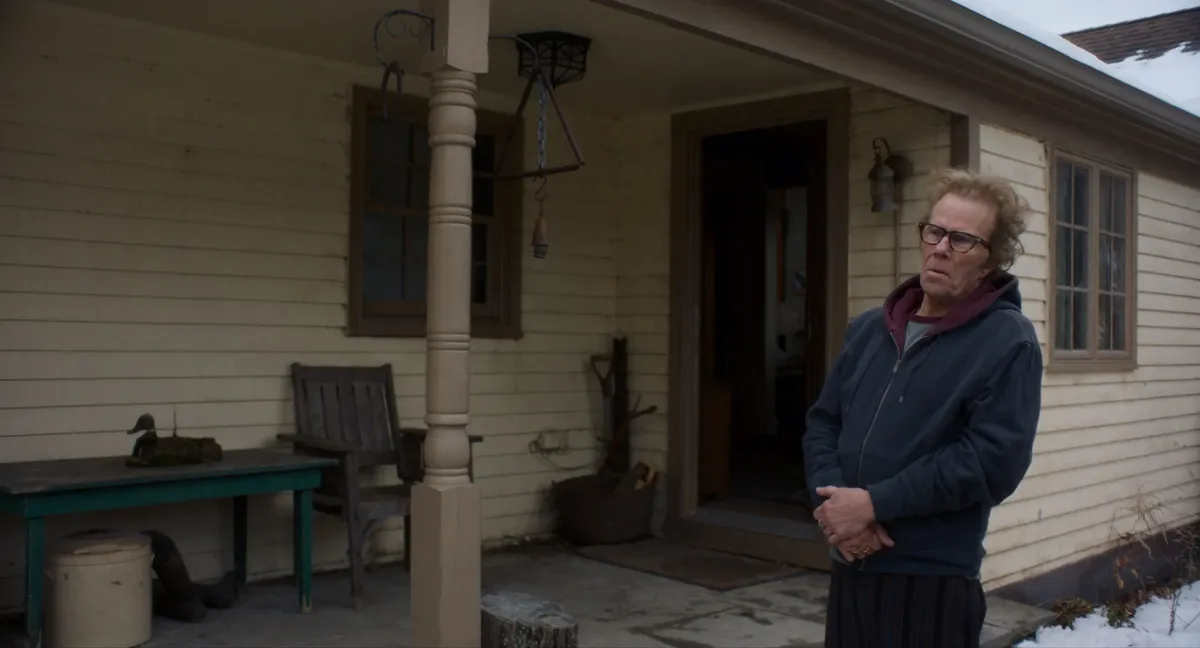
The new film "Father, Mother, Sister and Brother" is the best in the Venice competition. But is this a criterion for the highest assessment? Too minimalist, as if simple, transparent, poetic, witty, gentle. But - small, not spectacular. Unlike the fashionista of Jorgas Lantimos or the “monster” of the visual feasts of Benisio del Toro.
The formalist Lantimos, who showed Bugonia, can quickly and often shoot everything-all-all. In any genres, with a luxurious swing, with actors higher praise and even about the actual one. For example, a remake of the old Korean film “Save the Green Planet” about the threat of conspiracy nonsense. Of course, such a directorial selected car is a kind to the public, although it is too mechanistic. But the tuning is bully.
There is an opinion (I do not share it) that Jarmush was given a prize for seniority, that this is an old -fashioned “daddy movie”. Not true. It is livelier and plastic than the opuses of the directors-nuumakers. And it is nuanced with such a carefree unobtrusiveness, with such a nature that you believe: miracles happen. And the coolness, pouring from the screen, cancels the tests of heat.
Three novels. About the cunning father - Tom Waits, his children, played by Adam Driver and Maim Byalik. A meeting in America seems to be taking place in New Jersey. About the too restrained mother in Dublin - Charlotte Rampling and her daughters - Malacholny Vicki Cryps, Influenserser without money on the map, and awkward, in huge glasses, a dark -haired wig, similar to Kate Blanchett's “Botanika”. About the charming dark-skinned twins from New York, who came to Paris to go to the apartment of their dead parents and understand what to do with things.
Between the novels - pauses: skaters jump along the street. Sometimes a little in a rapid. Time slows down and rushes. Why? For what? There is no answer. Because it is not a matter of intrigue. Everything is imprisoned in the cinema itself, or, as Jarmush said about the “limits of control”, in the fact that this is the Action Without Action. The most difficult.
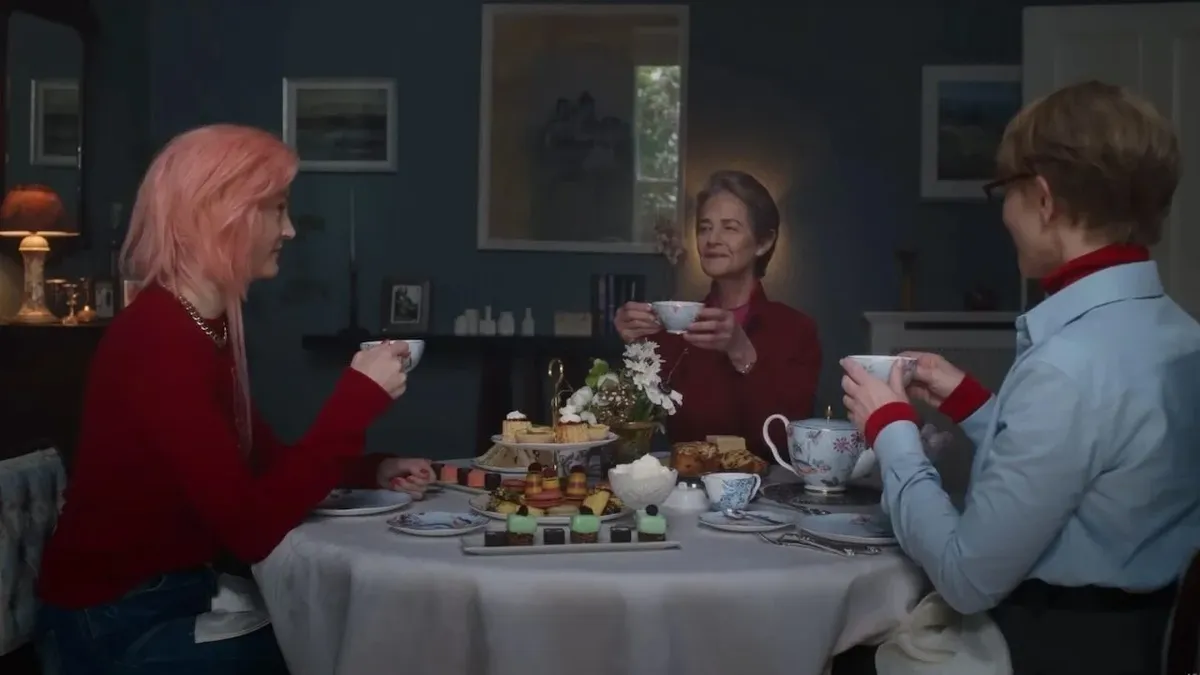
Short meetings. An awkward meetings. There is nothing to talk about. There are not enough words. But no one has yet canceled rituals. They support the rhythm of life. Deprived, secretive, but still some kind of.
Here they clink with water, toasts are lifted with a cup of coffee. Here the details rhyme - the same color of the clothes of relatives is commented with a laugh. The tea table dresses up cakes, like flower beds with flowers. They find out about the Rolex clock constantly and fluently: they are real or fake. No references to the family crisis. No homegrown psychoanalysis.
Jarmush makes the movie "out of nothing." And a quiet film with the director’s soundtrack, shot by operators Frederick Elms and Yorik Le C, discourages.
None of the loved ones, it seems, does not need each other here. But perhaps it seems so easy. “I love you,” they say here with tenderness and inertia. “Nobody loves anyone” (Kira Muratova’s films refrain) - not to come off.
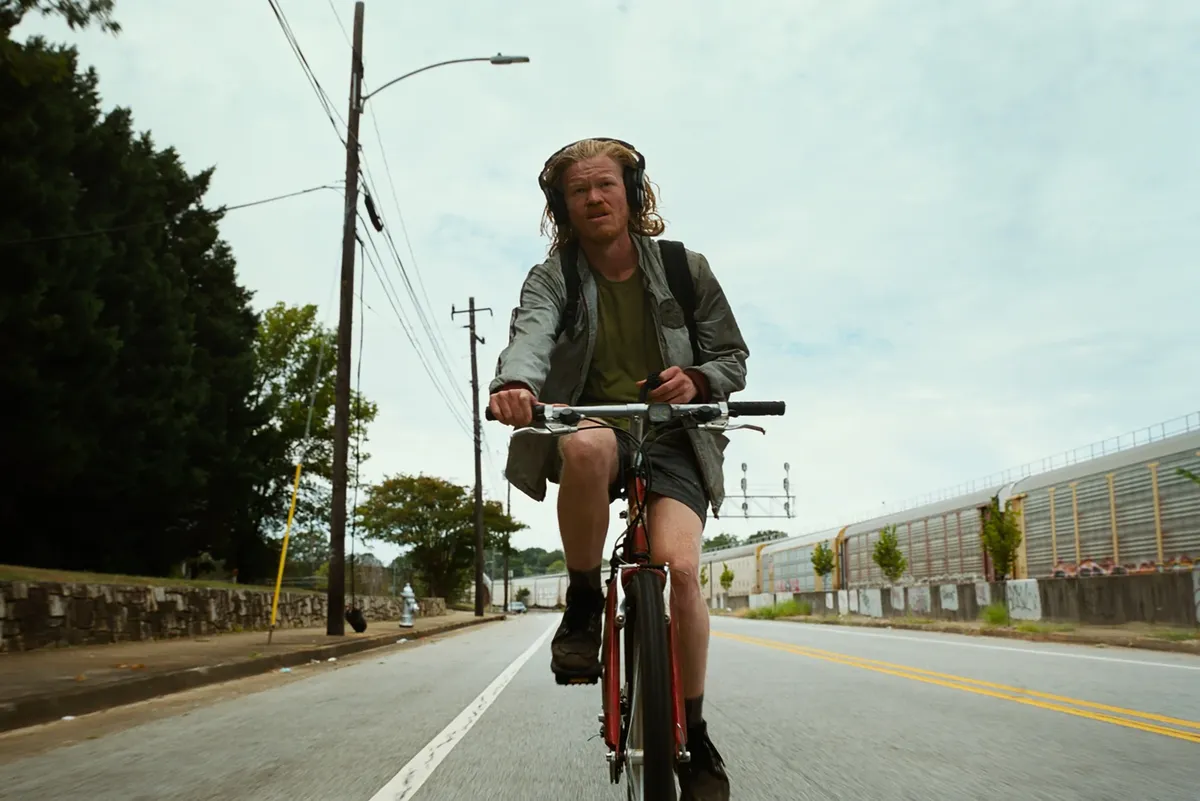
The high rating of Voice Hind Rajab in the vote of foreign critics still divided professional spectators. They say that Alexander Payne and the Brazilian actress from the jury fought because of this film. Payne did not want to give him a “golden lion”. In my opinion, fair. However, the judgments that only cynics can "voice ...." Do not accept, were heard many times. I do not consider myself cruel, but resisted the director of the director to force me to dig. This formula is tired. Here, “the soul is tearing” or does not tear the behavior of actors in the roles of rescuers. They say long hours with a girl on the phone (this is a real record), persuade her not to get out of the car in which she is covered with corpses of uncle with cousins. But he thinks that they are "sleeping."
In January 2024, the Palestinian red crescent published an audio recording of a call to the emergency service in Gaza. Cauter Ben Khania turned on this record, set sound waves on the screen and did without reconstruction. But she was invited to workers in the service during conversations with the girl to tears and fainting. Literally. Rescuers need to organize assistance by receiving the permission of the Israeli authorities, the Ministry of Health or the British Red Cross. This is almost impossible. They try, quarrel, hand over their nerves, the eyes of men flood tears. You have to reassure the girl. Ticking the clock. On the wall of the headquarters (here it is reconstructed) photos of people who are calling, praying and dead on the line.
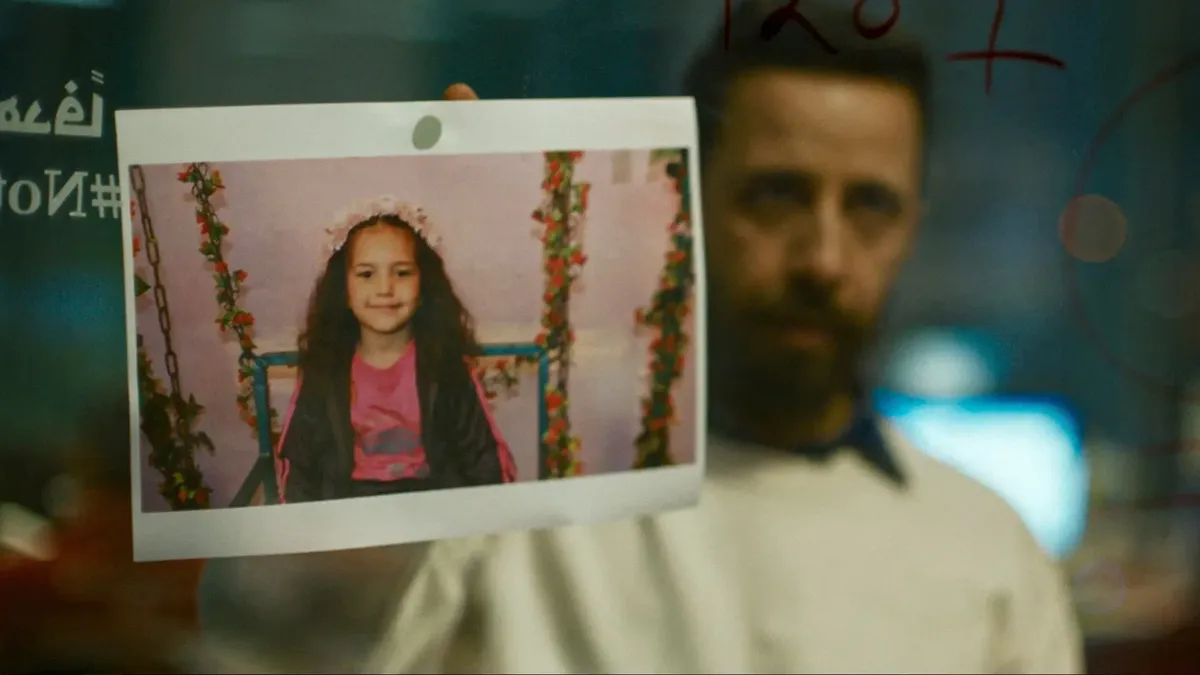
The unprocessed audio, together with acting emotions, prompted foreign journalists to call the genre of this film “Public Traur”. You can say so. And to prepare the audience for mourning, any prohibited, that is, potent, means are suitable.
Last year, the Israeli film “On Dogs and Children” Dani Rosenberg, who did not cause any sense or scandal, was shown at the “Union”. It passed, like a slanting rain. True, it was not included in the main competition. It is not known for political or aesthetic motives. The noble directing without pedals connected you to the fate of the girl, looking for a missing dog in a bombed kibbutz. The girl’s parents were hostage. Short meetings with the military, with some old man-Arab, wandering in ruins, no shameless experiencing speculations. And the horror of the war penetrated into your heart without mercy. Bypassing shameful techniques, humanly.
It is the war (the distant Chechen) at the center of completely different paintings by our directors, withdrawn with European funds
(program "Venetian Days"). I must say that the “memory” of Vladlen Sandu and the “short summer” Nastya Korkia were discussed at the “Military” hardly more than all other paintings. And not only compatriots. Excellent reviews in the foreign press, the colossal interest of the audience of the prestigious program “Copyright Days”, where these films were selected. It was not possible to get to the shows. The well -deserved success went to both girls.
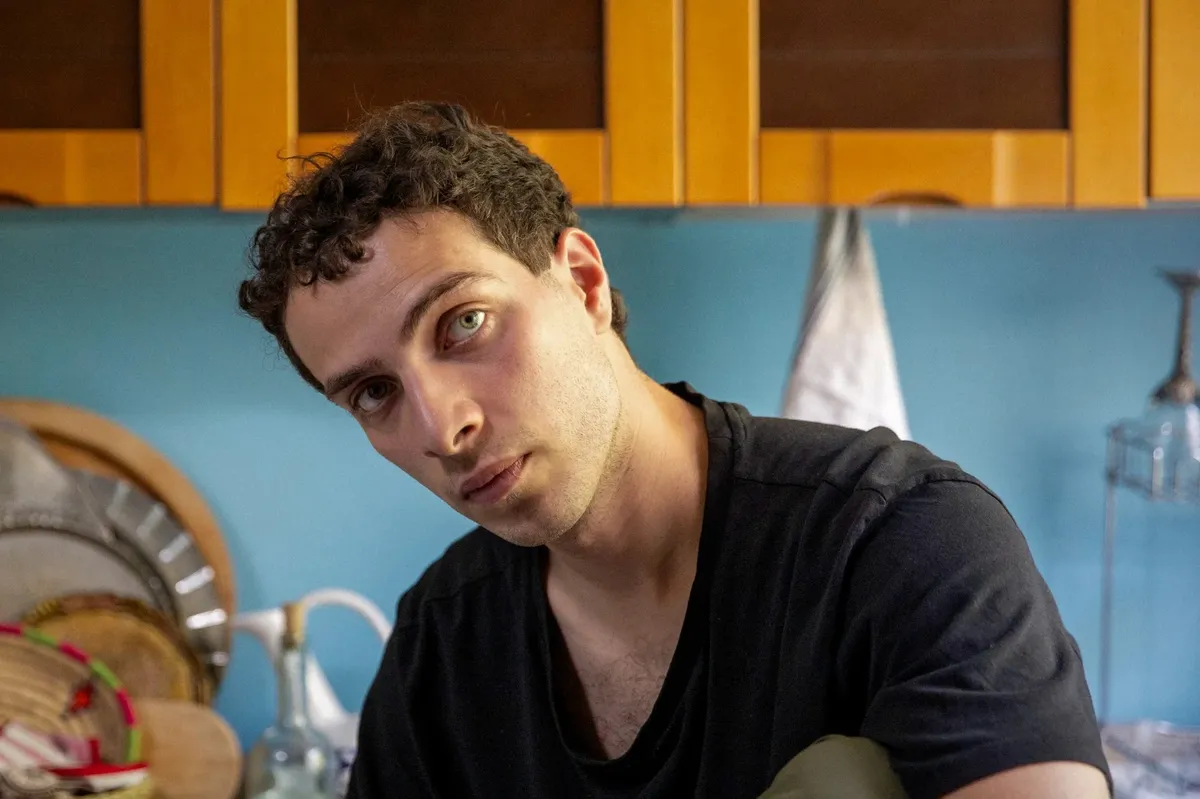
The main prize of this program was awarded to the wonderful Iranian painting “Inside Amir” by Amir Azizi about a guy who performs dizzying turns along Tehran on a great, and in the time of the time of the time gathering in emigration to Italy. To the girl who is waiting for him and with whom he discusses Pro and Contra emigration in long telephone conversations. The screen is not at all repressive Iran. The city is empathic, friendly, bright. But the relevance of the choice to go - not to go to go, although it does not force the odious unambigence. An unusual interpretation of passionate reflection of Iranian dissidents.
Vladlen Sandu received a prize of spectator sympathy for her difficultly organized directing in the autofix genre. And Nastya Korkia for a minimalist opus with very long plans, almost without large, withdrawn by Evgeny Rodin, won the Leo of the Future, a prize for the best debut of all programs. He was once received by Andrei Zvyagintsev for the “return”. I remember how he blew up Lido, an island where the Venetian festival takes place. In a cafe, on the beach and streets "ordinary people", having heard Russian speech, rushed at us with a hug.
"Memory" and "short summer" were shot in Russian
Sandu structured a film of different material. Documentary neutral orders of your own childhood and growing up, about moving from my native Feodosia to Grozny, about the life of the country of the USSR and after its collapse - she married with music, classical and popular, and with a variety of game image. In it, girls playing Vladlen do not illustrate the text, but refer to his figurative world are a poetic or mournful equivalent of the text.
Archival photos of Chechens stolen in Siberia. Multi -colored fields transforming the dry text about the strangeness and hardships of life (operator Lisa Popova). A military ID of a strict grandfather. Photo of mom with dad. Photo of the shot finger of mom with a ring. Speaking running of a dad with a daughter on a poppy field. He grows Mack, for which he is convicted and hidden. The puppet theater in the genre of Horror, shifting the bloody scenes of reality on a small stage.
Naive art and chronicle. Hints on social arts and fascinating landscape enthracles. Certificate and statement. Personal and social. Apotheosis of the utopia and the collapse of the system. And the formidable ending. I will not mention the last hard plan. His forerunner is a lot of photos of wounded children and children with weapons. Children of different eras, countries, continents. Children playing in the war, marching, posing for good memory ... The film is dedicated to children, victims of violence. The study of the family chronicle against the background and in the artistic fabric of Vladlen Sandu is going to continue.
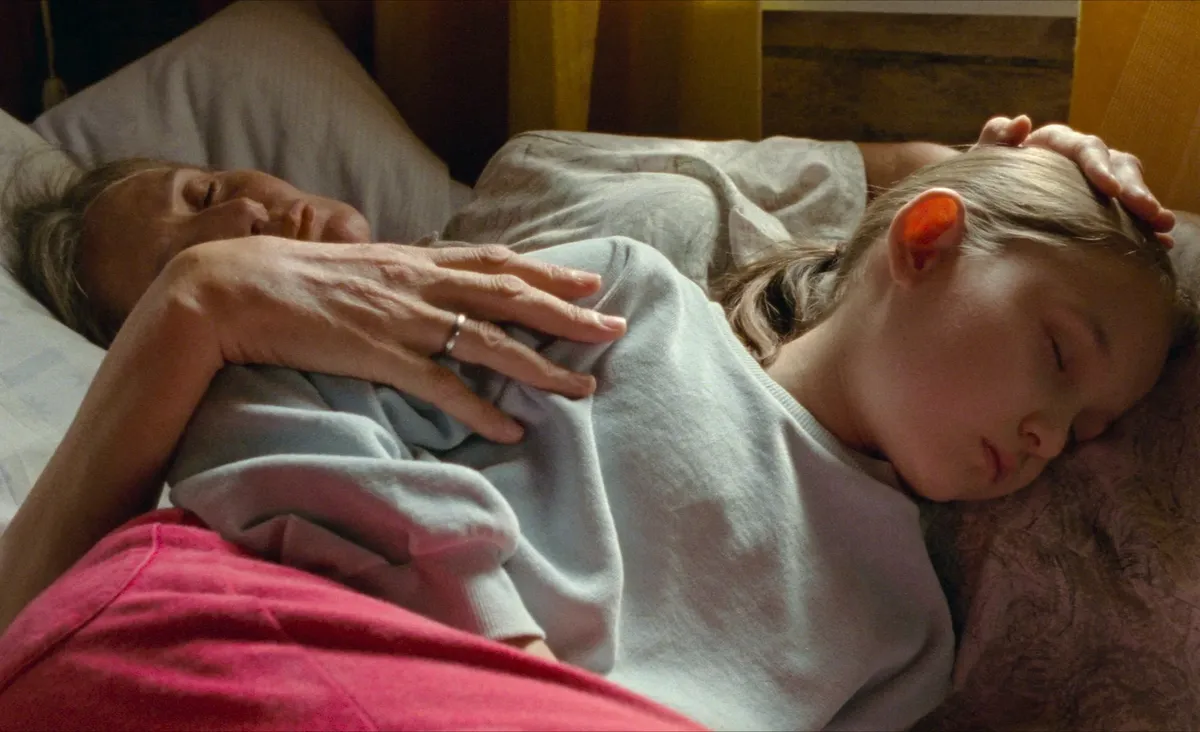
Nastya Korkia, unlike Vladlen and her ambitious “memory”, made a quiet film. The sun bunny catches the light in the hands of the heroine. But he refracts a summer lull in front of the storm. Action time-2004. Summer in the village. Katya (Maya Pleshkevich) is here with her grandparents. Boredom is diversifying games with local friends - stupids, football. Peripheral hearing catches military news from radio, TV. They sound dull, from afar. Not as clearly as in the "fallen leaves" of Kaurisma. The conflict between the summer idyll and the news echo creates Saspens - delicate and intelligible. Children play ... And at this time, a commodity train with armored vehicles is crawling in the background for a long time. Children do not notice this.
The ideal image of a feeling of war is directed as a refrain of a everyday familiar life. It is only unusual that the grandfather of Katya for some reason divorces her grandmother. It starts a mistress in old age. Summer is short. Mom takes Katya to the city, she must be to school, September 1. Year of Beslan. News rustle on TV. Mom is at home, but it does not cut in them.
Korkia deprives the fate of his heroine of certainty. Neither her nor us with unambiguity is sentenced. This gives the “short summer” the complexity and universal message and leads the film from the fleeting agenda.
Many films of the Venetian program were bought by Russian distributors. I hope you see them in cinemas.
Zara Abdullaev