
Translated material
Live and dead
The special teams of the "Novy" visited the source and at the mouth of the Seversky Donets, who nourishes (should nourish) including the Donbass
If there is no water in the tap (as in Donetsk) or if there is, but it is not always similar to water (and again, as in Donetsk), it means that the problem must be sought either in the networks that people deliver this water, or in the source that fills these networks. In this case, in the Seversky Donets.
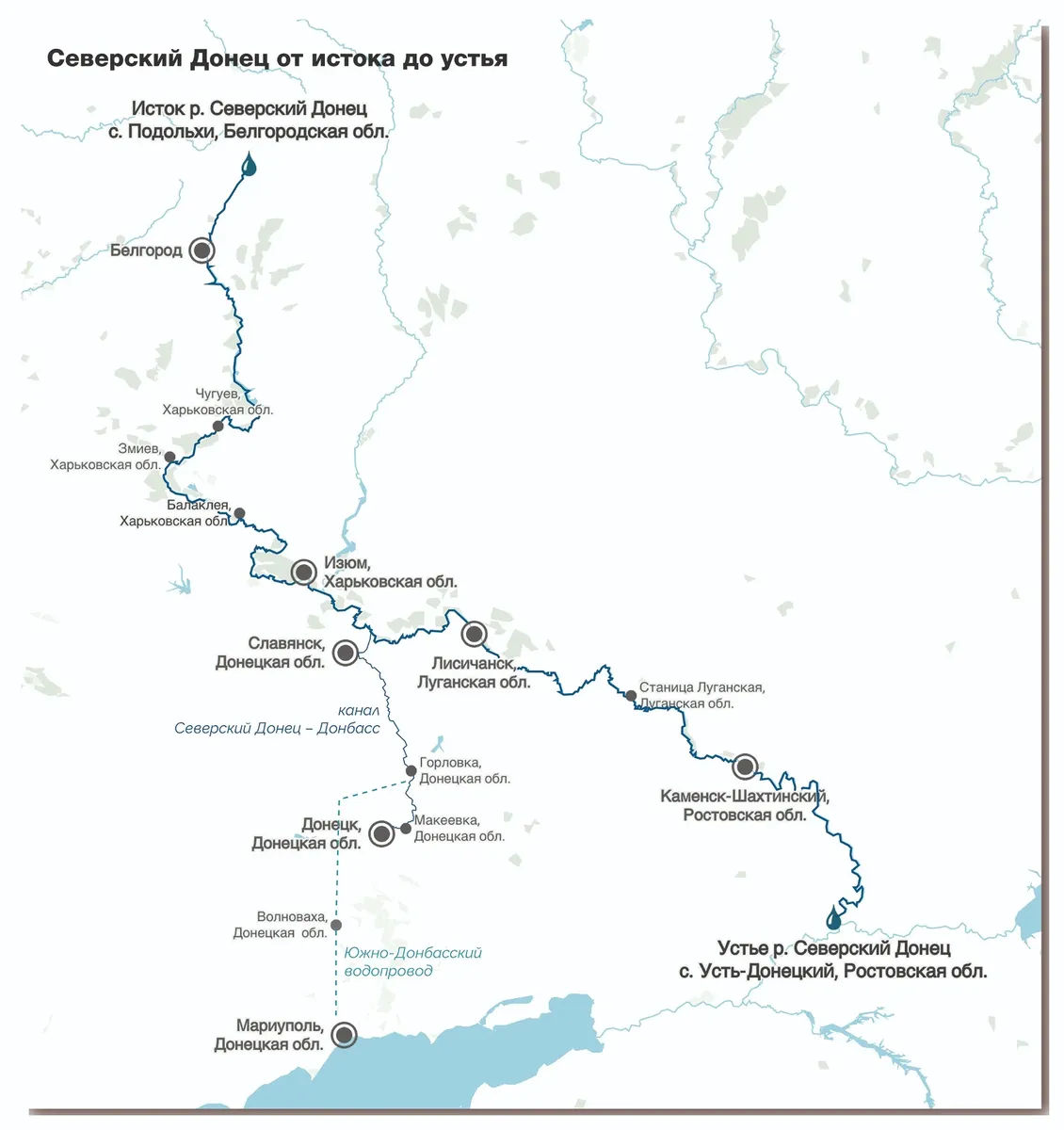
New Murtazin and Alexei Dushutin, Irek Murtazin and Rostov Regions, from the spring in the village of Podolkhovsky district of the Belgorod region, from which the Seversky Donets-a river with a length of 1053 km-to the village of Ust-Donetskiy Rostov Region, where Seversky Donets, began his waters along the lands of the Donbass, falls into the Don, falls into the Don. And here is what they saw and recognized.
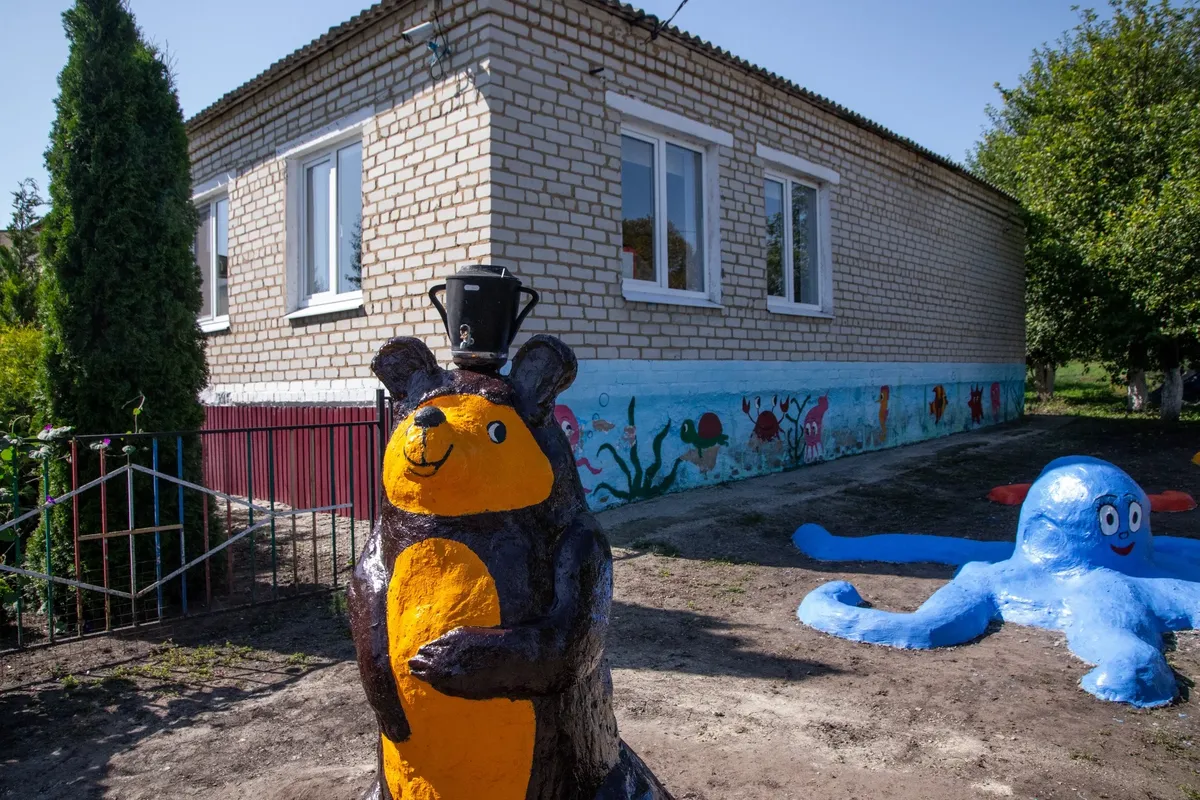
Immediately after the road sign of Podolha, meaning that we drove into the village of the village, saw a solid bridge over the Seversky Donets River.
Stopped. As soon as they took out the camera and read the signs that the “object under the protection” and that the “coastal protective strip” began here, as they noticed that a harsh man of about 65 was resolutely heading for the thigh from the opposite side of the road from the edge of the house to our strip, as if there was a holster of the invisible “mauser”.
- What are you doing here? - the man asked sternly, but quietly.
- We arrived from Moscow. We study the Seversky Donets.
- Ecologists?
- Journalists.
- Do you have documents?
-How without documents? Of course, there is ...-decided not to overtake the situation, not to be interested in the powers of the vigilant local resident to ask something. He took out a passport, journalistic certificate and editorial task. And casually handed over to the man:
- Study. And for now we will work ...
The vigilant man could not read anything. It turned out that in a hurry he forgot the glasses at home. But I found out later. And in the first minutes of our acquaintance, he did not show that he did not see, and pretended to carefully examine my passport and task of the editorial office:
“Excuse me, but the time is so, restless, you never know who is walking around the district ...” the man said, returning the documents to me.
- And far to the spring from which the Seversky Donets begins?
- After the bridge, turn right, get to the church, you will turn right there again. And there you will see a sign, do not slip.
We stood, talked. The vigilant man turned out to be a pensioner enthusiastically local history. He said that in 1868 the famous geographer and traveler Petr Semenov-Tyan-Shansky visited Podolhah. And in his book he wrote that Podolkhi is a large village of Kursk province, a volost center in which 3,500 souls live.
- One and a half centuries have passed, now less than a thousand people live in the village ...
The vigilant pensioner introduced himself to Oleg. He categorically refused to name the surname and categorically be photographed. But he said that in the village there were also a kindergarten with 38 pupils, and a secondary school for 98 students, who turned 150 years old this year. There were three schoolchildren in the graduation of the 11th grade, and four children will go to first grade this year.
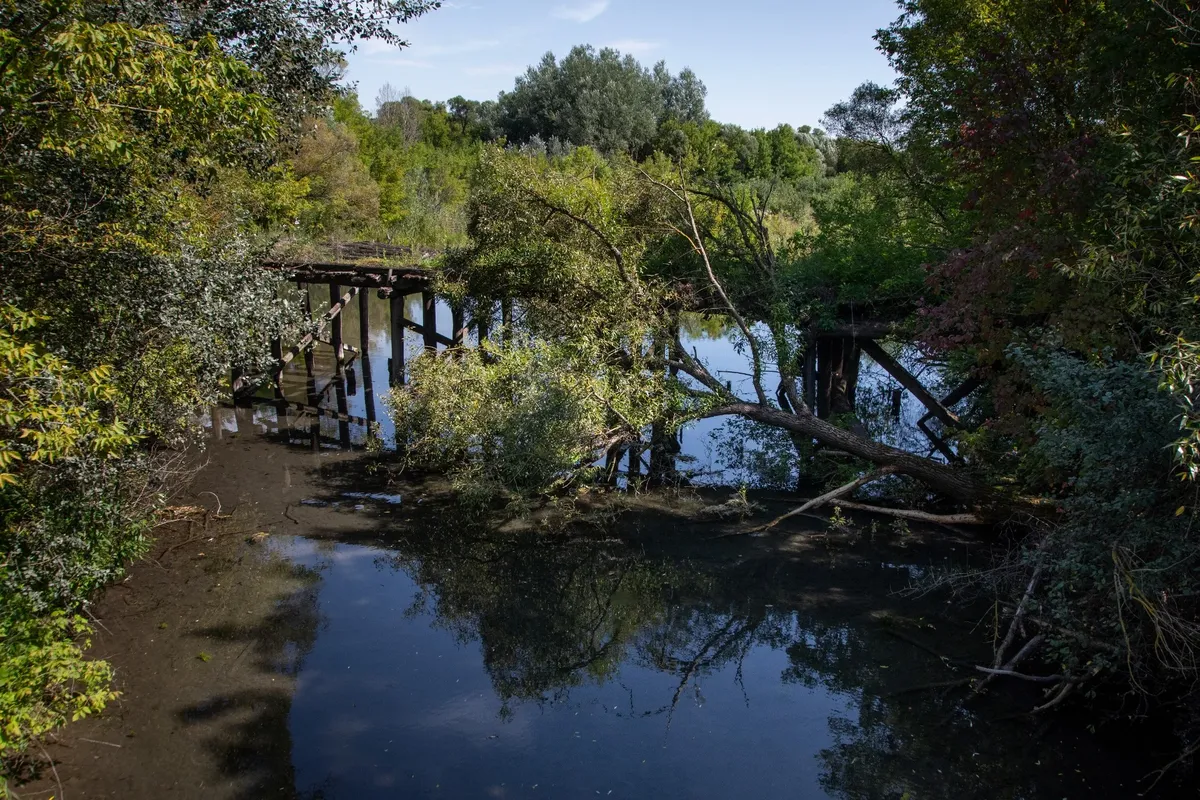
Another bridge turned out to be next to a new, recently renovated bridge over the Seversky Donets. Wooden, dilapidated.
- It was built back in 1866. In September 1941, they dismantled that German tanks did not pass. But the Nazis still captured the village, passed through the fords. And in the spring of 1943, when the adversaries were thrown out, the bridge was restored ... Then the USSR broke up, and the bridge stood and served people. The new one was built 20 years ago, but it had to be overhaul it.
The man suddenly remembered that he promised his wife to conduct her for worship in the local church of the Protection of the Blessed Virgin Mary.
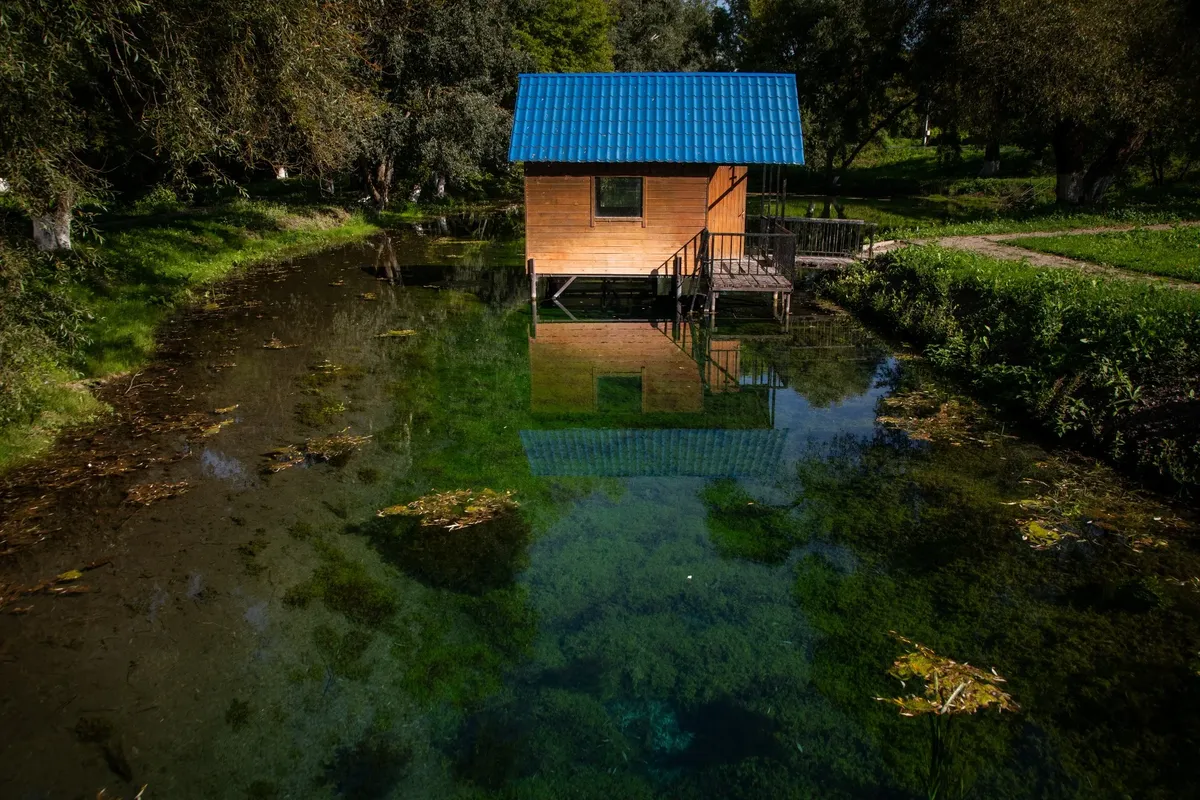
And we went to the spring, from which Seversky Donets begins at an altitude of 200 meters above sea level.
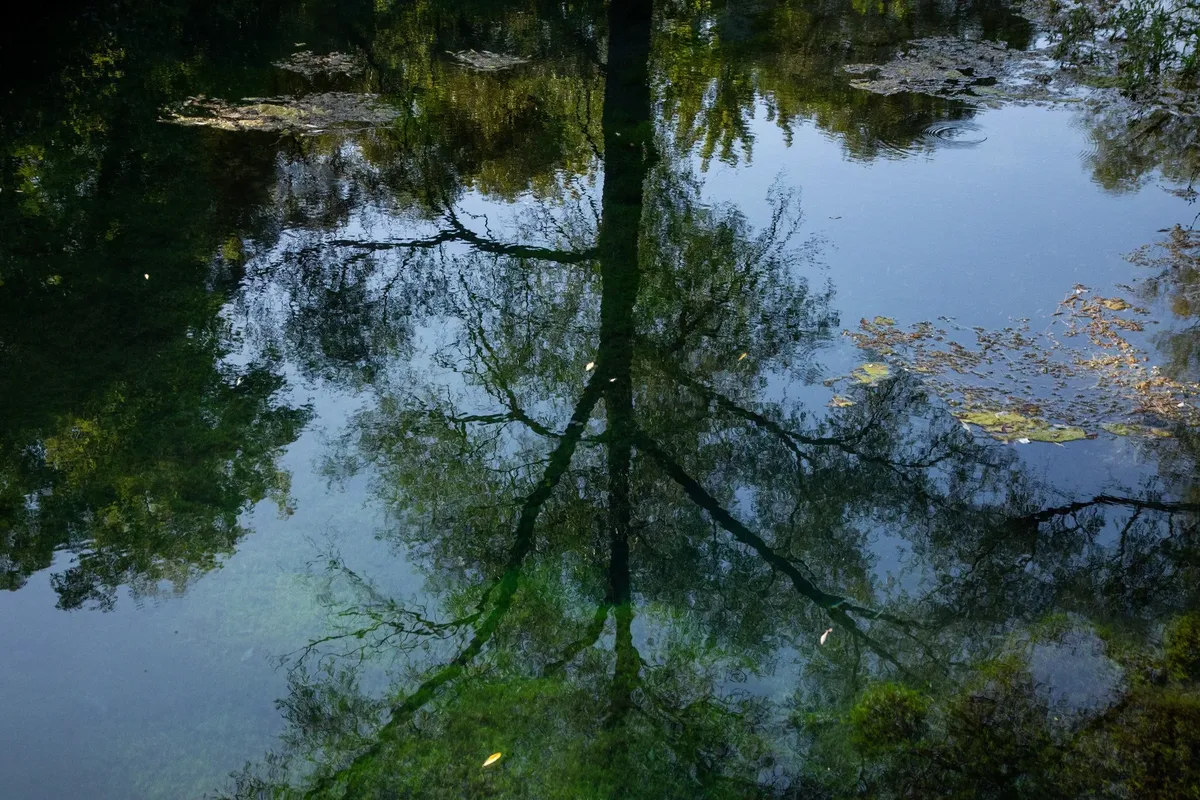
A small lake formed right at the spring. Around - a luxurious park. There is even a house with a font. The water here is very cold. Degrees 10-12, no more. Moreover, both in winter and in the summer. Locals claim that the water in the spring is live, healing.
At least safe. I drank it directly from the source!
Rotten pipes
In the summer of 1943, a evacuation hospital was located in the church building. On July 12, 25 km from here, near the current district center Prokhorovka, one and a half thousand Soviet and German tanks came together in a battle that entered all the textbooks of military history as a battle under Prokhorovka.
Hundreds of seriously wounded and charred tankers then delivered to Podolkhi. And many of them, according to the parishioners of the Church of the Protection of the Blessed Virgin Mary, helped to recover from wounds and burns not only military doctors and medicines, but also church walls and life -giving key water from the spring, from which the Seversky Donets begins.
Further, the waters of the Seversky Donets go to Belgorod. From there - to the Kharkov region, then to the Donbass, then it turns into the Rostov region and after 1053 kilometers from the source of the Seversky Donets flows into the Don. On the way, absorbing the waters of more than a thousand large and small tributaries.
It is Seversky Donets that is the main source of fresh water for cities such as Balaklia and raisins in the Kharkiv region, and in the Donbass-for Kremny and Lisichansk, Rubezhnoy and Severodonetsk, in the Rostov region-for Kamensk-Shakhtinsky and White Kalitva.
Back in Soviet times, problems began with the water supply of cities and villages, spreading on the shores of the Seversky Donets. Whether a joke, about five hundred only large enterprises worked in the river basin. About a hundred of which are reservoir factories of the chemical and metallurgical industries.
In the 60s of the last century, it was decided to build a channel for the transfer of water from the Dnieper to Seversky Donets. First of all, the channel with a length of 194 km was launched in 1982. The channel connected the Kamenskoye reservoir, the largest on the Dnieper, with the Orelsky reservoir in the Seversky Donets.
In the same years, the Seversky Donets -Donbass canal was built, which begins in the village of Raigorodok near Slavyansk, and ends in the upper Buefa of the Verkhnekalmius reservoir near Donetsk. Water began to enter cities such as Donetsk, Mariupol, Volnovakha, Gorlovka, Makeevka. Three pumping stations worked on the channel.
After the start of a special military operation, Ukraine de-energized the pumping stations of the first and second lifts, and the station of the third lift was destroyed by missile and bombing. Channel Seversky Donets - Donbass was left without water.
Already in the fall of 2022, it was decided to build a water vehicle for supplying water from the Don River to Donetsk. 130 billion rubles scolded around the susks. To master this money, three and a half thousand people and one and a half thousand units of equipment worked in around the clock. By April 2023, two water pipelines were built 200 km each, pumping stations and electrical substations, and water drives. Only the pipes were made, brought and laid 170 thousand tons.
But, alas, this water supply did not solve the problem of water supply to Donbass. With the design capacity of 480 thousand cubic meters of water per day, only 288 thousand cubic meters of water are actually pumped daily from Donbass to Donbass. And the Donetsk agglomeration to meet the minimum needs of drinking water is needed by 850 thousand cubic meters. In addition, from the water that has already been transferred to the Donbass, a small part reaches consumers, and 60% of the water is lost due to the wear of water supply.
These figures were announced on August 4 in the Kremlin, where Vladimir Putin received Denis Pushilin, the head of the region appointed by Moscow.
From the transcript of the meeting of Vladimir Putin with Denis Pushilin:
D. Pushilin. “... Now they threw every effort to fight water weapons. Additional forces were now transferred by Moscow by your order: 50 emergency brigades, completely equipped, 75 water carriers. This is from Moscow. From the Moscow region there are still 13 whirlpools, from St. Petersburg now also on the way of water carrier. We plan an additional 60 water carrier, now there is already a preliminary decision with regional regions.
V. Putin. Denis Vladimirovich, but, unfortunately, the water supply that was built does not solve all problems. Moreover, he did not go to the planned regime yet, as I understand it. But there is another problem that the government reports to me - large losses of water during the movement of these resources.
D. Pushilin. Waterpolker reaches in places to 60 percent.
V. Putin. Why?
D. Pushilin. Vladimir Vladimirovich, the first reason: we were now forced to reduce schedules based on a water deficiency. In our Donetsk-Makeevsky agglomeration, now water is supplied once every three days, in Enakievo and a group of nearby cities-once every four days, in Mariupol-once every two days. This schedule, unfortunately, increases the wear of networks. We repair, a hundred breakthroughs are eliminated daily. And in the peak we had to two thousand a week of these accidents. This is not only that the deterioration of networks has not been accumulated, has not been repaired for decades. ”
But what is surprising. Moscow began to allocate money for repairing water pipelines back in 2014-2016. At the disposal of “New” there are copies of at least five contracts concluded by the Ministry of Construction of Russia with the Moscow company CJSC Trust MSM-1 in the order of providing humanitarian aid to the Donbass. In these contracts, it was, including the repair of worn water pipelines.
CJSC Trust MSM-1 received more than 18 billion rubles. But the repair of water pipelines in Donetsk, it seems, was not particularly productive. If he was at all.
A full house on the beach
Let us return to the shores of the Seversky Donets.
When the course of the river gets to the Rostov region, the first large settlement in the region is Kamensk-Shakhtinsky. A city in which 85 thousand people live.
We reached the city at night. And he seemed to us frighteningly gloomy. There were much more burning lanterns. And when we drove up to the river, we rested on a barrier, near which some men in camouflage spun.
- Can I call in the city? I asked, without leaving the car, trying to give my voice confidence.
- You can, with you 120 rubles.
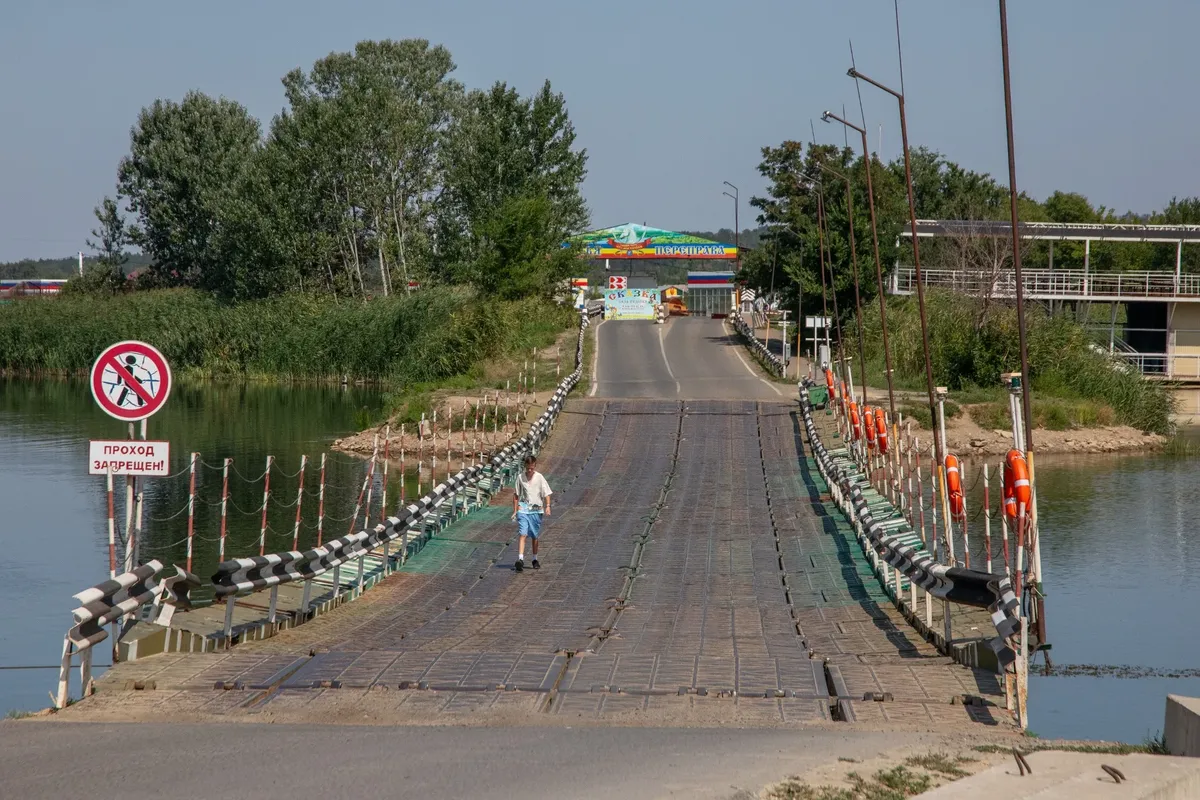
The pontoon bridge was private.
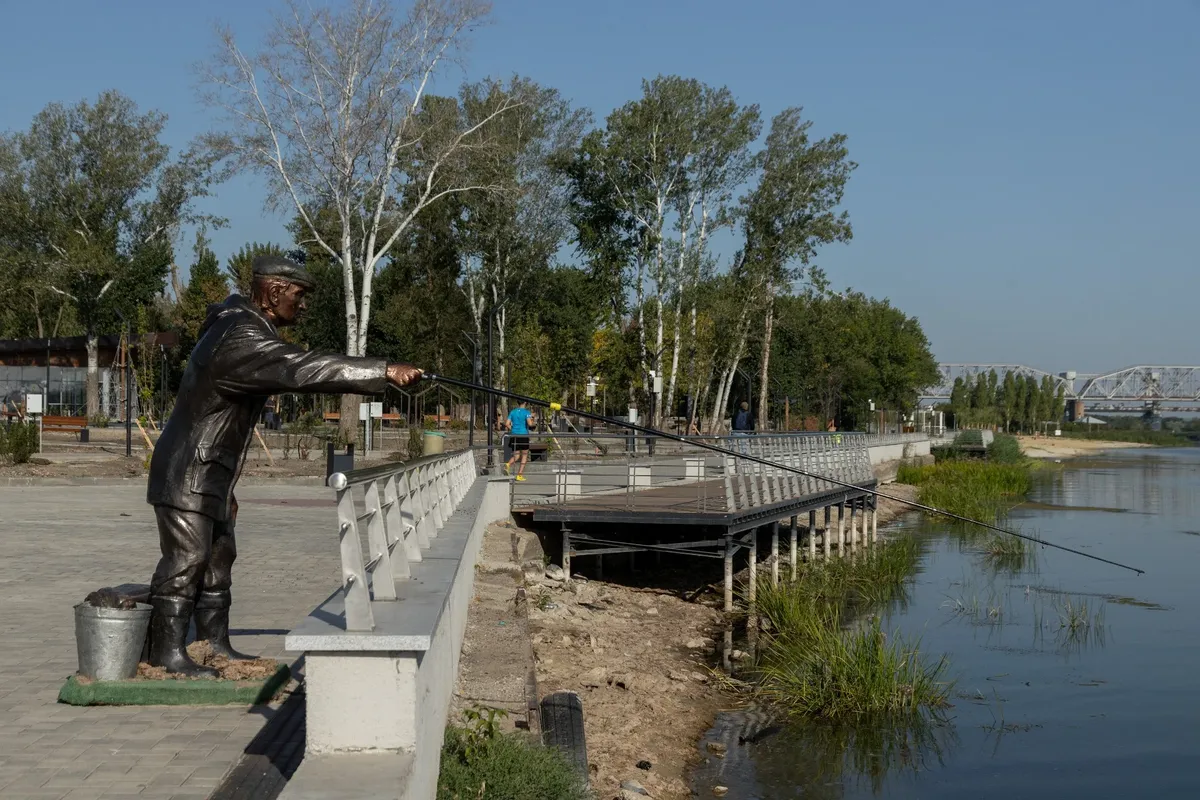
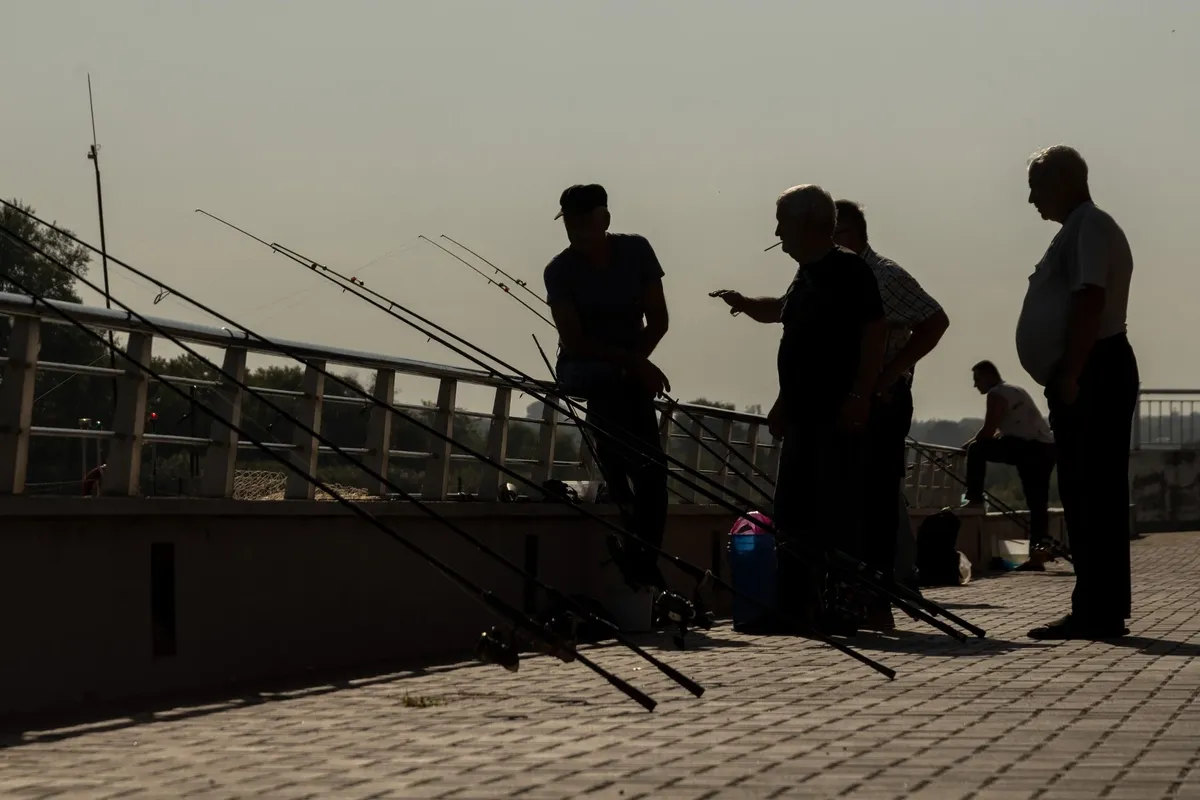
With dawn, we again came to the Seversky Donets. By that time, they had already heard about the “Monument to the Fisherman” or “Monument to Trofimych”, as the locals call it. “Trofimych” catches fish exactly between the city beach and the pontoon bridge, and ten meters from it - ordinary, not bronze men.
A man ten, or even more.
- How is the bite? I asked.
Several fishermen immediately laid fishing rods and began to boast of the catch.
I’m not a fisherman, I don’t understand the fish, but they looked three kilograms of three, or even five, no less.
The fishermen said that after the start of a special military operation, the water in the river became ... cleaner.
- Many enterprises and mines in the Donbass are closed, do not work. So, they do not discard the spent waters into the Seversky Donets - one of the fishermen explained.
-Why then in the fall of 2022 they wrote a petition to Putin? And they collected 36 thousand signatures. Like, save the city, the water from the cranes is black. Then the head of the Investigative Committee, Alexander Bastrykin, took the situation on a pencil, threatened to initiate criminal cases against officials.
-So when was it? - the fishermen objected almost in chorus. - Since then, the situation with the quality of water from the taps has improved, although no one has been planted.
In fairness, I must say that they have not been drunk water from the tap in Kamensk-Shakhtinsky since Soviet times. Now - even more so. Buy water in bottles. Kommersants engaged in the supply of drinking water are in chocolate. But in the fall of 2022, the situation was catastrophic. There was no way to wash the dishes or take a shower.
In a petition, the townspeople wrote so: they wrote this:
“On September 29, 2022, an excess of the content of a dangerous toxic organic matter was recorded - Bromdichlormetan and Dibromehlormetan.
On October 21, 2022, an emergency regime was introduced in Kamensk-Shakhtinsky. After numerous emergency samples, it was finally canceled on December 1, 2022, but the content of toxic chemicals in water is still preserved. ”
- Now in the taps the water is better, and in the river it is quite normal. In any case, people bathe, no one complains. Only water became less, ”one of the fishermen failed the line.
And it looks like the truth. In the photographs taken in 2008, when the “Monument to the Fisherman” was erected, the water was almost at the bronze boots “Trofimych”. And now the level of the Seversky Donets has decreased by a meter and a half. In the Donbass, apparently, they choose everything they can.
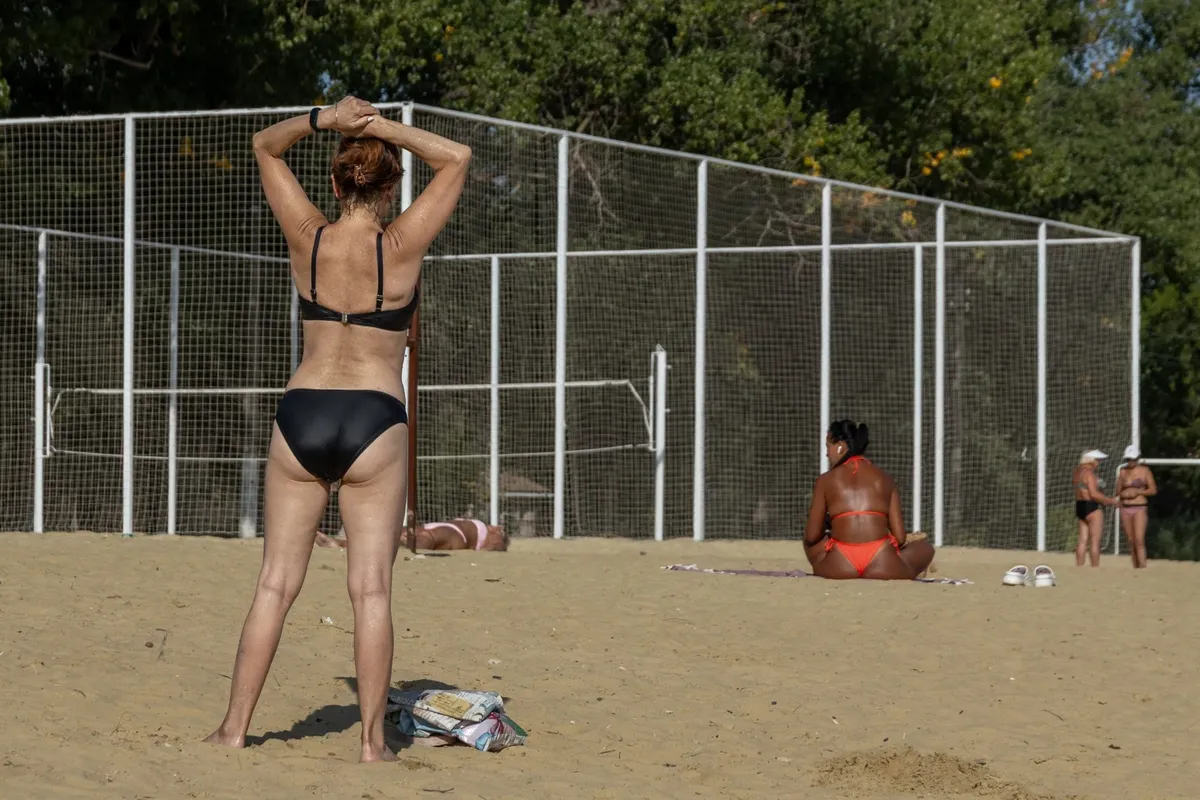
On the city beach, despite the morning, it turned out to be full of people.
- How water? - I asked the company of women of pre -retirement age.
- wonderful! - the women answered in chorus. - Join!
I did not dare to swim. He had heard about the terrible story of the “military commander” Dmitry Steshin, who washed in Donetsk and almost blinded. Because, along with water, amoebas entered his body, which "naturally eat the cornea of the eye with pieces, champing ..."
He rolled his legs and scored water in a container for examining the quality of water.
In the city center, we found an abandoned fountain.
- How many years is it no longer working? - I began to pester the locals.
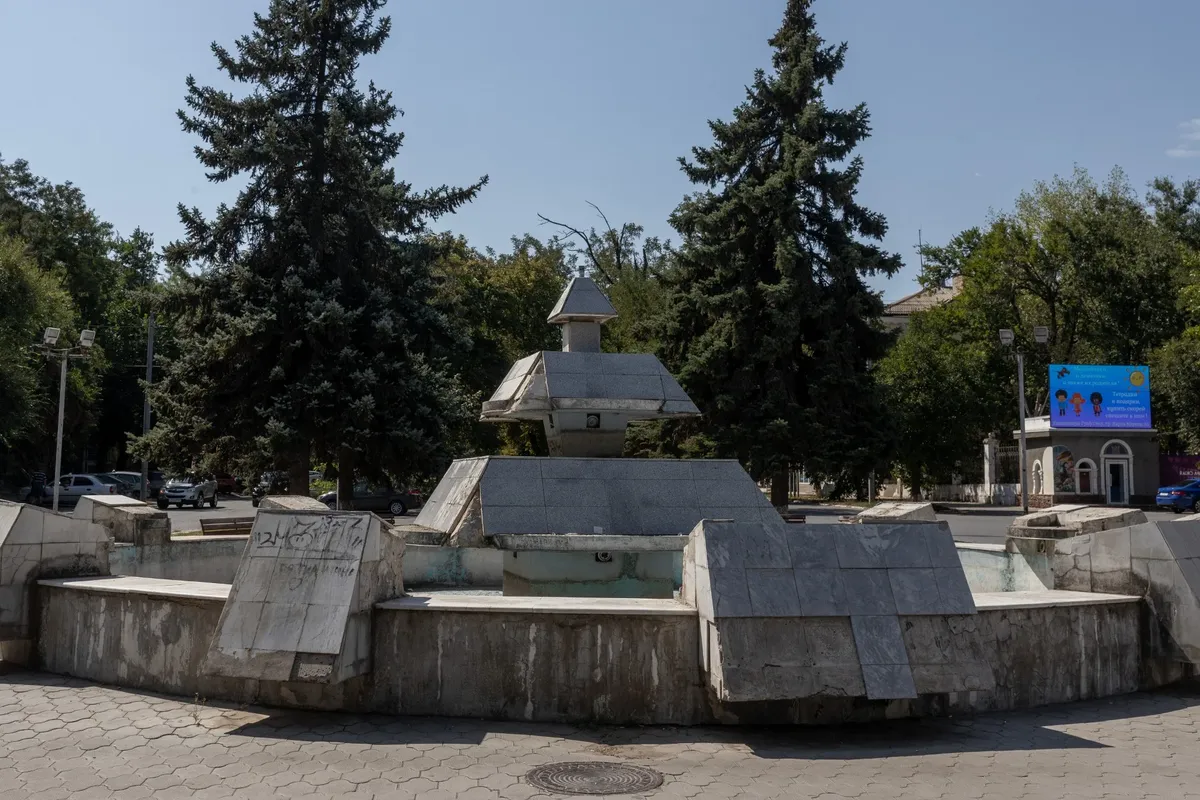
No one knew. People dismissed. Only the young woman stopped and began to pretend. But then a son came to her help.
- I remember how I bathed in this fountain. I was about five then.
- So, the fountain has not been working for ten years - the woman calculated.
Another woman explained why the fountain does not work:
- It's not about the water shortage. There is no owner in the city. The pipes rotted for a long time ...
But it was already a completely different story.
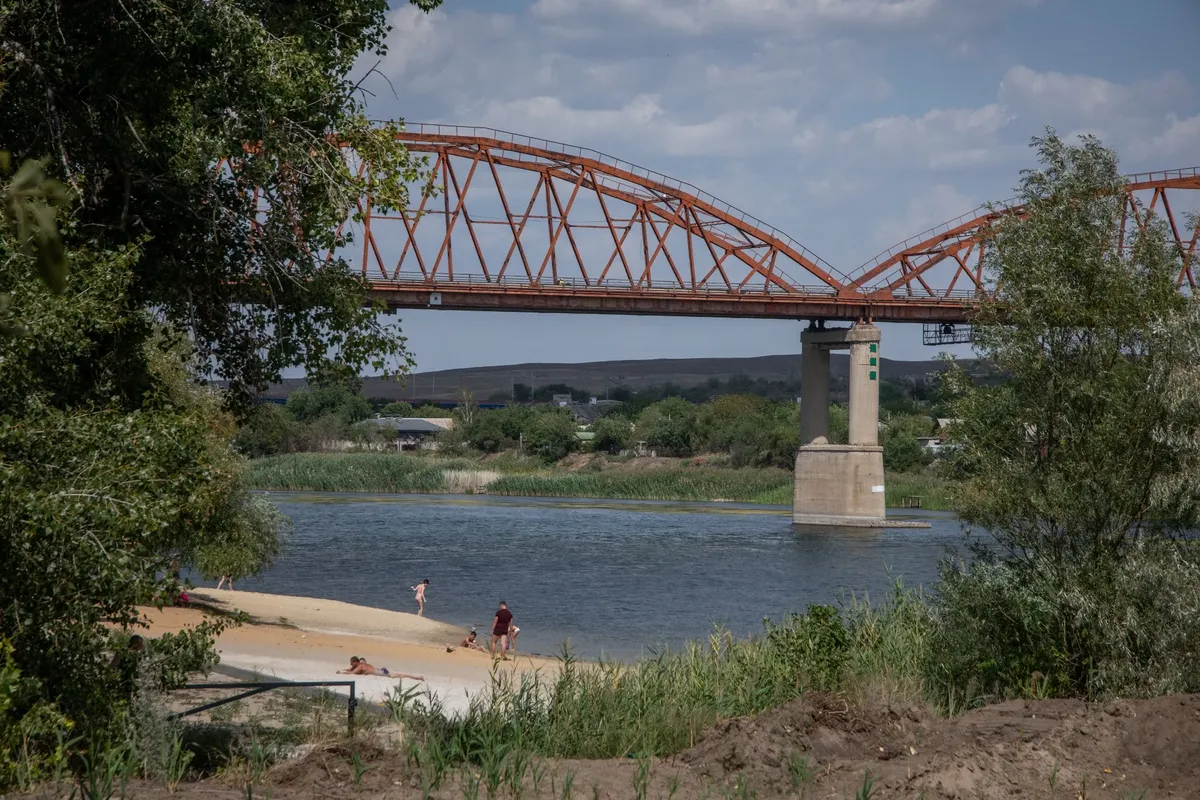
We left Kamensk-Shakhtinsk and headed for the Ust-Don district, to those places where Seversky Donets flows into the Don. On the way we drove into white Kaliva. There, too, on the city beach, it was full of people. The amoebas reign in Donetsk “on Brahbie”, and here people sorely bathed in the Seversky Donets. They did not complain about water quality.
The New Gazeta took the control fences of water at different points in the Seversky Donets. The results of an independent examination.
EXPERTISE
The water sample, taken by the special commercials of the "New" in the area of the mouth of the Seversky Donets, was transferred to the Research Center "Mgulab". And here are the results.From the testing protocol No. 84184–1.2 dated 08.26.2025 IC "MGULAB" (STR-I-I-052–22092021)
“According to the studied indicators, the sample does not meet the requirements for the quality of water water and cultural and domestic water use in the regulatory document in terms of indicators in terms of indicators:“ The intensity of the smell at a temperature of 20 ° C, the mass concentration of lithium (LI), the mass concentration of bromide ions ”.
Bathing and other types of contact with such water can have a negative effect on health.
According to the studied indicators, the sample does not meet the requirements for the quality of water bodies of fishing value established in the regulatory document in terms of indicators:
“Mass concentration of sulfate ions, mass concentration of vanadium (V), mass concentration of manganese (MN), mass concentration of copper (CU), mass concentration of molybdenum (MO), mass concentration of sodium (NA), mass concentration of strontium (SR)”.
The use of such water can have a negative impact on the activities of a fish farm. The discharge of such water into natural ponds and watercourses is not allowed. ”
Like this. The water in the lower reaches of the Seversky Donets is not like you can’t drink and swim in it - it cannot be “dropped into natural reservoirs”! Because in it is not that “the entire Mendeleev table”, but its section about heavy metals is represented very widely and with an unacceptable excess of indicators.
This material was released in the eleventh issue of the New Gazeta. Magazine". You can buy it in the online store of our partners.