Translated material
Toxic legacy
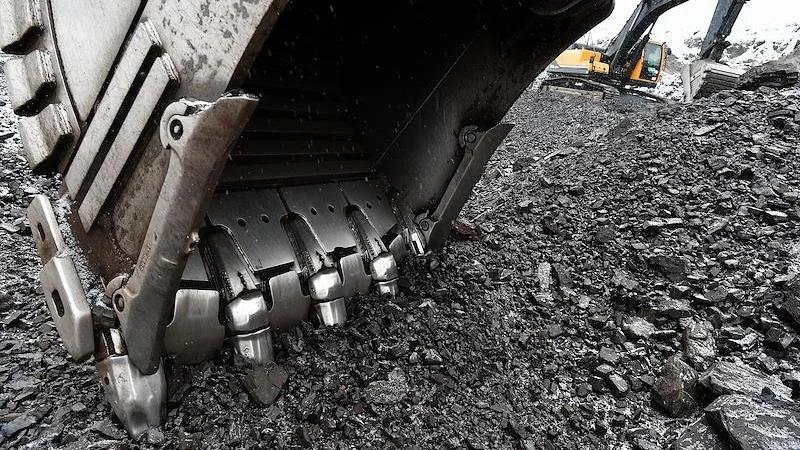
If you burn all the coal assets of the late oligarch, the pollution from them will be comparable to the emissions of the entire country in a year
During the division, the widow of billionaire Dmitry Bosov was recognized as a foreign agent. If you burn all the coal assets of the late oligarch, the pollution from them will be comparable to the emissions of the entire country in a year. But do the heirs and the Russian authorities care about this?
In the spring of 2020, the name of Dmitry Bosov thundered in two contexts at once. First, the businessman first entered the Forbes list as a dollar billionaire with a fortune of $1.1 billion and took 86th place there. Just a few weeks later, on May 6, news of his death became known. From that moment on, the history of his coal empire turned into a series of transactions, legal disputes and corporate conflicts.
Having entered the Forbes list, Dmitry Bosov came out with a Glock 19 award pistol in his hand, with a shot from which he allegedly committed suicide.
What immediately seemed strange to many was that he had no obvious problems either in his personal life or in business. It seemed even the opposite. Not only his capital increased, but along with it his connections.
During his lifetime, Dmitry Bosov was close to power. Including literally close. On Rublyovka he lived in a huge mansion next to the estate of the DAR Foundation and the corporate village of FSO leaders. According to Novaya Gazeta, the same business jet that the businessman used for his personal purposes was used, for example, by Mikhail Mishustin’s namesake with his family when he was still the head of the Federal Tax Service. And the daughter of then Defense Minister Sergei Shoigu created the Arctic Logistics company, which became part of Bosov’s holding. Moreover, the telephone number of “Arctic Logistic” coincided with the number not only of Bosov’s “Vostokugol”, but also of the Working Group “Development of the Arctic and the Northern Sea Route” of the Expert Council under the Government of the Russian Federation.
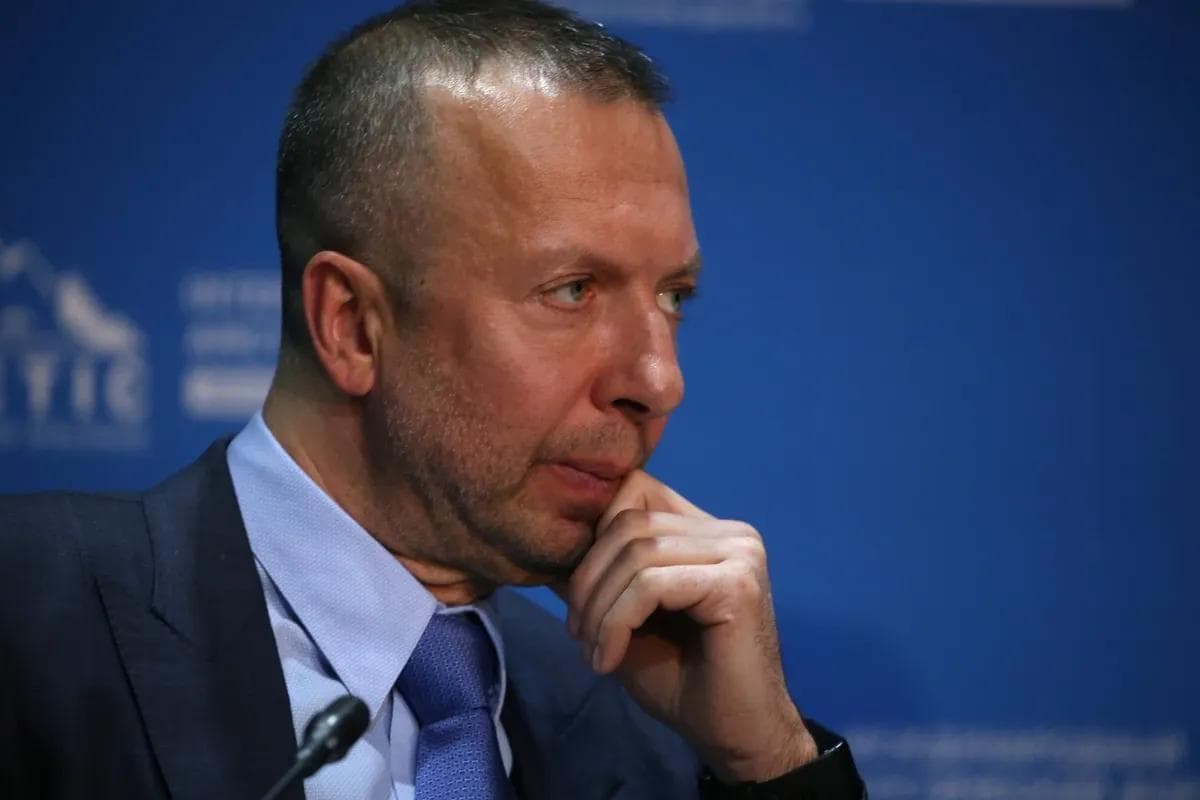
That is, the authorities began to demonstrate their attention to the resources of the Arctic (and the business of Dmitry Bosov) ten years ago. And, of course, I didn’t intend to give them into untrusted hands after the suicide that happened so conveniently.
The billionaire's widow, Katerina Bosova, was even declared a foreign agent, which became an additional reason for her disappearance from the list of applicants for such an inheritance that was not only expensive, but also strategically important.
After Bosov’s death, the struggle for his assets unfolded in several regions at once.
In the Arctic, in Taimyr, coal licenses and projects of the Arctic Mining Company turned out to be controversial. In the Far East, in Primorye and the Amur region, the fate of the port of Vera and the Ogodzhinskoye field was being decided. And in the Nenets Autonomous Okrug, the future of the Pechora LNG project is in question. The division of the empire covered the entire geography of Bosov's interests - from the Kara Sea to the Pacific coast.
New owners
The Arctic Mining Company (AMC) became the first center of interest. The company owned licenses for the mining and geological exploration of coal in Taimyr and was one of the key assets of Vostok Coal. The attractiveness of the asset was the combination of licenses for the development of deposits in the Arctic and access to coastal infrastructure: AGK leased a site from Dixon for the construction of the Chaika coal terminal, where it was planned to equip a berth for receiving cargo and provide export routes.
After Bosov's death, negotiations began on the sale. In 2021, entrepreneur Roman Trotsenko publicly announced the amount of the deal for 50% of AGK - about $100 million. But the conclusion depended on the settlement of a long-standing conflict with co-owner Alexander Isaev. Lawsuits were launched: the Cypriot Isova Investments (through it Alltek, one of Bosov’s structures, through which he exercised control over other companies) and the company itself sued Isaev and former general director Vadim Bugaev. The amount of the claim coincided with the previous fine of Rosprirodnadzor - 600.5 million rubles.
By this time, the company already had a history of government claims. In 2017, Rosprirodnadzor recorded violations at the Malolemberovskoye field: overburden dumps covered the soil, oil spills were recorded. The fine amounted to 274.5 million rubles. In 2019, a new penalty followed - for violating the terms of the license.
Despite the accumulated claims, by March 2021 the shareholders settled the disputes, the claims were withdrawn, and in May the deal with Trotsenko was closed. Now AGK is entering the orbit of his “Northern Star”, which is developing the Syradasay coal deposit - just 110 kilometers from the village of Dikson. “Northern Star” is part of the Russian Energy group, which unites the projects of billionaire Roman Trotsenko.
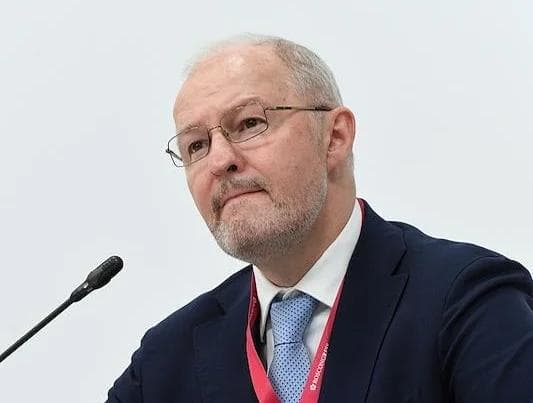
But the company did not escape the attention of supervisory authorities. The West Siberian Transport Prosecutor's Office is challenging the lease of a site near Cape Chaika, where AGK is building a coal terminal. According to the prosecutor's office, the leased land intersects with federal property along the coastline of the Kara Sea. As a result of the auction, the company transferred the site to the Dixon administration, but a lawsuit was also filed against the administration itself. The village authorities, on the contrary, claim that the site was formed legally for the needs of the port.
Together with AGK, Trotsenko’s structures also received other coal assets in Taimyr - the Polar Mining Company and Vostok Coal Dixon.
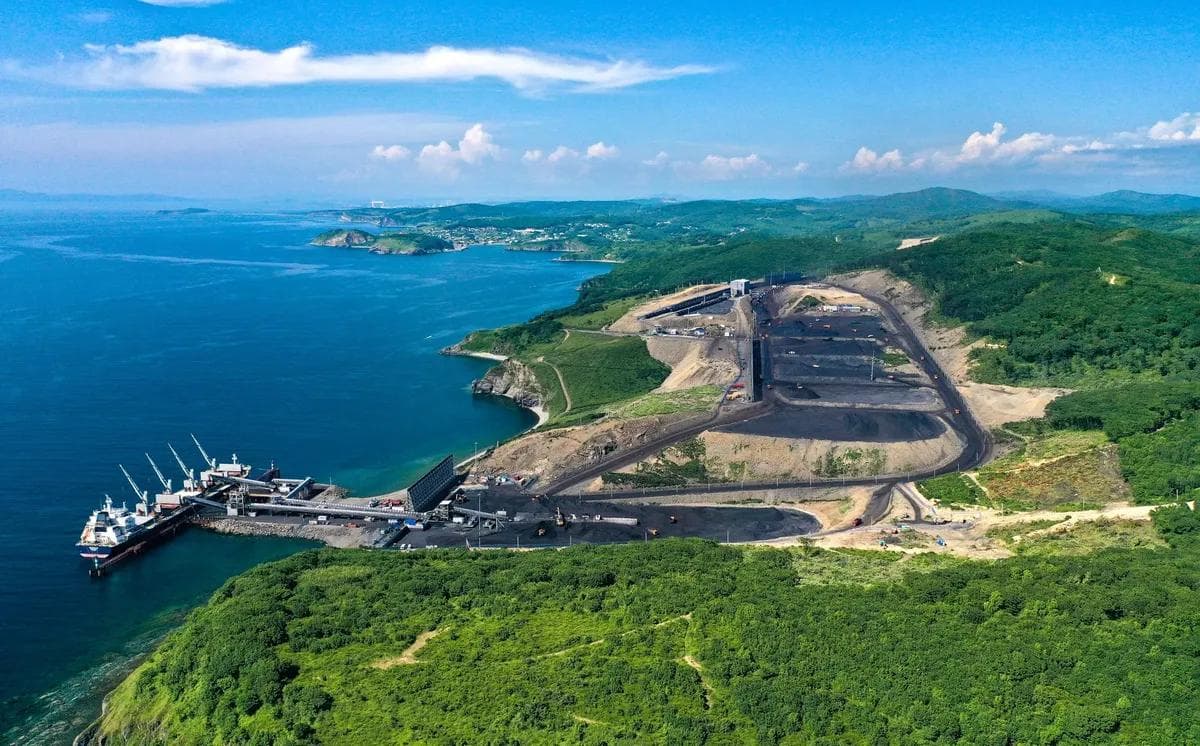
Another large block of Bosov's assets was the port of Vera in Primorye and the Ogodzhinsky coal project in the Amur region. In the summer of 2020, the heirs sold their shares - 50% each - for 10 billion rubles to structures that already owned the other half. The buyers were Port Vera Holding and Ogodzha, whose shareholders include Rostec. Consolidation made it possible to announce a new strategy for project development. The deal took place with the consent of all the heirs, which was confirmed by one of Bosov’s sons.
However, before this, the transactions were accompanied by acute conflict. In August 2020, Rostec and partners demanded that Vostok Coal implement call options and transfer them additional shares at nominal value - for only 3.34 thousand rubles. The reason was a change of control: the death of Bosov and the forced departure of Alexander Isaev, who owned half of Vostok Coal. Similar demands were made for the Ogoja project. VostokCoal argued in the courts, but by the end of 2020 the parties were negotiating a settlement agreement. As a result, all claims were dropped, claims were withdrawn, and the transactions were completed.
Later, both assets ended up in the hands of businessman Albert Avdolyan. Back in 2019, his structure “A-Property” announced plans to create an industrial cluster in the Far East: to unite YATEK, the Elginskoye field, the port of Vera and the Ogodzhinsky project.
The scheme was never formally explained, but ultimately the port and the coal project did pass to Avdolyan.
With the arrival of a new owner, old problems came to light. In Primorye, residents have long complained about the port of Vera: the prosecutor's office recorded coal dust pollution, the lack of protective screens and shelters in warehouses. Dust covered the coast and fell into the water. Inspections resulted in fines of hundreds of thousands of rubles, which is incommensurate with the scale of the problem. In the Amur region, the construction of a road from the Ogodzha deposit to the BAM caused protests from environmentalists: the route was laid through the Gerbikansky reserve, where rare species live. In 2018, the status of the reserve was changed “in the interests” of the Bosov coal company. Environmentalists and local activists claimed that the work was allegedly carried out by Bosov’s structures without a completed environmental assessment and even with court injunctions. Nevertheless, in May 2025, the first stage of the road was completed.
Another asset of Bosov is the Pechora LNG project in the Nenets Okrug. After the death of the businessman, it was bought by former State Duma deputy Vitaly Yuzhilin and partners; the deal was valued at approximately $100 million. Rosneft had already withdrawn from the project by this time, considering it unpromising. The new owners promised an ambitious start: by 2025, build a methanol plant with a capacity of 1.7 million tons, reach the production of 2 billion cubic meters of gas per year and build a gas pipeline to the Barents Sea. By 2027, it was planned to double production and build the second stage of the plant, and the total investment volume was estimated at 200 billion rubles.
The reality turned out to be different.
By August 2025, none of the key milestones had been achieved. No plant, no gas pipeline, no production in the declared volumes. The project remains at the stage of examination and search for partners. The new launch date for the first stage has been postponed to 2029.
Residents of the Nenets Okrug greeted plans to build a methanol plant near Kumzha with caution. A remote public hearing on the project was held on May 30, 2022, and public input was recorded in official minutes . In particular, the movement for the Protection and Development of the Nenets Autonomous Okrug emphasized that the location of the Rushim plant does not meet the population’s demands for minimal impact on the ecosystem of the Pechora River.
Outside the Arctic, Bosov's heirs also got rid of a number of assets. In 2021, Albert Avdolyan’s structures acquired Sibanthracite, the largest producer of anthracite. Two years later, the company was resold to Bashkir Industrial Holding, later renamed Sibcapital. Previously, according to the Unified State Register of Legal Entities, controlling shares belonged to the former co-owner of the engineering company Peton Oleg Polyakov and businessman Vanik Vanunts. Today the founders are hidden in accordance with Federal Law-129.
The death of Dmitry Bosov put an end to his personal story, but opened a series of corporate and legal stories. Its assets were divided among several major players. Some projects, like Severnaya Zvezda, are actively being built and expanded. Others, like Pechora LNG, are stalled and postponed. And environmental conflicts invariably drag on nearby - from coal dust on the Primorye coast to the threat hanging over the Pechora River.
Why Coal Legacy Is Becoming a Problem
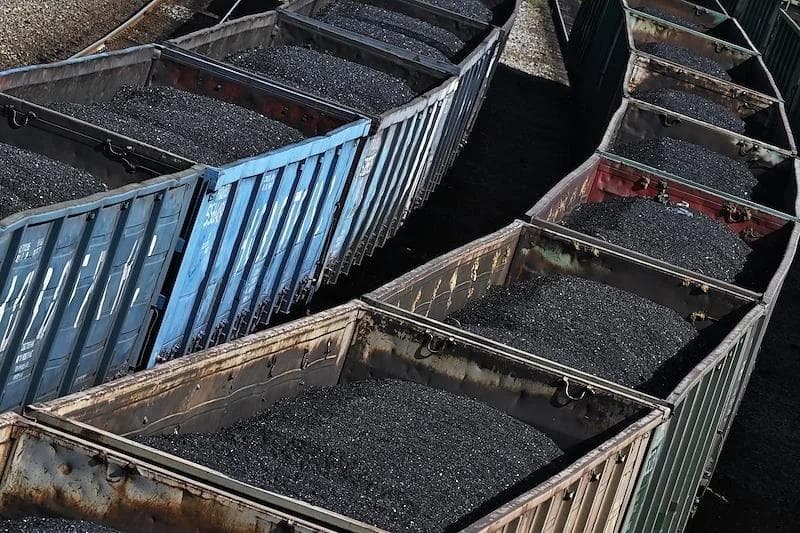
A significant part of Bosov's assets is related to coal. In today's world, such a legacy, transferred to new owners, can easily be called toxic.
Coal is the most climate-damaging fossil fuel : burning it emits the most carbon dioxide (CO₂) per unit of energy produced (about a quarter more than oil and almost twice as much as fossil gas). CO₂ emissions from coal combustion are responsible for more than 0.3°C of the approximately 1°C increase in the planet's average global temperature since the start of the Industrial Revolution.
This makes continued coal mining and burning incompatible with keeping global temperature rises to 1.5°C, the goal of the Paris Agreement to which Russia has acceded.
Coal combustion is also a significant source of black carbon , which is a particular problem in the Arctic: when black carbon particles settle on snow and ice, they become darker, reducing the reflectivity of the Arctic. This increases warming and ice melting.
According to 2019 International Energy Agency calculations , developing new coal mines or expanding existing ones is guaranteed to make the Paris temperature target unattainable. For planetary warming to remain within the relatively safe limit of 1.5°C, about 90% of the world's coal reserves must remain undone .
According to Arctida’s calculations, if all the balance reserves of Sibanthracite coal ( 685 million tons ) are extracted and burned, the total CO₂ emissions will be 1.8 billion tons - this is equivalent to 90% of Russia’s annual emissions.
And the reserves of hard coal in the Sugodinsko-Ogodzhinskaya coal-bearing area can lead to the emission of 102 million tons of CO₂ - this is the same as the annual emissions of the entire agriculture of the country.
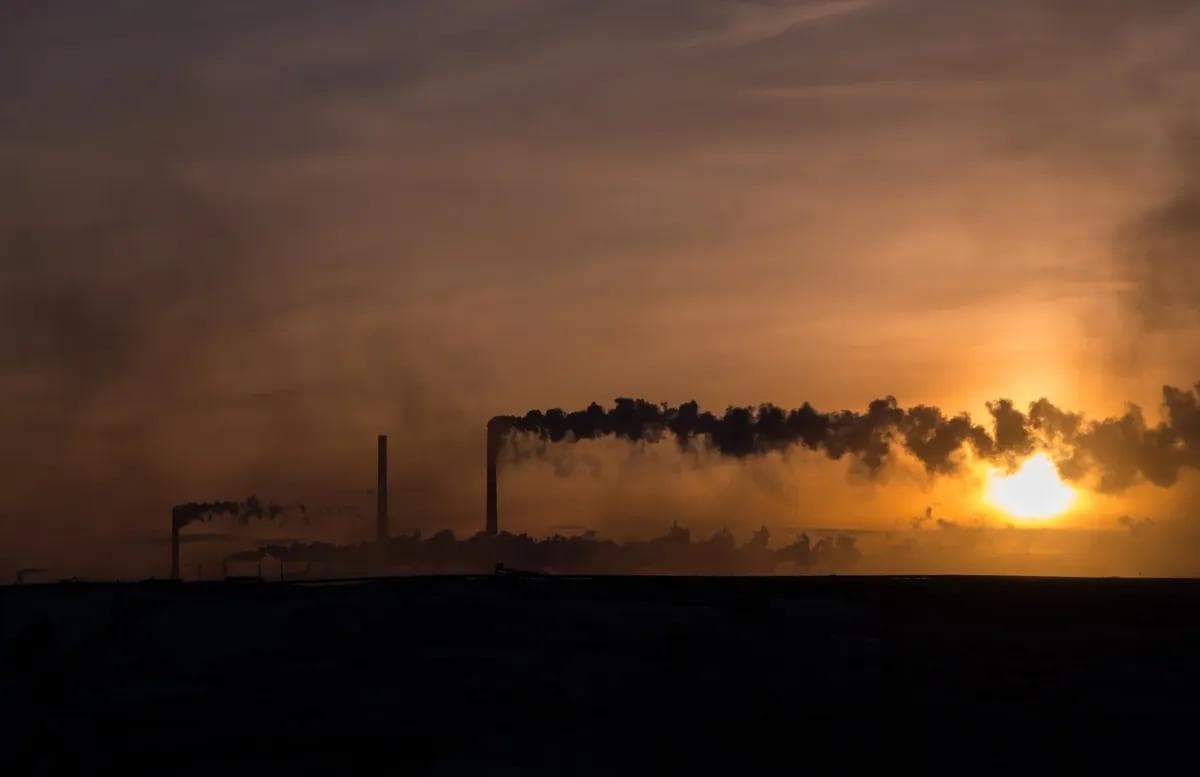
In addition to its impact on the climate, burning coal pollutes the air by releasing toxic substances: mercury, sulfur dioxide, nitrogen oxides, particulate matter, lead and other heavy metals. Health effects may include asthma, difficulty breathing, brain damage, cardiovascular disease, cancer, neurological disorders and premature death. You don’t have to look far for examples: the problems of “black skies” in Krasnoyarsk and window sills black from coal dust in Murmansk significantly reduce the quality of life of the population and have not been solved for years.
In addition, the combustion of coal in thermal power plants produces man-made waste - fly ash, which can pollute water bodies . It also contains fine particulate matter, including PM2.5 . They pose a particular environmental hazard because they can remain deep in a person's lungs.
Other negative impacts include acid drainage from coal mines, destruction of mountain streams and valleys during open-pit coal mining with cutting off mountain peaks, and possible conflicts over water .
At climate negotiations in 2021 in Glasgow, in which Russia also took part, countries around the world agreed to phase out the use of coal in order to preserve the climate . Although coal remains the largest source of electricity, its share of global electricity production is now at its lowest level since 1974. In developed economies, coal consumption peaked in 2007, and in China and India, the world's largest coal consumers, renewable energy sources are also beginning to displace coal.
The Powering Past Coal Alliance, which is working to accelerate the transition from coal to clean energy, already includes 180 national and regional governments, companies and organizations. Financial industry leaders say there is "no case" for financing new coal projects today, and Bloomberg has launched a coal countdown, tracking global progress in closing coal plants (Russia remains red on the map as it continues to build new coal-fired power units).
These trends indicate the medium- and long-term economic futility of coal assets.
Five years after the death of Dmitry Bosov, his coal empire finally ceased to be a single whole and became part of different, sometimes competing, projects. At the same time, behind each of them are traces of previous conflicts and issues - and not only corporate, but also environmental. There are such inheritances that it is better not to receive.
Cover photo: Evgeniy Razumny / Kommersant