
Translated material
War
A thousand three hundred second day. The European Union accelerates the construction of the "walls of the drones" on the eastern borders
Medusa from February 24, 2022 lives on the Russian-Ukrainian war on the air. In our daily materials, we publish your letters because we are sure: we must continue to talk about the war. What feelings do you experience because of the ongoing war? How does it affect you personally right now? How has your attitude to what is happening, towards Russia, Ukraine, to the world changed over these three years of the war? Look for a feedback form at the end of this article. A review of the previous day can be read here .
World
The European Union accelerates the construction of the "walls of the drones" on the eastern borders
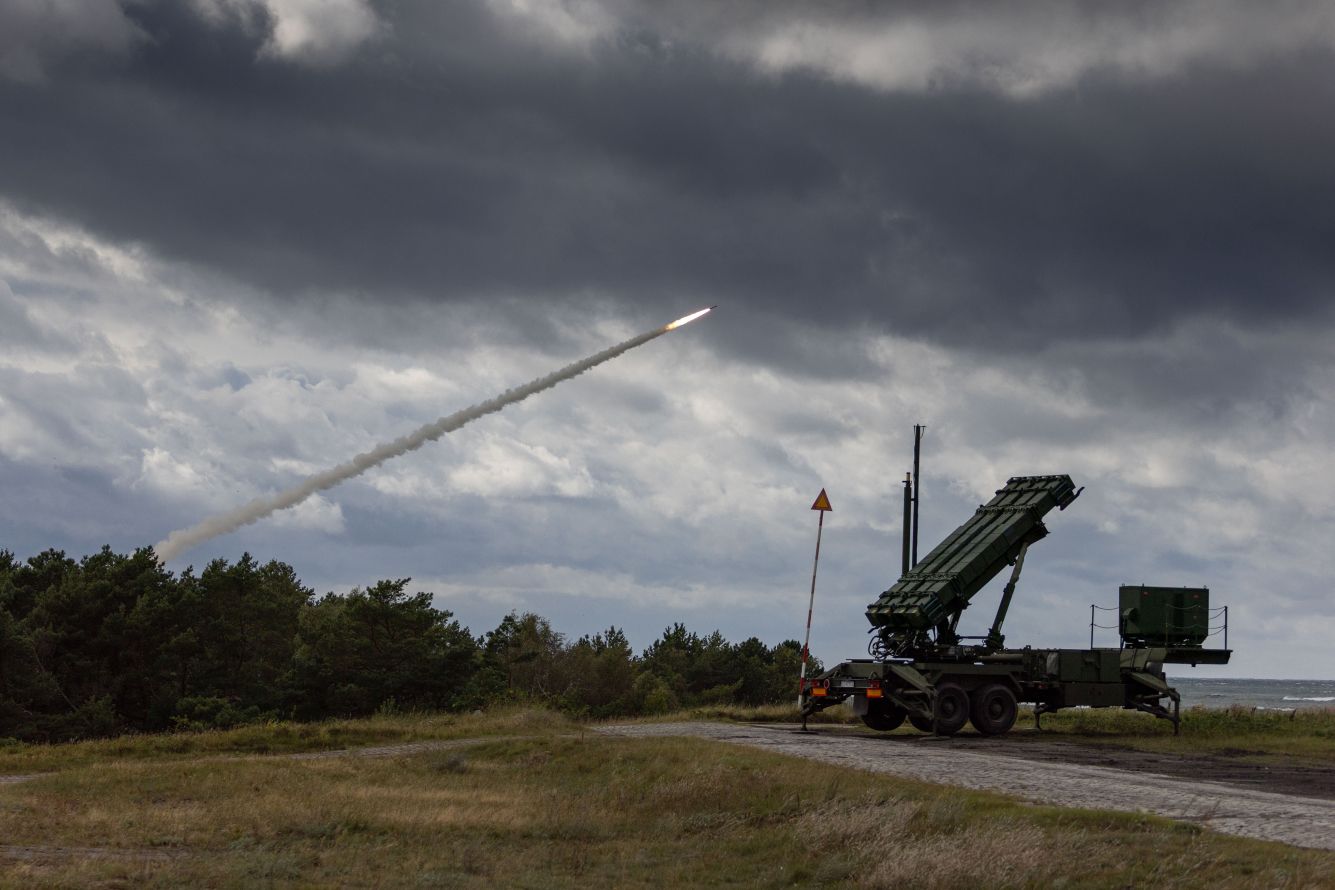
Against the background of recent incidents with violation of the airspace of Poland and Romania, Russian drones in the European Union are growing concern about the protection of borders in the eastern part of the community, writes Financial Times.
Incidents showed that NATO countries to intercept relatively cheap drones rely on too expensive technologies, that, as FT writes, is "a flagrant vulnerability that Moscow can use in the future."
To correct the situation in Brussels, national governments were called upon coordinated to purchase cheaper protective systems at the European Union, which have proven themselves well in Ukraine.
At the same time, the central leadership of the EU warned that this approach would be effective only if it is based on fully integrated technologies. “It is impossible for one state to make one thing on its border, and the other to another. Russia simply adapts its approach taking into account our weaknesses, ”an unnamed European official told FT reporters.
On September 10, the head of the European Commission Ursula von der Lyain said that the EU should build a “wall of drones” in order to respond “in real time” to threats from Russia. She announced the creation of a joint with Ukraine of the "Alliance of the Dilotes", which will allow Europe to use an extensive Ukrainian experience to strengthen its own protection. For these funds, six billion euros of the loan will be allocated on the security of frozen Russian assets.
East of the EU, which are in the immediate vicinity of Russia, also receive the bulk of the financing allocated by the community in the spring for additional defense. Of the 150 billion weapons fund, which was created by the European Union in May, about 100 billion closest neighbors received the closest neighbors of the Russian Federation.
The countries of the eastern part of the EU themselves are actively working with Ukraine on countering drones, notes Financial Times. In Poland, negotiations are being held to attract Ukrainian experts to combat drones. In Lithuania and Latvia, they introduce the use of acoustic systems to combat drones, as they already do in Ukraine: these systems determine the drones by sound, and then transmit information to mobile groups armed with anti -aircraft guns and machine guns. The destruction of devices in this way is much cheaper than the use of missiles.
Russian drones massively violated the airspace of Poland on the night of September 10. The main part of the drones (21 drones were recorded in total) flew from the territory of Belarus. Aviation in Poland and other NATO countries were involved in their interception. In Warsaw, official consultations were requested as part of the alliance.
Soon after, NATO Secretary General Mark Rutte announced the beginning of the Eastern Guard mission, which is designed to protect countries on the eastern lines of the alliance. Additional aviation were transferred there and the air defense system was strengthened.
On September 13, the Russian drone flew into the airspace of Romania. Fighters were raised to intercept him. Before they managed to knock him down, the drone flew to Ukraine. Romania authorities said that such situations have recently been repeated "about every week."
War through the eyes of readers "Medusa"
How do we choose letters
Readers "Medusa" live in different countries and treat war differently. We publish your letters to see this event with your eyes. Our editors try to present all points of view, even if they do not coincide with the position of the editorial office. However, in accordance with the Medusa Code, we do not publish messages that contain the “language of hatred”, the murder of civilians is justified, and direct support for an aggressive war is expressed.
Katya (Moscow) . In 2022, there was a hope for the quick end of the war or a snuffbox to the commander in chief, but now this feeling was replaced by hopelessness and impotence. The authorities of the Russian Federation so normalized what was happening that it seems that the war can go endlessly. For me, it remains a mystery how it was possible to fool my multimillion -dollar population so much that it so unconditionally believed in propaganda. The low level of critical thinking, apolitics, deification of power and the sovereign, poverty, fear - apparently, all this played into the hands of the authorities. Moreover, among the supporters there are both people without access to the Internet (my parents in the deep province), as well as the smartest educated metropolitan residents with a scientific degree.
I think that the main reason is the departure of the psyche into denial, the inability to believe that after the victory in 1945, we ourselves can become fascists. This awareness would destroy their life and psyche, and they defend themselves from it as they can, repeating the mantras from the TV and convincing themselves and others that the enemies attacked us. Therefore, they live a little easier for them than those who are against war - everything is right in their world, there is no feeling of guilt and shame, they do not risk going to jail. And I and my friends remain bitterly, guilt, powerlessness, horror, tears and the risk of falling behind bars.
Share your thoughts about the war
"Jellyfish"