
Translated material
Drone at the gate
EU leaders discussed mysterious drone incidents and incursions by Russian fighter jets. How to reduce the threat from the air?
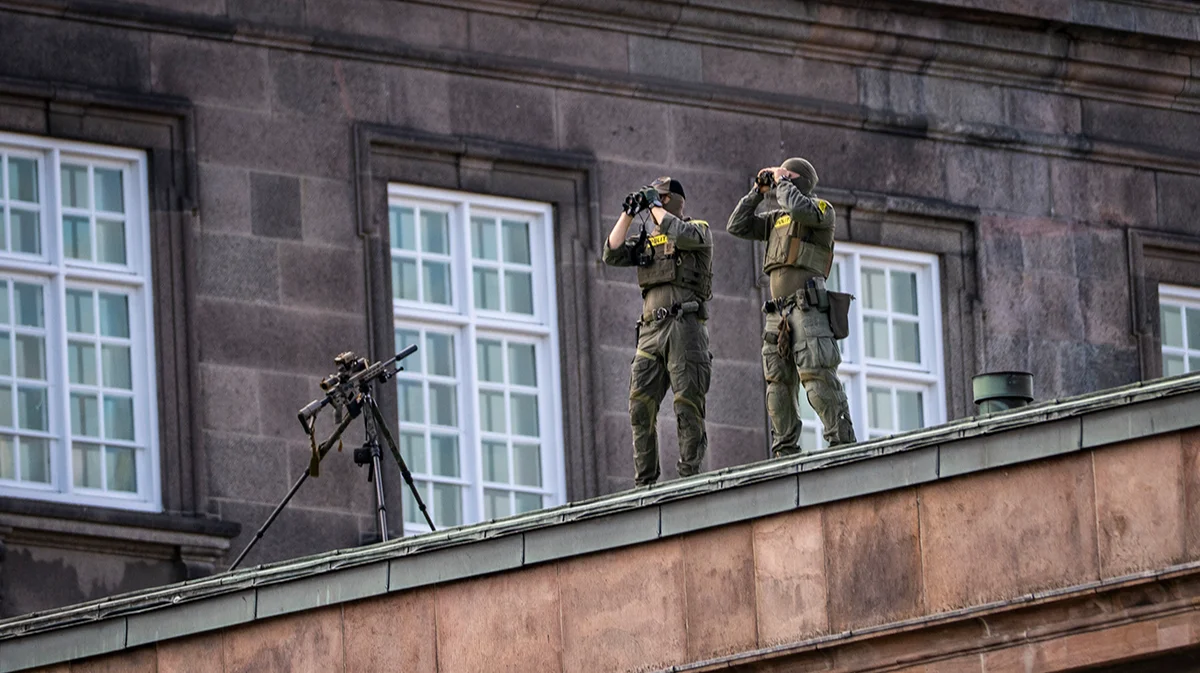
Danish police special forces officers stand on a rooftop and monitor the area around Christiansborg Castle in Copenhagen, Denmark, October 1, 2025. Photo: Emil Nicolai/EPA
Russia is increasingly testing the strength of the European Union, expanding its tools. This conclusion was reached by the participants of the informal EU summit held on October 1 in Copenhagen. One of the key topics for discussion was the sharply increasing cases of intrusion into the airspace of the European Union and NATO countries.
With some incidents, everything is obvious: Russian drones flew into the territory of Poland and Romania in September, and MiG-31 fighters flew into Estonia. Meanwhile, at the end of last month, unidentified drones began to appear near airports and military installations in a number of EU countries. They suddenly appear and just as unexpectedly disappear, forcing the suspension of airport operations and greatly unnerving the population of European countries. In just a few days, such mysterious incidents occurred in Sweden, Norway, Lithuania, France, the Netherlands, Germany and, in fact, in Denmark, which for two days became the center of European diplomacy. Read about why the leaders of the EU countries consider what is happening in the context of the hybrid war unleashed by Russia and what steps they are ready to take to protect themselves from unidentified drones.
There is a hybrid war going on
Speaking before the start of the summit, the leaders of the EU countries indicated what worries them most now. Drone incidents and, more broadly, Russia's hybrid actions were constantly discussed. “Russia is testing our strength, trying to sow disunity and anxiety in our societies,” stated the head of the European Commission, Ursula von der Leyen, and added: “We will not allow this.” “What was previously secret has now become obvious,” said President of the European Parliament Roberta Metsola, commenting on the rise in hybrid threats. And the head of European diplomacy, Kaia Kallas, accused Moscow of “state terrorism.”
“We are in the most difficult and dangerous situation since the end of the Second World War,
- Danish Prime Minister Mette Frederiksen, who received guests in Copenhagen, told reporters. At the same time, she admitted: “No matter how experienced we become, we will have to come to terms with the fact that drones can fly over our borders.” When someone says that hybrid warfare can be completely ruled out, it is simply not true.”
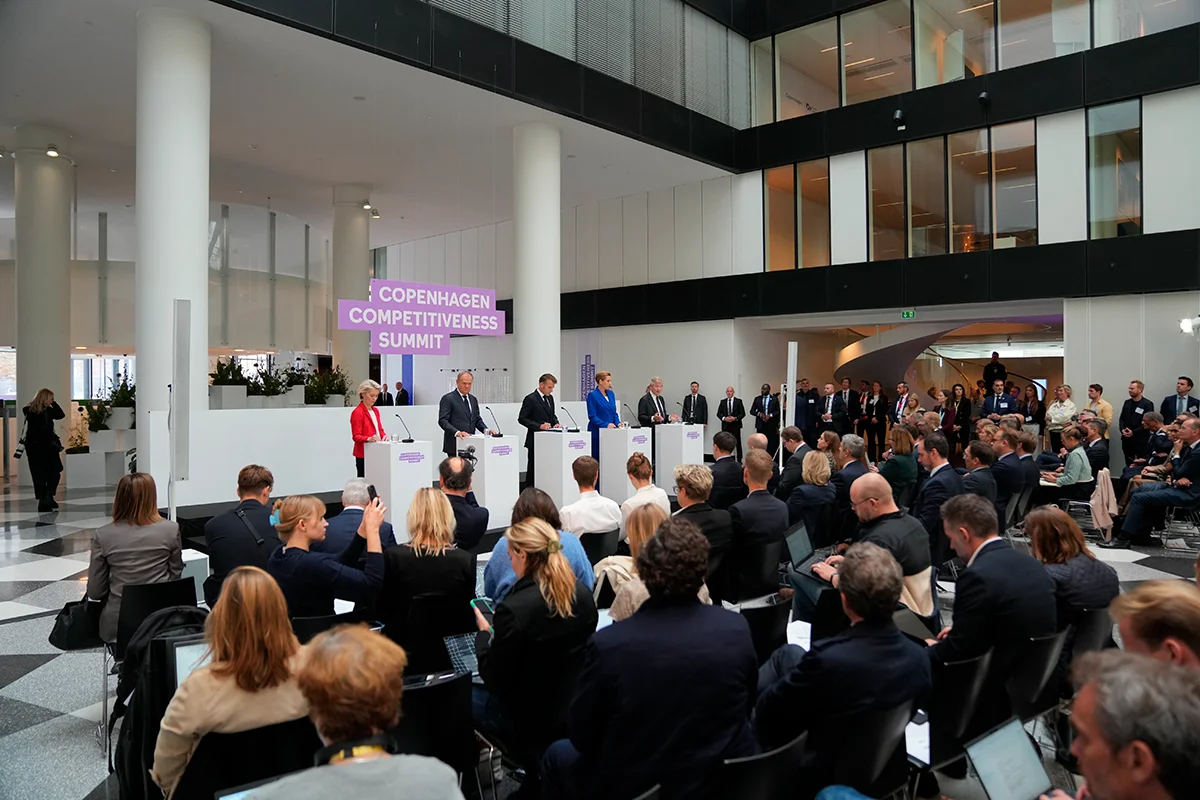
Lithuanian President Gitanas Nauseda said on the same occasion that Vilnius “values discussions,” but it’s time to move on to decisive action to protect against drones. And Hungarian Prime Minister Viktor Orban answered the question of what to do with UAVs like this: “Shot them down, that’s all. If you have other people’s drones flying, shoot them down.”
Inviting the leaders of 27 EU countries to an informal summit in Denmark, President of the European Council António Costa immediately outlined two main topics: strengthening European defense capabilities and strengthening support for Ukraine. He explained the relevance of such a discussion, in particular, by “recent violations of the airspace of Poland and Romania by Russia.”
Firstly, they were referring to the incident on the night of September 10, when 19 Russian UAVs were discovered in the skies over Poland. Some of them flew almost 300 km deep into Poland. “For the first time during this war, they [the drones] did not fly from the territory of Ukraine as a result of mistakes or small Russian provocations. For the first time, a significant part of the drones flew directly from Belarus,” Polish Prime Minister Donald Tusk noted at the time, making it clear that this was another episode of a hybrid war.
A few days later, on September 13, a Russian drone invaded Romanian airspace for 50 minutes. The republic's fighters were in the air, but, having assessed the associated risks, the Ministry of Defense decided not to open fire.
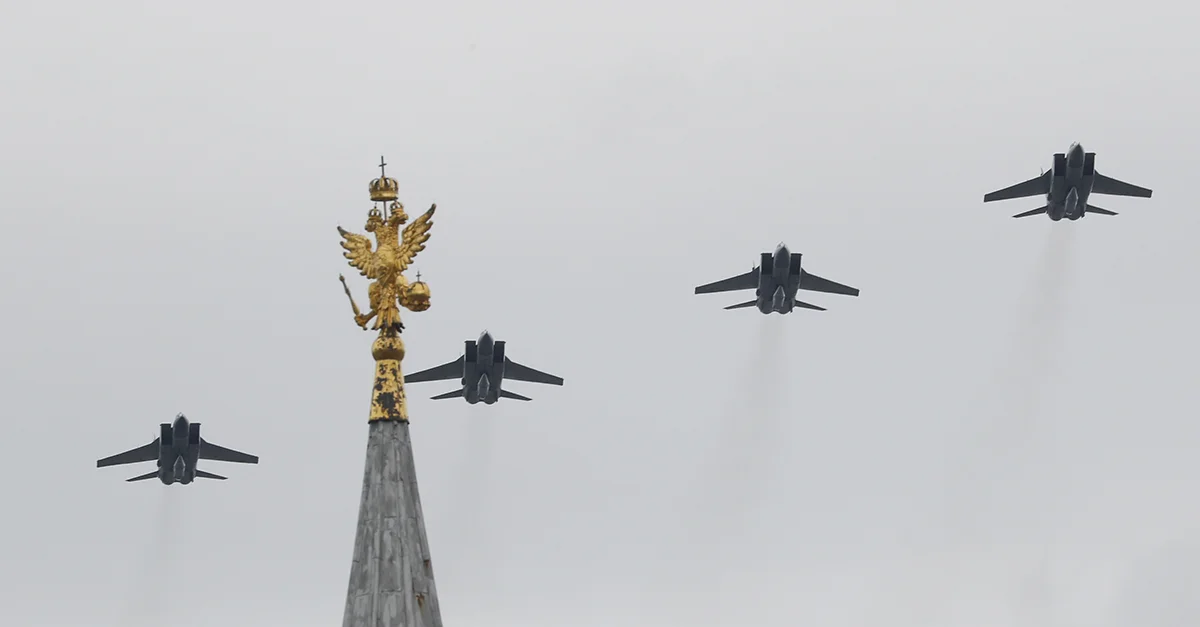
In addition, Antonio Costa announced in advance that another incident would be discussed at the summit - no longer involving drones, but Russian fighter jets. On 19 September, three MiG-31sentered Estonian airspace over the Gulf of Finland and remained there for a total of 12 minutes. Meanwhile, the Russian Ministry of Defense claimed that the route ran over neutral waters.
There are enough drones for everyone
The matter is not limited to the mentioned incidents, but other cases have provoked more discussions among Europeans about who is behind them. Thus, the focus these days was Denmark itself - the venue of not only the EU summit, but also the meeting of the European Political Community (47 participants in this format - leaders of 27 EU countries and their partners - gathered in Copenhagen on October 2).
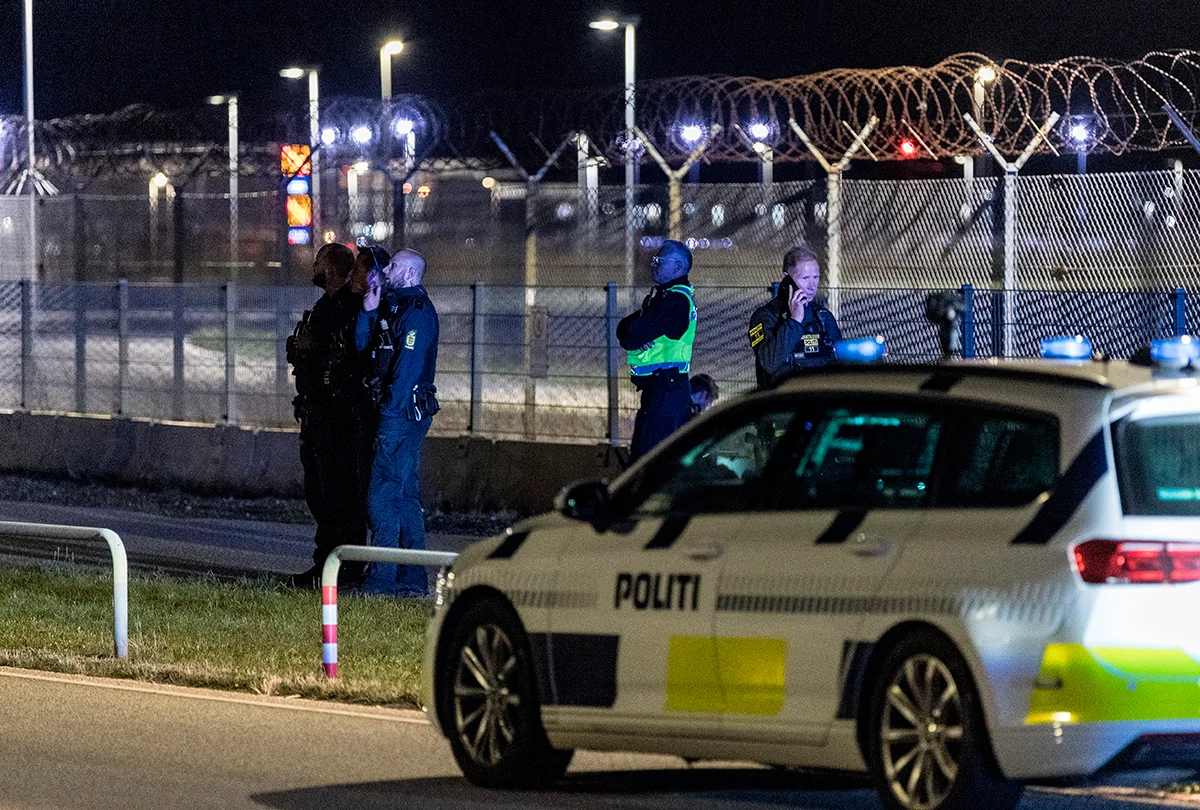
The first high-profile incident occurred on the night of September 23, when Copenhagen Airport was forced to suspend operations for four hours due to drones spotted within the secured area. 31 flights had to be diverted to other airports, and as a result of the chain reaction, about 100 flights were delayed or cancelled. Thus, the emergence of drones affected approximately 20 thousand passengers.
Twice at the end of September the sky over Aalborg Airport, where the Danish Air Force base is located, had to be closed . The elite special forces Jægerkorps (“Jager Corps”) are stationed there, as well as C-130 Hercules and CL-604 Challenger transport aircraft. Drones were spotted over Skrydstrup Air Base (where F-16 fighter jets are serviced), over the country's largest base, Karup (home to all Danish Armed Forces helicopters, air surveillance systems and part of the Defense Command), over Esbjerg and Sønderborg airports.
Similar incidents in late September were also recorded - mainly near the most important civilian airports and military bases - in Sweden, Norway, Lithuania, France, the Netherlands, and Germany.
On October 1, Der Spiegel magazine, citing an internal memo from the German government, reported that law enforcement agencies have launched an investigation into suspected spying on critical infrastructure facilities in the north of the country. On September 25, two unidentified drones were spotted in the federal state of Schleswig-Holstein: they hovered over the factory premises of the Thyssenkrupp company working with the Navy, and then were spotted over the university hospital and coastal power station in Kiel. The Heide oil refinery, which supplies Hamburg Airport with kerosene, was also likely the target of UAV surveillance. In addition, drones were spotted over the Bundeswehr base in Zannitz and over the naval command base in Rostock (in both cases, Mecklenburg-Vorpommern).
Another tool
German investigative authorities have not yet spoken directly about who is behind these drone flights. They also refrain from direct comments in other countries where similar cases occurred. “I can't say anything about this. Not because I don’t want to, but because I just don’t know,” commented , for example, Danish police chief Jens Jespersen on the post of Ukrainian President Vladimir Zelensky, who previously noted with absolute certainty: drones in Danish airspace are “aggressive provocations” on the part of Russia.
At the same time, everyone has one main suspect. Prime Minister Frederiksen, for example, admitted that
authorities cannot yet pinpoint who is behind the incident, but added: “We can at least state that there is one country that primarily poses a threat to the security of Europe: Russia.”
Attribution and targeting problems are part of the very essence of hybrid attacks. “New Europe” has already written that after the start of the full-scale invasion of Russian troops into Ukraine in the Baltic Sea, the number of extremely suspicious breaks in electrical and telecommunication cables laid along the bottom has sharply increased. But with one hundred percent certainty, only politicians directly link everything that happens to Russia: sometimes it is impossible to establish the causes of incidents, and sometimes during investigations it turns out that we are talking about the consequences of inexperienced crews, poor condition of ships and difficult weather conditions.
The situation is similar with another form of hybrid threats - GPS signal failures , which greatly affect the safety of flights and navigation at sea. Politicians are confident that we are talking about Moscow testing the West’s red lines and working out scenarios for a possible attack on NATO countries. Meanwhile, a number of experts and relevant departments (for example, the Finnish transport and communications agency Traficom) believe that failures are just a side effect of Russia’s fight against Ukrainian drones.
As for drones, on the one hand, their appearance in restricted areas is nothing new. For example, the Economist magazine reported that more than 500 unauthorized UAV flights were recorded near Norwegian airports in 2024, and “most of the cases probably involved the consequences of someone’s hobby rather than Kremlin operations.”
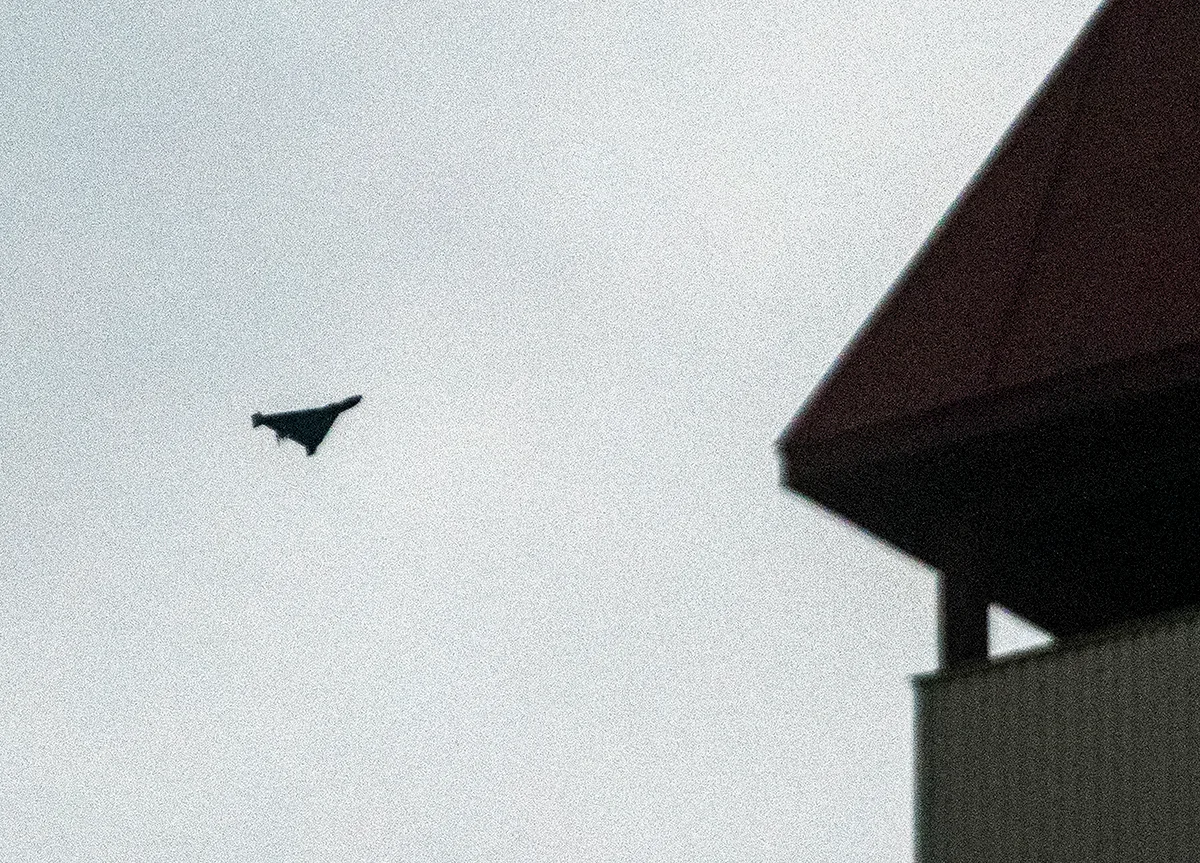
On the other hand, a number of points in the September cases alarm experts. Thus, a Danish security specialist with experience in the Armed Forces and the Danish Foreign Ministry, Jakob Kaarsbo, noted in a conversation with DW that the drones were large, and some had a fixed wing, that is, “not the kind that any amateur could use.” At the same time, the UAVs, according to the expert, probably did not run on batteries, but on fuel: they circled over the Copenhagen airport for more than four hours, and they still had to fly there and fly back. “The drones were clearly larger than those that can be purchased by a private person,” Copenhagen police confirmed to AFP.
Where do the tracks lead?
Where the UAVs came from, if they were indeed targeted hostile actions and not piloting errors on the part of drone hobbyists, remains to be seen. One version is that they flew in from the Kaliningrad region. But this is unlikely, since the UAV would probably have been noticed long before approaching Copenhagen. The second option is sabotage similar to that organized by the Ukrainian special services as part of Operation Web: then the drones were brought in trucks to the launch sites secretly from the drivers. The third is simply a launch by some persons hired by Russia from the territory of European countries. But the fourth option, which Vladimir Zelensky also spoke about, looks the most realistic.
“Now there is information from intelligence that the Russians are using tankers to launch and control drones that are launched against European countries,”
- he said on September 28.
On September 15, the Danish publication Danwatch reported on the Russian vessel Mekhanik Stepanov, which allegedly lost control off the Danish coast and remained at anchor for about 20 hours. Military analysts then suggested that “Mechanic Stepanov” could be monitoring the airport or preparing sabotage. And on the 25th, the Ekstra Bladet publication drew attention to the Russian ship of the Baltic Fleet of the Russian Navy "Alexander Shabalin", which was standing next to the territorial waters of Denmark with the automatic identification system (AIS) turned off, that is, it was not displayed in shipping monitoring systems.
Before the summit, French President Emmanuel Macron was asked to comment on rumors that appeared in Western media about the possible involvement of the tanker Boracay, which flies the flag of Benin and allegedly belongs to the shadow fleet of the Russian Federation, in the flights of unidentified drones. It is now anchored near the French port of Saint-Nazaire. The day before, the French Brest prosecutor's office opened an investigation into Boracay for possible "lack of justification for the nationality of the vessel or flag" and "refusal to comply." On the evening of October 1, French military personnel boarded the ship to inspect the ship, and some crew members were detained.
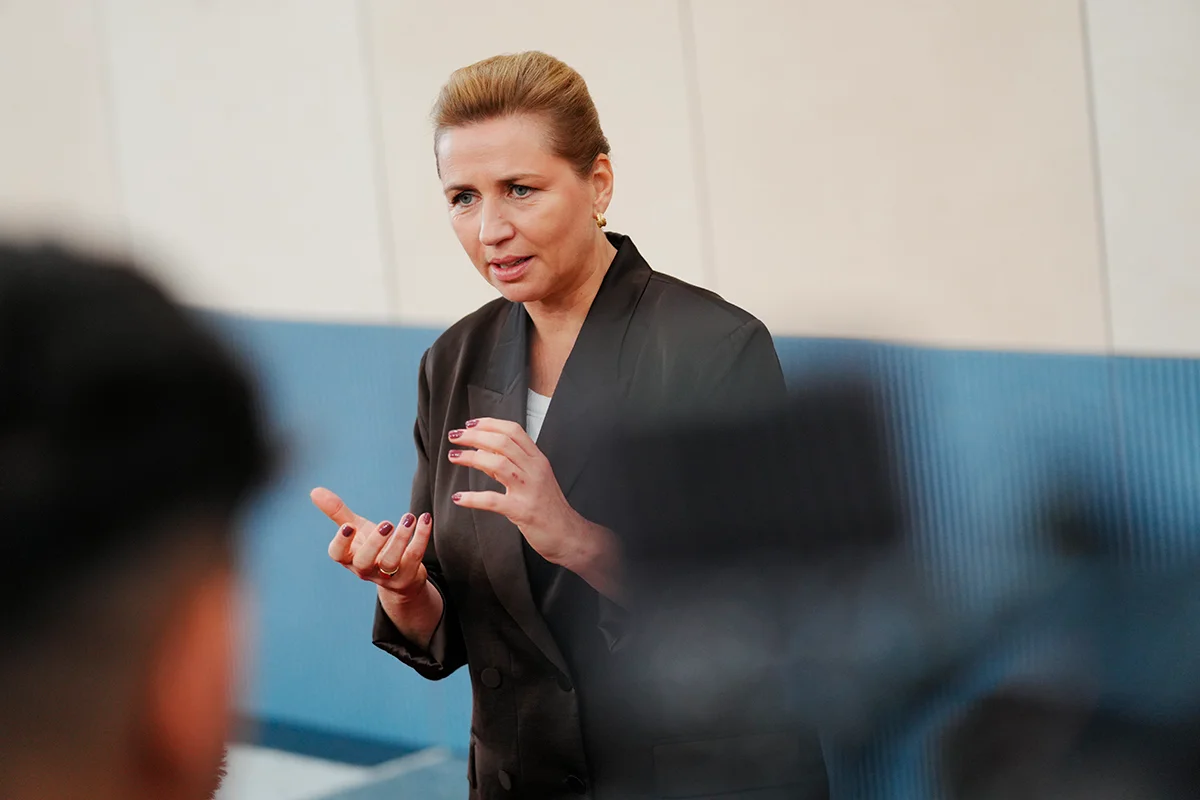
“It’s not for me to establish [the tanker’s] involvement in incidents with UAVs; I would be very careful. We will do everything that we can establish and clarify after the drone attack on Denmark, rest assured,” the head of the Elysee Palace simply said . At the final press conference, Mette Frederiksen also avoided answering a direct question from a journalist about a possible connection between Boracay and drones.
Who's to blame
The Russian authorities, naturally, reject all accusations against them. “We never direct our drones or missiles at states located in Europe, members of the European Union or the North Atlantic Alliance,” Russian Foreign Minister Sergei Lavrov said at a press conference following his visit to the UN General Assembly.
Meanwhile, Moscow may have several motives for such actions. For example, Danish Prime Minister Frederiksen is sure that the goal could be to provoke “chaos and anxiety, as well as test how far one can go.”
According to Louise Suverby, a researcher at the French Institute of International and Strategic Relations (IRIS), “the air incursions must be seen in the broader context of Russia’s hybrid war aimed at weakening the Euro-Atlantic Alliance and the European Union.” According to her, we are talking about “testing the response of NATO (both individual member states and the Alliance as a whole)”, and about “assessing Europe’s capabilities to neutralize this kind of attack”, and about collecting intelligence, and about “intimidating European governments and people in order to deter them from continuing to support Ukraine”, and about putting pressure on Europeans “in the context of discussions related to security guarantees” for Kyiv.
There are two main addressees. Firstly, citizens of European countries who, according to the initiators of the hybrid war, should be afraid of the prospect of expanding the armed conflict to the entire continent. Secondly, the authorities who may face a drop in ratings, as well as the need to reduce material and military support for Kyiv in order to strengthen the defense capabilities of their own countries.
Indeed, the ruling politicians are already hearing uncomfortable questions.
“If the state is unable to protect airports from drones, or at least identify them and find out where they were launched from, then this is a huge failure - both in military-technical and political terms.
The great many serious words spoken by the government about war, security and weapons were long overdue for implementation and transformation into a clear strategy,” noted , for example, against the backdrop of incidents with drones, the influential Danish newspaper Politiken.
So what should I do?
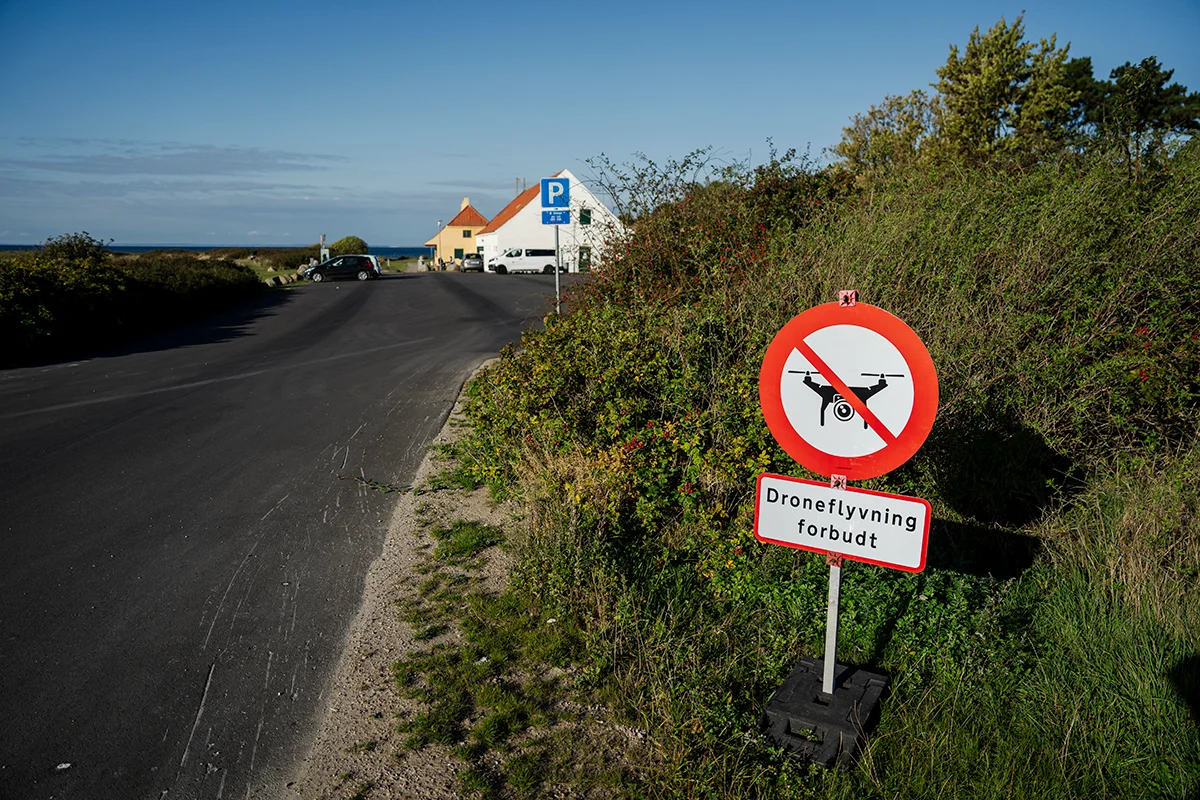
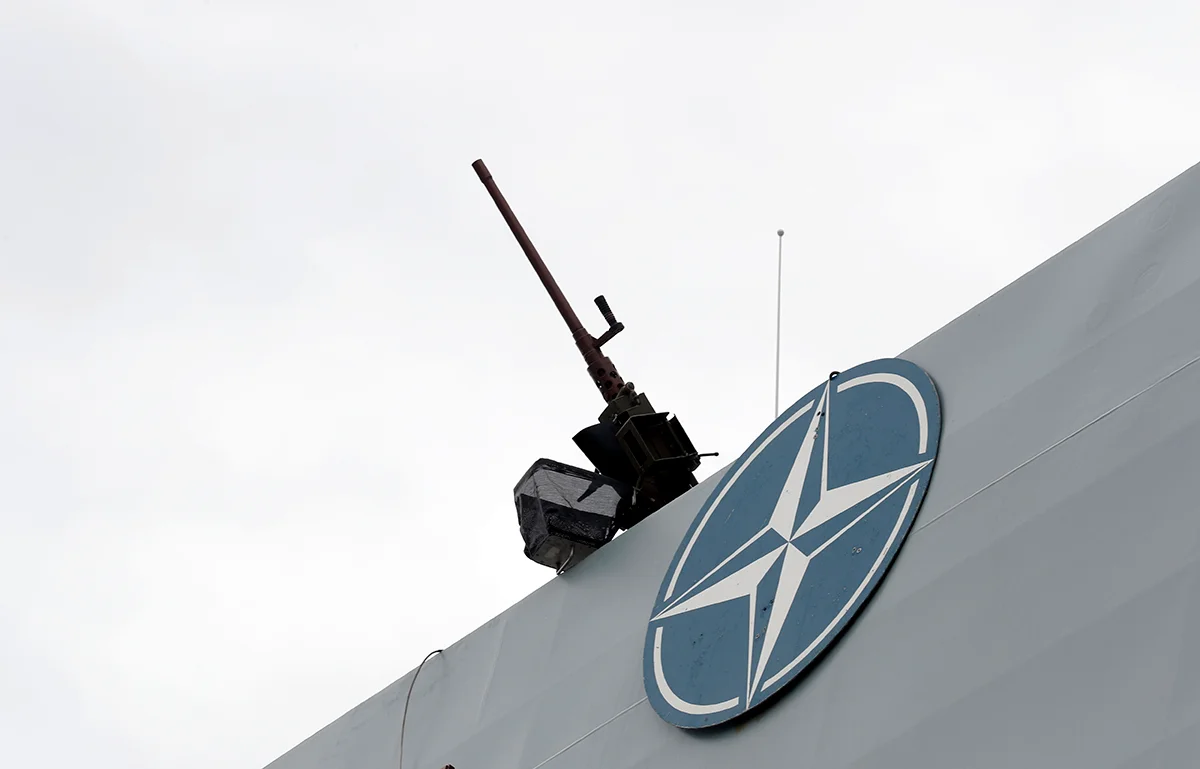
So far, the Danes have limited themselves to rapid response measures to what is happening: they announced the conscription of several hundred reservists for military service, and also closed the skies to all civilian drones from September 29 to October 3.
At the same time, they happily accepted help from the allies, who, to the same extent as Denmark, were interested in calm during the EU and European Political Community summits. In particular, the German government sent about 40 military personnel to Denmark trained in drone detection, identification and defense systems. In addition, the German Navy frigate Hamburg, equipped with air defense systems, arrived in the waters near Copenhagen. France sent 35 troops and a Fennec helicopter to combat the drones. Sweden, Poland, Finland, Norway, and the UK also provided military, police, or special equipment to combat drones.
At the same time, EU countries began to update internal regulations in case of drones. As the Bild newspaper reported , citing sources, the German government is developing a secret plan to combat unidentified drones.
The key point is giving the Bundeswehr the right to shoot down UAVs in the event of a danger to human life or a threat to critical infrastructure.
And in Romania, the development of a “methodological basis for the application of legislation” on countering UAVs and manned military aircraft invading national airspace has recently been completed . For example, it was clearly stated who exactly decides whether to shoot down or not shoot down.
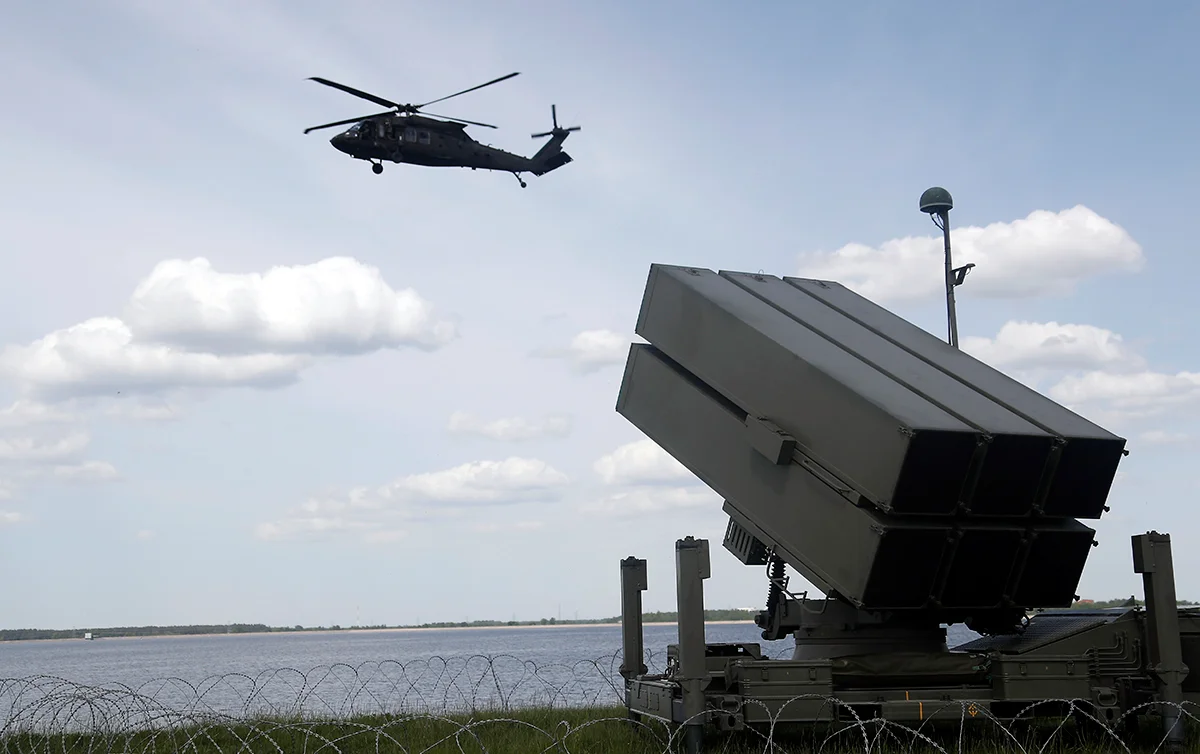
This question is not so simple. Shooting down a UAV with a kinetic projectile is not easy. Therefore, in order for the probability of a hit to be high, it is necessary to release a large number of them. And this, firstly, is extremely expensive. And secondly, there is a risk that both drone fragments and projectiles that did not hit the target will fall to the ground. Airports and military bases are often located near residential areas, so there is a high risk of collateral damage to people, homes and infrastructure. That is why, for example, the Danish authorities allowed the drones to go: they said that they were too close to populated areas.
Like a drone hitting a wall
In an attempt to improve its defense capabilities, Denmark has announced for the first time that it is ready to acquire “high-precision, long-range weapons.” “With these weapons, defense forces will be able to hit targets at long distances and, for example, neutralize enemy missile threats,” explained Prime Minister Frederiksen, clarifying that we can also talk about countering drones.
Особенно актуальны вопросы усиления обороноспособности для стран, находящихся на восточном фланге ЕС и НАТО. Так, с 1 декабря Нидерланды разместят в Польше зенитные ракетные комплексы Patriot и NASAMS, а также средства по борьбе с БПЛА. Задача — прикрыть крупный логистический узел, через который Киеву поступает военная помощь.
Кроме того, НАТО пообещало усилить присутствие в Балтийском регионе. Речь пойдет об использовании новых систем разведки, наблюдения и зондирования, а также как минимум одного фрегата с системами противовоздушной обороны.
В целом ПВО давносчитается одним из главных пробелов в оборонных возможностях стран НАТО. Брюссель призывает государства ЕС в рамках программы SAFE направить часть €150 млрд, выделяемых в виде кредитов, на развитие противовоздушной обороны. Но большая часть этих средств идет на очень дорогие системы — и это совсем не то, что требуется для борьбы с БПЛА.
В конце сентября министр обороны Нидерландов Рубен Брекелманс призвал европейские страны ускорить инвестиции в более эффективные системы борьбы с БПЛА. Попытки приспособиться к новым условиям уже предпринимаются. Французское агентство вооружений DGA недавно заказало у консорциума компаний (включая MBDA, Safran, Thales и Cilas) демонстрационную версию лазерной системы против дронов. А шведская Saab в конце августа представила недорогую ракету Nimbrix, задача которой — нейтрализация малых низколетящих беспилотников.
Тут ЕС и НАТО явно пригодится опыт Украины, которая не тратит на дешевые дроны-камикадзе, скажем, ракеты Patriot. Глава Еврокомиссии Урсула фон дер Ляйен в сентябре анонсировала создание совместного с Украиной «альянса беспилотников», который позволит Европе использовать обширный украинский опыт.
При поддержке украинских экспертов сейчас также ведется разработка амбициозного проекта под названием «стена дронов». Это инициатива Германии, Польши, Финляндии и стран Балтии, подразумевающая создание у границы РФ многослойной «защитной стены» из средств мониторинга границы в реальном времени и автоматизированных систем перехвата БПЛА. Проект пока находится на стадии разработки, но некоторые подробности известны. Так, британская газета The Times сообщала , что предполагается установка нескольких уровней радиолокационных систем и других систем обнаружения, рассматривается и возможность использования пулеметов и комплексов Patriot. А британский министр обороны Джон Хили сообщил газете The Telegraph, что в проекте будут задействованы перехватывающие БПЛА, произведенные Соединенным Королевством совместно с Украиной.
Между тем 1 октября источники, знакомые с обсуждением плана, рассказали агентству Bloomberg: инициатива сложна для реализации из-за огромного количества пассажирских и грузовых самолетов в европейском воздушном пространстве, что увеличивает риск сопутствующего ущерба.
Один из собеседников агентства также назвал «стену дронов» пиар-ходом, «скрывающим сложную реальность».
Публично также не все выражают чрезмерный энтузиазм по поводу «стены дронов». Например, довольно скептично о проекте высказывался министр обороны ФРГ Борис Писториус: по его словам, «речь не идет о концепции, которая будет реализована в ближайшие три-четыре года», и приоритеты должны быть иными. Перед началом саммита в том же ключе высказался и Эмманюэль Макрон. «Я настороженно отношусь к подобным терминам [ «стена дронов». — Approx. ed. ]. Всё немного сложнее», — сказал он.
Вечером после саммита участники итоговой пресс-конференции — Антониу Кошта, Урсула фон дер Ляйен и Метте Фредериксен — попытались сгладить все острые углы, отмечая: неважно, как именно назвать инициативы ЕС по противодействию дронам, главное — предпринимать конкретные шаги. Задача — создание общеевропейской экосистемы, которая будет защищать, например, и от угроз с юга. Но восточный фланг, давали понять участники пресс-конференции, сейчас всё-таки в явном приоритете.
МиГи под прицелом
Не забывают в ЕС и НАТО и о более крупных нарушителях воздушного пространства. Как сообщило 25 сентября агентство Bloomberg, дипломаты из Великобритании, Франции и Германии провели в Москве неофициальную встречу с коллегами, в ходе которой выразили обеспокоенность по поводу недавнего вторжения МиГ-31. По итогам беседы западные дипломаты пришли к выводу, что это нарушение воздушных границ было преднамеренным. При этом они предупредили: силы НАТО готовы к ответным силовым действиям против российских самолетов в случае новых провокаций.
Публично — и не где-нибудь, а на заседании Совбеза ООН — об этом же говорил глава МИД Польши Радек Сикорский.
«Если еще одна ракета или самолет войдут в наше пространство без разрешения, намеренно или по ошибке, и будут сбиты… не жалуйтесь»,
— заочно предупредил он российские власти. 23 сентября Сикорский и его единомышленники получили подкрепление со стороны президента США Дональда Трампа: глава Белого дома поддержал идею сбивать российские самолеты и дроны, вторгающиеся в воздушное пространство стран НАТО.
По мнению сторонников жесткого ответа на провокации Москвы, «когда дипломатия терпит неудачу, нужно применять силу»: без «своевременного урока» (то есть подбития в следующий раз российского самолета) РФ «придет к выводу, что красные линии — фикция», так что можно заходить всё дальше и дальше. Впрочем, угрозу неконтролируемой эскалации и обоюдного цугцванга тоже никто не отменял.
На этом фоне 1 октября Эмманюэль Макрон дал понять, что лучшая тактика — избегать какой-либо конкретики. «В соответствии с доктриной стратегической неоднозначности могу сказать, что ничего не исключено», — сказал французский лидер в интервью изданию Frankfurter Allgemeine Zeitung.