
Translated material
Naftogaz of Ukraine announced the most powerful blow to Russia
Kyiv accuses Moscow of intending to disrupt the heating season before the cold weather
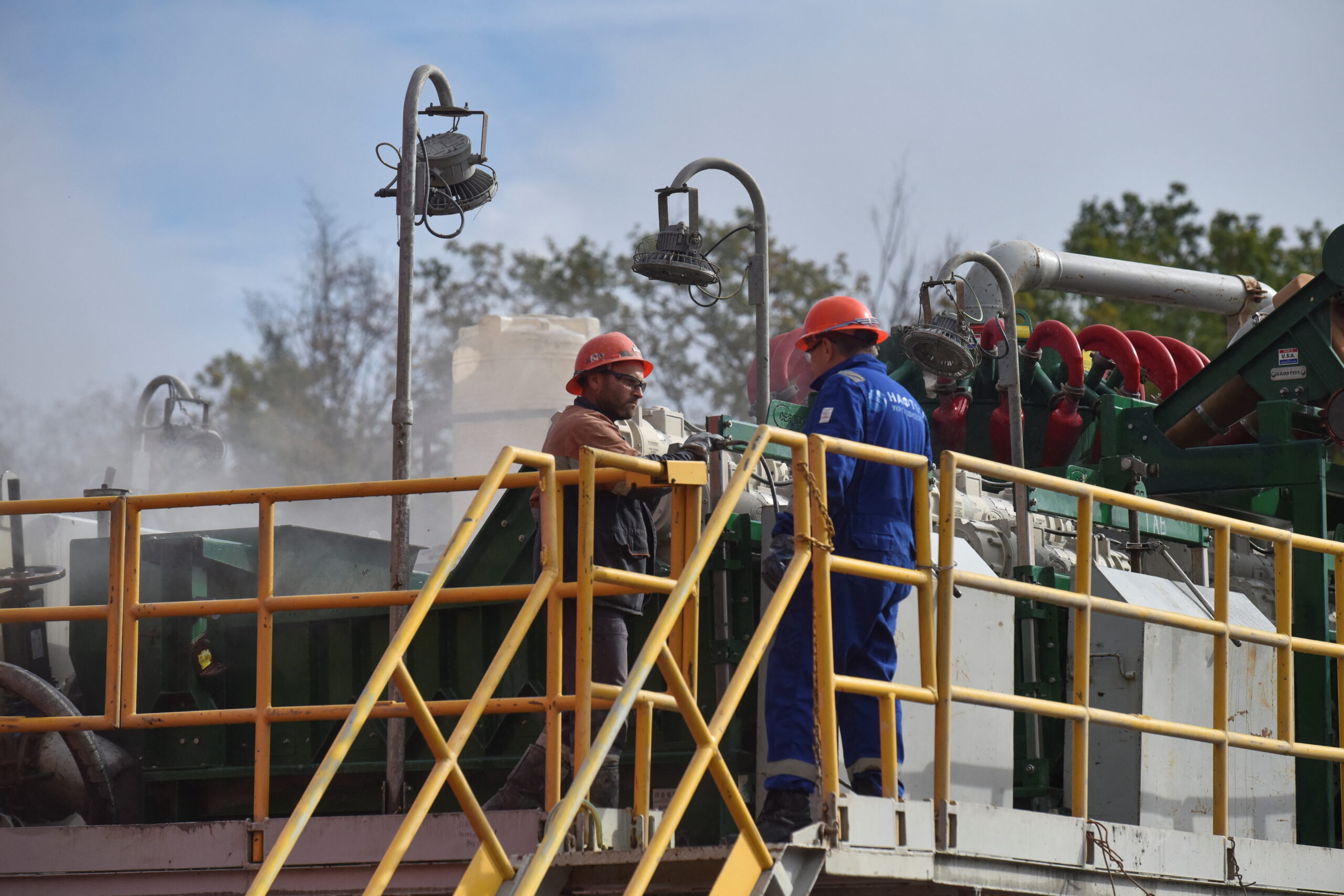
On the night of October 3, Russia launched a massive missile and drone strike on Ukraine. The main target was gas production and energy facilities, especially in the Kharkov and Poltava regions. This was stated by the Ukrainian state company Naftogaz , calling the attack the largest on energy infrastructure since the beginning of a full-scale invasion.
According to the company, 35 missiles (including ballistic ones) and about 400 drones were fired at targets in these regions, of which 78 reached their targets. A number of gas production installations were damaged, some of the damage was considered critical. As a result of the strike, several gas facilities were stopped in the Poltava region, and the Konotop and Shostka districts were partially cut off in the Sumy region.
In order not to miss new texts from “Layout”, subscribe to our telegram channel
The Ukrainian side accuses Russia of trying to disrupt the heating season
The head of Naftogaz, Sergei Koretsky, said that the attack had no military meaning and was aimed at disrupting the heating season in winter.
“This is targeted terror against the civilian infrastructure that ensures the production and preparation of gas, which is used for the normal life of people,” Koretsky noted.
The Russian Ministry of Defense, in turn, confirmed the strikes and said that the targets were defense industry and energy enterprises that supposedly support their work.
Russian military telegram channels reported that the strikes hit targets in Poltava and Lubny, and the Ukrainian Air Force also noted attacks on Sumy, Dnepropetrovsk, Kyiv and Odessa regions.
Previously, “Verstka” reported that Russia has modernized the Iskander-M and Kinzhal missiles, teaching them to perform maneuvers during the final phase of the flight. This makes them harder to intercept. The effectiveness of Ukrainian air defense against ballistic missiles decreased from 37% in August to 6% in September. The United States, according to The Wall Street Journal, against the backdrop of the ongoing war, promised to help Ukraine with intelligence for striking deep into Russia.
Photo: Naftogaz, Lviv region, October 1, 2022. REUTERS/Pavlo Palamarchuk
Support “Vestka” - it’s important and safe →