
Translated material
“Europeans must be absolutely confident that regardless of decisions in Washington, we will contain Russia.”
Interview with former British Ambassador to Russia Laurie Bristow
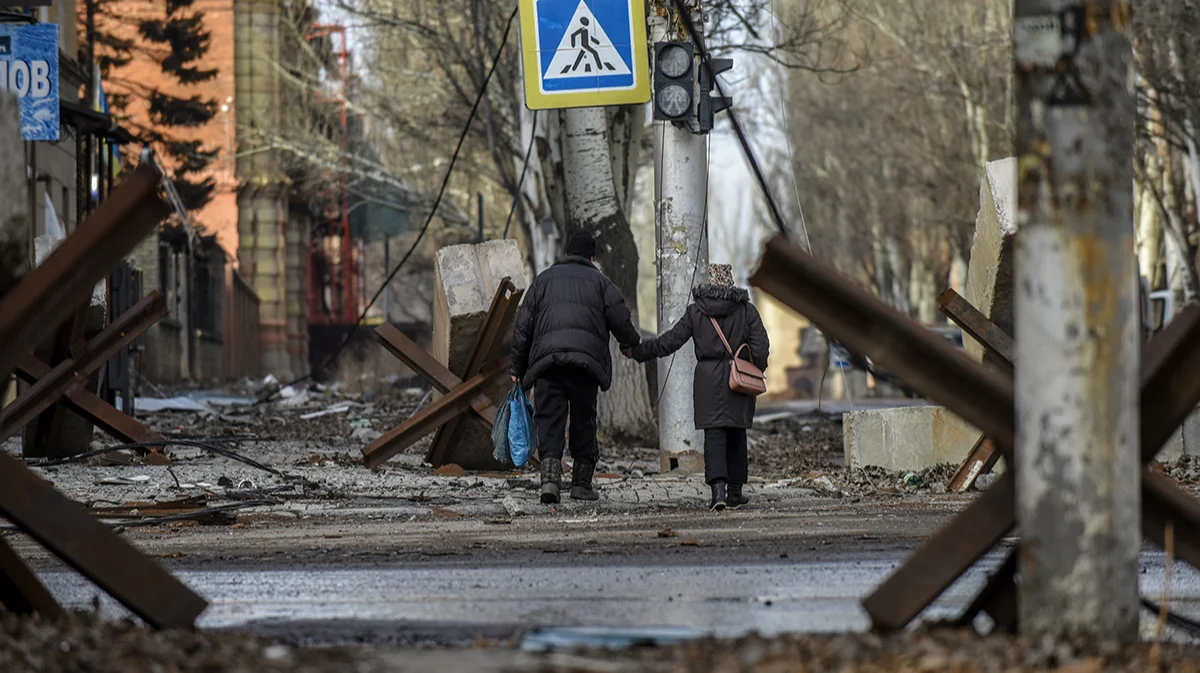
People walk along the streets of the city of Bakhmut, Donetsk region, eastern Ukraine, January 20, 2023. Photo: Oleg Petrasyuk / EPA
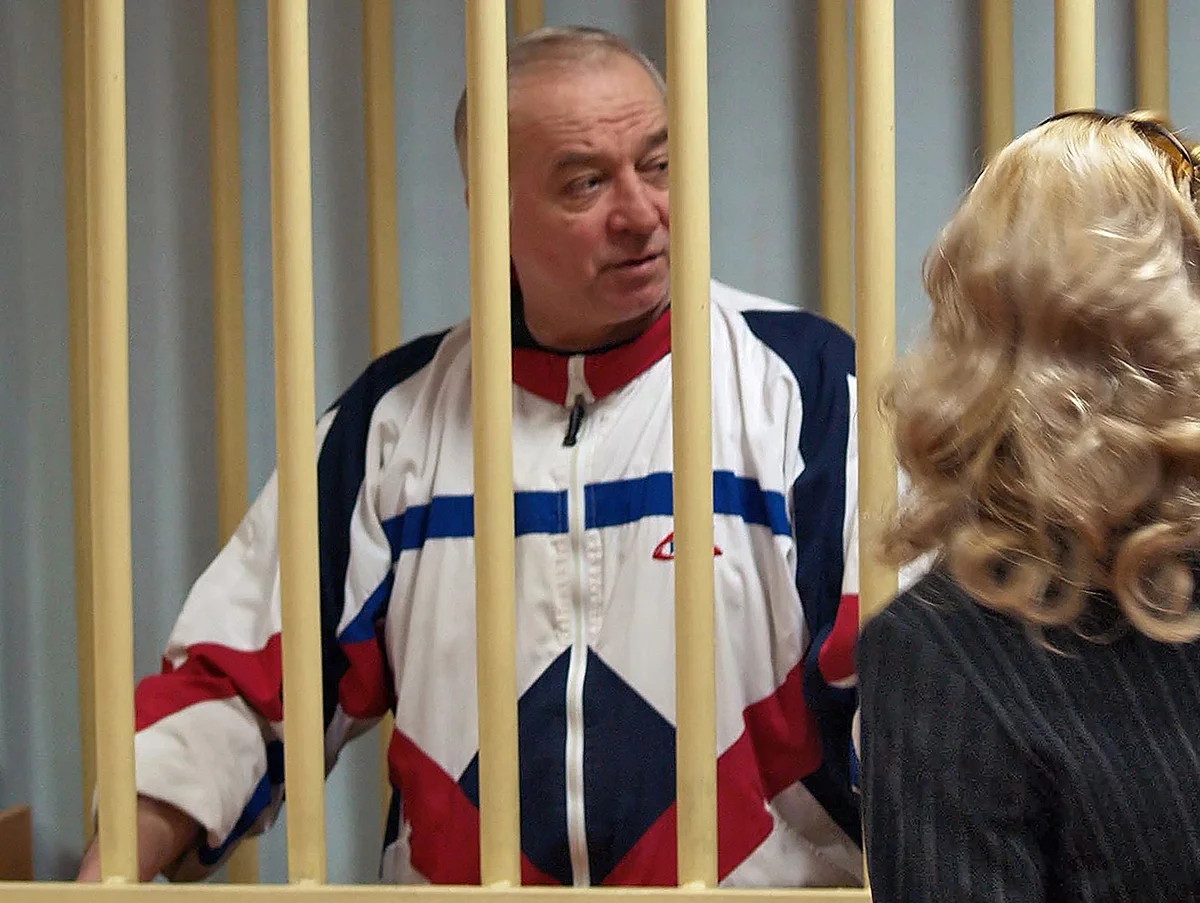
The President of Hughes Hall (a college at the University of Cambridge), Laurie Bristow, served as the British Ambassador to Russia from 2016 to 2020. During his service, ex-GRU colonel Sergei Skripal was poisoned in Salisbury. The British authorities accused the Kremlin of organizing the assassination attempt, after which a rapid cooling of relations between Moscow and London began.
After finishing his career at the British Foreign Office, Bristow began to publicly comment on international politics and shared with New Europe journalist Ilya Azar his views on how and when a truce could be concluded between Russia and Ukraine. The ex-ambassador is confident that the conflict will not completely end until Putin leaves the stage. Bristow also criticizes Europe for taking too long to recognize the fallacy of its strategy of appeasing Russia by including it in trade and international organizations.
— Your first business trip to Moscow, when you served as deputy head of mission at the British Embassy, began in 2007. You have often said that the best and shortest way to understand Vladimir Putin is to analyze his famous Munich speech , which he gave that same year. Did you personally understand everything about him even then?
— I must say right away that I left the civil service, so I express only my personal opinion, although I rely on my experience working in the government ( Bristow was the head of the Department of Eastern Europe and Central Asia at the British Foreign Office from 2010 to 2012, and the head of the National Security Department from 2012 to 2015. — Author’s note ).
I think one of the biggest problems of the last three years is that for a very long time we did not want to see what was happening under our noses. I have former government colleagues who are now repeating to me what I said fifteen years ago: “If you want to understand Mr. Putin, listen to what he says. He doesn’t always say what exactly he will do, but he speaks directly about what he considers his problem.” But we [previously] did not want to believe his words, and Britain's attitude towards the Munich speech is an example of this.
Even more shocking was what happened a year earlier, when FSB agents killed Alexander Litvinenko with polonium right in the center of London. They still deny it, but the facts speak for themselves. Of course, this was not the first such murder, but it was the one that attracted our attention.
Our response to this was very telling: it took the UK many months to realize what we were dealing with and to respond. As a result, we expelled four Russian intelligence officers from London ( officially we are talking about the expulsion of four diplomats. - Ed. ), and all other countries said: “This is terrible, this should not happen again.”
- What should have been done?
- I'm coming to this. In 2018, GRU agents poisoned Sergei Skripal with novichok in Salisbury. The reaction then was much faster: we expelled all Russian intelligence officers from London ( as in the previous case, officially we are talking about the expulsion of diplomats, this time 23 people at once - Ed. ), and then began to work together with the rest of Europe to cause systemic damage to the Russian intelligence services, and also, I think, to the reputation of the Kremlin.
The goal was very simple - to send a clear signal to the Kremlin: “We see what you are doing, and if you continue, the price will be much higher than you expected.” This is the basic theory of deterrence. You cannot completely prevent the enemy from acting, but you can increase the cost of these actions and force him to recalculate the risks.
- But did this “price” really become high then?
“In total, about 150 people were expelled then, and this caused systemic damage to the Russian special services.
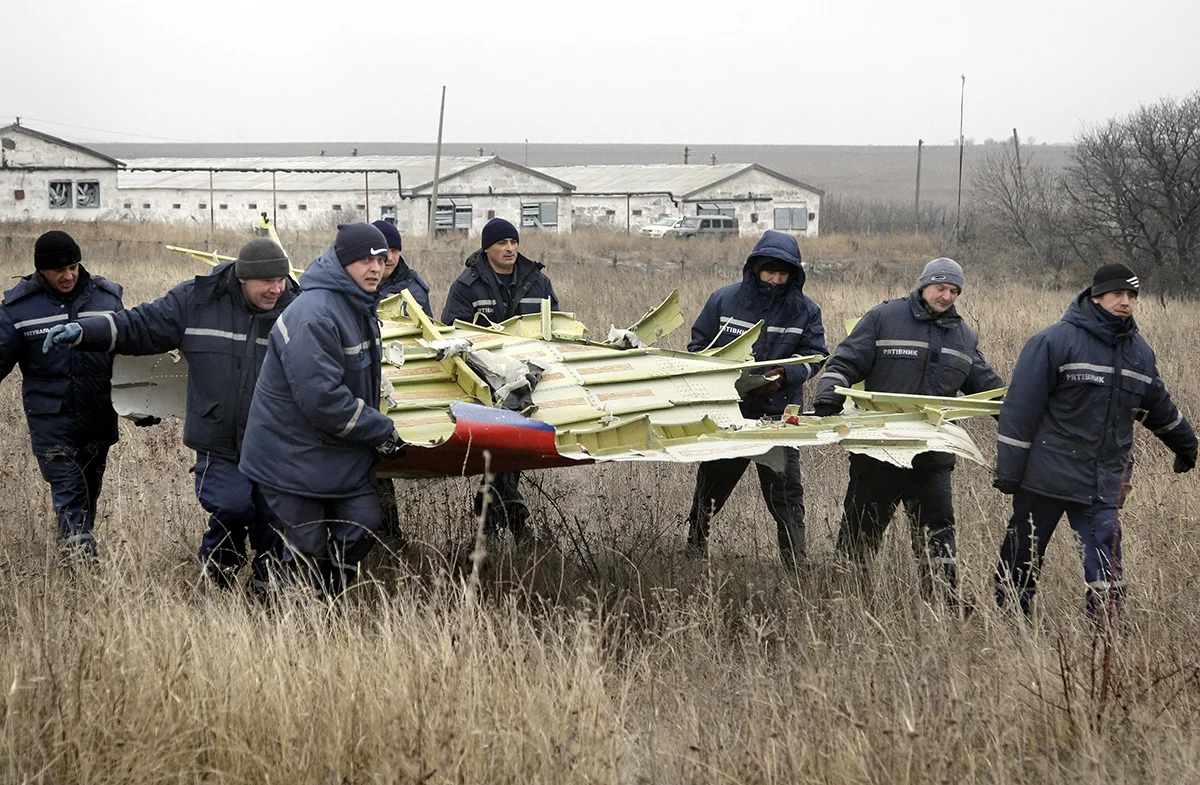
The difference in response between 2007 and 2018 says a lot about the path different governments have taken in that time. Of course, there was the invasion of Georgia in 2008, and the annexation of Crimea, and the beginning of the war in Donbass, and the downing of MH17 .
Everything has reached the point where it has become impossible for everyone to look at the Russian state and convince themselves that these are all some kind of exceptional cases. No, [everyone understood that] this was an integral and even central part of Russian policy.
— But still, could anything have been done differently earlier?
“I think it’s worth taking a step back and looking at the balance of policy goals that most Western governments have had over the past three decades. In general, we tried, on the one hand, to protect ourselves from threats from Russia, such as murders, an increasing number of information attacks, interference in elections, etc.
But on the other hand, we tried to find ways to tie Russia to cooperative interaction. That’s why we accepted Russia into the G8 ( the G8 forum from which Russia was expelled in 2014 - Ed .), achieved its accession to the WTO ( the World Trade Organization, in which Russia is still a member. A bill on Russia’s withdrawal from it has been submitted to the State Duma - Ed. ), in order to connect it with the rules-based global trading system. The decision to create the Russia-NATO Council, a forum for serious political and military dialogue on the security of Europe ( cooperation in this format actually ceased after Russia’s full-scale invasion of Ukraine - editor’s note ) was also correct.
The only problem is that it didn't work. And, in my opinion, it took too long for governments to realize this and move to Plan B.
I think 2014, and especially the downing of MH17, made many people realize this. We saw that Russia is a state that transfers anti-aircraft systems to the separatists, and they shoot down civilian airliners with them ( we are talking about the Buk anti-aircraft missile system, which, as an international investigative team established, was delivered from Russia; the Kremlin denies these conclusions. - Ed. ). It became impossible to turn a blind eye to this.
Well, of course, the events of 2022 became the final point of epiphany for most. It became clear that it was impossible to build cooperative relations with Putin’s Russia.
— I read in one of your articles that no one except Putin wants the war to continue. You claim that the goal of military, economic and political support for Ukraine and pressure on Russia is not to prolong the war, but to end it. But how do you imagine this? After all, Ukraine now cannot regain all the occupied territories.
— Territories are one question. It is obvious that Ukraine as a state cannot have a position other than that they want to return all their territories within internationally recognized borders.
But the reality is that they will not be able to achieve this by military means anytime soon. Therefore here,
I think we need to split the question into two. First: is it possible to achieve a truce that will increase the chances of Ukraine's survival? Second: can the conflict itself be resolved?
If there is a path to a truce, then it will not be possible to resolve the conflict as such.
Because the reasons why it began are connected with Putin’s ideas about Russia’s place in the world, and this vision is not going anywhere. That is, a real settlement is possible only when Russia changes.
- How to achieve a truce?
“I think the mistake, especially on the part of the US administration, in this matter was that the conflict was viewed as a dispute about territories. I believe that territories will be part of any truce, but not the main factor.
The main factor for Russia is whether a truce is the best option for them. If not, then she will continue the war. And for Ukraine, the main question is whether the terms of the truce undermine its security and sovereignty.
The most important thing here is that if you reach a truce with Putin, then, as the experience of Minsk-1, Minsk-2 and Georgia has shown, this does not mean a real stop to the war, but the continuation of the conflict in other forms. We all know how the Russian state operates, and none of this will stop. So you need to understand: if there is a truce, Putin will still act on the brink of military action.
This means that a properly structured truce should make any violation of its terms extremely painful for Russia.
- But is it possible to achieve something like this?
- It's possible. Although, I think, it is unlikely in the current conditions. But two key elements, it seems to me, are already well known and obvious.
The first is the most severe and prolonged economic pressure on Russia, because it narrows the range of options for Putin.
The second is to continue arming the Ukrainians and do it for real. Because this is a signal to Russia: “You cannot win by military means. And we will make sure that you will no longer be able to win by military means.” If we are not ready to do this, then there will be no truce.
- But, in my opinion, both instruments you voiced are not working well now.
— For now, yes, and therefore we need to clearly explain not only to our governments, but also to society, what is at stake in Ukraine and beyond its borders.
Let's conduct a thought experiment: if Russia does not lose in Ukraine, what will this mean for our security? I don't mean that Russia will certainly attack, say, one of the Baltic countries. This is unlikely. But how will this limit our options? How will this change our perception of our own security in Europe? Essentially, if Russia wins in Ukraine, it becomes the dominant military power in Europe.
- But Europe is not directly involved in the conflict now.
- And that’s very good. Enormous efforts have been made in recent years to avoid this. We had to, and are still trying to manage, the very real risk of a direct military clash between Russia and NATO. This is in no one's interests, including Russia.
I think we've learned a lot over the last three years about how high up the escalation ladder you can go without escalating into direct confrontation. Today we are giving Ukraine opportunities that we would not have even considered three years ago, because now we know: from the point of view of escalation management, it is safe.
— You mentioned the Baltic countries, and many here are afraid that if Russia decides to attack them, then NATO may not respond properly.
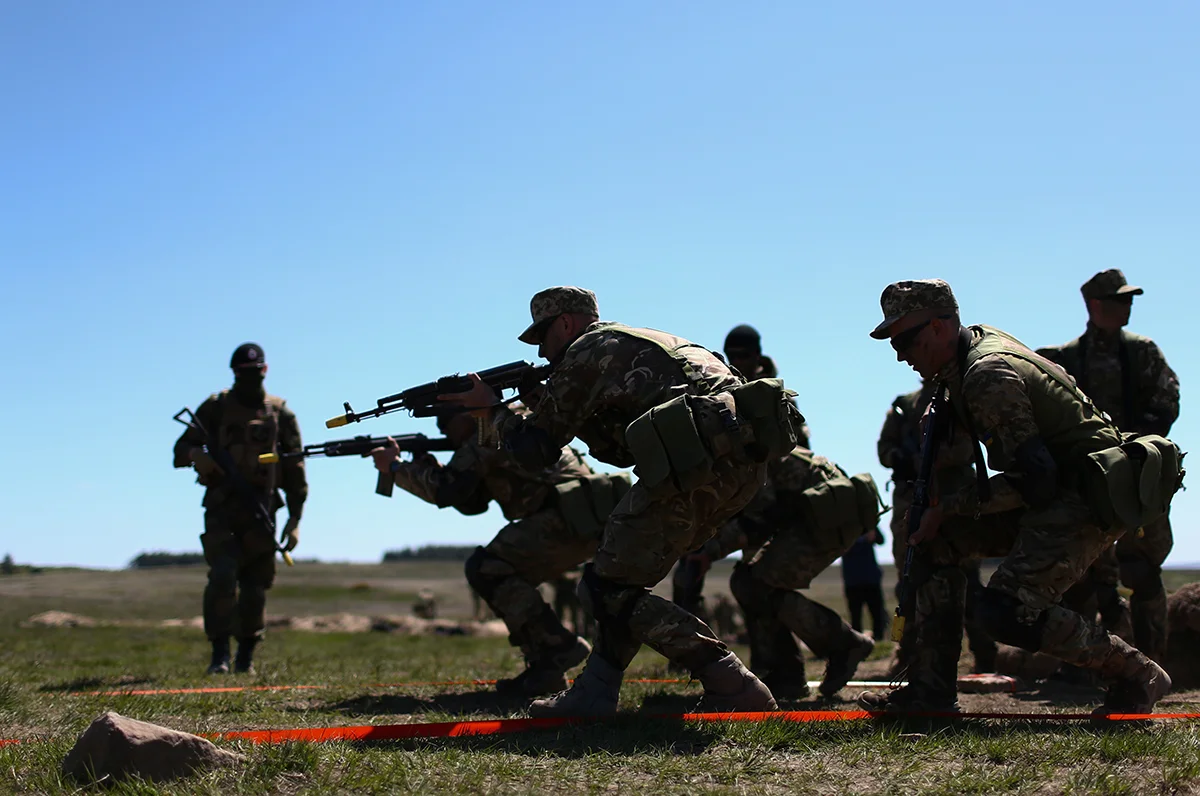
“This is very relevant now because of drones and aircraft intrusion into airspace. But there are tactical and strategic parts of the answer. Strategic is the fifth article . Over the past three or four years, the raison d'être of the Alliance and Article 5, which is its heart, has become abundantly clear to everyone. This is why Finland and Sweden joined NATO, which was a huge unintended consequence of Russia's invasion of Ukraine.
The meaning of deterrence, as laid down in Article 5 [of NATO], lies not only in whether we ourselves believe in it, but in whether Putin believes in it.
The key political and military task here is to ensure that the Kremlin is convinced that we really mean this. And, of course, when it comes to the United States, the question arises: do Americans believe this?
Given the administration we are dealing with, we Europeans must be absolutely confident that, whatever the decisions in Washington, we mean it, and we are capable of doing it. We will contain Russia. This is the essence of the strategic discussion.
On the tactical side, like drones or Russian aircraft in the Baltic region, one thing I keep coming back to is when Russia does this, what exactly is it trying to achieve?
One of its tasks is to intimidate public opinion in European countries, which begins to think: the Russians are coming, they will invade, it would be better to give them what they want. But the piece missing from this logic is that giving them what they want doesn't make them any less dangerous. This is the message that needs to be conveyed to society.
Russia's second task is to create a split within Europe. This is classic cognitive warfare. Some parts of the political system are starting to say: we're worried that the Russians might do something else - let's give them a little, but at your expense. Therefore, it is very important to work through all this correctly.
And, of course, when the Oval Office says, “You are gambling with World War III,” that is exactly the message the Kremlin wants to hear, especially in connection with border violation incidents. So my advice to governments: they need, of course, to respond, but on their own terms, and not on Moscow’s terms.
— What do you think about Donald Trump’s role in current events? What does he really want to achieve? The end of the war?
“It is absolutely clear that the war will not end on the terms on which Mr. Trump hoped - in the form of some kind of real estate or minerals deal. This is simply a complete misunderstanding of the essence of the conflict.
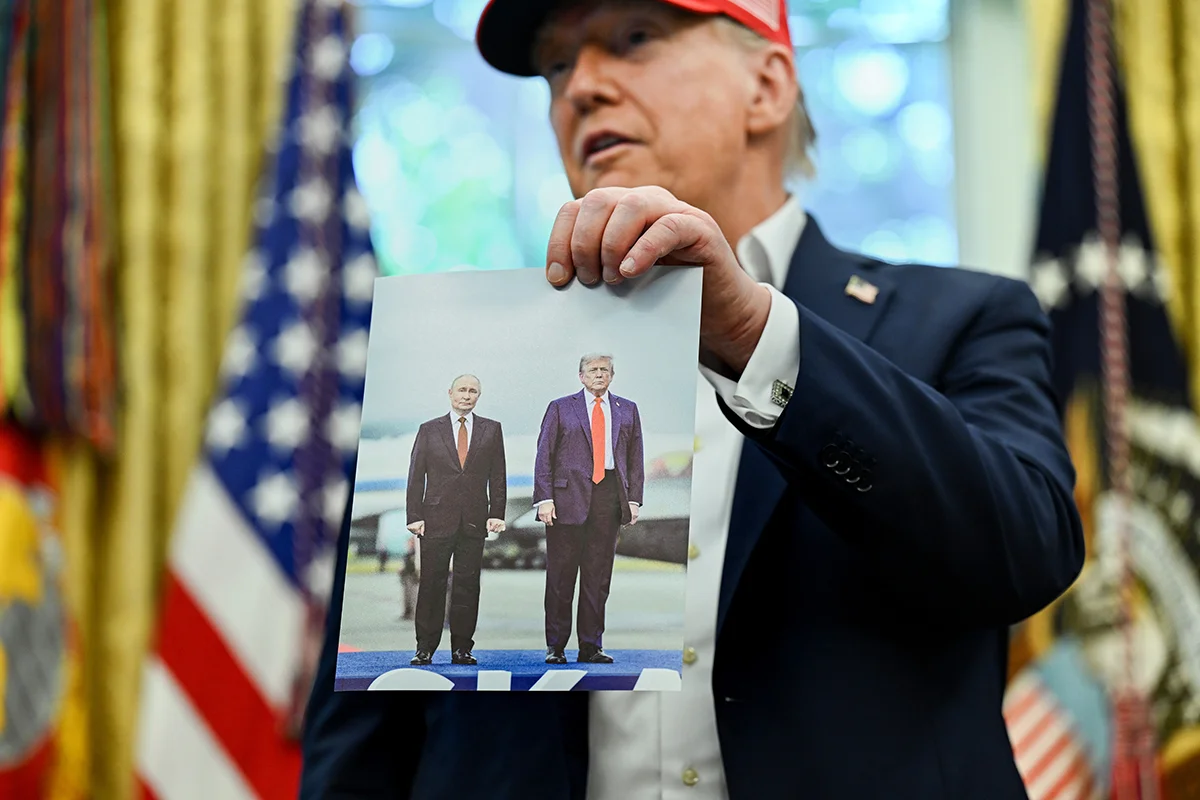
I hope that Trump's advisers drew the right conclusions from the Alaska situation - after all, Putin received huge benefits there without paying absolutely no price. This is not how they negotiate with Putin, but they themselves have to understand it.
In order not to simply say: “Trump is wrong,” but to speak constructively, one must first of all address not only the American administration, but also the American public with an explanation of why European security is important for the United States and why it will continue to be important.
This, in fact, was the entire basis of transatlantic relations during the Cold War.
And there is another very important point here. Some people in Washington have the idea that by making peace with Putin, Russia can be “torn off” from China . This is an absolute fantasy. This won't happen. Logically this is simply impossible.
Therefore, it is important to correctly understand the main priority of the US administration. Geopolitically, this is China, and we need to develop a coordinated approach to these risks and challenges. But simply hoping that Russia can be torn away from China does not lead to anything.
— Recent news about Trump, such as the designation of Antifa as a terrorist organization or the persecution of late-night show hosts, makes it seem that he is running Russia. Do they seem to have the same type of thinking with Putin?
— I don’t know about the “same type of thinking”, because the context is, of course, different. But I think we must honestly admit that there is now tension in the transatlantic relationship that has never existed before - both on the issue of security, and in the economy, and in values.
Do we even stand for the same ideals? And when you're dealing with a president like Mr. Trump, you have to find ways to talk to him in his language. Actually, this is what European leaders are doing.
The goal is to, no matter what direction Trump moves, always bring the conversation back to why the outcome of the war in Ukraine and the fate of Europe matter to Mr. Trump himself. And I think the way to do it is, “If you think you're in geopolitical competition with China, you need allies. And alliances are something that takes decades to build. They are very easy to destroy, but very difficult to create again.”
— You say that we need to wait for changes in Russia. Do you think significant changes will happen with Putin's death?
- This is the main question. I said that I don’t think the conflict will end as long as Putin remains in power. Most likely, this will only happen when Putin dies.
I think the most important point is precisely the transition period, which will come sooner or later. What will happen when Putin is no longer president? Who will be in power? What will be the path to this power? And, most importantly, what decisions will be made by the one who comes?
This, in essence, is about the future of Russia. And, as I have learned from my own experience over the years, there is very little outside influence on this. Not zero, but extremely limited. These are issues that Russians themselves must decide. But we have interests, and we must be clear about what exactly we want in relations with Russia, and we must be very clear about what we will do if Russia continues on its current path.
This is largely a matter of defense policy. Мы будем делать всё необходимое для защиты наших интересов столько, сколько потребуется. Это звучит просто, но на самом деле ведет к очень сложным внутренним вопросам, включая размер оборонного бюджета и требования к обществу.
Но что меня особенно поразило во время моей работы в России, особенно когда я был послом, — это то, насколько [российские чиновники] постарели. Помимо смены личности в какой-то момент должна состояться и смена поколений. Все политологи в Москве это прекрасно понимают, но никто не может представить, как это произойдет, ведь нет четкого механизма передачи власти.
Я часто советую людям, которые совсем не разбираются в России, посмотреть фильм «Смерть Сталина». Если вы хотите простое и понятное представление о том, как «работает» эта система, посмотрите этот фильм и подумайте, почему в России его запретили .
Причина вовсе не в Сталине, а в том, что он отражает то, что произойдет, когда умрет Путин. Все тревоги и неопределенности по поводу того, что будет дальше, в нем прекрасно показаны.
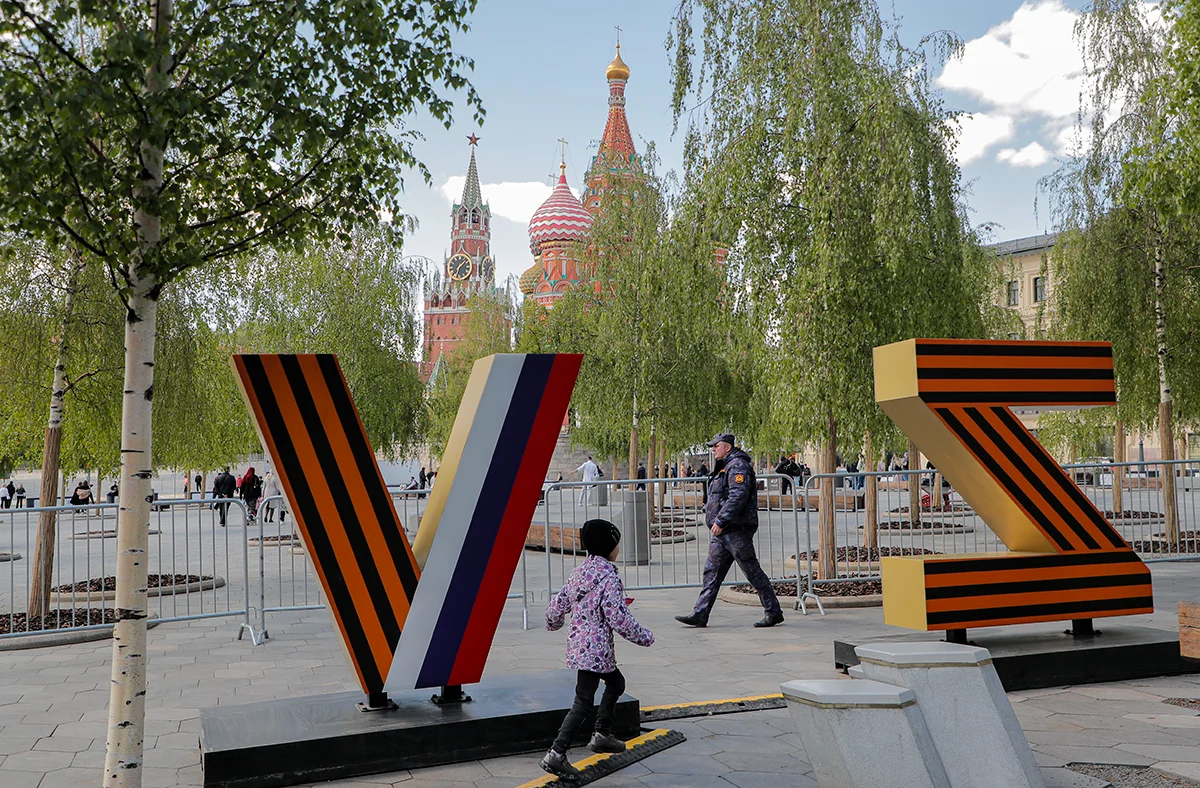
— Вы дважды работали в посольстве в России. Вы видели, как менялись Путин и чиновники, а что думаете про изменения в обществе?
— Это очень трудный и сложный вопрос. Если говорить о правительстве, то во время моей работы в России траектория выглядела так: наши двусторонние отношения катились под откос, становились хуже буквально с каждым днем. Обычно это было результатом сознательных решений, принятых в Кремле.
Что касается общества, то там картина гораздо более многослойная. И, конечно, иностранцу, особенно дипломату, чрезвычайно трудно понять, где именно находится «центр тяжести» общественного мнения. Но что показывают социологические данные? Мы видим меньшинство людей, которые яростно поддерживают войну, и меньшинство, которое яростно против войны. А есть большая часть, которая либо пассивно соглашается, либо пассивно не соглашается.
В авторитарном обществе решения в основном принимаются элитами, которые, конечно, учитывают то, что можно «продать» населению, ведь никто не хочет бунта на улицах. Но механизма подотчетности в системе нет. И еще хуже, что, если человек не согласен, его могут посадить или даже убить — как Бориса Немцова. Таков характер этого режима, с которым приходится иметь дело, поэтому очень трудно предсказать, как именно придут изменения. И нужно быть готовыми к тому, что перемены могут прийти из совершенно неожиданных направлений, в том числе откуда нам бы совсем не хотелось.
Одна параллель, которая меня занимает и на которую у меня нет окончательного ответа: в позднесоветский период западная модель в целом воспринималась как привлекательная значительной частью населения. Сейчас, думаю, это уже не так. Отчасти это результат внутренней пропаганды, но отчасти и наша собственная вина. И нужно это признавать.
— В этом году вы были в жюри Pushkin House Book Prize, в шорт-лист которой попала книга Алексея Навального. Почему, как вы думаете, его убили? Кремль правда видел в нем угрозу своей власти?
— Исходя из недавних слов Юлии Навальной, его действительно убили в тюрьме. Я не знаю всех деталей, доказательств вокруг этого недостаточно, но меня это не удивило бы. У меня нет окончательно сформированного ответа на ваш вопрос, но совершенно ясно одно: человека не помещают в такие тюремные условия, где он почти наверняка погибнет, если не считают его как минимум проблемным.
Боялись его или просто презирали и ненавидели, я не знаю. Часто бывает смесь того и другого. Но факт остается фактом: его посадили и убили. Кремль мог этого не делать, но они сделали этот выбор.
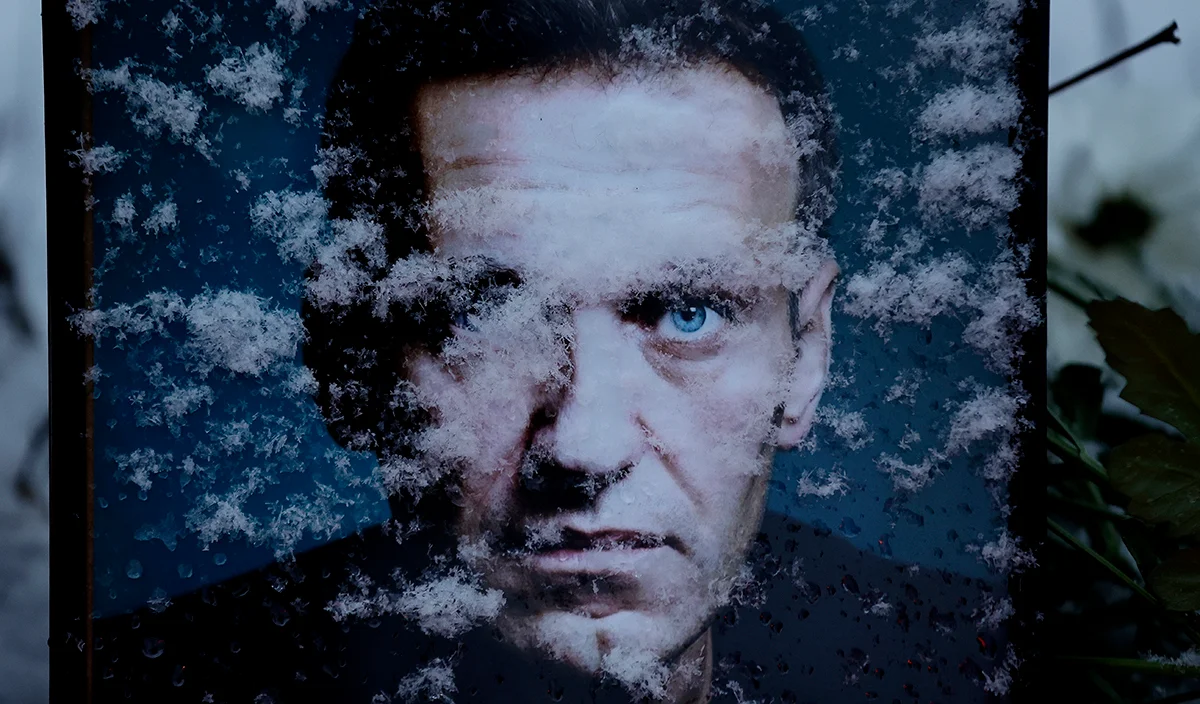
Что касается премии, то по ее правилам автор должен быть жив. Поэтому книге Навального «Патриот» , к сожалению, невозможно было дать премию, а победителем стала книга Бенджамина Натанса «История советского диссидентского движения» . Это монументальный труд о сложных и порой противоречивых мотивациях советских диссидентов, у которых был общий мотив: как прожить честную жизнь, жизнь свободного человека в несвободном обществе.
И посыл, который я хотел заложить через вручение премии этой книги в паре с «Патриотом» Навального, которую мы отметили отдельно, заключается в том, что этот вопрос сегодня стоит очень остро — и не только в России.