
Translated material
Entering its fifth season, Slow Horses remains the best spy series
Failed intelligence officers need to find out who is behind the polarization of society
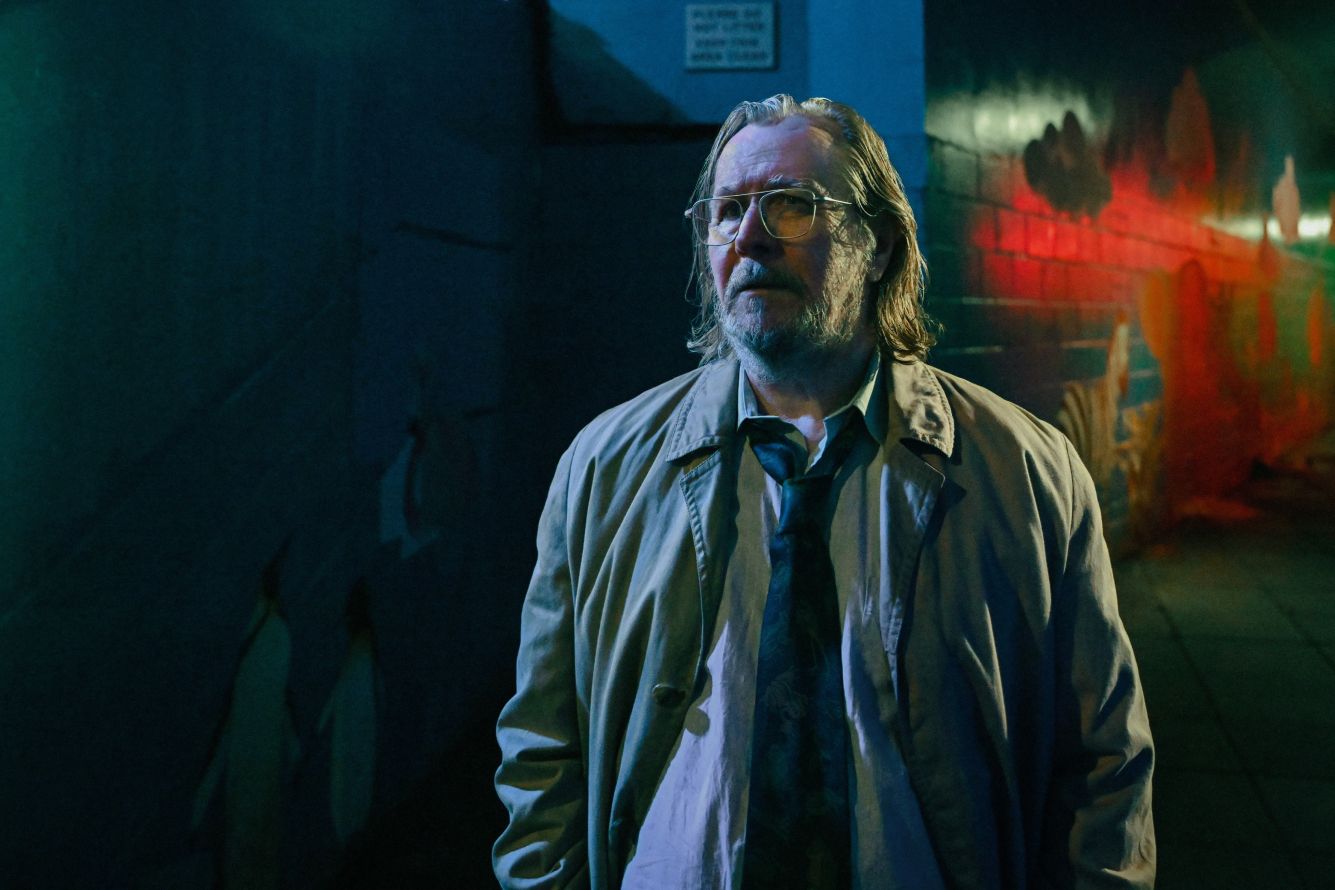
Season 5 of Slow Horses premieres on Apple TV+. The spy series about a squad of failed intelligence officers still successfully strikes a balance between absurdity and reality, talking about internal threats, political populism and the legacy of the Cold War. Journalist Georgy Birger watched the entire season and tells how the authors of the series found an alternative approach to the theme of the battle between boomers and zoomers.
Attention! The text contains spoilers for the fifth season of Slow Horses (and the first four too). If you want to avoid them, return to the text after viewing.
It's hard to believe that the series Slow Horses, based on the books by Mick Gerron, premiered just three years ago. In this short time, it has become not only one of the most popular modern British TV series, but also a familiar, comfortable comfort show, in whose company you always feel blissful. Even though each character has a chance of not making it to the end of the series, and the central character of the series, Agent Jackson Lamb played by Sir Gary Oldman, is perhaps the most uncomfortable and unkind person on planet Earth.
Slow horses are British counterintelligence officers from the fictional department of Slow House (literally “House on the Marshes”, in English similar to slow horses). Essentially, this is a purgatory where errant MI5 agents end up who, for bureaucratic reasons, cannot simply be fired. There they move papers and do other boring routine work until they quit.
They get an extra incentive from Jackson Lamb, a dinosaur agent who served in Germany during the Cold War and now runs Slow House and gives nightmares to failed agents, making their lives even more miserable. He has a wide range of tools in his arsenal: from attacking with various kinds of bodily odors to sophisticated insults, accessible only to witty Britons.
The second main character is River Cartwright, a hereditary spy raised by his grandfather, a former colleague of Lamb. River is an agent with unique abilities, but with too much of a hot head. He ends up in Slow House after failing a training mission and wreaking havoc at one of London's airports. As it turns out later, Rivera was set up by an envious colleague, but in intelligence there is no such argument - “not my fault.”
Since River falls into the outsider stable, Lamb's quiet life ends, and Slow House regularly finds itself at the center of big spy games. Over the previous four seasons, the "horses" have dealt with a cell of Soviet-Russian sleeper agents and a mercenary gang consisting of former MI5 agents. The enemy from within almost always turns out to be worse than external interference, and Slow House in such conditions becomes a stronghold against the internal threat and a kind of internal investigations department.
Slow Horses has several properties that make the series stand out from other spy dramas. First and foremost are the characters, most notably Jackson Lamb. He gives the impression of a man who, without a second of doubt, will kill, betray, even frame his own mother, if it is beneficial for him - and partly this impression will be true, because he had such episodes in the past. But overall, his image is an exaggerated mask of “boomer” cynicism. And hidden behind it is a sincere desire to make the world a better place and serve principles, and not the momentary politics of the moment - a desire that seems shameful for his age and type of activity. Lamb is the ideal hero of his era: a Cold War professional who is good at everything except emotional intelligence: like a teenager with a fear of attachment, he scares away anyone who would be willing to see him as a human being.
The rest of the characters also deftly combine caricature and authenticity, and there is no universal rule about proportions here. Therefore, some are completely hypertrophied - like, for example, the IT genius with the habits of a dvacher Roddy Ho (he has a benefit performance this season). And others, including River Cartwright, are so grounded that they could easily end up in a “serious” spy thriller.
Support Meduza! This is important not only for us, but also for our readers. Here is what one of them says, Aigel Gaisina from the Aigel group: If Meduza closes, I will feel very angry that someone is again trying to decide for me what to read and where to get information from. I have endless respect for Meduza journalists for continuing to work despite all the repression. I want Meduza to live, and I urge you to help keep free media alive. Please sign up for regular donations.
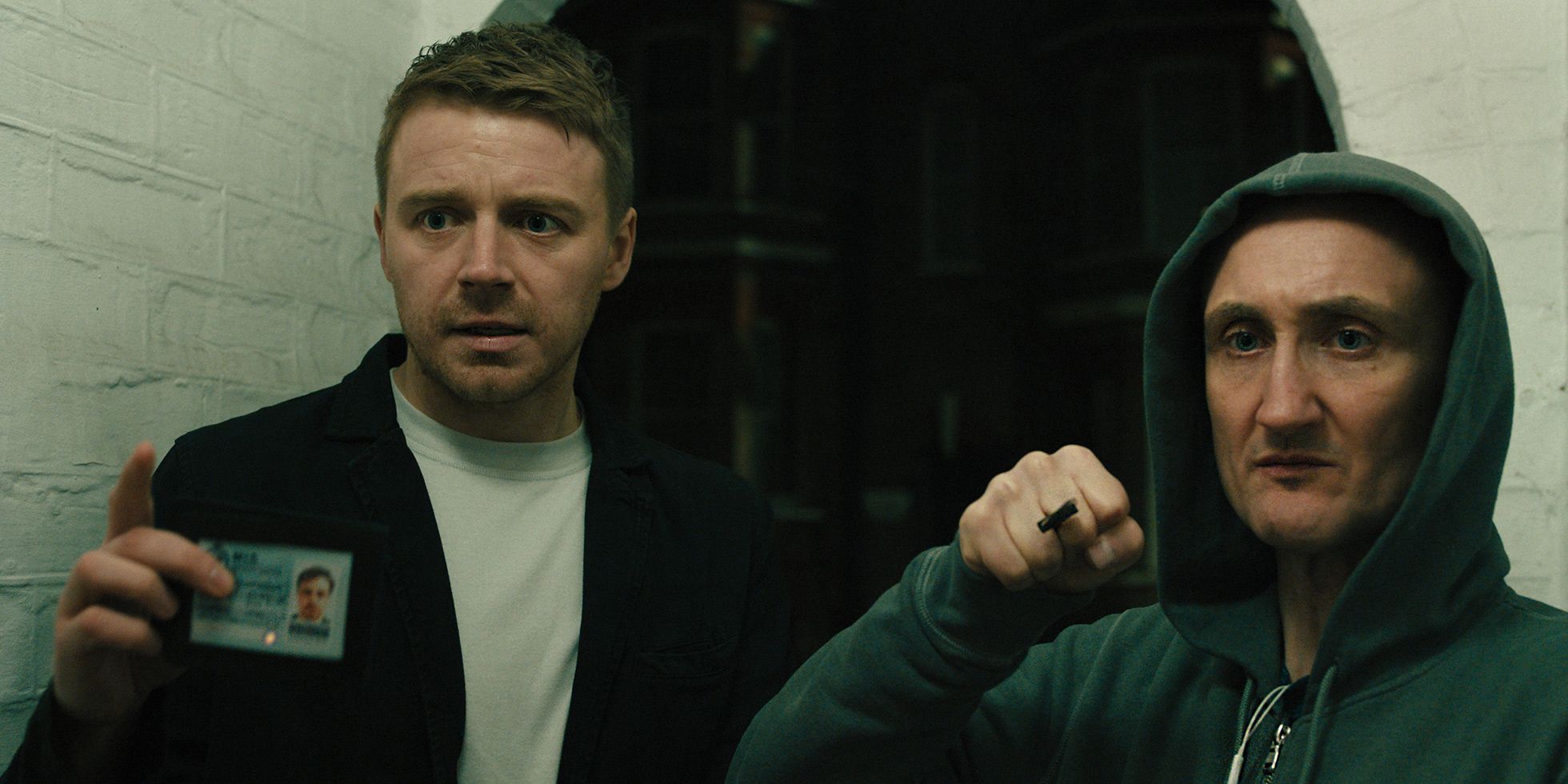
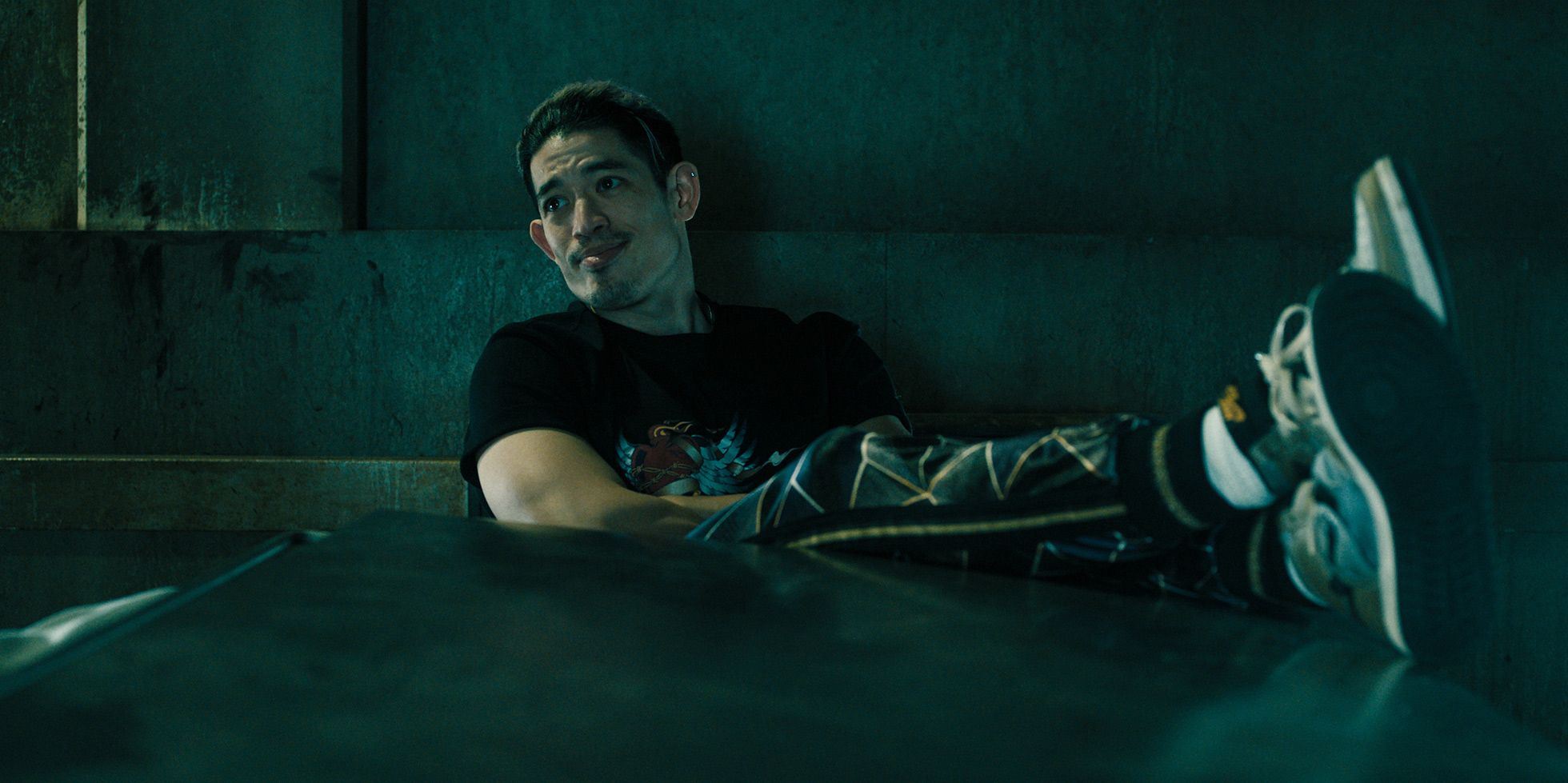
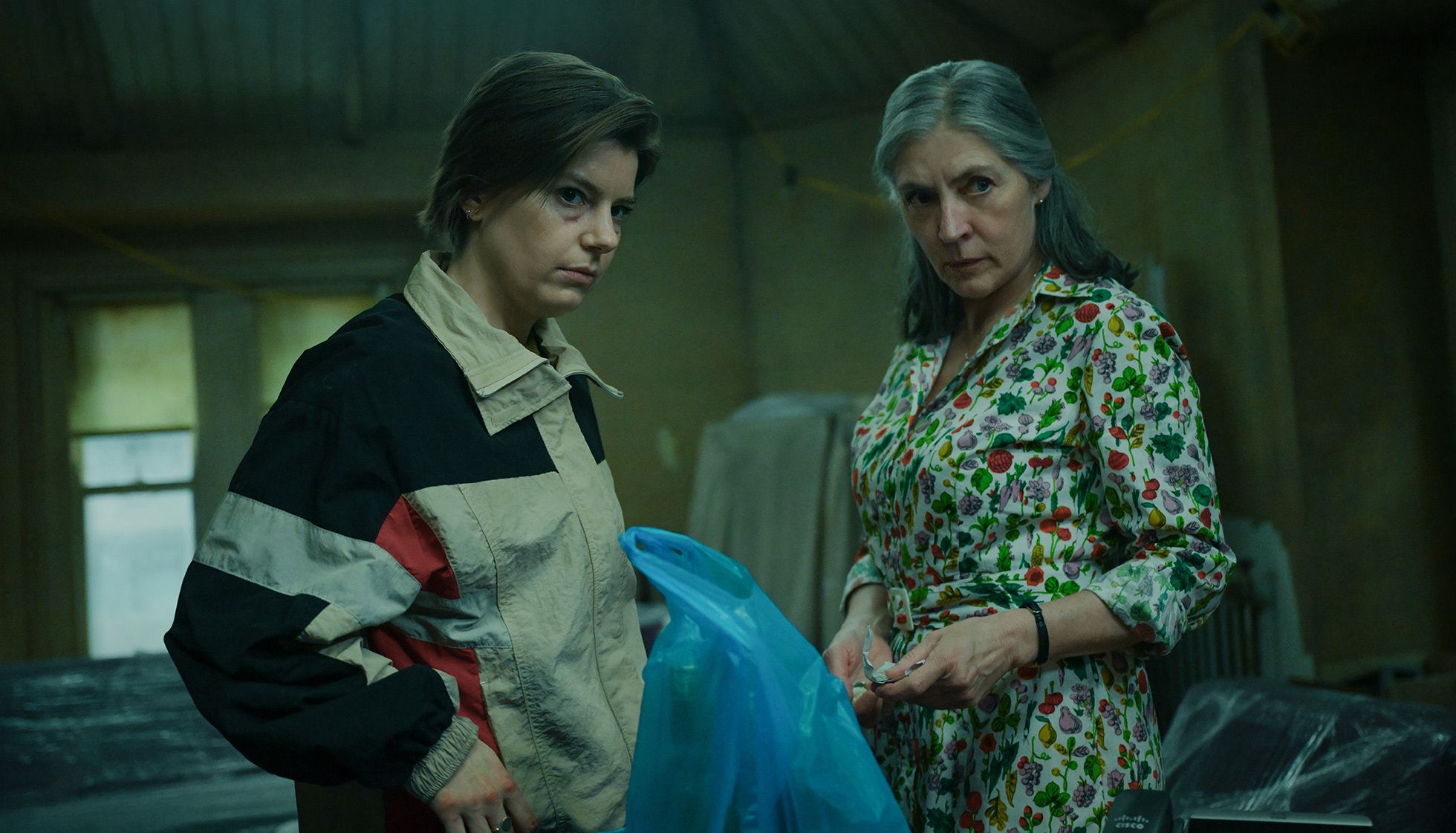
Another distinctive feature of the series is the combination of humor and very realistic problems that the characters face. "Slow Horses" challenges the established tradition, according to which spy thrillers are either extremely serious or parodic. The authors find a middle ground somewhere on the level of the Coen brothers' Burn After Reading.
This approach allows you to avoid embarrassment, as in the recent series “The Agency,” where a Tsar agent, during the interrogation of a Belarusian double agent, begins to list the characters from “War and Peace” - supposedly these are the names of Russian spies - and he does not even notice the catch. In “Horses” there could also be such a scene, but with full awareness of its absurdity. The comedy here reminds us that intelligence services are not performed by superbeings with an IQ exceeding their own height in centimeters, but by ordinary people who tend to make mistakes. Yes, and MI5 is an ordinary office, where, like any other, chaos and bureaucracy reign and some things work rather miraculously - not thanks to the efforts of the employees, but in spite of them.
While the previous two qualities are fairly self-evident, the third is hidden a little deeper, but it is what makes Slow Horses such a timely series. All the challenges that the heroes face are, to one degree or another, an echo of the Cold War. Not a return (although the Russian threat is also present here), but an echo felt on home territory.
The series reminds us that the Cold War was not just a confrontation between MI5 and the CIA versus the KGB and the Stasi. The idea of a game without rules, like a virus, struck all participants: the intelligence services received virtually unregulated freedom. That is why any mystery that Slow House agents encounter eventually leads them one way or another to MI5 headquarters. The atrocities of the past will definitely return as a boomerang - this is the central idea for the series.
In its fifth season, Slow Horses touches on the same theme as the recent films Eddington by Ari Aster and Battle by Battle by Paul Thomas Anderson - we are talking about the modern confrontation between right and left populism, which, in general, is itself an echo of the Cold War.
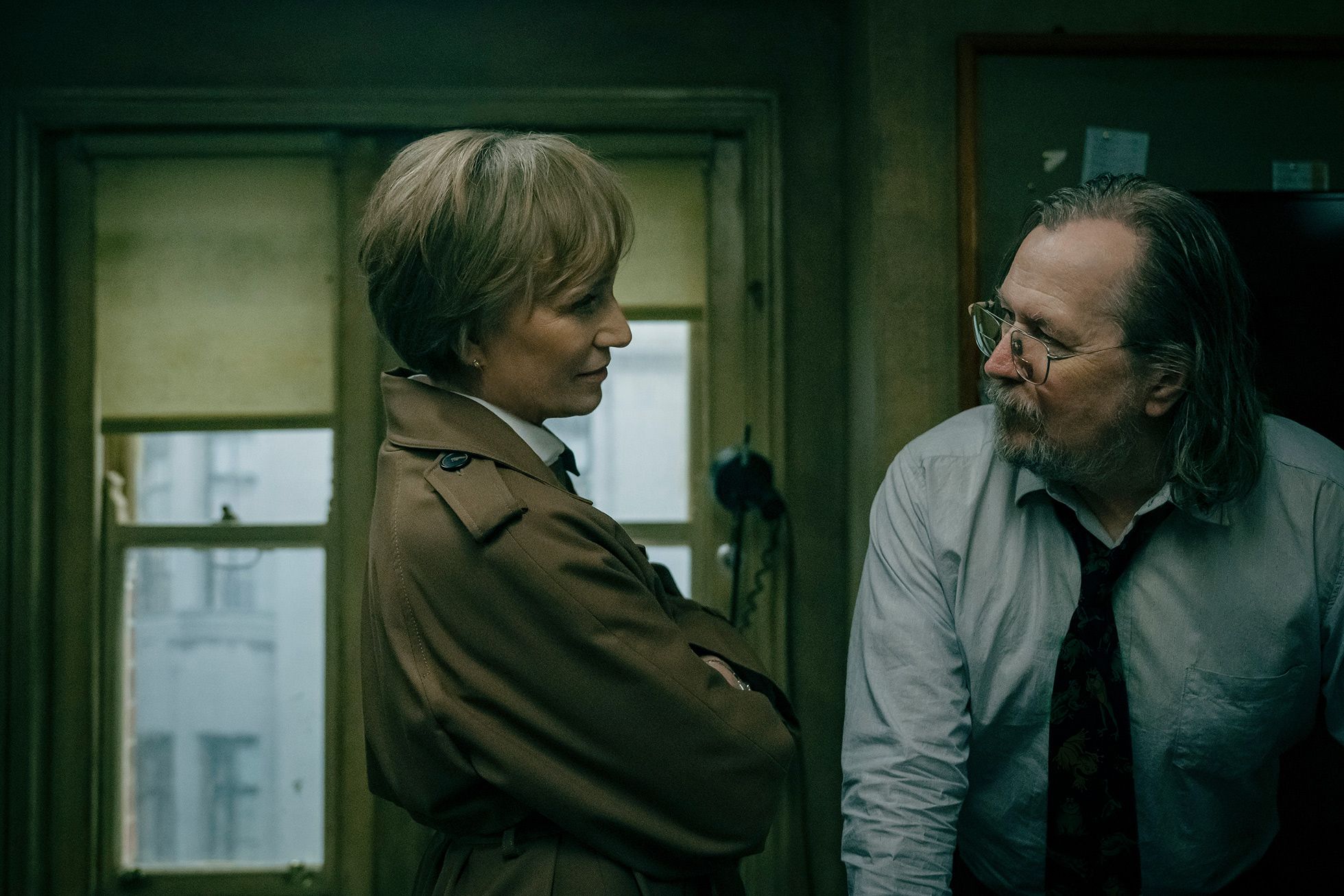
The threat of the new season is a mysterious third party that plays on the rift in society and makes it deeper. This leads to a series of terrorist attacks - from both far-right anti-migration activists and left-wing ecoterrorists. “Slow House” also turns out to be involved here: this third party first used their employee Roddy Ho and then tried to liquidate him. Quite quickly, another specialist in the department figures out the attackers’ tactics - exactly the same destabilization strategy was used by MI5 in other countries during the Cold War.
In the fifth season, “Slow Horses” is at the peak of its horsepower: the formula of the series is finally nurtured here, the balance between humor, absurd grotesquerie and relevance is perfectly adjusted. The series manages to say something new, namely, to figure out an alternative approach to the tiresome struggle of populisms, where it ridicules not the extremes of the two sides, but the stubbornness and blindness of the third.
This explains why the chemistry between Oldman's character and the young agents under his command works so well. For the pre-retirement Lamb, the Cold War never ended, but the green agents were already growing up in the shattered reality of the 21st century - and so they find themselves in the same place. Meanwhile, MI5 leaders live as if it were the nineties: they believe in the “end of history” and a neoliberal world where there is no place for any ideologies. So the series breaks the seemingly established pattern of “boomers against zoomers” and changes it to “boomers with zoomers against everyone else.”
This is a kind of centrism, but not at all the current centrism that is trying to maintain the illusory status quo. This alternative Slow Horse centrism sees the extremes of the right and left, but at the same time notices that a far-right nationalist terrorist attack kills a dozen people, while far-left ecoterrorists target the energy industry (which, however, still leads to one accidental death). A similar picture emerges in the election race for the post of London mayor, as depicted in the series: there, too, left-wing and right-wing populism collide, both candidates are cynical, but the scale of this cynicism is not at all the same.
The Slow House agents are not here, however, to find a way out of the situation. As in previous seasons, the real danger here lies in the attempt by the intelligence services to hush up the mistakes of the past - this time the past is very recent. Without diminishing the criticality of the current split, “Slow Horses” reminds us that the blame for this split should not be attributed solely to “foreign interference.” In the end, if you understand past mistakes yourself, it will be much more difficult for the “interferers” to carry out their manipulations.
Perhaps this is too serious a conclusion for a series where the main character sits in an office with broken windows, feet on the table in holey socks, and alone eats an entire centipede-shaped roll. But maybe these are the kind of heroes we need today.
Hello, this is Sofya Vorobyova and Anton Khitrov, editors of Meduza. Every day we monitor cultural events and select the most interesting ones. Do you want to know how the missing student film by Sergei Parajanov was found at VGIK, why the artists covered the city of Basel with a patchwork tablecloth, how Claudia Cardinale starred in Soviet cinema? Hurry up and subscribe to our telegram channel “Raft”!
Georgy Birger