
Translated material
What is happening to the environment in Russia - analysis of “Traits”
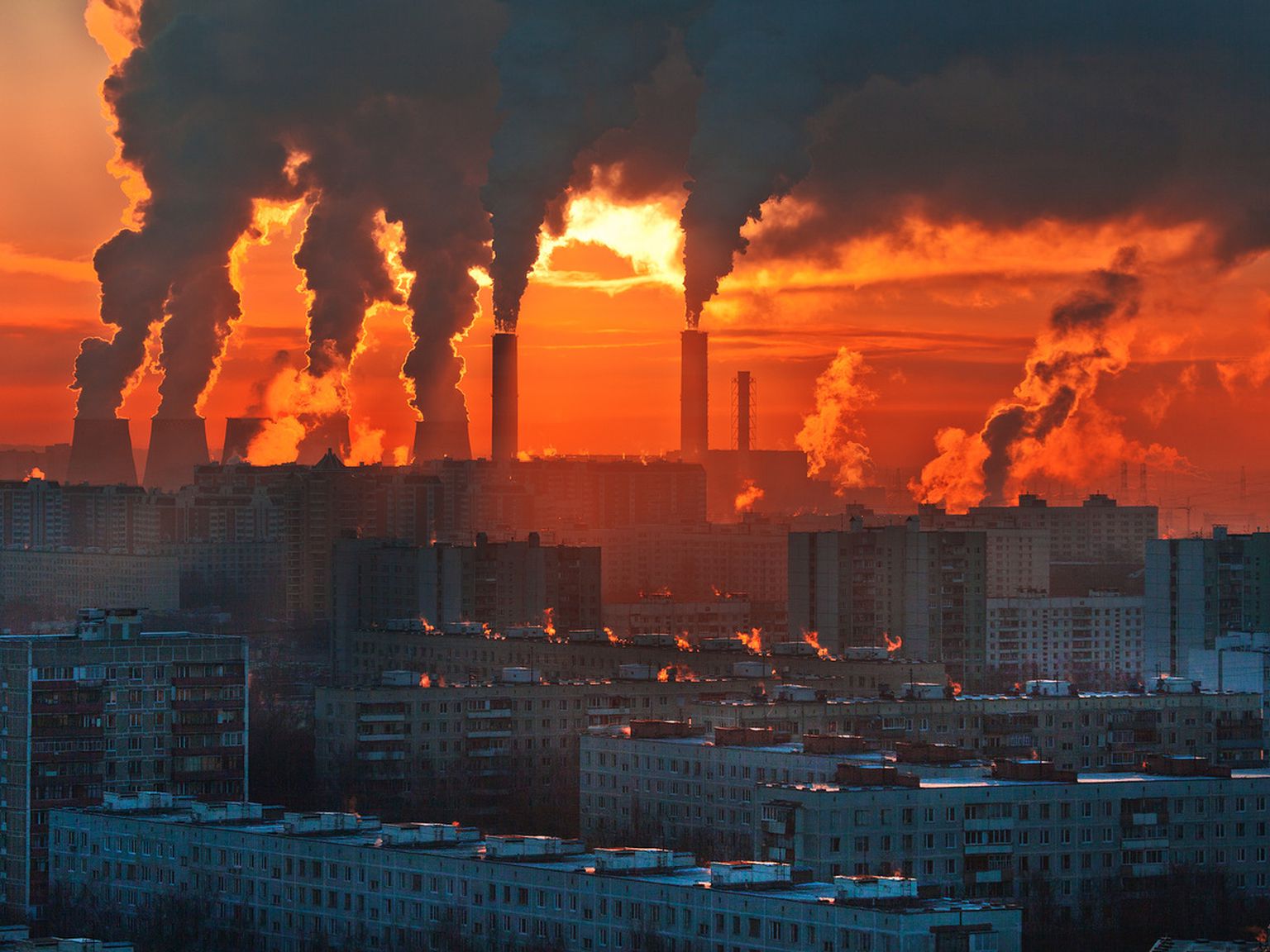
water, air, earth and fire
Briefly
Every ninth Russian does not have access to clean drinking water. Half of city residents breathe dirty air. 11 thousand people in 2024 died due to water pollution. This is data from a study of the environmental situation in Russia from the project “To Be Precise ” . But what are they really talking about? Is this a lot or a little? Compared to other countries, is Russia an environmental disaster or is it not so bad? “Cherta ” studied the research and talked with geoecologist and eco-consultant for business Daria Kuznetsova about what every resident needs to know about the ecology and climate in Russia.The “To Be Precise ” research project on social problems in Russian regions reports that in 2024, environmental problems caused 20.3 thousand deaths and 2.8 million cases of illness in our country. Key factors: water and air pollution.
Water
In Russia, every ninth person does not have access to clean drinking water. Compared to the world average, this is a satisfactory situation. According to the World Health Organization (WHO), one in four people worldwide, or 2.1 billion people, do not have access to clean drinking water. The situation is worst in low-income countries, sub-Saharan Africa, and in unstable and conflict-ridden regions.
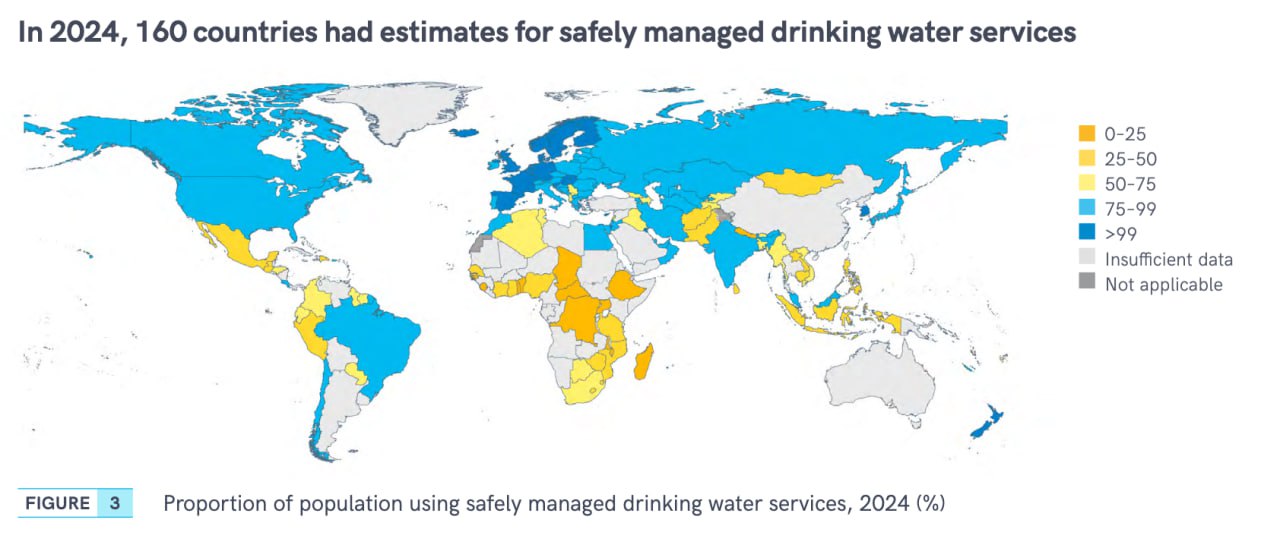
At the same time, in the countries of northern and western Europe, the rate of access to safe drinking water is 100% or close to it . The criterion for access, according to the World Health Organization, is improved water sources located in the community, accessible when needed and free of contaminants.
In terms of the number of fresh rivers and reservoirs, Russia is second only to Brazil, but water sources are unevenly distributed.
"One of the reasons for the unsuitability of water for drinking is natural,” says geoecologist Daria Kuznetsova. “For example, in Kalmykia and some other regions there is a high level of mineralization of water, which makes it dangerous for humans. The second very significant factor for Russia is the deterioration of the water supply infrastructure . " In Russia, the deterioration of utility systems is 40%, and in some places - up to 80-90%. The pipes are old, they have leaks and contaminants get into the water.
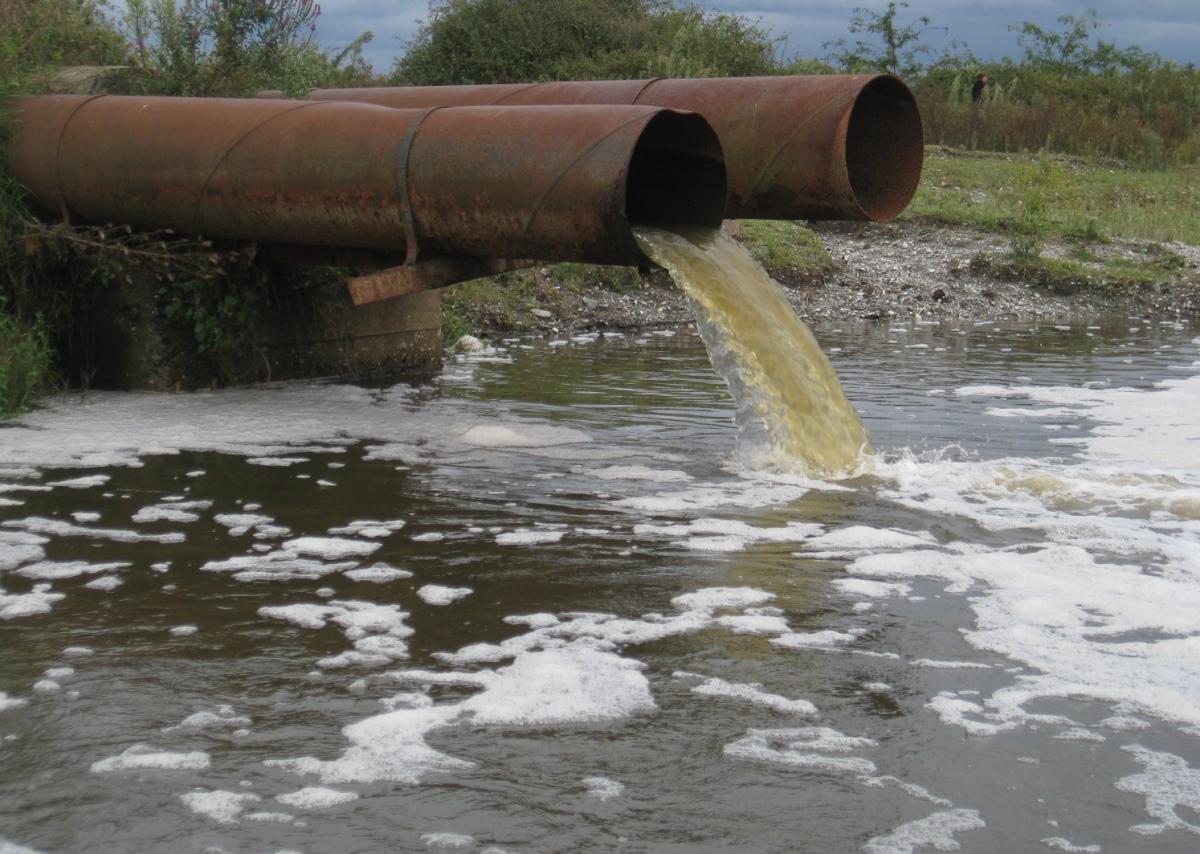
Another serious problem that can make water unsuitable for drinking is pollution from factories, sewers, agriculture and other sources. Wastewater from industry, sewerage, or pollution from agriculture can flow back into the water supply without sufficient treatment.
However, Kuznetsov reassures, our country continues to implement the UN sustainable development goals, which include access to clean water: “Money is being invested in water purification and improving water supply. Now there is a federal project “Clean Water”. Slowly, but the situation is getting better, although compared to Northern and Western Europe, we are, of course, far behind. In addition, people are moving from small settlements to cities and this increases access to quality water supply, this is a global process . "
Air
Almost every second (47%) city dweller in Russia lives in cities with dirty and very dirty air, according to data from To Be Precise . This is mainly the Krasnoyarsk Territory, Irkutsk and Rostov regions.
Air pollution daily affects the physical and psychological state of people and is the cause of various diseases, primarily the respiratory system.
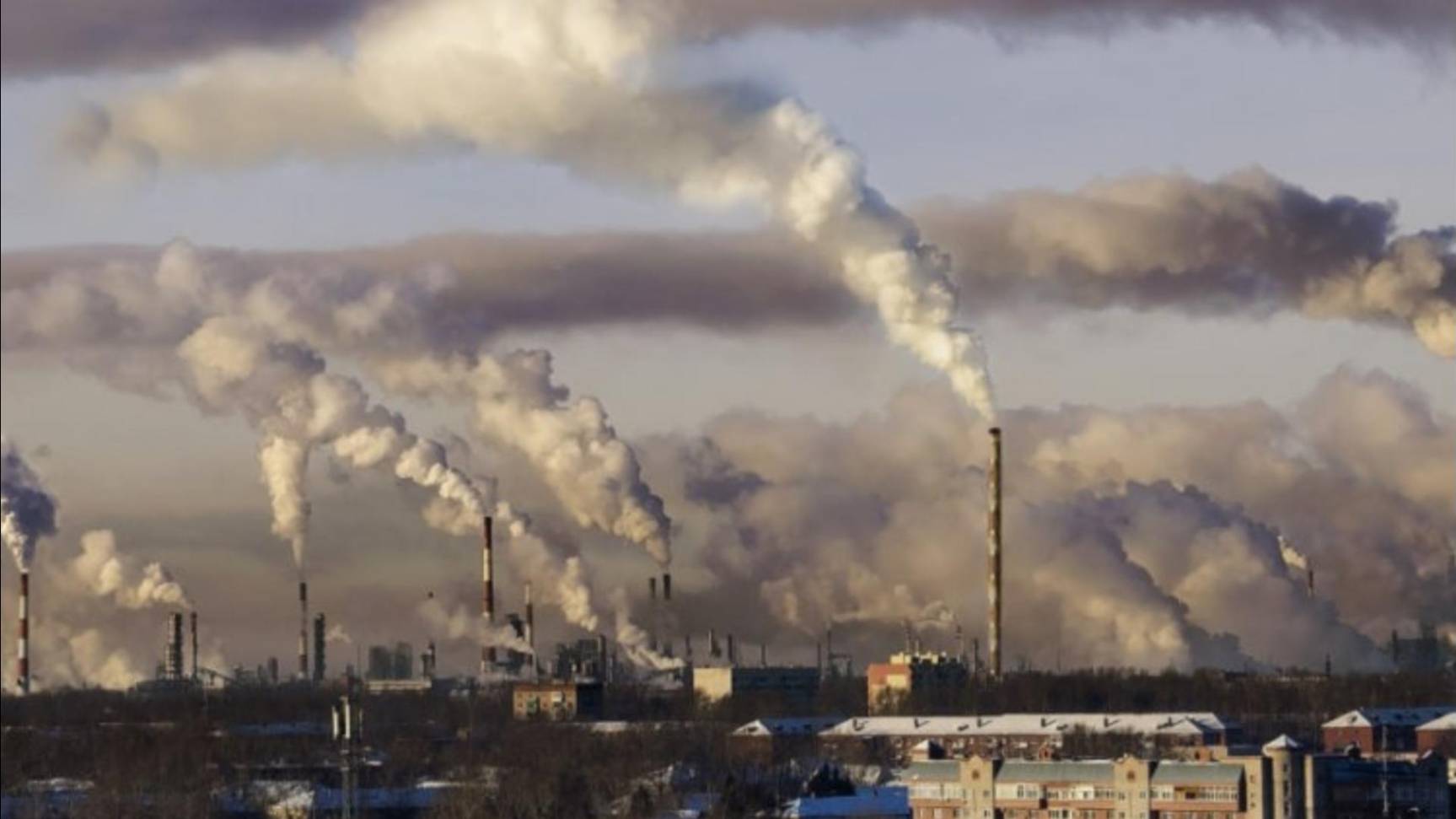
“The main factors of air pollution are motor transport, industry and the fuel and energy complex,” comments Daria Kuznetsova. — Exhaust gases contain nitrogen oxides, soot, benzopyrene and other harmful substances. They enter the lungs and can cause diseases of the respiratory and cardiovascular systems. Fossil fuel power plants - coal or fuel oil - heavily pollute the air. Developed countries are moving away from coal towards natural gas or renewable energy sources, but in our country, many regions continue to burn coal . "
In recent years, at least, no negative dynamics have been observed. Moreover, if not for the war, one could count on a noticeable improvement, the ecologist believes.
“Emissions from motor vehicles are decreasing due to stricter environmental standards for cars and the transition to cleaner fuel. In addition, modern Chinese cars that are now filling the Russian market have fairly high environmental standards. Modernization of treatment facilities took place, for example, in Norilsk. On the other hand, after the start of the war with Ukraine in 2022, environmental requirements for business and large enterprises began to be relaxed, and this may reduce the effect of local improvements and achievements of recent years . ”
Earth
The most significant thing that is currently happening to the climate on the planet is warming. In 2015, the world community agreed on the Paris Climate Agreement, its goal is to limit global warming to below 2°C, and preferably to 1.5°C, compared to pre-industrial levels. The document was ratified by 195 countries and the European Union. But 2024 was the hottest year on record and showed that humanity is unlikely to be able to keep warming to within 1.5 °C. Moreover, we are following a negative scenario for temperature growth: warming of up to 3 degrees Celsius is expected by the end of the century . This means that downpours, droughts, floods and heat waves will occur more frequently and with greater severity, affecting more people.
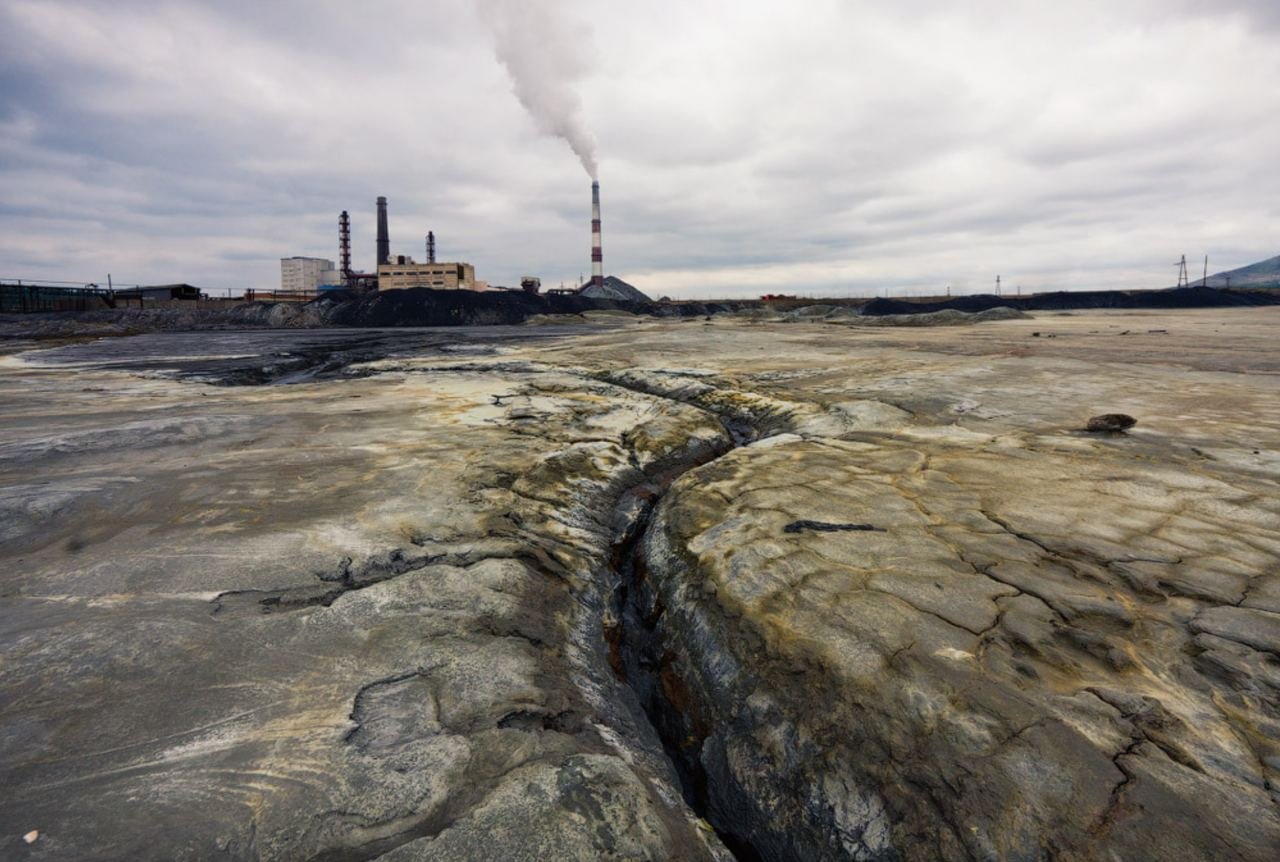
“We can say that states and corporations have failed to sufficiently reduce carbon dioxide emissions,” comments Kuznetsova. “We don’t have a global consensus between countries; someone is doing something, but it’s not enough. For example, this year the United States withdrew from the Paris Agreement for the second time, and they are one of the leaders in greenhouse gas emissions. Countries and corporations have many other interests that are more important to them than combating climate change . ”
For Russia, climate change threatens, first of all, the melting of permafrost. Approximately 60-65% of Russia's territory is occupied by permafrost. Anadyr, Norilsk, Vorkuta, Salekhard and Yakutsk are cities where the infrastructure is adapted to permafrost, the construction of buildings, pipes and oil pipelines is carried out according to special standards. “The melting of permafrost leads to deformation of the upper horizons of the soil, as a result of which houses and infrastructure can be destroyed, and oil pipelines increase the likelihood of accidents that are fraught with oil spills , ” explains Kuznetsova.
At the same time, in the southern regions of Russia the climate is becoming drier, there is less precipitation, this affects the quality and availability of fresh water, and its mineralization increases. According to a study by the project “To Be Precise ,” in the coming decades, Russia will face an increasing shortage of water for agriculture. When there were dry years in Russia in 2010 and 2012, yields in some regions decreased by half. By the middle of the century, the most severe losses will be in the regions of the Central Black Earth Region, but due to warming, an increase in yields is expected in the northern and eastern regions.
Fire
Warming also leads to an increase in fires. Siberia and the Far East are experiencing more and more damage from forest fires every year, and the situation will worsen. According to a study , more than 200 million hectares of forest burned in Siberia from 1999 to 2019 . Fires are dangerous not only because of the destruction of forests, farmland and villages, but also because of the emissions of carbon dioxide. In the summer of 2021, emissions from fires exceeded annual emissions in Germany. “Fires are a natural part of forest dynamics, but due to climate change, the frequency of fires is increasing,” recalls Kuznetsova.
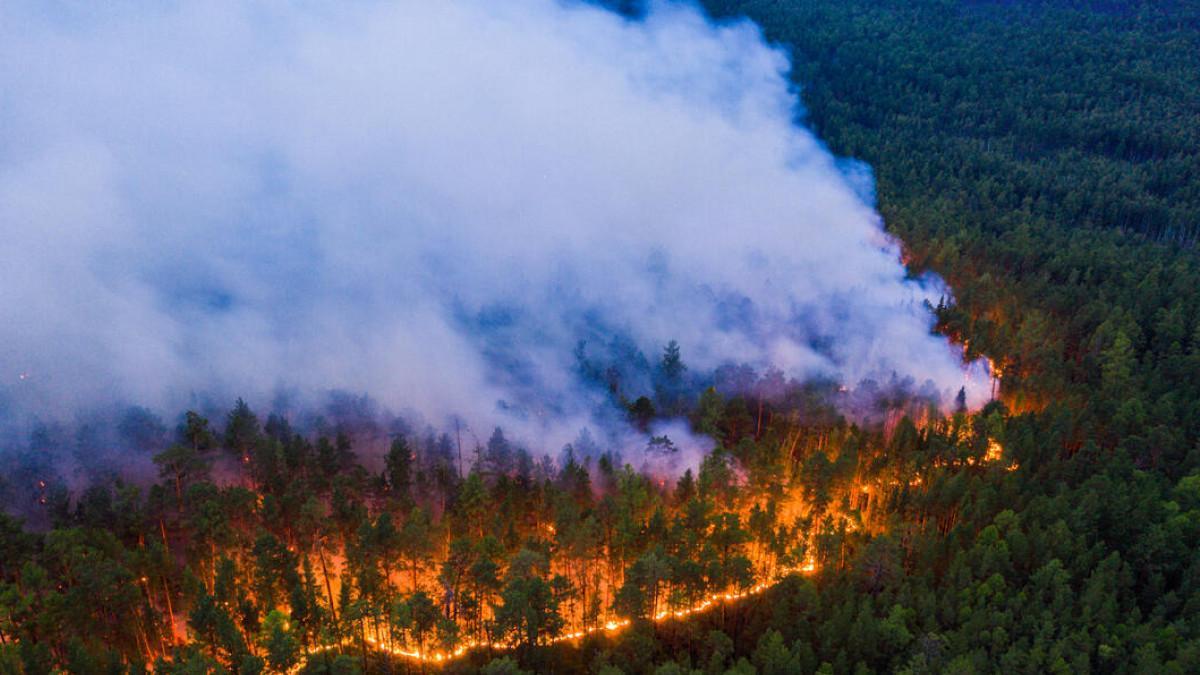
We are already experiencing, and will inevitably continue to experience, the consequences of climate change. However, this does not mean that nothing can be done. An important part of climate policy is adaptation. It includes, inter alia, the preservation and restoration of natural ecosystems, as well as the development of green infrastructure in cities.
“Human destruction of nature is exacerbating climate change. The best thing a person can do is not to interfere with natural processes. But this is no longer enough. We must begin to restore what we have destroyed,” says Kuznetsova. “For example, if soils and cleared forests are restored along the river, this will soften the flood and save nearby villages from flooding. If the swamp is restored, it will filter and purify the water, and people will drink clean water. And the creation of green areas in cities will improve the microclimate and cool the air, and this will help city residents survive heat waves more easily.”
This approach is called “natural solutions” or nature-based solutions. The point is that nature already has answers to many questions, and our task is to preserve or restore the natural mechanisms of self-regulation of ecosystems as much as possible.