
Translated material
Chinese authorities have launched a new censorship campaign on social networks
Now you can’t write that working hard is pointless and having children is economically unprofitable
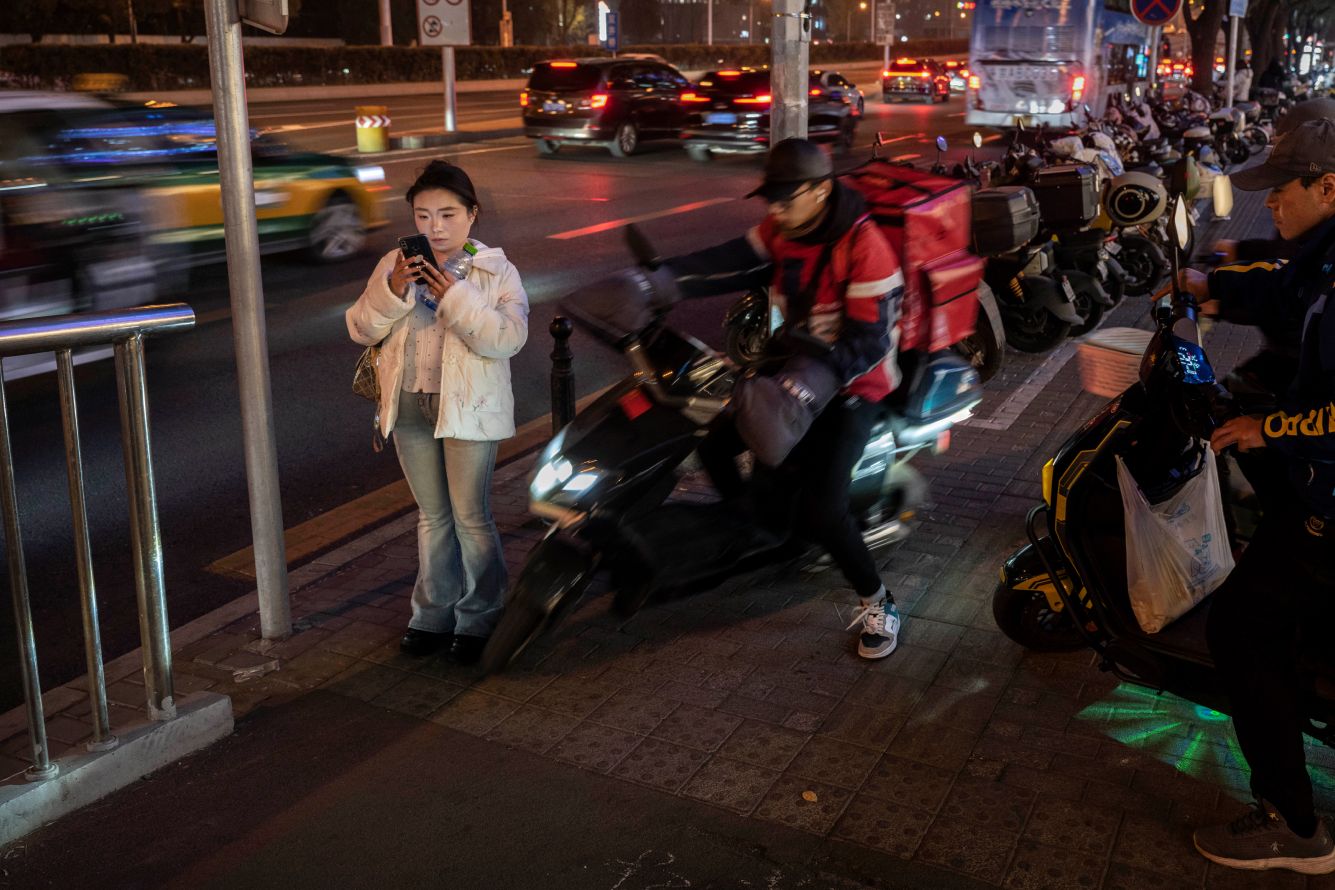
In late September, China's Cyberspace Administration announced a two-month campaign to purge social media of content that "overly exaggerates negative and pessimistic sentiments" and promotes "defeatist narratives," such as ideas like "working hard is pointless." The New York Times reports on the campaign.
As a result, the accounts of several well-known bloggers were blocked. Among them are two bloggers who promoted a minimalist lifestyle and the abandonment of career ambitions. Another suffered for arguing that the economically sensible choice was not to get married or have children. Ban also received a commenter who complained that the quality of life in the West is higher than in China. Some of the blocked bloggers had an audience of tens of millions of people.
В разных китайских городах по распоряжению местных властей блокируют аккаунты в соцсетях, содержащие жалобы на качество городской среды и цены на жилье. The Weibo social network blocked more than 1,200 accounts for “spreading rumors” about the state of the economy and social sphere in the country.
Также сильно ограничили обсуждение смерти актера Ю Мэнлуна. According to the authorities, he accidentally fell out of the window, but a popular version on the Internet is that it was suicide: supposedly the actor could not stand the extreme stress, injustice and corruption in Chinese show business. Weibo blocked or deleted more than one and a half thousand accounts that distributed such a version.
Several platforms blocked Hu Chenfeng's videos in which he spoke about poverty and inequality in Chinese society. This blogger is famous for turning the word Android into an adjective. Initially, it was a contrast between “people with Apple” and “people with Android” - that is, rich and poor. Now Chinese youth can call "android", for example, housing.
Цензуре подвергаются и те, кто говорит и пишет, что у выходцев из бедных семей в Китае мало шансов на социальную мобильность: без связей они не могут сделать карьеру в престижных отраслях вроде IT или финансов.
Finally, they limit discussion of news related to violent crimes committed out of frustration and possibly a lack of mental health care in China. We are talking, for example, about a series of attacks in 2024, when dozens of people died. The attackers were in no way connected with each other and used different methods (attacking with a knife, driving into a crowd with a car) - but these crimes had a common motive: the desire for “revenge on society” for the lack of life prospects.
At the same time, state media (such as the official newspaper People's Daily and China Central Television ) carry out "explanatory work." По утверждению пропаганды, государство борется с «эмоциональными хищниками», которые рассказывают «самые мрачные истории» ради кликов.
Китайское руководство считает «распространение меланхолии» и отказ от традиционных целей (работать много, заводить семью, стремиться вверх) серьезной политической проблемой, пишет The New York Times. A record 12.2 million graduates will enter the Chinese labor market in 2025. При этом экономический рост Китая замедляется, и вакансий на всех заведомо не хватит. Неустроенной молодежи все больше — и в этой среде все больше разочарования и пассивности.
Регуляторы и партийная пресса требуют от интернет-платформ прекратить «распространение пессимизма». Однако, отмечает The New York Times, фактическим следствием такой политики, скорее всего, станет закрытие последнего в Китае канала для публичного выражения недовольства — и дальнейшее усугубление системных проблем.