
Translated material
Expelled
I’ve been leaving Artsakh for two years. Uncomfortable for the world, local residents remember how things really were. View from Armenia

Russian peacekeepers do not allow Artsakh residents to go to the road blockade site. Photo: Evgenia Yengibaryan
In the fall of 2023, Armenians were forced to leave Nagorno-Karabakh - Artsakh. For the first time in more than two thousand years of history, Artsakh was left without Armenians. The region completely came under the control of Azerbaijan as a result of military operations carried out by the AR Armed Forces on September 19-20, 2023. “The principle of territorial integrity defeated the right to self-determination,” some say. “Oil has dissolved international law,” others say. What were the last years of Armenian Artsakh like and why did the Armenians leave their homeland? - says witness of the events Yevgenia Yengibaryan.
After the autumn 44-day war of 2020, in the territories of Artsakh that did not come under the control of Azerbaijan, and along the so-called Lachin corridor - a 60-kilometer road connecting Stepanakert with Armenia - according to the Ceasefire Statement of November 9, 2020, which was signed by the leaders of Russia, Armenia and Azerbaijan, a Russian peacekeeping force was stationed contingent. The stated goal of the RMK (Russian peacekeeping contingent) deployment by the President of the Russian Federation is to maintain the ceasefire, maintain peace in Nagorno-Karabakh and ensure the safety of residents. One of the points in the statement was that Azerbaijan guaranteed the free movement of citizens, vehicles and cargo along the Lachin corridor in both directions. Trusting the assurances of safety, the people of Artsakh who were evacuated on the territory of Armenia began to return home.
Experiencing shock and pain from the losses of the recent war, people got used to living in a new reality. The deserted Stepanakert began to revive and return to peaceful life. A construction boom began - entire villages were built for refugees from areas that had come under the control of Azerbaijan, apartment buildings were erected in Stepanakert, and the foundations of new ones were laid. Numerous residential buildings damaged by shelling were quickly repaired. Gradually, new shops, cafes, and business premises began to open in the city. Some bought land, others bought housing, for which they had to pay with their last savings. People hoped that everything was not in vain, that they were investing in their future, and few imagined that they would soon have to leave Artsakh.
There was a widespread opinion among Artsakh residents that in the presence of Russian peacekeepers, Azerbaijan would not dare to commit new aggression. “Yes, we dreamed of joining Armenia, we went to rallies in 1988, but what can we do if it didn’t work out, if this war was lost and this is how it all turned out. The trouble is that Hadrut, Shushi and many villages have been lost, but what remains will remain ours.
After all, where a Russian soldier puts his boot, he never leaves. This means that we will be able to live in our own homes. Russia will not allow the situation to change - not for our sake, of course, but in its own interests,” was the opinion of the majority.
At the same time, everyone remembered about 2025 - only until this year, according to the document, the RMK was obliged to be in Artsakh, and what then is unknown: the extension or completion of its mission would be decided “by agreement of the parties.” Fear of the unknown contradicted their own geopolitical ideas, but in the end people preferred to believe in the best - and the best thing for them was one thing: the opportunity to live in their homeland. “Clear skies to Karabakh”, “Karabakh, live in peace”, “Karabakh is the land of life”, “Where we are, there is peace” - such posters were plastered all over Artsakh at RMK bases and posts, which also psychologically influenced local residents, giving them hope.
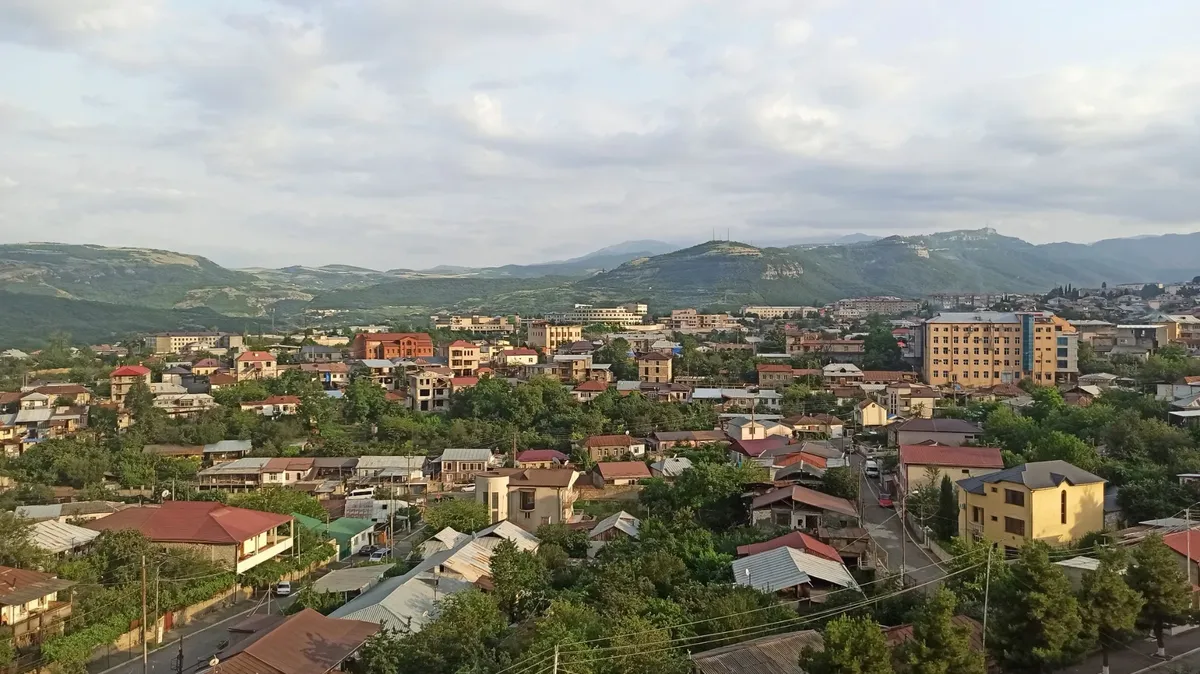
Life went on despite security problems. Monitoring flights of drones from the Russian-Turkish observation center, created immediately after the end of the war, did not prevent Azerbaijan from violating the ceasefire. There were cases of injuries and killings of civilians. Constant shelling of rural areas near the contact line did not give peasants the opportunity to cultivate the land and harvest crops. Shooting at villages from nearby Azerbaijani posts to intimidate residents, turning on loudspeakers with the recording “Armenians, leave the territory, your stay here is illegal,” excesses on the roads used by both Armenians and Azerbaijanis (one day in winter, in icy conditions, on a winding mountain road, an Azerbaijani truck driving the oncoming column, made a sharp maneuver, trying to throw our minibus into a cliff - only the skill of the driver saved us, and this is not the only such incident) - alas, there was all this in abundance.
But the problem of “salami tactics” was much more serious: in the territory in the zone of responsibility of the RMC, Azerbaijan “cut off” new areas for itself, and not just land, but strategic points and commanding heights.
The peacekeepers told the Armenian defenders to leave their positions (the Artsakh self-defense forces remained a defensive factor on the contact line, although on the part of the RMC they were limited in actions that were appropriate in case of need for defense) in order to occupy them themselves in order to avoid aggravation,
however, soon it was not the Russian, but the Azerbaijani flag that appeared at these positions.
Azerbaijan was preparing for the blockade of Artsakh and the subsequent military operation.
* * *
On December 12, 2022, a group of Azerbaijanis calling themselves environmental activists protesting against mining blocked a section of the Lachin Corridor road near Shushi, 13 km from Stepanakert. In fact, the environmental action was just a screen for the Baku special services, implementing a plan to introduce Artsakh into a blockade with the subsequent installation of a checkpoint on the border of Armenia and the beginning of the Lachin corridor. In violation of the November 9 statement, control of the road passed from the RMC to the Azerbaijani side.
The population of 120 thousand found itself cut off from Armenia and the outside world. After some time, the “eco-activists” began to let only Red Cross (ICRC) and RMK vehicles through. In addition to blocking the route, the supply of electricity and almost completely of gas stopped. The arrival of food was now called the delivery of humanitarian supplies and flowed irregularly in a thin trickle to Stepanakert. In a matter of days, stocks of many food products were sold out, and a shortage of medicines began. Every day the situation worsened. Rolling blackouts began in January. Shops closed, construction stopped, many people lost their jobs, and at the same time, prices rose significantly, sometimes by an order of magnitude, to the minimum that trickled onto the shelves.
Life turned into a hunt for food and firewood; chimneys protruded unusually from the windows of apartment buildings. On cold days, when Azerbaijan cut off gas, many children did not go to school.
The first death due to the blockade occurred in mid-December: 42-year-old Narek did not get to Yerevan for hemodialysis on time. Hundreds of patients could not travel to the capital for treatment in any other way than by ICRC vehicles, whose capabilities were limited, and the patients had to wait their turn. Hundreds of separated families formed on opposite sides of the “eco-activists”; their reunification did not take place quickly, over the course of two months. It was hard to see over a video call the tears of a 7-year-old relative who did not understand why he could not come to his grandmother for the winter, spring, or summer holidays.
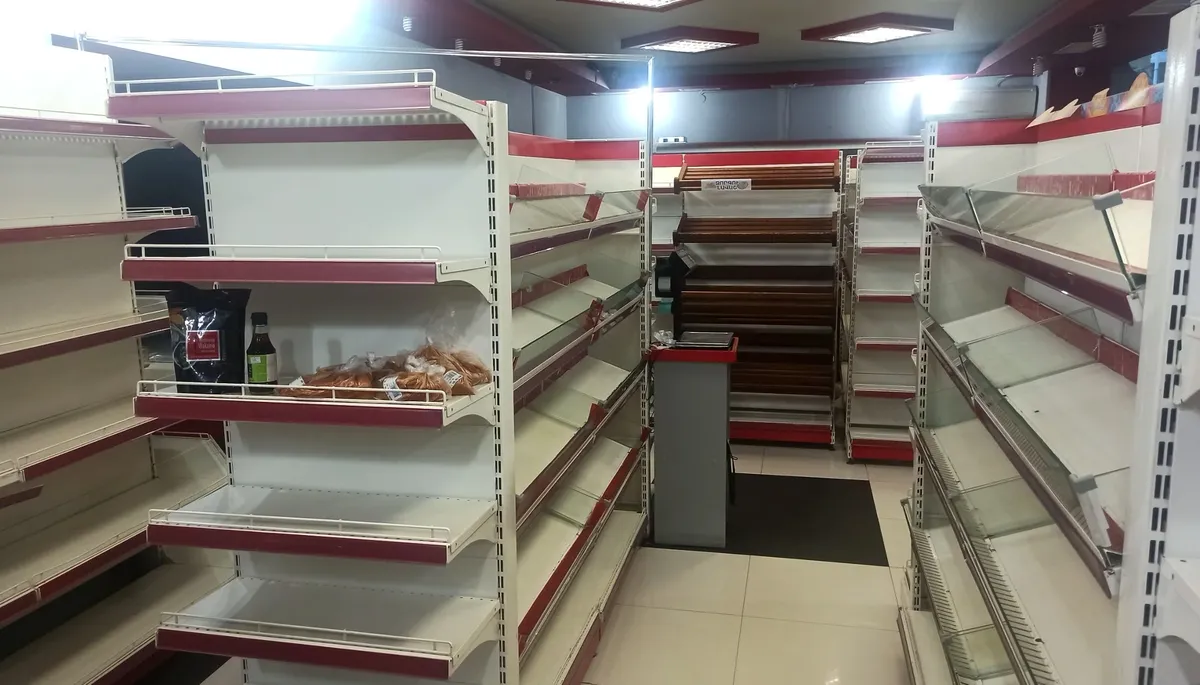
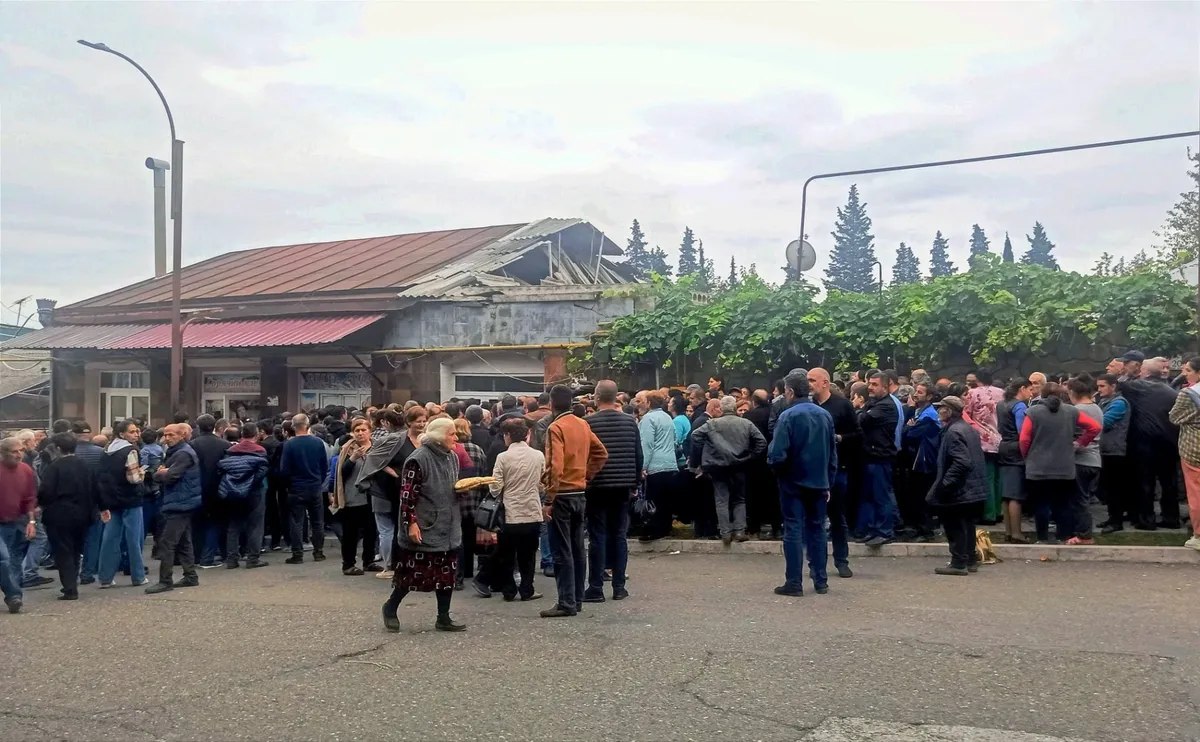
In February, coupons for a minimum of essential products were introduced - their supply also soon became a problem. And there were endless queues, after which it was a great success to buy a quarter of cabbage or beets. Stepanakert residents joked: “This day will go down in history as Carrot Saturday,” and the most expensive gift was considered to be bouquets made from various vegetables and decorated with branches of greenery. The only constant assortment of city stores was spices and alcohol.
By spring, the local poultry farm closed. The dairy lasted longer, until the summer, but its products were absolutely not enough to meet the needs of the population. To buy something dairy, you had to walk to the other end of the city at three o’clock in the morning and wait in line. Instead of baby food, mothers gave their babies fried flour with the addition of sweet water while there was sugar.
A message board in the local FB group “We have each other” was an eloquent picture of the blockade:
“I need salt, I’ll exchange it for soap.”
“There is a can of condensed milk. I only change to Tempalgin.”
“I’m exchanging cheese for diesel fuel.”
“I will buy baby porridge of any taste at any price.”
“I’ll buy sunflower oil. The child is allergic to pork fat. The price doesn't matter!
“I’ll trade a pack of pressed coffee for five notebooks.”
“It’s a child’s birthday and he only asks for one banana. Where can I get it? On any terms."
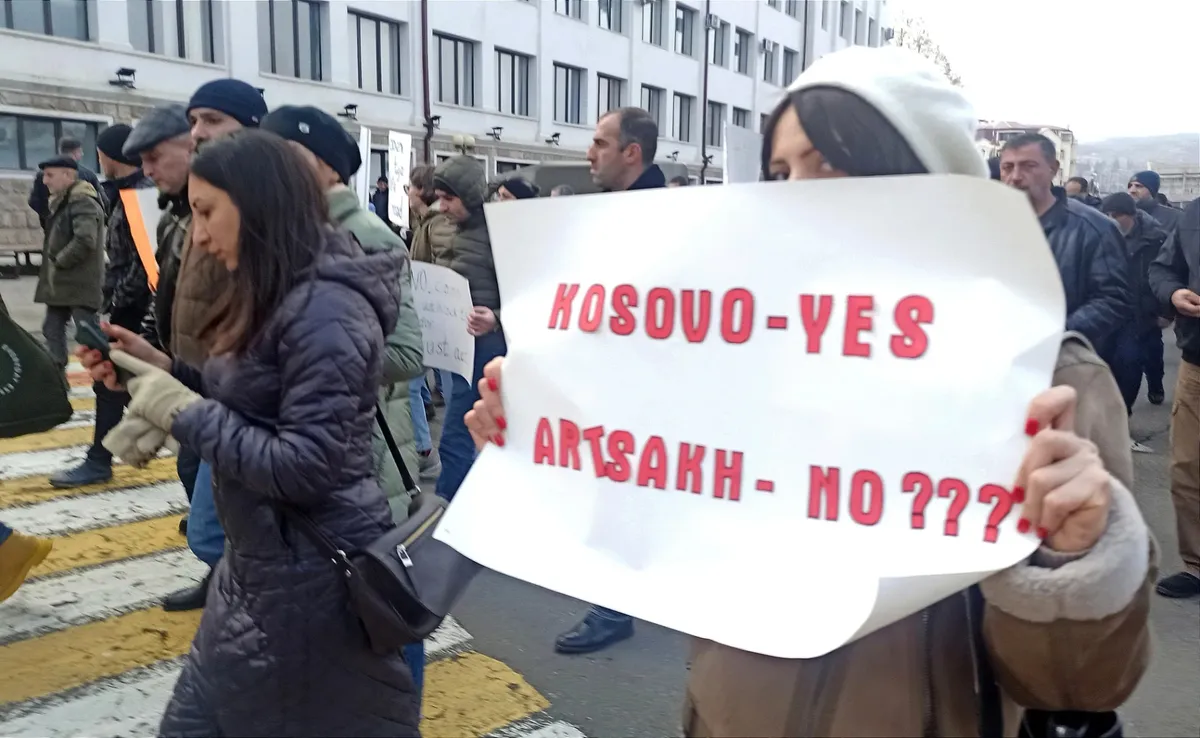
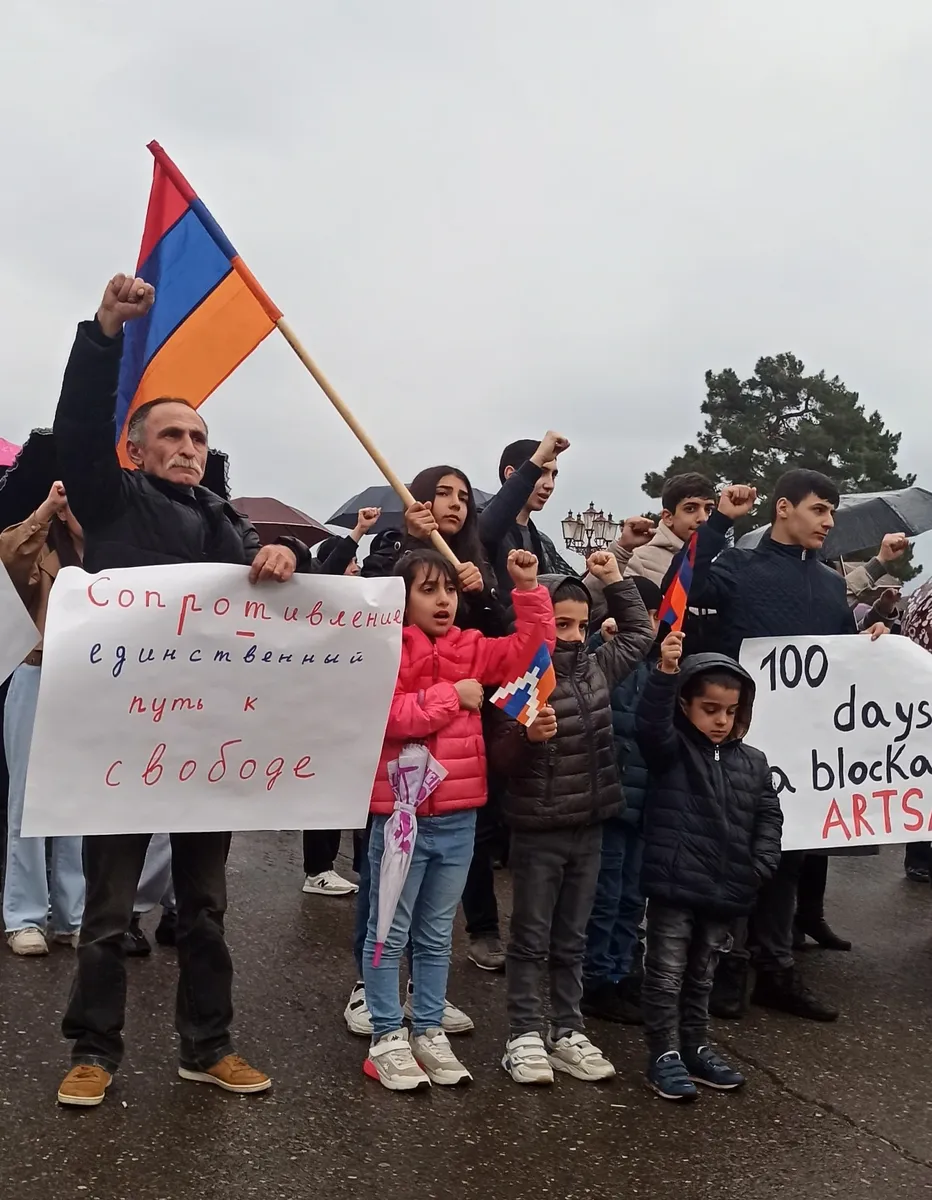
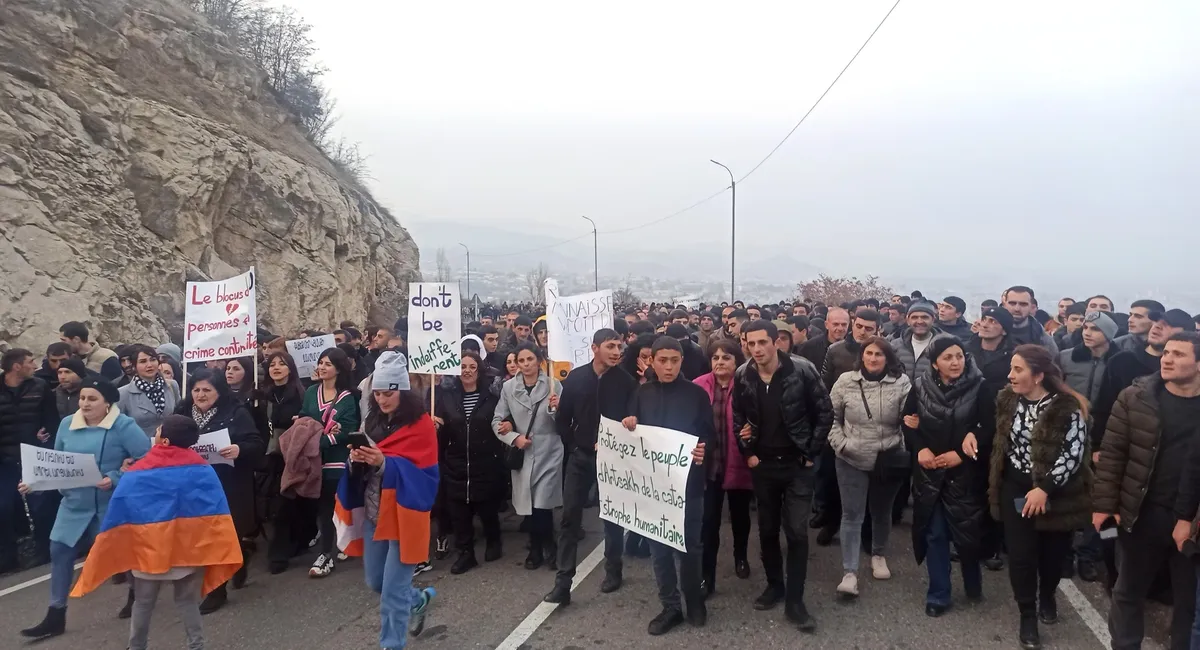
At the end of December 2022, the first large action took place: about 6 thousand people, including women and children, went to the place where the “corridor” was blocked. The procession with posters in different languages containing calls to unblock the road was stopped by Russian peacekeepers: “We cannot let you through, but we will convey your demands to the command.” Two days later, a group of Stepanakert residents came to the RMK base with posters “We believed you.” Later, people went to this base more than once - of course, to no avail.
Rallies of thousands, processions, appeals to the world, SOS calls lined up with their bodies in the square - from the outside, all this seemed like a voice crying in the desert. While condemning what was happening in Ukraine, the world did not notice the impending ethnic cleansing somewhere in the South Caucasus mountains. And the elected people's representatives and the leadership of the unrecognized republic hinted that all the problems were due to the fact that Russian peacekeepers did not have an international mandate. Once at one of the protests a poster appeared: “We demand UN peacekeepers,” but after a few minutes “who should” came up and removed it.
* * *
On April 23, 2023, once again violating the Tripartite Declaration, the Azerbaijani border service established a checkpoint near the Khakari River bridge on the border with Armenia, placed concrete blocks, and the “eco-activists”, replaced by the military, immediately announced the end of their protest. Passport checks and direct contact of departing Armenians with Azerbaijani services began. In August, while checking his passport, they seized 68-year-old Vagif Khachatryan, who was being taken to Yerevan by the Red Cross for heart surgery. The man was accused of crimes allegedly committed during the war in the early 1990s. This was a gross violation of humanitarian law and a disregard for the rules of interaction with the ICRC.
Azerbaijan firmly moved towards its goal, also neglecting the adopted resolutions of the European Parliament, PACE, the decision of the ECHR and the requirement of the International Court of Justice to unblock the road. He disputed the fact of the blockade, citing the fact that ICRC and RMK vehicles could drive on the road.
And in general, “the Armenians came up with everything, there is no hunger there,” the media of this country shouted vyingly. It’s unpleasant to remember, but some locals themselves helped Azerbaijan argue for the absence of the blockade, filming and posting videos of their parties with cakes and other joys that were commonplace in pre-blockade times. It is obvious that in any circumstances and in any society there will always be a small category of people who have access to what is not available to the majority. But no external audience will understand this - it will simply draw a conclusion based on the content of the footage, and Azerbaijani propagandists, who have learned to work well with the audience, will help it with this. After all, no one will delve into the nuances that eggs for the cake could be obtained at a price of one piece that was 20–30 times higher than usual, and not without difficulty.
It’s nice to remember something else - how half-starved, exhausted people supported each other and continued to care for animals. About how hairdresser Anna-Maria, despite a lot of worries, went to cut hair for residents of a boarding school for the elderly. And about the presentation of Nariko’s photo project Dedication (“Service”) - about the history of friendship between people and animals in besieged Artsakh, which became, perhaps, the brightest memory of that time and a cure against our dehumanization. And also about the folk dance master classes that Mariam conducted near the theater. And about how Christine continued to take care of unusual children who need a special approach. And also about how, in her Tumanyans cafe, she literally created the illusion of a normal life out of nothing in the form of meringue cookies made from pea foam with jam instead of sugar.
From June 15, 2023, the blockade became total. For some time even the Red Cross could not travel. The supply of humanitarian goods transported by RMK trucks has stopped.
The city began to have problems with flour and, accordingly, with bread. The season allowed for some vegetables, but it was obvious that real famine was approaching. It was easier for the villagers, but they could not send food to relatives in the city due to lack of fuel.
Few people were able to buy fuel from RMK; it was not advertised and was too expensive.
In July, public transport stopped completely - the fuel reserves intended for it ran out. People walked, scurried around all day in search of at least some food, in the heat, around the city with a mountainous landscape. Bicycles, scooters, and sometimes even horses rode the streets. Children were playing on the roads, and the traffic lights were a constant yellow.
Due to the intensive work of the hydroelectric power station, the Sarsang reservoir was rapidly drying up. Everyone guessed that there would be no electricity either. People prepared everything they could for the winter. In the courtyard of David and Irina’s house there was a pile of tarred sheets that had previously served as a floor, which they were going to cut and use to light the stove. Many who didn’t have stoves got them: we, for example, thinking about the future, bought a stove back in February.
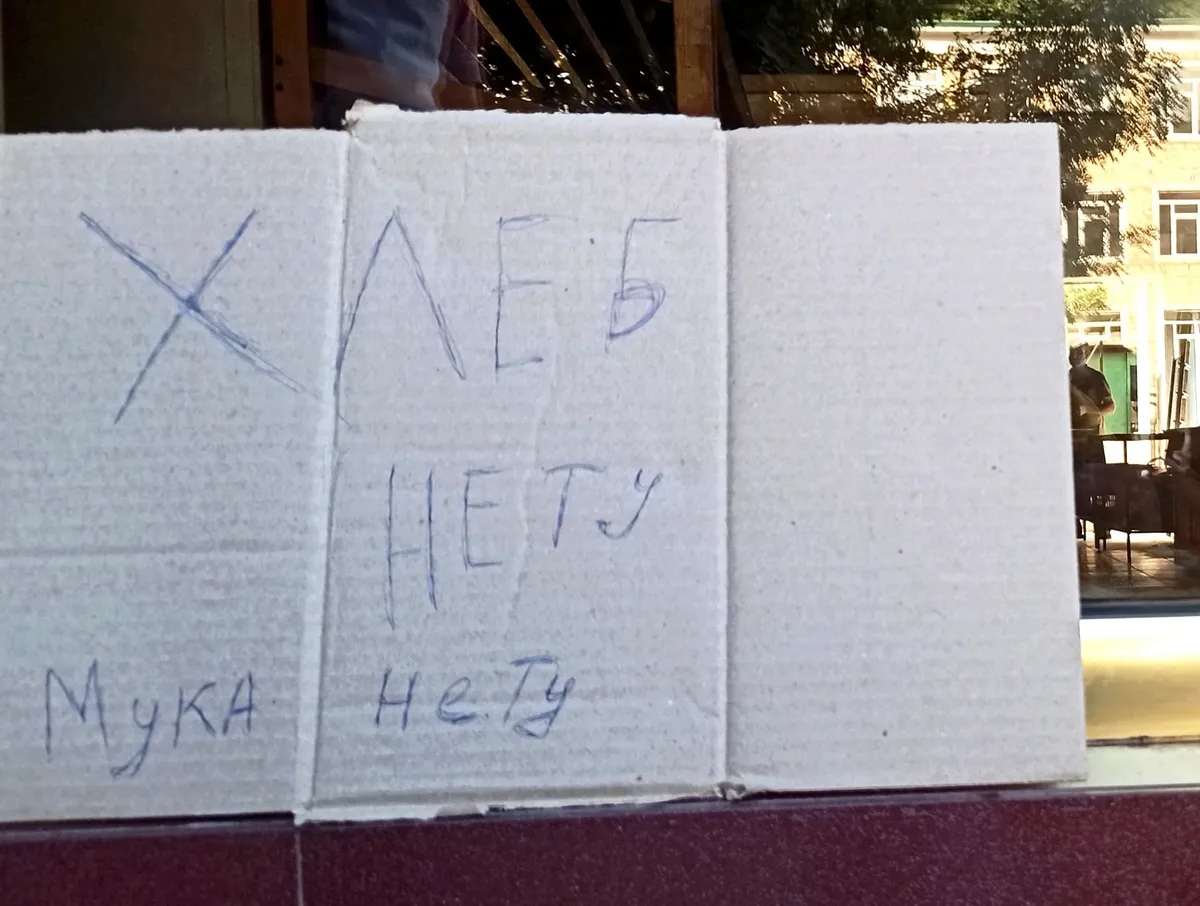
By August the problem of bread became acute. To buy one, you had to sign up for a waiting list and then spend the whole night outside the bakery waiting for an employee to shout out your three-digit number. And of course, this didn't happen every day. Bread became the most desirable scarce product, and even dark bread of inferior quality seemed tasty after three days of trying to get it. In September, bread cards appeared, which gave the right to the chance to buy 200 g per day, which is already 70 g more than it was in besieged Leningrad. But finding bread became increasingly difficult. There is only one working bakery left in the city. Before the day of the war, we had no bread for a week.
* * *
On the morning of September 19, 2023, the city lived an everyday life under siege. Children are in kindergartens and schools, older ones are in search of bread. Before noon, while there was still internet, I managed to read the news. Since early morning, the Azerbaijani media was torn by reports of “Armenian provocations” in different directions: allegedly ours fired at their post, allegedly caused radio interference to a civilian plane, and allegedly fired from the territory of Armenia, and accusations of “mine terror” - allegedly in the area of the village of Tagavard their policemen were blown up by “Armenian” mines. Of course, all this was fiction; the fake about radio interference was especially easily refuted.
That morning it became clear that massive information preparations had been launched for the final attack on Artsakh. Azerbaijan had everything ready and planned; all that remained was to warm up the audience with stories about the “Armenian terror”. Although they had methodically spread similar misinformation the day before.
It started at one o'clock. On three sides - roar, explosions, smoke, drones, one flew over the roofs of neighboring houses and exploded next to our block. And all this non-stop throughout the day. Without light, without communication, without information.
The next day, around 2 p.m., the sounds of shooting died down. It turned out that the Azerbaijani armed forces are located on three sides around Stepanakert, including in some outlying areas of the city. Numerous refugees from the outskirts appeared in the center. Thousands of refugees from areas who initially sought salvation at the RMK base also appeared in the city. People tried to call loved ones whose fate they knew nothing about. There was no connection between the city and the regions, the roads were cut by the Azerbaijani armed forces, the fate of the guys from the positions is unknown. Nobody knows anything. Hundreds are sitting on the square, on the steps - children, old people, disabled people. There is still no food, as well as electricity and in some places water. Chaos, panic, confusion.
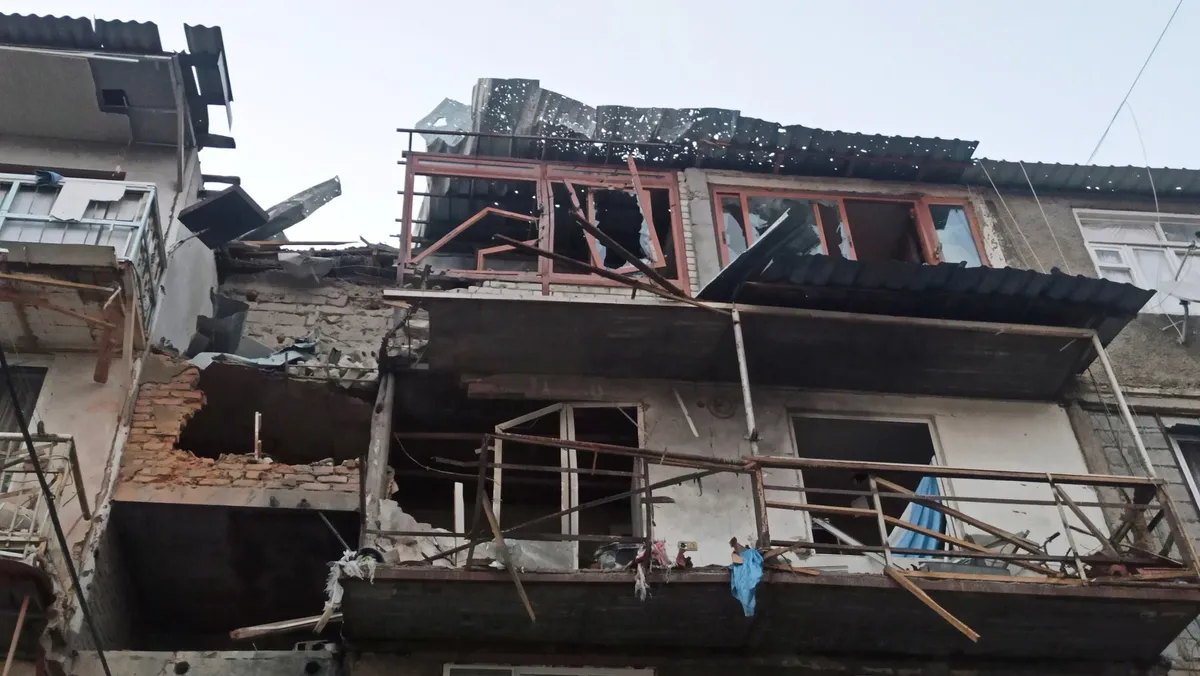
Residents of border villages who reached Stepanakert spoke about missing fellow villagers and incidents of massacres (some facts were later confirmed). My friends told about the horrors of the exodus from the village of Mkhitarashen, about how ten of them, with their pregnant daughter-in-law, crammed into a car with gasoline stored in advance for a rainy day, about how Azerbaijanis from the Shusha posts fired at their car, and later sent a shell at a group of people who fled to hide from the shelling in a school basement in the village of Shosh - as a result, seven were wounded, including the child.
A lot of things were said, terrible rumors circulated. And no one understood what would happen next. They understood that at any moment the Azerbaijanis could enter the city, that the outcome was inevitable, and they began to prepare for it, but how to get out and whether they would let us out - there was no answer to this question.
The next day I walked around the city, saw the destruction, traces of shelling on civilian objects. The victims began to be buried at the memorial cemetery.
A day later, when many finally realized that Artsakh was becoming Azerbaijani Karabakh, the bodies began to be dug up to bury them in Armenia. Another city cemetery was already controlled by Azerbaijani soldiers. The people of Stepanakert could not even say goodbye to their relatives.
We were without electricity for five days, until Artsakh was connected to the energy system of Azerbaijan on September 24. On the same day, the exit road was opened. A line of cars slowly climbed along the Shusha road. The final stage of ethnic cleansing has begun, patriacide - the deliberate forcible deprivation of the homeland. There are no guarantees of safe passage through the checkpoint, where people were captured until recently. There is no international patronage - only Azerbaijanis and RMK, which means that there are no guarantees. The logic consoled me: if they opened it and allowed me to leave, then they would let me out. In addition, there were rumors that some part of the population would be released, and then the road would be closed again. That’s why there was panic and a 40-50 hour traffic jam. There was fuel to refuel the cars. They say that Azerbaijan provided the gasoline.
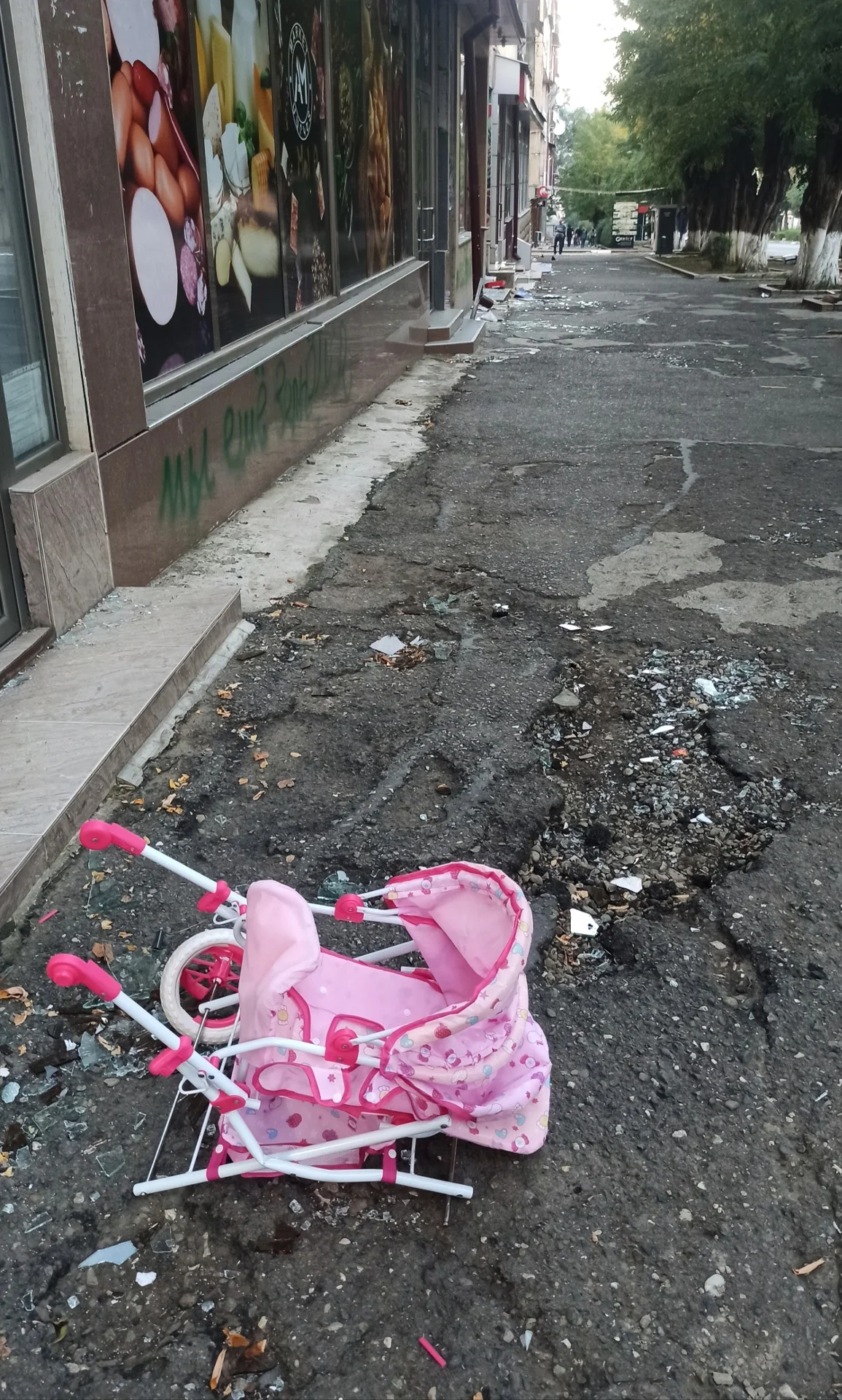
On the evening of September 25, 2023, a terrible tragedy occurred: an explosion at a fuel warehouse, which claimed the lives of 219 people. Two years have passed, but we still do not know the cause of this explosion.
The hellish path of salvation is what the people of Artsakh call the road of exodus. People were born and died on it (later it became known that more than 60 people died on the way). People went crazy on it and threw the steering wheel and said: “What am I doing? Where are we going? I'm returning home on foot. Let them kill me, but on their own land.” They suffered on it for two days without food, with children, literally sitting on top of each other. There were trees sticking out of the windows of cars, dug up from their native soil so that a piece of their homeland could sprout in the new one. She was clutching albums with photographs, the little that could be taken with her. And almost everyone has the key to the door to their lost home.
“Happy are those who were able to take the family album,” says a woman in Goris from a border village, from where she had to flee in the same condition as she and her children were at the time of the attack. — We were with the neighbors. Under the bombs, they jumped into their car and into the city. We didn’t have time to go home. Everything is left there. But you can’t put your life in a suitcase...”
Already in Goris, details about the victims became known. On September 19–20, 202 defenders from the Artsakh self-defense forces were killed, and 21 civilians were also killed, including 6 children. In the village of Sarnaghbyur alone, three boys (brothers 8 and 10 years old and the son of a community leader, 15 years old) and two elderly people were killed, and 12 children were injured.
Two months later, the President of Azerbaijan gave an interview to the foreign press: “Our patience has come to an end, and we carried out an anti-terrorist operation in full compliance with international law. The operation did not result in any civilian casualties. This should become an example of how to conduct a military operation with zero casualties among civilians.” A lie repeated twice, unfortunately, becomes the truth for many.
19–20 сентября, несмотря на многократное превосходство по всем параметрам, которое было у азербайджанских ВС, силы самообороны Арцаха оказали жесткое сопротивление, что стало неожиданностью для противника. Однако в условиях, сложившихся после 2020 года, итог этой войны не мог быть другим. РМК запрещал подразделениям защитников Арцаха подготовиться к обороне, а азербайджанская сторона, в свою очередь, обладала всей необходимой ей информацией для успешного достижения своих боевых задач. Армяне приняли бой, несмотря на осадное положение и зная, что победить в этой войне будет невозможно.
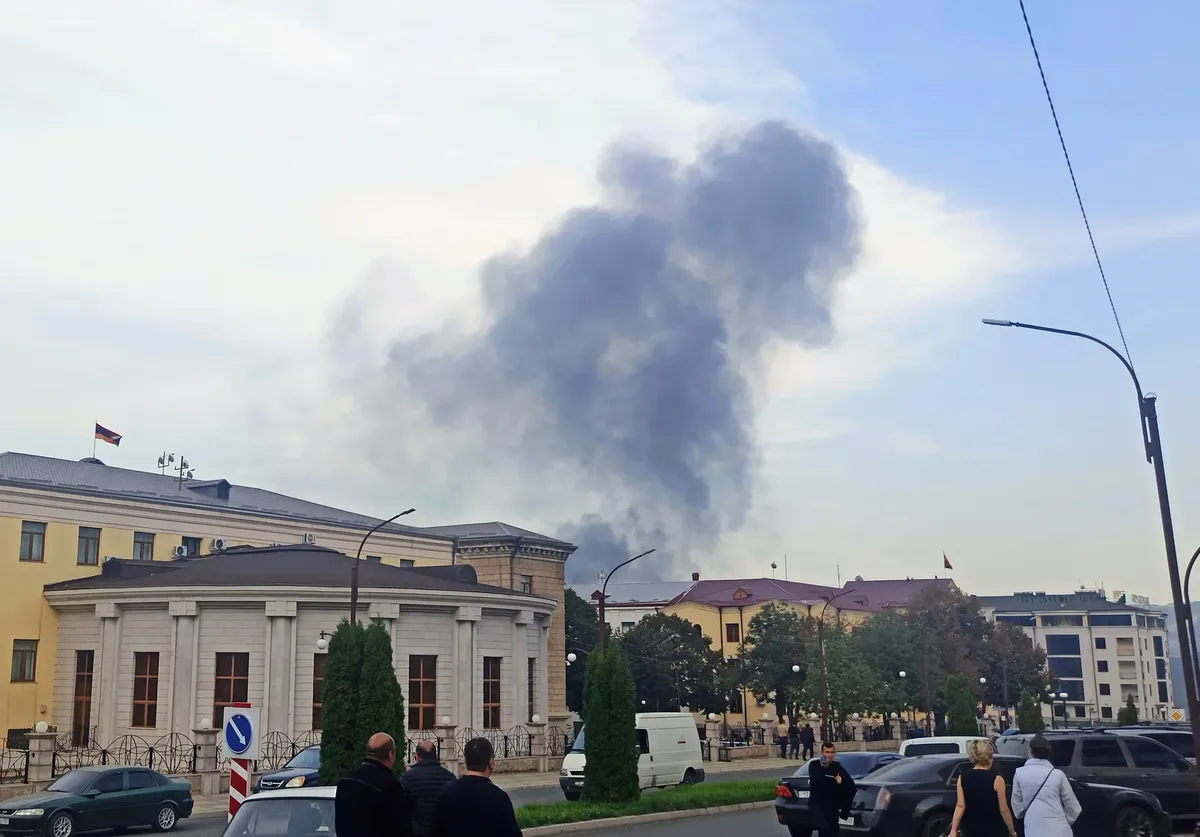
В результате своей родины лишились около 150 тысяч человек — именно столько проживало в Арцахе до 44-дневной войны. Около 30 тысяч после войны решили не возвращаться. За период блокады из Арцаха выехали около 20 тысяч человек. Во время исхода мост Хакари пересекли около 101 тысячи.
* * *
«Армяне из Карабаха ушли сами, по своему желанию, их никто не выгонял. Они могли остаться, став гражданами Азербайджана, и спокойно жить», — твердит азербайджанская пропаганда. Этому вторят и российские официальные лица, настаивая на том, что исход армян был добровольным, дескать, их не просто не принуждали покидать свои дома, а напротив, им предлагалось остаться. Действительно, в 20-х числах сентября 2023 года степанакертцы получали СМС-сообщения с кодом отправителя 994 следующего содержания: «Счастье в ваших руках. Правильный выбор — быть с Азербайджаном». Однако ни у кого из наших знакомых и соседей оно не вызвало никакой иной реакции, кроме саркастической усмешки.
Народ, очень сильно привязанный к своей земле, к могилам близких, прошедший через невообразимые трудности, чтобы до сих пор оставаться в своих домах, был вынужден сделать другой выбор — беженство в неизвестность с потерей всего, что составляло их жизнь.
Если к вопросу причины подойти формально и поверхностно, то в первую очередь это абсолютное отсутствие доверия в вопросе безопасности. За последние десятилетия Азербайджан не давал никаких поводов полагать, что армяне смогут безопасно жить в составе этой страны, где после поражения в первой карабахской войне выросли поколения, воспитанные на армянофобии, ставшей государственной идеологией Азербайджанской Республики, и отрицании реальной истории региона.
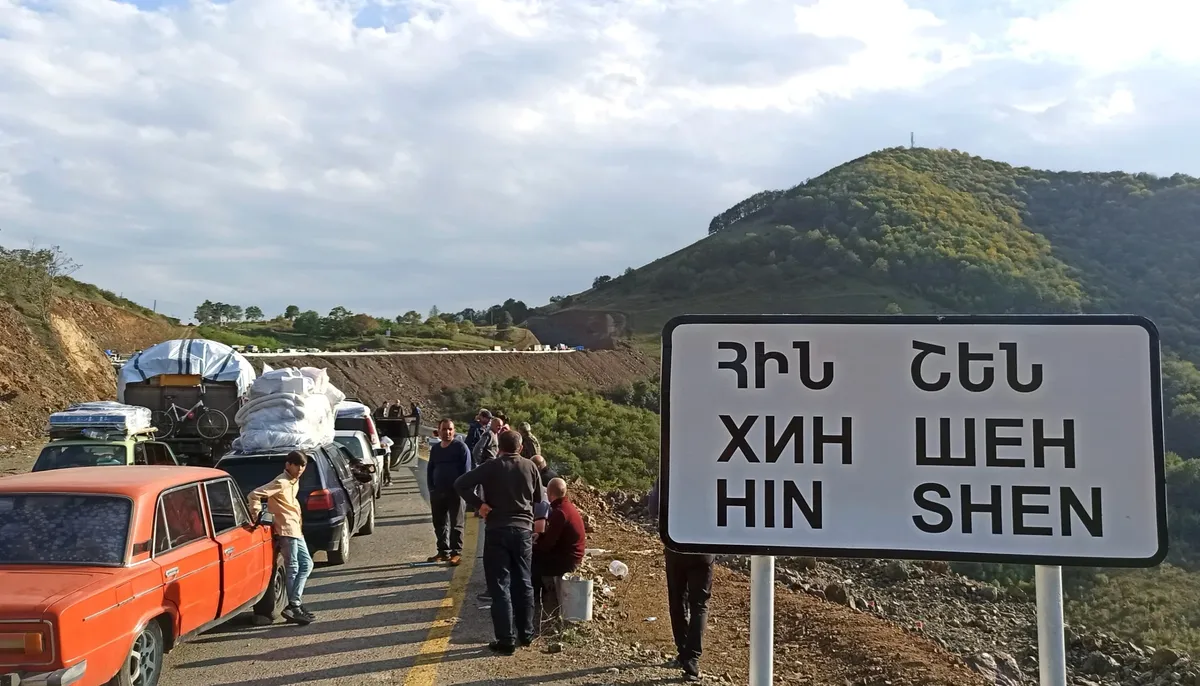
«Как бы мы там жили? — задается вопросом Ашхен из Степанакерта, ныне живущая в пригороде Еревана. — Мой отец и дядя участники первой Карабахской войны, муж и брат защищали Арцах в 2016-м и в 2020-м, оба были ранены, другой брат погиб, племянник стоял на позициях в сентябре 2023-го. Наша семья для азербайджанских властей — террористы и преступники, а таких семей у нас десятки тысяч. Разве были гарантии, что моих близких не отправят в тюрьму? Наше «преступление» заключается лишь в том, что, сопротивляясь, мы смогли добиться возможности жить на своей родине, на что имели полное право. А когда обороняться стало невозможно — вот результат: нас там нет. После всего, что произошло за последние 37 лет, после четырех войн, развязанных против нас Азербайджаном, быть жителями этой страны для нас исключено.
Точка невозврата возникла еще тогда, когда был Сумгаит, Баку, операция «Кольцо», Марага, регулярные бомбежки мирного населения Степанакерта в начале 90-х, прицельная стрельба по роднику с водой, за которой в основном ходили дети. Позже, в 2016-м, — отрезанные уши престарелых супругов в селе Талиш, в 2020-м — пытки и зверства по отношению к мирным жителям, не покинувшим свои населенные пункты перед заходом в них ВС Азербайджана, обезглавливание старика — их солдаты все сняли на видео и выложили в Сеть, а в 2022-м — изуверски убитые женщины-военнослужащие (и это не в нашей непризнанной республике, а на территории Армении). Во время последней, однодневной, войны — погибшие дети, пожилые люди, обстрелянные гражданские объекты. Уже после объявления перемирия их снайпер на окраине Степанакерта ранил медсестру Лусине, которая шла из дома в больницу. Все это не позволяло нам представить свою жизнь под началом Баку. Вернее, позволяло, но это было бы нельзя назвать жизнью.
Ну, допустим, Алиев объявил бы амнистию участникам войн и позволил нам тихо-мирно жить. Какая бы это была жизнь, если их общество пропитано ненавистью к нам? Если у них в детских книжках армянин изображается как чудовище?
Если они, переворачивая все с ног на голову, заявляют, что мы пришлые, а они коренной народ в регионе? Мои дети учили бы в школе их выдуманную историю и отвечали у доски, что все наши церкви вовсе не армянские, а албанские, а мы, армяне, фальсификаторы? А потом мой сын пошел бы в армию, которая в любой момент может напасть на Армению, называемую ими Западным Азербайджаном, и ему бы пришлось стрелять в армян? Преклонять колено перед флагом, под которым убивали наших братьев? Прославлять их президента, который во всеуслышание заявлял: «Мы будем гнать армян, как собак»? Каяться, что мы были оккупантами на собственной земле? Я знаю весь свой род на много колен, в Гадруте под надгробным камнем XVII века лежит мой предок, и я должна признать, что я оккупант?
No. Мы потеряли всё, но сохранили достоинство».
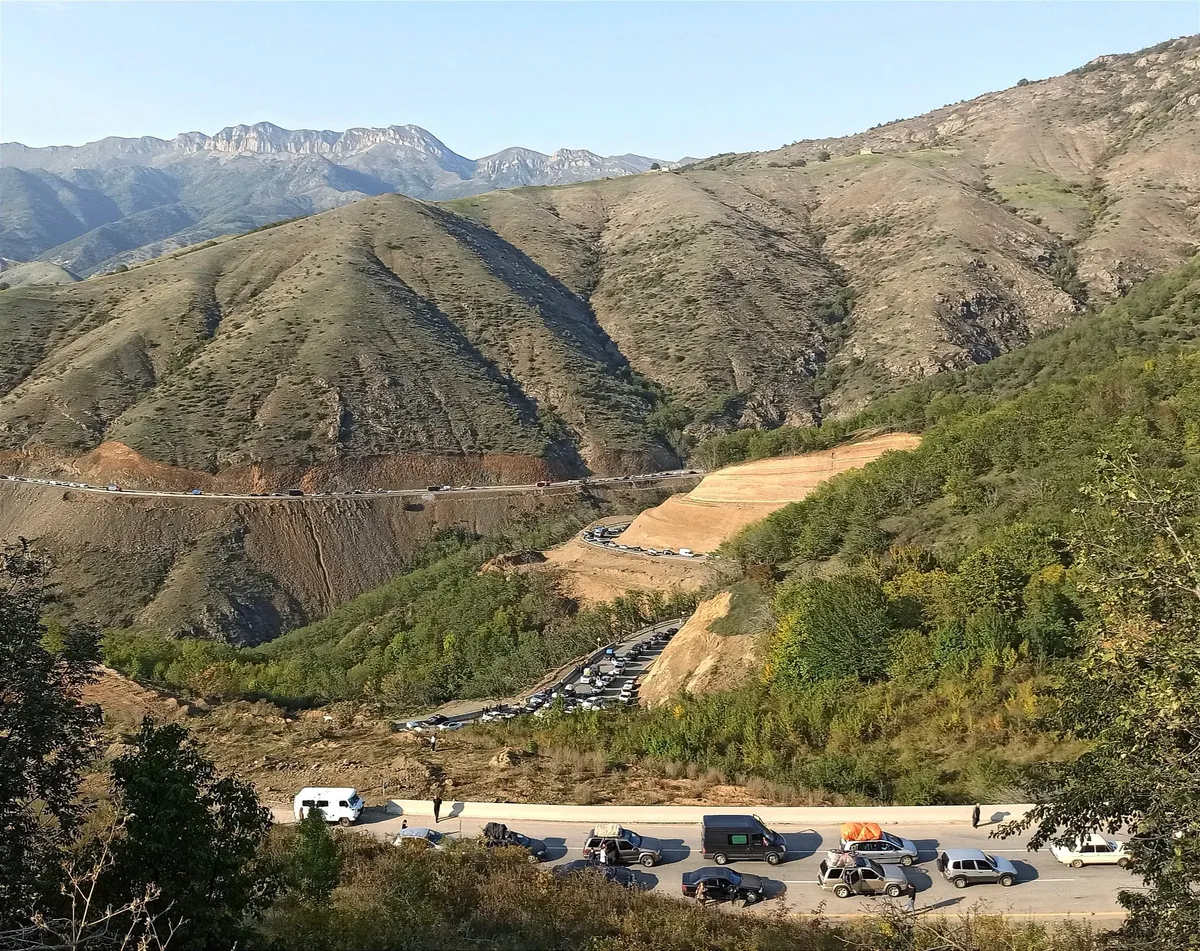
В Арцахе у семьи Ашхен было два собственных дома — в городе и в деревне. Сейчас они ютятся вшестером в арендованной двухкомнатной квартире на окраине Еревана, с трудом сводя концы с концами (две зарплаты почти полностью уходят на оплату аренды), но не отчаиваются и пытаются встать на ноги.
«Возвращение — это миф. Не верю, — продолжает Ашхен. — Что толку, что какие-то международные организации осудили Алиева за этническую чистку? Что толку от их резолюций о нашем праве на возвращение? Все это слова. Азербайджану нужен был Карабах без армян — он еще с мирного советского времени шел к этой цели. И ему позволили ее добиться. Никаких санкций, ничего ему за это не было. Мир легализовал этническую чистку. Мы попали под каток геополитических игр и стали в них разменной монетой. Наши права растворила нефть. Никаких гарантий безопасности нам никто не давал (бессмысленно вспоминать о российском контингенте, «безопасность» от которого мы вкусили в полной мере) и давать не спешит. На таких условиях оставаться в Арцахе, ставшем азербайджанским Карабахом, было бы самоубийством или как минимум огромным риском. Сейчас в мире беспорядок, войны. Международное право не работает. Кто сильнее, тот и прав, кто больше выгоден, тому и индульгенция. Дай Бог Армении сохраниться во всем этом хаосе».
Сегодня в Степанакерте, который в Азербайджане переименовали в Ханкенди, осталось 13 армян. Почти все они одинокие пожилые люди, имеющие проблемы со здоровьем, в том числе психическим.
Евгения Енгибарян