
Translated material
Backyard for zero phase
Bulgaria fears increased Russian influence in the local Orthodox Church and parliament

Photo: Zuma/TASS
The Bulgarian Orthodox Church (BOC) found itself in the terminal phase of the crisis, having lost its independence and turned into an instrument of Moscow’s geopolitical influence - such radical statements were made by Bishop Dionysius (Stobiysky) of the BOC. This 44-year-old hierarch, the “black sheep” of the Bulgarian clergy, as he is called in the media, in an extensive interview with the Faktor.bg portal leaves no stone unturned in the policies of the new primate of the BOC, Patriarch Daniel, and his entourage, accusing them of seeking to make the Bulgarian church dependent on Moscow and subordinating it to the interests of the Russian Orthodox Church and the Kremlin.
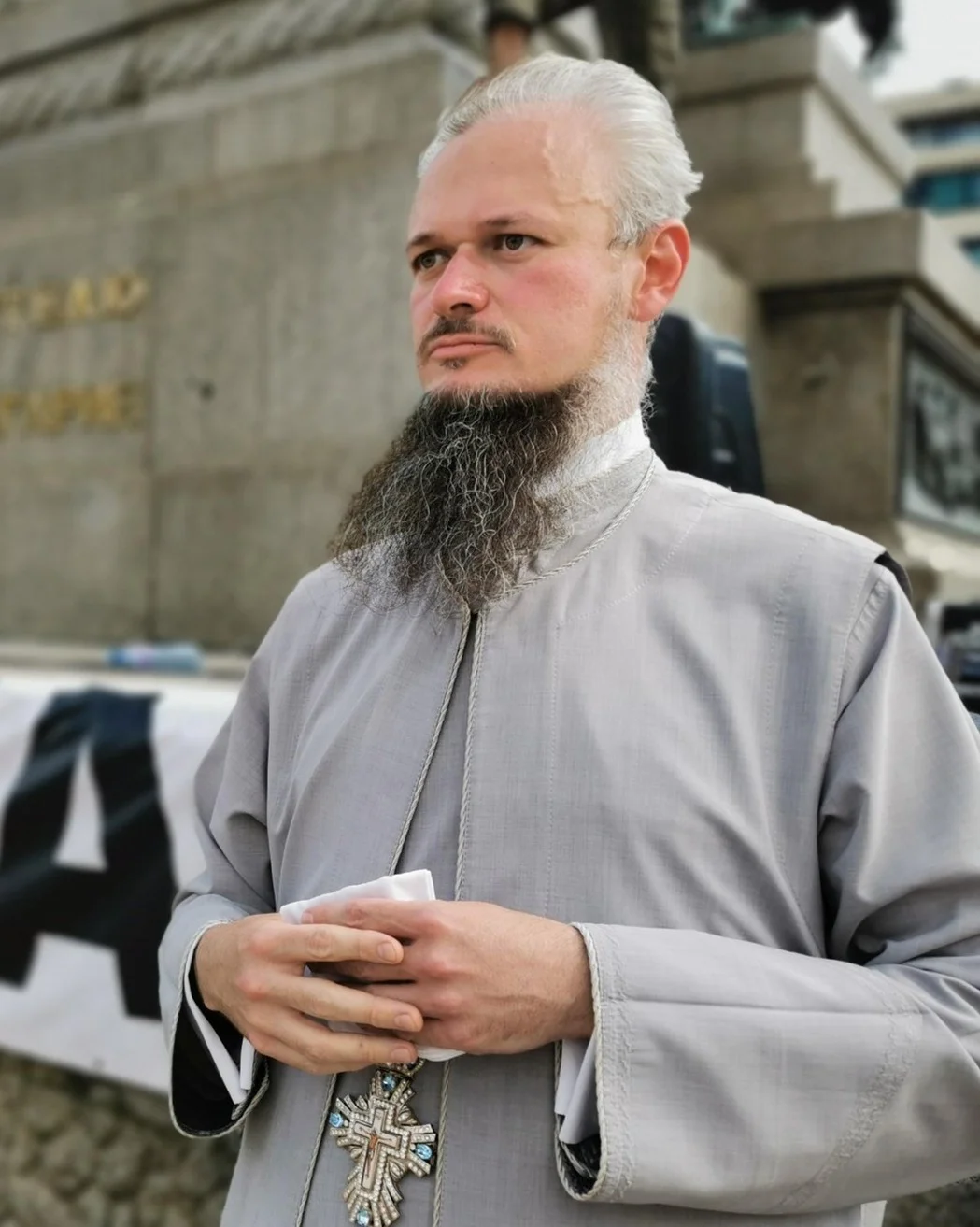
Back in 2018, Dionysius recalls, Patriarch Kirill told one Bulgarian metropolitan that he saw a serious problem: members of the Holy Synod of the BOC were not behaving directly and categorically pro-Russian, and this must be changed. This is what happened after the election of Bishop Daniel of Vidin as the new patriarch in 2024; “first among equals” had by this time publicly expressed support for the Russian military operation in Ukraine.
So it would be a mistake to believe, as some do, says Dionysius, that there are pro-Russian and pro-Western branches in the Synod of the BOC;
in fact, the highest governing body of the Bulgarian Orthodox Church carries out all the instructions of the Patriarch of the Russian Orthodox Church Kirill, and many metropolitans are proud not of the sign of episcopal dignity on their chests, but of “epaulets under their cassock.”
The influence of the Russian Orthodox Church penetrates so deeply in our country, notes the Bulgarian hierarch, that even the textbooks on religious doctrine that the BOC promotes in schools mention Ivan Ilyin, an ideologist of Russian Christian nationalism and authoritarian conservatism, whose ideas about the spiritual mission of Russia are actively used by modern Kremlin ideology.
Dionysius calls the BOC “the cheapest Kremlin office” anywhere in the world and argues that Patriarch Daniil (who, in his words, belongs to Russia’s “service personnel”) and his circle are ready to sacrifice their spiritual authority to political considerations. The hierarch points to Daniil's support from Bulgarian politicians: President Rumen Radev, whose behavior reflects a hidden understanding of the Kremlin's motives in the international arena; former Prime Minister Boyko Borisov, known for his pragmatic rapprochement with Moscow; Delyan Peevski is an oligarch and politician, the leader of the ethnic pro-Turkish party “DPS - New Beginning”, whose financial interests, according to critics, are closely connected with pro-Russian circles. Such support, according to Dionysius, strengthens the role of the Russian Orthodox Church in the management of the BOC, which makes its patriarchate an alarming signal for the West.
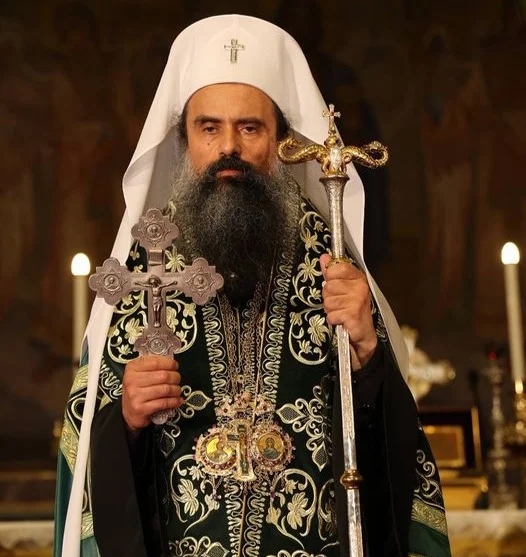
The revelations of Bishop Dionysius are confirmed by actual manifestations of how the Bulgarian church is trying to influence secular society. Patriarch Daniel’s speech at the Bulgarian Academy of Sciences in May of this year revealed a disturbing trend in the use of spiritual rhetoric - references to the Slavs, the mission of Orthodoxy and appeals to historical memory - to promote the narrative of the “Russian world”, which today is used as a tool of cultural pressure and strengthening of anti-European influences.
According to critics,
This practice is reminiscent of the rituals and ideological attitudes of the times of the totalitarian symbiosis between the party government and the subordinate church, when the academic environment remained a silent observer.
For the modern Bulgarian intelligentsia, this becomes a test of historical memory and the independence of the national cultural space.
Church concelebration workshop
In recent years, in Bulgaria there have been increasing cases of how the activities of Russian Orthodox Church-oriented church institutions are perceived through the prism of national security and external influence.
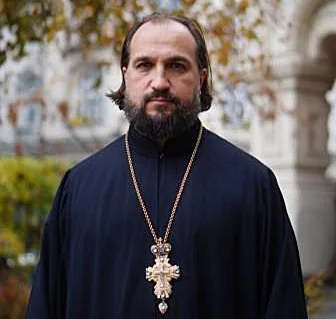
In September 2023, the rector of the Russian metochion in Sofia, Archimandrite Vassian (Zmeev), was declared persona non grata and, together with two junior clerics, expelled from Bulgaria as a person who participated in the “hybrid strategy” of the Russian Federation to influence the internal political processes of Bulgaria in favor of Russian geopolitical interests and posed a “threat to national security.” (At the same time, Vassian was declared an undesirable person in North Macedonia - for attempts to influence the church diplomacy of this country in favor of Russia, which led to a deterioration in relations between the Macedonian Orthodox Church and the Ecumenical Patriarchate.)
The Russian Church of St. Nicholas the Wonderworker - the same one that Bulgarians have long called simply the Russian Church - became the arena of an invisible struggle long before the scandal. Formally, it is under the jurisdiction of the Moscow Patriarchate, although it stands in the very center of Sofia, next to the parliament and the Academy of Sciences. Back in the early 2000s, the Bulgarian Orthodox Church made attempts to return the temple to its jurisdiction, pointing out that the land on which it was built belongs to the Bulgarian state. However, Moscow every time suppressed these initiatives, declaring the “inadmissibility of interference” in the internal affairs of the Russian Orthodox Church.
After the expulsion of the priests, the Bulgarian Orthodox Church tried to take control of the compound. However, Moscow acted quickly: within a few weeks a new rector was sent to Sofia - Archpriest Vladimir Tyshchuk, sent directly from the Moscow Patriarchate.
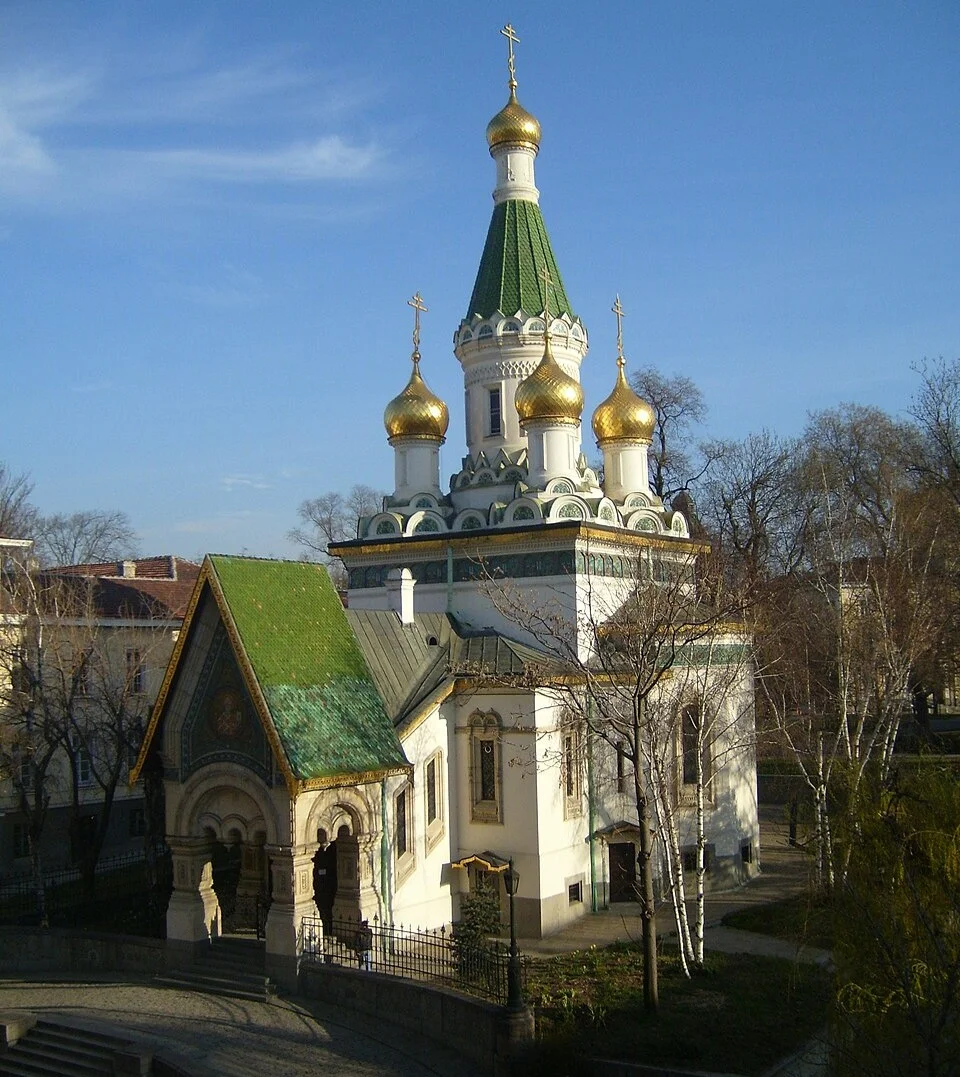
So the courtyard again found itself under the complete control of the Russian Orthodox Church. The Bulgarian Synod was forced to retreat, and the temple remained a symbol of how the “elder sister” showed the “younger” in her place. And there is a special irony in this: a church building, erected at the beginning of the 20th century as a symbol of brotherhood between two peoples, became evidence of how “co-service” can turn into an instrument of subordination.
Ambassador's dacha near drinking water
In early October, the capital's organization of the Democrats for a Strong Bulgaria (DSB) party held a rally at the National Palace of Culture in Sofia demanding that the Russian Embassy stop using a large plot of land right on the shore of the Iskar reservoir, the main source of drinking water for 1.5 million Bulgarian citizens.
On an area of over a hectare in the catchment area of the reservoir, buildings and a pier have been erected, which are used by embassy staff, while this site is not listed as diplomatic property in the registers of the Bulgarian Foreign Ministry and is not recorded in the state land register as foreign ownership. All this completely contradicts the “Property of the Russian Federation” signs installed on the territory.
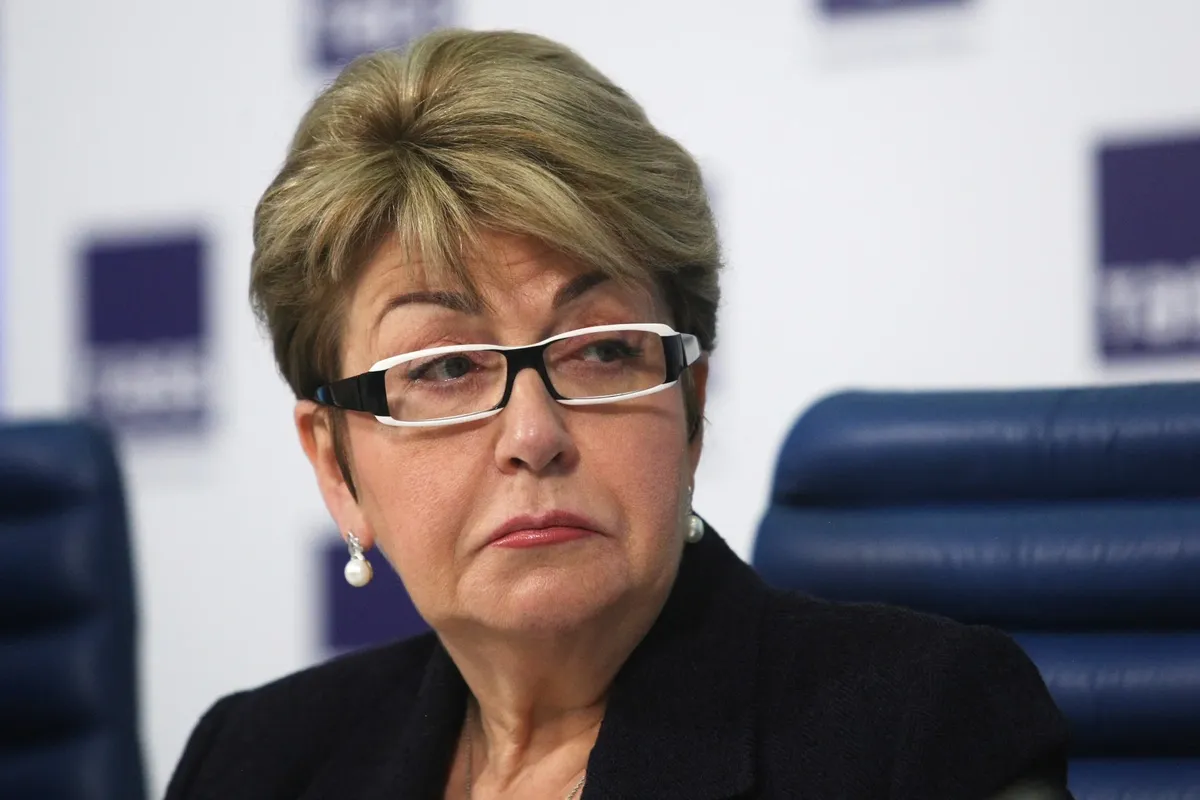
As reported in local media, Russian Ambassador Eleonora Mitrofanova provoked a public scandal at the site of the protest. She insultingly accused young people of ingratitude, notes factor.bg, since Russia “liberated” Bulgaria twice ( in 1878 - following the results of the Russian-Turkish War, in 1944 - during the last stage of the Second World War; both events, although associated with human casualties, are largely considered by modern historians as geopolitically motivated, and not exclusively “liberation”, but it is precisely this narrative that Russia actively exploits in its public rhetoric. - Ed .); then the Russians gave their lives for it, and now they want to expel Russia “from its possessions.”
The DRC, the report says, characterized Ambassador Mitrofanova’s behavior as “arrogance, impudence and complete arbitrariness.”
The head of the Russian diplomatic mission called the DRC activists “paid clackers,” and her guards took photographs of the protest participants. “Where are these photographs sent and for what purpose does Mitrofanova photograph Bulgarian citizens?” - the party wonders.
The last word remains with the DRC: a few meters from the Russian Embassy building, it installed a huge billboard with the inscription “Get out of the Iskar reservoir. This is not Moscow!” and a depiction of interested Russian persons.
Who is preparing to welcome the “Russian world” and how?
The behavior of Eleonora Mitrofanova is a signal that the Kremlin has already given the order for the operation for the “third liberation” of Bulgaria, believes the famous observer Dimitar Ivanov. “Recently, throughout Europe there has been open talk about the upcoming war with Russia and that it is already in “Phase 0”; this is a concept corresponding to the Russian military term "special period", which precedes the outbreak of war. According to military experts, during this “special period” Russia is using various methods to increase confusion in the enemy camp.
If the experts’ forecasts are correct, the article says, then Bulgaria is completely unprepared for the approaching conflict. We are more like an unfenced backyard through which Russia will quietly penetrate Europe from the south. In this case, no drones or missiles will be needed.
The back door of our fortress will be opened by the Russian “fifth column”, which remains numerous, very active and does not meet any resistance from the intelligence services.
As the Bulgarian observer notes, the report on Russia’s subversive activities in NATO and the EU, published in October last year, presented shocking data about structures loyal to Russia in Bulgaria. There is a network of organizations here: “Brod for Bulgaria” (“Crossing for Bulgaria”), the “Russophiles” movement, “Union of Reserve Officers and Sergeants”, “Confederation of Civil Organizations for Defense and Security”, “Warriors for Peace” - and they all participate in pro-Russian actions. The Bulgarian army and intelligence officers who make up their ranks are actively working as Russian influence agents, the report claims.
The political part of the puzzle, continues Dimitar Ivanov, is also of great concern. There are three openly pro-Russian and anti-European parties in the Bulgarian parliament - Vazrazhdane (Renaissance), Greatness and SWORD (Morality - Unity - Honor). According to the leader of “Greatness” Ivelin Mikhailov, the arrival of an external invader on our land will be greeted with bread and salt, because the Bulgarians are tired of the European Union.
These parties, which have 54 deputies in parliament and collect about 22% of the votes in elections, unite confused people who dream of a Russian army in Bulgaria. “War is knocking on the door, and it is time not only for the whole of Europe, but also for us in Bulgaria to realize that it will not bypass us because of brotherly feelings or a submissively bowed head. A unified will is needed in parliament to counter both Russian, so far only hybrid, attacks, and a large Russian fifth column in Bulgaria. Especially her!” - the author concludes.