
Translated material
Meeting between Putin and Trump in Budapest: how Putin will arrive
Hungary is still formally an ICC country
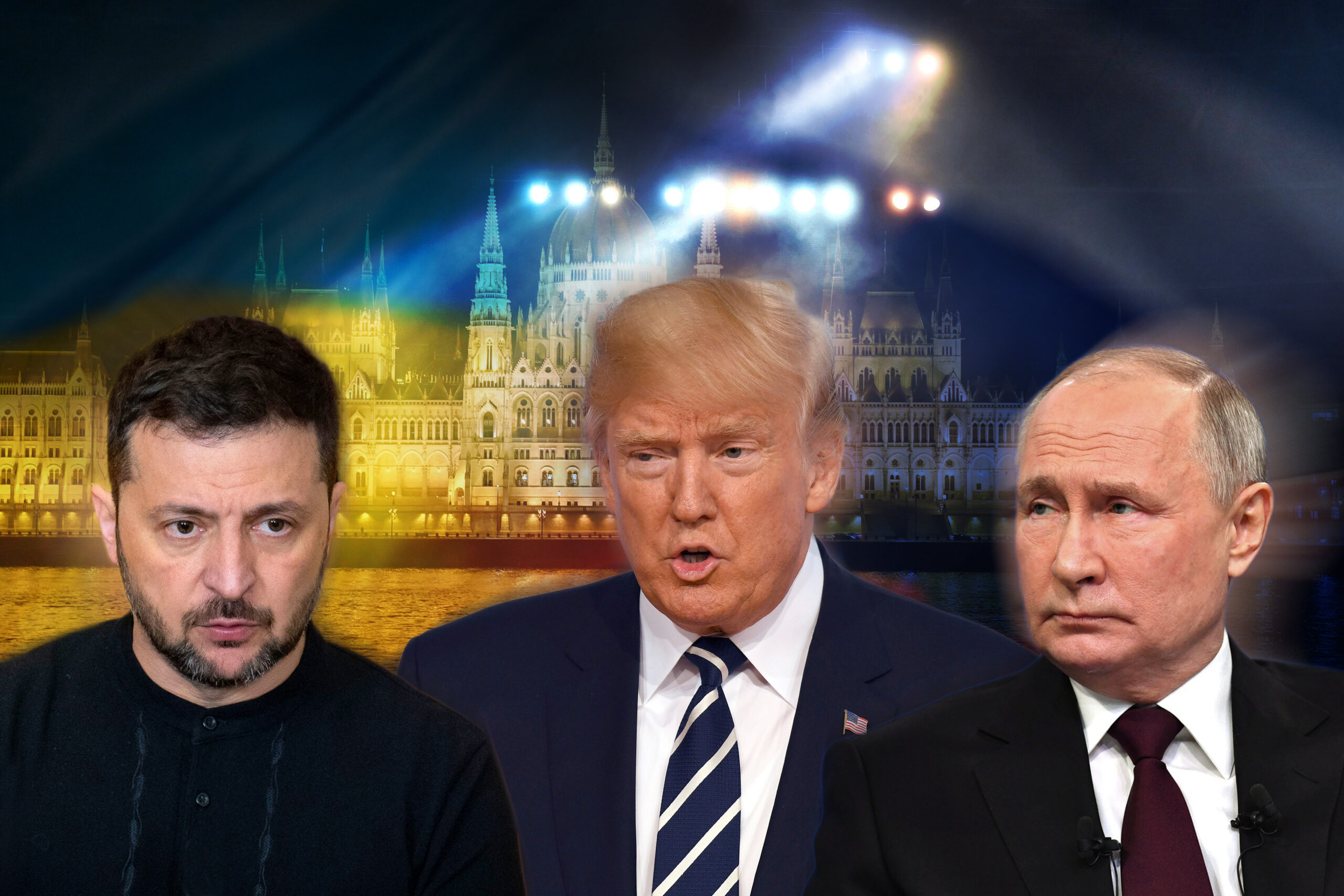
Vladimir Putin may meet with Donald Trump in Budapest. They agreed on this during a telephone conversation on October 16 . However, just a few days later, Western media, citing insiders, reported that the meeting between Marco Rubio and Sergei Lavrov, at which the date of the leaders’ summit was to be determined, was cancelled.
Allegedly due to the fact that Russia’s demands for ending the “SVO” voiced in a telephone conversation remain maximalist. In response, Russian Deputy Foreign Minister Sergei Ryabkov said that there were no specific agreements on the meeting between Rubio and Lavrov, and therefore it is impossible to talk about postponing it.
In order not to miss new texts from “Layout”, subscribe to our telegram channel
However, after this, Reuters reported that there were no plans for a meeting between Putin and Trump “in the near future,” and NBC News correspondent Garrett Hake quoted a source in the American presidential administration as saying that preparations for negotiations in Budapest are now “on pause.”
However, a complete cancellation of the meeting has not yet been announced. It could take place in the city where the Budapest Memorandum was signed in 1994, in which Russia guaranteed the security of Ukraine.
In addition, Hungary is still a member of the International Criminal Court , which issued an arrest warrant for Putin. Also, Hungary is a country of the European Union, which has banned the use of its airspace by Russian aviation.
“Vorstka” finds out why Trump and Putin decided to meet in Budapest, how Putin will get there and whether he faces arrest in Hungary.
How did Trump and Putin agree to meet?
Donald Trump and Vladimir Putin agreed on a meeting in Budapest on October 16 during an unannounced telephone call at the initiative of the Russian side. This call took place the day before a meeting at the White House with Vladimir Zelensky, who flew to Washington to negotiate the transfer of Tomahawk cruise missiles .
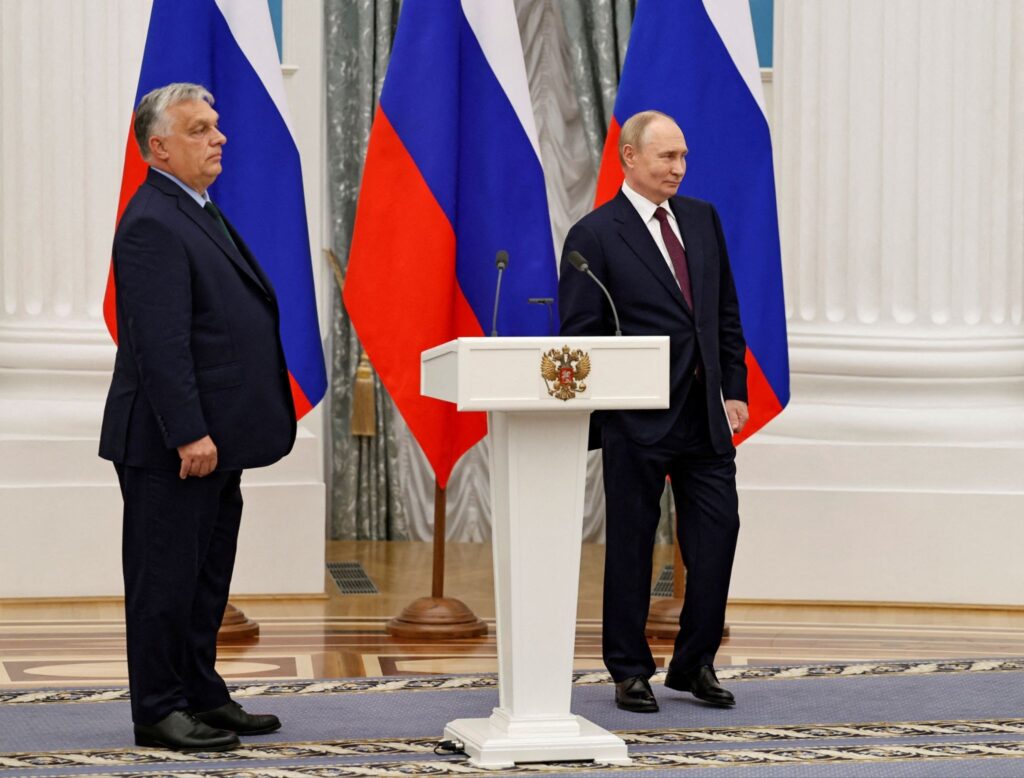
Trump and Putin also discussed missiles. In Washington, this conversation is recounted in different ways. According to Russian presidential aide Yuri Ushakov, Putin warned Trump that transferring Tomahawk to Ukraine would “cause significant damage to relations between Russia and the United States” and the prospects for resolving the war.
Trump said he asked Putin if he would mind if Ukraine received “a couple thousand Tomahawks.” Putin “didn’t like this idea,” the US President recounted the conversation. Answering the question whether Putin tried to convince Trump not to transfer Tomahawks to Ukraine, the US president replied: “Of course, what do you think? Will he say: “Please sell these Tomahawks, I really appreciate it”?”
Why can the meeting between Putin and Trump take place in Budapest?
There is no exact answer to this question. However, the idea of holding peace talks in the Hungarian capital appeared long before the call between Trump and Putin. As Vorstka reported, in August Budapest was considered one of the main venues for the Putin-Zelensky summit . Viktor Orban himself explains it this way: “We are the only ones left in Europe on the path of peace. We never lectured anyone."
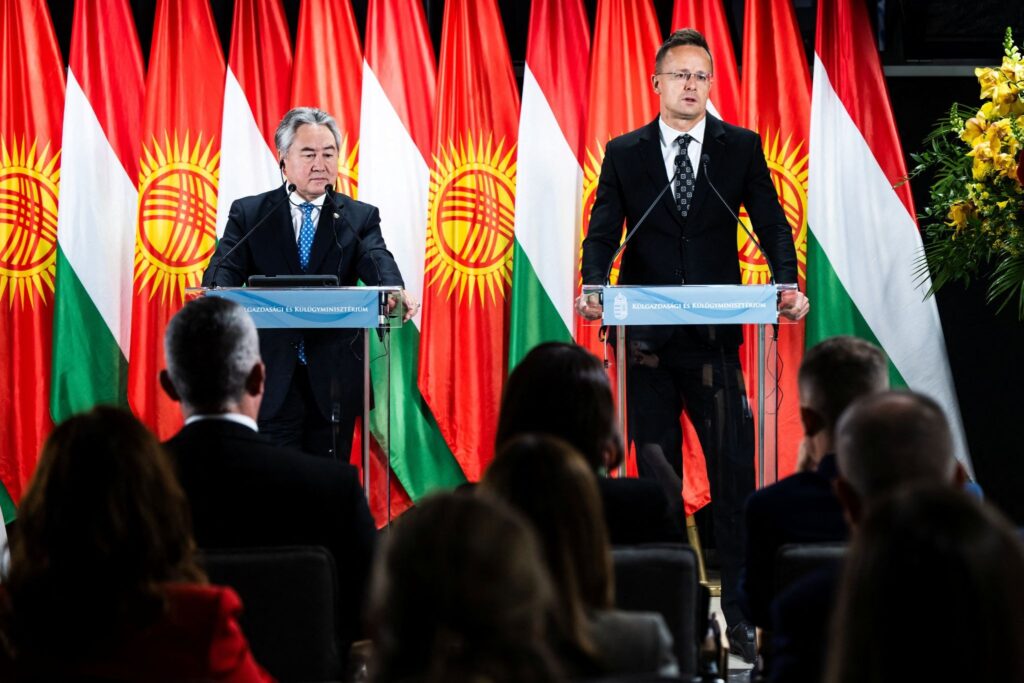
Orban is considered the most Kremlin-friendly leader of a state within the European Union. In 2024, the politician personally came to Moscow when Hungary presided over the EU. This step caused sharp criticism within the union - many EU countries regarded it as an attempt to break through the diplomatic isolation that the European Union would like to arrange for Putin.
European officials have already called the upcoming summit a “political nightmare.” As El Pais writes, citing several anonymous sources, the meeting puts the top leadership of the EU and NATO in an awkward position, as it exacerbates disagreements within the EU regarding the Kremlin.
It is also important that Hungary is the only EU country that has directly promised not to arrest Putin on an International Criminal Court warrant. At a press conference in Budapest, Hungarian Foreign Minister Peter Szijjártó said that Hungary guarantees that Vladimir Putin will be able to freely both come to and leave the country. At the same time, although Budapest decided to withdraw from the ICC in April and the country has already launched the corresponding procedure, the withdrawal has not yet been completed, so the orders must be executed.
In addition, parliamentary elections will be held in Hungary in 2026. Political analysts believe that these elections could be difficult for Orbán’s ruling Fidesz party - its ratings have been getting lower in recent years, and it may lose the parliamentary majority that it has held since 2010. The last time a US president visited Budapest was in 2006. Therefore, Trump’s arrival, as Bloomberg writes, could increase the popularity of Orban’s party and help him win the elections.
Is Putin at risk of arrest in Hungary?
In 2023, Hungary announced its withdrawal from the jurisdiction of the International Criminal Court , although its decisions must be implemented until 2026. However, the head of the Hungarian Foreign Ministry, Peter Szijart, has already stated that Putin does not face arrest on a warrant from the International Criminal Court (ICC) during his visit to Budapest. “We respectfully welcome President Vladimir Putin and, of course, will ensure his arrival in Hungary, successful negotiations here and subsequent return home.”
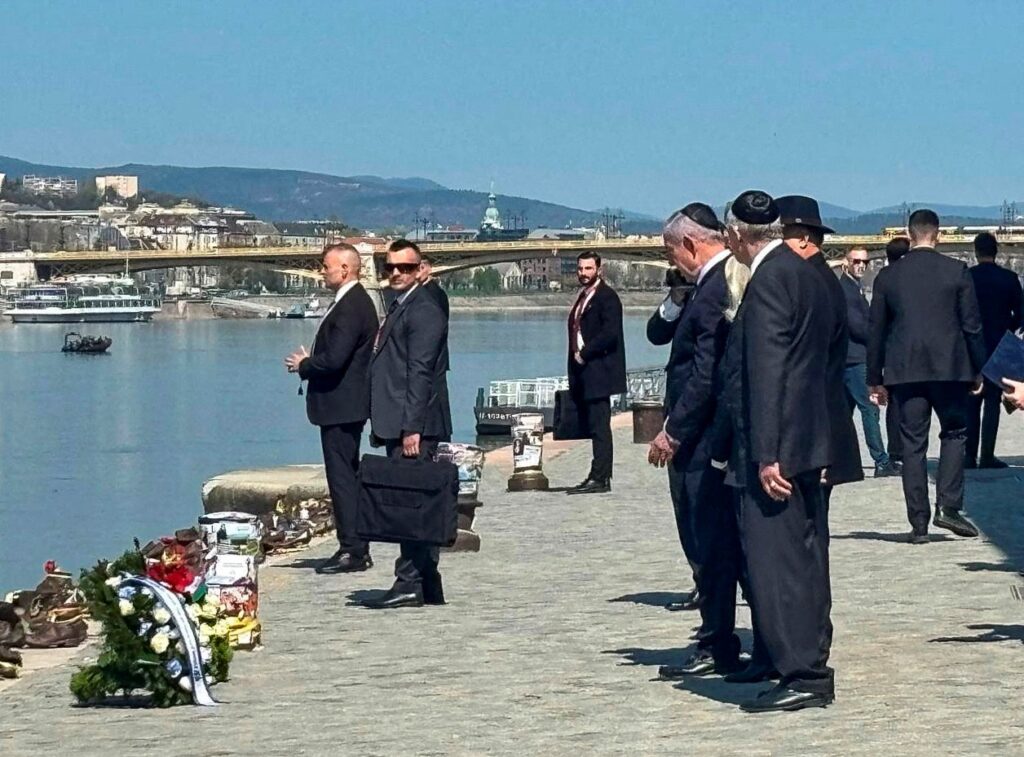
This is not the only case where countries refuse to comply with ICC warrants. For example, in 2024, Israeli Prime Minister Benjamin Netanyahu visited Budapest. He is also subject to an ICC arrest warrant on suspicion of war crimes in the Gaza Strip. Budapest refused to arrest him. Moreover, then Poland invited Netanyahu to the ceremonial events dedicated to the 80th anniversary of the Holocaust, guaranteeing the Israeli prime minister’s security (however, Netanyahu refused).
In 2024, Putin attended the CIS summit in Tajikistan, an ICC member state. Italy also proposed holding a summit with Putin at the Vatican, which is located in the center of Rome. Both Italy and France stated that the issue of arresting the head of state was legally ambiguous, and admitted that they would not execute ICC warrants against leaders of third countries.
If the meeting does take place, how will Putin get to Hungary?
As one of the sanctions imposed on the Russian Federation in the first days of the war, the EU banned Russian aircraft from flying over its territory. However, in the case of official visits of top officials, prohibitions may not always work.
European Commission representative Anita Hipper said that the European Union cannot prevent Putin's visit, since the sanctions imposed against him do not include a ban on visiting the EU. Therefore, granting permission for the presidential plane to fly over is within the competence of the governments of individual EU states. For example, Poland has already stated that it cannot guarantee Putin’s security.
At the time of writing, the exact route of the Russian leader is unknown. As the specialized publication Airlive writes , citing sources in the Turkish Foreign Ministry, one of the route options runs through the eastern part of the Black Sea, Turkey and the Mediterranean Sea. After this, Putin’s plane will circle the Balkans and reach Hungary through Montenegro and Serbia.
Bulgaria has also already announced that it is ready to open an air corridor for Putin’s plane. If Putin decides to use this corridor, the flight path will be much shorter - it will pass over the Black Sea, Bulgaria, Serbia and Hungary.
What can Putin and Trump discuss in Budapest?
The topics of the upcoming meeting were not officially announced. The summit of the two presidents in Alaska ended without breakthroughs, and the war in Ukraine only intensified after that. Trump has said several times that he is disappointed in Putin. Moscow used appeasing rhetoric in conversations with Washington, but only intensified its attacks on Ukraine.
The Washington post writes that during a telephone conversation with Trump, Putin once again called the withdrawal of the Ukrainian Armed Forces from Donbass a condition for a ceasefire. Zelensky, in response to this, once again repeated that Ukraine is not going to give up its territory to anyone.
US Vice President J.D. Vance said in October that Ukraine was not ready for negotiations, and the parties “are not in a position of readiness for an agreement.” According to him, Trump sometimes “loses patience” with both warring sides.
Moscow, Vance said, believes it is doing better at the front during the war in Ukraine than it really is. Kyiv, in turn, seeks to maintain territorial integrity within the maximum possible borders, which complicates the search for a compromise.
During the war settlement, Trump repeatedly pressed Russia and Ukraine to bring them to the negotiating table. The US President will likely continue this strategy in Budapest. However, he is ready to put pressure on Kyiv as well - and it is impossible to predict in advance who will get the next outburst of anger from the American president.
Support “Vestka” - it’s important and safe →