
Translated material
Who are you treating?
The deeper the digitalization of healthcare, the more I want to ask: is it possible to just get treatment?

Photo: Evgeny Razumny / Kommersant
Digitalization in its various manifestations has embraced (or taken over) healthcare. Officials, with some kind of primordial enthusiasm, are digitizing literally everything - from documents to algorithms. The ideologists of the process create electronic doubles of doctors and fight for the level of digital maturity as for a harvest. Just look, at the next digital turn a patient will end up on the sidelines. His real participation in the process will disappear as unnecessary. Breakthrough technologies will make it possible to treat a patient without the patient himself.
Don't put it down if he can walk
Anna Pavlovna put off going to the cardiologist as long as she could. At 77 years old, the Muscovite has not yet become a regular in hospital corridors. Somehow I managed to get by with “little blood” and folk remedies. But a year ago, a heart problem became obvious.
The road to a highly specialized specialist in a district clinic lies, as you know, through a therapist. This chain, unchanging in its sequence, “appointment - therapist - referral - appointment - cardiologist” A.P. I had to go through it all over again every time. For some reason the patient was not assigned to a specific doctor. However, they registered it immediately. I ask how many cardiologists she visited at the clinic in a year. He begins to remember, and it turns out that almost everyone.
— The first one started to scare me right out of the gate: “you’re on my black list” (Anna Pavlovna didn’t get a flu shot). The second one asked why they came to me if they had previously seen another doctor. I answered: because that’s how it was written down. Then there was a therapist who took over the duties of a cardiologist. And she even prescribed medications. Just five. Or six...
But the list of examinations performed turned out to be much shorter: cardiogram and Holter.
For some reason, each subsequent doctor, according to the woman, adjusted the prescriptions of the previous one. There was no consistency in treatment. True, they gave out “an expensive Italian drug” for free.
Expensive and free? Something is wrong here, Anna Pavlovna thought. It was as if she were staring at the water: the drug turned out to be ineffective in her case. Having completed the prescribed course, at the next appointment the patient tried to tell the doctor about it.
“I’ve been taking the prescribed medications for a long time, and it’s not getting any easier,” she recounts the conversation that took place. — One drug gave me hives, but I’m not allergic. Blood pressure often rises...
- Maybe you are measuring it incorrectly? Buy a good device, the doctor advised.
- Can’t you hospitalize me? To select the same medications under supervision.
- We are already watching you.
— Maybe some additional examinations are needed? Or can you refer me to a specialized clinic?
— We do not give referrals to other clinics.
- How then to get to the hospital? I barely made it to you from the metro, my shortness of breath is terrible.
— They can only be hospitalized for an ambulance or for a planned operation.
- Why? Is there a queue or they don’t want to treat pensioners? There must be a reason.
“We don’t hospitalize people now, we only provide outpatient treatment.” If anything happens, call an ambulance.
- What if she comes, gets an injection and leaves?
- It’s possible.
“Now all of this (planned hospitalizations) have been cancelled” - this thought was practically expressed in the same type, but was heard so often from different doctors at the clinic that it began to resemble a broken record or a well-rehearsed instruction. “All questions to the Ministry of Health” - this phrase stopped any attempts to find out what was happening. Or maybe they really issued an order from above not to hospitalize, unless the situation reached an extreme? “We now work THIS way (special emphasis on this word).” According to the interlocutor, “such” works have become so widely circulated that she has already given up all attempts to understand.
And in parallel there is another process, where there is no need to achieve or ask for anything - they offer it themselves. Continuously, and sometimes intrusively. Invitations to undergo a free medical examination by A.P. receives by phone regularly. Check-up has already become as familiar to us as a thermometer. A kind of blissful background is created: we take care, we prevent. But this is more for relatively healthy people. Chronicles do not need to be examined, but to be treated. And not always on an outpatient basis.
What happened to hospital beds that can now only be accessed from an ambulance? Is planned hospitalization recognized as a relic of the old system? Or is this the result of the reform that the domestic healthcare system is going through?
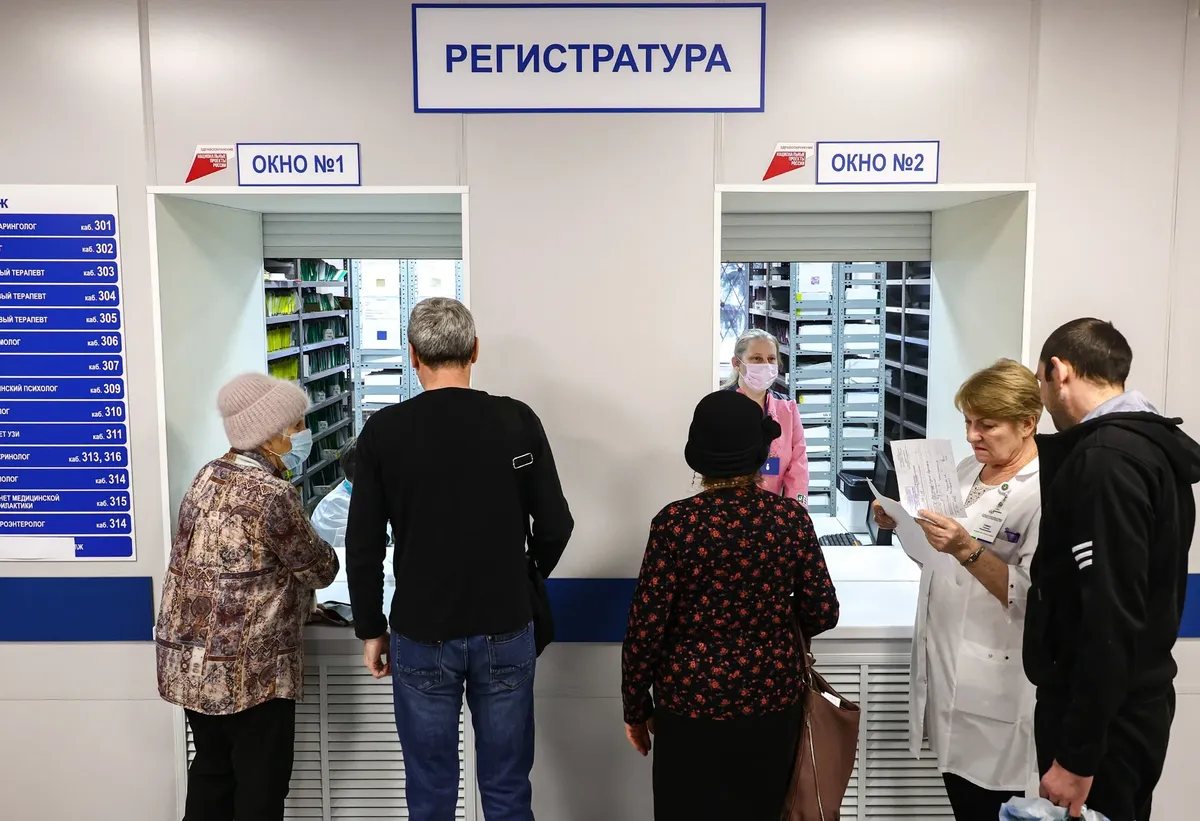
Doctor in digital profile
A new healthcare model is being built right now. For its development only in 2025–2027. The budget includes 1.864 trillion rubles (source: Ministry of Finance). Various national projects are also envisaged. For example, import substitution of medicines and medical products. Or “Extending active life”, the goal is to increase life expectancy to 78 years by 2030. By the way, 2.025 trillion rubles have been allocated for it. With such costs and efforts, citizens are simply obliged to live longer - literally by the power of self-hypnosis, out of a feeling of gratitude and, preferably, without hospitalization. In the struggle for longevity, you can lie down only if you can’t stand at all (and we’ll return to this topic later).
In addition, last year the government approved a strategic direction in the field of digital transformation of healthcare until 2030. The stated goal is to achieve a high level of “digital maturity.” As conceived by the ideologists of the process, this will ensure “the creation of a single platform ecosystem based on holistic and homogeneous primary data.” A design that is difficult to perceive by ear must have some meaning. Otherwise, why are they doing it at such a high level? And if digital transformation is a strategic and global goal, then creating digital twins for 100% of medical organizations and their employees is one of the tactical tasks of the Ministry of Health for the near future.
Health Minister Murashko announced the appearance of doubles four years ago.
The department presents it as follows: the system enters all the patient’s diagnoses into his electronic medical record, analyzes his condition and creates an algorithm for the specialist to work with the patient. According to the head of the Ministry of Health, digitalization is aimed at freeing doctors from routine.
They even plan to ask them how the deliverance is going, namely: does their own digital profile help in their career and development, do patients use the link to it?
Healthcare managers will also be asked whether the costs of maintaining medical institutions have decreased as a result of innovations? We don’t know whether they will find out from patients whether they feel better from these ideas or not. But it is known that real doctors are already thinking about all this. The Association for the Development of Medical Information Technologies, together with the Medical Information Solutions company, conducted a survey last year. The results were published in Medvestnik and are freely available. Only half of the 1,660 doctors surveyed said that the digitalization of medicine significantly helps them in their work. Every fourth person believes that the help from it is insignificant, and every sixth person thinks that innovations only interfere.
It’s even more interesting: 58% of respondents said that the level of digitalization reported by the media does not correspond to reality. The majority (67%) believe that in the media regarding digitalization “we see and hear one thing, but in real medical organizations it is completely different.” Another 34% see “too much enthusiasm and official optimism” on the topic.
I’ll add from myself:
Digitalization in its current form has created segregation. For some, the process is simple and straightforward. To others (primarily the older generation) it seems meaningless and difficult to access. People simply find themselves outside the process.
Who would argue that mobile applications for making doctor’s appointments and consultations are designed to “facilitate communications, save time and improve the quality of interaction between patients and medical institutions.” It is in this formulation that they are presented. And somewhere behind the scenes there are statistics on the provision of those same pensioners - the most vulnerable group in this sense - with devices that allow them to install applications and services. Are older people expected to have adequately mastered the required skills? If not, then literally everyone has a whole team of assistants behind them? And the motivation to attend digital literacy courses among pensioners is probably off the charts? It seems that these questions are rhetorical.
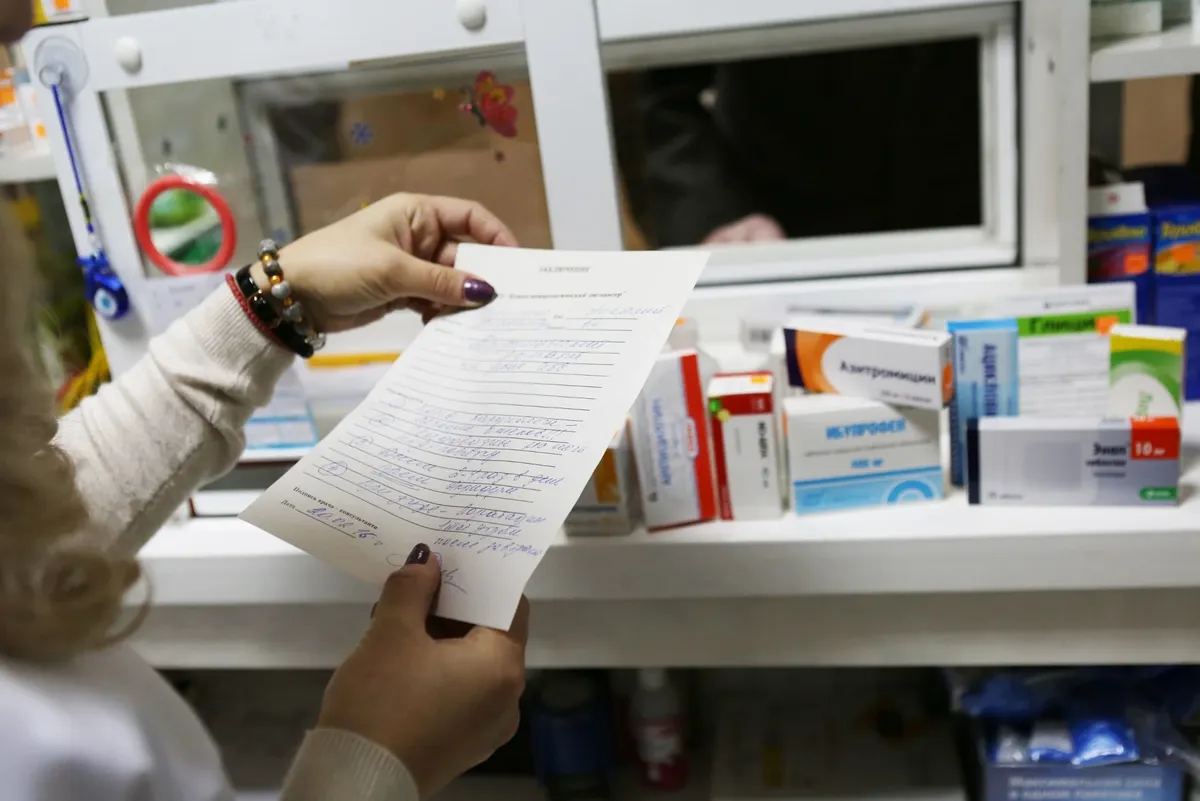
Banishing paper
As part of digitalization, another large-scale task is being solved: to eliminate paper recipes as a genre (they are planned to be left only in remote settlements). And again the refrain sounds: “an electronic prescription forms a single information space that unites hospitals, clinics and pharmacies throughout the country.” Lawmakers planned that by 2023 at least 70% of medical institutions will switch to electronic referrals and prescriptions. A year ago, only 25% of doctors worked in the medical institutions where they are discharged.
In the public space, another deadline was named - March 2025. But even here the final transition did not happen. Actually, you can transfer and cancel anything - including paper recipes. It would be nice to find out how many people know about the innovation and are ready for it.
A pensioner from Samara is 87 years old. Yuri Andreevich is registered with chronic heart failure. He goes to the clinic himself and quite regularly. He has neither a computer nor a tablet.
“ Have you heard that prescriptions for medications under benefits will now be electronic, ” we asked the pensioner . — Did they tell you about this at the clinic?
- No, I don’t know anything. And no one spoke.
— But do you have any idea, at least in general terms, of how to use an electronic prescription?
— I can’t use it because I have a push-button phone. And I don’t understand how I can receive this electronic information.
— What will you do if paper prescriptions are removed completely?
- I won’t do anything. Everything will be as it was. I don’t perceive this innovation at all. I will ask you to write me the recipe by hand.
Svetlana, a resident of Moscow, is only 25. When it comes to electronic services, she is an advanced user. And when asked about recipes for the new format, he answers:
— I haven’t been able to log into EMIAS ( Unified Medical Information and Analytical System. — O.P. ) for two weeks now. It doesn't work for my friend either. I updated, rebooted the phone - it doesn’t help. Electronic prescriptions and sick leave are, of course, convenient. But when everything works and doesn’t freeze.
A couple of months ago, in a modern multidisciplinary clinic, I received a classic paper prescription with a stamp. I asked about the electronic one, they answered that they were not connected to EMIAS. I was glad: I didn’t have to install another (I don’t remember which one) application. By the way, about EMIAS: at the beginning of the year, regulations were issued for providing access to it for medical organizations. The document applies to clinics participating in the Moscow territorial compulsory medical insurance program. And at the end of summer, the National Association of Healthcare Managers appealed to the capital’s government with a request to allow non-governmental medical institutions to connect to EMIAS. And this news is really positive, because the practical benefits are obvious.
One of the experts recalled that, according to officials’ forecasts, by the end of 2024, all healthcare organizations were expected to finally switch from paper to digital. These were the plans at the start. Later they were adjusted towards reality. Now it is expected that by the end of 2025, only 30% of hospitals will completely switch to electronic document management.
What is happening “on earth”? Among physicians using health information systems (MIS), only 17% said the system meets work needs. Every fourth (25%) said that they were not satisfied, 57% said that they were only partially suitable. When asked how doctors assess the quality of the medical information systems they work with, 40% answered negatively, another 50% said that the system is not bad, but there are complaints.
Only in ordinary life everything is more prosaic. There is an illustrative example in this regard about the “interaction” of two budgetary state medical institutions. After being refused at the district clinic A.P. I went for a paid appointment with a doctor at a specialized hospital. He was surprised: why did they come for a fee, and not on a referral from the clinic?
The patient replied: they don’t want to refer me. And she asked: maybe you know why? The doctor shrugged: I don’t understand why this happens, but we can’t force them.
After studying all the introductory information and conducting a special test, the doctor “decided” that hospitalization was necessary. The patient was given a list of tests and advised not to delay and to have them taken at the district clinic (the set was standard). The date of hospitalization under compulsory medical insurance was promised to be set within two weeks.
The city clinical hospital and the district clinic are united, let me remind you, by EMIAS - both were connected to it. Consequently, the City Clinical Hospital doctor could easily look at the patient’s electronic record created at the clinic. But then the interaction stalled. For some reason, the clinic was surprised at the patient’s intention to get tested:
“You went to a paid appointment somewhere, and you would have given it there,” the receptionist expressed bewilderment. - Why send to us?
But I still made an appointment with a therapist. One more thing was required from him - a separate direction. Then I had to sign up again - this time in the treatment room. But it didn’t come to that.
Seeing the list, the therapist tensed up, thought about it, and then started calling the manager. After some negotiations, she summed it up: we don’t do that.
“I was told that the laboratory has some kind of unspoken order to accept only the bare minimum from clinics,” continues A.P. — Is there some kind of antagonism between them, or what? Until recently, in the clinic it was possible to donate blood for biochemistry, now only a general analysis. I had to give it up for money, then send it to the hospital - what kind of unified system are they telling us about?
Sami. Now we're all on our own
The unified health information system has not yet been extended throughout the country. So far, in a hospital in, say, Krasnoyarsk, they cannot access the electronic medical record of a resident of the capital. Therefore, pensioner from Moscow I.K. I asked the clinic to print out several pages from my own electronic card. The woman was traveling to another city, where she hoped to get a consultation. To do this, she needed a medical history on paper. She did not have the opportunity to print it herself. At the information desk, at the reception desk, and at the appointment with the therapist, the patient’s request was denied. Yes, they told her, it was possible before, but now it’s impossible. The woman tried to appeal to logic: here is the computer, here is the printer, I have access to the card, I ask for my data. In response I heard: “Now we’re doing it ourselves, the program has been cancelled.” This is now a weighty argument for refusal: “We don’t have such a program” or “The program doesn’t have such a function.” And then they sent me to the Longevity center.
In the center on I.K. They looked at me with bewilderment and suggested that I enroll in a beading club. Or better yet, go to the MFC. I went. And I heard something already familiar:
“For some reason this program was removed from us.” But they helped - simply out of the kindness of their hearts. And they were indignant: couldn’t they have done this at the clinic?!
Literally from every voice there are assurances that the digitalization of medicine leads to a reduction in administrative costs, improved accessibility of medical care, and reduced queues at clinics. But excuse me: why improve the accessibility of something that should be accessible by definition? Does the reduction in administrative costs somehow affect the patient? If not, why should he care?
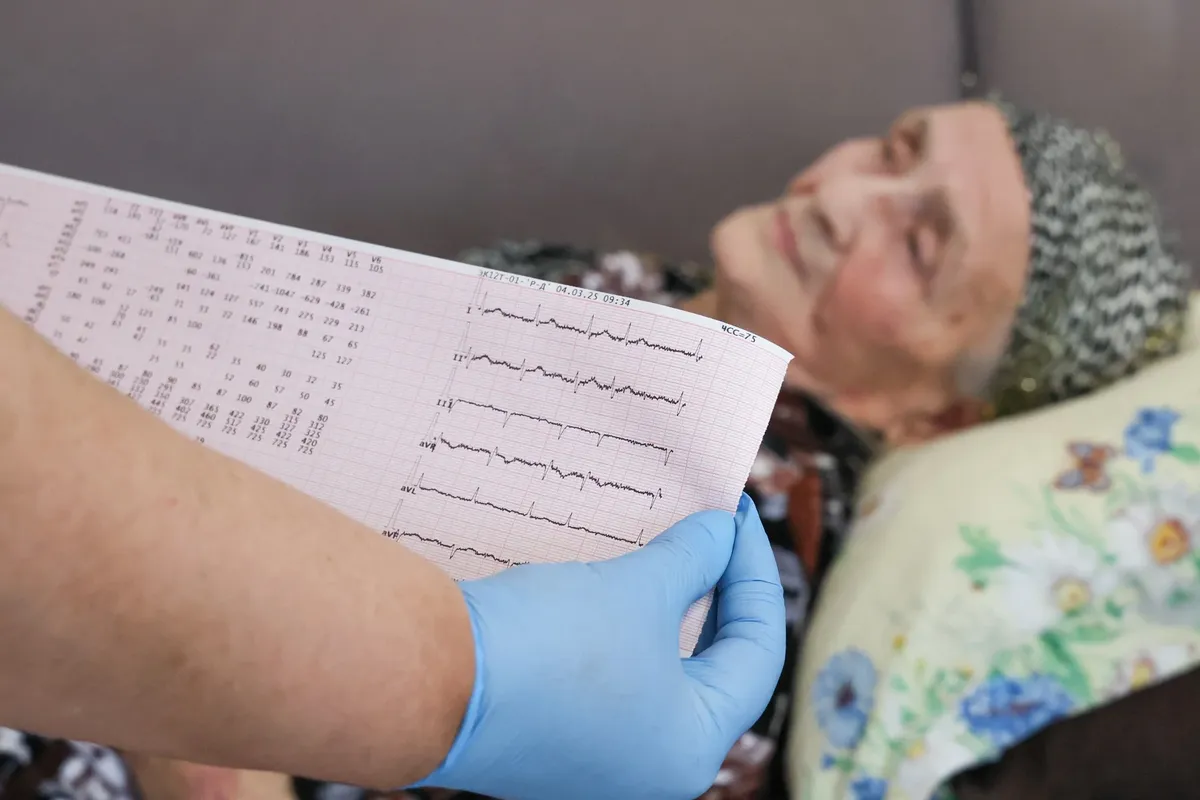
Officials report: “self-diagnosis and health tracking apps are widely used by people with chronic diseases.” I understand about tracking. Is it serious about self-diagnosis? Next, presumably, they will present us with an application for self-medication? In any case, the number of consultations within the framework of telemedicine is increasing rapidly. Apologists for the idea enthusiastically report a sevenfold increase! More than 28 thousand Russians use remote consultations annually. It is believed that this is convenient and efficient.
How effective we don’t know. And is it quality that matters when the quantity is amazing? By 2030, the number of telemedicine users is projected to approach 28 million. The emphasis is also on the fact that it will increase the availability of health services in rural and remote areas. Telecommunication services or treatment? Experts expect that by the end of 2025, more than 30% of initial consultations will take place via videoconferencing.
How the treatment itself will be carried out - this part of the project is still omitted in public presentations. And what, exactly, is the problem! As it turned out, it is possible to receive a prescription for medications during a telemedicine consultation. And everything else follows the familiar pattern - “themselves-themselves-themselves”.
We asked a practicing endocrinologist with serious experience a question about his attitude towards telemedicine. In response, we received a whole monologue about the painful issue: “And these conversations have been going on for a long time: propaedeutics is not needed! Do you understand?! “Check-up” and diagnosis. And anatomy is taught not on corpses, but only from pictures. Но ведь нас учили лечить не анализы, а человека. А лечим мы, осматривая, слушая (те же хрипы и шумы в сердце), пальпируя. Пропедевтика* — это основа! А к чему нас толкают? Проводить осмотр дистанционно? Как это — не видеть пациента вживую? Это разрушение медицины! У меня в окружении многие, кто не согласен с таким подходом, просто уходят из профессии. Я и сама об этом думаю. Мы не готовы лечить по таким стандартам».